
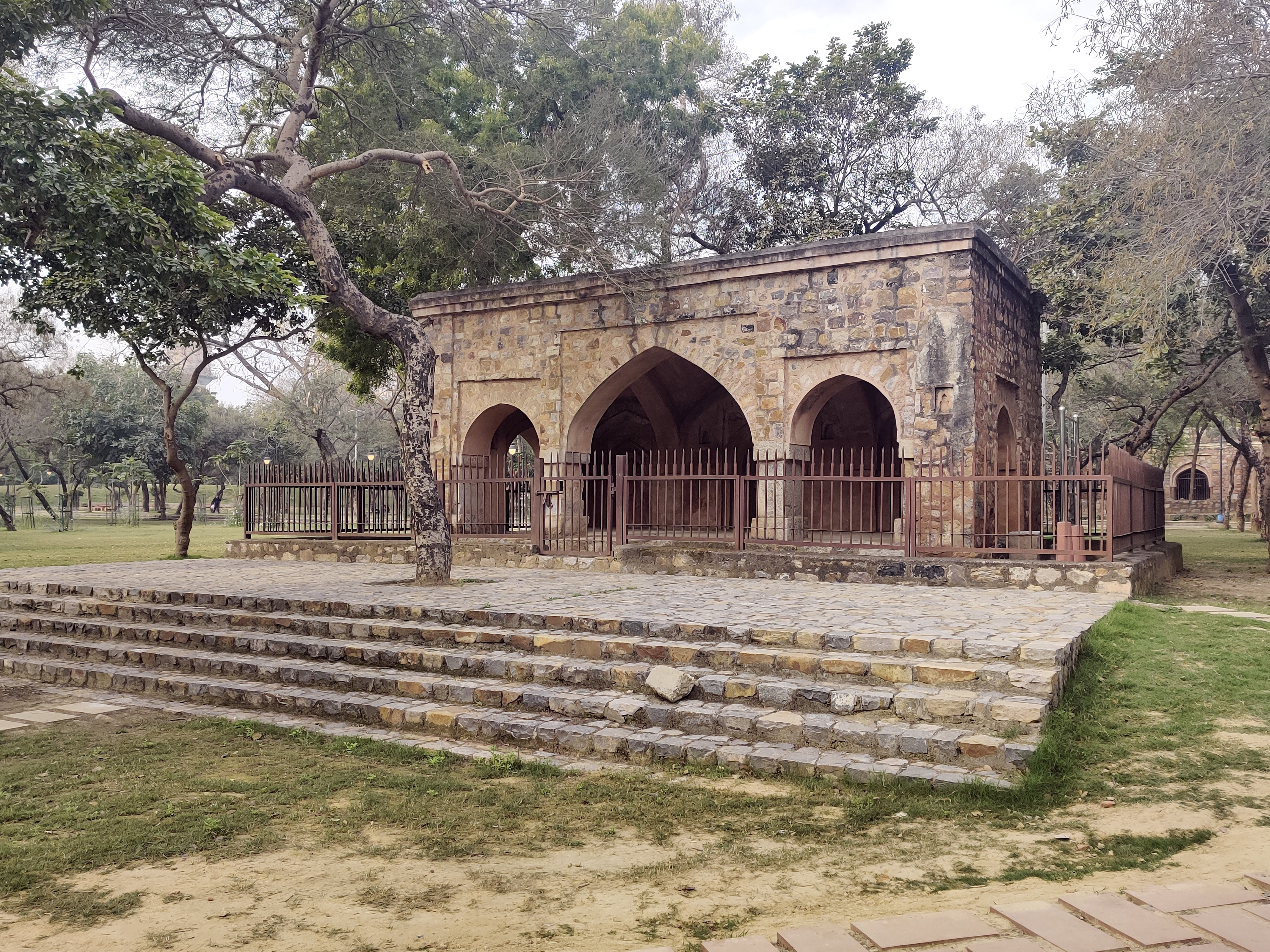
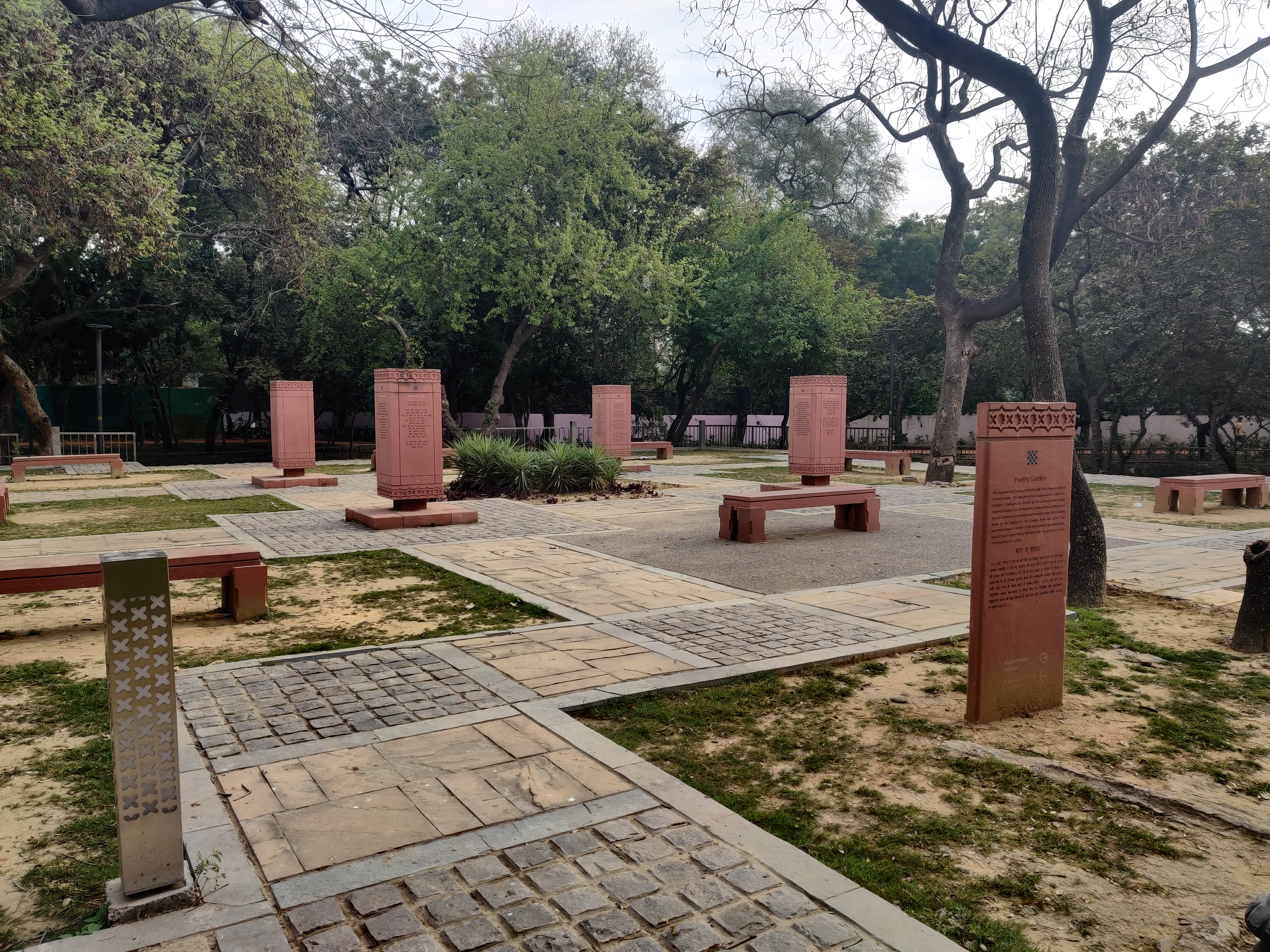
Have you ever heard of ‘Tughlaq Gardens’? Just like Lodhi Garden or Mughal Gardens! No? Well, well, poor Tughlaqs could never get the gardens of their era to survive. Nor did the generations coming after them made any effort to restore them to their original glory. It is believed that between the five or six generations of Tughlaq dynasty – they built some 1500 gardens in and around Delhi and the Deccan area. One of them has partially survived in the upmarket, rich South Delhi neighbourhood of Vasant Vihar. Over the last five years a lot of effort has gone into reviving it. DDA together with some responsible citizens of the area surrounding it have put in a lot of effort to rescue this abandoned child.
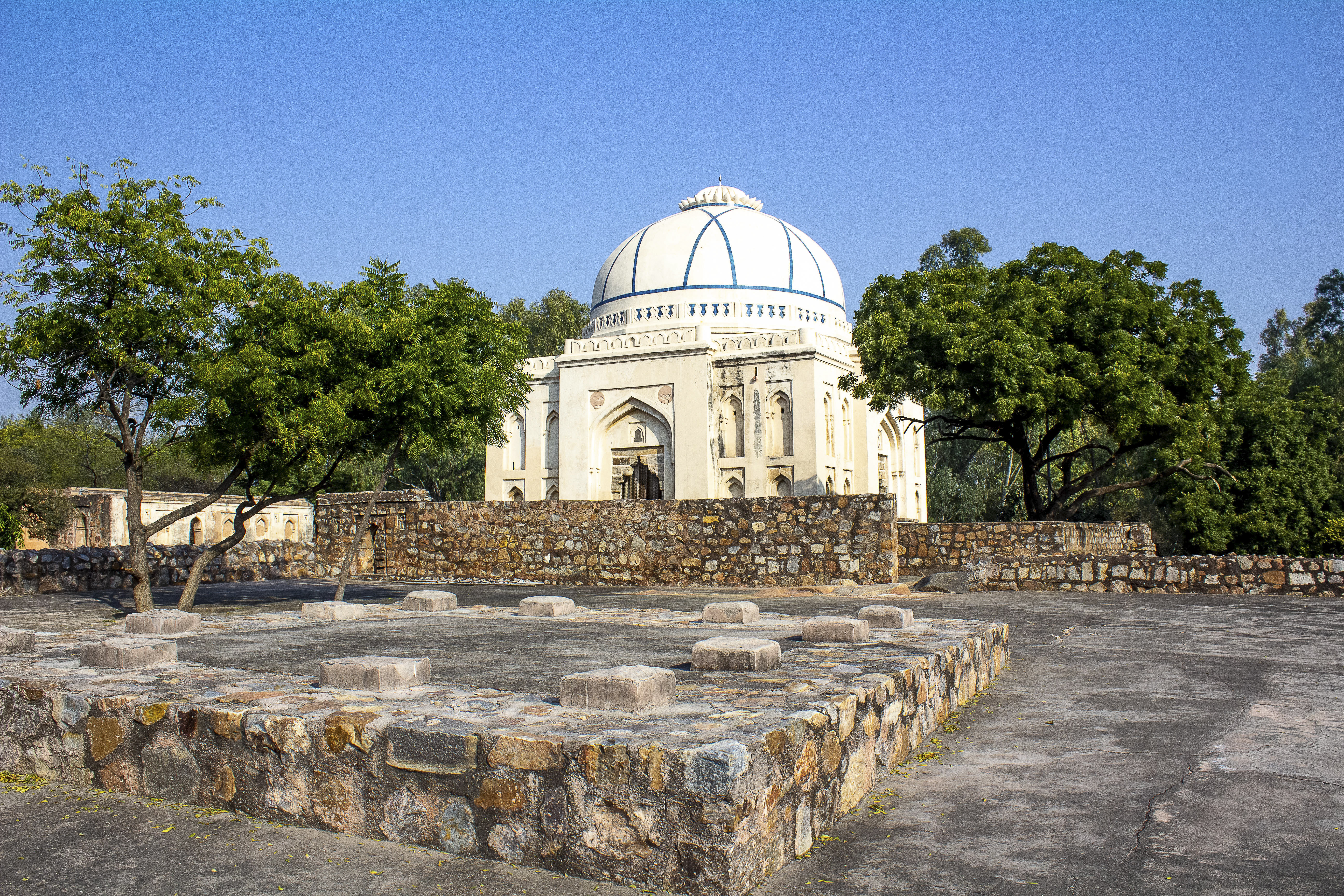
Just like an abandoned child, an orphan, a monument too can fall prey to bad elements. In the case of monuments that are hidden behind rocky outcrops, in the jungle or behind the unkempt foliage – it is all the more easy for vagabonds and addicts to use these for their nefarious activities and as a place of solace away from the eyes of society and the law enforcing authorities. This was the case with Bara Lao Ka Gumbad before the Archaeological Survey of India took the monument under its care. A family had been living inside the 600 years old Lodi/Tughlaq era monument for over 40 years or ‘for three generations’ as they claimed. Located inside the 45 acre DDA Park in Vasant Vihar, this monument lay abandoned for over 100 years. Residents of the surrounding bastis and the land mafia kept encroaching upon the rocky land which had been secured by DDA. A local politician even created a large structure on the land to store LPG gas cylinders. A family having created their ‘living quarters’ inside the royal monument refused to vacate the same and had to be legally evicted but it was too late. By then they had painted the insides and damaged the inner and outer walls of the monument at many places. To preserve this piece of our heritage and to protect it from future encroachment, the entry to the monument has since been restricted. But for the period about when it was built, not much is know about the structure. The surrounding garden is from the Tughlaq era. Historians believe that Muhammad Bin Tughlaq (1290-1351) who ruled over the Sultanate of Delhi (son of Ghiyas-ud-Din Tughlaq) created over 1500 gardens in and around Delhi of his time. Firoz Shah Tughlaq (1309-1388) contributed further to the development of many more gardens in Delhi much before the Mughals came and ruled Delhi or the Lodi’s created what is now called Lodhi Garden. It was Babur the Great who defeated the army of Ibrahim Lodi in 1526 at the famous battle of Panipat.
The Tughlaq Dynasty Ghiyasuddin Tughlaq (1320-24); Muhammad Tughlaq (1324-51); Firoz Shah Tughlaq (1351-88); Mohammad Khan (1388); Ghiyassuddin Tughlaq Shah II (1388); Abu Baqr (1389-90); Nasiruddin Muhammad (1390-94); Humayun (1394-95); Nasiruddin Mahmud (1395-1412)
With a short takeover by the Sayyid dynasty (ruling at that time in Punjab) the seat to rule Delhi was taken over by a Pashtun Tribe from Afghanistan. Bhalul Khan Lodi was the first in the Lodi dynasty to have taken over the power from Sayyids in 1456. The Lodi dynasty ruled Delhi till their defeat at Panipat at the hands of Babur.
The Lodi Dynasty Bahlul Khan Lodi 1451–1489; Sikandar Lodi 1489–1517; Ibrahim Lodi 1517–1526; Mahmud Lodi 1526-1527
 Ankahi. Unsaid.