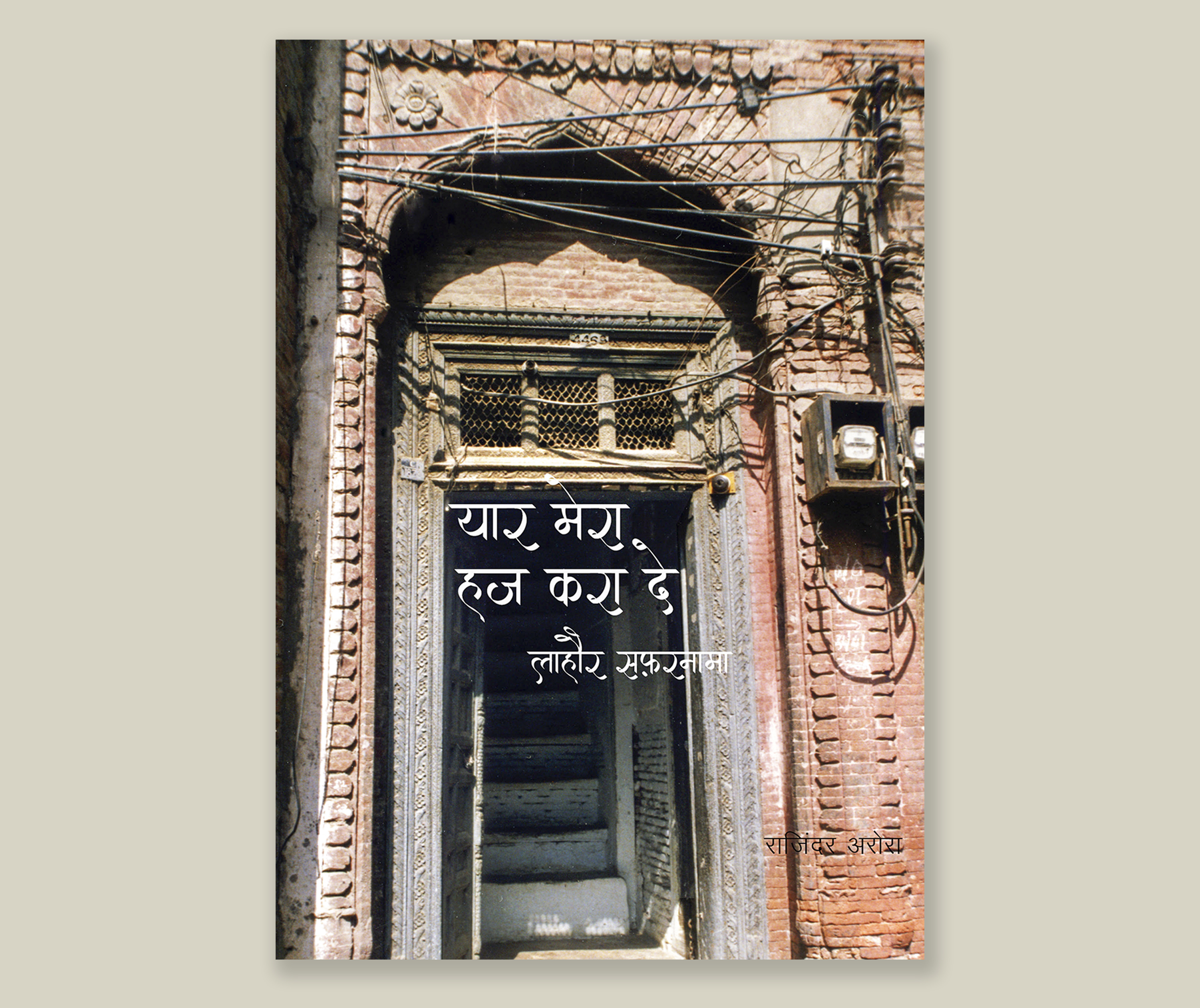
भारत-पाकिस्तान के रिश्तों पर राजनीति ने जितनी कहानियाँ लिखी हैं, उनसे कहीं अधिक कहानियाँ आम लोगों की स्मृतियों में सुरक्षित हैं। वे कहानियाँ बताती हैं कि सरहदें नक्शों पर खिंचती हैं, दिलों पर नहीं। राजिन्दर अरोरा की ‘यार मेरा हज करा दे’ ऐसी ही एक सच्ची कहानी है, जिसमें बहुचर्चित फिल्म ‘ मैं वापस आऊंगा’ के बुजुर्ग की तरह एक बूढ़े पिता की लाहौर लौटने की इच्छा, विभाजन की त्रासदी, साझा संस्कृति और मनुष्यता के गहरे रिश्तों का मार्मिक आख्यान बन जाती है। भले हीं यहां लौटने की इच्छा का सबब फिल्म की तरह प्रेम और उसकी स्मृतियां न हो। अपने बचपन के शहर की ओर लौटना ऐसी ही एक यात्रा है, जिसमें रास्ते से ज़्यादा स्मृतियाँ साथ चलती हैं। यह किताब स्मृति, विस्थापन और मनुष्यता की उस साझा विरासत की खोज है, जिसे कोई सरहद बाँट नहीं सकता।
Sisters share more than just the mother – they share memories, morsels and mirth. As sisters age together they share bodily pains and aches, develop identical creases on their faces and near-similar throbbing blue veins under wrinkled skins in which the biological code of generations is embedded. Well past their nineties, sisters start looking like identical twins with similar, puzzling faces. Their toothless smiles and groggy grunts sound so much alike that their own children can confuse one for the other. When they huddle together with faces covered, their own sons falter in picking the Mother from the Massi.
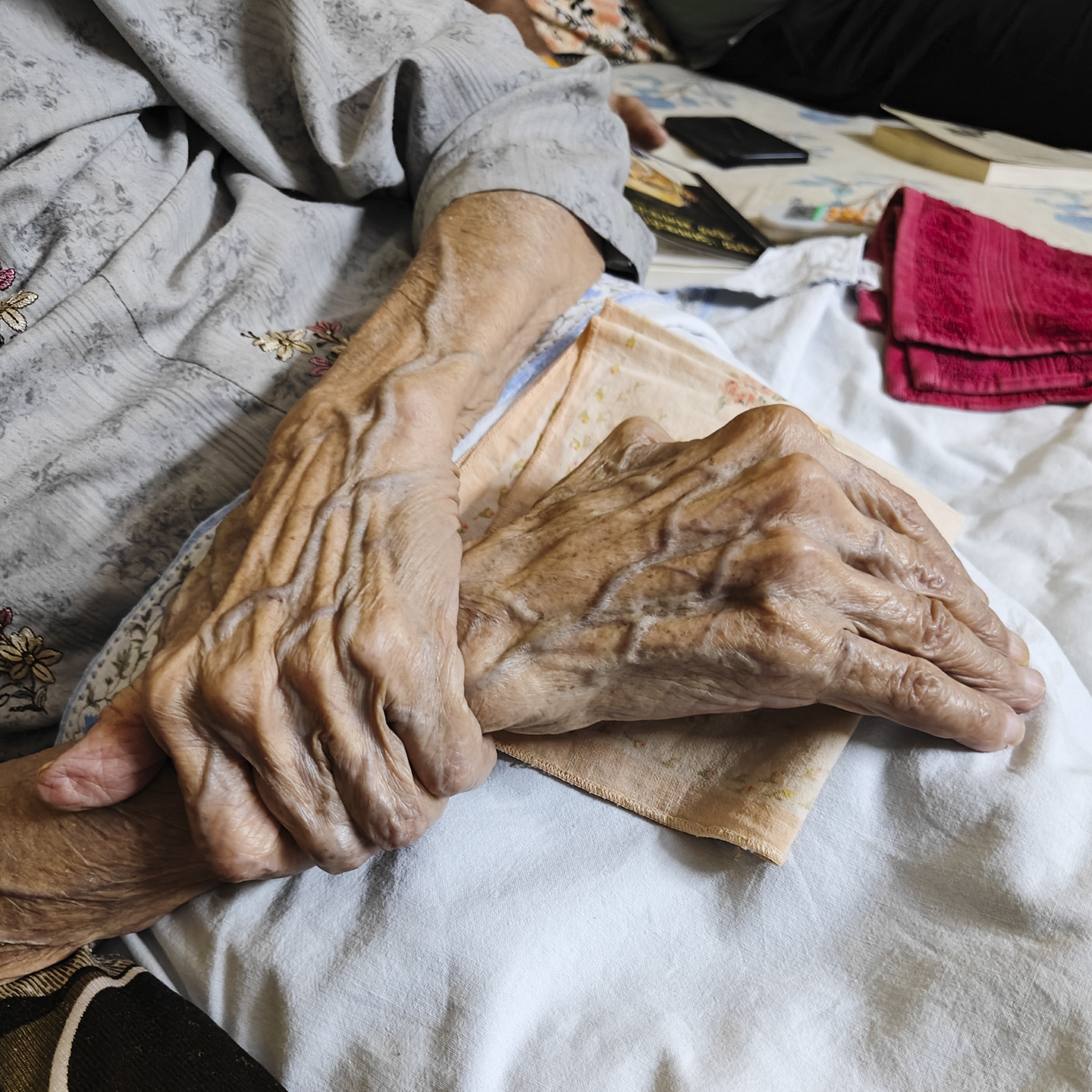
Only when I looked closely did I find that my massi had slightly broader nails on her long dainty fingers. Ma’s fingernails were naturally manicured into perfect rounded shapes, she rarely filed them, rounded the tips or even applied nail enamel. Earlier in life Ma would chew nails when anxious.
Having lost my mother six weeks ago, I am here in Suratgarh to see my Massi who is Ma’s immediate older sibling. Having been privy to their phone calls, thrice a day for over two decades, I can vouch that the attachment between two sisters who lived past ninety is a rare, beautiful masterpiece shaped by nearly a century of shared existence. Their connection transcends words, relying on a silent, comforting telepathy built over nine decades. They are living mirrors for one another, anchoring each other to reality and providing a unique comfort that nobody else can duplicate. Massi threw up her hands and cried for an hour upon seeing me. It was very difficult to control her and I wanted her to pour out the grief.
Ma and Massi shared a private universe of memories (from Jhang, Lahore, Rohtak and Patna), remembering the same childhood home, their parents, and the trials of the Partition era that we have only read about in history books. For years their bond provided an unmatched sense of emotional security, offering each other a safe harbour where they could be themselves: ‘Sisters Without Pretense’.
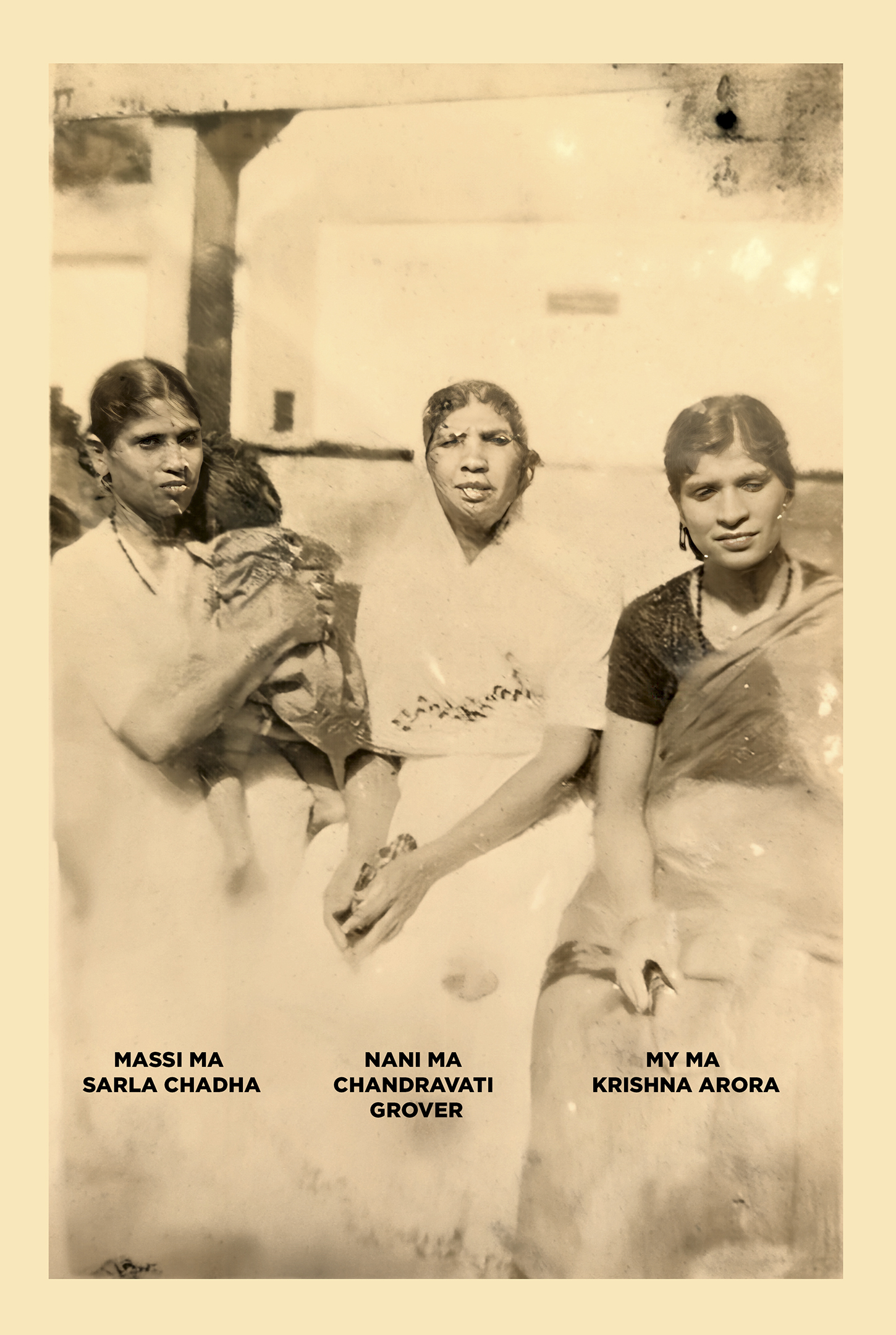
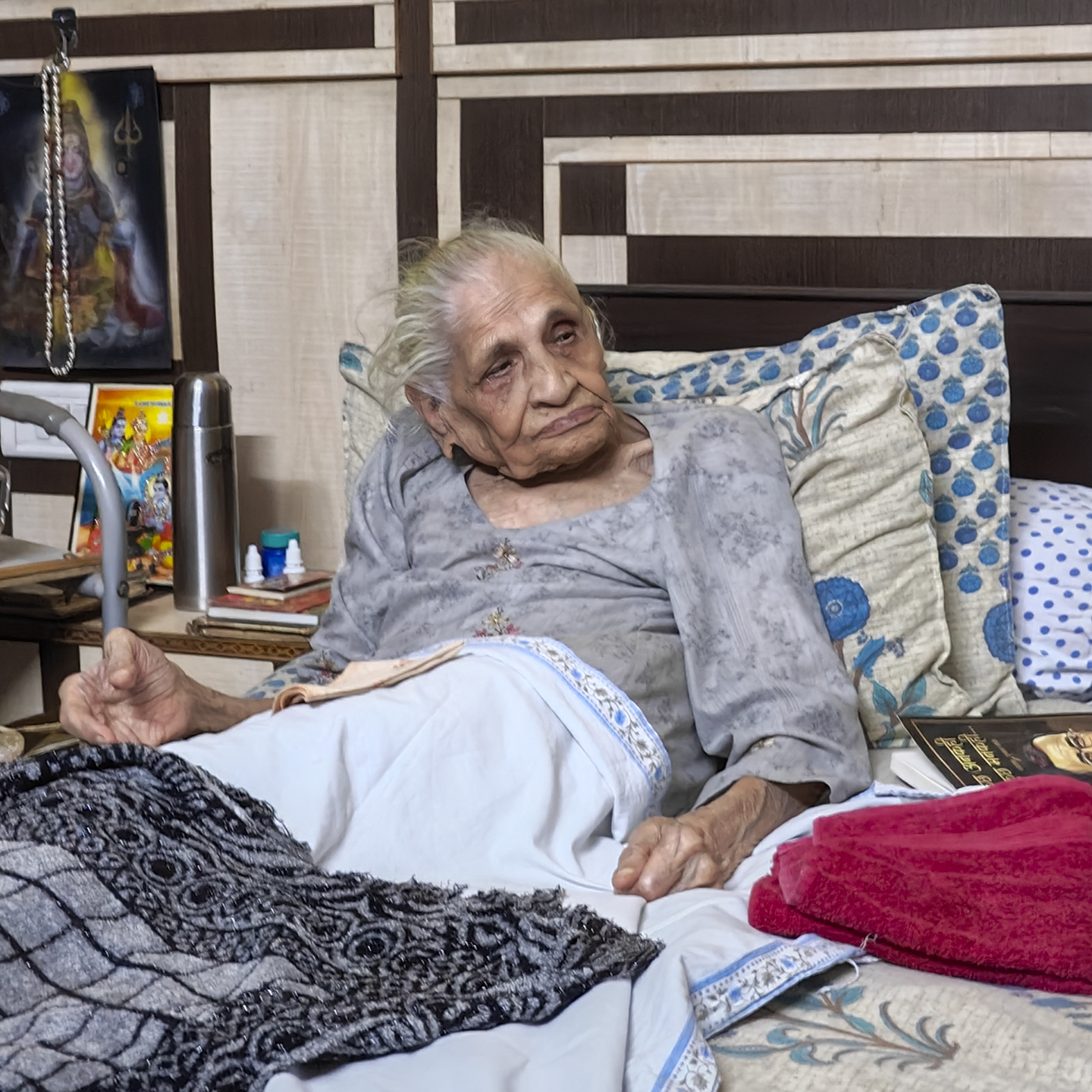
Meeting Sarla Massi was something I owed my mother and myself—a plan that couldn’t materialize because of Ma’s detriorating health. Meeting her favourite nephew (me), massi is at peace and I too feel at peace when I stand in front of Ma’s photo. ‘Ma, we met her, Sarla auntie is fine.’ In this poignant picture from the 50s, the sisters share a special moment with their Mom, my Nani, Chandravati. And the other picture is of Sarla auntie and her hands from a few days ago. This is the last piece of our Suratgarh sojourn.
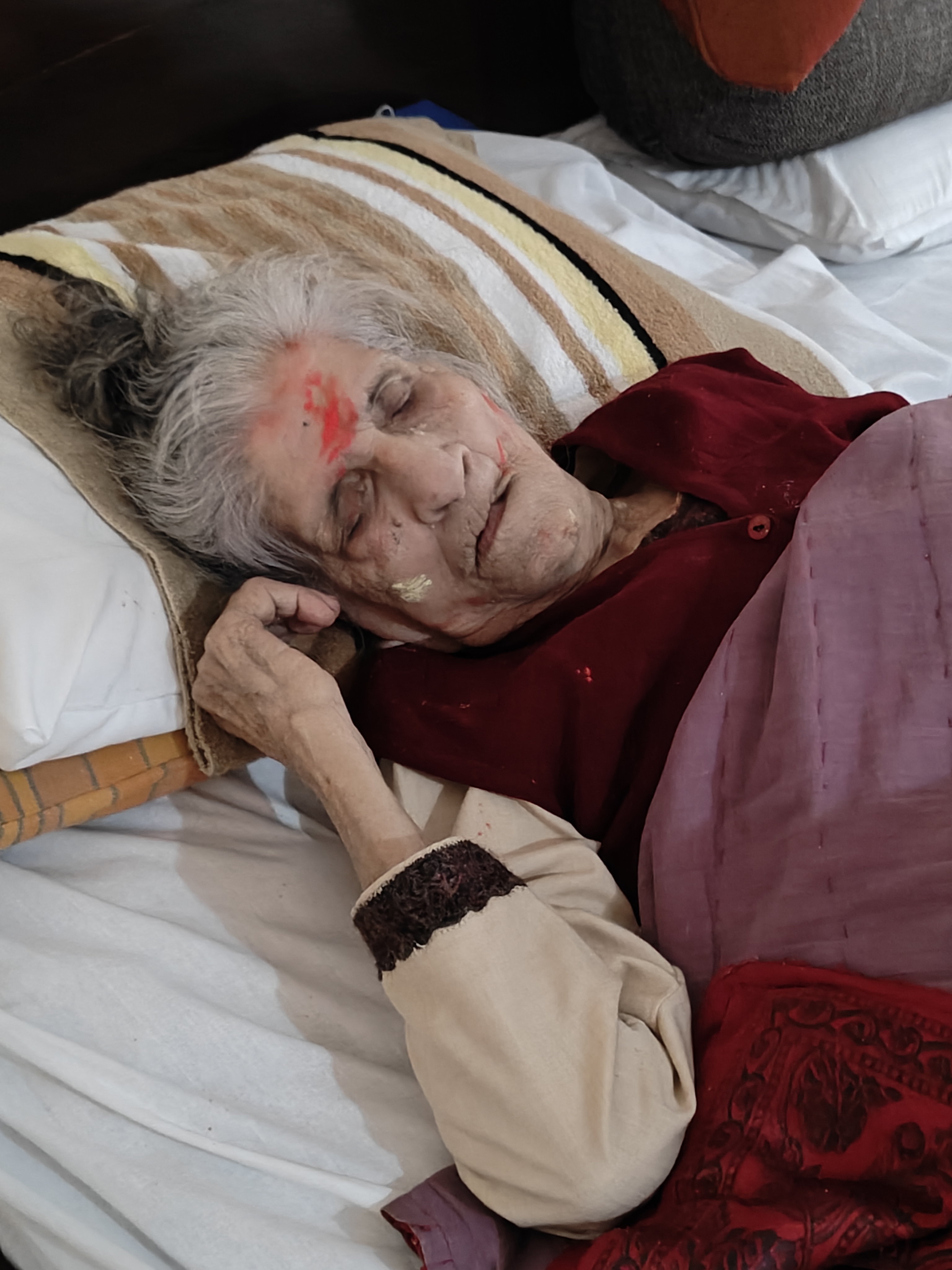
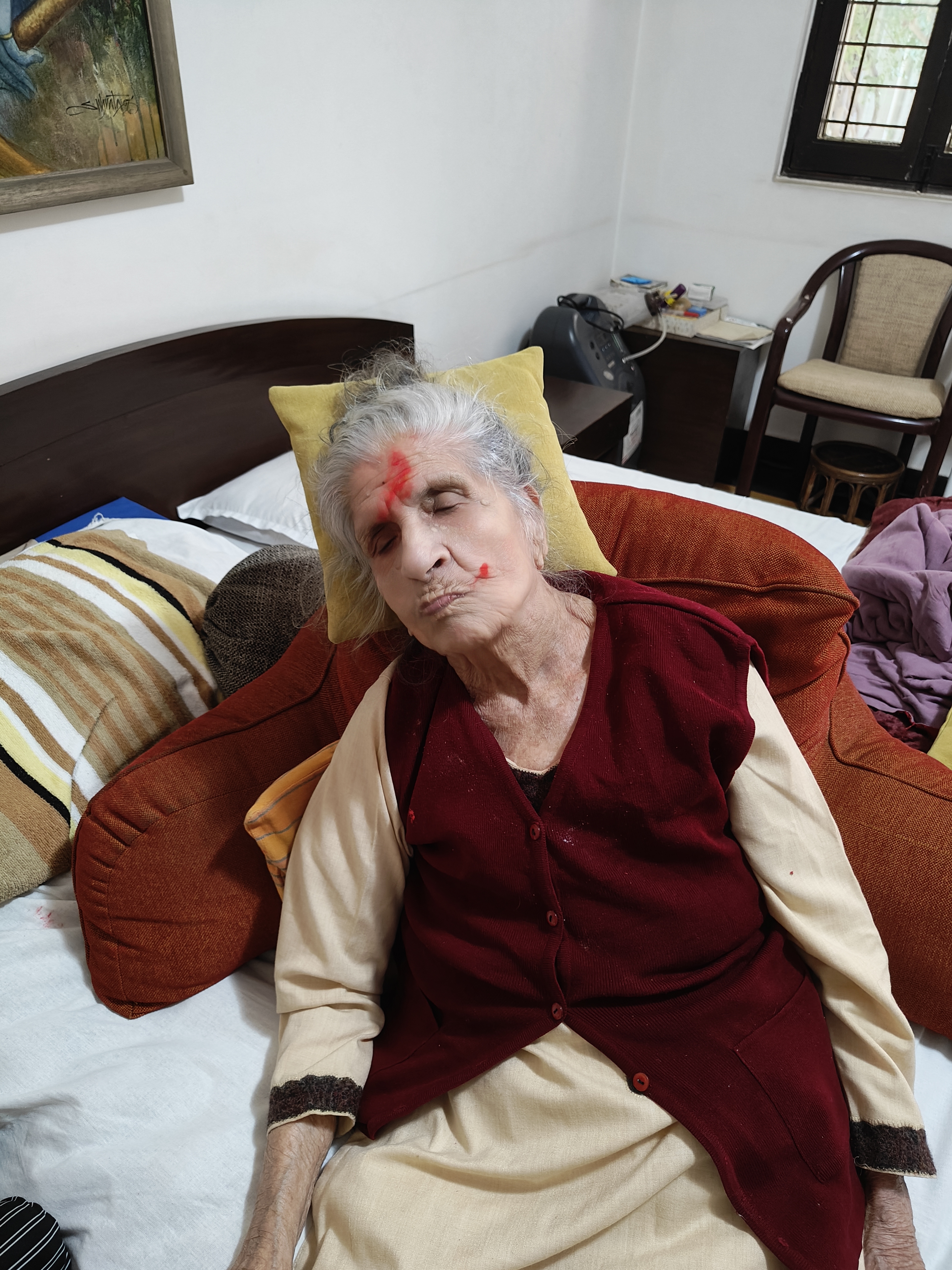
ये तस्वीर होली के दिन की है । एक रात पहले उनकी तबीयत ठीक नहीं थी। उस सुबह भी वो देर से ही उठीं । दोपहर हो चली थी और वक़्त निकला जा रहा था। हम तय नहीं कर पा रहे थे कि उन्हें जगायें या नहीं, रंग लगाएं या नहीं इतने में उनकी पोती चाँदनी ने आ कर माथे पर टीका सा लगा दिया। उन्हें उठा कर बिठाया गया तो भी आँखें बंद कर और सर को पीछे झुका कर माँ कुछ इस तरह से मग्न थीं जैसे शायद कभी अमीर खुसरो रहे होंगे, अपने पीर-ओ-मुरशिद हज़रत निज़ामुद्दीन औलिया को याद करते हुए या फिर खुसरो समा मे रहे होंगे जब उन्होंने “आज रंग है ऐ माँ रंग है री” कव्वाली पहली बार अपने मुरशद के सामने गुनगुनाई होगी। उस रोज़ खुसरो ने खुद को और दुनिया को उस रूहानी रंग में रंगा हुआ देखा होगा जैसे तब मैं देख रहा था। माँ भी समा में ही थीं – दुनिया-जहान से बेसुध, बेखबर – ऐसी बेखबर कि उन्हें मेरी आवाज़ “आज रंग है री” भी नहीं सुनाई दी ।
“मैं पीर पायो निजामुद्दीन औलिया”, अमीर खुसरो ने रूहानी रंग से भरी ये कव्वाली भी अपने पीर को मिलने की खुशी में लिखी थी, इस होली को मैंने भी समझा कि शायद माँ भी उसे सुन कर खुश हो जाएँ सो मैंने भी गा दी। सूफी परंपराओं ये कवालियाँ निजामुद्दीन औलिया की दरगाह पर आज भी गाई जाती है। गुड़गाँव, होली, 4 मार्च 2026
Ma is also at war. Her tormentor is her age. The raging battle is between her body and mind which is slowly destroying the beautiful person she is. Her suffering nudges her to a make-believe world where agitation reigns a serene soul.
जैसी अग्नि उदर में, तैसी बा॒हर माया, माया अगन दुई एक भए, करते खेल रचाया
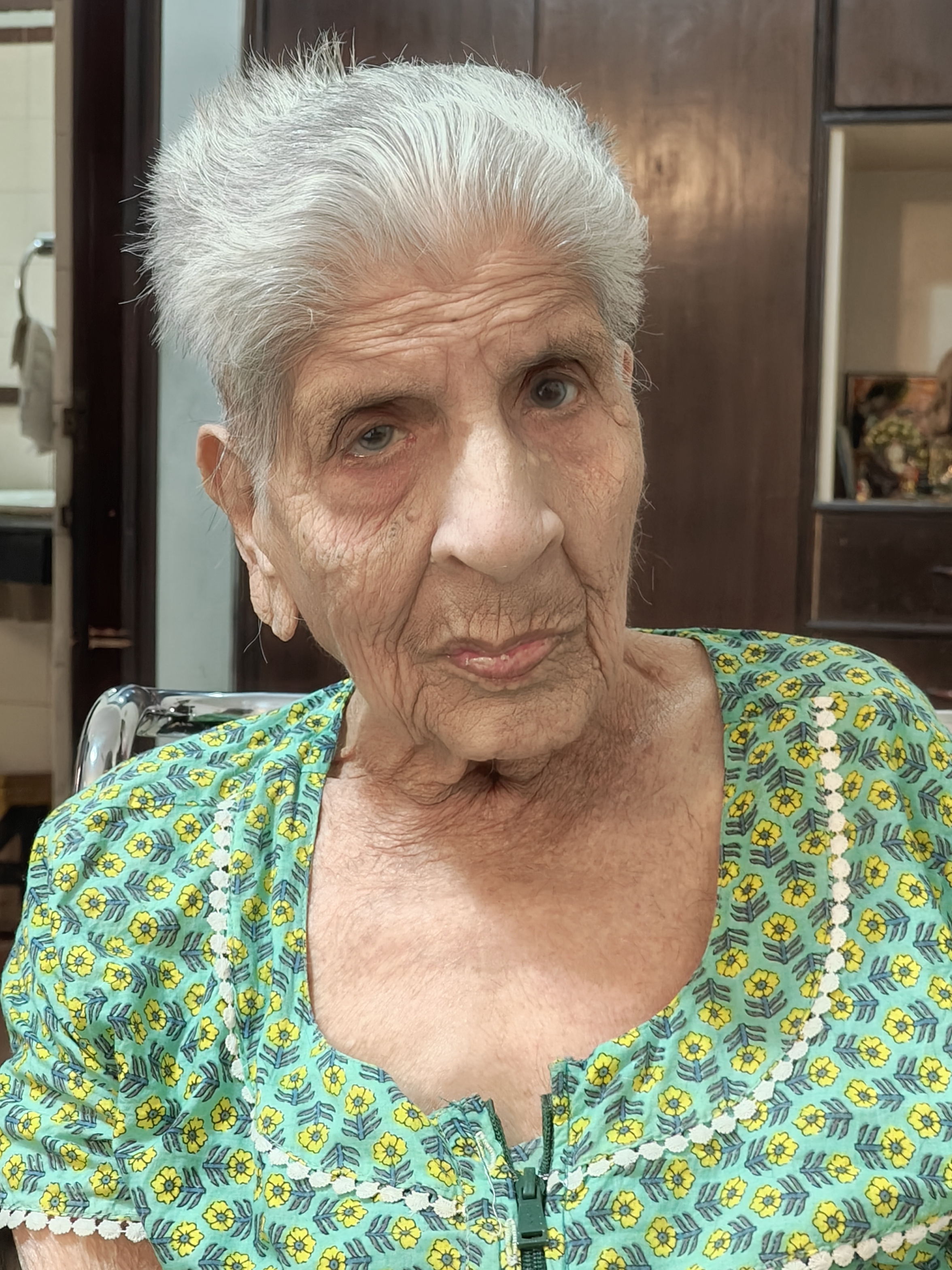
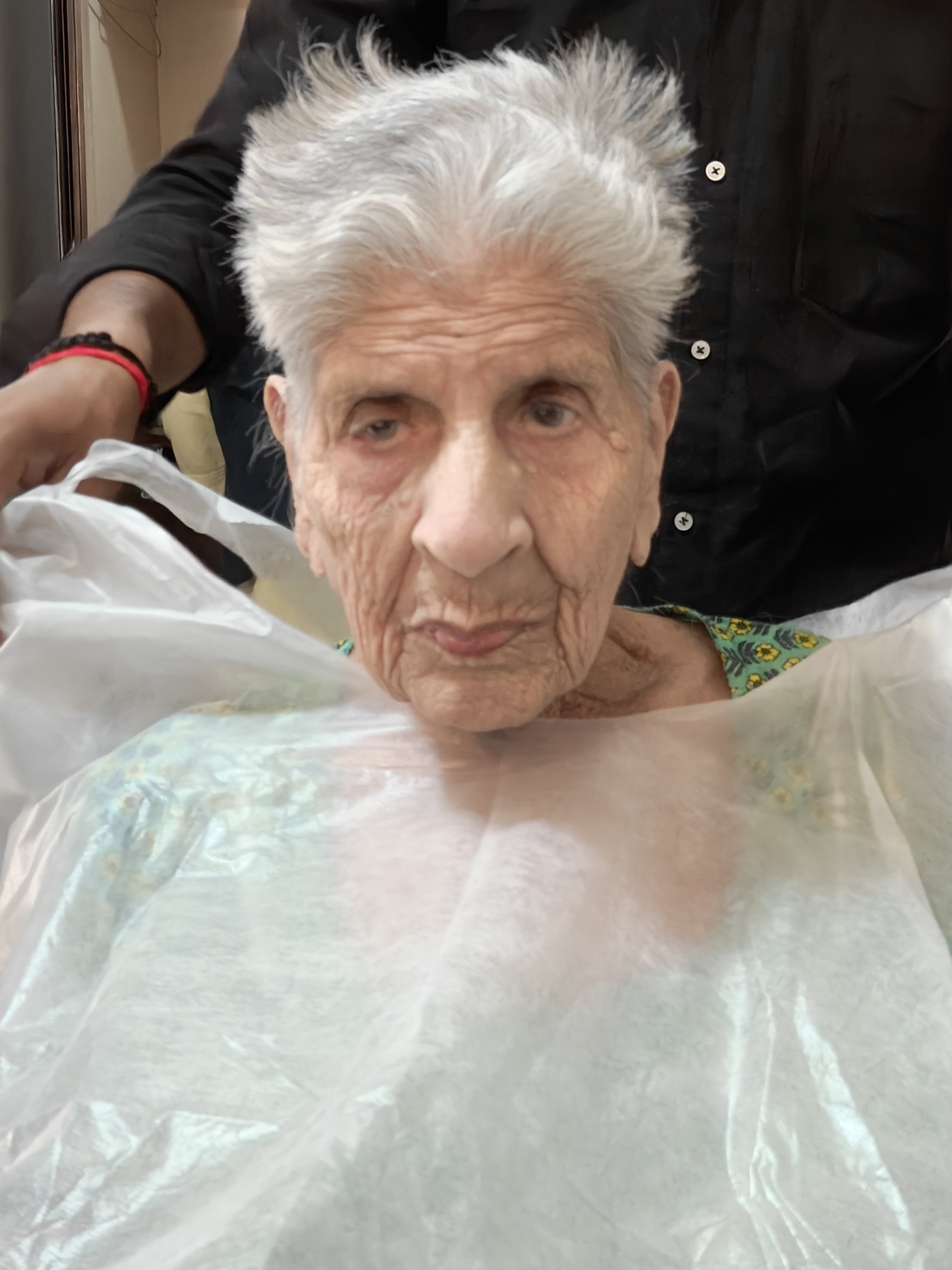
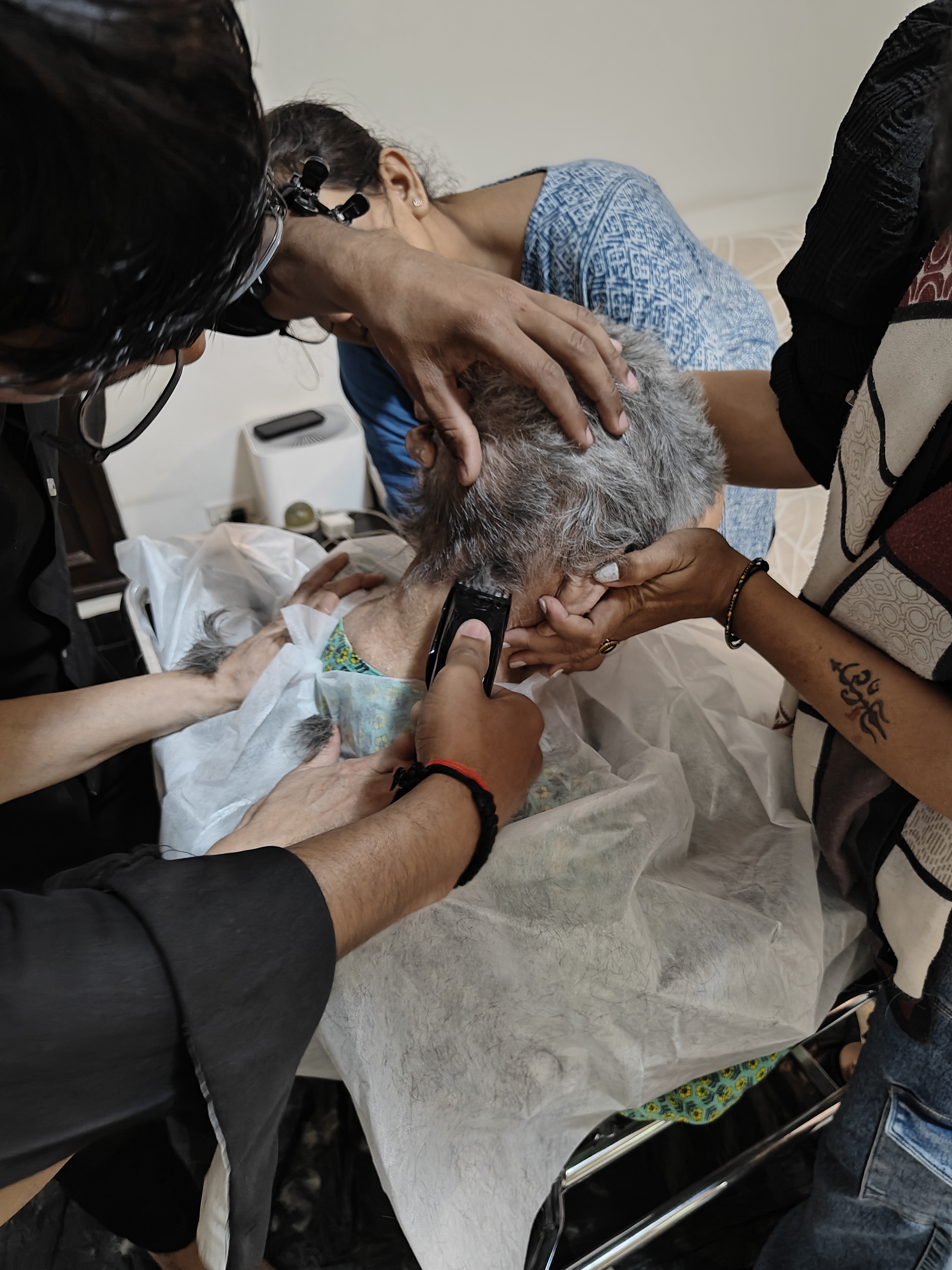
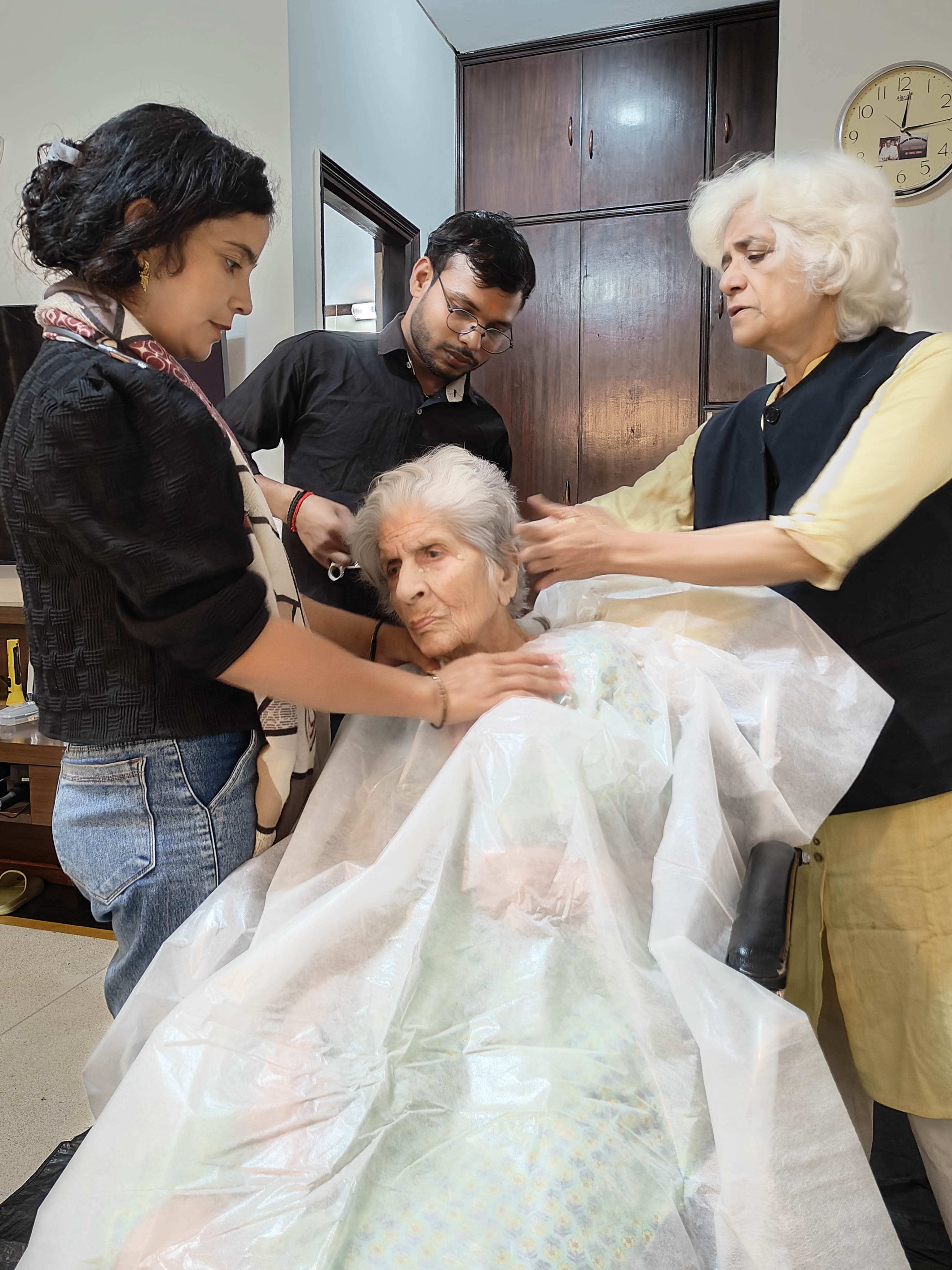
Ma was most unhappy yesterday. She resisted, shouted, pushed and cursed us. She couldn’t fathom why four people were surrounding her, or why someone was holding her neck down while two hands ran a trimmer from her nape to the pate and scalp tickling her no end. She had to be held and comforted by four people for the fear of the scissor or the trimmer hurting her. We felt bad but there was no way out.
It was like a city of lice living in her hair. All because of one careless attendant who passed it on to Ma–the girl herself was unhygienic and hid it from us. We realised it only when Ma started increasingly scratching her head, neck, and the ear. A fine comb run through her hair brought out the lice and the nits. Scared to risk anything else our last resort was to shave her head, but it had to stop a little short of bald head – to a Crew Cut. In her state of dementia she found the exercise an assault. “Maar do” was her constant refrain as she pushed forward and back, barely sitting on the wheelchair. Sorry Ma, it had to be done.
Head shaving, or tonsuring, I am told is a symbolic act of purification and spiritual transformation. Offering hair, on your own, is also considered shedding of ego and worldly attachments. In her new haircut, Ma looks cute, doesn’t she!!!
By the time I reached home he was dead. Traces of white still there on the right side of his face – under the jaw and on his neck. He had finished shaving half his face, the other half still with the stubble of the day before shining in dried shaving cream. He was lying on the warm cement floor with nothing under his head; must have been put there by the neighbours who were standing around him. I didn’t like it and wanted to put him on the settee where he would snooze in the afternoons. That July was much warmer, no rains that year. Sitting in a corner, mother was delirious and wailing. Grief is a river, it must run, I didn’t console her. The neighbourhood doctor, still by his side, got up and held my hand offering condolences. That morning of July 29th I had driven like a maniac only with the hope I would be able to say, ‘Bye Dad’. But no, like always he was in a hurry.
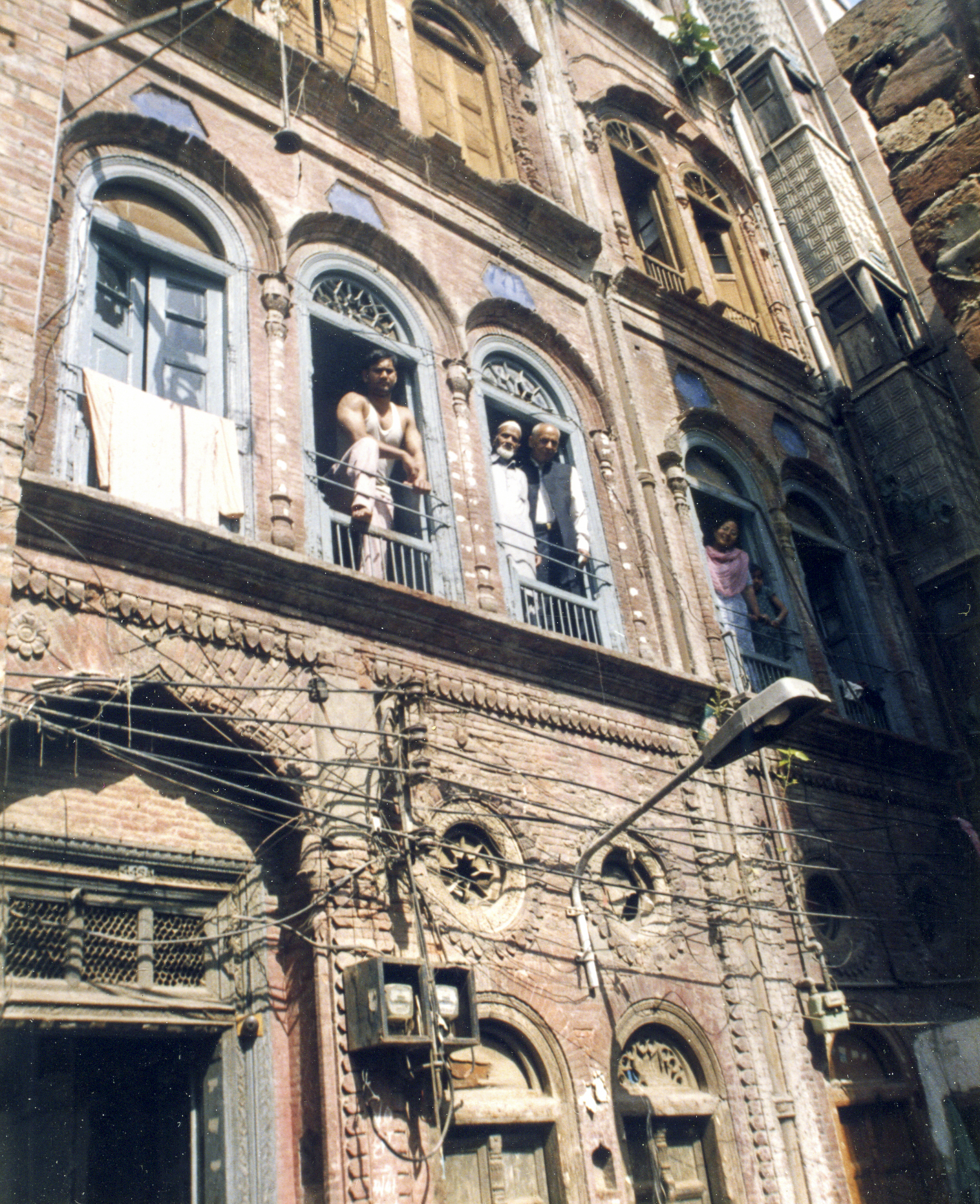
Photo: Daddy (in black jacket) posing for a photo from the jharokha of his house in Lahore. Don’t miss the beautiful cinquefoil arch at the entrance to the house (bottom left) and the lotus on it. The lakhori brick structure has stayed in tact for over 85 years since its construction.







You must be logged in to post a comment.