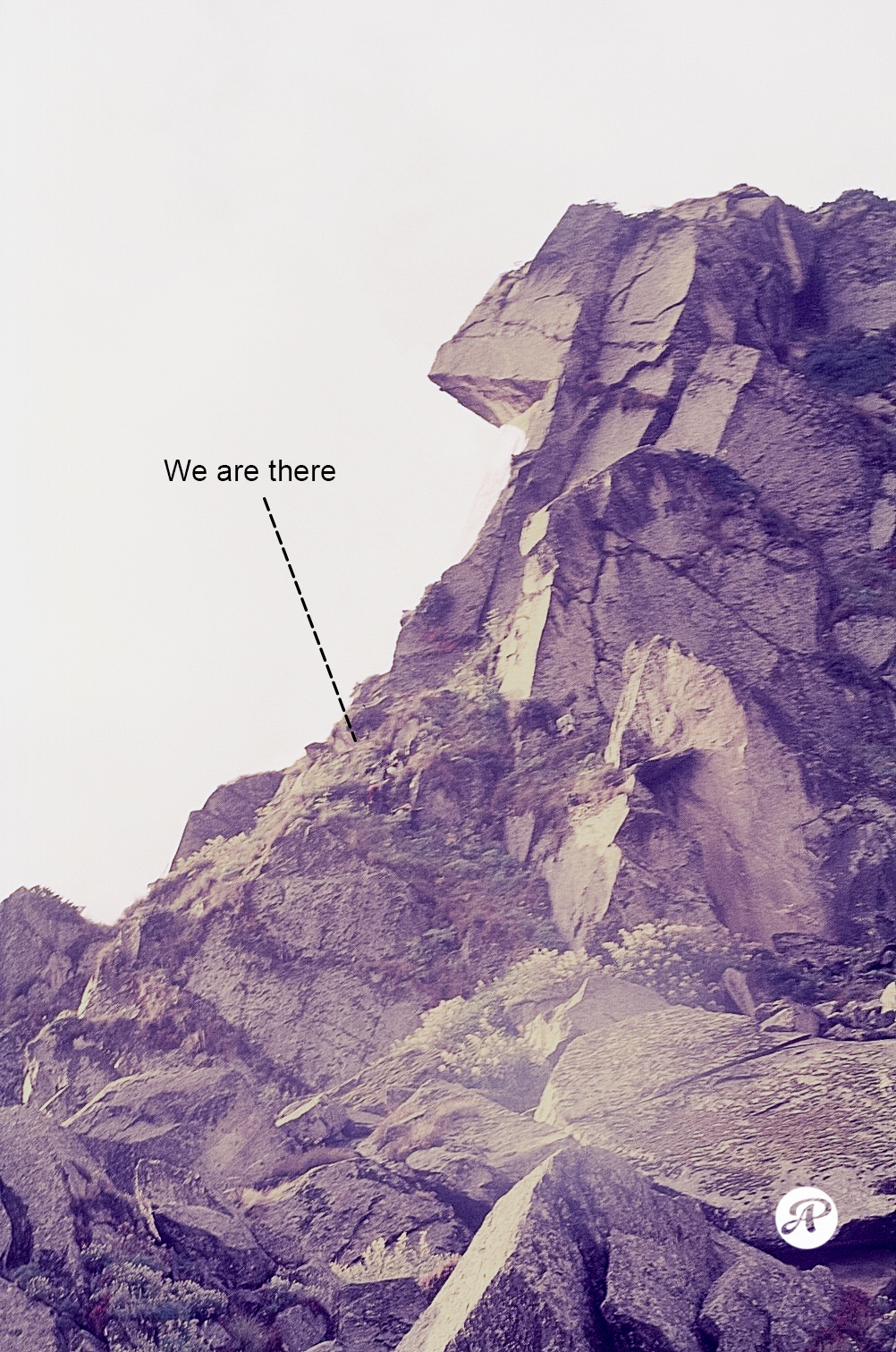
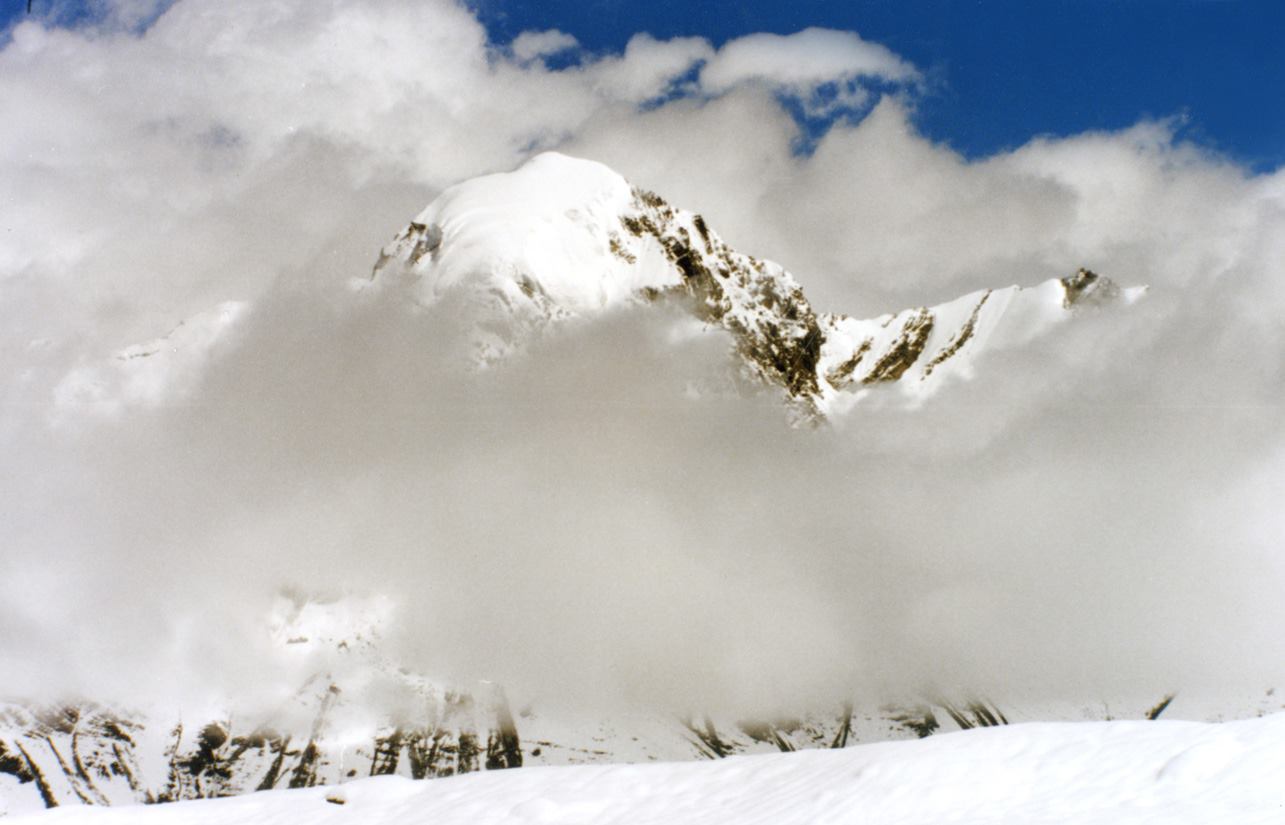
महीना सितंबर का था पर सुबह खासी ठंडी थी। कल्याणी कैम्प धार के ऊपर बनी एक कुटिया में था। कैम्प के बाहर जल रही गीली लकड़ियों का धुआँ पेड़ों की नीचे वाली शाखों पर अटक कर सो गया था। चाय बनने में वक़्त लग रहा था और सूरज देवता उस घाटी से नादारद थे। सामने खड़े भोज के घने जंगल में बहती हवा की आवाज़ आने वाले मौसम की चेतावनी दे रही थी, हल्की धुंध लगी थी हालांकि खतलिंग ग्लेशियर से आने वाली भीलांगना नदी उस सुबह शांत थी। जंगल के बीच से करीब दो मील की खड़ी चढ़ाई पार कर हमे सहस्त्र ताल के नीचे वाली धार तक किसी तरह शाम से पहले पहुंचना था। अगला पड़ाव तड़ी उड़ियार पर होना था जो कल्याणी से करीब 6 मील ऊपर 14000 फुट पर था। कल्याणी और तड़ी उड़ियार के बीच का हिस्सा टूटते पहाड़ और गिरती फिसलती चट्टानों का है ये हमे मालूम था पर ये इल्म नहीं था की ये जनाब (High Nose Peak) उस रोज़ हम सब से खफा थे और अपना इलका पार ना करने देने की ज़िद पर अड़े थे। पहाड़ तो नाराज़ हो सकते हैं पर इंसान नहीं। इन भयानक चट्टानों को पार करना एवरेस्ट वाले हिलरी स्टेप से भी ज्यादा जोखिम वाला काम था। करीब 200 मीटर के इस टुकड़े से पार उतरने में हमे तीन घंटे लगे। दो पोर्टर, मैं और मेरे दो साथी पहले उतर कर पीछे आने वालों को दूर से बता रहे थे कि उतरने का आसान, सीधा और कम खतरे वाला रास्ता कौन सा है। इन साहब की नाक तो देखो ? वाकिया 2003 ट्रेक का है । ( सहस्त्र ताल-खतलिंग- मसर ताल-केदार ताल-मयाली पास और ग्लेशियर-वासुकी ताल-केदारनाथ)
Negotiating this granite monster is as difficult, and as risky, as crossing the Hillary’s Step on Mt Everest. One wrong step and that’s it. Plus, this one thumbs its nose at you (look at the shape on top) and makes it mighty difficult to even get a foothold anywhere. Hillary’s Step is just about 40 feet – this obstacle drags on for over 70 feet en route to Sahastra Tal (15,500 ft), a high-altitude glacial lake near Khatling glacier. It took us nearly three hours to clear this. Do you see that ant-like group of humans? Those are my teammates struggling to find a way down while three of us came down another route. This 2003 picture is from a clearing below.
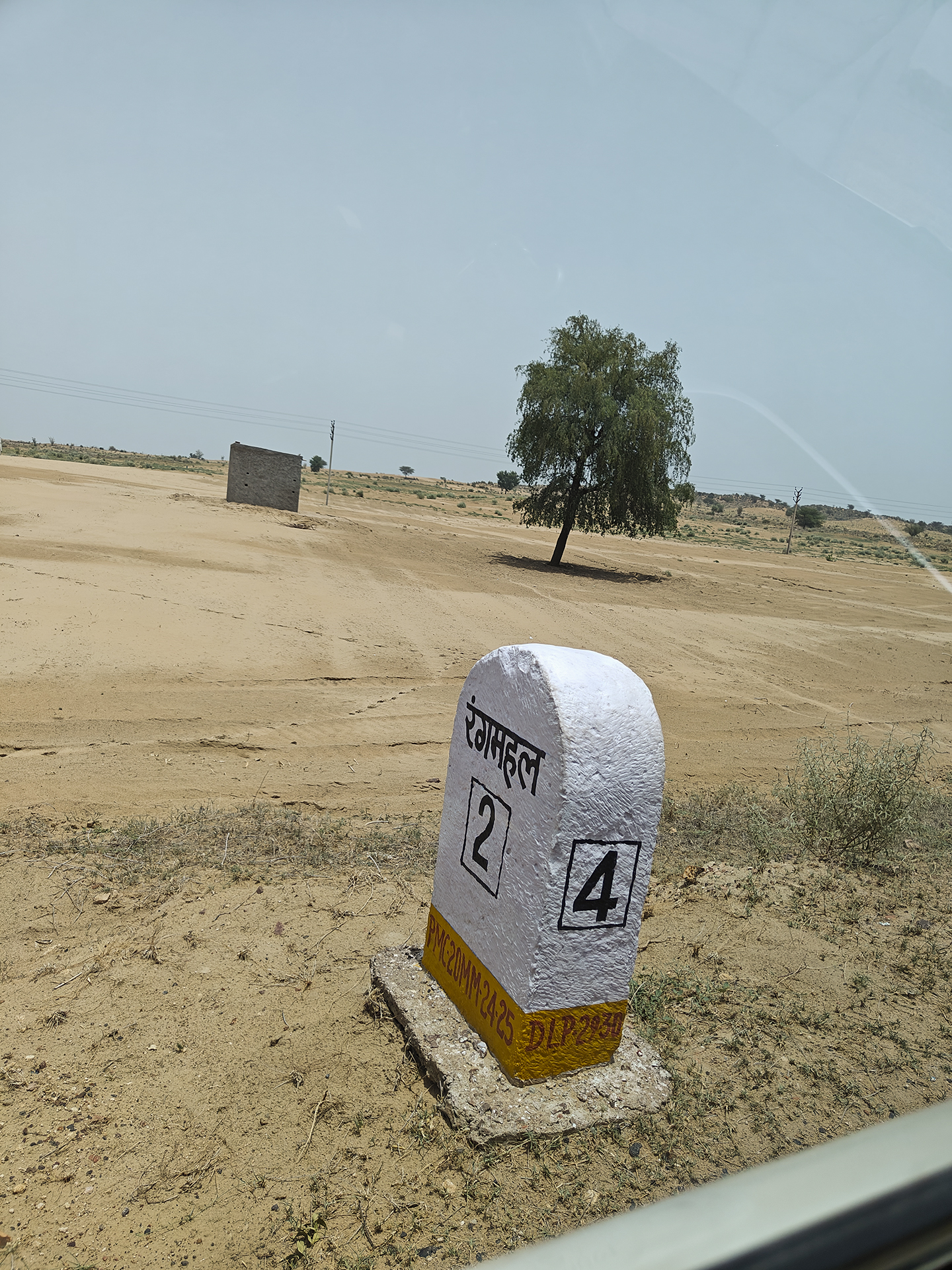
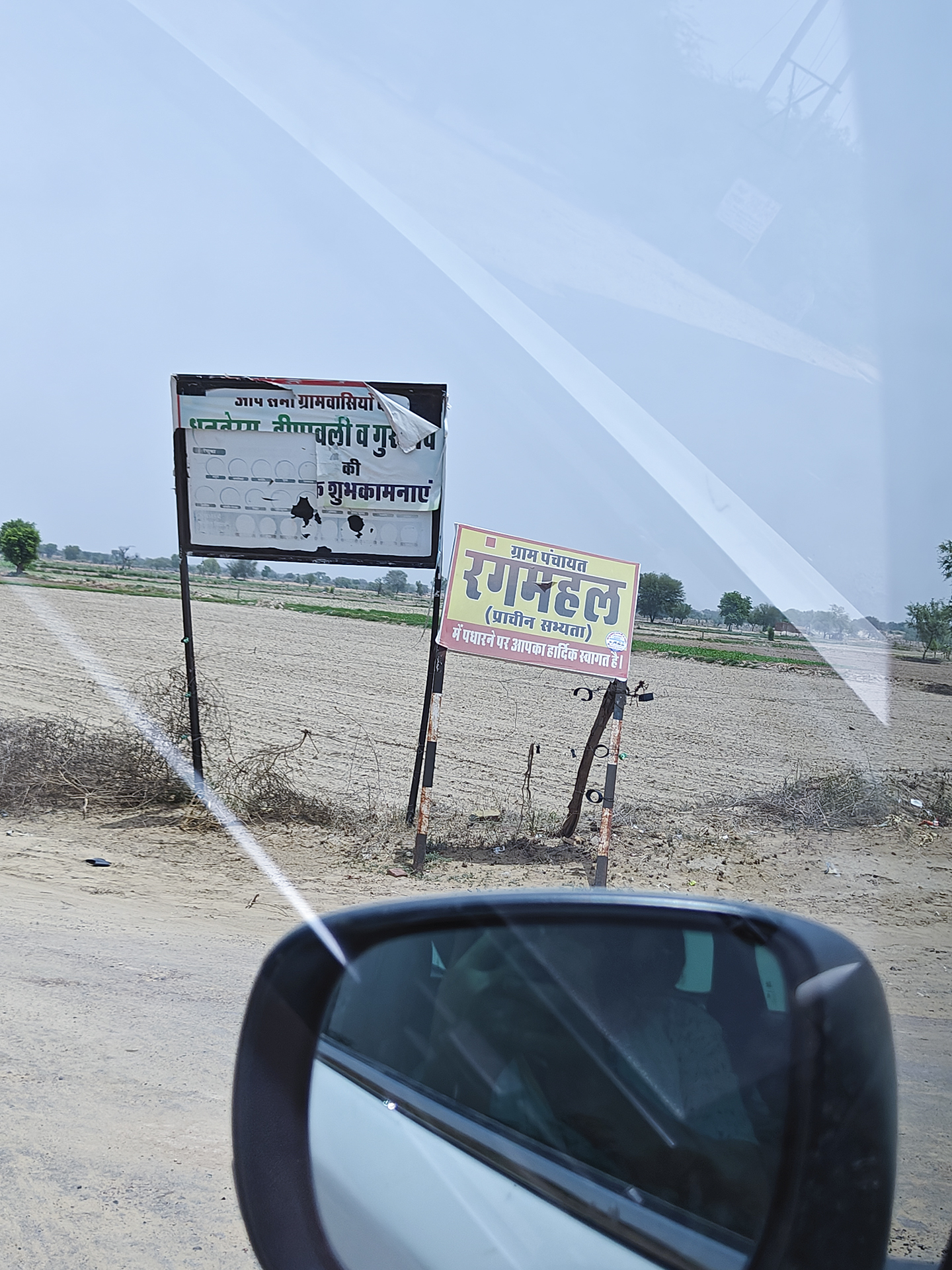
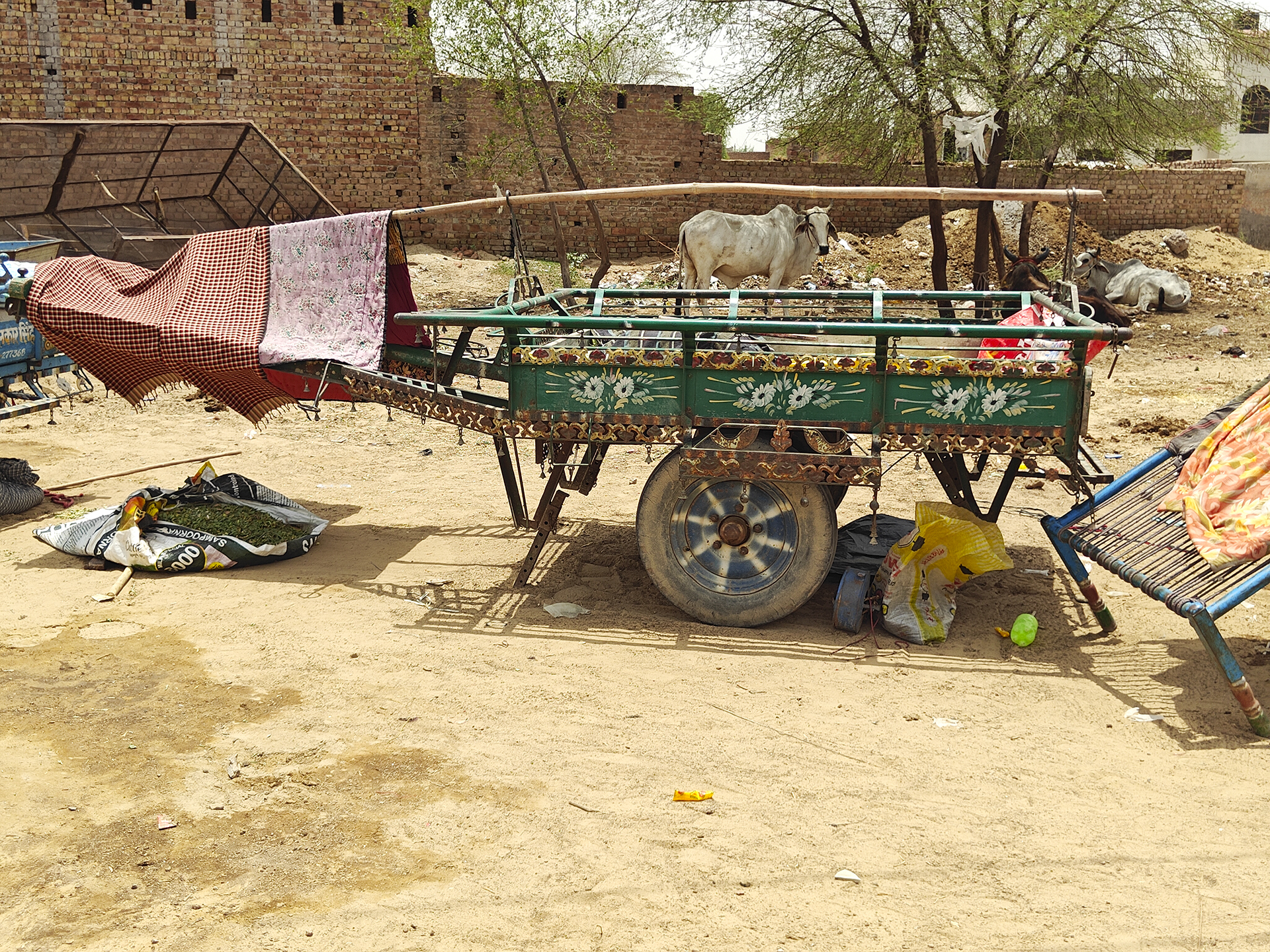
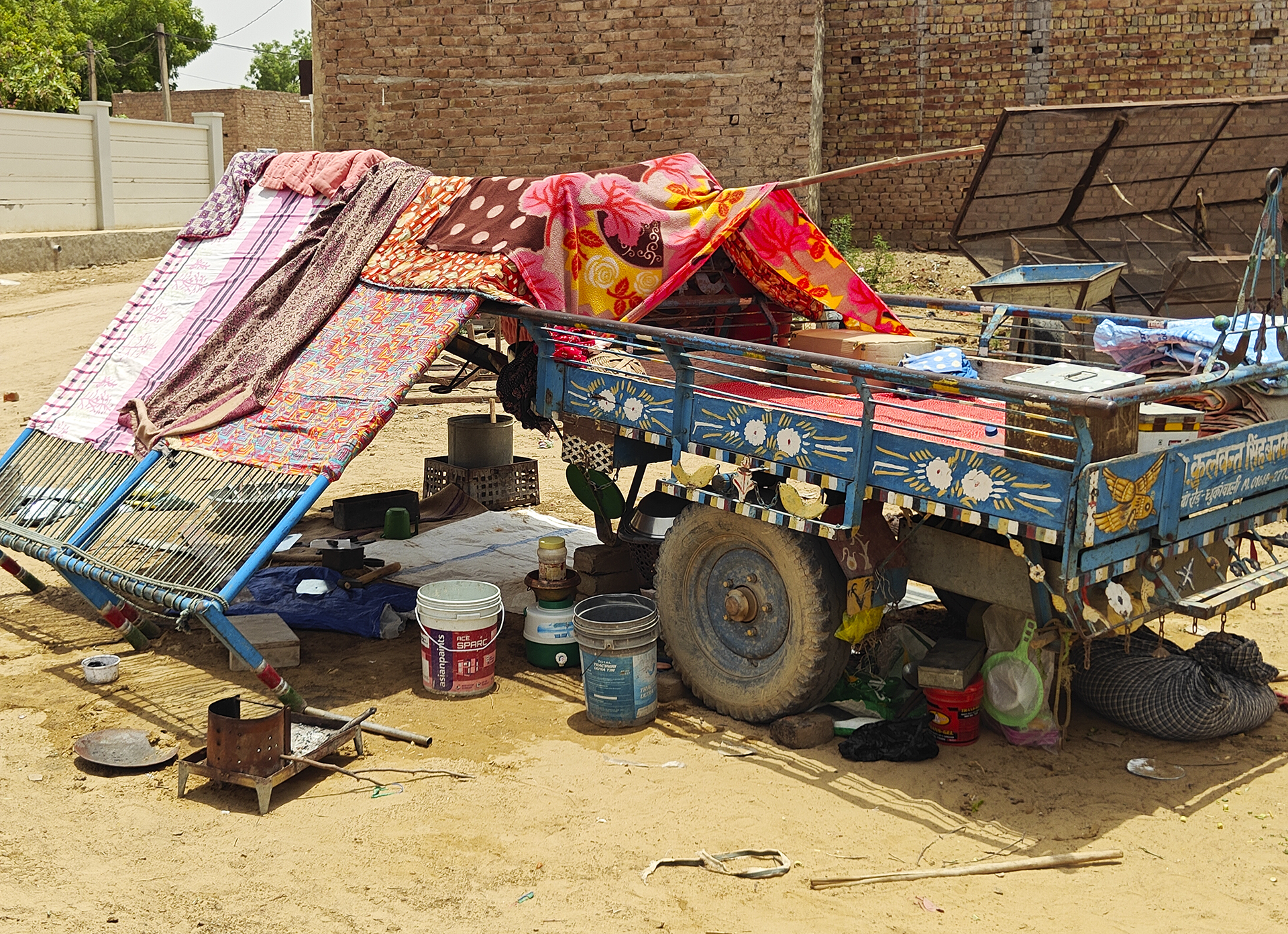
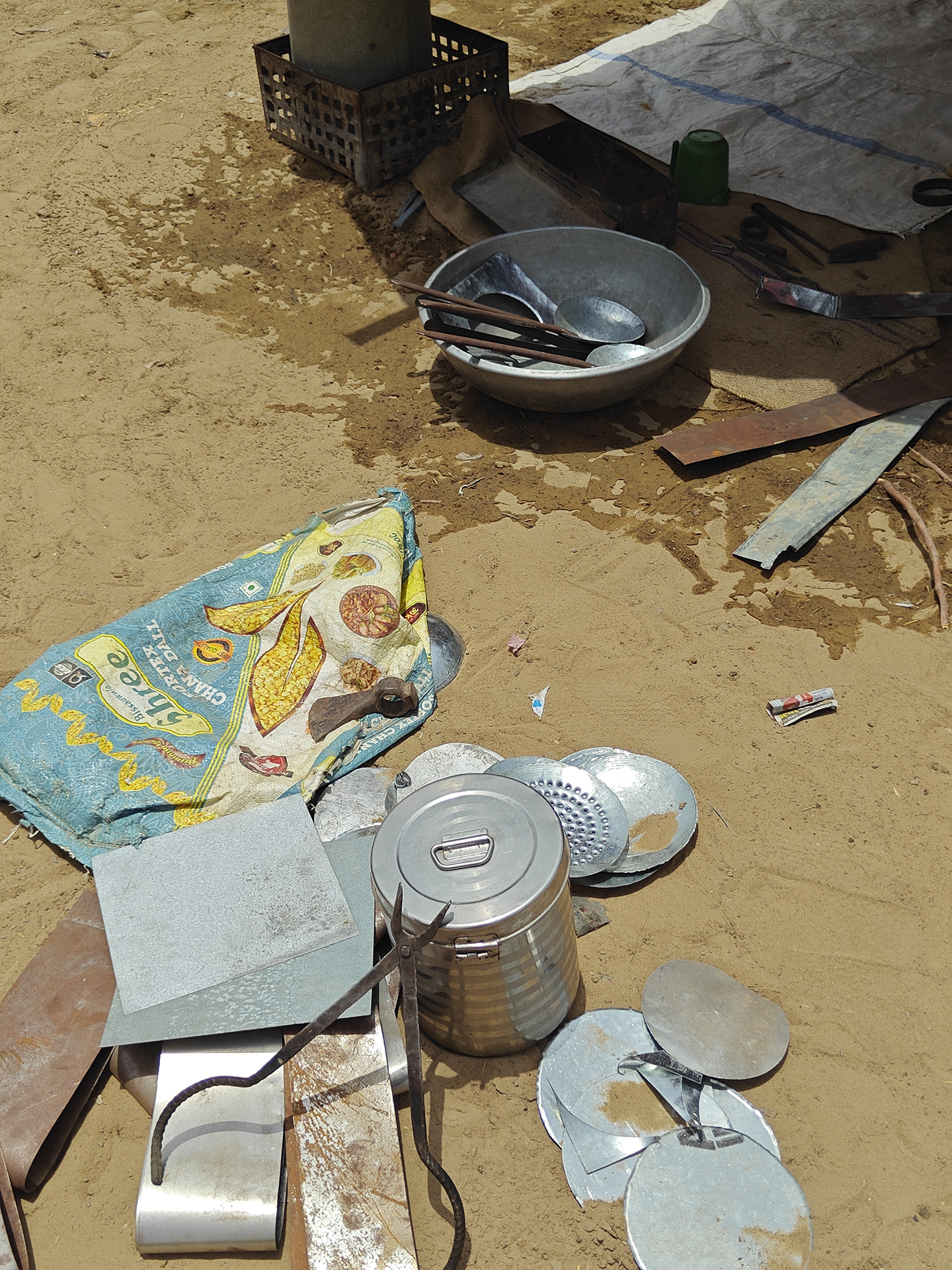
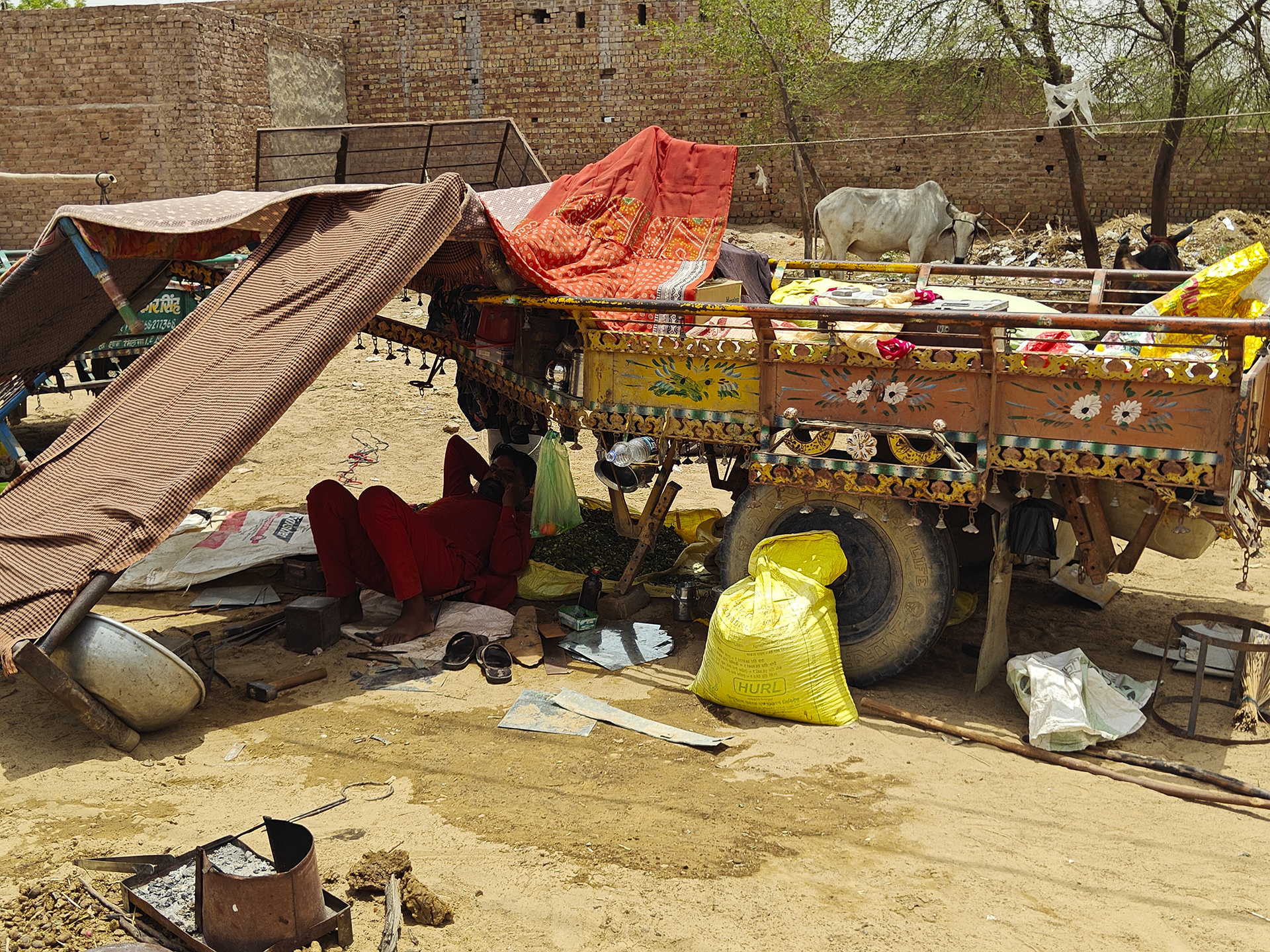
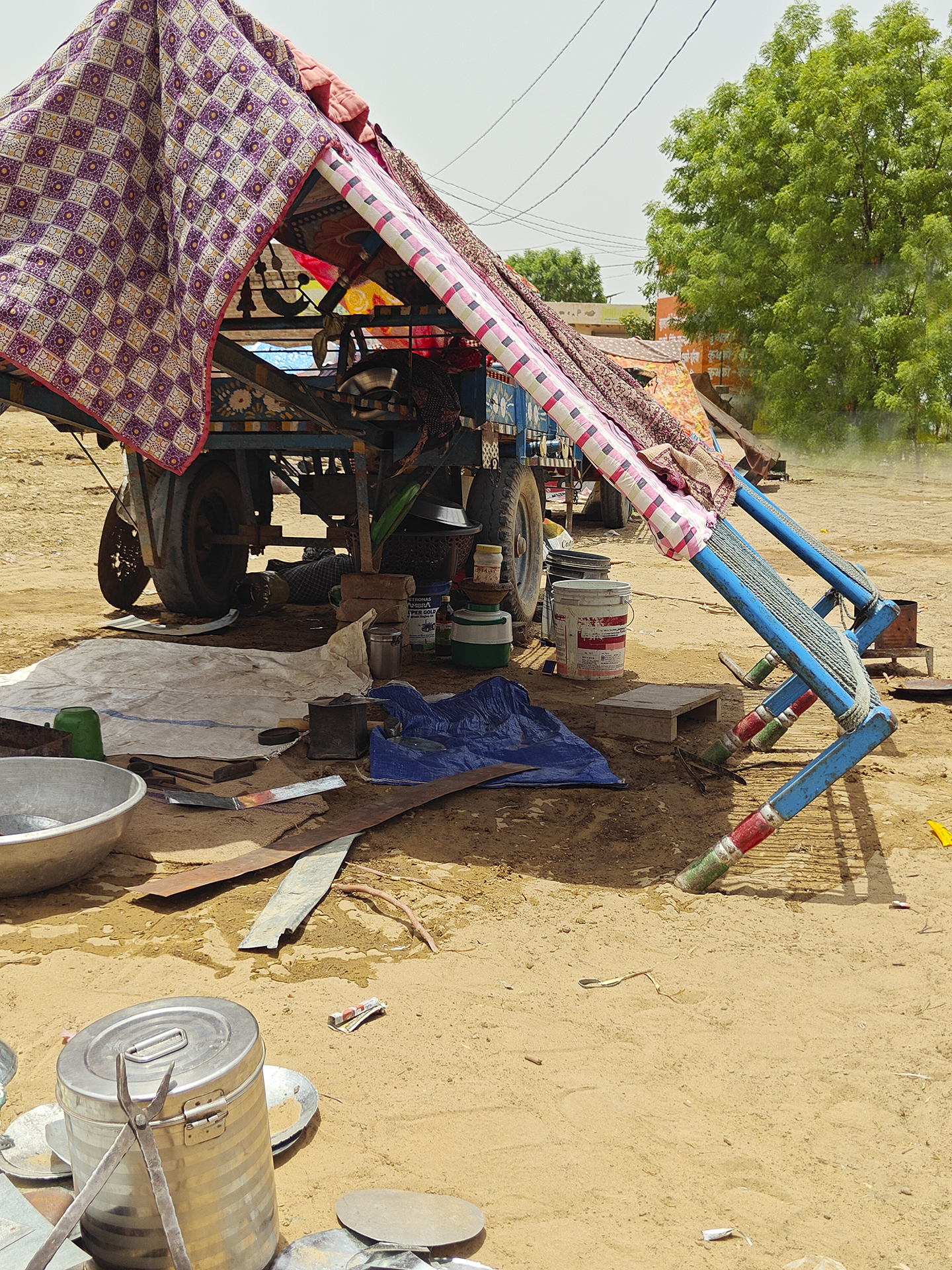
Far away from their barren sandy homeland, a group of wandering Gadiya Lohars (Blacksmiths) are surviving in this fierce desert carrying on with their traditional craft of making iron tools, utensils, and household items. Having given up their traditional wooden carts and the cattle, this hardy nomadic tribe has also abandoned their traditional costume and intricately carved silver jewellery, worn by both women and men. Near the archaeological site of Rangmahal, close to the Kalibangan Indus valley excavations, we spotted three families beating the hot metal in an unforgiving space that was scorching at 45 degrees at 12 noon. The only cover they had from the sun and heat was the shade created by their cots. Their carts are now adapted and fashioned from discarded tempo or truck metal bodies, pulled by cows that also provide milk. Parked in an empty space in this small village along the highway, these carts serve as homes, workplaces and life for the itinerants. Barely able to manage their lives Gadiya children are not admitted to schools because they lack a domicile certificate. <Suratgarh sojourn-Rangmahal-Kalibangan>
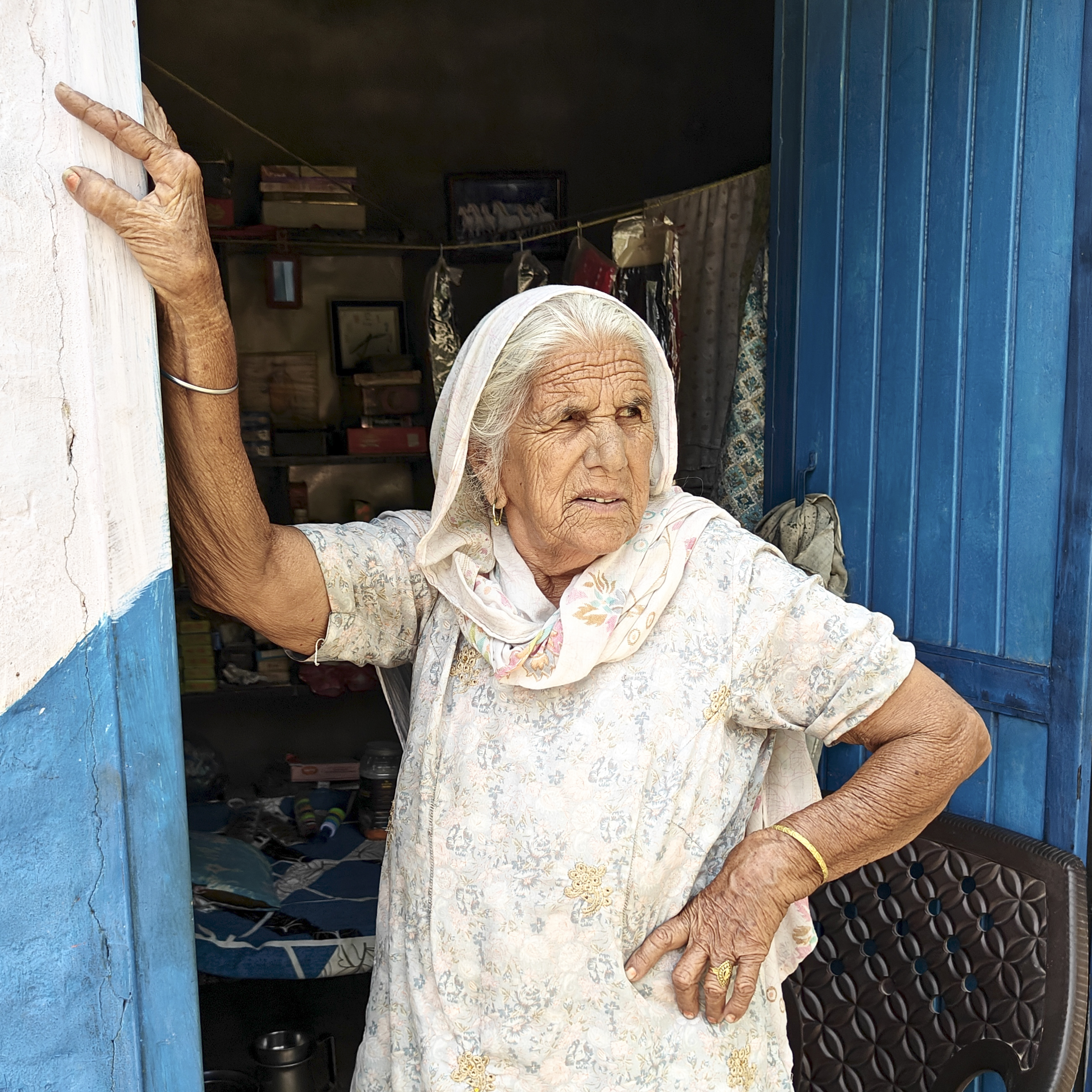
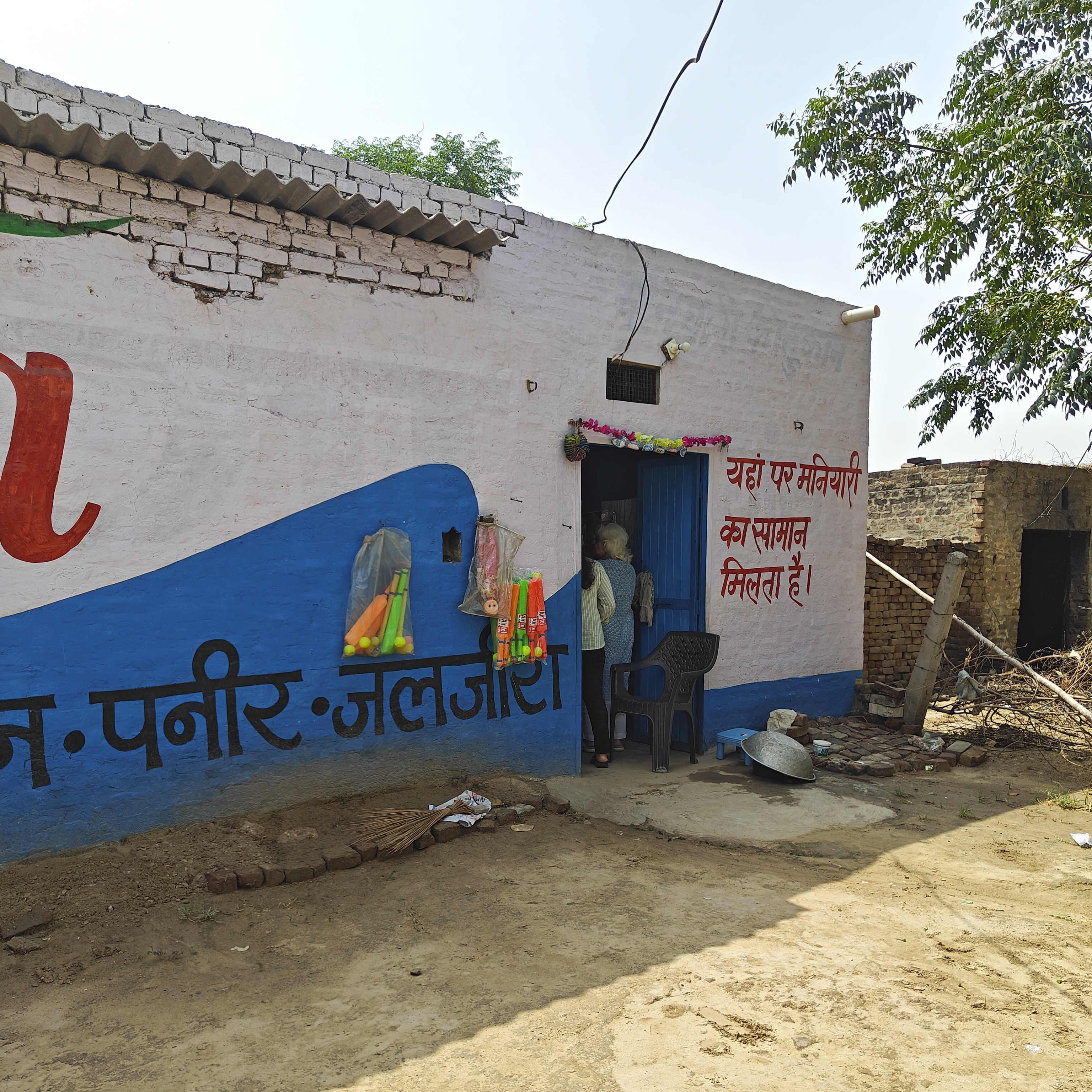
Her name is Raksha Kaur. She stands firm, guarding her precious corner at the tri-junction of Haryana, Punjab, and Rajasthan along NH 54 in Dabwali. In a corner of her house, Raksha runs a tiny store selling ‘Maniyari’ items; maniyari roughly translates to cosmetics and jewellery for women. Face cream, powder, lipstick, plastic pearl strings, rings with colourful stones, ear tops and cheap plastic toys sit on a sagging cot. Across her house two large banyan trees, older than Raksha, stand guard over her brick house and provide much-needed shade in this near-desert land. As a light drizzle and a cool breeze make for a pleasant drive, we witness a quieter battle unfolding at this bustling cross-roads.
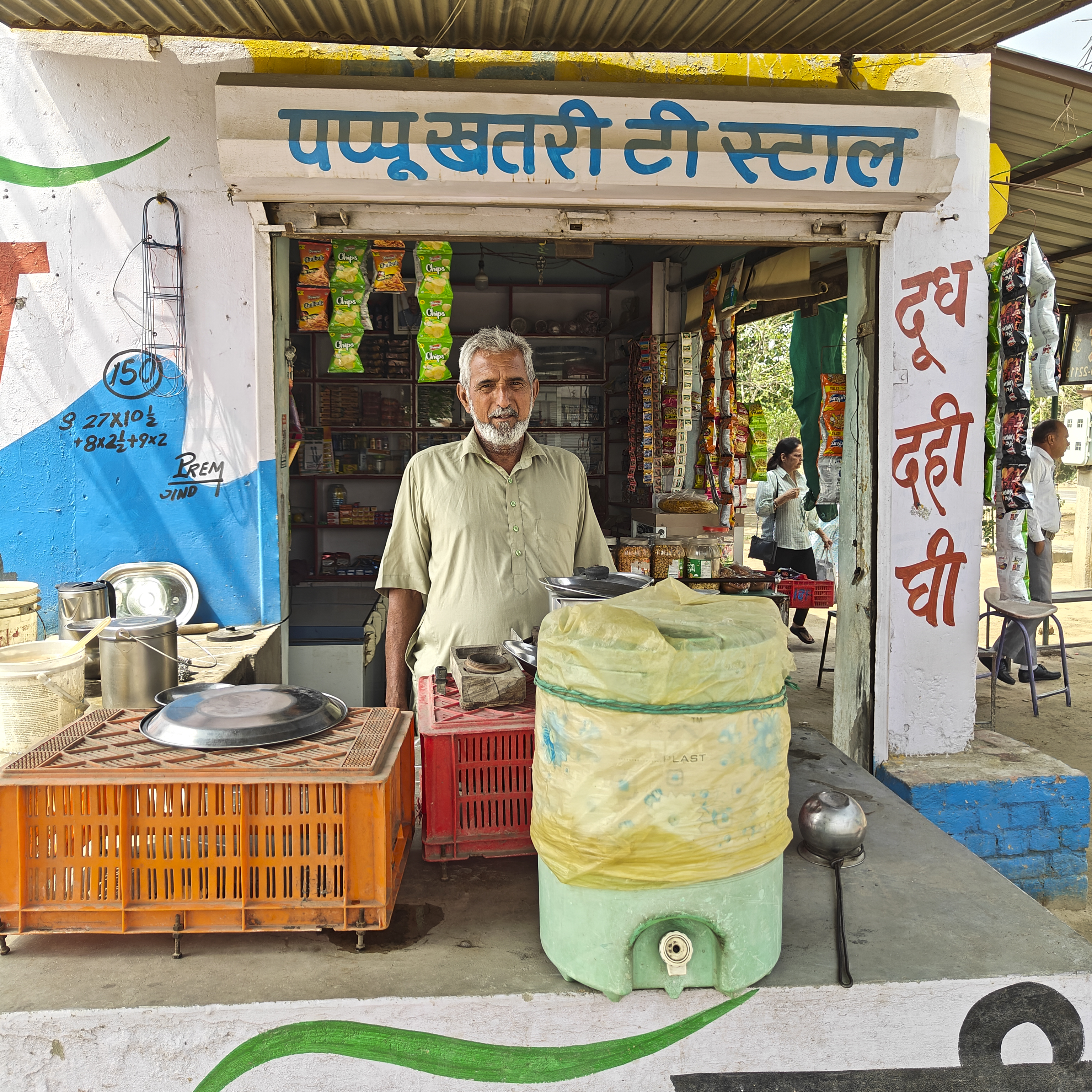
Here, Raksha’s son, Pappu Khatri, runs a rudimentary tea stall on a prime plot of land. It is a piece of history; Raksha’s husband bought these 500 yards back in 1955 for the then-princely sum of ninety rupees. Decades later, when the highway cut through their property, more than half of their house was acquired, leaving them with a meagre compensation of just 5,000 rupees. Now, the real-estate mafia eyes the remaining land – prime corner property on the highway. The mother and son are currently battling a court case built on fictitious claims designed to dislodge them. Armed only with meagre resources but boundless resilience, this feisty duo refuses to back down.
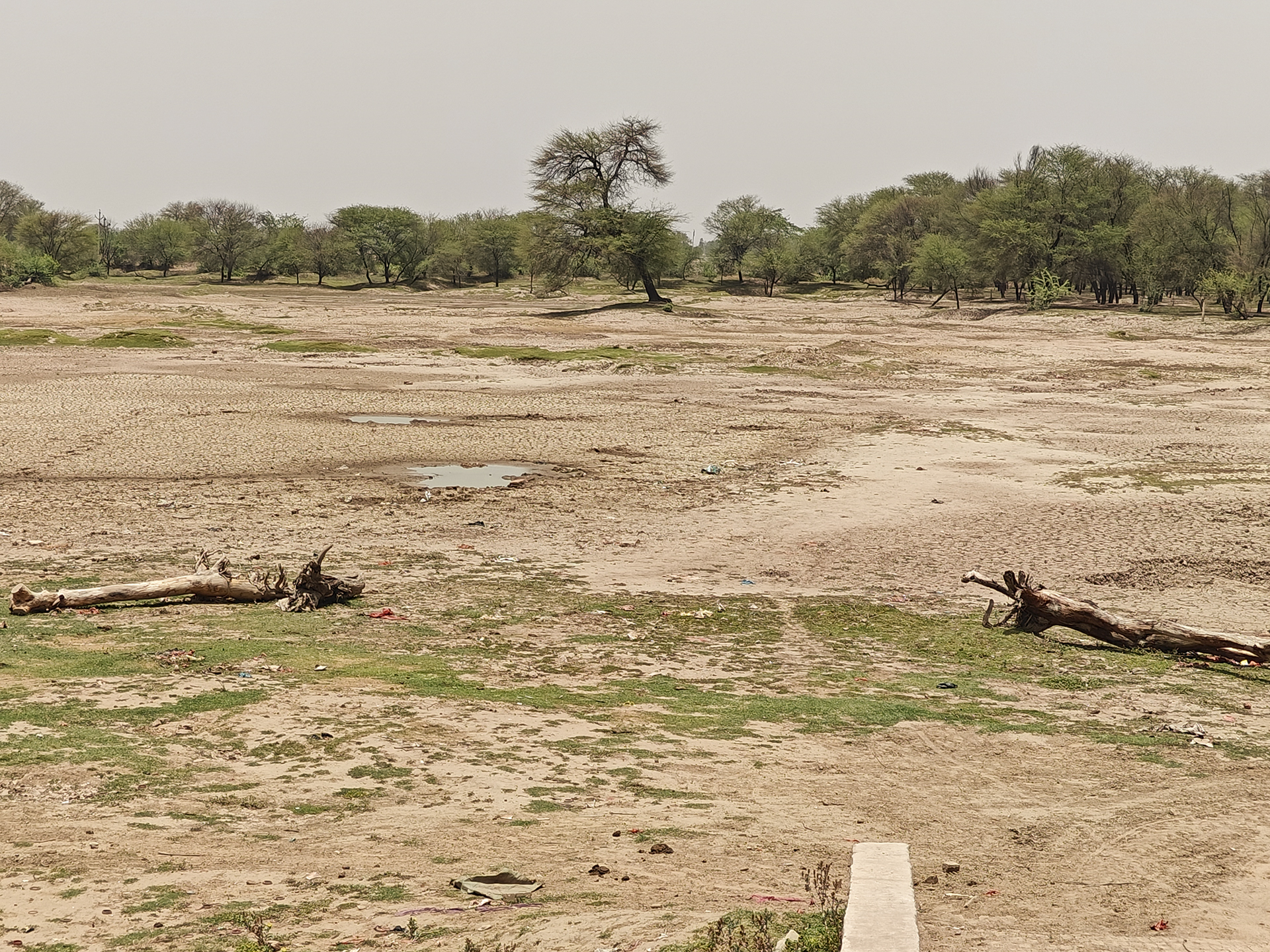
Leaving Dabwali behind, the countryside opens up into amazing vistas as the excellent highway stretches toward Hanumangarh and Suratgarh. We are heading to meet my ailing aunt, but our journey will also take us deep into the past at Kalibangan. This 4,000-year-old site was once a provincial capital of the Indus Valley Civilization, perched on the left bank of the now-dried-up Ghaggar River. Today, this seasonal, monsoon-fed river has changed its course, flowing 50 km further west along a firm bund that stretches from Himachal Pradesh before finally terminating in the sands of the Thar Desert.
Once summer gives way to the monsoon and a cooler breeze flows over this rugged land I will come back and spend a day or two with these people to learn more about their lives and write a story about them. Till then, take care, Raksha ji and Pappu Khatri. The tea was precisely to my taste, delicious – for which Pappu Khatri refused to take money.
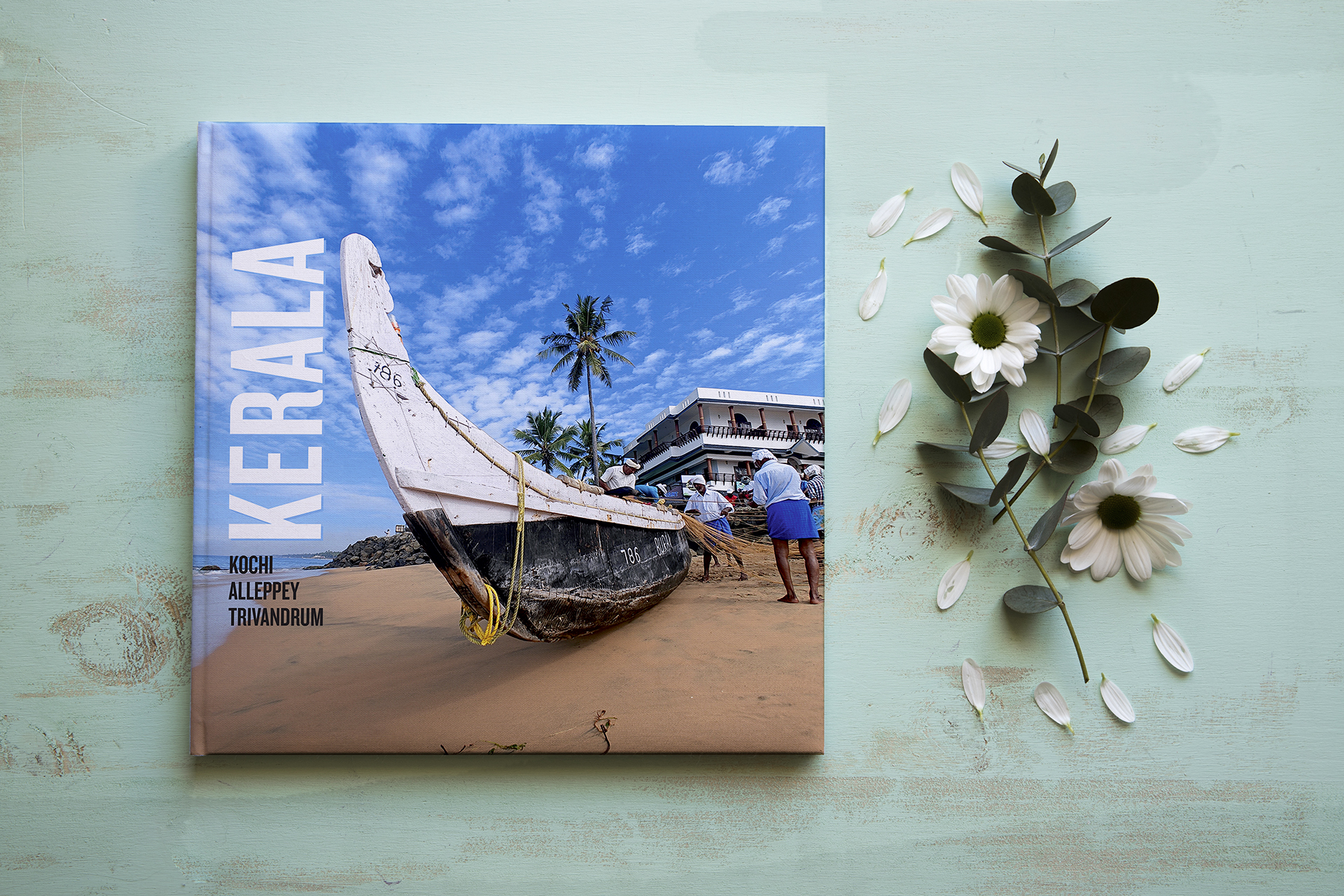
June 3: Monsoon arrives in Kerala in two days – so does our book: Kerala: A Visual Narrative of a scenic Coastal Voyage. A soulful journey by two die-hard romantics. An intimate and off-beat drive along the Arabian sea shores of Kochi, Alleppey, Kollam, and Trivandrum. The beautiful perennial Shasta Daisy flowers (next to the book), though not native to some areas in Kerala were our special welcoming companions. A travel memoir by Rajni and Rajinder Arora.
अशोक पांडे जी की फेस्बुक पर एक हालिया पोस्ट मुझे बुरफ़ू ले गई: बीस बरस पहले के बुरफ़ू नरेश – प्रह्लाद सिंह
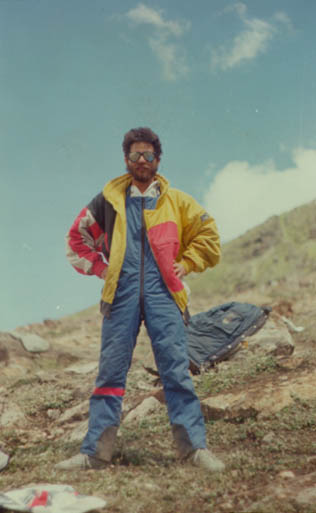
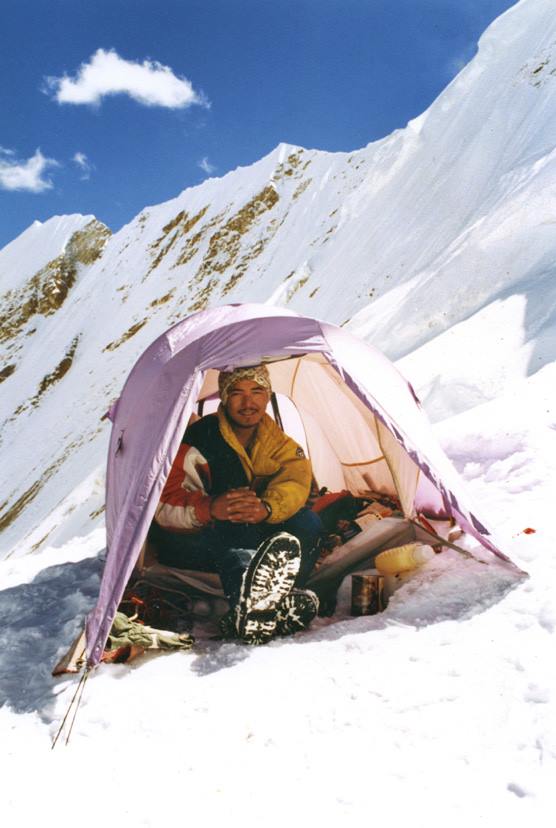
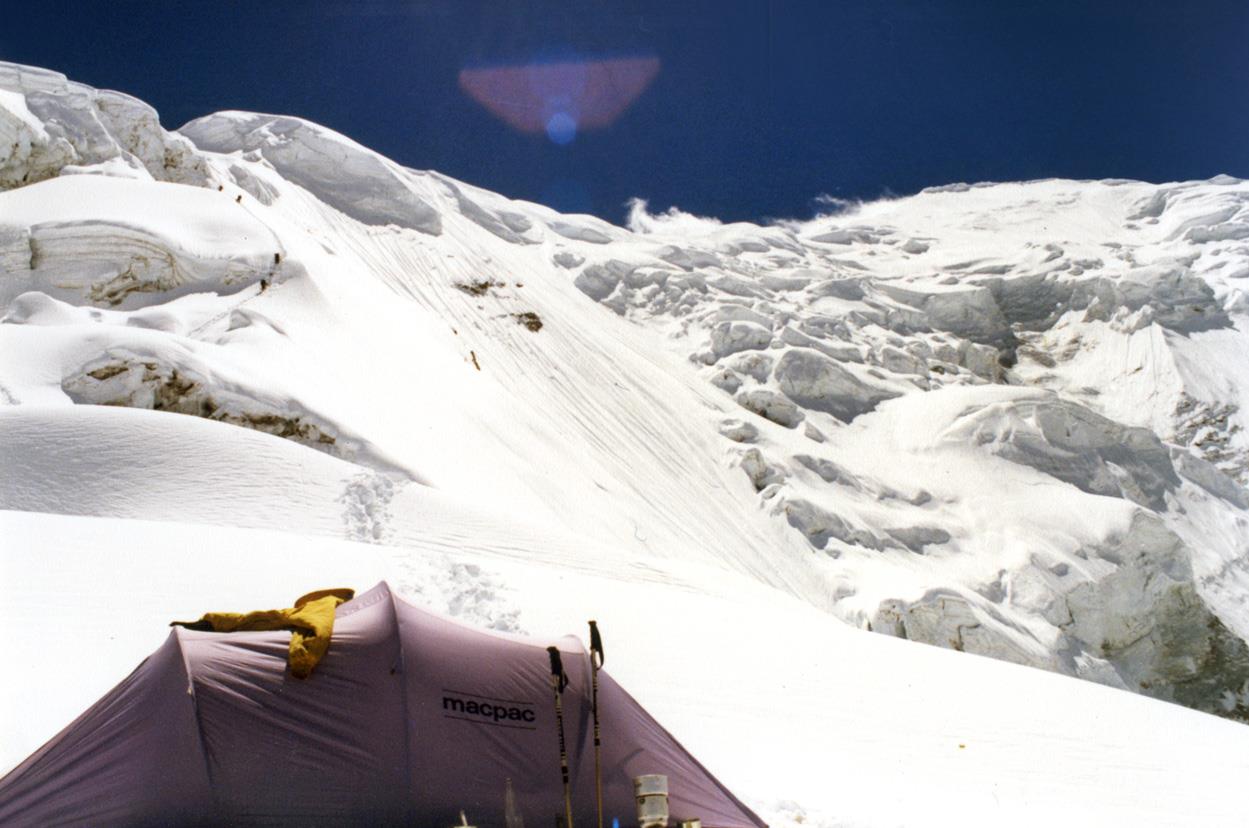
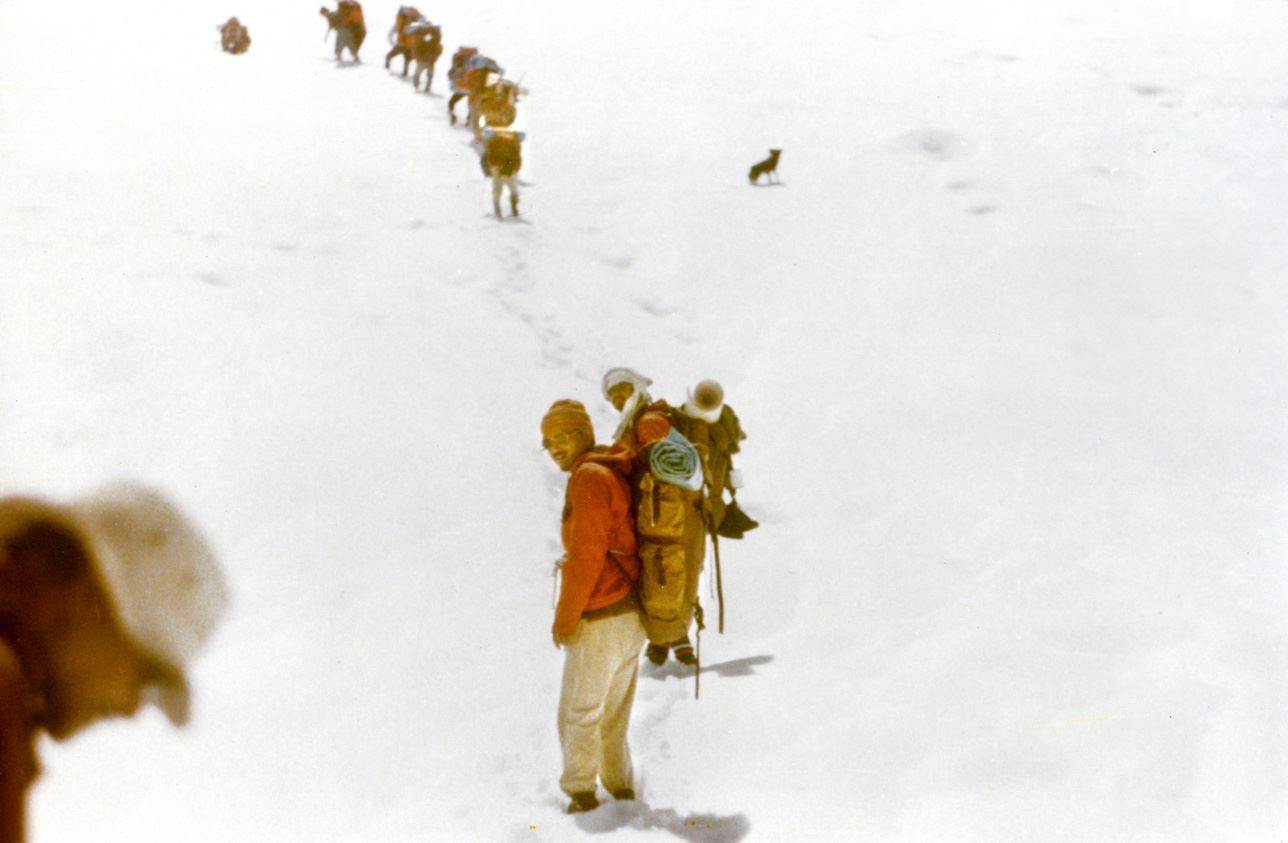
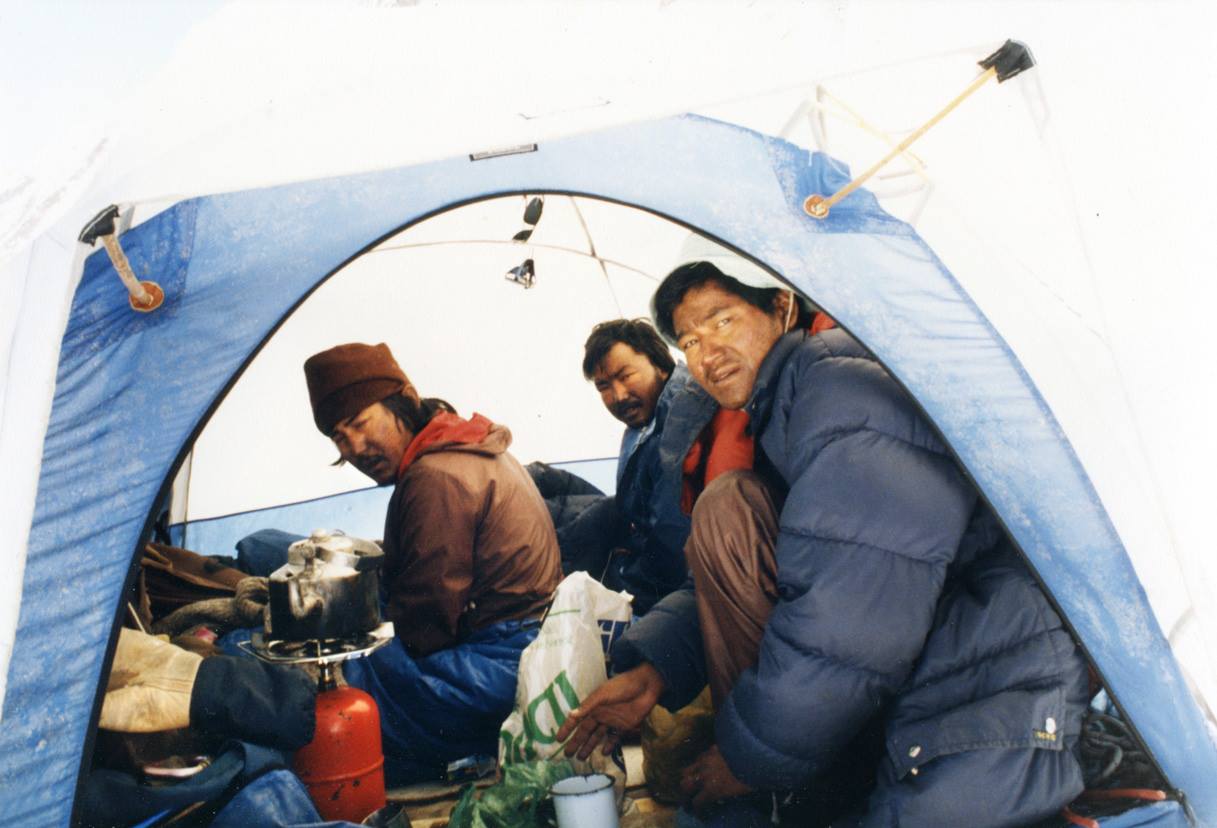
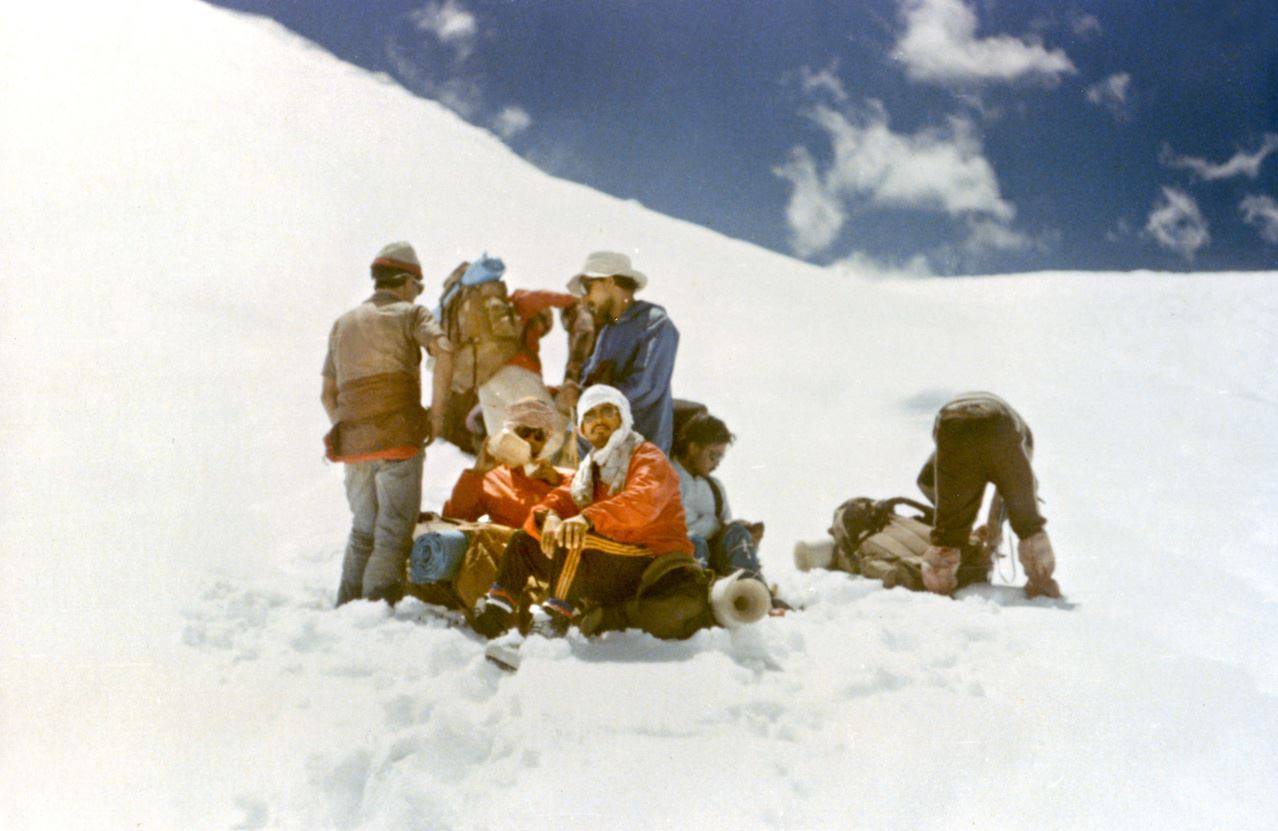
नंदाकोट अभियान से वापिस लौट रहे थे। हिमालय के बारे में एक बात तो तय है जितना सर नीचे कर के चलो उतनी आसानी से किसी शिखर तक पहुँचने की इजाज़त मिल ही जाती है। 21 लोगों के हमारे ग्रुप के साथ भी वही था। नंदाकोट की सफलता के बाद सब खुश थे और इस मूड में कि जल्द से जल्द मुनस्यारी कैसे पहुंचा जाए, पर पहाड़ का अपना मूड होता है। आप अपनी मर्जी से आ तो सकते हैं पर जा सिर्फ पहाड़ की मर्जी से। अभियान की लीडर कुमारी चंद्रप्रभा ऐतवाल जी ने कहा भी कि एक दिन और पूर्वी नंदादेवी चोटी के बेस कैम्प की और चलते हैं पर ना – कोई तैयार नहीं था। ग्लेशियर की धार के साथ लगा अपना बेस कैम्प, जिसे पोर्टर लोग चढ़ा रहे थे, अचानक विदाई के ऐसे गीत गाता दिखा जैसे किसी हिन्दी फिल्म में मीना कुमारी की डोली उठ रही हो। वो एक दिन नंदा देवी के आँगन में ना बिताने के एवज़ में तीन दिन और बिताने पड़े ।
कुछ साथी और मैं, शायद सात जन, समान लाद कर लवाँ गाड़ से ऊपर भेड़ों वाले सँकरे रास्ते पर चलते हुए करीब चार-पाँच घंटे में उजड़े हुए मारतोली गाँव पहुँच गए। यहाँ याद रहे की सारा सामान हम लोग खुद ही लाद कर वापिस लाए थे चूंकि लीलम से आए पोर्टर लोग हमे दगा दे कर छोड़ गए थे। रसोई और खाने का बचा कच्चा सामान अभी पीछे पैक हो ही रहा था जब हम इक्विप्मन्ट ले कर निकले थे। हमारे बाद वाला जुट करीब दो घंटे बाद निकला होगा और उनके बाद का आखिरी ग्रुप देर दोपहर में। पर उस रोज़ ये दो जुट और कोई साथी मारतोली नहीं पहुँच पाया।
अगली सुबह जब हम अपने साथियों को ढूँढने वापिस निकले तो मारतोली से करीब 3 कि मी उत्तर में एक भयावह दृश्य देखने को मिल। वहाँ जहां भोज के पेड़ों का छोटा जंगल अभी बचा था, उसके नीचे के पहाड़ का एक बड़ा हिस्सा दरक गया जिसने मरतोली पहुँचने का रास्ता बंद कर दिया। दरका क्या, करीब 200 फुट गहरी और 60 – 70 फुट चोड़ी खाई छोड़ गया जिसमे सुबह तक छोटे बड़े पत्थर लुढ़क रहे थे। हमे तो अपनी किस्मत पर नाज़ आ रहा था कि हम बच गए। उसी धार के ऊपर बैठे एक भोटिया अनवाल ने बताया की ये कल शाम चार बजे के करीब हुआ। यानि हमारे निकलने के आधे-एक घंटे के अंदर पहाड़ टूट गया।
हमारी बाकी टीम के लिए उस शाम सिर्फ एक ज़रिया था, करीब एक हजार फुट नीचे लवाँ गाड़ तक उतर, उसे पार कर ही मारतोली के नीचे वाले मैदान में पहुंचा जा सकता था। सब लोग पहाड़ की छाया में थे, अंधेरा हो चला था। नीचे उतरना ठीक नहीं समझा गया सो पीछे आने वाले दोस्तों ने वहीं कहीं कैम्प लगा लिए ।और हम सात, जिनके पास खाने को तो क्या चाय बनाने का सामान भी नहीं था, मट्टी तेल भी नहीं – वो सब फ़िक्र के मारे भूखे ही रात भर पलटते रहे। अगली सुबह वो लोग नीचे उतर कर दोबारा रास्ते पर चढ़ने की कोशिश में लगे थे।
अगले रोज़ बाकि दोस्त दोपहर के बाद ही पहुंचे पाए, बीती रात उन लोगों ने भी खाना नहीं खाया था। टीम के उप कप्तान केदार सिंह मारतोलिया और प्रह्लाद सिंह बुरफ़ू जो बुरफ़ू गाँव के रहने वाले थे ने प्रोग्राम ये बनाया कि अब जब इतनी दूर आए ही हुए हैं तो क्यूँ ना बुरफ़ू और मिलम भी चक्कर लगा ली लिया जाए । कुछ दोस्त राज़ी थे कुछ नहीं । देर दोपहर हम लोग मारतोली से चले। करीब 5-6 कि मी दूर बुरफ़ू एक तरह पहाड़ का मैदानी गाँव है जो मारतोली की ऊंचाई से भी धुंधला सा देखा जा सकता है।
मारतोली से सीधी ढलान और फिर फिर कुछ समतल। करीब 11,500 फुट की ऊंचाई पर बुरफ़ू छोटा पर सुंदर गाँव था, पास में धार का मीठा पानी। बुरफ़ू में कुल आठ परिवार थे जिन्होनें हम सब की आवभगत गरम खाने, भेड़ के गोश्त और वहाँ बनी चकती (छंग) से की। खाते-पीते देर हो ही जानी थी और रात को ठंड भी तेज हो गई। मिलम का इरादा कैन्सल कर हम रात में वापिस मारतोली के लिए निकल पड़े। अपने पैतृक गाँव में इतना मान-सम्मान मिलने पर प्रह्लाद को ‘बुरफ़ू नरेश’ की उपाधि दी गई। अंधेरी काली रात में गिरते पड़ते, डगमगाते पैरों को संभालते हम जाने कैसे उस खड़ी चढ़ाई को पूरा कर वापिस मारतोली पहुंचे जहां – वीरान और उजड़े गाँव के भोटिया मेसटिफ कुत्तों ने हमारा ऐसा स्वागत किया जैसे किसी हॉस्टल के वार्डेन करते हैं। सब ने एक दूसरे को देखा और अचानक गंगा सिंह मारतोलिया ने पूछा – बुरफ़ू नरेश – प्रह्लाद सिंह कहाँ हैं? कुछ मिनट के लिए तो सब की सिट्टी पिट्टी गुम। दो लोग वापिस पगडंडी पर उतरे – करीब एक किलोटेर बाद बुरफ़ू नरेश किसी चट्टान पर सोते मिले। हुआ यूं था कि पीने और रात की ठंड के बाद बुरफ़ू नरेश को सुसू आया – रुक कर चट्टान के सहारे किया गया और बस, वहीं पस्त हो गए । दो लोग साहब की सवारी के साथ रात तीन बजे मारतोली पहुंचे। उस रात के बाद बुरफ़ू हमेशा के लिए यादगार बन गया। प्रह्लाद सिंह बुरफ़ू तब लखनऊ में रिजर्व बैंक में काम करते थे – अब जाने कहाँ हैं – कहीं गाँव ओ नहीं लौट गए !!
मुझे नंदाकोट अभियान में शामिल करने और हर पहाड़ पर हौंसला बढ़ाने का पूरा श्रेय प्यारे दोस्त गोविंद पंत का है। इस अभियान में हमारे साथ हिंदुस्तान के महान पर्वतारोही लवराज सिंह धरमशकटु भी थे जिनके लिए शायद ये पहला अभियान था और जिन्होंने आखिरी गिनती तक सात बार, जी हाँ, सात बार, एवरेस्ट की चोटी फतेह की है । इन दोनों प्यारे दोस्तों को सलाम।
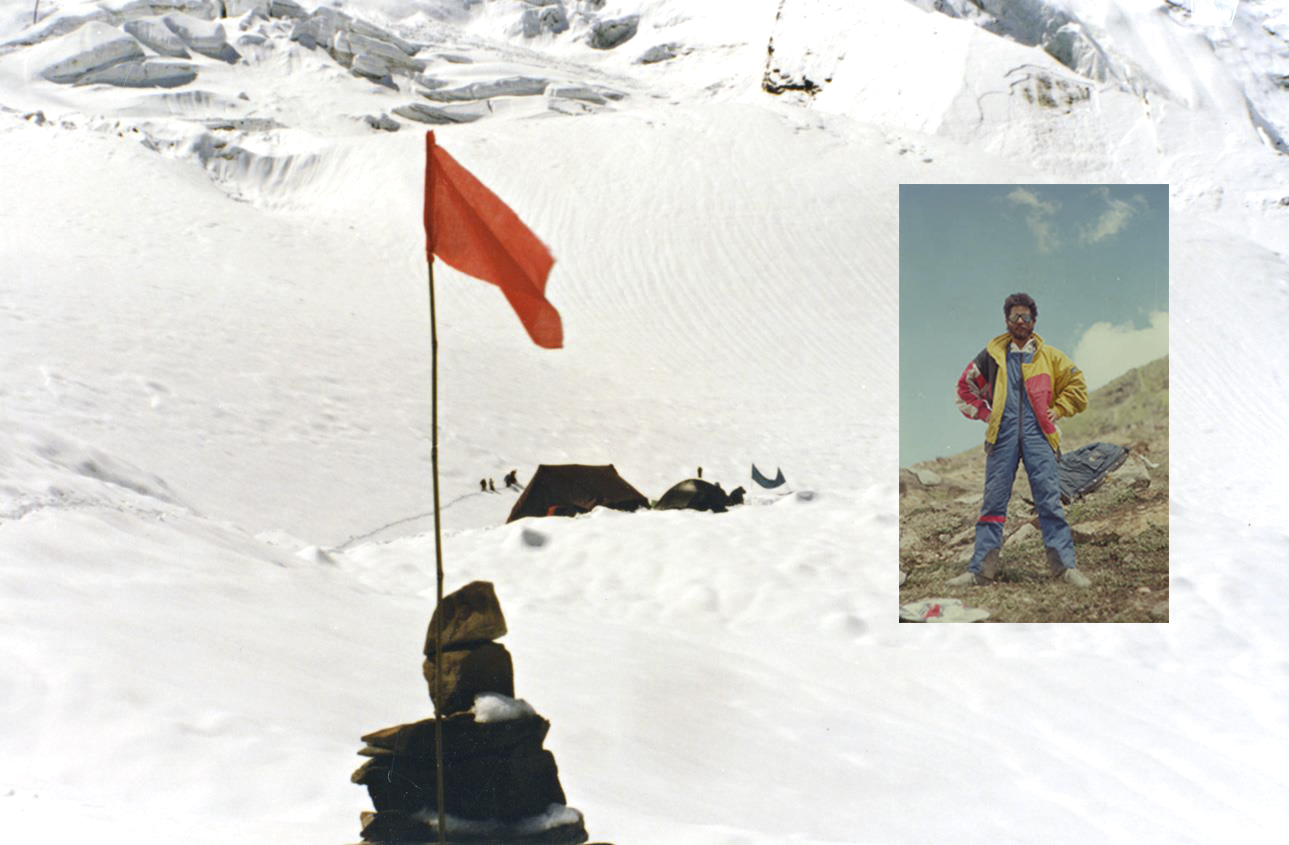
तस्वीर: (इनसेट) माबदौलत अपनी पूरी टशन में नंदाकोट बेस कैम्प पर नक्शा दिखाते और कैंप 2 से पहले लगा रूट मार्कर फ़्लैग और तस्वीर में नीचे कैंप 1, जहाँ टीम के साथी ABC की ओर नीचे उतर रहे हैं। इस सुनहरी सुबह से पहले, तीन दिनों तक लगातार बर्फ़बारी हुई थी।
मिलम और बुरफू उत्तराखंड, भारत के पिथौरागढ़ जिले की जोहर घाटी में स्थित दूरस्थ गाँव हैं, जो तिब्बत (चीन) की सीमा के निकट स्थित हैं। ये गाँव ऐतिहासिक रूप से महत्वपूर्ण क्षेत्र का हिस्सा हैं, जो कभी भारत और तिब्बत के बीच एक व्यस्त व्यापार मार्ग हुआ करता था।
मिलम को ऊपरी जोहर घाटी का अंतिम गाँव माना जाता है, जो गोरी गंगा नदी के उद्गम स्थल और मिलम हिमनद के निकट स्थित है। बुरफू भी इसी घाटी में पास ही स्थित है। ये गाँव ऊँचे पहाड़ी दर्रों (जैसे उन्ता धुरा, जांडी धुरा और किंगरिबिंगरी धुरा) के निकट स्थित हैं, जो ऐतिहासिक रूप से भारत को तिब्बत से जोड़ते थे। 1962 में भारत-चीन युद्ध के बाद, व्यापार मार्ग बंद हो गया, जिससे यह क्षेत्र एक “भूतिया गाँव” में बदल गया, जहाँ बहुत कम स्थायी निवासी बचे थे। कई परिवार मुनस्यारी और अन्य निचले क्षेत्रों में पलायन कर गए। सीमा सड़क संगठन (बीआरओ) भारत-चीन सीमा सड़क (आईसीबीआर) परियोजना के तहत “मुंसियारी-बुगदियार-मिलम सड़क” (एमबीएमआर) का निर्माण कर रहा है, जिसके 2026 की शुरुआत में पूरा होने की उम्मीद है ताकि क्षेत्र में कनेक्टिविटी में सुधार हो सके। हालांकि सर्दियों में यह क्षेत्र काफी हद तक निर्जन रहता है, लेकिन कुछ निवासी गर्मियों के महीनों के दौरान बकव्हीट और जांभू जैसी उच्च ऊंचाई वाली फसलों की खेती करने के लिए लौट आते हैं। सीमा क्षेत्र विकास कार्यक्रम (बीएडीपी) के तहत सौर ऊर्जा सहित इन 13 दूरस्थ सीमावर्ती गांवों में बिजली और संचार सुविधाएं लाने के प्रयास किए जा रहे हैं। यह क्षेत्र परंपरागत रूप से भोटिया (शौका/नितवाल) जनजाति द्वारा बसा हुआ है, जो ट्रांसह्यूमन्स (सर्दियों में निचले क्षेत्रों में जाने) का अभ्यास करते थे (Wikipedia)







You must be logged in to post a comment.