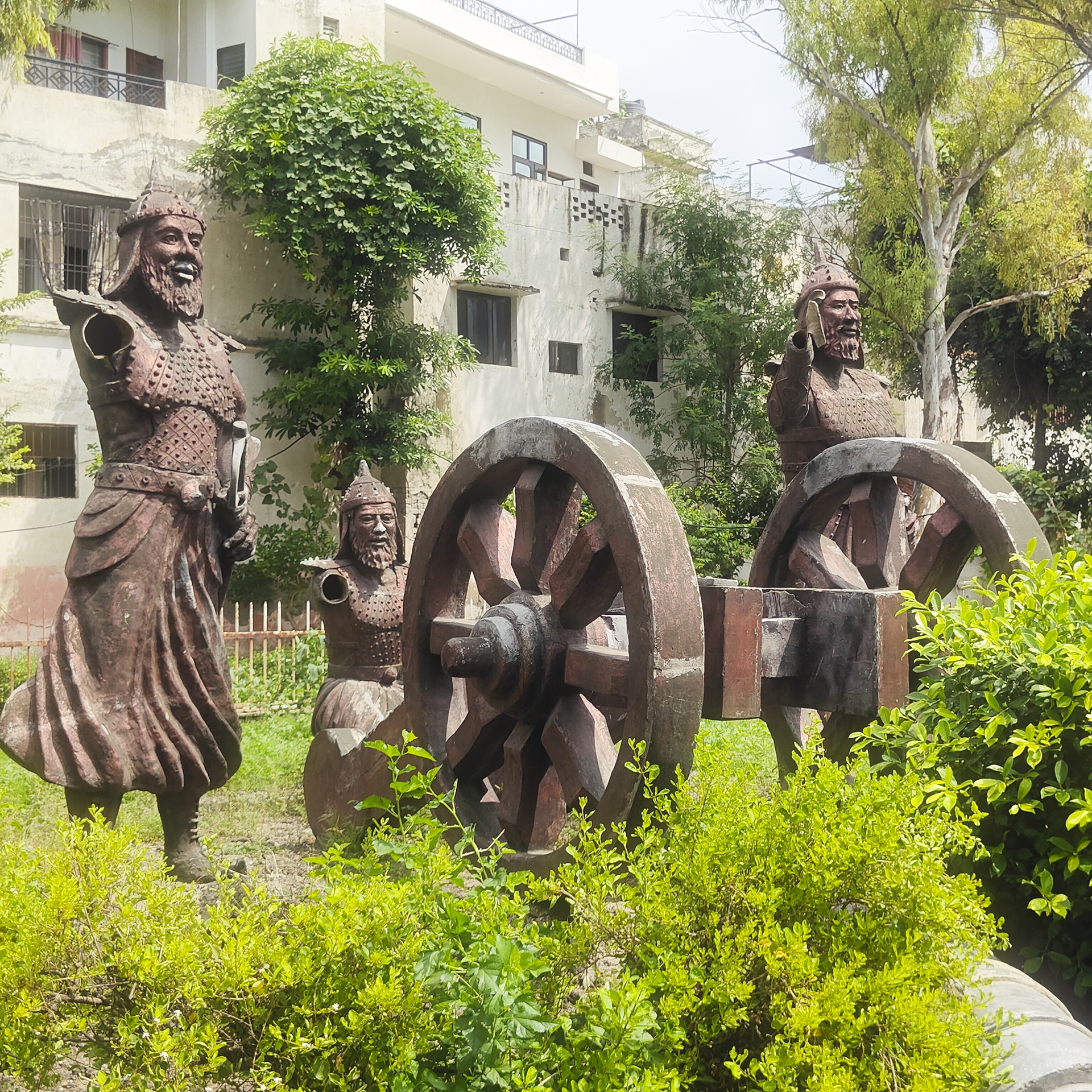
These weathered metal sculptures of medieval warriors and a large artillery carriage, supposedly celebrate Mughal victory over Sultan Lodi in the First Battle of Panipat, 1526.
In tatters, rusted and ill-maintained, today these sculptures are in a pathetic condition. The hands of two warriors are broken, while the turret of the artillery gun lies damaged on the ground; they look morose and tired. Maintained by the Municipal Corporation of Panipat (MCP, is their acronym), the park itself is unclean and in a sad condition. Considering the fact that this is the tomb of Ibrahim Lodi the last Sultan of Delhi, couldn’t it have been maintained better.
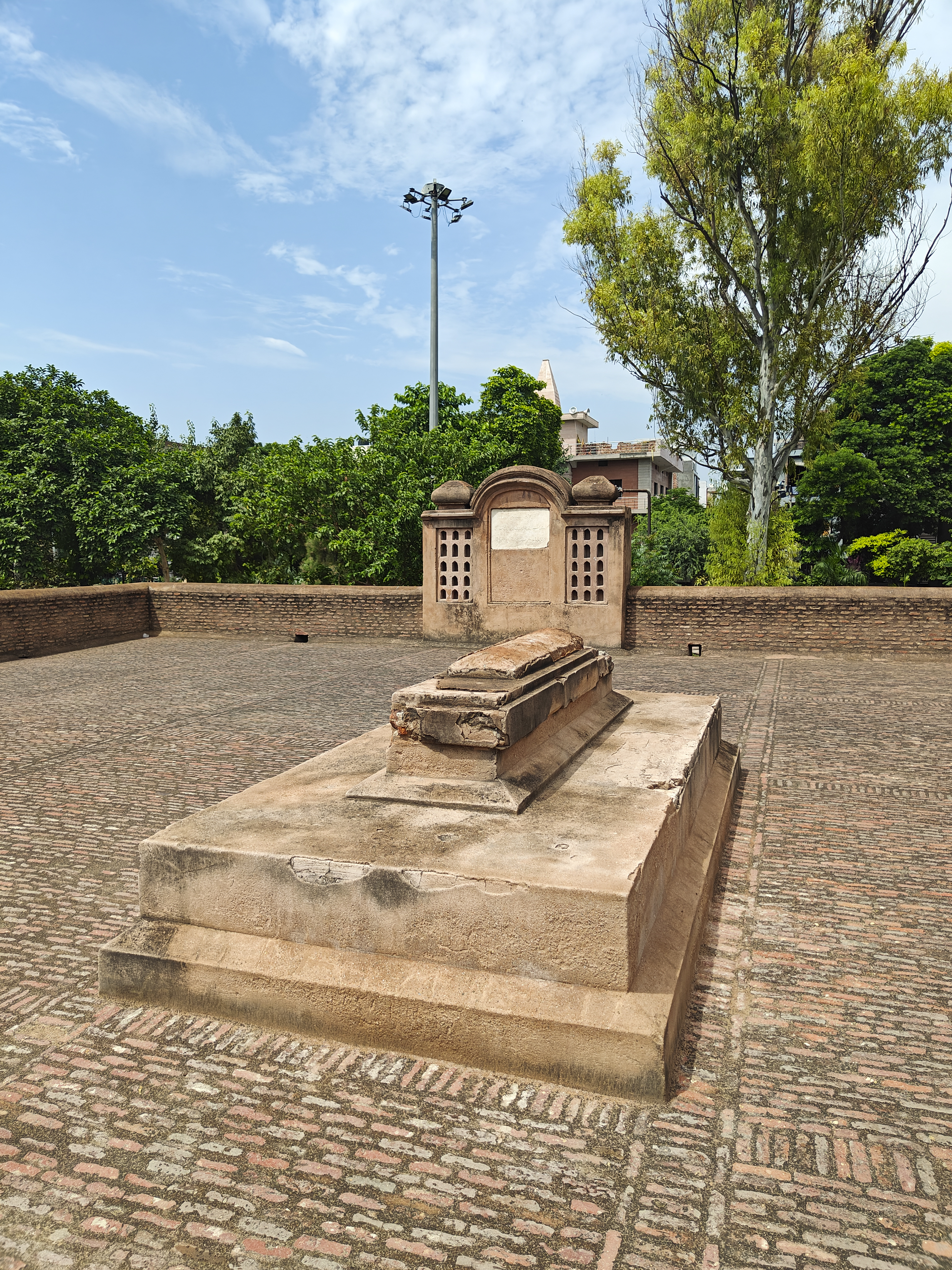
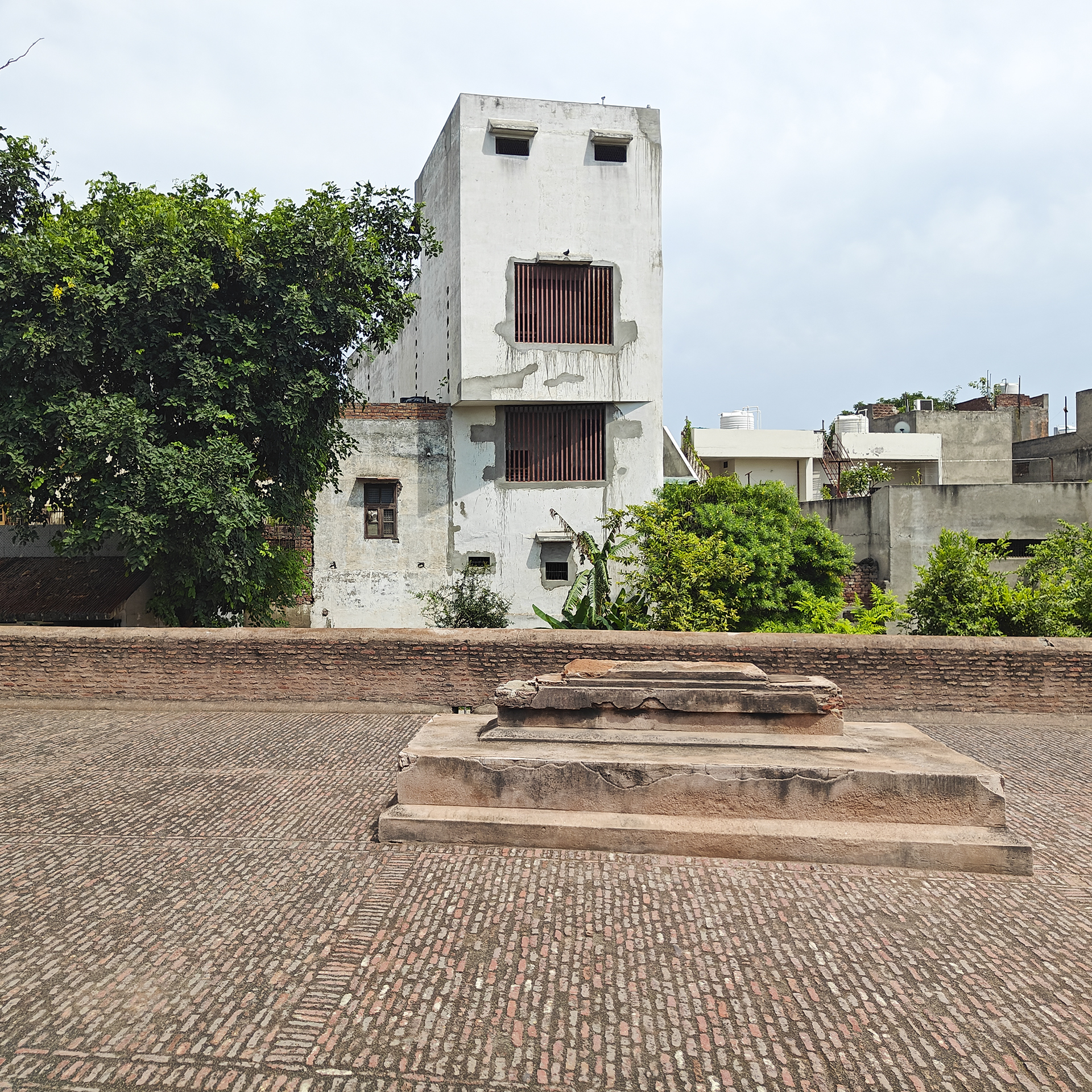
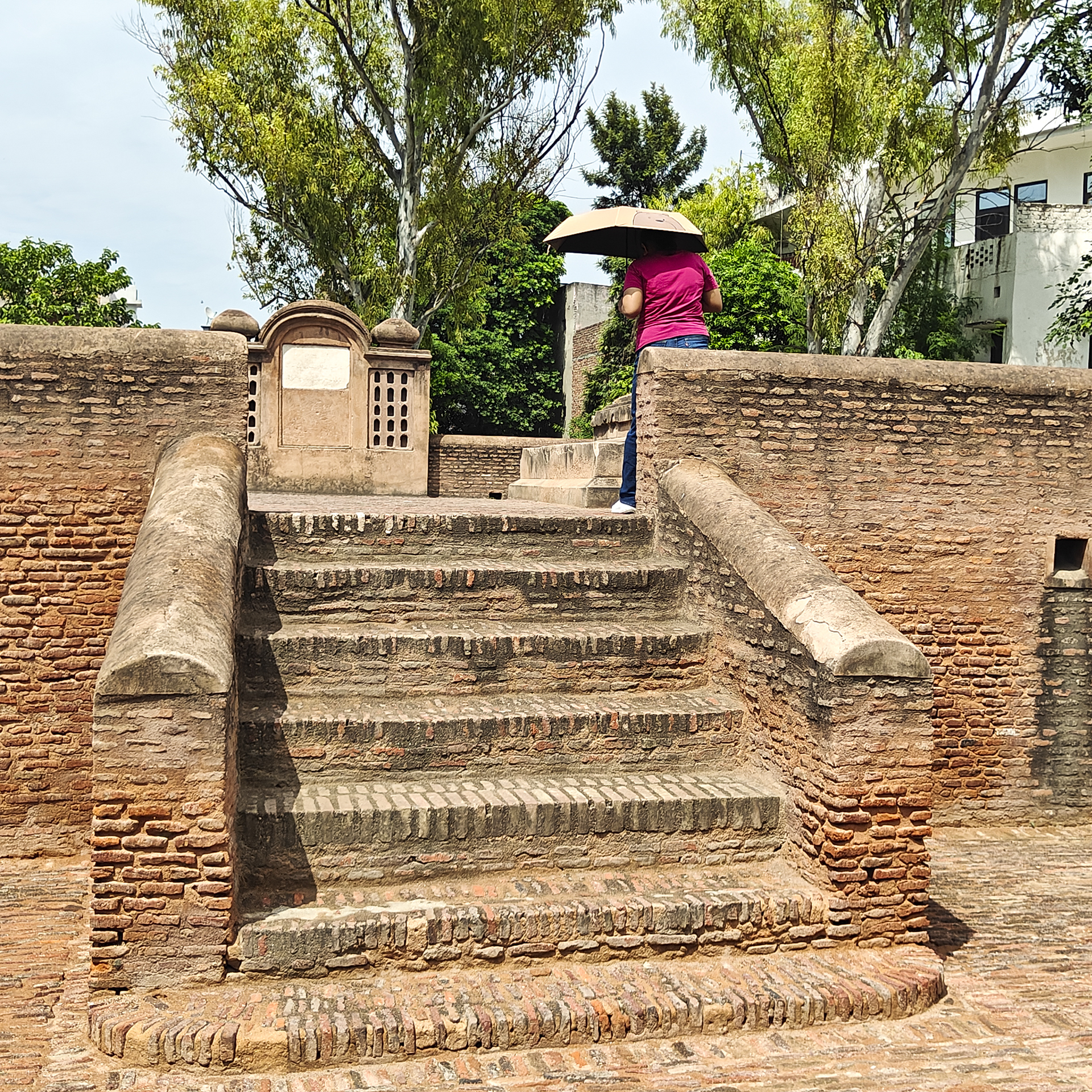
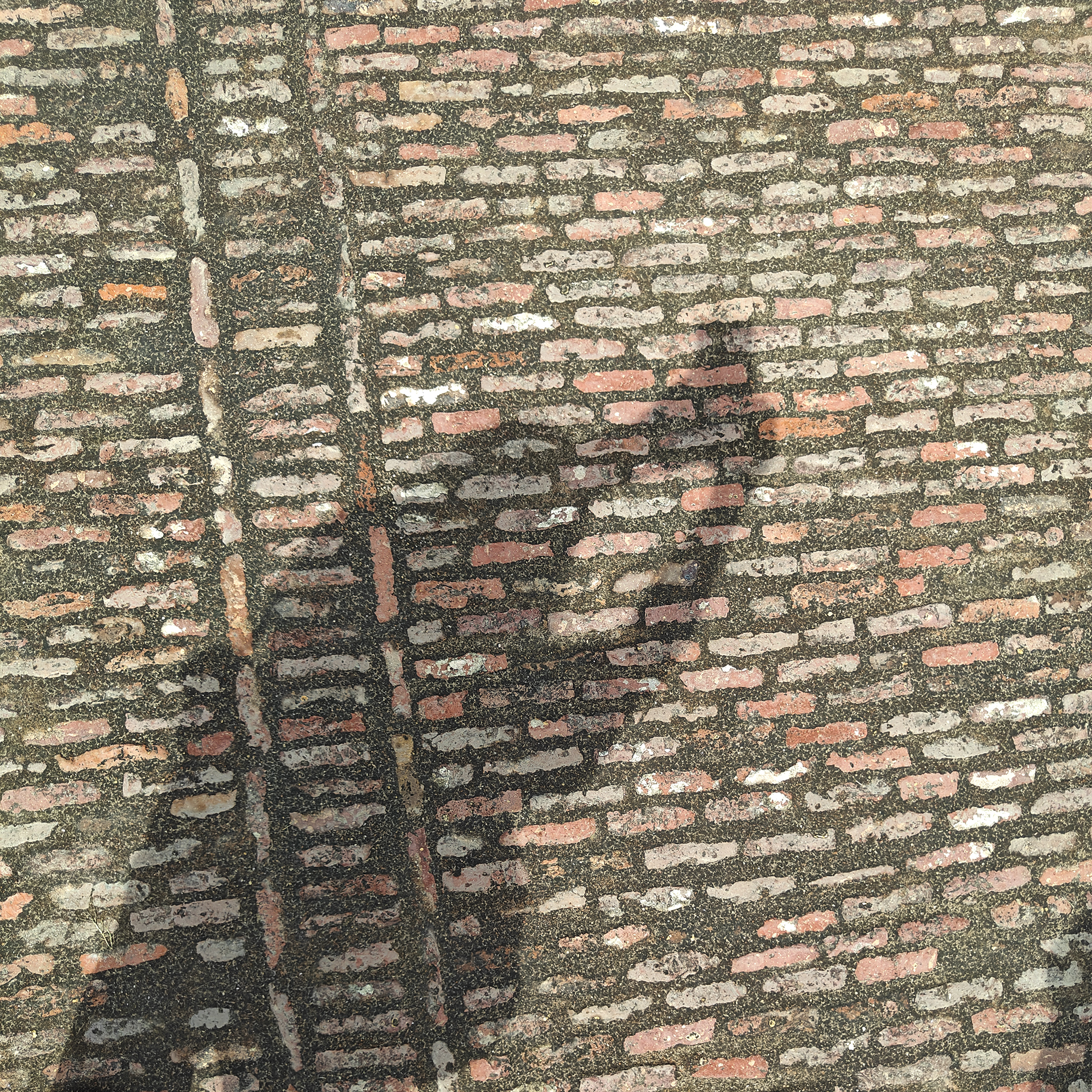
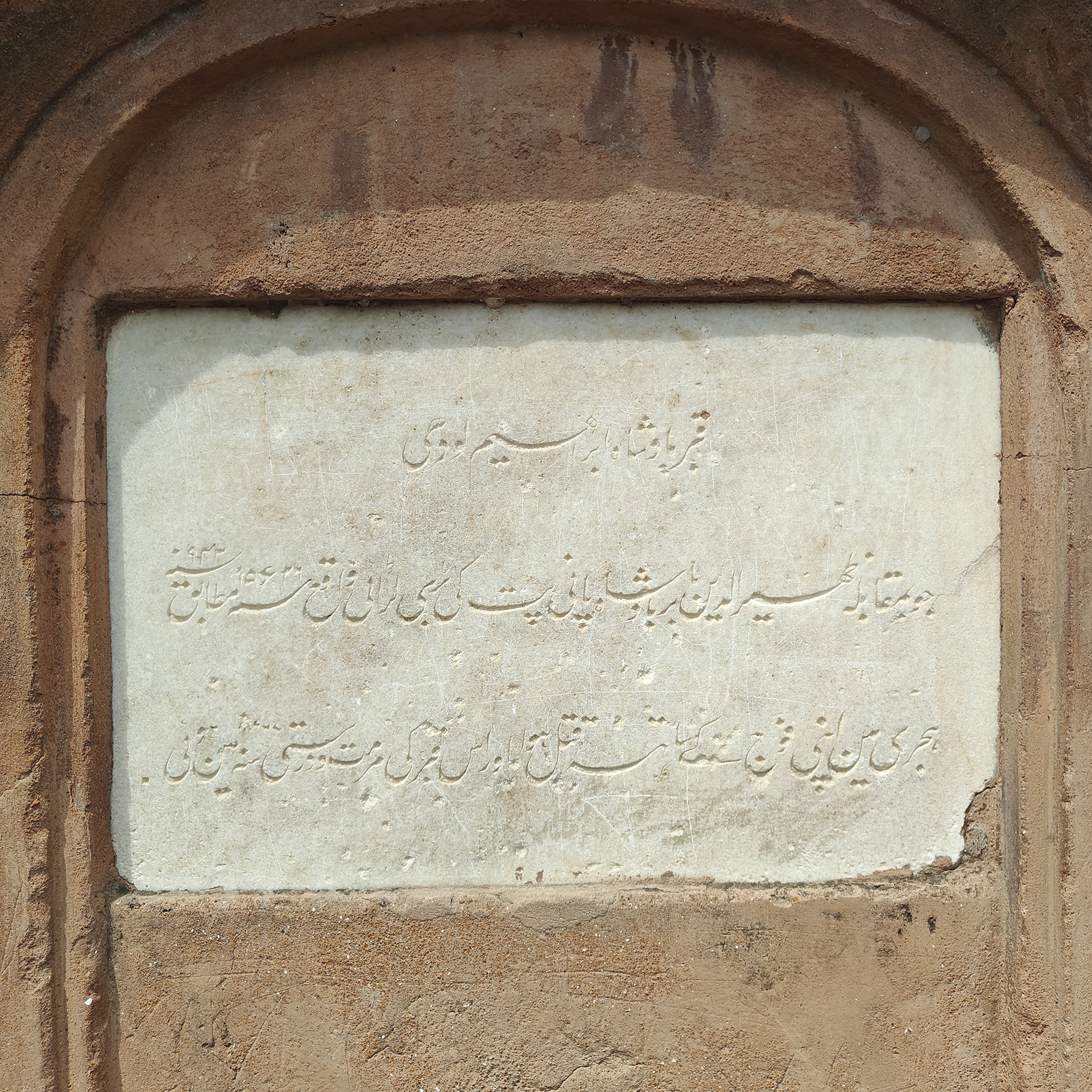
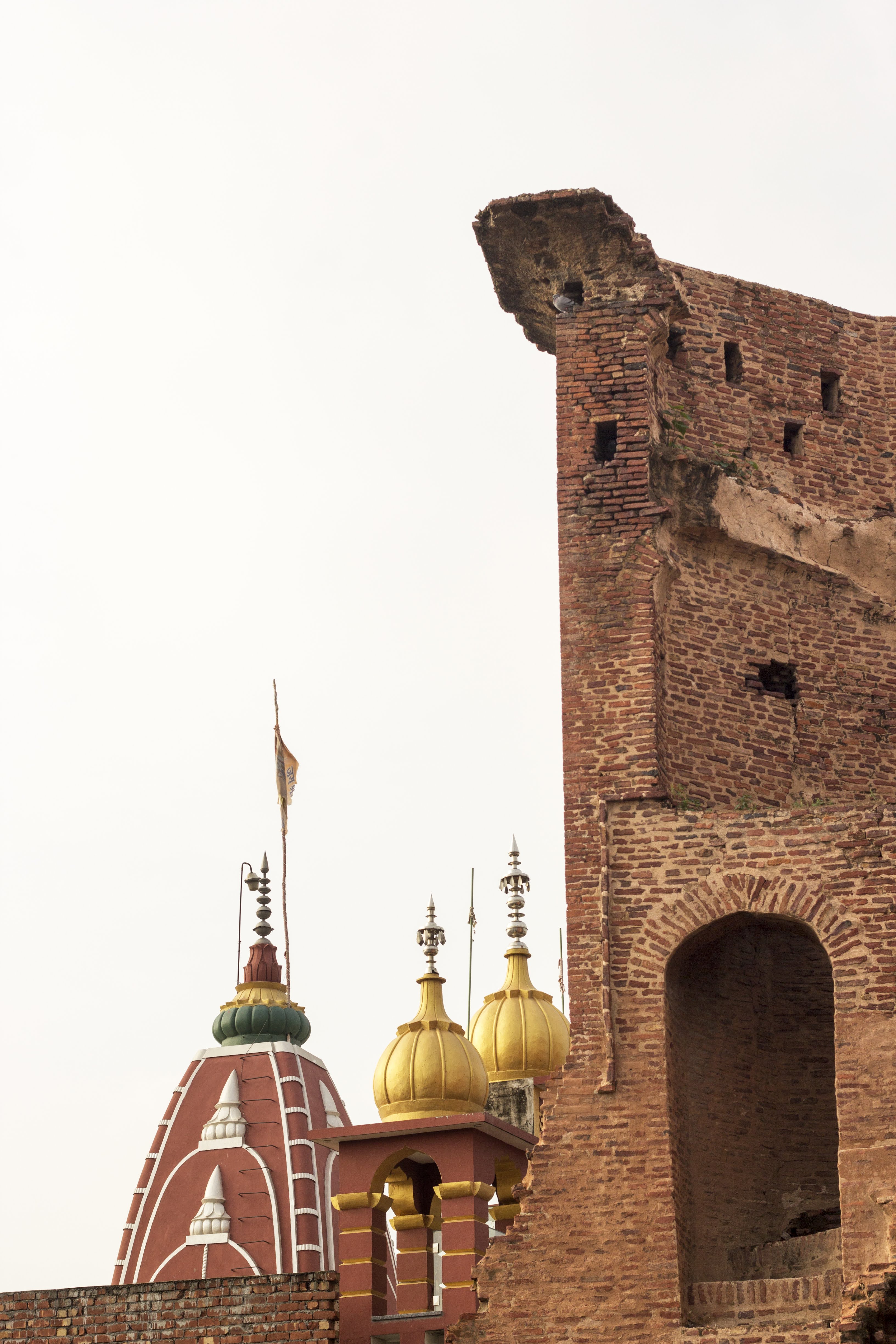
Ibrahim Lodi, the last ruler of his dynasty – a draconian king, rests here in the soil of Panipat. His open to sky tomb is on a double platform at a park in Tehsil Camp. The tomb, marked by a rectangular grave on a raised platform, was built using Lakhauri bricks. An inscription on a niche near the grave declares that it was repaired and restored by the British in 1867 AD.
There must be something special about the plains of Panipat that it saw three major battles – the First Battle of Panipat was fought on April 21, 1526, between last ruler of Delhi Sultanate Ibrahim Khan Lodi and the Mughal Zahir-ud-din Babur. Ibrahim Lodi, the was killed in this battle. Babur used his artillery to emerge as the victor.
The Second Battle of Panipat was fought on November 5, 1556, between Akbar (under Bairam Khan) and Hemu Vikramditya, the last Hindu emperor of Delhi during which an arrow struck Hemchander in the eye causing his army to retreat, following which Akbar won the battle.
The Third Battle of Panipat was fought on January 14, 1761, between the Marathas led by Sadashivrao Bhau and Ahmad Shah Abdali. The Marathas suffered a devastating defeat in this battle.
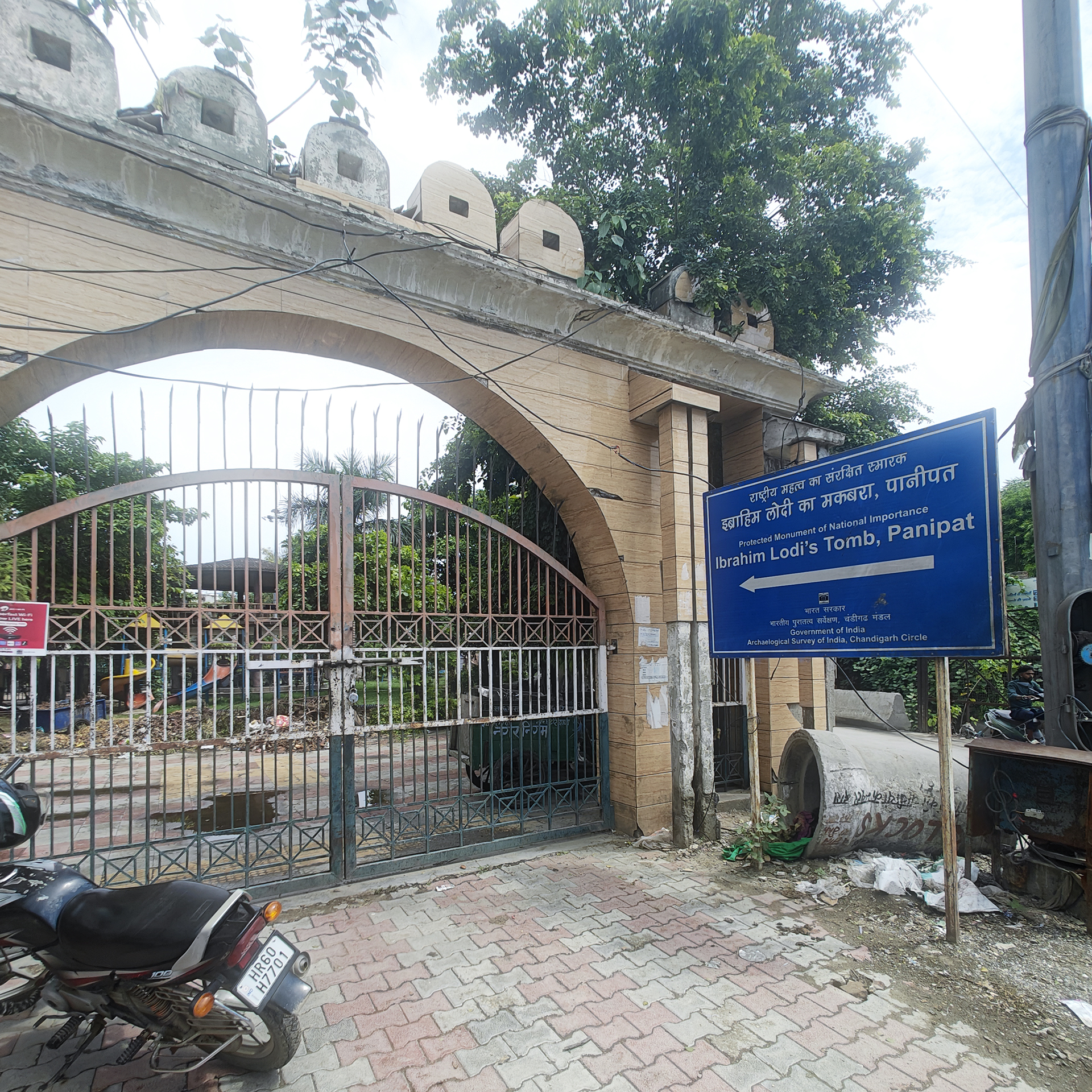
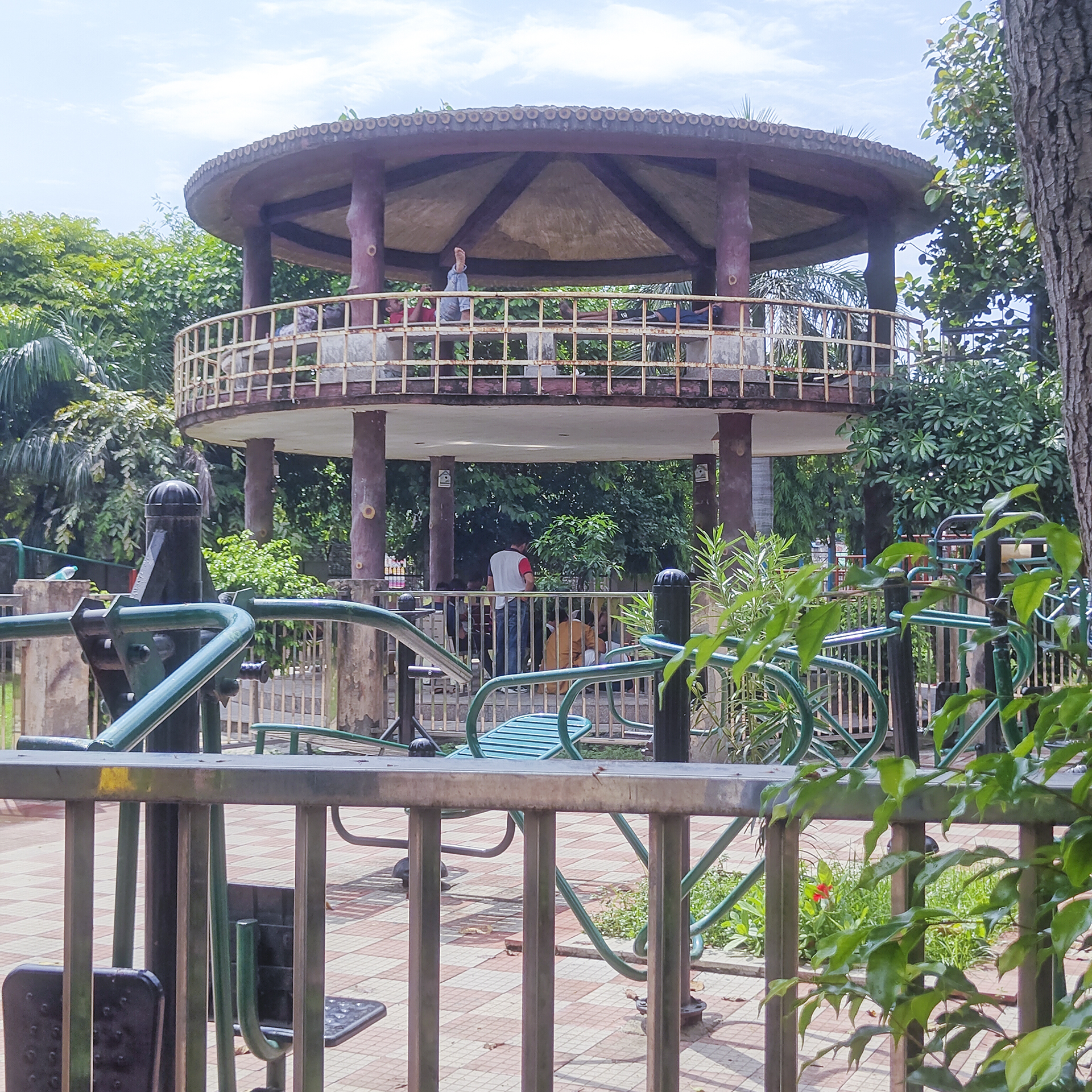
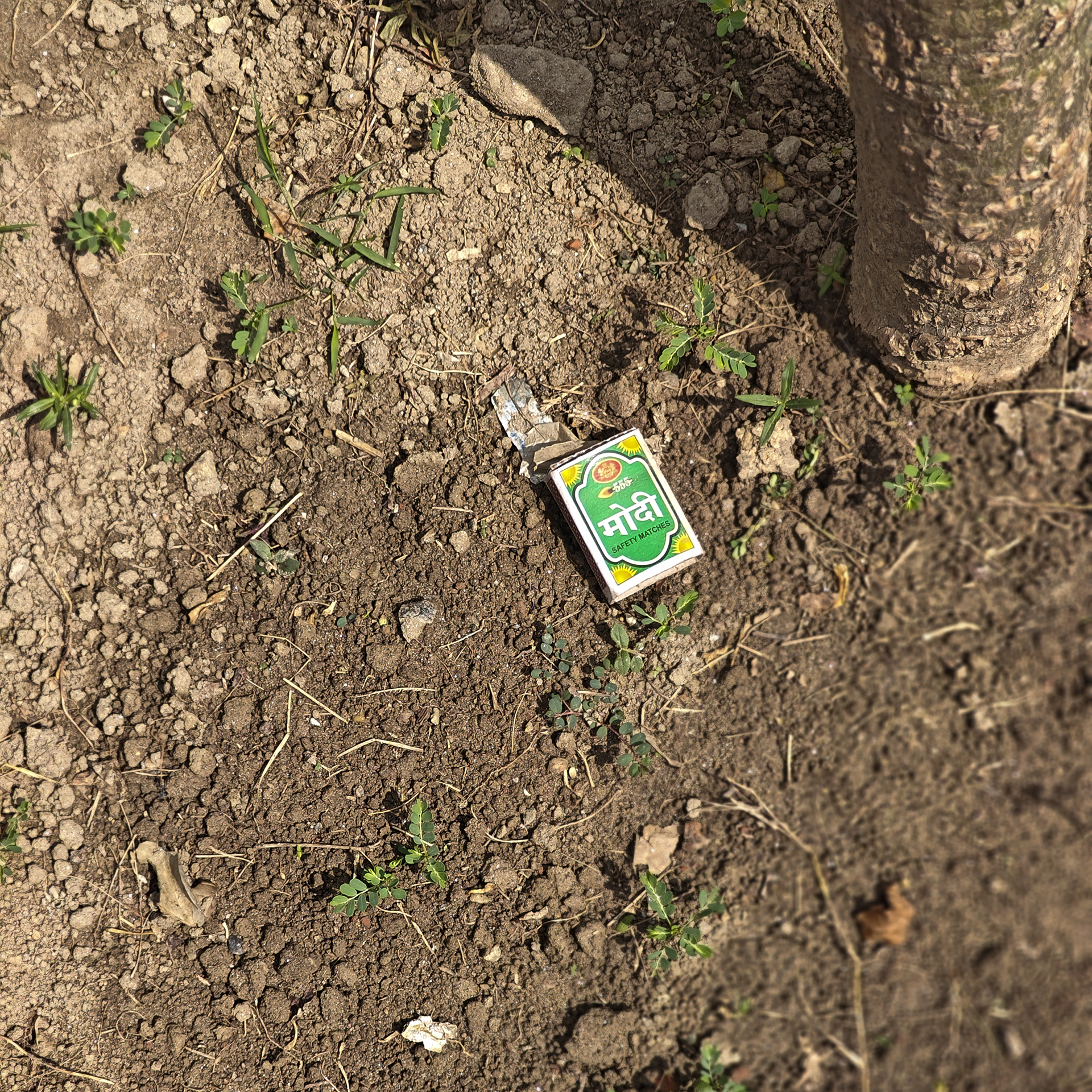
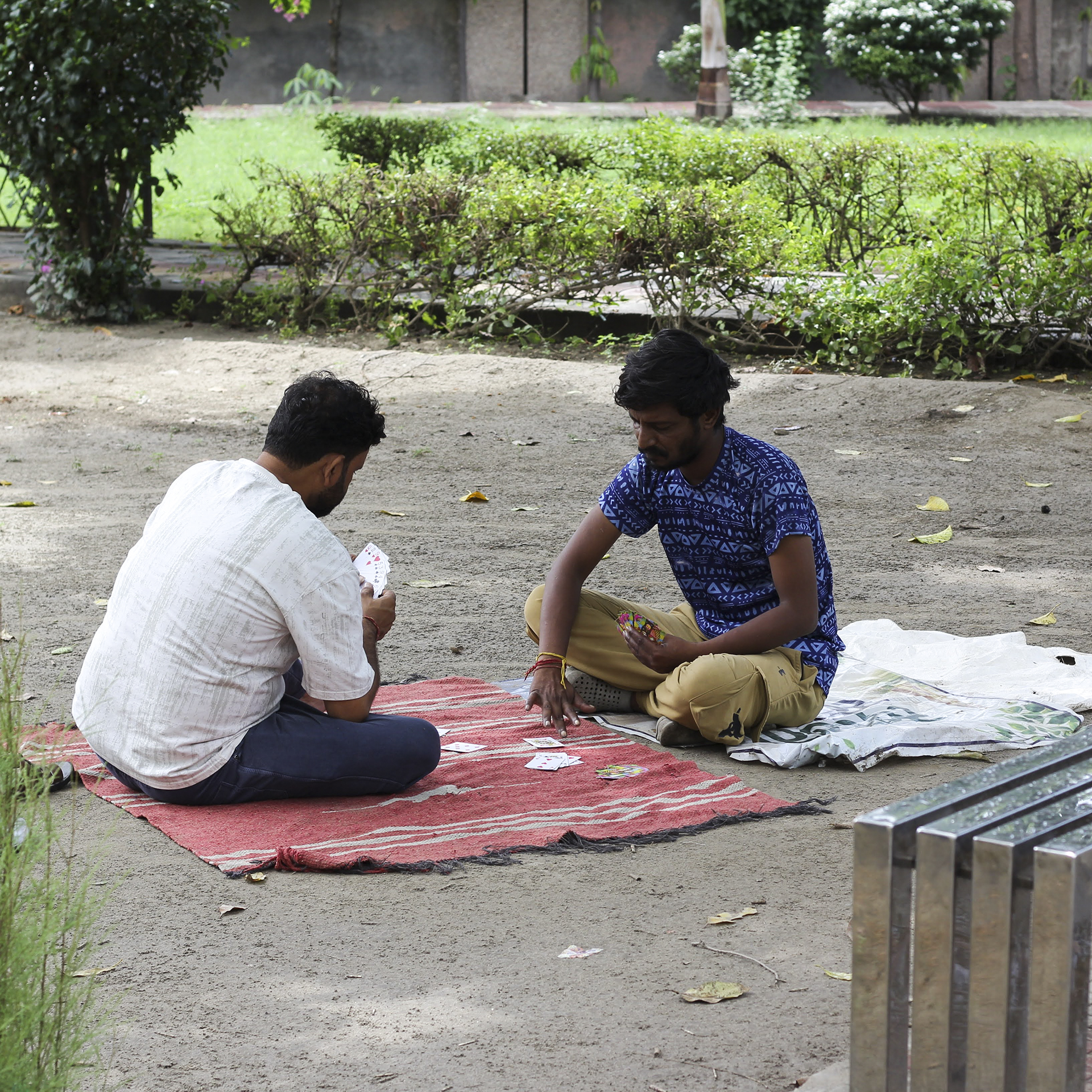
Though the sign outside the park says it is Protected Monument of National Importance, the fact remains that there was not one attendant in or around the Tomb. The main gate was locked and parked inside the gate was a garbage collecting cart beyond which was a big waste dump of leaves and other junk material. I wondered what is the purpose of the double level circular platform from which one couldn’t see more than 200 meters ahead. Groups of people were seen smoking and playing cards inside. Someone had left washed clothes to dry on the grass; food and leftovers were scattered in another corner while the entire grass patch was littered with cigarette butts, bidi stubs and empty matchboxes. A matchbox named after a leader lay there in dirt under an Ashoka plant.
From a distance it looked like any other children’s playground with plastic-ki slides and swings though partially broken and dirty. As usual it was ill-maintained, unkempt, with garbage and waste dumped around. But for the blue ASI sign you would miss the tomb easily. The main gate to the so called ‘monument’ is permanently locked which faces an open sewage drain that spreads the stink for meters ahead. In the narrow side lane cars and scooters are parked of the residential habitat touching it. The side gate to the tomb/park is designed for hurdle race practice that can only be cleared by athletic bodies – possibly keeping in mind the Lodis or the Mughals.
Sculptures of medieval warriors at Ibrahim Lodi’s tomb, PanipatIbrahim Lodi’s tomb and inscriptionThe grave and the residences facing itoplus_1048608The double platform tomb and its approachLakhauri brick floorThe inscription plaquethe circular resting areathe matchbox under Asoka plant/tree
Gharaunda sounds like a dainty toyhouse or a dollhouse-like nest, offering the safety of a mother’s hug. I wonder who named this small town in Karnal district as Gharaunda—a town desperately trying to unhinge itself from its past and join the mainstream madness of our stunted cities. Located on NH44, the town is choking not only with dense habitation and heavy traffic but also with the petroleum fumes that permeate its air.
Nearly 400 years ago, the Tughlaqs, the Lodis, and then the Mughals cleared part of the dense jungle to create a road connecting Bengal to Afghanistan and from there to Uzbekistan, Iran and beyond. Along the road they built Kos Minars, piaos, and Sarais. While some of the Kos Minars still survive, most of the sarais have scummbed to time or illegal occupation.
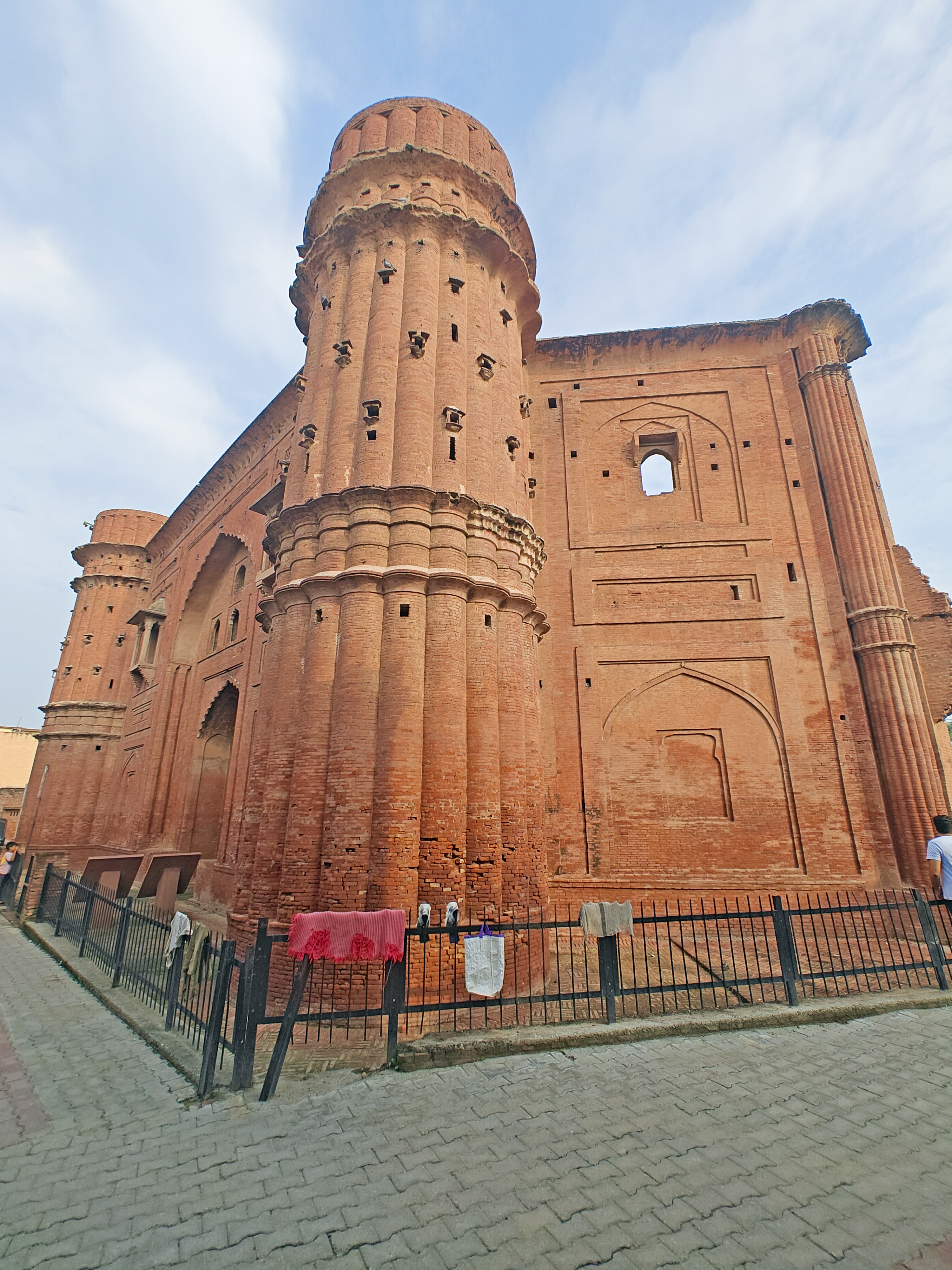
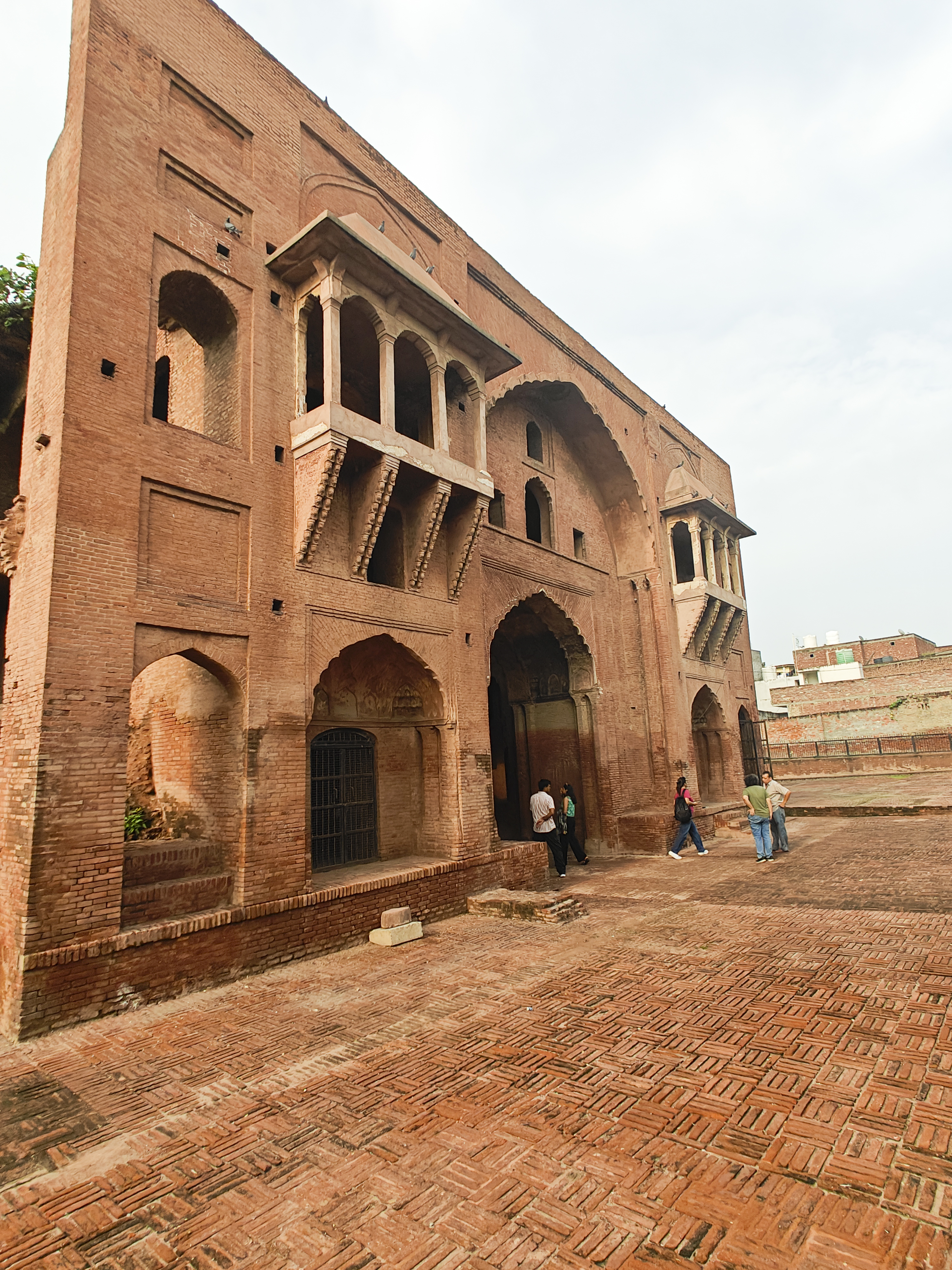
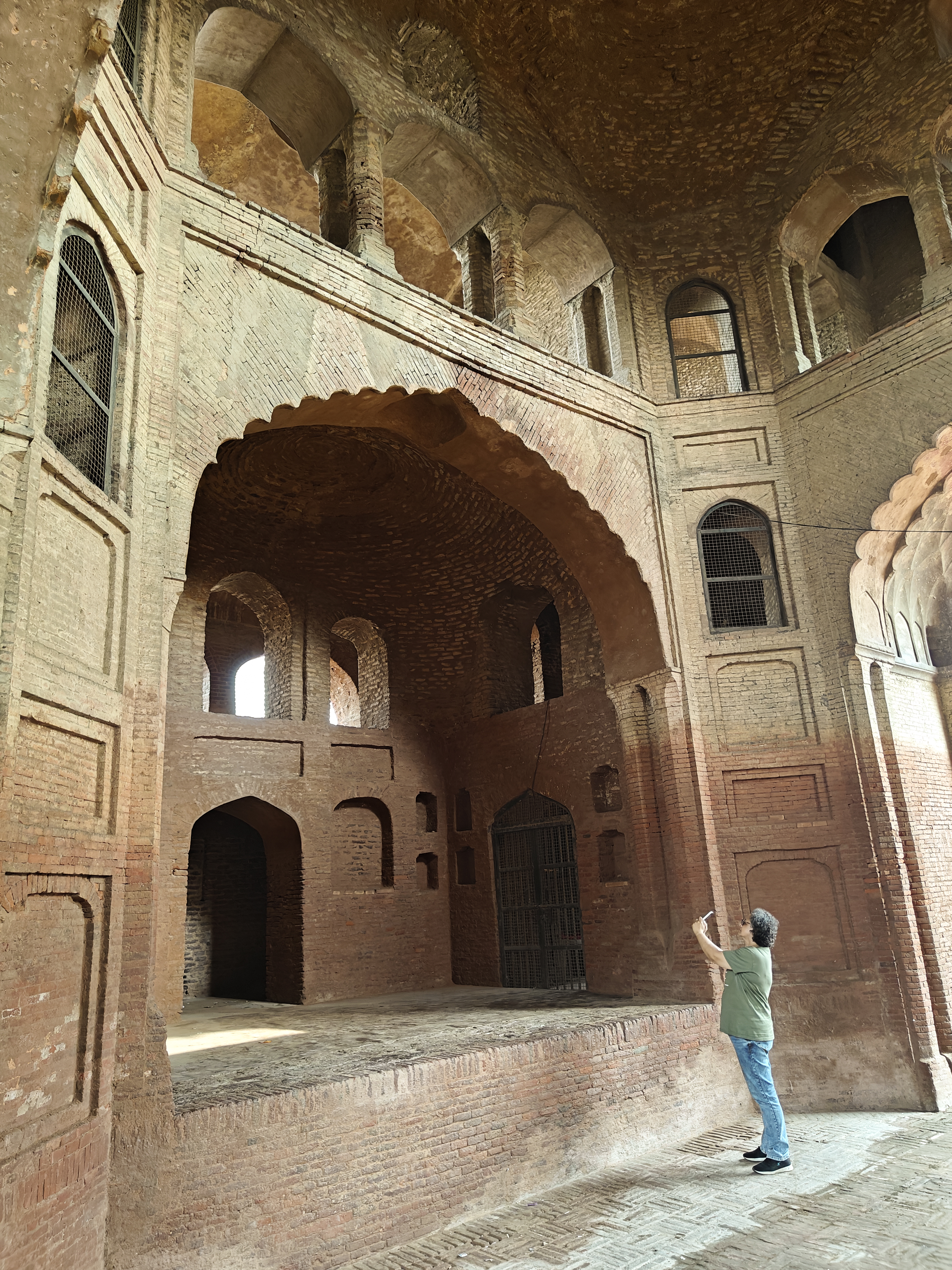
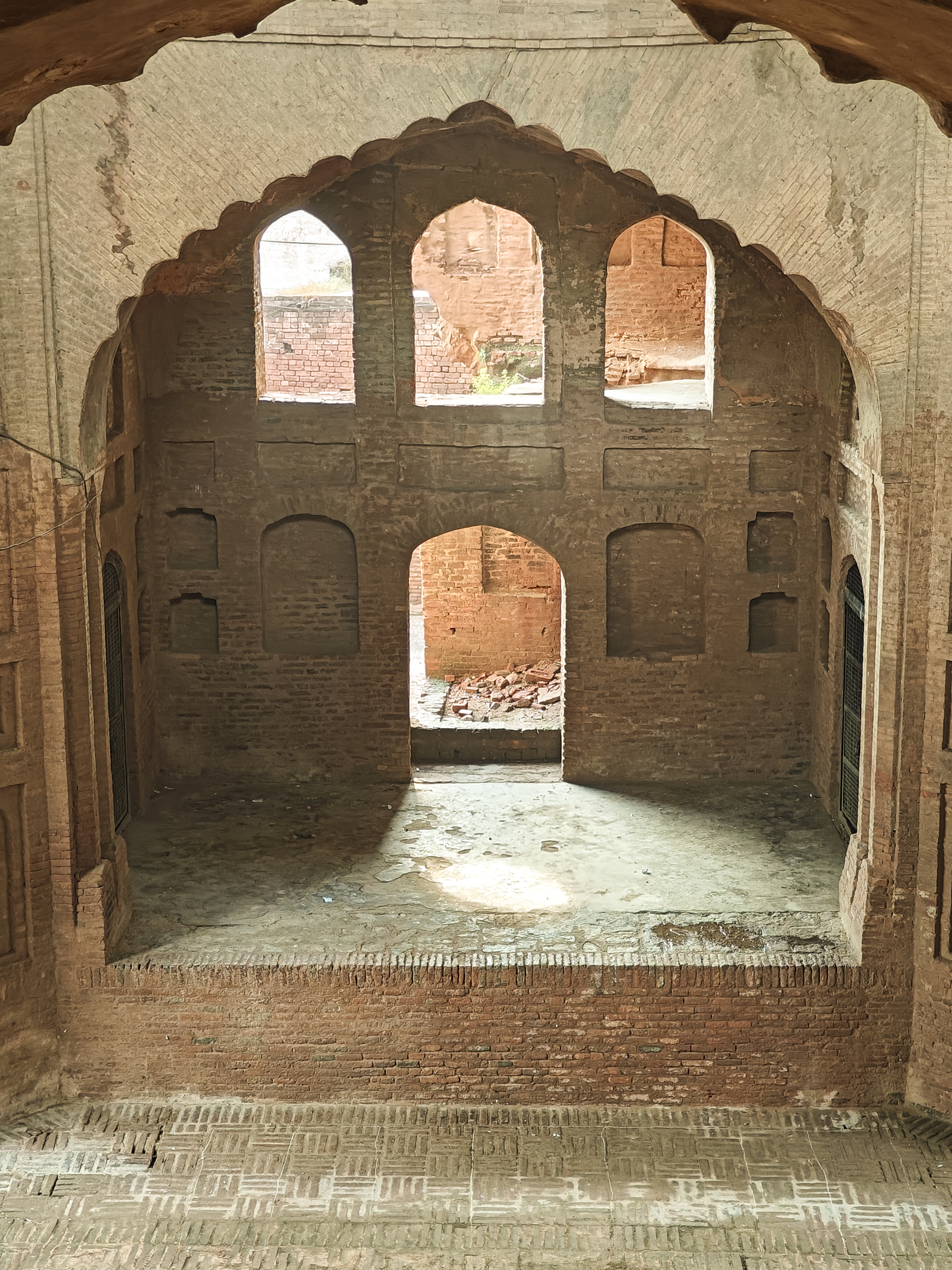
One dazzling Sarai defied all and has stood tall through the centuries – in fact it looks as fresh as the day its three stories were constructed. It is one of the finest examples of decorative brick structures that have survived the test of time and the onsualght of expanding urban areas.
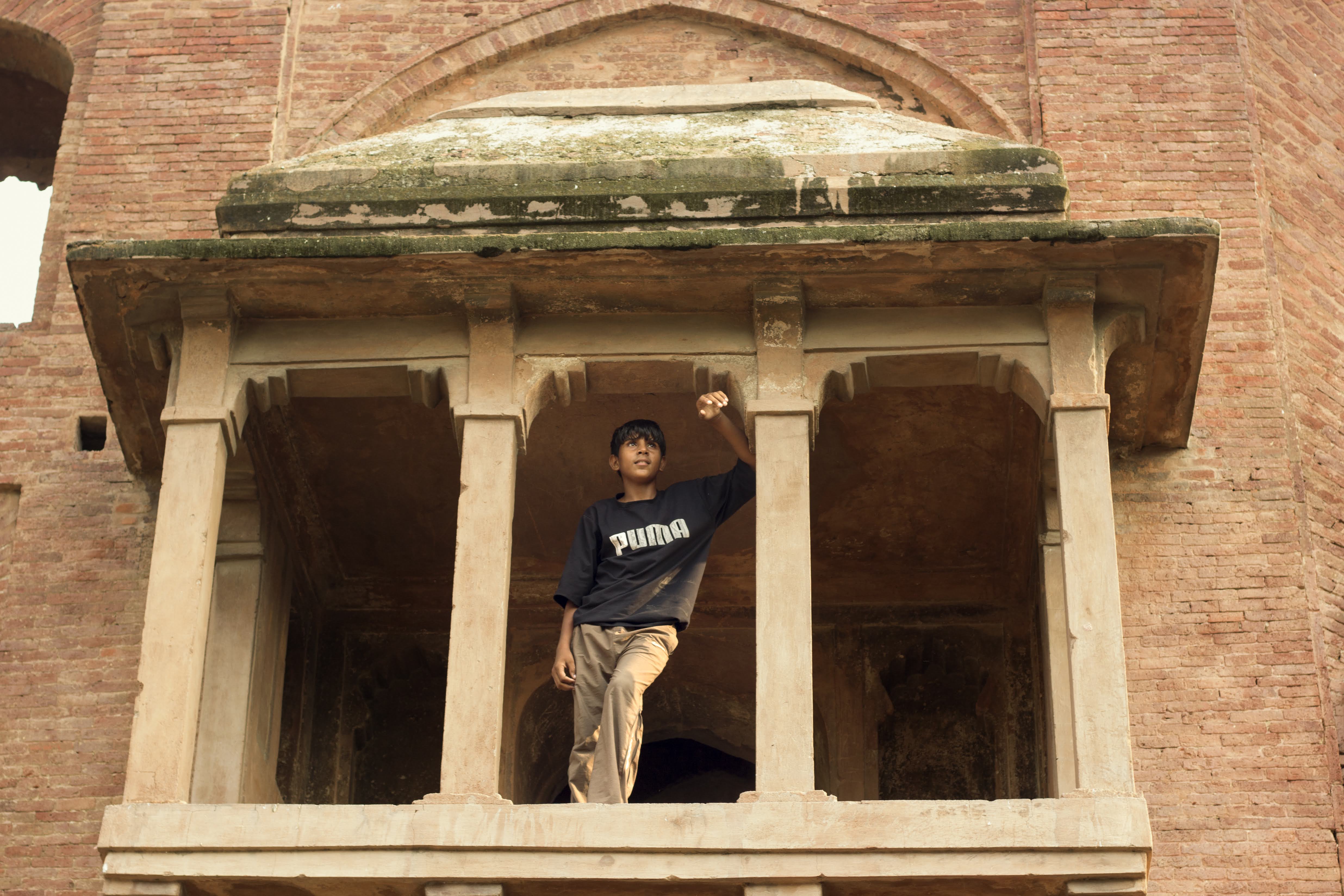
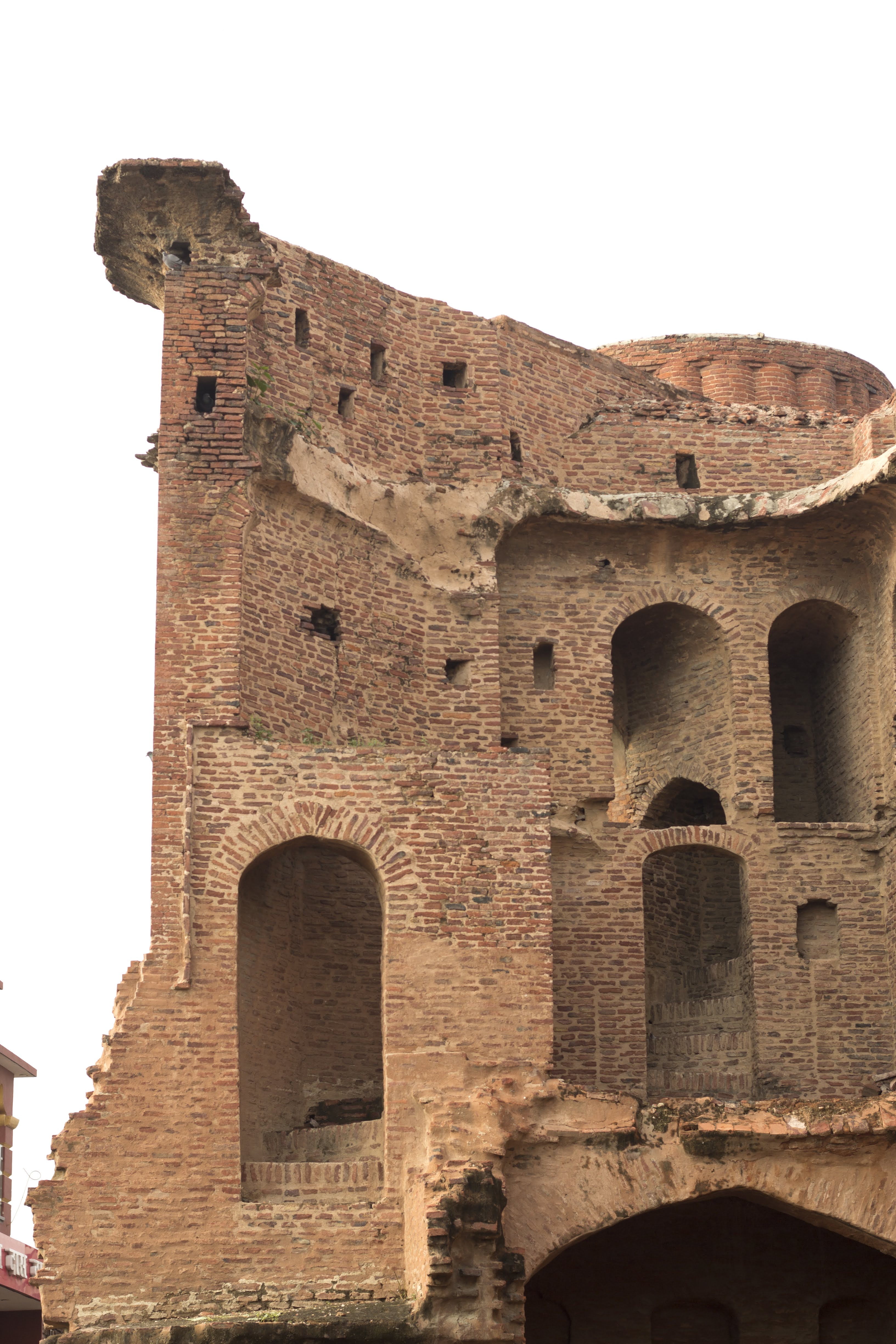
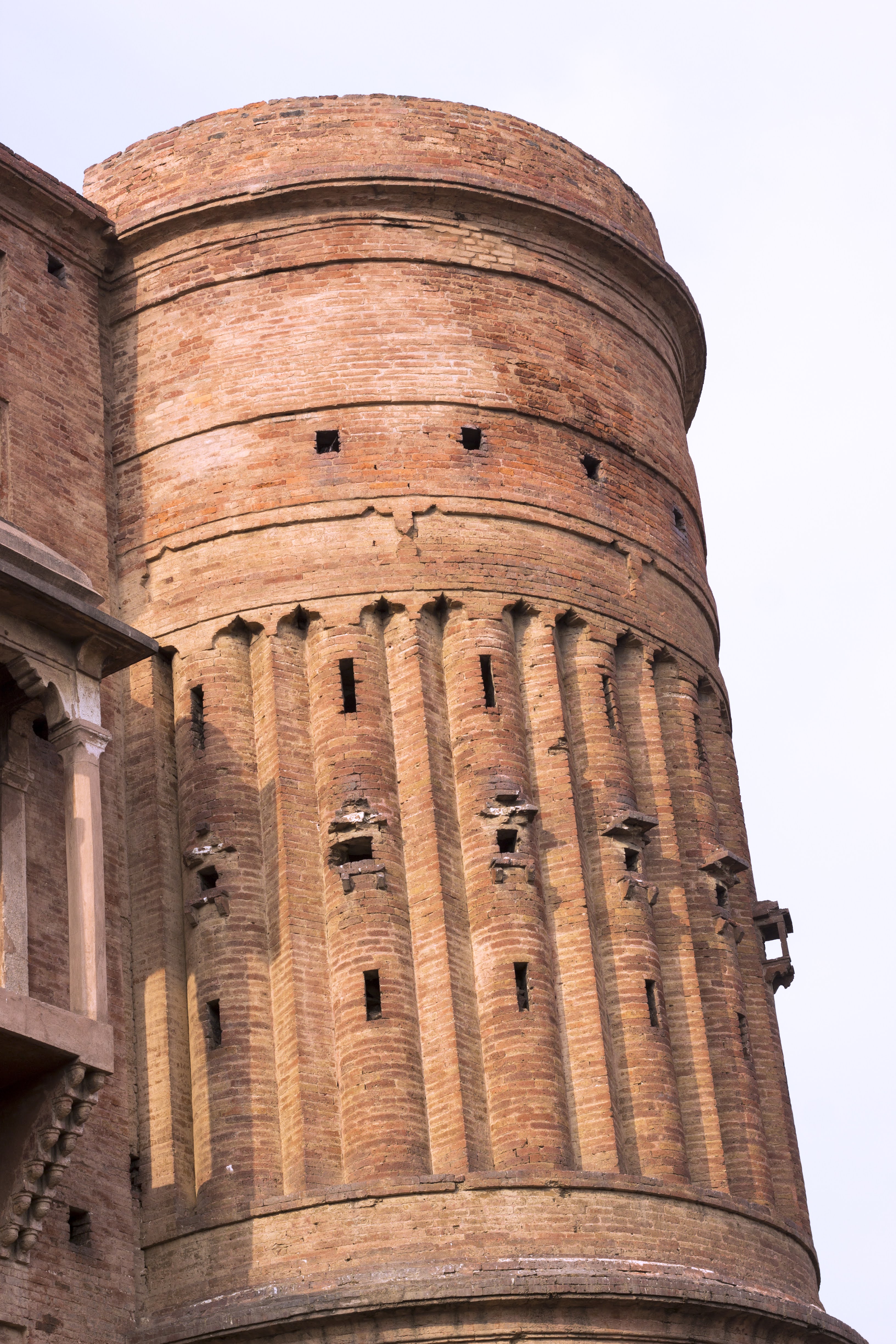
The ‘Mughal Sarai,’ as it is called, is a protected monument under the Archaeological Survey of India, though it is ill-maintained. A narrow lane leads to the vibrantly amazing structure; however, the front facade of which can’t be seen or photographed in totality because there is very little depth available. Crane your neck hard to see the tall circular turrets on each end of the gateway. The western portion of the Southern gateway, part of which has fallen apart, appears to be an Ebrahim Alkazi theatre set where a Mughal dastan is set to be played.
Built in 1637 AD by Feroz Khan during the reign of Mughal Emperor Shah Jahan, this quadrangular Sarai (rest house) naturally came to be named after the Mughals. The historic site of Gharaunda, where the Sarai stands, also served as a campsite for Babur prior to the First Battle of Panipat.
Today, two of these three-story gateways still stand within the area, positioned roughly 100 metres apart along the remains of the Northern and Southern walls. Constructed from traditional Lakhauri bricks, these structures feature an enclosed design with cells lining all four sides of the quadrangle. The surviving gateways are highly ornate, decorated with intricate panels, balconies, rounded towers, and angular flutes.
A must visit site if you are passing by Karnal or surrounding areas.
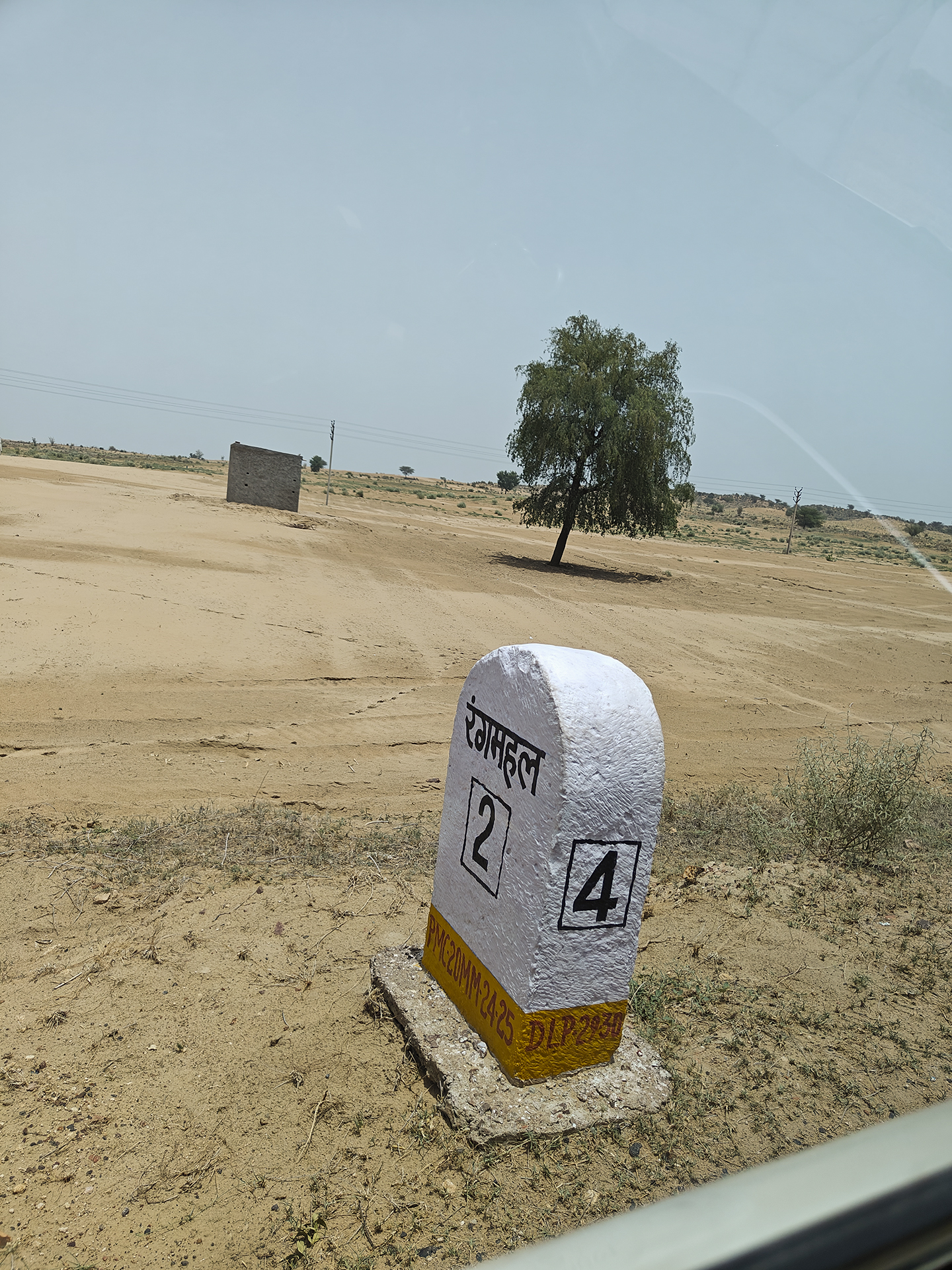
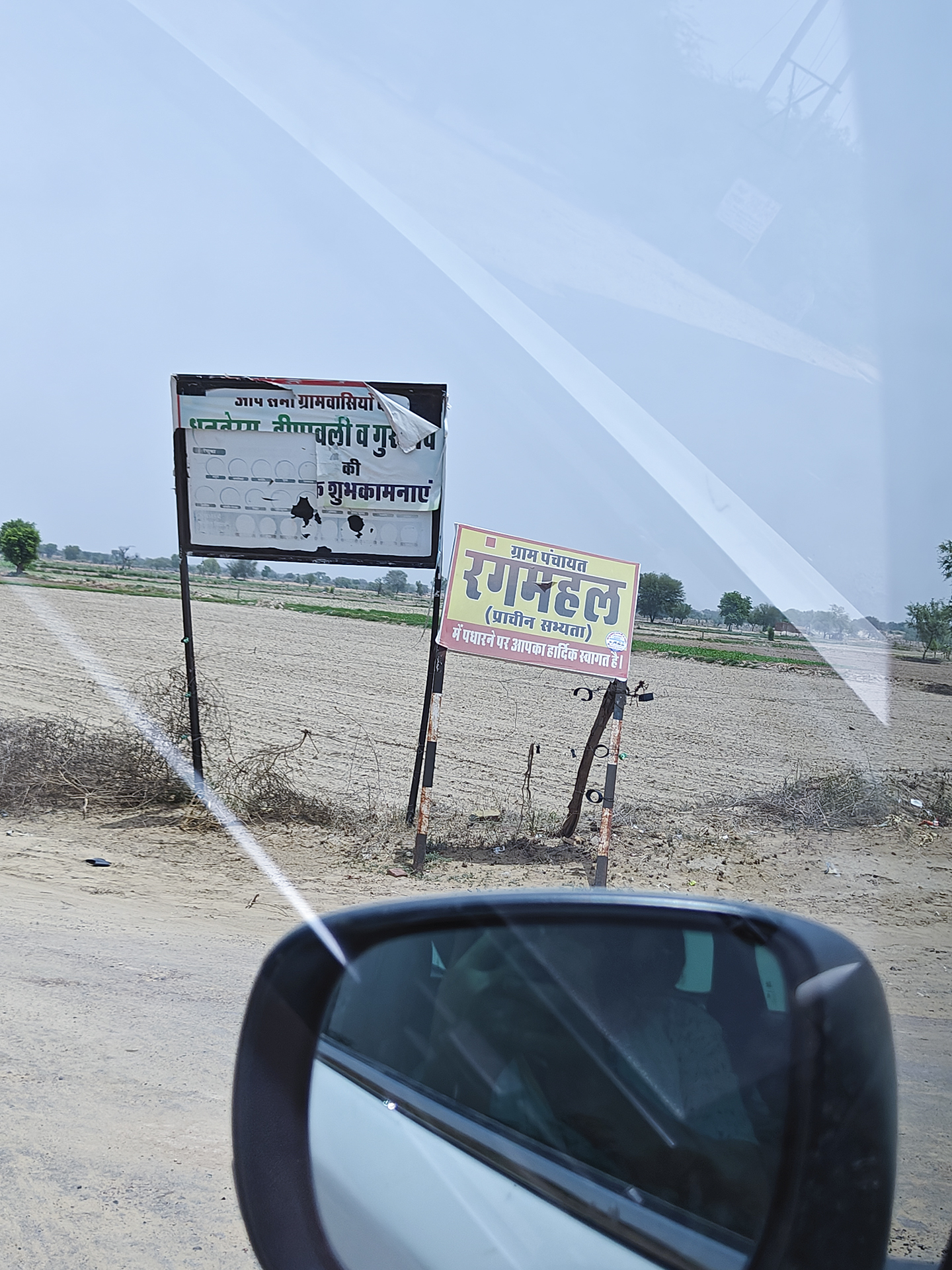
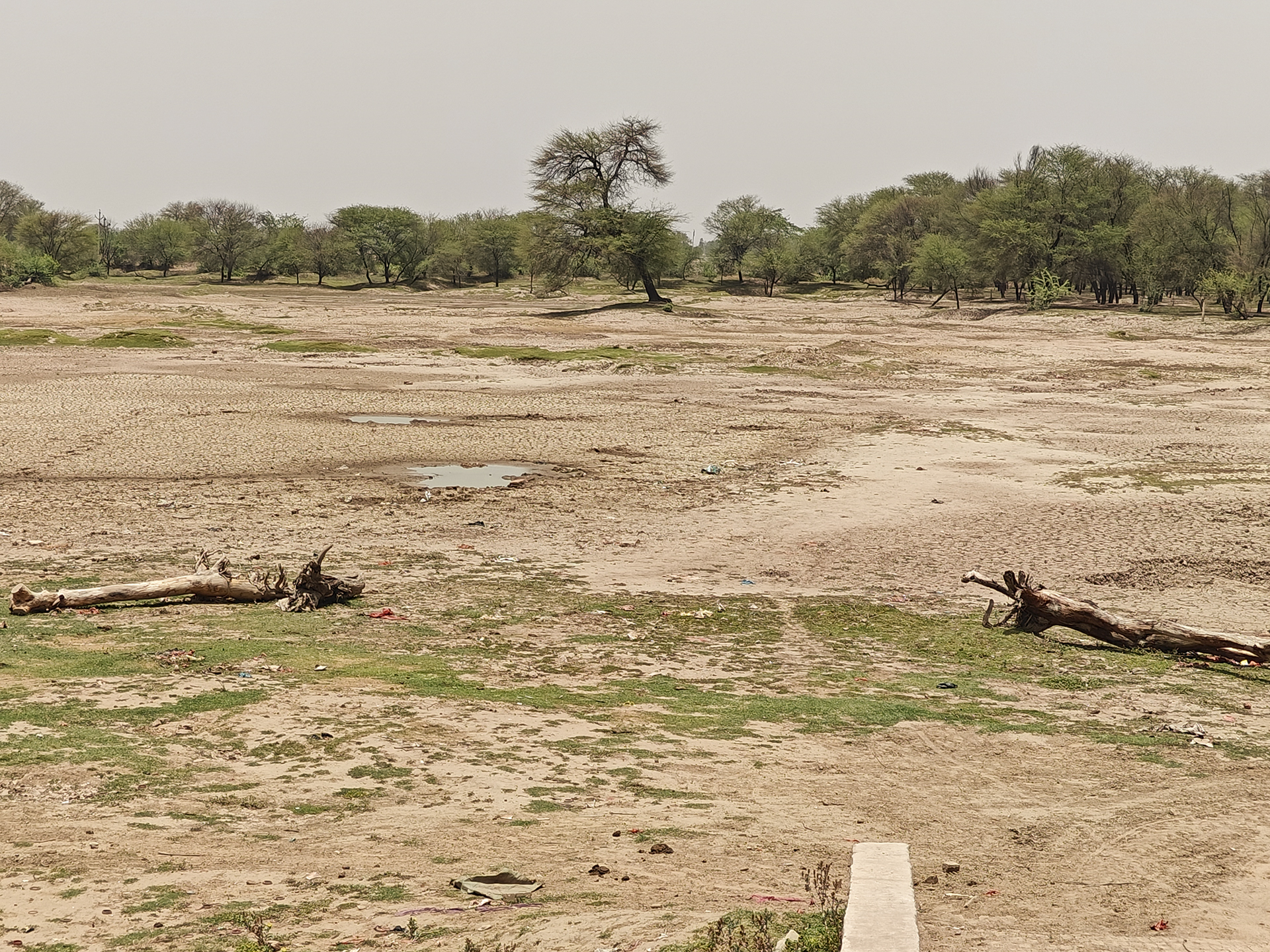
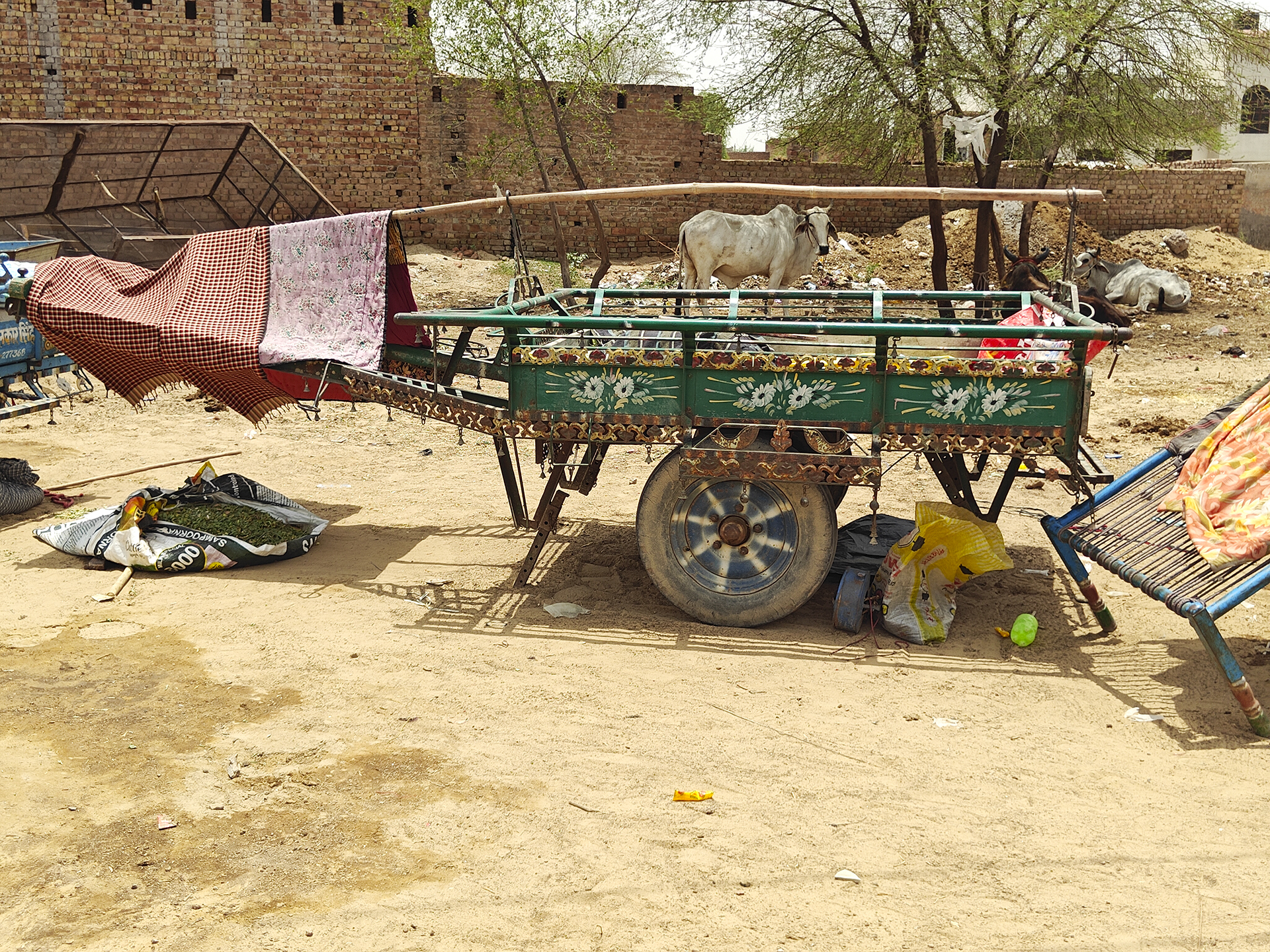
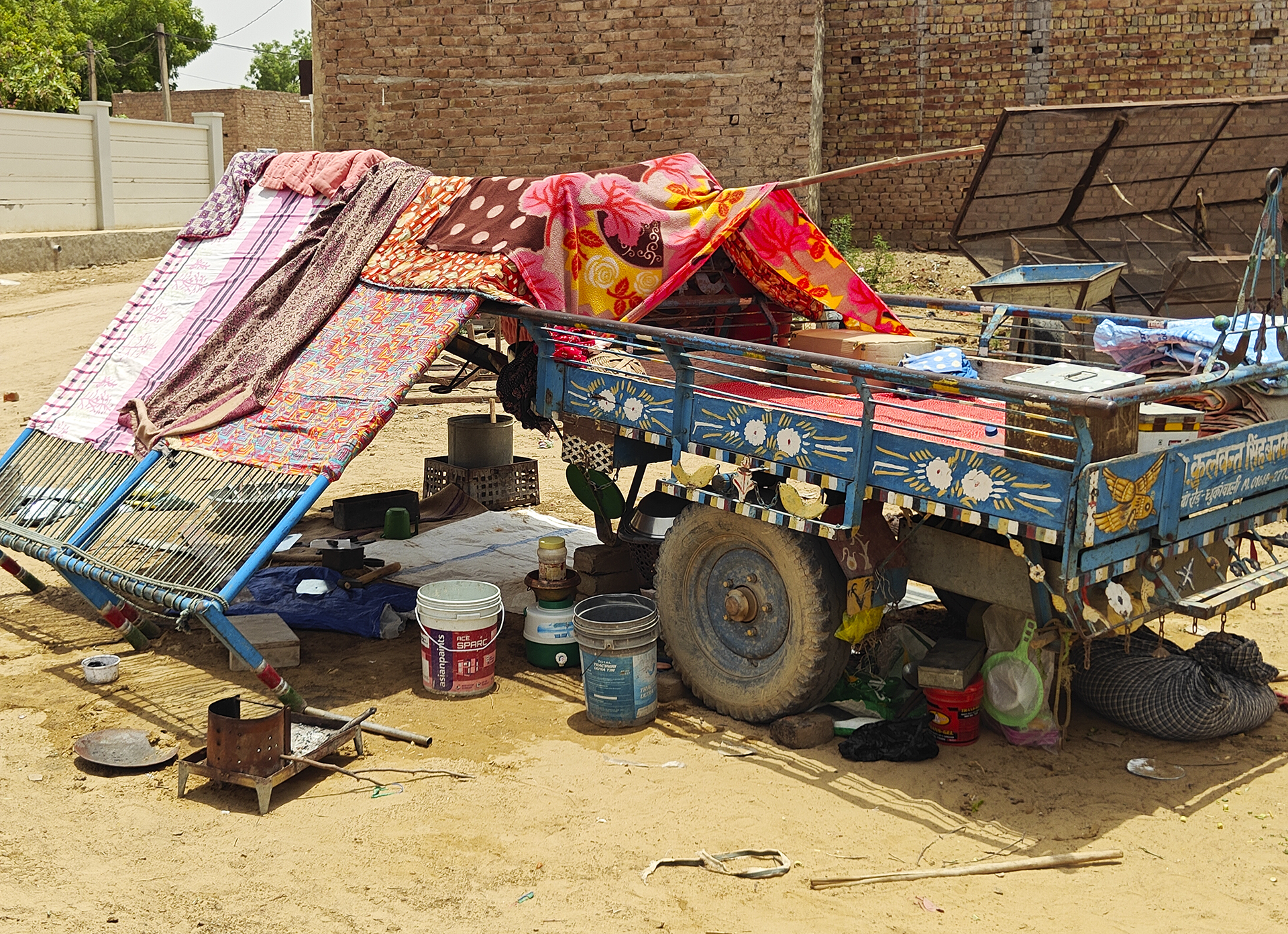
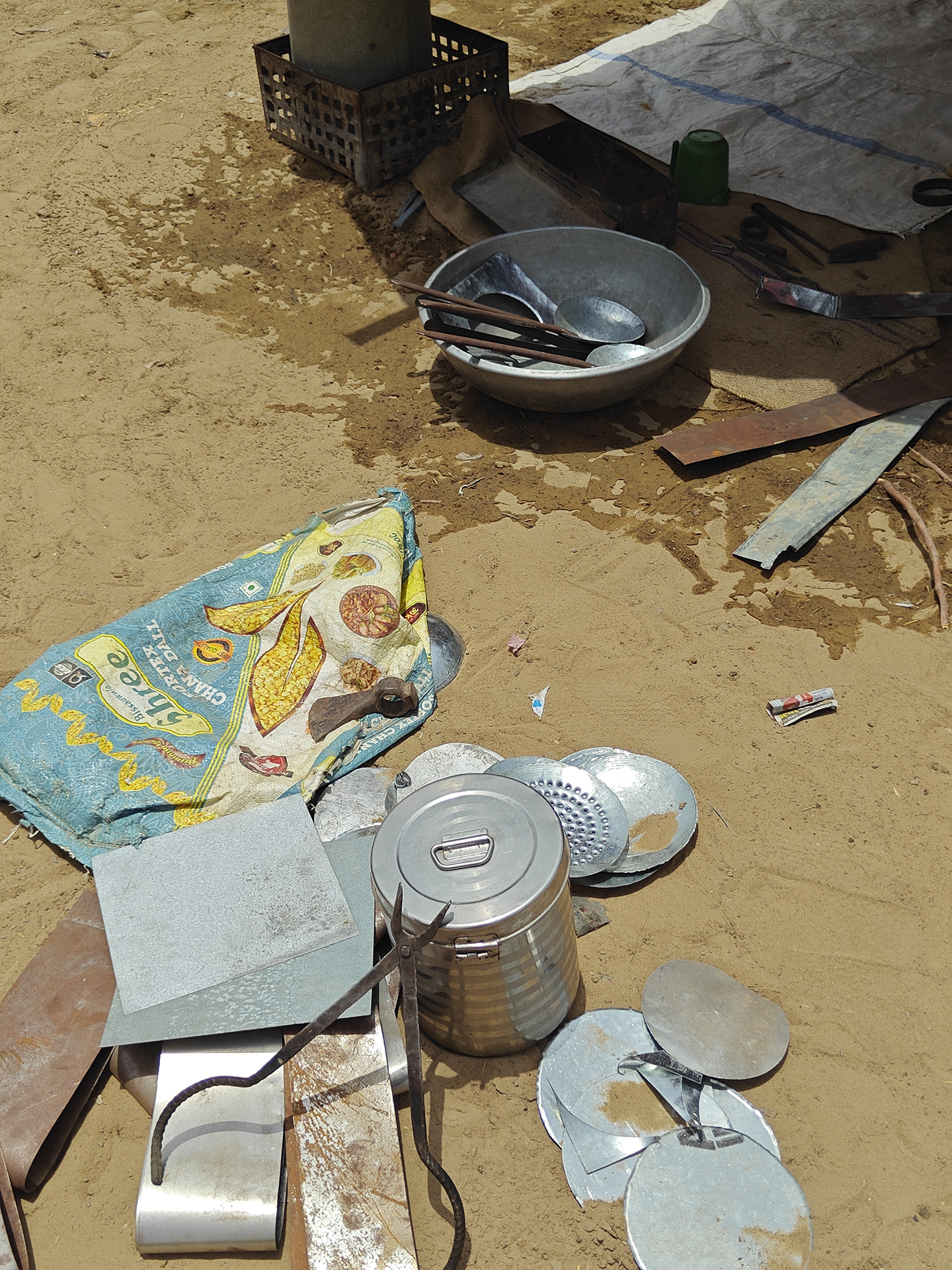
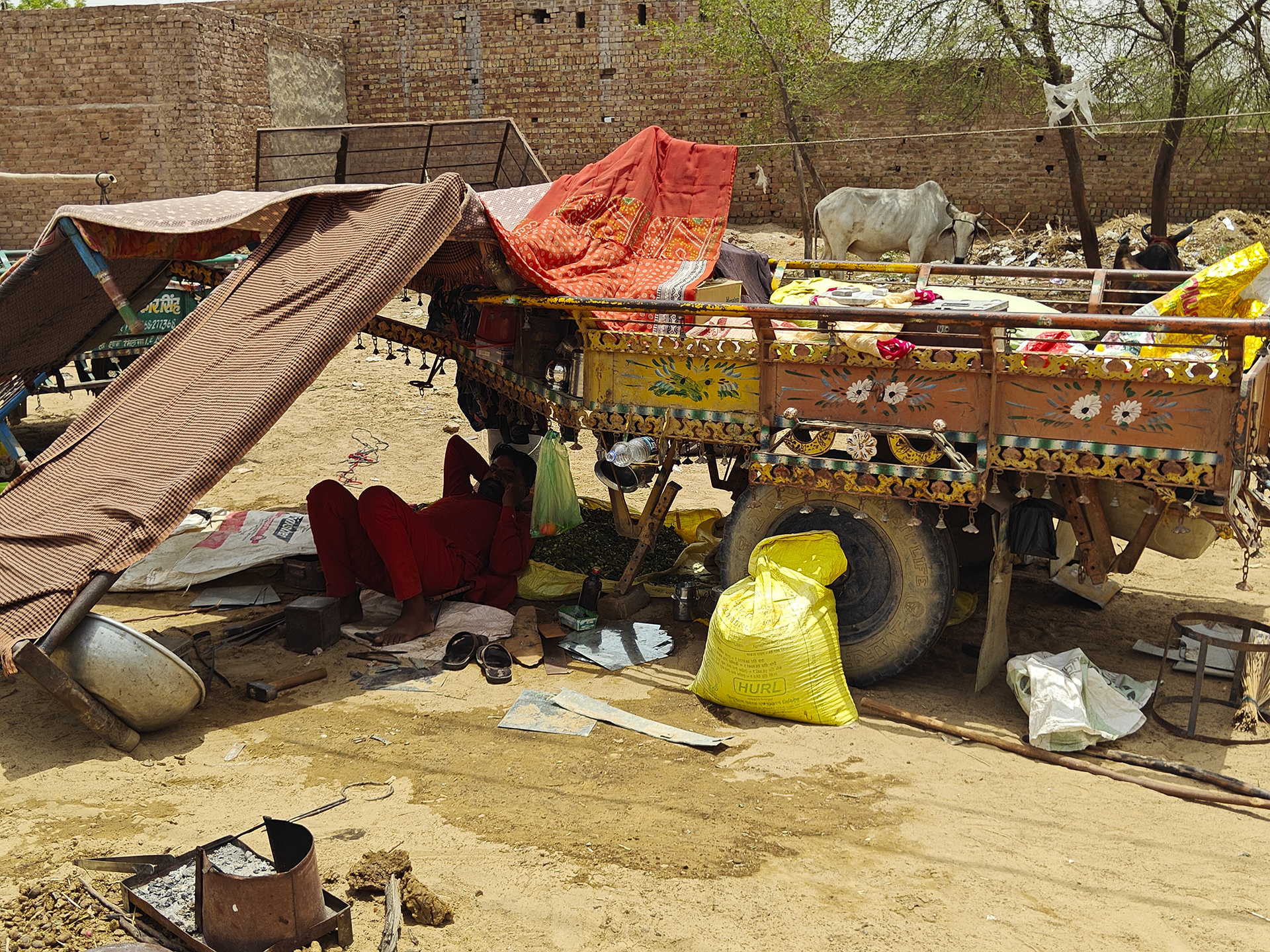
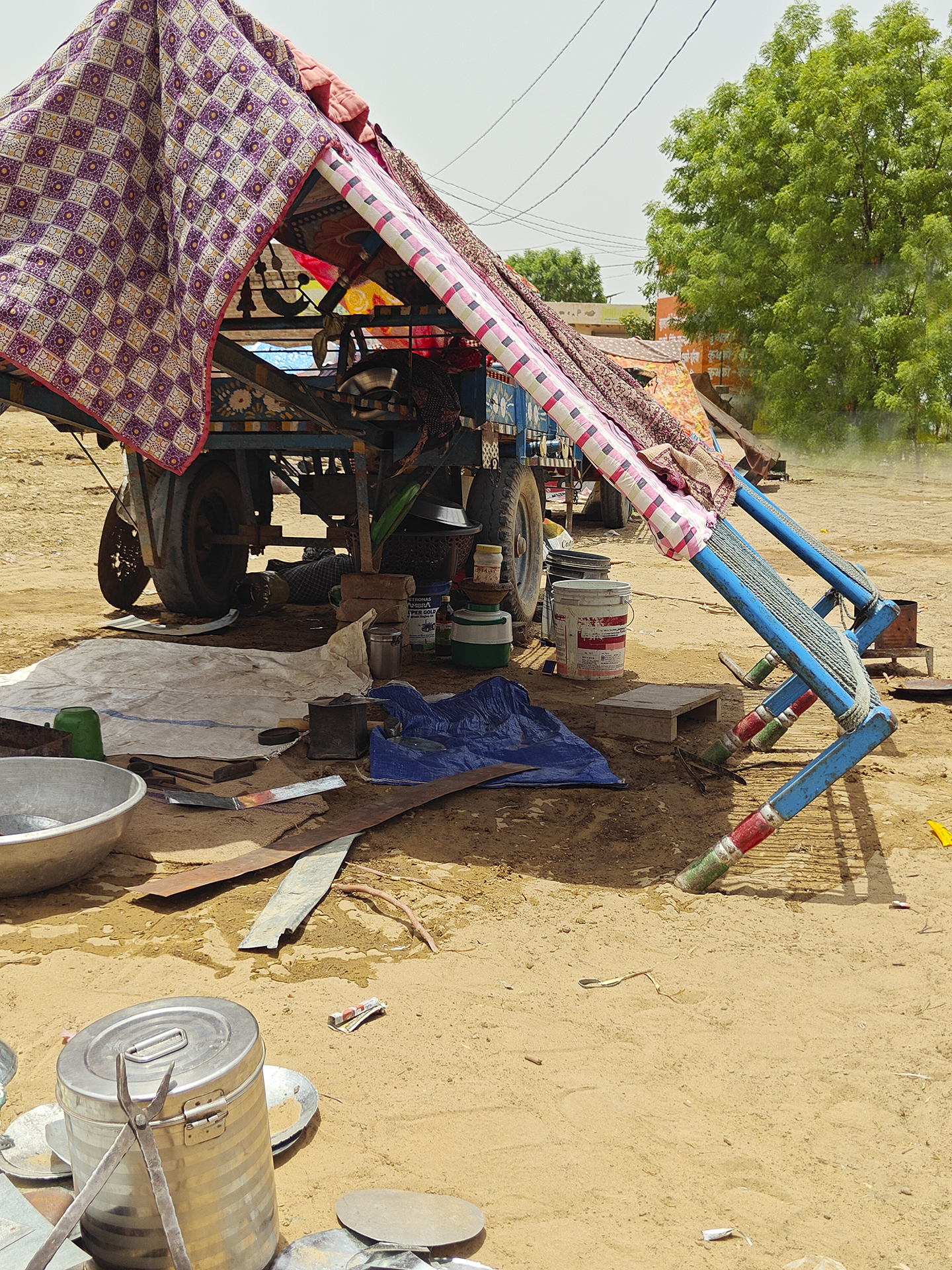
Far away from their barren sandy homeland, a group of wandering Gadiya Lohars (Blacksmiths) are surviving in this fierce desert carrying on with their traditional craft of making iron tools, utensils, and household items. Having given up their traditional wooden carts and the cattle, this hardy nomadic tribe has also abandoned their traditional costume and intricately carved silver jewellery, worn by both women and men. Near the archaeological site of Rangmahal, close to the Kalibangan Indus valley excavations, we spotted three families beating the hot metal in an unforgiving space that was scorching at 45 degrees at 12 noon. The only cover they had from the sun and heat was the shade created by their cots. Their carts are now adapted and fashioned from discarded tempo or truck metal bodies, pulled by cows that also provide milk. Parked in an empty space in this small village along the highway, these carts serve as homes, workplaces and life for the itinerants. Barely able to manage their lives Gadiya children are not admitted to schools because they lack a domicile certificate. <Suratgarh sojourn-Rangmahal-Kalibangan>
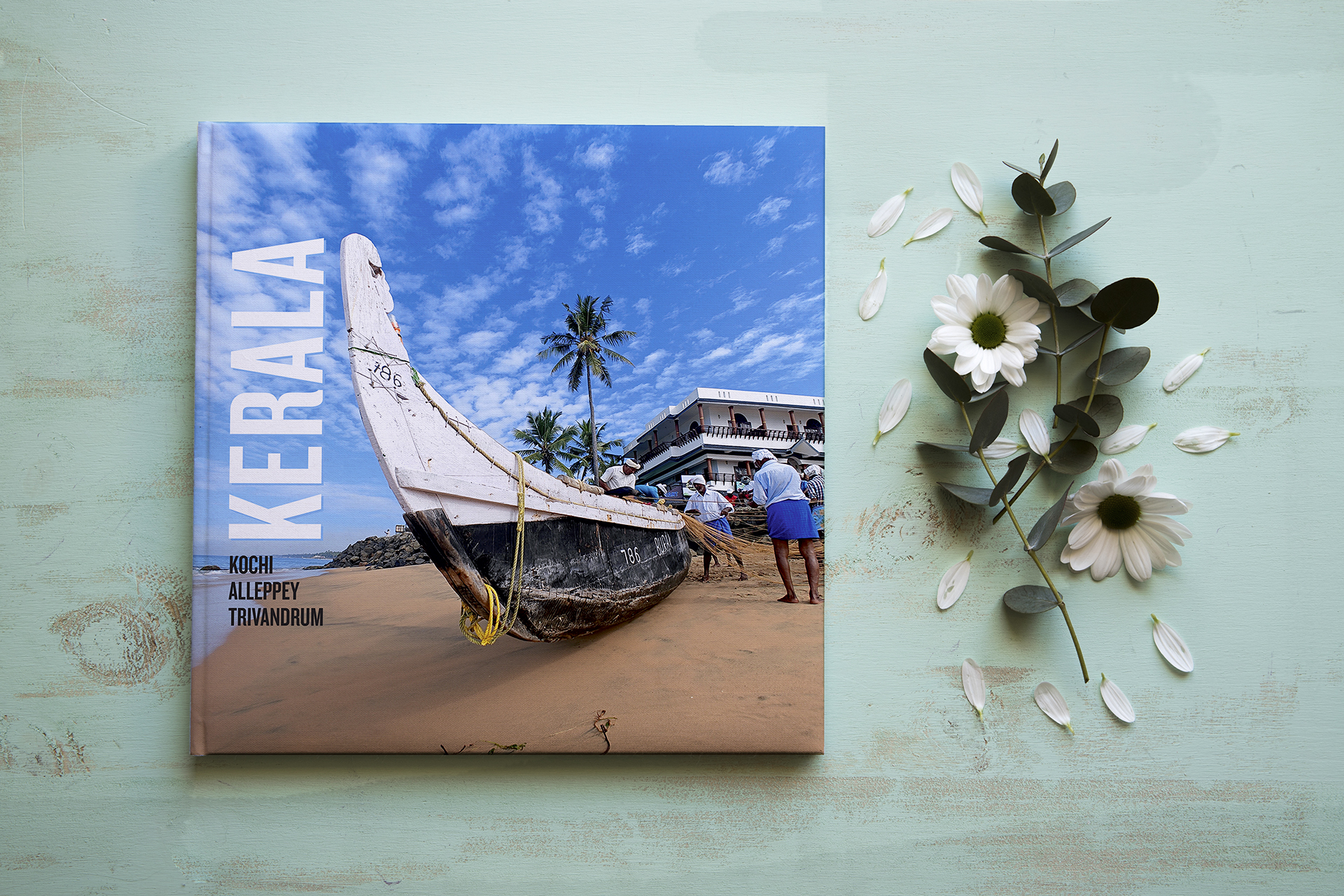
June 3: Monsoon arrives in Kerala in two days – so does our book: Kerala: A Visual Narrative of a scenic Coastal Voyage. A soulful journey by two die-hard romantics. An intimate and off-beat drive along the Arabian sea shores of Kochi, Alleppey, Kollam, and Trivandrum. The beautiful perennial Shasta Daisy flowers (next to the book), though not native to some areas in Kerala were our special welcoming companions. A travel memoir by Rajni and Rajinder Arora.
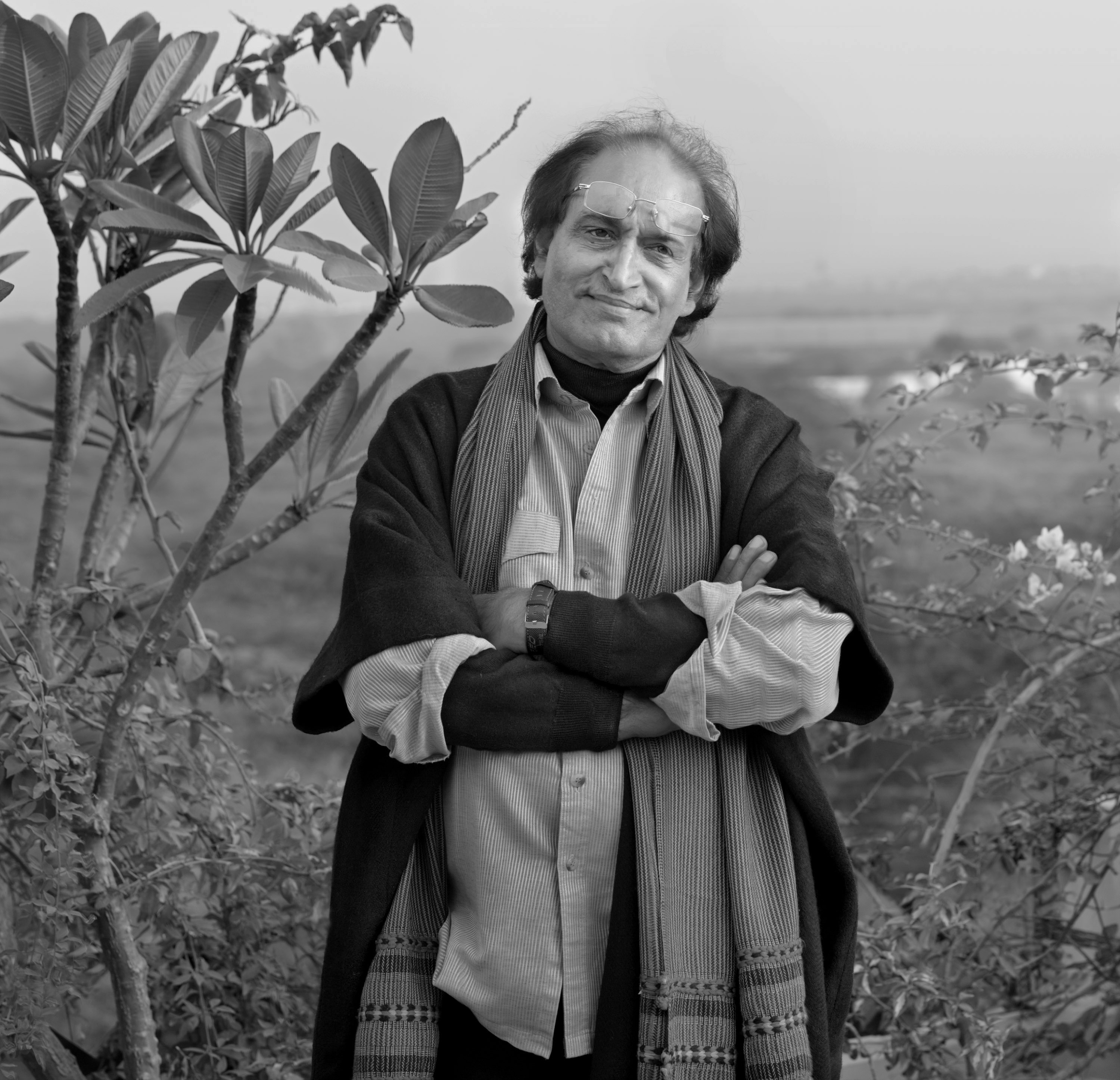
In the last 24 hours I have seen more portraits and pictures of Raghu Rai (on digital platforms) than I had ever imagined they even existed. It is sad that Raghu Rai is no more. He had been suffering for a few months. It is nice to see friends and acquaintances pouring out their love for him, and in turn, projecting their proximity to Raghu Rai. It is a veritable RR show online, an exhibition of his pictures some of which he wouldn’t even have known people cherished so much – friends, peers, fan, and acquaintances.
While a photographer is in the process of making a picture or when he is busy composing them, he doesn’t realise that he too becomes a subject of curiosity, an image himself. People knew him, people loved him as an icon, a star photographer and people adored him wherever he went. He would talk, he would explain politely and share the nuances of an art of which he was undoubtedly a master. Amateurs and youngsters in photography community addressed him as Guru and Ustaad and wanted to record their meeting with him. Undoubtedly his was a photogenic face too, handsome and his smile too could launch a few ships.
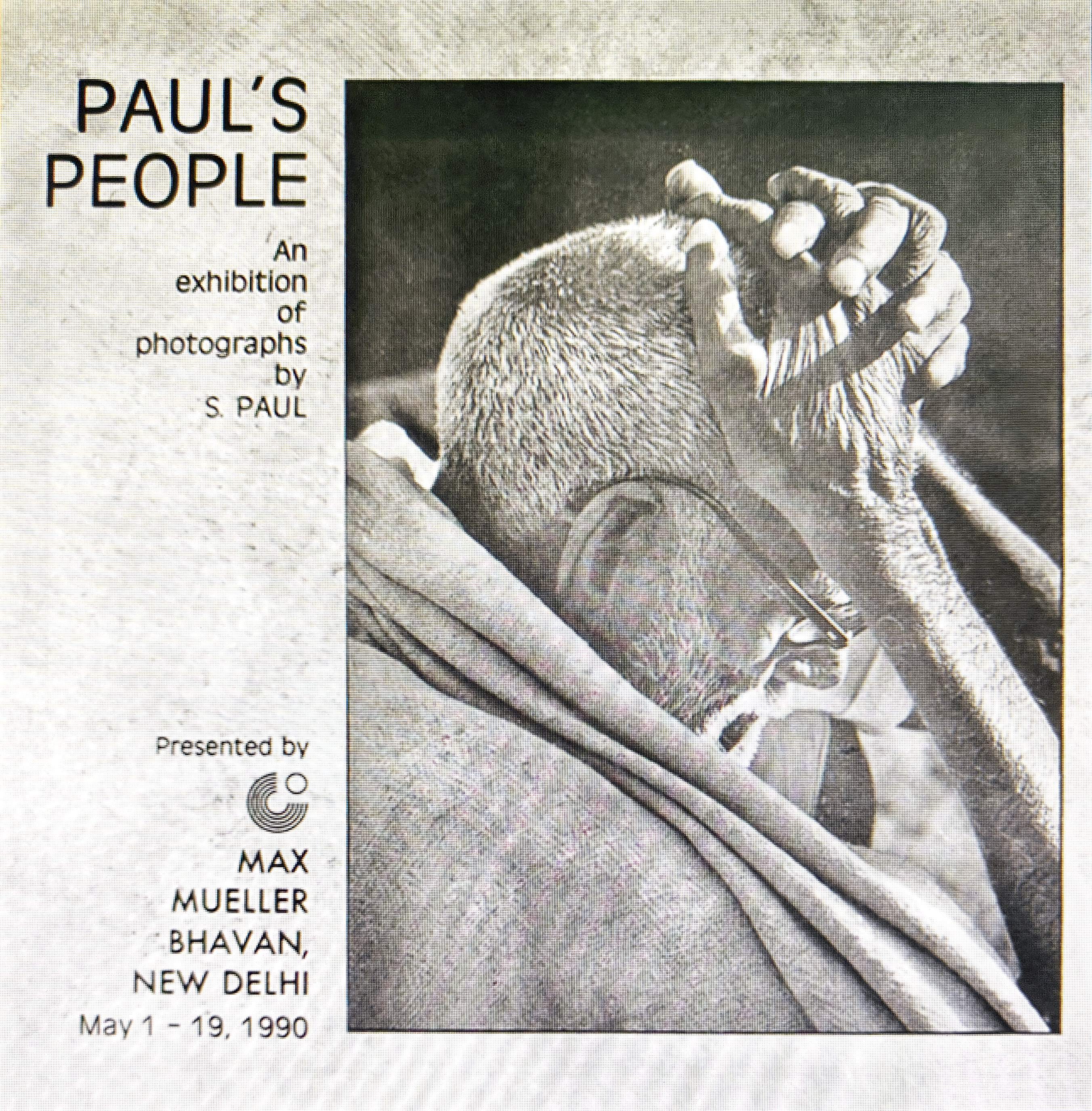
I can’t claim that he was my friend, yet our association and connection was such that we did treat each other as a friend. The first time I met him was in 1989 at his house in Rabindra Nagar next to Khan Market, Delhi. A UK based client of ours insisted on using one of Raghu’s Taj Mahal picture on the cover of his travel catalogue. Those were the days when film was used in cameras, pre-digital days. I had to pickup a 35mm colour slide from him and hand over a big amount for ‘one’ picture. He was a celebrity then and he is a celebrity now, thirty-seven years later. Even before I met Raghu Rai or had any association with him I had known his older brother S. Paul for whom we had designed and published a catalogue of his pictures. A show of S Paul’s pictures was organised by Max Mueller Bhavan, Delhi. I must say his pictures were very impressive.
As an advertising agency we are dealing with big names in photography all the time, whether for arranged shoots (industrial, architectural, food, fashion, product) or to buy stock pictures. That one meeting brought us closer and we kept meeting at art shows, galleries, social dos or at events organised by Kodak or Fuji. Ever since our meeting at SAHMAT events we got even closer.
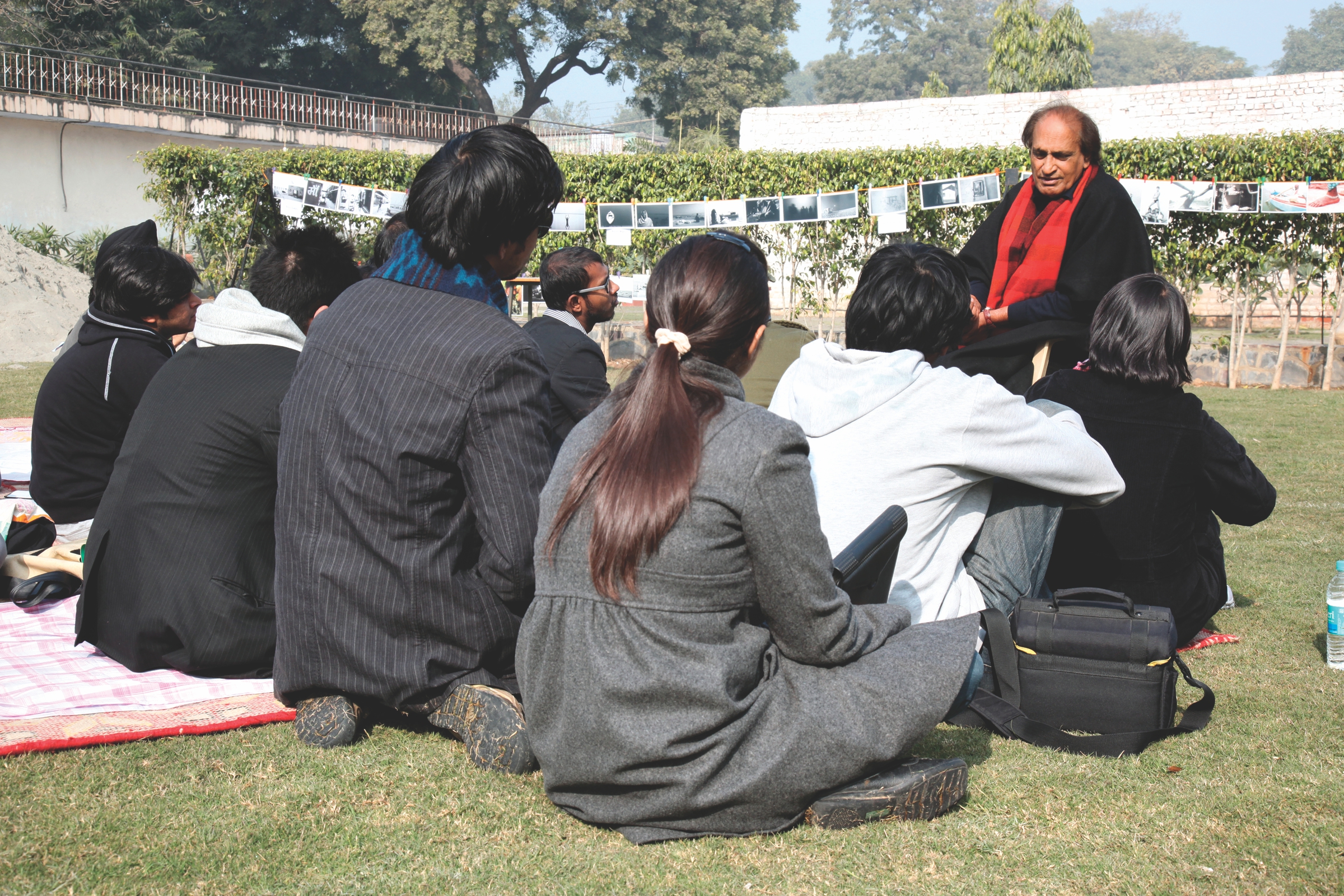
For some strange, and unknown reason I addressed him Prabhu (lord of photography??) and he would shoot back ‘Lal Pari’. About this moniker he once explained, “I have seen you many times wearing different red kurtas. Long back I saw you with your long hair bouncing off the shoulders, thus the name.” I nodded; you couldn’t argue with Raghu. I attended one of his photography workshops which he conducted open-air at the gorgeous location of Ojas Art gallery in Mehraulli. A large manicured green lawn, anchored around a banyan tree with its entangled roots hanging from its strong branches and its large leaves reaching for the earth. A tree that itself is associated with many renowned folklores was an aptly location for the master storyteller whose ‘pictured tales’.
I had never imagined that there was even a remote chance to see so many of Raghu Rai’s pictures in one go, one day without having to move from house or visiting a gallery. A very large number of Raghu’s pictures are being shared online today; pictures that are artistically superb, iconic and are a story by themselves. These pictures are being shared because they are liked by masses and are a part of public memory. Thats a way condolences are shared.
One can’t disagree with people posting his marvellous pictures but then RR was known for his keen eye, the game he played with his subjects, the locale, the foreground and background, the light and shade and the very story that moment had. RR was known for capturing a story in his pictures – sometimes those were poetry or a song; an ongoing movement that brought forth a particular moment that he captured – the one that had both, the before and after in it. And then he hung that picture for all of us to see and feel the fierceness of a sand storm, a village rising from the dust and embracing air travel,
Just like my mother, his family also came to India from Jhang where he was born. He shared it with with me after I had visited Lahore with my parents on a trip looking for their parental houses before the Partition. Raghu was eight years younger to my mother and they had shared the same mohalla. His keen eyes must have observed the ever changing subcontinent and the trauma of the uprooted families. He mentioned that he had been to Lahore long-long back in 1978 to locate their house and that for him too it was hugely emotional moment. Yet, he made full use of the opportunity and mingled with the crowd as he went about taking hundreds of pictures of the people and localities. There is very touching picture of him riding a donkey on a street, crowded with people surrounding him while he enjoyed all the attention – which all Indians get across the border.
His pictures were defining visual voices of modern India. Impressed by an exhibit of his work in Paris in 1971, Henri Cartier-Bresson, possibly the world’s greatest photographer in his day, nominated Raghu Rai to join Magnum Photos in 1977.
Today, photographers across the country are grieving a loss, but are also celebrating the life of a giant that rose above others to make his images immortal or outlive time.
Raghu Rai was not only a photographer with a keen observant eye but an artist who brought forth the aesthetics of a moment in his pictures. One can find RR pictures of almost all important events of the country from the 1970s onward. In mid-seventies, he was at the Maharishi Mahesh Yogi Ashram in Rishikesh photographing the phenomena in pop-music called the “Beatles”. His eyes found art where his contemporaries only found news. Like someone said, “Raghu’s evolution was meteoric. He raised news pics into world art. This was independent of his exceptional eye on the Taj Mahal, Mother Teresa, Dalai Lama, all the contemporary musicians. No war photographer had mixed valour, victory with a deep sense of tragedy as in his coverage of the Bangladesh war.” For those of us who shared a space in social and cultural activism, Raghu would be found standing with all for any cause. His haunting picture of a half-buried child after the Bhopal Gas Tragedy or the labour movement or even the plight of the migrants during Covid are silent sentinels of our times.
He was there, almost everywhere. Raghu Rai was in Ayodhya at the pivotal moment in Indian history when the Babri masjid was demolished. Not just that he documented the tragedy for posterity, he was at the receiving end from the Kar Sevaks who assaulted him and other photographers and his camera equipment was also damaged.
Not that I ever went with him on a photo-sortie, but I know by his sheer demeanour in all else that he did—that Raghu was never in a rush. He almost mathematically calculated every aspect of composing a shot and taking a picture I saw him taking pictures of the display of his own show in such thoughtful ways that one wonders what formule or theorems went on in his mind while making a frame.
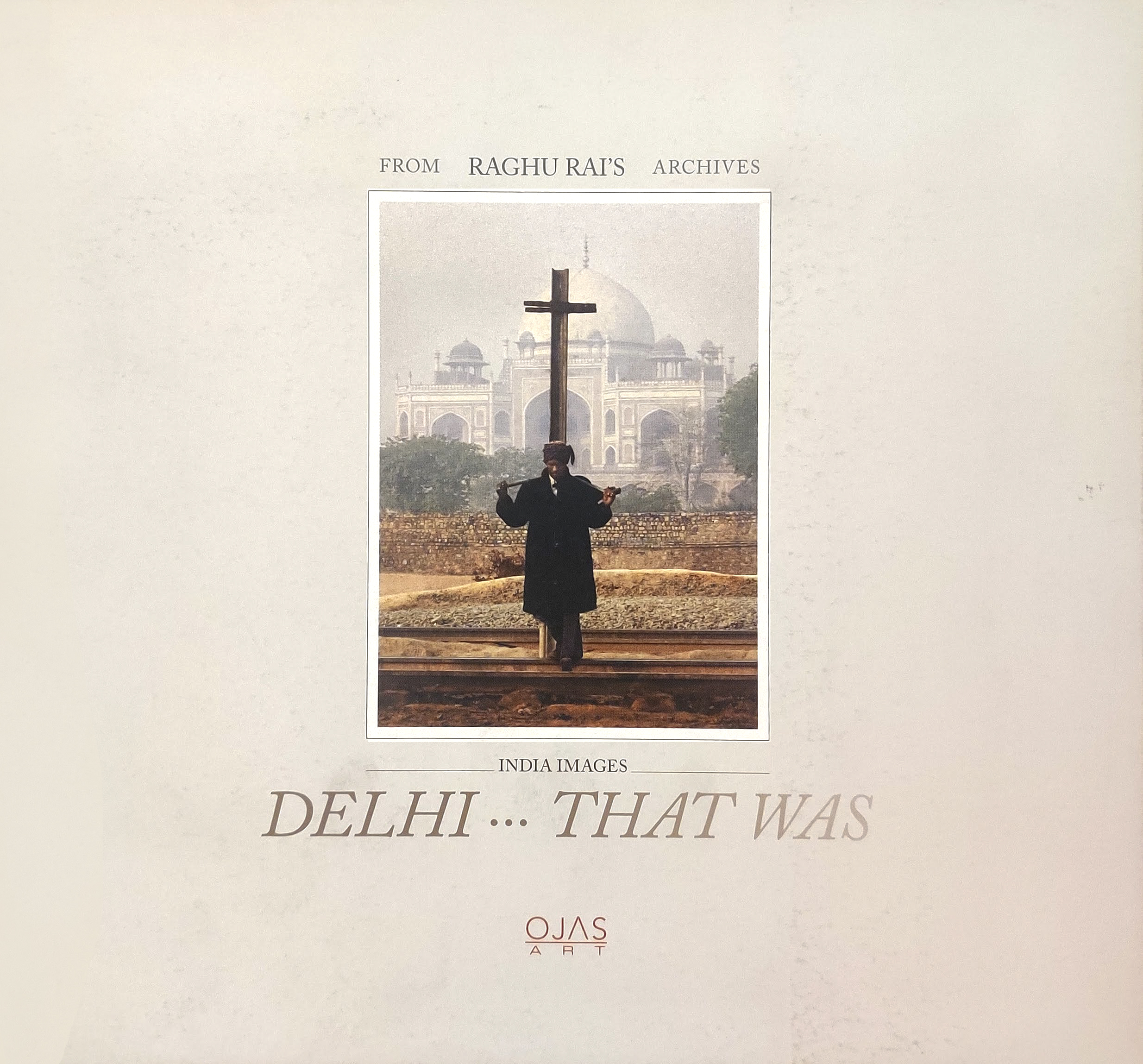
As a design agency we had the privilege of designing and printing catalogues of Raghu Rai’s shows that were assigned to us by art galleries. These catalogues gave me a chance to interact with RR on personal level for many reasons – be it technical or simply emotional. The last catalogue I did for him was for a show that exhibited photographs of three senior photographers of Delhi; namely Habib Rahman, Madan Mahata and Raghu Rai. The show was titled “Delhi… That Was”. Some of the finest pictures of these three greats were on display. On the day of the opening, Raghu went around the entire gallery interpreting each image for us who were keen to listen to him. Late Habib Rahman and Madan Mahatta would have been very happy that day listening to their pictures being deconstructed.
In Raghu Rai we have lost a visual historian, an artist, a photographer and a extraordinary human being.
P.S.: Social media platforms are a treat today to see some of Raghu Rai’s pictures that one had not seen before. It is also a rare day when we got a break from the seeing the sullen pictures of a rotten politico and his brigade.







You must be logged in to post a comment.