​ख़ुदा का घर 

रात हो चुकी थी, वैसे भी मैं वहाँ देर से पहुँच था।  खुदा का घर बंद हो चुका था और ताला ‘अंदर’ से लगा था। साथ सटे बंगले में मौज मस्ती का प्रोग्राम था। मैं बस बाहर से ही नमस्ते कर आगे बढ़ने ही लगा था कि उस घर के रास्ते ने मुझे सोचने पर और ये तस्वीर लेने पर मजबूर दिया। उस तक पहुँचने के लिए इस सँकरे रास्ते नें मुझे बांध लिया था। असेंबली ऑफ गॉड चर्च बरेली के रामपुर गार्डन इलाके में है। ये गिरिजघर अंदर से कैसा है ये तो मैं नही देख पाया पर हाँ, इसके साथ सटे इंसानों के घर यकीनन बहुत खूबसूरत थे। उस रोज से ये तस्वीर मेरे लिए एक पैगाम बन गई । हिंदुस्तान में और दुनिया के भर में मैंने एक सौ से अधिक कथीड्रल, चर्च, चैपल, बसेलिका, ऐबी, पेरिश और कई ईसाई मठ देखे हैं पर किसी तक पहुँचने का रास्ता इतना संकरा कभी नहीं पाया। बस पाताल भैरव और वैष्णो देवी की गुफा का रास्ता ही शायद इतना या इस से छोटा होगा। खैर। 

​ख़ुदा का घर हो या किसी इंसान का दिल कहते हैं की इन दोनों तक पहुँचने का रास्ता बहुत संकरा ही होता है । ​ख़ुदा के घर से मतलब ईश्वर, अल्लाह, गॉड, वाहेगुरु और वो सब नाम हैं जिनमें आदमी एक सहारा ढूँढता है। सब्र, धीरज और उम्मीद का दामन जब छूटने लगता है तो इंसान बार-बार सुकून या मदद के लिए इसी संकरी गली से होकर अपने अपने ​ख़ुदा के घर खुद जाता है, यानी हर मुश्किल में भगवान को याद करता है 

दुनियाबी और इंसानी फ़लसफ़ा भी यही है – ज्ञान प्राप्त करने का रास्ता भी अक्सर संकरा, मुश्किल, अकेलेपन और उजाड़ से हो कर ही जाता है, भीड़भाड़ वाले रास्ते से नहीं, बल्कि प्यार, आत्म-चिंतन और अंदरूनी हिजरत के जरिए ही मिल पाता है, वो सब जो हमें बाहरी दुनिया के शोर और उसकी चकाचौंध से दूर ले जाता है।  

प्रेम गली अति साँकरी तामें दुई नया समाही – कबीर रास्ता भी जानते थे, उसकी मुश्किलें भी जानते थे और वो ये भी जानते थे कि उस संकरे रास्ते पर ‘दो’ चल ही नही सकते, अंदर बसे उस ‘दूसरे’ को पीछे छोड़ के ही जाना पड़ता है, अपने आप को खो कर ही ‘वो’ मिलता है। अमृता प्रीतम की कविता में समंदर के तूफान और संकरी गलियों का जिक्र आता है, जो मुश्किलों के बावजूद सच की खोज को अहम बताता है । 

आज बड़े रोज, ईसा को, उनके जन्म को याद करते हुए हम उसके घर तक पहुचने वाले ‘दूसरे’ रास्तों के बारे में भी सोचें और इंसान के बनाए उन सँकरे रास्तों के बारे में भी सोचें जिन रास्तों ने हमारे दिलों में एक दूसरे के लिए इतनी नफरत भर दी है कि हम मज़हब के नाम पर एक दूसरे को मरने मारने पर उतारू हो जाते हैं । 

मजहबी घरों में जाने से पहले हम एक दूसरे के घर आ जा कर मिल बैठें और अगर प्यार बाटें तो यकीनन आपके, आपके और आप सब के घर का रास्ता ऊपर वाला खुद ही ढूंढ लेगा। उस प्रेम गली में रास्ते खुले होंगे जहां हम सब इकट्ठे चल सकेंगे । आप सब को Merry Christmas कहते हुए मेरी ये दिली कामना है की आने वाला साल आप सब के लिए प्यार के रास्ते बलन्द करे । 

राजेन्द्र, 24 दिसम्बर 2025 
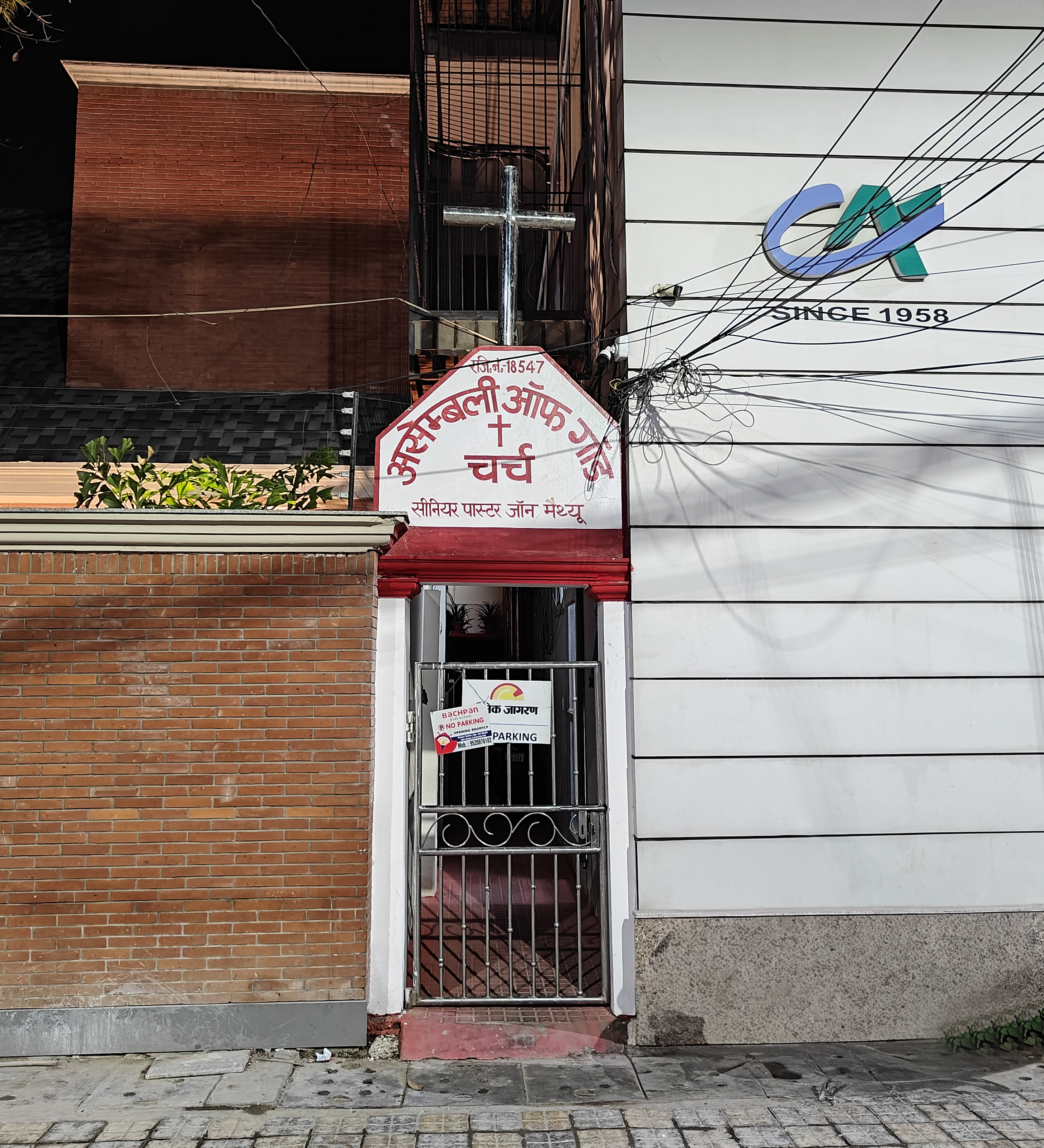
Assembly of God Church, Rampur Garden, Bareilly
oplus_1048608

The other end of rainbow

I have moved to the otherside of the linguistic rainbow, hence, my absence from a few platforms where I used to contribute. Thin clouds are hovering under the rainbow but I can see them clearing. The light here – on this side – is soothing, the tones are muted, it is calm, not hurried. The colours are the same but the view from here is different, it is closer home, nearer the childhood, to the beginning, the earliest blabber (or is it babble!) of the first few sounds I mimicked. The first chatter I registered and the sounds that stayed; the words I picked up and the lips I aped are gushing in. Someone familiar is walking closer to where I stand. It is difficult to focus, it is not clear, there is fog – it must be Ma. She is trying hard to regain health after a downhill journey of the past nine months. Nine months! Is she birthing? At Ninety-one? Who? I am jealous. I have been listening to her with both my ears. Listening, storing, sorting, collating and writing. Mostly using the words she uses; broken, incomplete sentences where times, spaces, incidents, objects and people all churn and create a world with newer perceptions and realities unknown to any. 

We have been talking. Yes, a lot. We talk in Hindi. From her fading memory words take time to form and flow. The recall, depending on how far she wants to go, is time taking and difficult. She thinks and many-a-times dismisses me not wanting to exert much. The fragile cervical spine doesn’t let the neck stay still, for long. No longer interested in reading or watching television, Ma spends most of the time lying down with eyes shut. We talk of her time in Lahore and Jhang; of her school; of Partition; of her college in Rohtak and Patna; of her teaching jobs; her marriage, motherhood; time with her husband; her life – the hits and the misses of life. Most of the time she smiles while answering/ talking and brushes off those queries that she doesn’t want to take.We think, converse and write in Hindi. I am glad that I can explore the other side of the rainbow with her.  

Like a child I still watch her lips to make sense of the sounds and the words. It is ‘yesterday once more’ for me – it is the same as she was, as I was, decades back. The stage is the same, it is the same play, same script and same characters though time and age has added few props between us before the curtains come down. Without her dentures her jaw, the cheekbones and the face has shrunk.The pleats on her skin are mingled folds of silk which shines when light falls on her face at a particular angle. The hue and tint of her skin is pinkish-white other than the folds which seem darker (trust me they are not) that’s where light doesn’t shine. The blue veins now show more, especially on days when her heart pumps blood faster and the machine scares us with 210/130. Her toothless smile reminds me of my Nani – who was different – thinner, paler, whiter but cuter version – but Nani won’t smile as frequently as Ma does. Ma doesnt need a conversation or a joke or a tickle to smile – she looks at her granddaughter or grandson and fills the room with her smile. Sometimes she smiles looking at the Ranjha painting which she thinks is her beloved Krishna – both cattle herders – both flute players – both possessive lovers. Krishna or Ranjha – neither she, nor I can decide; but like her even I can see the rustle of kadamb trees even in the painting. She has been the source of my writing forever, but now she is the only source, the snout of the river which feeds me mineral-rich ambrosia. 

Tear Bottle

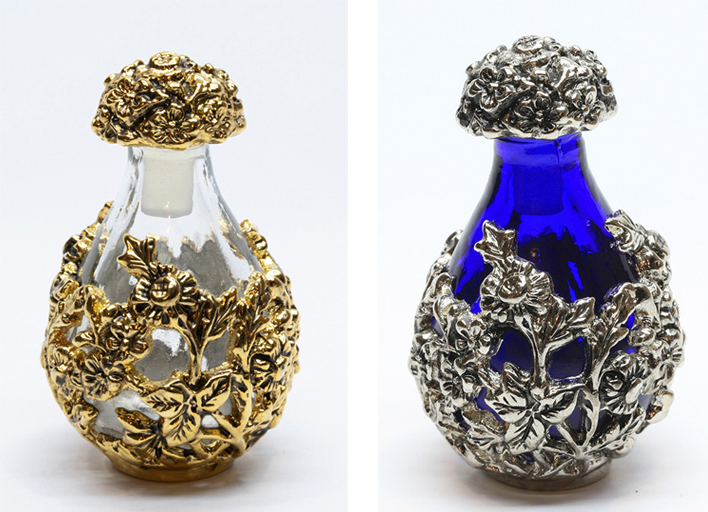
This is a Tear Bottle. Believe me, it is to collect what poets from generations have romanticised as Anmol Ashq. You are supposed to fill this bottle with your tears and leave it at the grave or the cremation site, as a parting gift to your dear one. Trust me, you can really fill it with tears, your own only, to express grief and sorrow. 

The ‘tear bottle’ tradition has endured for more than 3,000 years. ​These were common in many ancient societies. They are still produced in the Middle East, Andalusia, parts of Europe and African region​s even today. Tear bottles were prevalent in ancient Rome​ t​oo, when mourners filled small glass vials or cups with ​their tears and l​eft them in burial tombs as symbols of love and respect to the departed being. 

Sometimes women were even paid to cry into “cups”, as they walked along the mourning procession. The legend goes those crying the loudest and producing the most tears received the most compensation, just like our own the Rudalli’s from Rajasthan. The more anguish and tears produced, the more important and valued the deceased person was perceived to be.​ ​

Records tell us that the Tear Bottles reappeared during the Victorian period of the 19th century. Mourning ladies collected their tears in bottles with special stoppers that allowed the tears to evaporate. The mourning period would end when the tears had evaporated. Similarly, during the American Civil War women collected their tears during the period of separation from their husbands. The collected ‘saline’ was proof of their love for the husband. 

These petit decorative glass bottles h​ave been romanticised to shar​e tears of love, joy, sympathy, and remembrance. The​ captivating bottle​s ​are also called a ​’lachrymatory’​ which, at the time of burial, were placed in a large vase and bur​ied with loved one to express honour and devotion.​ 

In ancient Greece and Rome, a small glass or earthen vessel filled with the tears of those who weep and left in the graves as a present for the dead.​ 

I know where one can order these bottles but I won’t tell you or wish you that. Mourners can even get a copy of an extensive catalogue delivered to their mailbox before they order. I wonder what we are supposed to do with ‘Tears of Joy’, save them or let them run. 

Indian mothers, specially mothers from Hindi films of the 60s and the 70s, would mock the size of these bottles. Famous mother characters like Nirupa Roy, Durga Khote, Lalita Pawar and Dina Pathak could fill buckets in three hours.

ख़ुशी में भी आँखें भिगोते हैं आसूँ , इन्हें जान सकता नहीं ये ज़माना , मैं खुश हूँ मेरे आसुंओं पे न जाना 

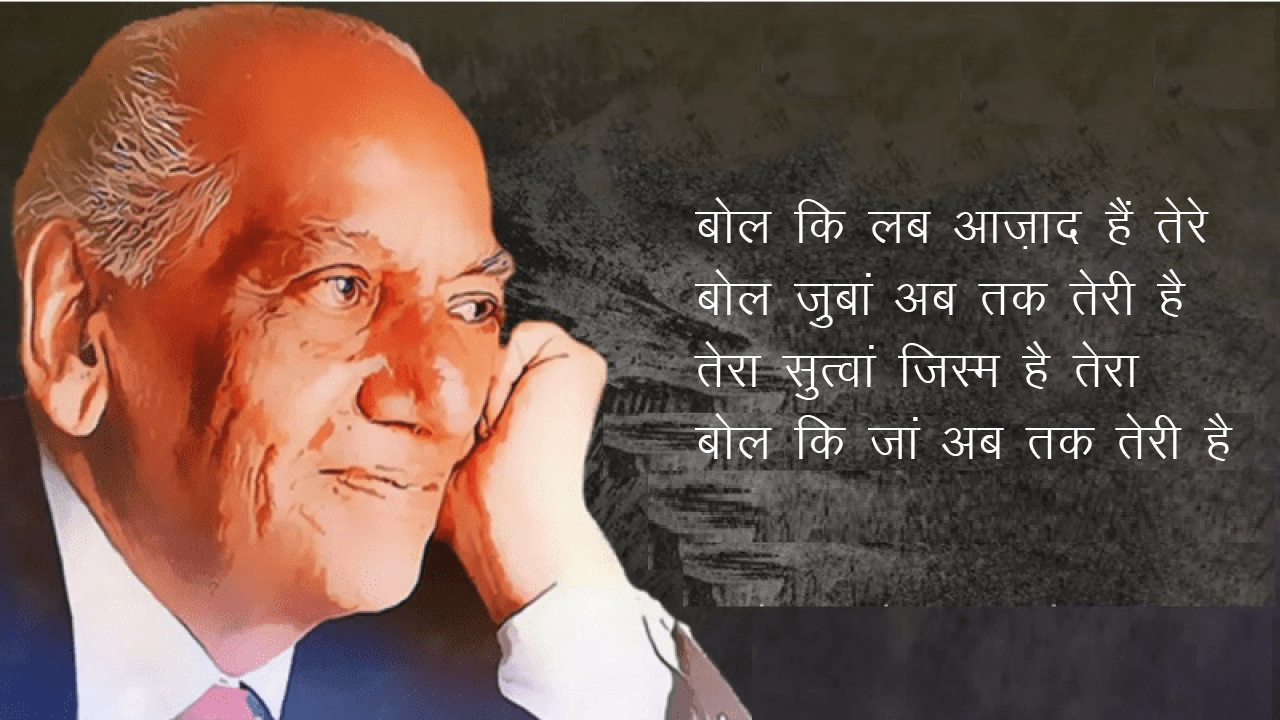
111th birth anniversary of Faiz Ahmad Faiz

When you celebrate the 111th birth anniversary of your favourite poet–a revolutionary and a romantic in equal measure–among the enterprisers, proletariat and the hustlers you know which one of his ghazals to pick and share. Here is to Faiz saheb, to my own story and the story of at least one more person (possibly more, if they relate to it) setting the tone a day before the Day of Love and lovers. Celebrating Faiz Ahmad Faiz – फैज़ अहमद फैज़ 

कुछ इश्क़ किया कुछ काम किया
वो लोग बहुत ख़ुश-क़िस्मत थे
जो इश्क़ को काम समझते थे
या काम से आशिक़ी करते थे
हम जीते-जी मसरूफ़ रहे
कुछ इश्क़ किया कुछ काम किया
काम इश्क़ के आड़े आता रहा
और इश्क़ से काम उलझता रहा
फिर आख़िर तंग आ कर हम ने
दोनों को अधूरा छोड़ दिया