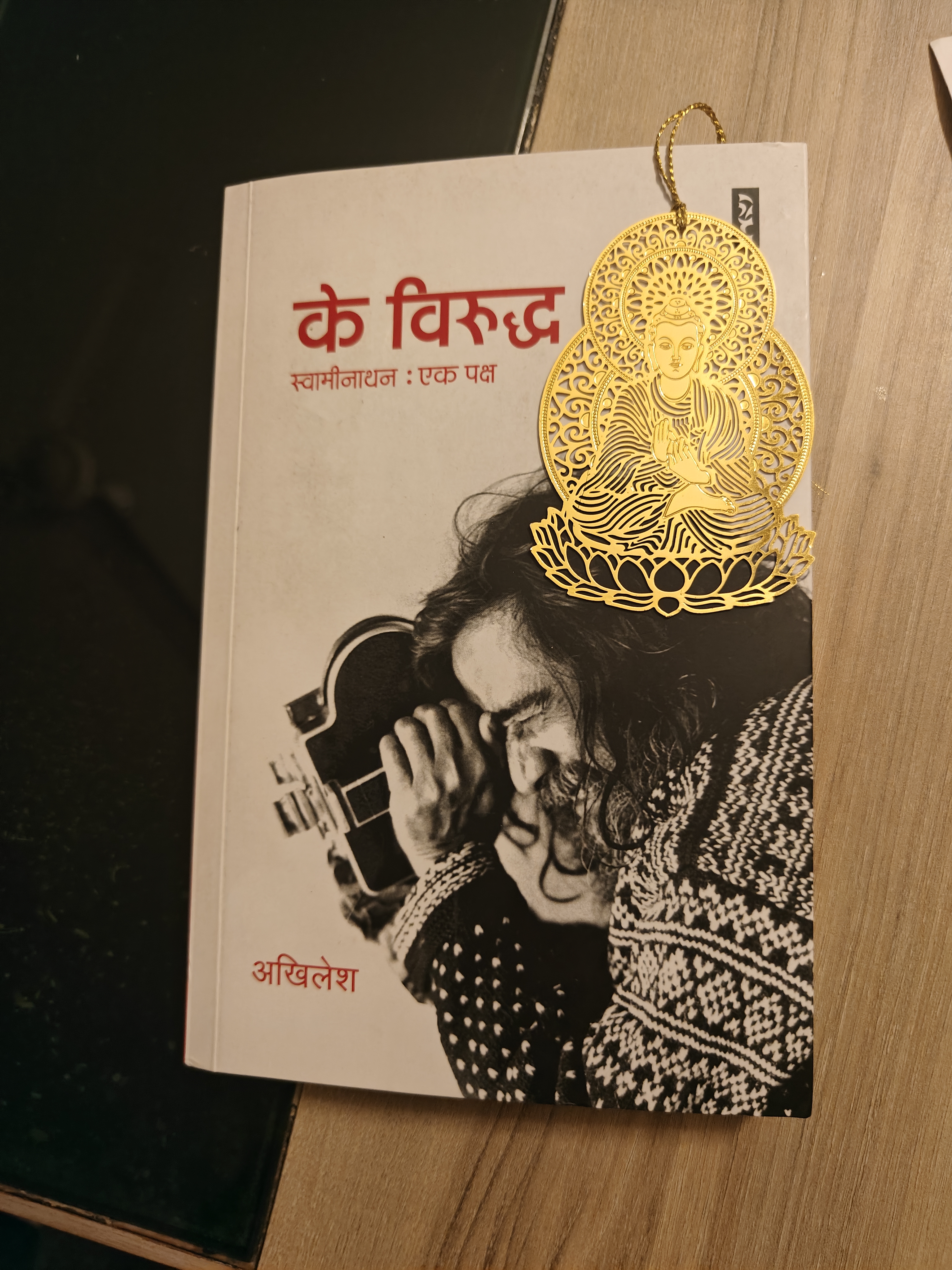
नहीं बनाने चाहियें बुद्ध के बुकमार्क
चट कर जाते हैं वो हर क़िताब
ले उड़ते हैं बचा-खुचा ज्ञान
This, that, and all between.

नहीं बनाने चाहियें बुद्ध के बुकमार्क
चट कर जाते हैं वो हर क़िताब
ले उड़ते हैं बचा-खुचा ज्ञान

क्या कभी पानी भी डिजिटल हो जायेगा?
तब क्या वो डिजि-जल कहलायेगा?
फिर वो नल से आएगा या मोबाइल से,
या किसी और मशीनी तरीके से
डाउनलोड किया जायेगा?
क्या डिजि-जल प्यास बुझाएगा?
क्या होगा डिजि-जल का स्त्रोत
वो किसी नदी से आयेगा या फिर
ताल, तलैया, झरने या जोहड़ से?
क्या वो भी गंगा सा पवित्र कहलायेगा?
और फिर सदियों बाद, क्या
डिजि-जल भी प्रदूषित हो जायेगा?
फिर उस पे भी गाना लिखा जायेगा
’’डिजि-जल तेरी धारा मैली’’
डिजि-जल डिजि-समुद्र से उठ कर
डिजि-बादल से बरसेगा या
डिजि-गलेश्यिर से पिधल कर आयेगा
क्या उसकी भी उड़ेगी डिजि-भाप?
डिजि-जल से बन सकेगी चाय और कॅाफ़ी?
क्या मिलाया जा सकेगा उसमें दूध, चीनी और पत्ती
क्या बनेगी उस से कच्ची लस्सी और शिकंजवी
क्या पकाई जा सकेगी उसमे दाल
क्या वो दारु में घुल बन सकेगा सोमरस?
डिजि-जल किस तापमान पर उबलेगा?
100 या फिर उस से ऊपर या नीचे
क्या हम जमा सकेंगे उसकी बर्फ
बना सकेंगे उसके गोले?
डिजिटल पानी से आटा कैसे गूंथा जायेगा?
बेचारे दूधियों और ग्वालों का क्या होगा
क्या वो मिला सकेंगे डिजि-जल को
गाय या भैंस के गाढ़े दूध में?
सबसे जरुरी सवाल ये होगा, कि
क्या उसमे हम पक्का सकेंगे राजमा-चावल?
क्या उसे हुक्के में गुड़गुड़ा सकेंगे
गला ख़राब होने पर क्या
उस से हम कर सकेंगे गरारे?
क्या डिजि-जल भी डिजि-हिम सा जम जायेगा
क्या वो भी सदानीरा होगा या थम जायेगा?
क्या डिजि-जल के भी बन सकेंगे हिम मानव
और गुफाओं में बनेंगे नुकीले और सुदंर हिमलम्ब?
जब पानीे डिजिटल हो जाएगा
तो आसमान से कैसे टपकेगा
नदी में कैसे बहेगा, कैसे होंगे उसके ताल?
क्या उसमे भी उठेंगी तरंगें
क्या उसमे भी उतर सकेगी भैंस
नहा सकेगा आदम, मैंडक और गैंडा ?
डिजि-जल का समंदर कैसा होगा
क्या उसमें भी तैरती मिलेगीं
डिजिटल मछलियां, व्हेल और शार्क
क्या उसमें भी फैंकें जा सकेंगे जाल
क्या उसमें भी चल सकेंगे जहाज़?
कितना गहरा होगा डिजि-जल कुआं
कितना बड़ा डिजि-जल पोखर
कितना लम्बी डिजि-जल नहर या फिर
कितना ऊँचा डिजि-जल झरना?
डिजि-जल नाली में कैसे बहेगा
कैसे चलेगा पाईप में?
इस सब के बाद कैसा होगा
हमारे बदन से रिसता पसीना?
डिजिटल पसीना भी क्या बास मारेगा
डिजिटल पसीना भी छोेड़ेगा क्या
कमीज़ों-ब्लाउजों की बगलों पे अपने निशान?
कोई ये भी सोचे कैसे होंगें डिजिटल आँसू
डिजि-जल आँसू बहेंगे या आखों में ही रुक जाऐंगे
वल्लाहः कहीं वो मीठे तो नहीं हो जाएंगे?
डिजिटल पानी में क्या कोई कूद भी सकेगा
तैर सकेगा, नहा सकेगा या फिर उसमे
डूब के कर सकेगा आत्महत्या?
चुल्लू भर डिजिजल में भी क्या कोई डूब सकेंगा,
क्या कोई मर भी सकेगा उसके जहर मे?
डिजि-जल से क्या खेल सकेंगे होली
क्या उसे भर सकेंगे हम गुब्बारों मे
पिचकारी में भी भरा जा सकेगा ना वो?
डिजि-जल क्या बुझा सकेगा सदियों की प्यास
क्या उसकी भी होगी कोई नूर की बूदँ?
क्या कहीं होगा डिजि-नदियों का संगम
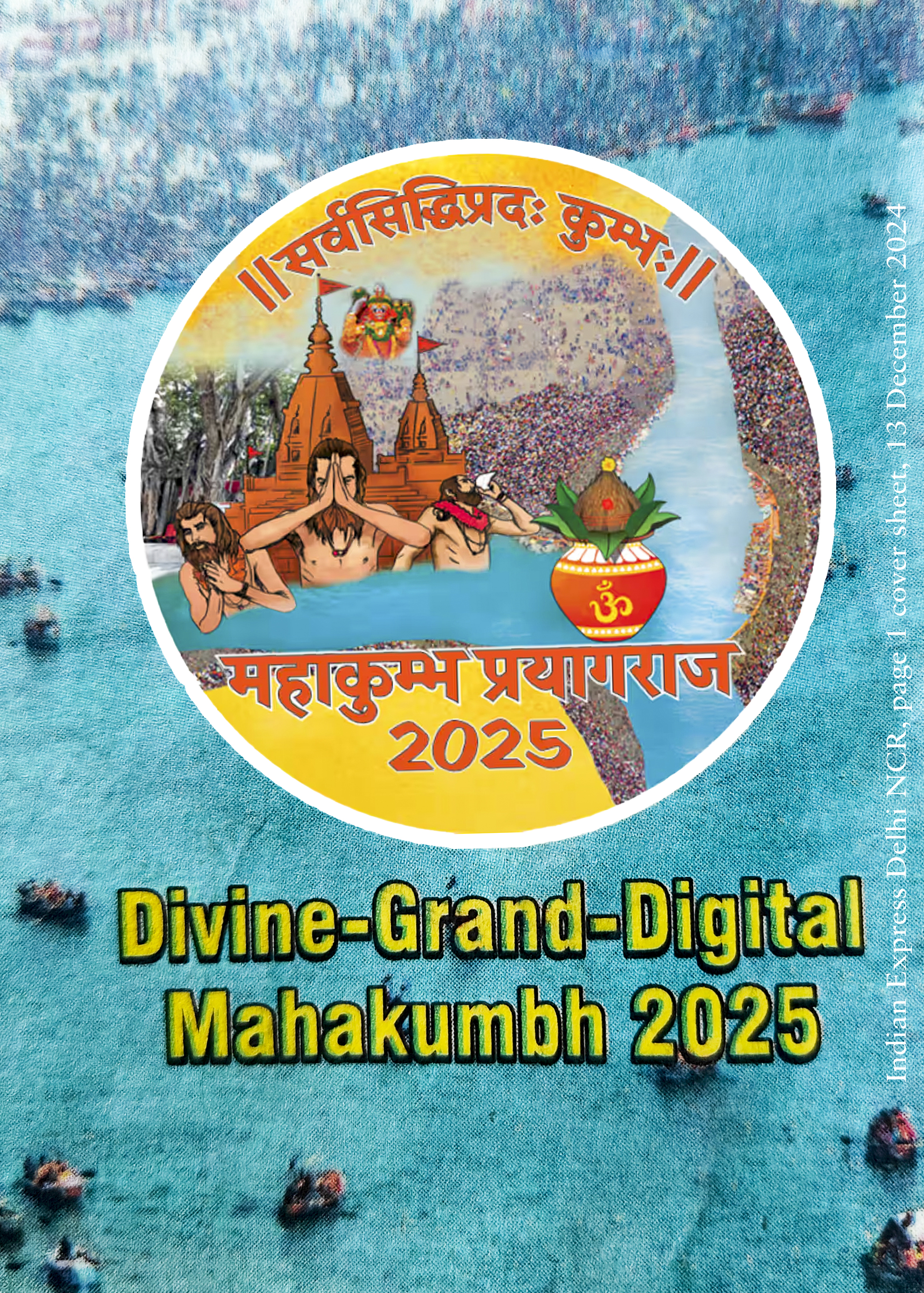
जहां होगा हर साल डिजि-जल कुंभ?
आख़िरी सवाल
डिजि-जल में क्या खिल सकेंगे कमल?
नहीं नहीं बस रहने दो।
राजिंदर – 13 दिसंबर 2024

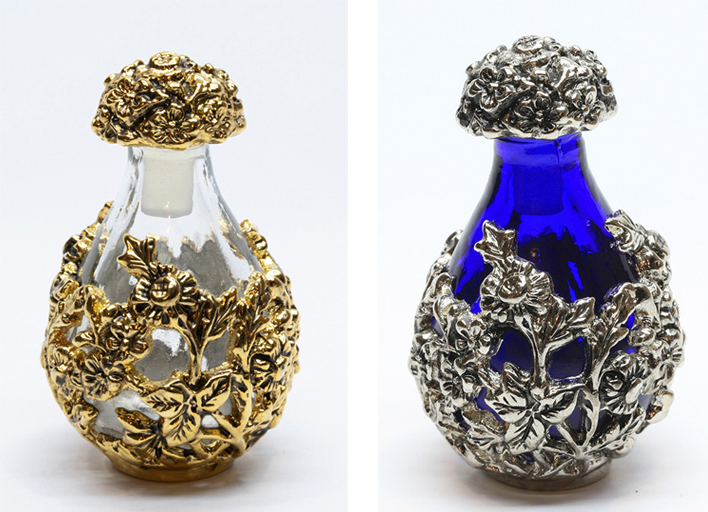
This is a Tear Bottle. Believe me, it is to collect what poets from generations have romanticised as Anmol Ashq. You are supposed to fill this bottle with your tears and leave it at the grave or the cremation site, as a parting gift to your dear one. Trust me, you can really fill it with tears, your own only, to express grief and sorrow.
The ‘tear bottle’ tradition has endured for more than 3,000 years. These were common in many ancient societies. They are still produced in the Middle East, Andalusia, parts of Europe and African regions even today. Tear bottles were prevalent in ancient Rome too, when mourners filled small glass vials or cups with their tears and left them in burial tombs as symbols of love and respect to the departed being.
Sometimes women were even paid to cry into “cups”, as they walked along the mourning procession. The legend goes those crying the loudest and producing the most tears received the most compensation, just like our own the Rudalli’s from Rajasthan. The more anguish and tears produced, the more important and valued the deceased person was perceived to be.
Records tell us that the Tear Bottles reappeared during the Victorian period of the 19th century. Mourning ladies collected their tears in bottles with special stoppers that allowed the tears to evaporate. The mourning period would end when the tears had evaporated. Similarly, during the American Civil War women collected their tears during the period of separation from their husbands. The collected ‘saline’ was proof of their love for the husband.
These petit decorative glass bottles have been romanticised to share tears of love, joy, sympathy, and remembrance. The captivating bottles are also called a ’lachrymatory’ which, at the time of burial, were placed in a large vase and buried with loved one to express honour and devotion.
In ancient Greece and Rome, a small glass or earthen vessel filled with the tears of those who weep and left in the graves as a present for the dead.
I know where one can order these bottles but I won’t tell you or wish you that. Mourners can even get a copy of an extensive catalogue delivered to their mailbox before they order. I wonder what we are supposed to do with ‘Tears of Joy’, save them or let them run.
Indian mothers, specially mothers from Hindi films of the 60s and the 70s, would mock the size of these bottles. Famous mother characters like Nirupa Roy, Durga Khote, Lalita Pawar and Dina Pathak could fill buckets in three hours.
ख़ुशी में भी आँखें भिगोते हैं आसूँ , इन्हें जान सकता नहीं ये ज़माना , मैं खुश हूँ मेरे आसुंओं पे न जाना
Last night was as bad
as the night before, and
the one before that.
biphasic punctuated sleep
dream / nightmare alarm
noises on the street
ray of light through blinds
a mosquito bite
buzz of a lone male cicada
the loner in flat above
bowing violin
a strong breeze
rustled amaltas leaves
you won’t know
you snored
like the morning thunder
dew hurts my eyes.

Even in my dream it was early morning and I was sitting on the deck of a boat which was floating in placid waters with thick fog around me. I was alone on the boat, somewhere in the distance multiple chimes were ringing softly, a soft breeze dispersed the melodic low notes of a flute intermittently. Somewhere in the distance a ray of green light was bouncing off and above the dark waters. Everything was still and tranquil. A little movement under the water deflected my attention away from the light. Before I could move, a hand crept up from the waters tapping the boat close to where I was sitting. A dark rough palm bereft of etched lines turned up and I could see the wrinkled skin on the other side with tough protruding knuckles on fingers that had short pale nails. I didn’t move, I couldn’t move – for a few minutes that hand floated along the boat like a periscope of a submarine jutting out. I couldn’t make out if the fingers were trembling or were still, but they were half bent inward, towards the palm, as if wanting to hold something or maybe something had just slipped out of it. Seconds later there were big and small bubbles popping up from under the water around the hand which was slowly moving up showing the sturdy wrist. A hairy arm made its way out, reaching closer and closer to me. I moved away from where I was sitting. And then, I think I heard a voice coming from under the water. I bent down slightly trying hard to hear, but the sound of the wind chimes got louder and louder as I craned closer. I couldn’t see the water now, it was all fog on which the boat was floating. Translucent green fog. The ray of light was still bouncing, now in the air. Suddenly it was all still, there was no breeze, no chimes, no ripples in water, even the boat was not moving. I felt I was floating on a sea of clouds. Lying down on the deck I was peering hard in the white depth desperately looking for the hand and straining my ears to pick up the voice and the piercing howl of the flute. A few minutes must have passed like that when I heard a familiar rhythm faintly leaving the surface of the clouds, followed by gradual exposition of a long musical note or an aalaap which reverberated, its echo rocking the boat in a violent spasm. It was the song of the dead boatmen. Peace was devoured.

 Ankahi. Unsaid.
You must be logged in to post a comment.