दो गज़ ज़मीन

कितना है बद-नसीब ‘ज़फ़र’ दफ़्न के लिए, दो गज़ ज़मीन भी न मिली कू-ए-यार में
   – बहादुर शाह ‘ज़फ़र’

अकेले बादशाह बहादुर शाह ज़फ़र ने अपने नसीब को नहीं कोसा होगा बरतानी सल्तनत और ईस्ट इंडिया कंपनी के कई सौ अंग्रेज हुक्मरानों और फौजी भी अपने आख़िरी वक़्त में अपनी ज़मीन को तरसें होंगे उन्होंने ने भी अपने नसीब को कोसा होगा पर उनमे से ना तो कोई शहंशाह था और ना ही कोई भी ऐसी मक़बूल ग़ज़ल या ऐसा एक शेर भी कह पाया होगा।

कैसा मंज़र रहा होगा वो, एक तरफ़ जाँबाज़ हिंदुस्तानी सवार और बादशाह सलामत की फ़ौज, मेरठ से आये मुट्ठी भर घुड़सवार, देशभक्त सिपाही और दूसरी तरफ़ फ़िरंगियों की ताकत, तोपें, बारूद और बर्बरता । किला-ए-मौला (लाल किला) की बाहरी दीवार के उत्तर में बने कश्मीर दरवाज़े और उस से लगी दिल्ली की पहाड़ी पर सन 1828 में बने फ्लैगस्टाफ टावर तक पहले  11 मई 1857 से ले कर 7 जून 1857 और फिर 30  सितम्बर तक घमासान जंग हुई। आज के मैगज़ीन मेमोरियल और कश्मीर गेट के बीच हुई दस्त-बदस्त लड़ाई (hand-to-hand combat) में करीब सात हज़ार लोग मारे गए। पहले 28 दिन की घमासान लड़ाई के बाद मेरी और ग़ालिब की दिलकश दिल्ली को ‘मुर्दों का घाट’ करार दे दिया गया था। ऐसा बताया गया है कि दिल्ली की आधी आबादी हलाक कर दी गई और एक चौथाई बाशिंदे दिल्ली छोड़ कर भाग गए।

आज़ादी के लिए इस क्रांति के दौरान मेरठ से दिल्ली आये हिंदुस्तानी सिपाहियों ने बरतानी मैगज़ीन पर हमला किया। मैगज़ीन यानि असला, गोला-बारूद का ज़ख़ीरा (जहाँ से उसे सिपाहियों और फ़ौजियों तक पहुँचाया जाता है)। अंग्रेजों ने इस मैगज़ीन की सुरक्षा के लिए इसके इर्द गिर्द मोर्चाबंदी कर ली थी पर ईस्ट इंडिया कंपनी के बहुत से सैनिक हिंदुस्तानी क्रांतिकारियों के साथ हो लिए थे, गोरों की सेना में कुल 9 ब्रिटिश सैनिक बचे थे जो 5 बजे तक अपनी जगह पर कायम रहे और क्रांतिकारियों पर बंदूकों से फ़ायर करते रहे। ऐसा माना जाता है कि एक क्रन्तिकारी सीढ़ी के सहारे छत पर पहुंच गया था जिसने मैगज़ीन और खुद को उड़ा देने का सोचा ही था कि इस से पहले उस समय के सहायक कमिश्नर जॉन बकले ने मैगज़ीन को उड़ा देने का इशारा किया। कहा जाता है धमाका इतना ज़ोरदार  था कि उसकी आवाज मेरठ तक गूंजी थी । आसपास रहने वाले  सैकड़ों लोग मारे गये जिनमे कुछ अंग्रेज भी थे। बारूद से उड़ा दी गई इस मैगज़ीन के रहे सही ढांचे पे पत्थर का एक दरवाज़ा बनाया गया जो कश्मीरी गेट पोस्ट ऑफिस के ठीक सामने उसी जग़ह पर आज भी मैगज़ीन मेमोरियल गेट के नाम से जाना जाता है।

8 जून 1857 तक अंग्रेज जवाबी हमला नहीं कर पाए क्योंकि उनकी फ़ौज मुल्क भर में दूर-दूर तक बिखरी हुई थी। मेरठ छावनी में बगावत हो चुकी थी, पास में कोई और बड़ी छावनी थी नहीं। अंग्रेजों को दिल्ली शहर पर फिर से कब्ज़ा करने के लिए फ़ौज इकट्ठा करनी थी जिसमें काफी वक़्त लगा, लेकिन जून के आख़िर तक गोरखाओं की दो बड़ी टुकड़ियां और ब्रिगेडियर जनरल जॉन निकोलसन की कमान में 32 तोपों और 2,000 से अधिक नए फौजियों की घेराबंदी वाली रेलगाड़ी पंजाब से दिल्ली आ पहुंची ।

नए आये फौजियों ने कश्मीर दरवाज़े के सामने दिल्ली की ओर देखने वाली एक पहाड़ी (जिसे आजकल दिल्ली रिज कहा जाता है) पर कब्ज़ा कर लिया लेकिन फिर भी वो शहर पर बड़ा हमला नहीं कर पाए। इस पहाड़ी पर तब घना जंगल होता था जहाँ आज सेंट स्टीफेन हॉस्पिटल है। दोनों तरफ से शहर की घेराबंदी चालू थी, शहर के अंदर मुगल सम्राट बहादुर शाह का दरबार काबिज़ था पर वो अंग्रेजों के खिलाफ जंग नहीं चाहते थे और उनके वफादार सैनिकों ने भी उन्हें मजबूर नहीं किया। 40,000 से ज़्यादा हिंदुस्तानी लड़ाकों का सामना करते हुए अंग्रेजी फौजों को ऐसा लगा मानो वे भी  घेराबंदी में हैं। 

दिल्ली शहर में वापिस घुसने के लिए अंग्रेजों ने 14 सितम्बर 1857 को कश्मीर दरवाज़े के एक हिस्से और उसके ऊपर बने रास्ते को बारूद से उड़ा दिया। इस वाकिये की इबारत-लिखा पत्थर आज भी कश्मीरी गेट पर लगा है। निकलसन ने कश्मीर गेट पर हमले की अगुवाई की। जिस वक़्त वह अपने आदमियों को जोश दिलाने के लिए पीछे मुड़कर देख रहा था तो एक हिंदुस्तानी सिपाही ने पास के मकान से उसे गोली मार कर घायल का दिया। तीन दिन तक अपने ज़ख्मो से जूझने के बाद निकलसन दुनिया छोड़ गए। अंग्रेजी रेकॉर्ड्स में लिखा है की “निकलसन ने तलवार खींचते हुए अपने आदमियों को अपने पीछे चलने के लिए बुलाया क्योंकि वह एक संकरी गली में एक हमले करने जा रहे थे।”

ऐसा कहा जाता है कि ब्रिगेडियर निकलसन को डाक्टरी मदद न मिलने की वजह से उसने पहाड़ी के नीचे वाली चट्टानों पे ही दम तोड़ दिया। उसकी लाश को उसी जगह पर दफना दिया गया और बाद में उसके आस पास की जगह घेर कर उसे क़ब्रिस्तान करार दे दिया गया।

ब्रिगेडियर निकलसन के मारे जाने के बाद दिल्ली में कोई भी महफूज़ नहीं था। अँगरेज़ सिपाही घर घर जा कर अपने बाग़ी सिपाहियों, मुग़ल बादशाह के सिपाहियों और मुग़लों की मदद करने वाली बची खुची जनता को ढूंढ रहे थे। जिस पर ज़रा सा भी शक होता उसे वहीँ हलाक़ कर दिया जाता। लाशों को दफ़नाने और जलाने के लिए भी लोग नहीं थे इसलिए उन्हें हाथ रेहड़ों पे धकेल कर जमुना नदी में बहाया गया। अंग्रेज़ों ने दिल्ली को चारों तरफ से घेरा बंद कर रखा था।  कुछ रोज़ बाद न सिर्फ दिल्ली वालों को बल्कि अंग्रेजी हुक्मराओं और फौज में भी हैज़ा, पेचिश और चेचक जैसी घातक बीमारियां फ़ैल गईं जिसने अंग्रेजी रेजीडेंसी को भी चपेट में ले लिया।

जैसे-जैसे दिन बीते अंग्रेज़ों ने दिल्ली के रहने वालों पे हर तरह के ज़ुल्म बरपा किये। सबसे पहले गल्ले और खाने की दूकाने बंद कर दी गईं, फिर बाज़ार, फिर घर से बाहर निकलने की सख्त मनाही और फिर क़त्लो-ग़ैरत। यहाँ तक की लाल किले के अंदर भी बहुत ख़ून खराबा हुआ और किले पर कब्ज़ा कर लिया गया। औरतों और बच्चों को भी नहीं बख्शा गया। हिंदुस्तान के बादशाह बहादुर शाह जो तब तक हुमायूँ के मक़बरे में पनाह लिए थे उन्हें 20 सितम्बर 1857 को गिरफ्तार कर लिया गया और 21 सितम्बर तो उनके दो बेटों और एक पोते की गोली मार कर हत्या कर दी गई।

उस वक़्त किसी ने भी नहीं सोचा होगा कि दिल्ली कभी हिन्दोस्तान की राजधानी भी बनेगी।  मुगलों का शहर दिल्ली जिसके आस पास कोई समंदर नहीं था कोई बंदरगाह नहीं वो अंग्रेज़ों को सिर्फ इसलिए पसंद आया क्यूंकि वो मुगलों की राजधानी था और शायद वहां कोई बड़ा खज़ाना छिपा था । 

 170 साल पहले भी इस इलाक़े में ख़ासी हलचल रहती होगी। अंग्रेज़ों की रेजीडेंसी, मैगज़ीन स्टोर, फ़ौजियों की आवाजाही, अच्छा ख़ासा चलता बाज़ार, लाहौर, काबुल, पंजाब और कश्मीर को जाने वाले लोगों के काफ़िले, और बाहर से आने वाले व्यापारियों के जत्थे दिल्ली के क़िले की दीवार के बाहर बनी छोटी सराय और टेंटों में रुका करते थे। आज भी ये इलाका उतनी ही गहमागहमी वाला है।

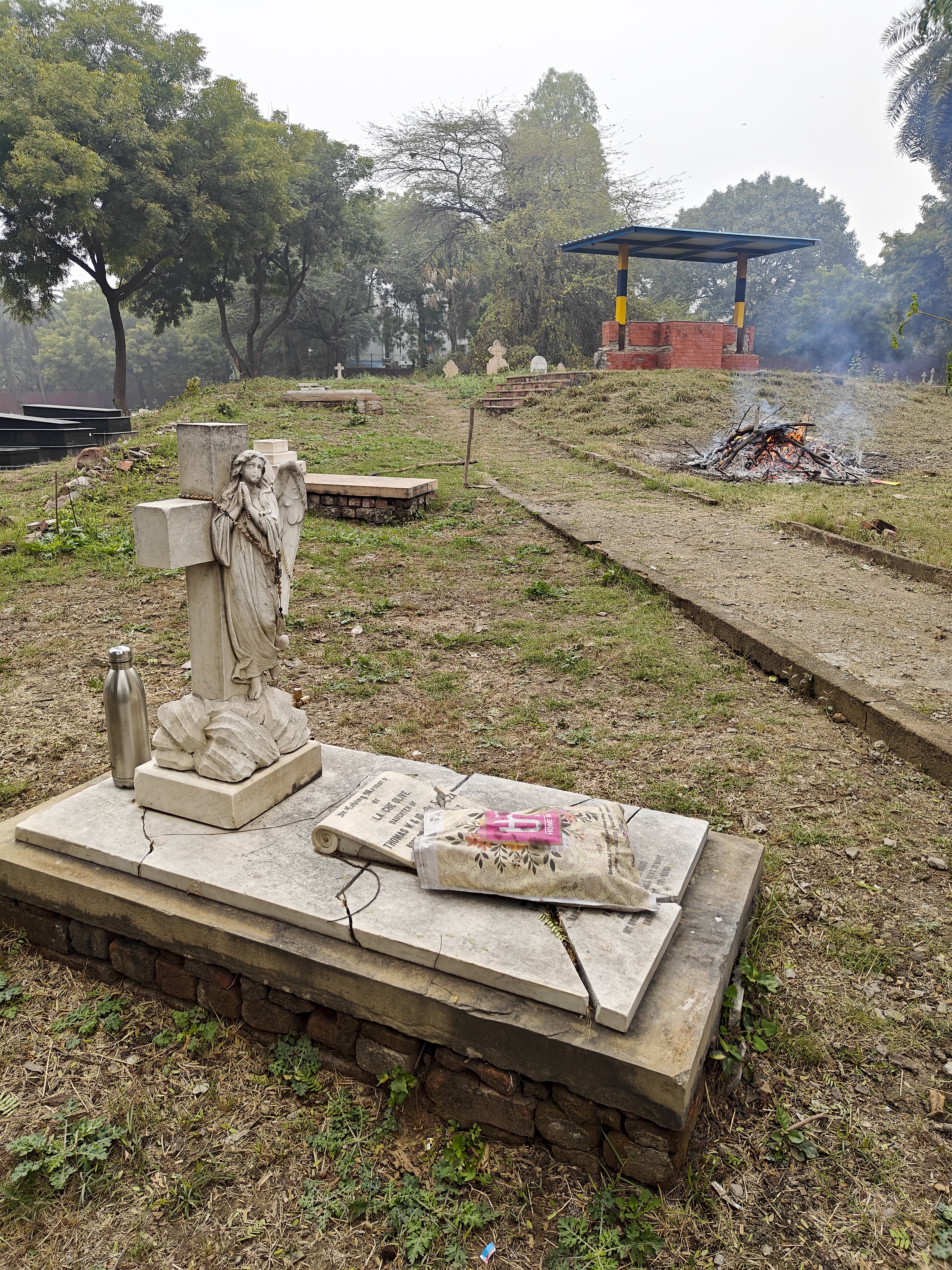
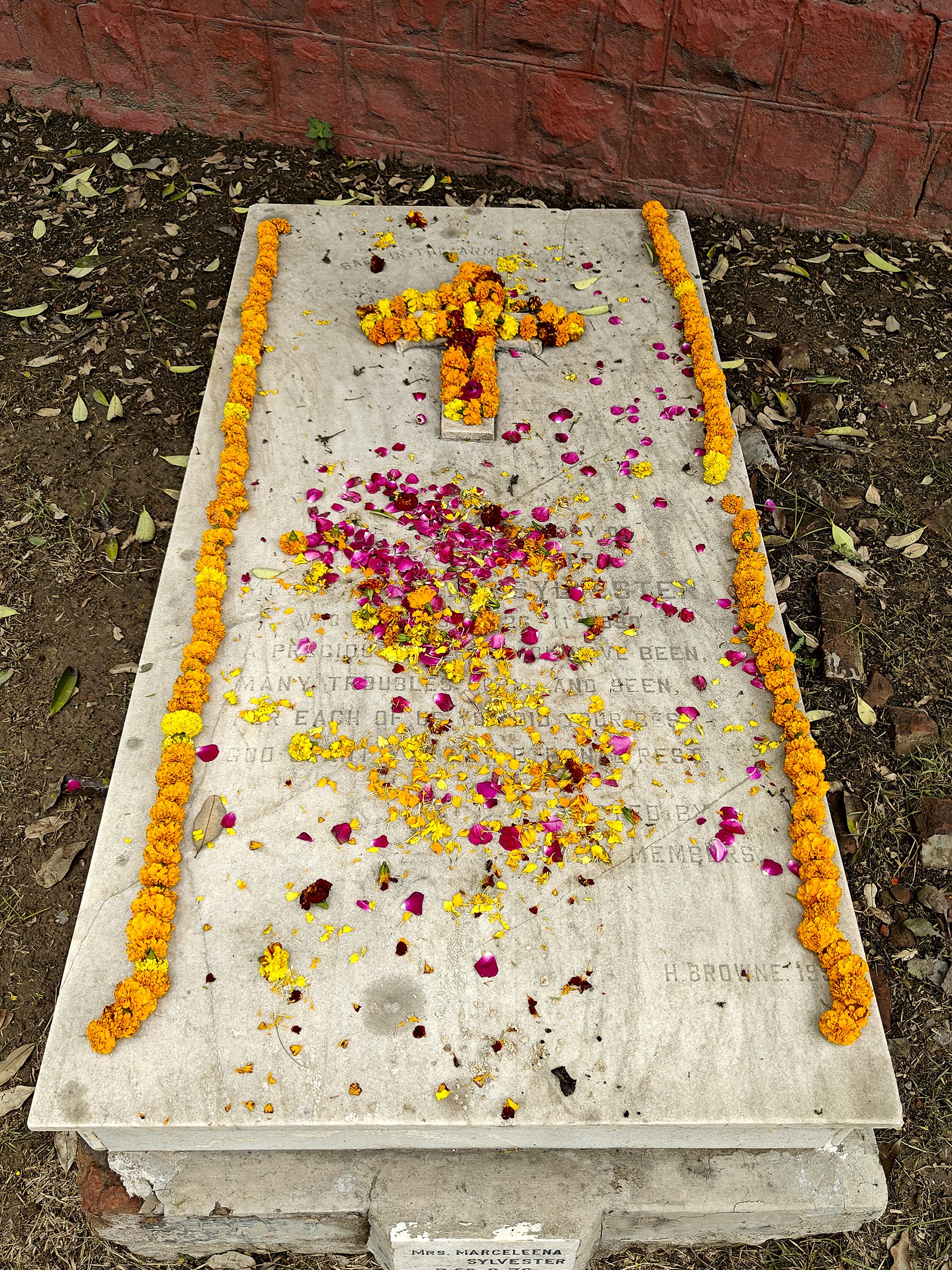
कश्मीरी गेट के भीड़भाड़ वाले इलाके में जहाँ सब कुछ धूल-मट्टी से सना होता है वहां ऊपर मेट्रो और नीचे बसें, कारें, स्कूटर, टेम्पो दौड़ते हैं। बस और ऑटो स्टैंड की भीड़ के बीच में ही फेरीवाले अपना सामान बेचते हैं जिसमे अचानक उभर आने वाली लाल रंग की ऊँची दीवार देखने वाले को चौकां देती है। इस दीवार पे लगे लोहे के लाल गेट के पीछे छुपा दिल्ली का पहला ईसाई कब्रिस्तान है। इसमें सैकड़ों ब्रिटिश फ़ौजियों और ईसाई धर्म के मानने वाले अन्य देशी-विदेशियों की कब्रें हैं, जिन्होंने हिन्दुस्तान के गुज़रे कल में बहुत सी अच्छी या बुरी भूमिका निभाई। ये कब्रिस्तान उस ज़ुल्म, उस जंग, और उस वक़्त का भी गवाह है जो 1857 में दिल्ली शहर ने झेला। कुछ भी कहें ये कब्रिस्तान भी अपनी विरासत का हिस्सा है पर अफ़सोस इसे भी संजो कर नहीं रखा गया।

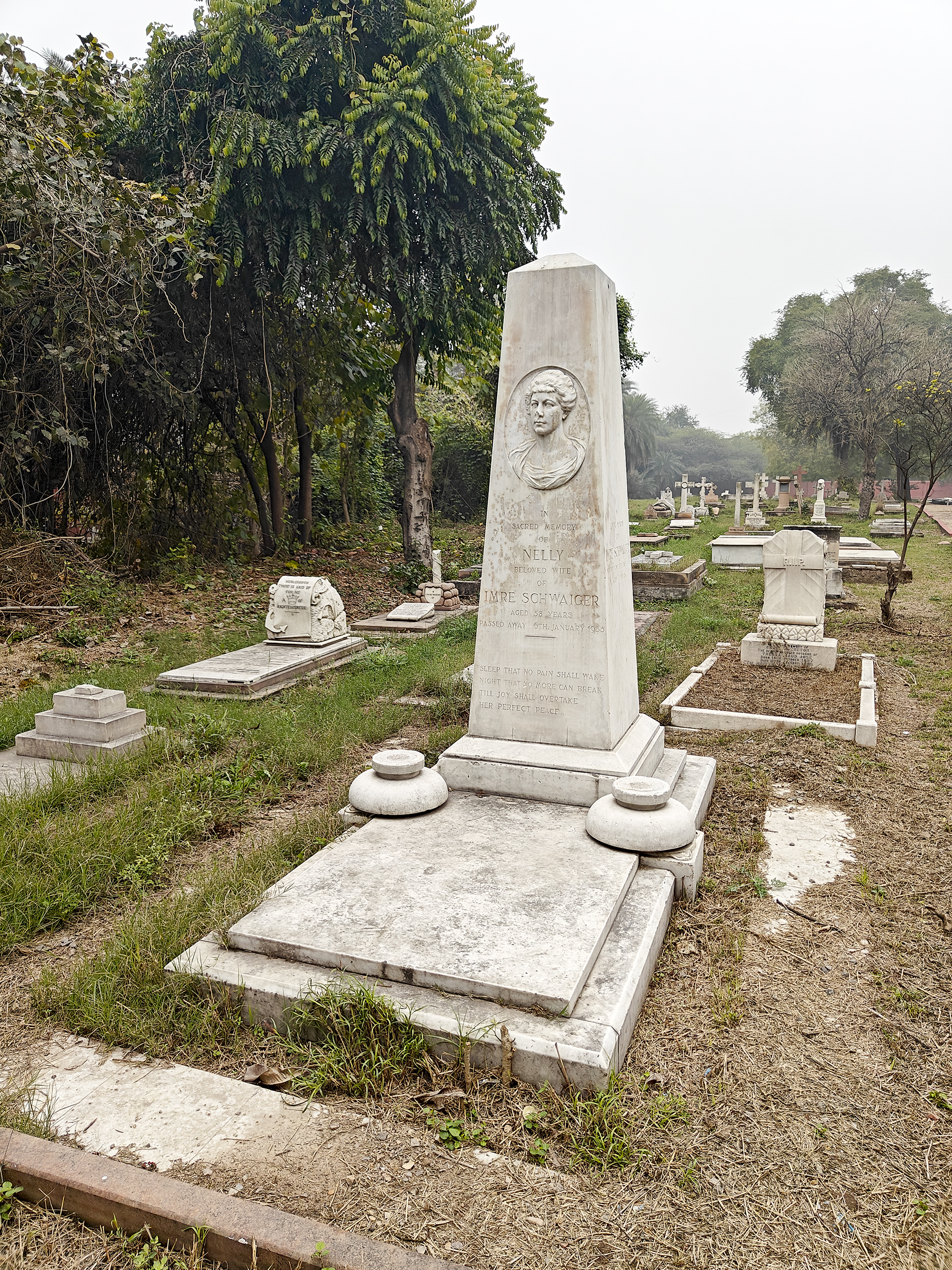
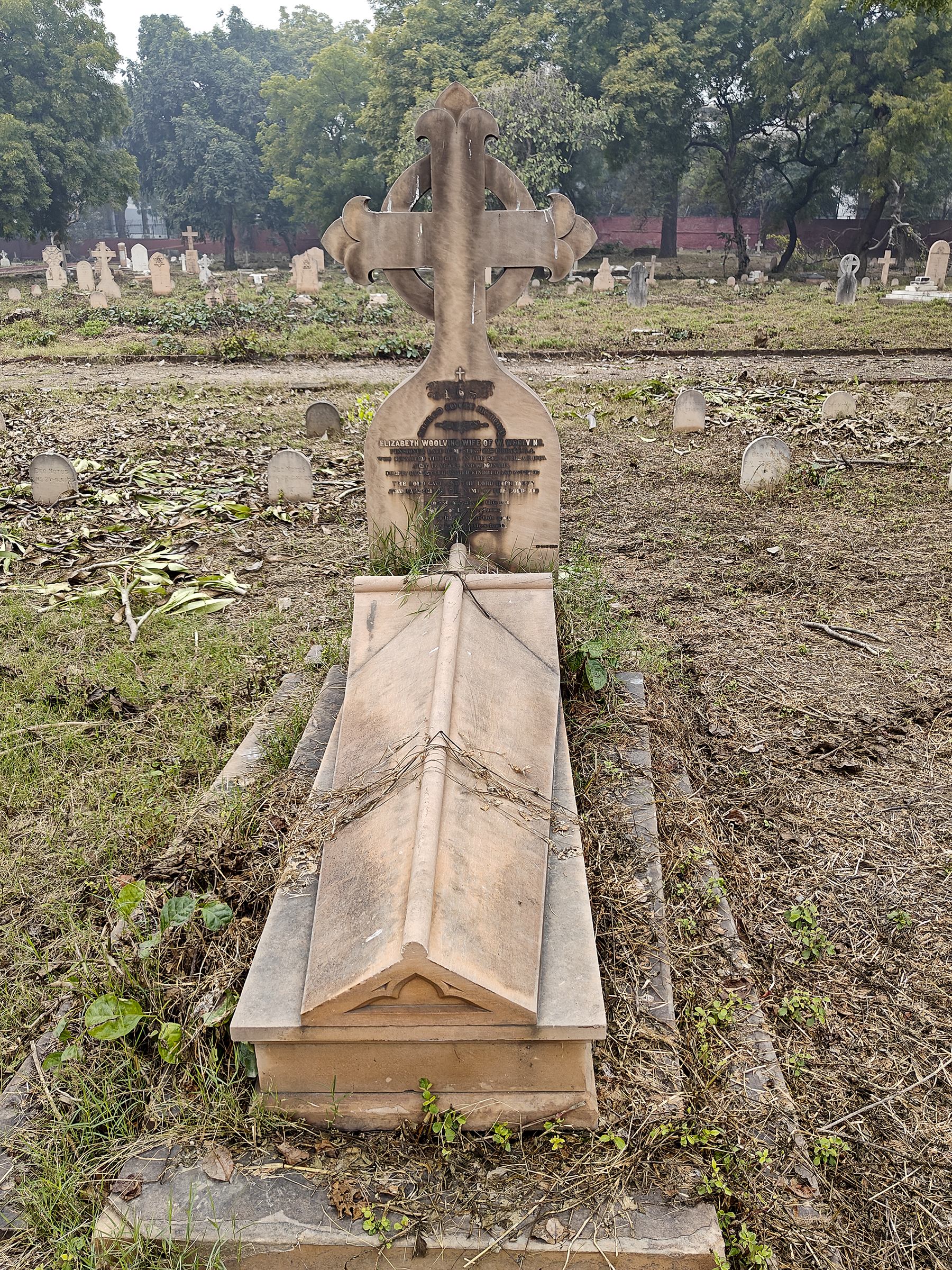
फौत हुए फ़ौजी, मिशनरी, व्यापारी और अधिकारी लोग आज यहाँ आराम करते हैं। टूटे हुए मकबरे और कब्रों के बिखरे हुए पत्थर अब सिर्फ़ बीती ज़िंदगियों के निशान हैं। वो नामी बड़े औधेदार अब मिट्टी में सने हैं जो कभी जाने माने रहे होंगे। इनके बीच उन बच्चों और औरतें की कब्रें भी हैं जिनका इस लड़ाई से कोई सरोकर नहीं था जो सिर्फ आपसी बैर या बीमारी के शिकार हुए। इस ईसाई कब्रिस्तान को निकलसन क्रिश्चियन कब्रिस्तान के नाम से जान जाता है जो सन 1857 में पहाड़ी के उबड़ खाबड़ तले का एक बड़ा हिस्सा घेर कर बनाया गया था।  इसके पूरब में जमुना नदी है, पश्चिम में तीस हज़ारी कोर्ट, उत्तर में दिल्ली विश्वविद्यालय और दक्षिण में नई दिल्ली के इलाके हैं। आज क़ब्रिस्तान की दीवार के साथ सटा हैं आलीशान ओबेरॉय अपार्टमेंट्स जिसके पिछले हिस्से में रहने वाले कुछ लोग सीधे क़ब्रिस्तान के मैदान को देख सकते हैं।

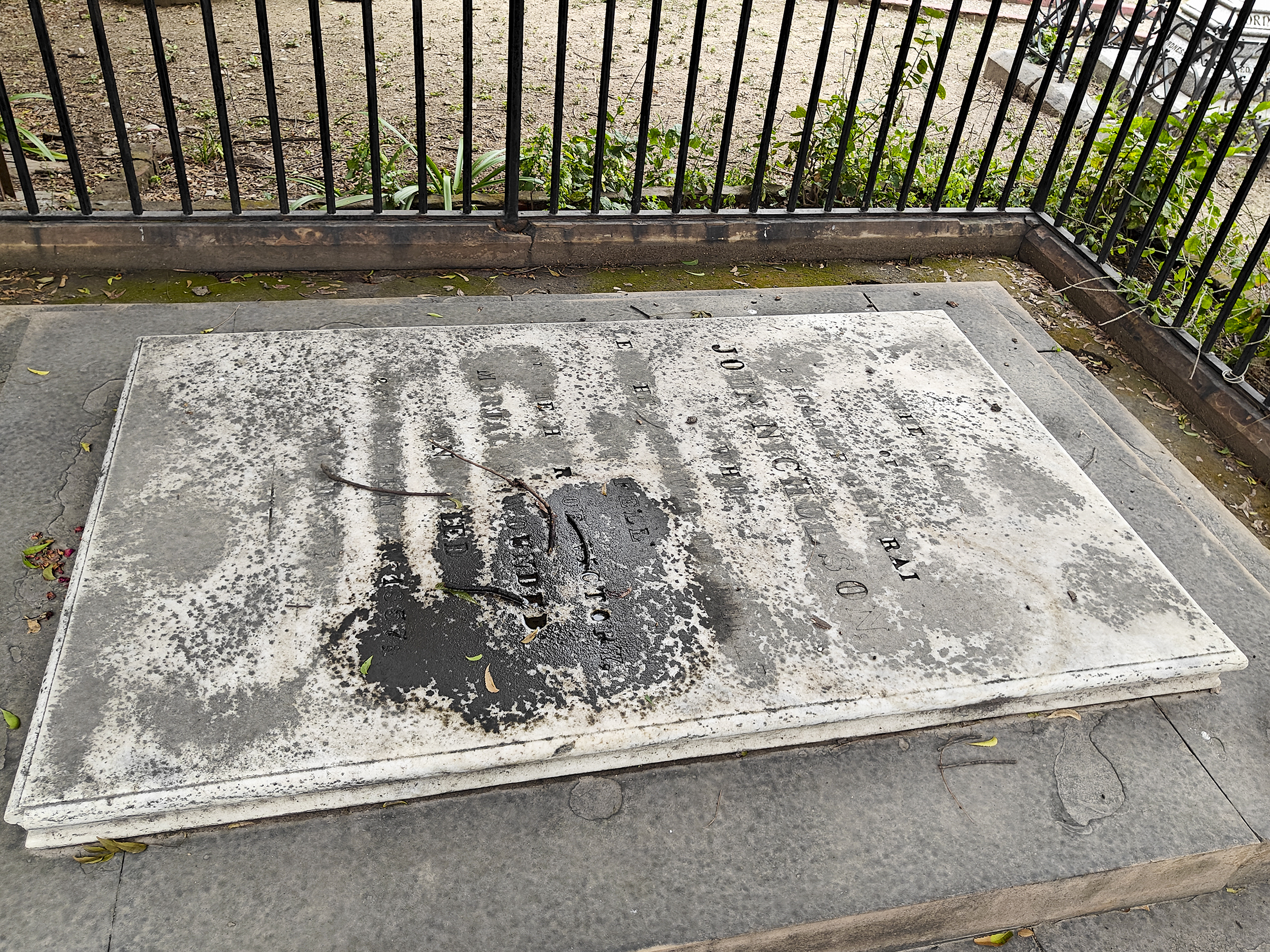
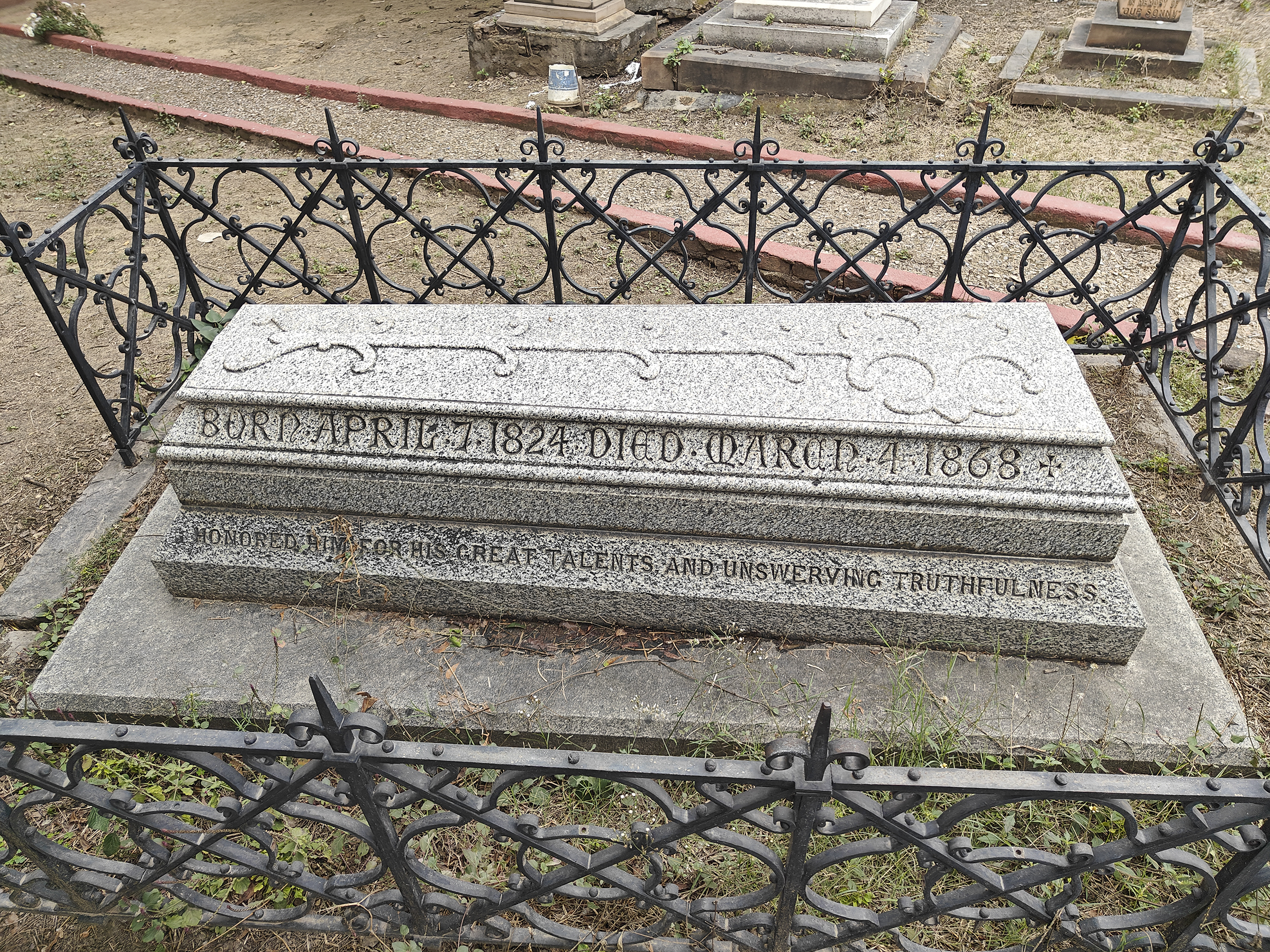
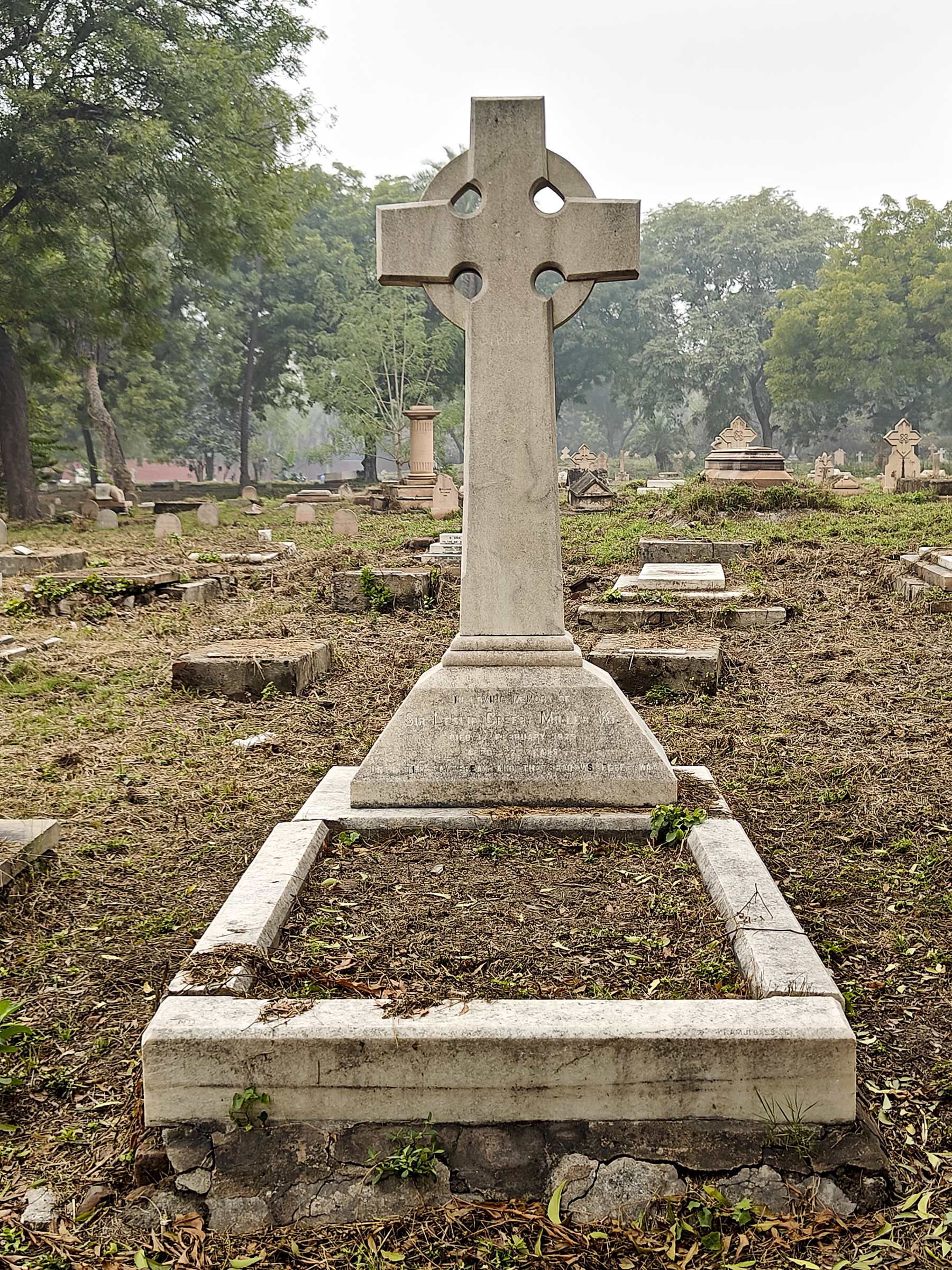
जॉन निकलसन की कब्र लोहे की रेलिंग से घिरी है जिस पर सफेद संगमरमर का पत्थर है जो बहुत मैला हो चुका है। उसपे लिखी इबारत आसानी से पढ़ी नहीं जा सकती। माना जाता है कि निकलसन का भूत कब्रिस्तान में घूमता है (मैंने आवाज़ लगा कर उसे बुलाने की बहुत कोशिश की)। जाँबाज़ और मनमौजी निकलसन ने दिल्ली आने से पहले अफगानिस्तान और पंजाब में भी कई लड़ाई लड़ी थी जहाँ उनके साथी अफसरों ने उसे पसंद नहीं किया, पर ऐसा लिखा भी मिलता है कि कुछ हिंदुस्तानी उसकी इज़्ज़त करते थे। लेखक विलियम डेलरिम्पल ने अपनी क़िताब “द लास्ट मुग़ल” में निकलसन को “निर्दयी क्षमता” वाला “शाही मनोरोगी” कहा है।

निकोलसन की कब्र को भारतीय पुरातत्व सर्वेक्षण विभाग द्वारा राष्ट्रीय स्मारक का दर्जा दिया गया है। इसी कब्रिस्तान में इमली व कीकर के पेड़ों और बोगनविलिया की धधकती लाल झाड़ियों के बीच दफनाए गए अन्य सैनिकों में 42वीं बंगाल रेजिमेंट के अलेक्जेंडर विलियम मरे शामिल हैं। जिनकी कब्र के पत्थर पर लिखा है मरे “18 सितंबर 1857 को दिल्ली की घेराबंदी के दौरान लड़ते हुए गिर गए थे।” मेरा मानना है की क़ब्रिस्तान में फूलों की क्यारियाँ होनी चाहियें।

अकेले 1857 में इस क़ब्रिस्तान में 500 से ज़्यादा लोगों को दफनाया गया। इंटरनेट पर पड़े एक लेख में लिखा है “जेम्स कमिंग 28 जुलाई, 1874 को बिजली गिरने से मारे गए एक टेलीग्राफ मास्टर थे, “अपनी विधवा और नवजात बेटी को अपने नुकसान पर विलाप करने के लिए छोड़ गए”। अगस्त 1907 में 29 वर्ष की आयु में जेम्स डाओफ की “हीटस्ट्रोक से मृत्यु” हो गई। एलिजाबेथ बैडली रीड, रेवरेंड बी.एच. की बेटी। अमेरिकन मेथोडिस्ट मिशन सोसाइटी की बैडली का जन्म 1885 में लॉस एंजिल्स में हुआ था और उनकी मृत्यु 1935 में दिल्ली में हुई थी। उनकी क़ब्र पर लिखा है, ”वह भारत से प्यार करती थीं।” ये सब क़ब्रें अब नहीं दिखती।

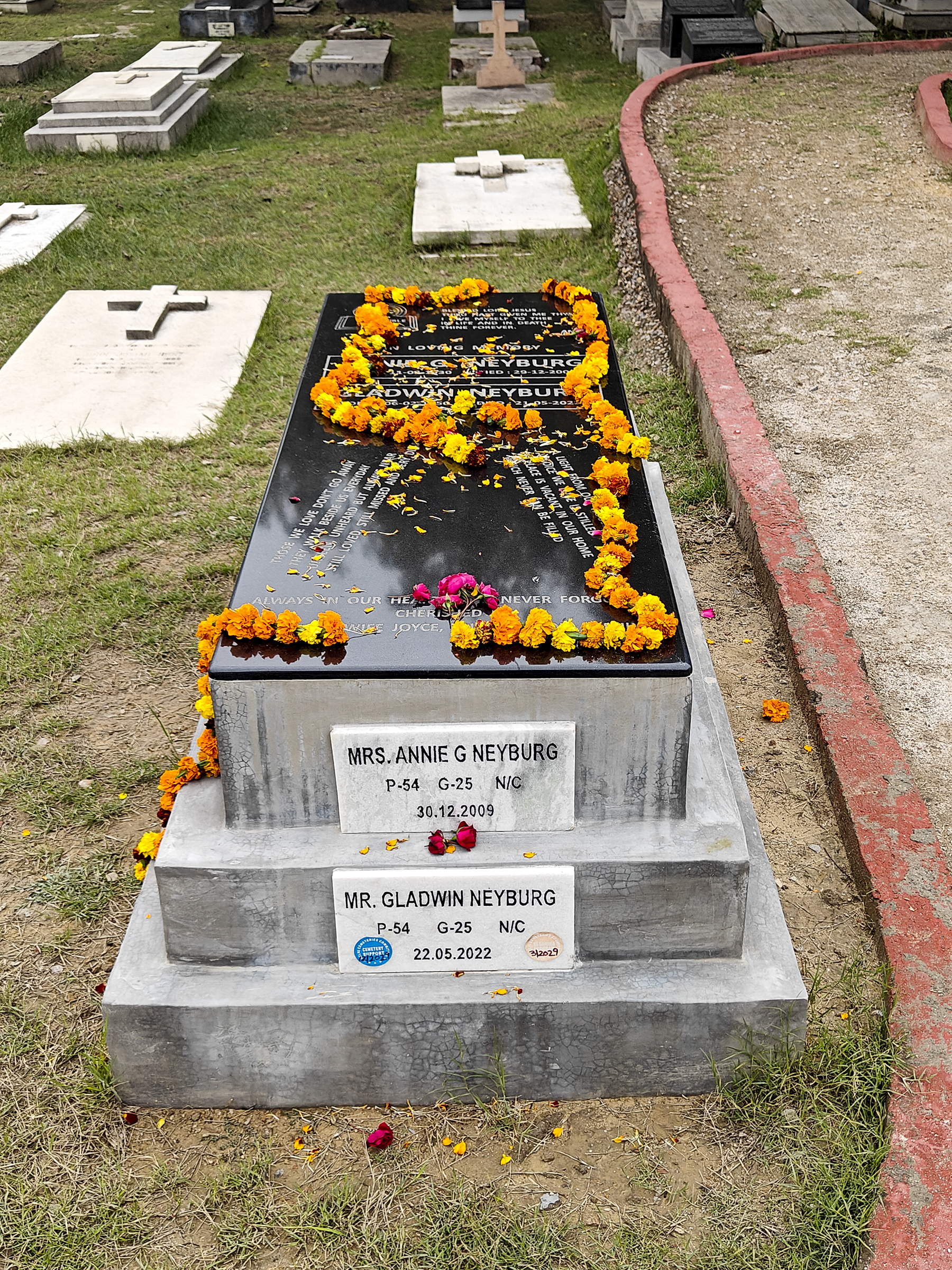
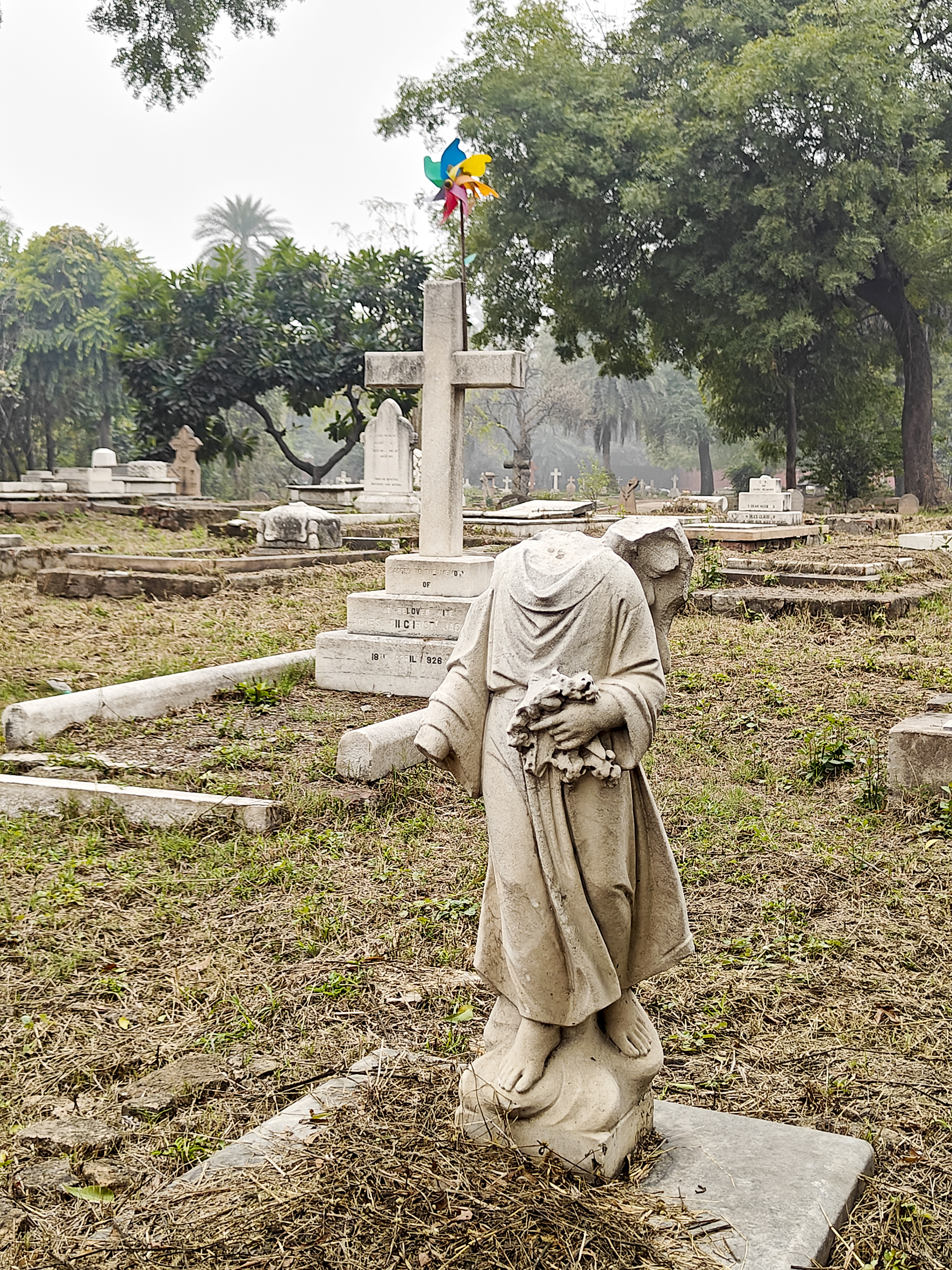
यहां कई बच्चों की कब्रें भी हैं जिनके लिए शायद उन दिनों का हिन्दोस्तान बहुत मुश्किलों वाला रहा होगा । क़ब्रिस्तान की देखरेख करने वाले कर्मचारी जेम्स ने मुझे बताया कि “वैसे तो कब्रिस्तान अब बंद हो गया है। नए मुर्दे दफ़नाने के लिए अब यहाँ कोई जगह नहीं है।” फिर भी मैंने देखा की यहाँ बहुत से नई कब्रें हैं जिनपे चमकते काले ग्रेनाइट पत्थर लगे हैं ये सब 2020 और उसके बाद की ही हैं। एक परिवार को मैंने क़ब्रिस्तान से निकलते देखा जिनके हाथों में फूलों की टोकरियां थीं और बाटने के लिए कुछ खाने का सामन था।

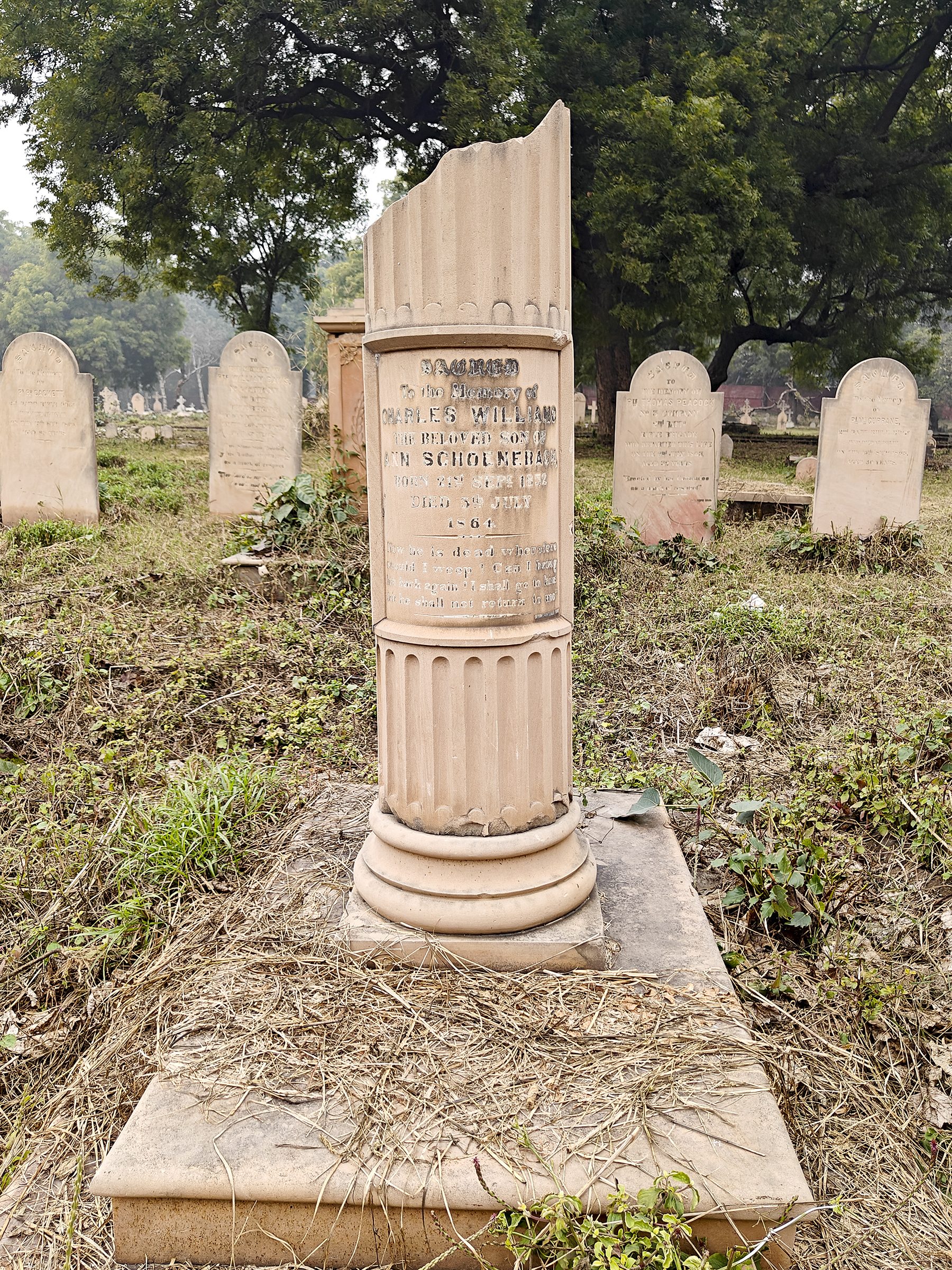
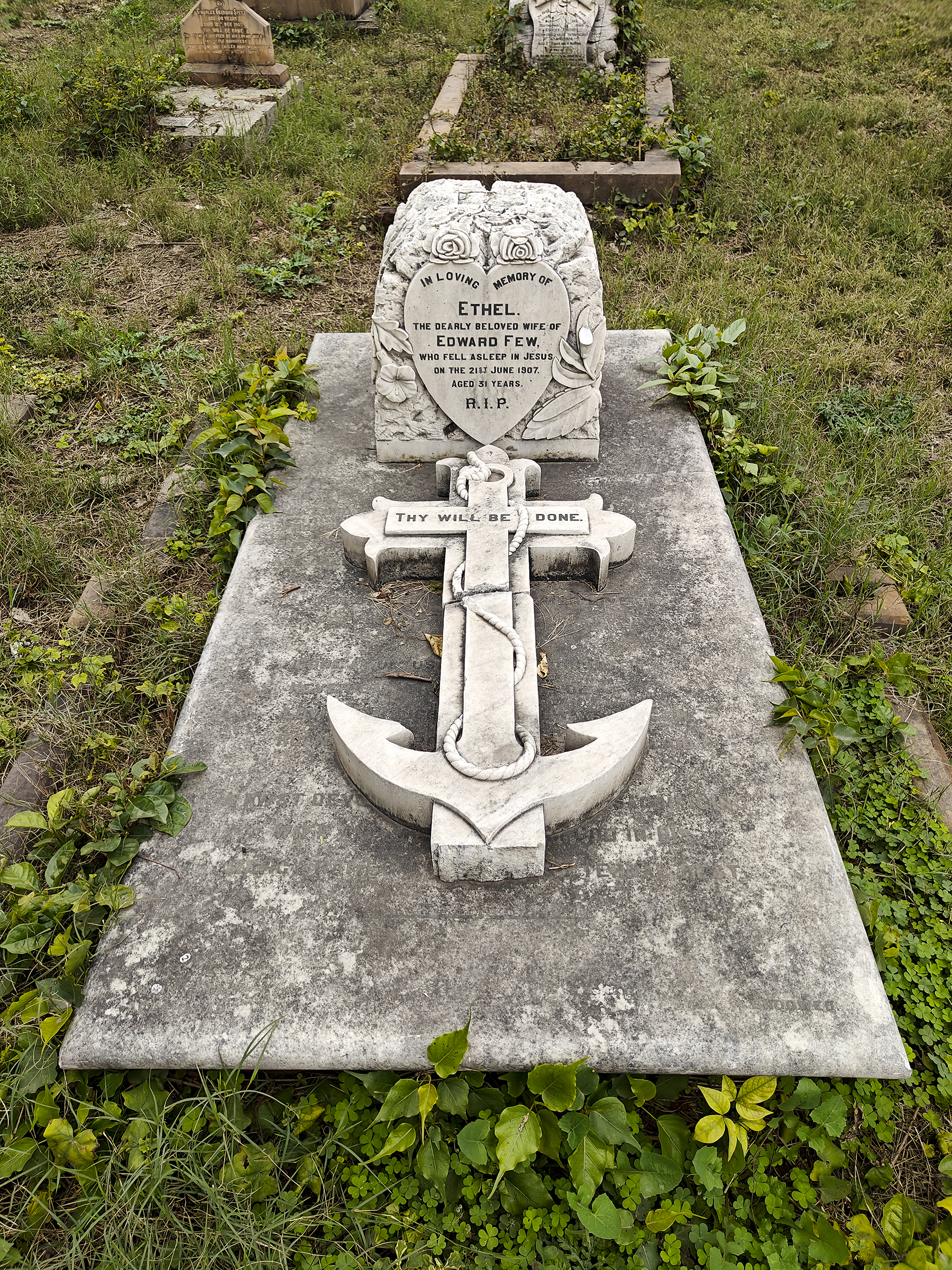
​जिन ख़ास लोगों की कब्रों को पहचानने में जेम्स ने मेरी मदद की और जिनके नाम मैं पढ़ सका उनमे थे – ​सारा हैरियट (1858), अल्बर्ट अल्फ्रेड ​लेसन (1862​), चार्ल्स विलियम ​(1864​),  ऐनी फ़्रांसिस ​(1861​), एथेल ​(1907​), मेरी मोल (1864), थॉमस पीकॉक (1859) और एलिज़ाबेथ वोल्विंग (1864) .

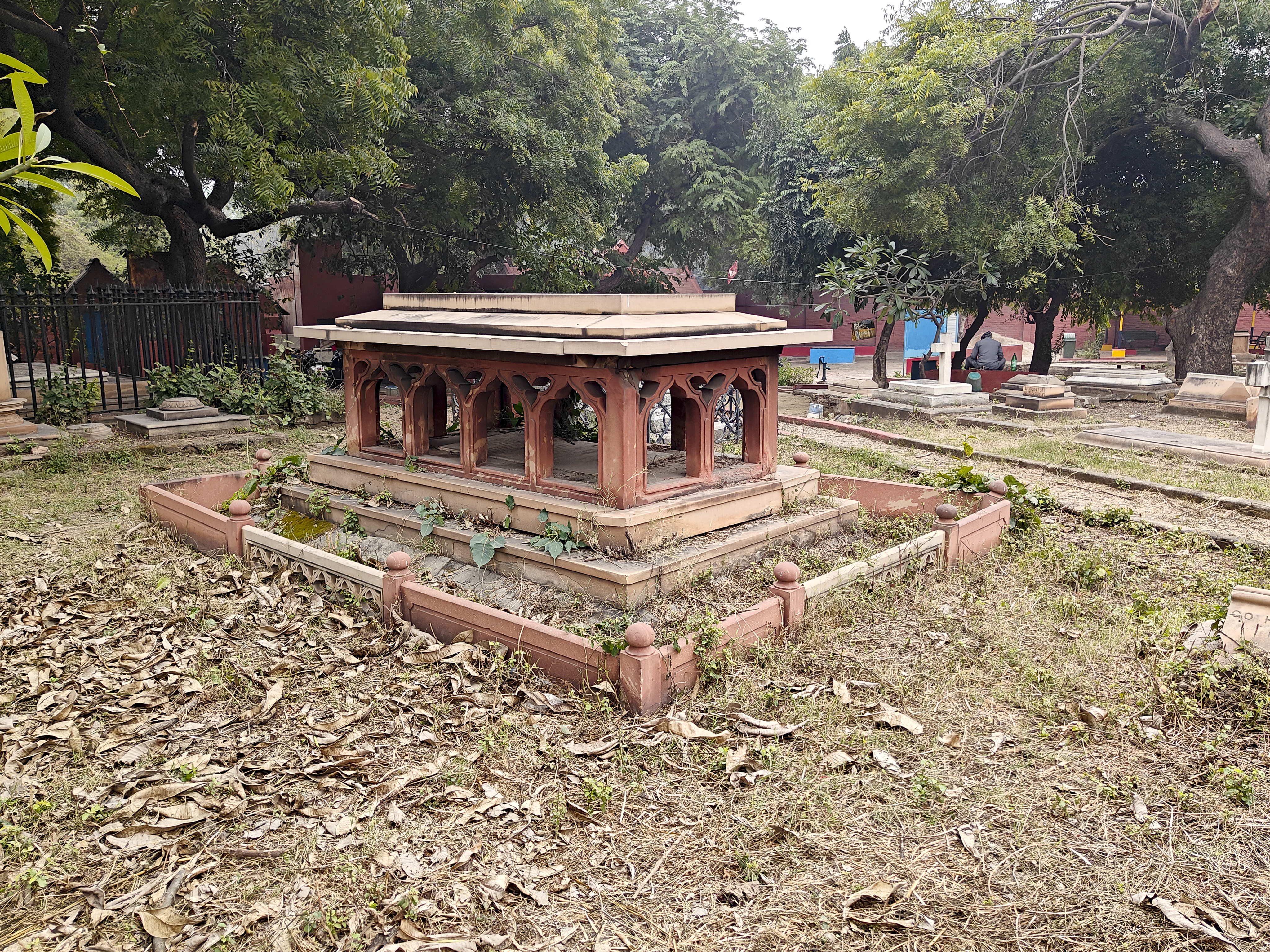
क़ब्रिस्तान में दाख़िल होते ही उसके सामने वाले, यानी क़ब्रिस्तान के दक्षिणी सिरे पर​, सबसे पुरानी कब्रें हैं जो 1857 से लेकर ​1​890 तक की हैं​, गेट के दहिनी ​ओर 1900 से लेकर 1940 तक कि और उत्तर​-पश्चिम ​व पीछे के ​हिस्से में ज़्यादा नई कब्रें हैं जिनके चमकते ​काले और सफ़ेद पत्थरों से और उन​ पर लिखे संदेशों से पता चलता है कि वो सब 1970 के बाद ​की हैं।  निकलसन क़ब्रिस्तान में 1857 से 2022 तक ​की कब्रें हैं जो की ​छोटे आकार में बनी मूर्ति कला ​का बेहद खूबसूरत ​नमूना हैं।  संगमरमर, ग्रेनाइट और लाल बलुआ पत्थर पर बेहतरीन बारीक़ ​नक़्क़ाशी में उकेरी ​गई है। बहुत सी कब्रों पर इसाई धर्म का ​चिन्ह सलीब ​(क्रॉस​) बना है तो कुछ लाजवाब ​कंदकारी का काम है।

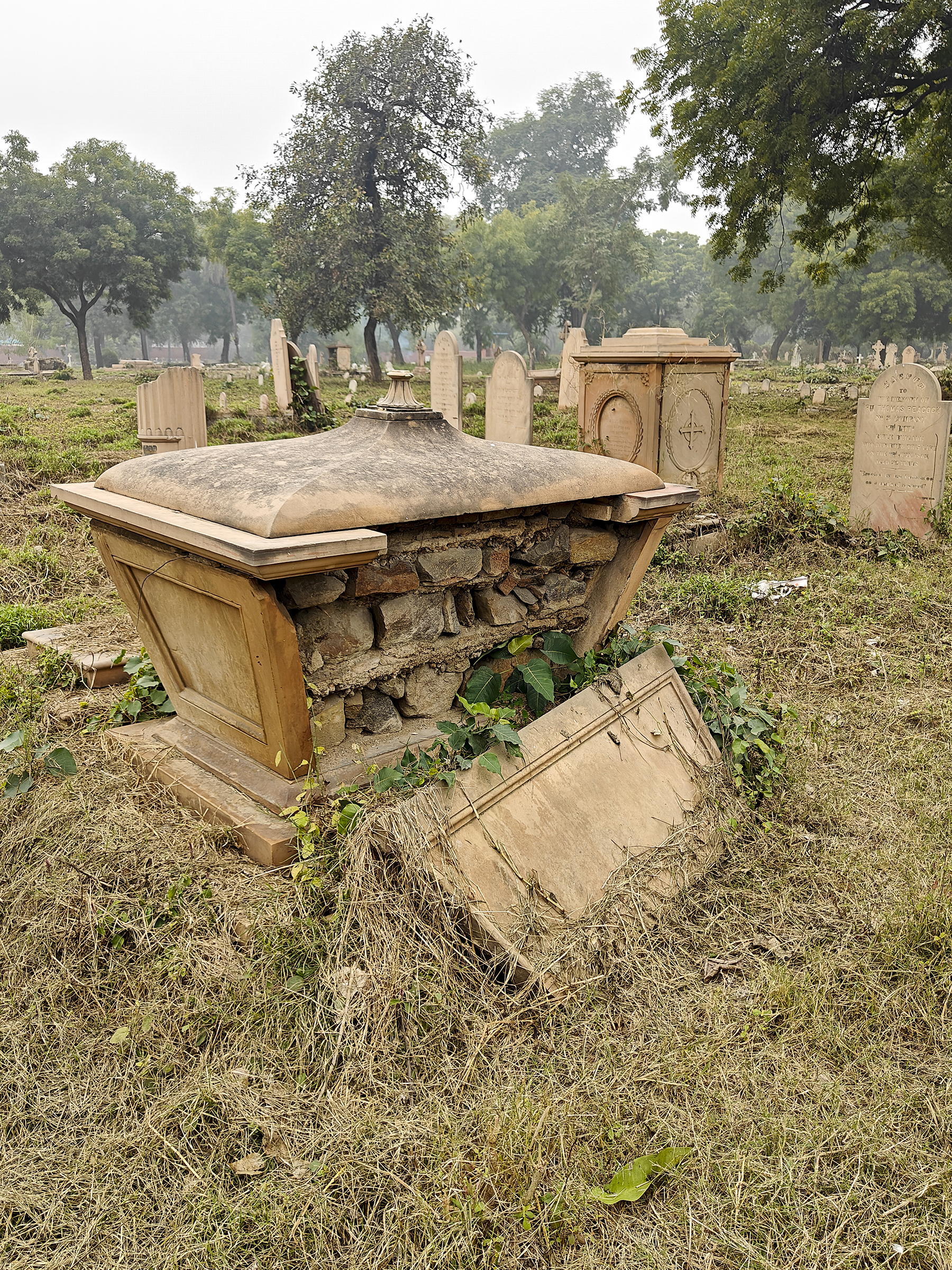
जेम्स ने मुझे बताया की क़ब्रिस्तान की देख रेख के लिया बहुत कम पैसा आता है जो की एक समस्या है। इसके चलते बहुत सी पुरानी लाल पत्थर से बानी खूबसूरत डिज़ाइन की कब्रों के ढांचे गिरते जा रहे हैं। कब्रिस्तान के पूरे मैदान में साफ़ सफाई भी पूरी तरह नहीं हो पा रही । जेम्स का कहना है कि बरसों की धूल और गर्द पड़ने से क़ब्रिस्तान की मैदानी मिट्टी की ऊंचाई भी बढ़ गई है जिस से पुरानी कब्रें  धँसती जा रहीं हैं और बहुत सारी तो अब दिखाई भी नहीं देती। मैंने देखा कुछ नशेड़ी लड़के एक कोने में आग जला कर चिलम भर रहे थे। मुझे देखते ही दो लोग दीवार फाँद बाहर कूद गए।

निकलसन की क़ब्र में उनका चेहरा और आँखें कश्मीर गेट की तरफ़ ही हैं। बीते 170 सालों में जाने वो किस किस बदलाव और ख़ून-खराबे के गवाह रहे।

कुछ देर जॉन निकलसन की क़ब्र पर खड़ा मैं उनसे बाते करता रहा। मेरे सवाल बहुत थे पर उनके जवाब झिझक झिझक कर और धीरे धीरे आ रहे थे। ठंड में शायद जॉन भी बात करने के मूड में नहीं थे या फिर तफ़सील से बताना नहीं चाहते थे। ​सर्दी के मौसम के चलते दिल्ली में अभी सूरज के दर्शन भी नहीं हुए थे, दिन के 11.30 बजे भी कब्रिस्तान पर कोहरा ​तैर रहा था। क़ब्रिस्तान के कर्मचारी जेम्स से बात करते मैंने काँपती उँगलियों से फ़ोन पर कुछ नोट्स लिए और चाय की दूकान ढूंढते बाहर चला आया।

“आपके हिस्से की दो गज़ ज़मीन तो हिंदुस्तान में ही थी निकलसन साहब, फिर मिलेंगे। 

So Long, John. Sleep tight.”

14 जनवरी 2025

Nicholson Cemetery Kashmiri Gate Delhi

Without a care

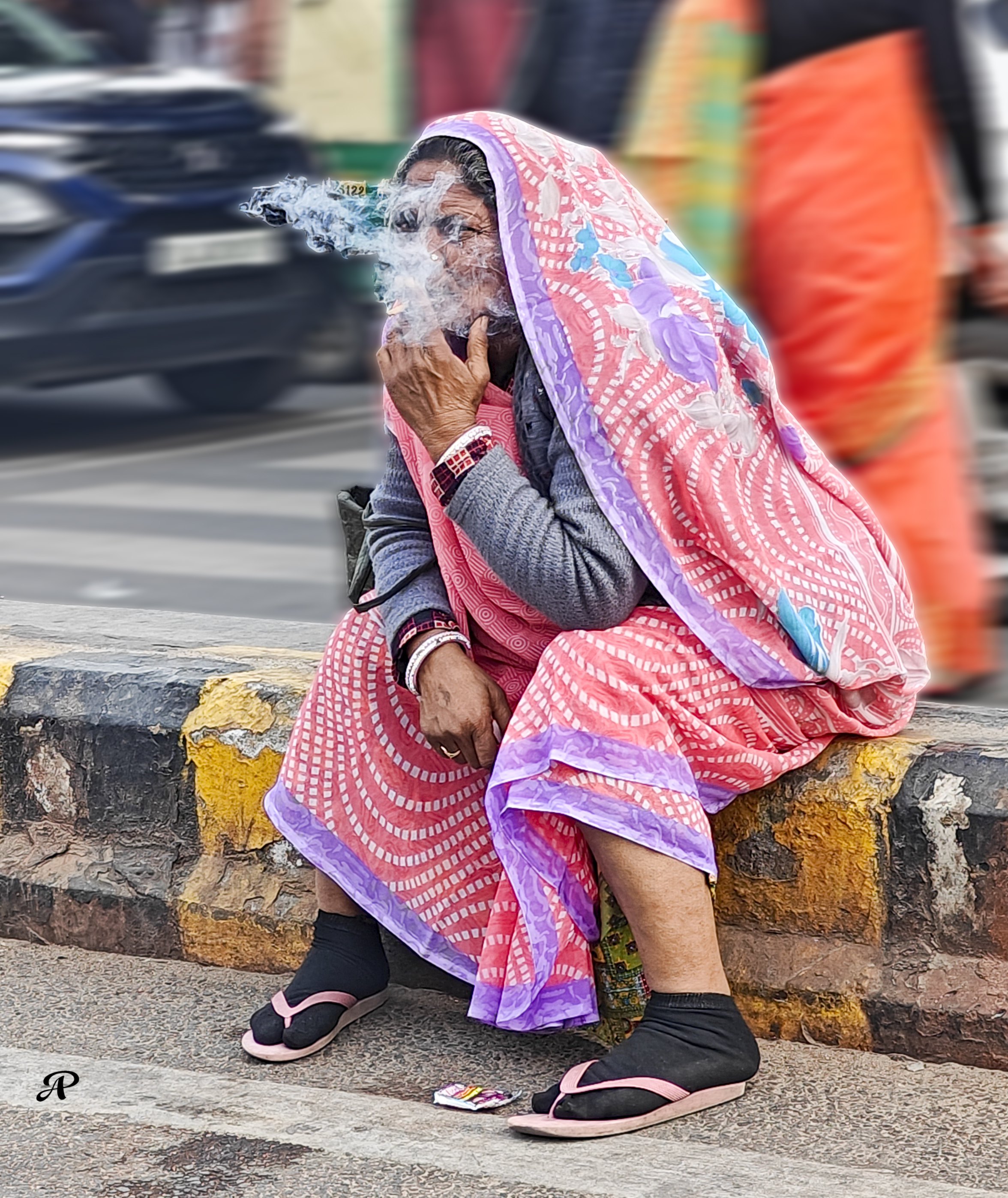
Sitting on the divider median (the central verge) of the very busy Baba Kharak Singh Marg intersection this woman, smoking a bidi and puffing out plumes of smoke is an epitome of bindaas carefree life. January 1st 2025. I take it as a sign that 2025 is going to be equally bindaas.  (Connaught Circus, Delhi)

gam aur khushi mein farq na mehsoos ho jahan, 
mein dil ko us muqaam pe laata chala gaya 
har fiqr ko dhuen mein udaata chala gaya

Can I be as carefree?
1st Jan 2025

Anas – a role model for humanity

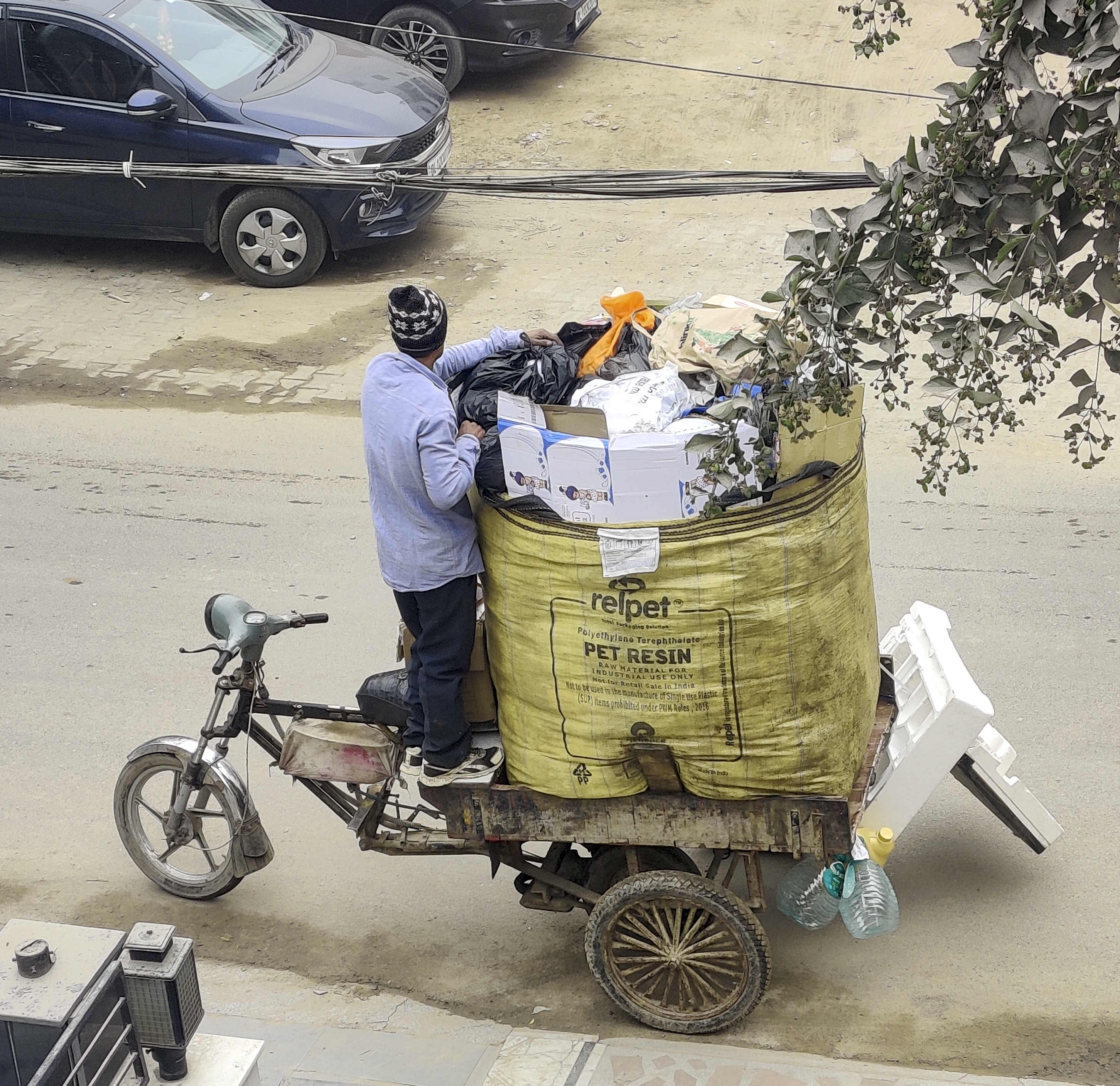
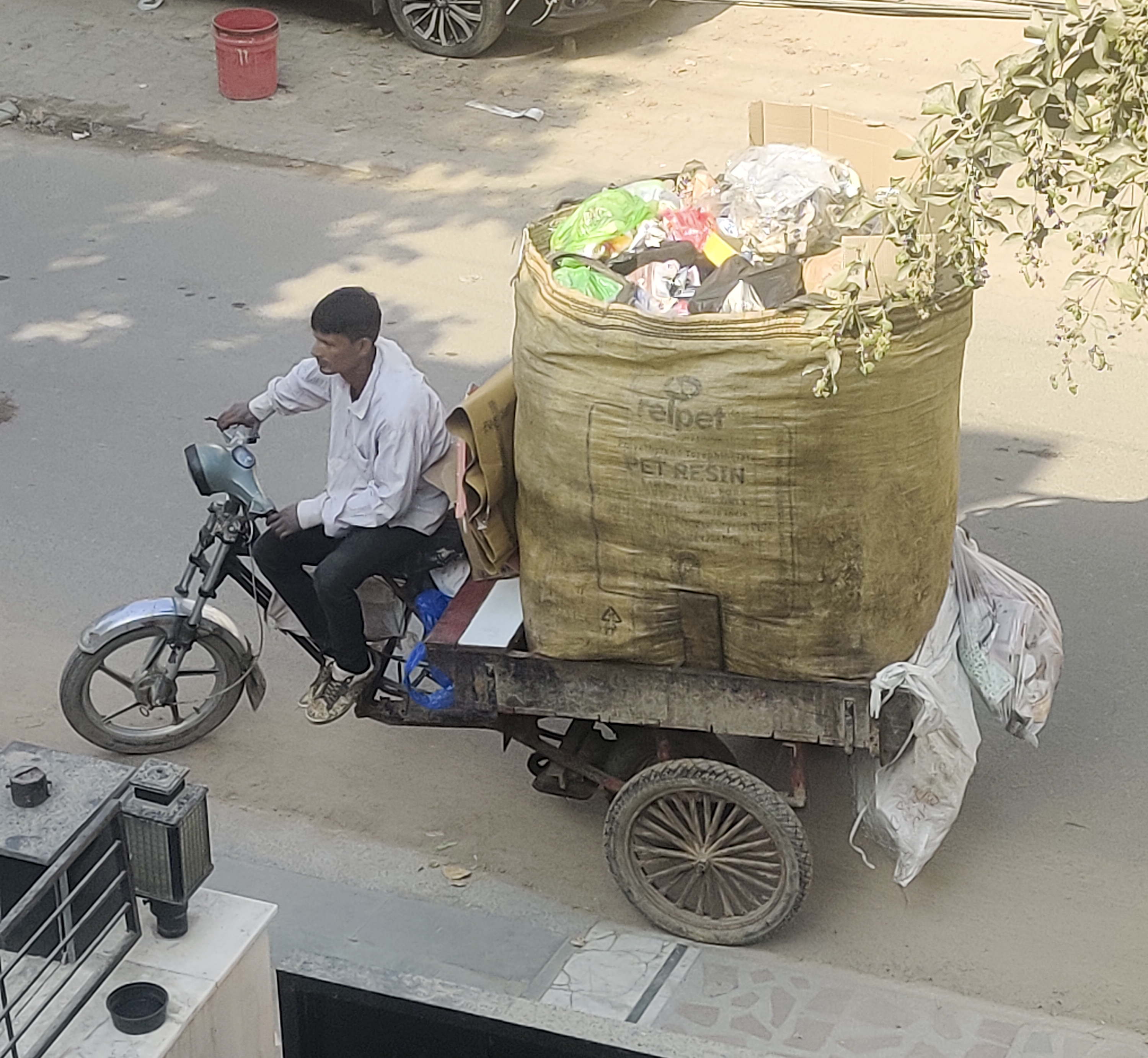
Anas is his name. ‘Anas’ means loving, affectionate, friendly. Look at the size of his collection bag, I call it ‘a cauldron of love‘. It is not his love for cleaning other people’s waste but the love for his family of six who he has to feed. Anyone would be jealous of a warehouse of those proportions. It is only 8 in the morning, for him ‘the day has just begun’ and ours is only the third lane in his ‘ first round’. Anas Mahmood is the garbage collector of our neighbourhood. A permanent smile stays pasted on his face.

Anas has cuts on fingers of his right hand. He says, “people are careless, they leave broken glass and other sharp objects in the bags I empty.” He has a separate place under the cart for ”kabad, gatta, bottles and plastic”, those and “discarded packaging helps me make about 80/100 rupees extra per day.” Since Covid people order a lot of stuff online and as a result I get to collect a lot of discarded packaging.

‘Winter is over’, he says, ‘Bosant is coming and this is the time of the year when I am hit by jukham‘, he sneezes and coughs as I step away. I will be fine by Holi, just a month away.’ A dead beedi is dangling between the two middle fingers of his left hand. Taking it to his lips he lights it. Coughing and laughing in turn he moves in and out of the driveways of the houses where garbage bags are lined up. Aren’t you scared of catching an infection? I ask him. ‘Tell me what else to do?’, he questions. No one pays him for garbage collection – neither the residents nor the developer of Millennium City or the municipal authorities.  

“बीमार हो जाओगे – वही हाथ से कूड़ा उठाते हो वो ही मुँह पे लगते हो – छिः” A woman reprimands him from the first floor balcony of her house. Shaking his head and brushing aside the warning, Anas pushes the cart ahead to the next house. Anas, I recall was also the name of a companion of Prophet Muhammad (PBUH). ‘Anas ibn Malik’ was known for his loyalty and service to the Prophet and is considered a role model for humanity.

Ear cleaner – Kaan Melia (कान मैलिया)

I was a bit early for the laidback traders of Shahjahanabad. Shops and businesses open here well past 11 am. In any case it was a cold, grey day with intermittent drizzle which meant that the shops would not open before noon and only then I would get what I was there for. Small and mid-size commercial delivery vans were parked along the side of narrow passages which had started crowding. In the absence of any sunlight drivers and unloaders of goods, together with daily wager collies and jhalli wallas were crowding around tea stalls under the canopies of shuttered shops. Then there were a few food carts (rehdi wallas) busy selling hot-n-fresh breakfast – Omelet, parantha, pakoras, kachoris and bun-makhan – there was quite a variety but no kebabs. 

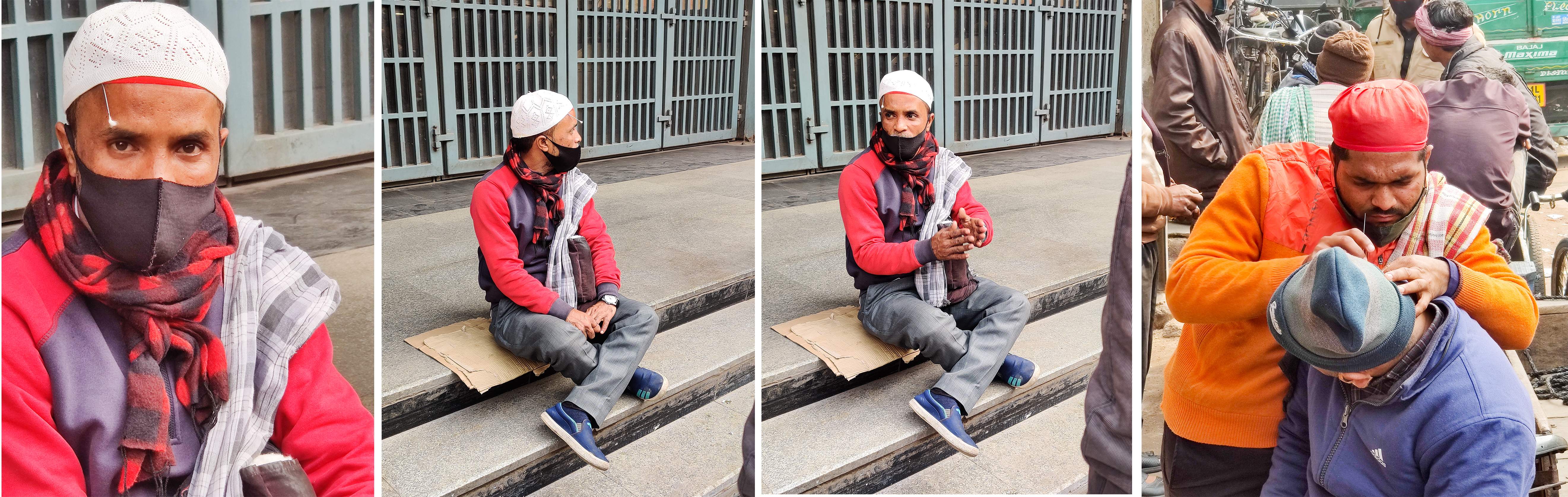
Whiling away time I was taking pictures of random old buildings and generally looking around when I spotted him sitting on the steps outside Chawri Bazaar Metro station – the Kaan Melia (कान मैलिया) – possibly waiting for someone with an ear-ache or an itch or simply wanting to the get the ear cleaned. Trust me, with some people it is addictive. I hadn’t seen one for a long time and thus, was looking at him as though I had spotted an extinct species. Suddenly he turned his head and caught me staring at him. That was rude of me but my eyes were fixed on his face. He had such an expressive face. There was so much he was saying. 

Tucked in his taqiyah (skull cap) was a thin flexible cable-like contraption (called Silai) with balled cotton at one end which works like an ear cleaning bud. He was clutching on to a small leather bag under his left arm. Covered under his white crochet-knitted cap was the trademark red cap of ear cleaners of old Delhi and the Central Park in Connaught Place. I was so very tempted to go and sit right next to him, turn my head – right or left whichever way he said – and let him do the rest. A tingling sensation was already running down my neck and spine.

But I didn’t do any such thing. Instead, I looked at him and smiled. He didn’t smile back, knowing well that I was not his customer kind. I stood firm on my ground and kept flashing the smile. He turned his face to the other side rejecting all my attempts at striking a conversation. He got up, folded the brown corrugated box he was sitting on, and started walking. I followed him and requested him to stop. 
Kamran stopped. This time he turned to me with a smile. आपको कान साफ़ करना है नहीं, तस्वीर आपने ले ही  है अब और क्या चाहिए ? (You won’t get your ears cleaned, you have already taken my pictures, now what else do you want?) He started walking again, but this time alongside me.

I was embarrassed by his question. He was accusing me of taking his pictures without his permission. आप से बात करना है, कुछ पूछना है आपके काम के बारे में आपके बारे में  (I want to talk to you, want to ask you about your work, about you). He stopped and gave an approving smile and then holding me by my right elbow pulled me back, saving me from the tempo-rickshaw that was coming from behind me. Kamran indicated that we should cross over and move to the other side of the road. We did. A few steps ahead was a tea shop at the corner of Kucha Pati Ram. He stopped and with his ‘eyes’ ordered tea which was being served in मिटटी के कुल्हड़ (clay cups). With tea in our hands we moved to a corner next to the giant wooden gate, safe and away from the milling crowd.

At 4 feet 7 inches Kamran was short but well built and stout. His hand clutching the kulhad seemed that of a boxer or a wrestler unlike the profession he was practicing. He looked at me and without any hesitation started talking about himself, his profession, and his family. Not expecting it to happen without a prompt or a question, I was taken aback but it made my task easier. I didn’t have to think of questions.

हम कान मैलिया लोग राज घरानों में काम करते थे।  राजा, महाराजा और अमीर लोगों के यहाँ हर हफ्ते कान मैलिया जाते थे। तब हमारे पुरखे बाल काटते थे, मालिश करते थे और नाखून भी बनाते थे।  बहुत इज़्ज़त का काम था हमारा, हमारे काम को शाही काम बोला जाता था , खूब इनाम मिलता था।  हमारी पहुँच क़िले के अंदर तक थी।  दिल्ली की सार हवेलियां और रईस हमें बुलाते थे। (We Kaan Melias (ear cleaners) worked for the royalty. Kings and emperors and very rich people of the society had kaan melias on their weekly visit. Those days our ancestors also did hair cutting and nail trimming, some also specialized in head massage. It was a respectable profession, we moved around the royalty, ours was called ‘shahi kaam‘. We were paid handsomely. We had access to the Fort (Red?), Havelis and houses of the rich gentry.) 

लोग हमें कान मैलिया बुलाते हैं पर असल में हम नाइ हैं। हमारे पेशे वालों को तो बहुत इज़्ज़त दी जाती थी। हमारे बुज़ुर्ग लोग 400 साल पहले मुग़ल फोजों के साथ हिंदुस्तान आये थे। और मुग़लों के साथ ही यहाँ बस गए। राजा महराजा लोग हमारी इज़्ज़त और एहतराम करते थे  पुराने ज़माने से ये मुसलमानों का पेशा रहा है अब और लोग भी करने लगे हैं पर इतना काम तो है ही नहीं  (We are known as ear cleaners but actually we are barbers. People from our professional were really respected a lot. Our forefathers came with Mughal army 400 years back and settled here in Hindustan. Kings and emperors would respect us and gave us a good position. In earlier times this profession was practiced only by Muslims but now other people also do it but there is not so much work).
That reminded me of something that I had read in one of the accounts that Kaan Melia were also the ‘official gossip spreaders’ and worked for the establishment of the time. They would also bring in ‘hot news’ for masses from inside the fort or the haveli.

How is the work now? How much is he able to earn especially considering the pandemic and the lockdown? How do his family and children react to his job? 

वक़्त बदल रहा है, हमारी औलाद ये काम नहीं करना चाहती।  दोनों बेटों ने दूकान खोल ली है। सारे दिन में मुश्किल से 150 से 200 भी नहीं बनते।  अब बहुत काम लोग सड़क पे बैठ के कान साफ़ कराना चाहते हैं।  बहुत से तो इस से डरते हैं।  हम तो पूरा ख़याल रखते हैं।  मैंने कभी किसी की दर्द भी नहीं होने दिया।  किसी के कान का नुक्सान भी नहीं किया। (The times are changing. My children dont want to do this work. Both my sons have started a shop. I cant even make 150-200 rupees in a day. Now a very people want to get their ear cleaned sitting on the road. A lot of people fear this. I take full care and protection. No one feels pain and I have never hurt any one’s ear) 
I ask him what are his other tools besides the twirler he calls silai. He opens the leather bag and proudly pulls out a sleek pen-like device (possibly Chinese make). Pressing a tiny button he shows me that this is a torch with which he peers down the ear. He also carries a small bottle of Dettol in another pocket. From another, he pulls out a set of pincers required to pull out the wax. A roll of cotton tumbles out of the bag while Kamran secures small cloth squares he uses to clean the ears of his clients.

A burqa clad woman passes us as we drop the empty kulhads in the bin. Out of curiosity I promptly asked him, ‘Do women also ask to get their ears cleaned? ‘Yes,’ he says excitedly, ‘many get it done in the privacy of their homes, in mohallas, and kuchas not here in the bazaar’, he adds.

Do you make enough money? He turns his head, left and then right, as if looking for someone but actually avoiding my question. I see he is worried. ‘No’, he shakes his head and looks down at the garbage filled corner of the lane. ‘The day I  don’t get a customer till noon I go and join my friends at Hauz Qazi intersection and do other work. There is always some work for a collie. I can also do household painting work or push a cart. He doesn’t look me in the eye while saying all that. ‘I am getting late, I have to go’, he turns to leave as I touch his shoulder in warmth and love. Kamran turns, smiles and asks to shake my hand.

How is the work now? How much is he able to earn especially considering the pandemic and the lockdown? How do his family and children react to his job?

वक़्त बदल रहा है, हमारी औलाद ये काम नहीं करना चाहती।  दोनों बेटों ने दूकान खोल ली है। सारे दिन में मुश्किल से 150 से 200 भी नहीं बनते।  अब बहुत काम लोग सड़क पे बैठ के कान साफ़ कराना चाहते हैं।  बहुत से तो इस से डरते हैं।  हम तो पूरा ख़याल रखते हैं।  मैंने कभी किसी की दर्द भी नहीं होने दिया।  किसी के कान का नुक्सान भी नहीं किया। (The times are changing. My children don’t want to do this work. Both my sons have started a shop. I cant even make 150-200 rupees in a day. Now a very people want to get their ear cleaned sitting on the road. A lot of people fear this. I take full care and protection. No one feels pain and I have never hurt any one’s ear) 
I ask him what are his other tools besides the twirler he calls silai. He opens the leather bag and proudly pulls out a sleek pen-like device (possibly Chinese make). Pressing a tiny button he shows me that this is a torch with which he peers down the ear. He also carries a small bottle of Dettol in another pocket. From another, he pulls out a set of pincers required to pull out the wax. A roll of cotton tumbles out of the bag while Kamran secures small cloth squares he uses to clean the ears of his clients.

A burqa clad woman passes us as we drop the empty kulhads in the bin. I promptly ask him, ‘Has a woman ever sought to get her ears cleaned? ‘Yes,’ he says excitedly, ‘many get it done in the privacy of their homes in mohallas and kuchas not her in the bazaar’, he adds.

Do you make enough money? He turns his head, left and then right, as if looking for someone but actually avoiding my question. I see he is worried. ‘No’, he shakes his head and looks down at the garbage filled corner of the lane. ‘The day I  don’t get a customer till noon I go and join my friends at Hauz Qazi intersection and do other work. There is always some work for a collie. I can also do household painting work or push a cart. He doesn’t look me in the eye while saying all that. ‘I am getting late, I have to go’, he turns to leave as I hold touch his shoulder in warmth and love. Kamran turns, smiles and we shake hands. The face mask had to be pulled up!!!

Kamran – the ear cleaner of old Delhi. Chawri Bazaar, Delhi. 20 January 2022