Saam Lal’s Goats and the College of Art

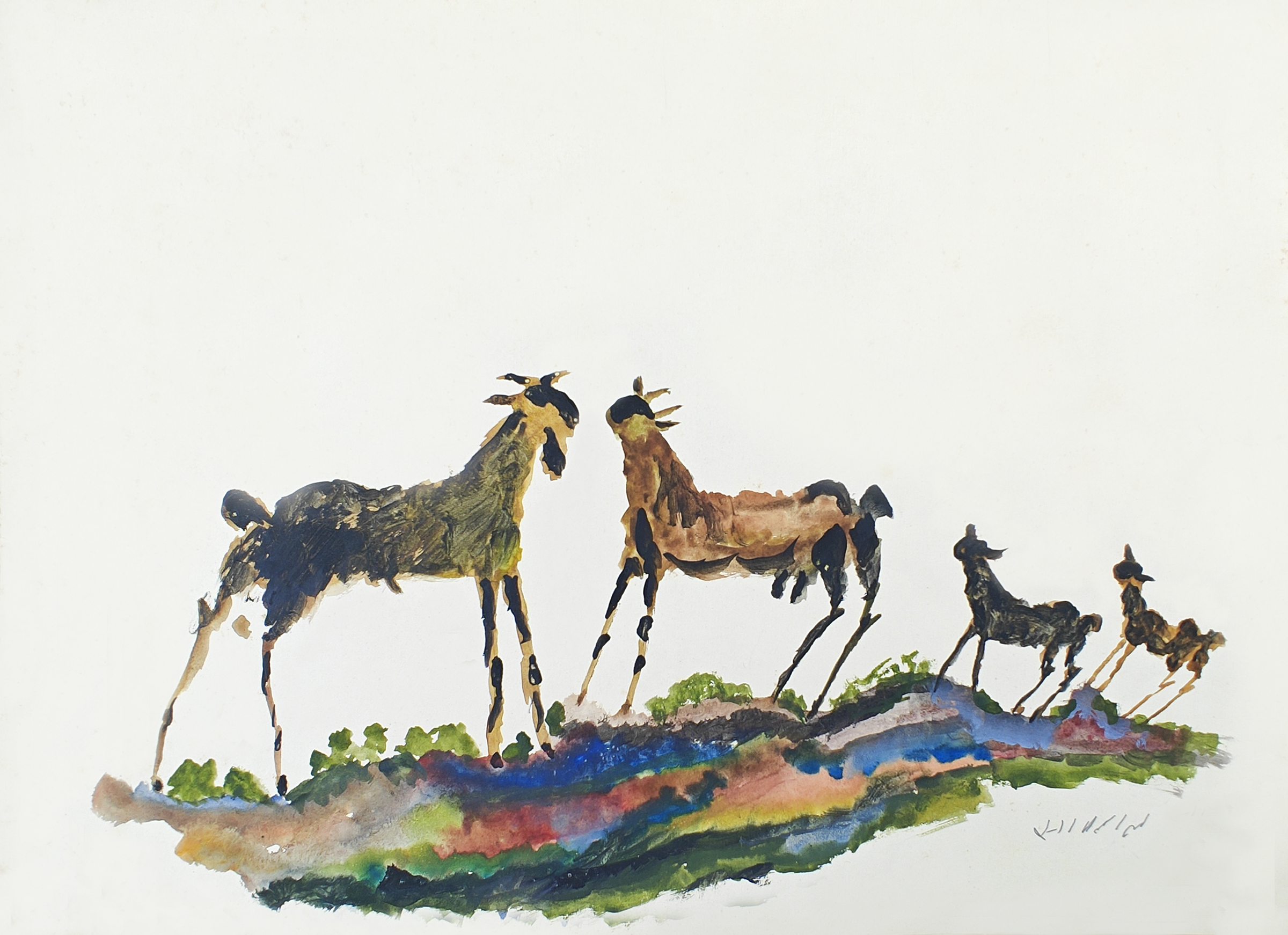
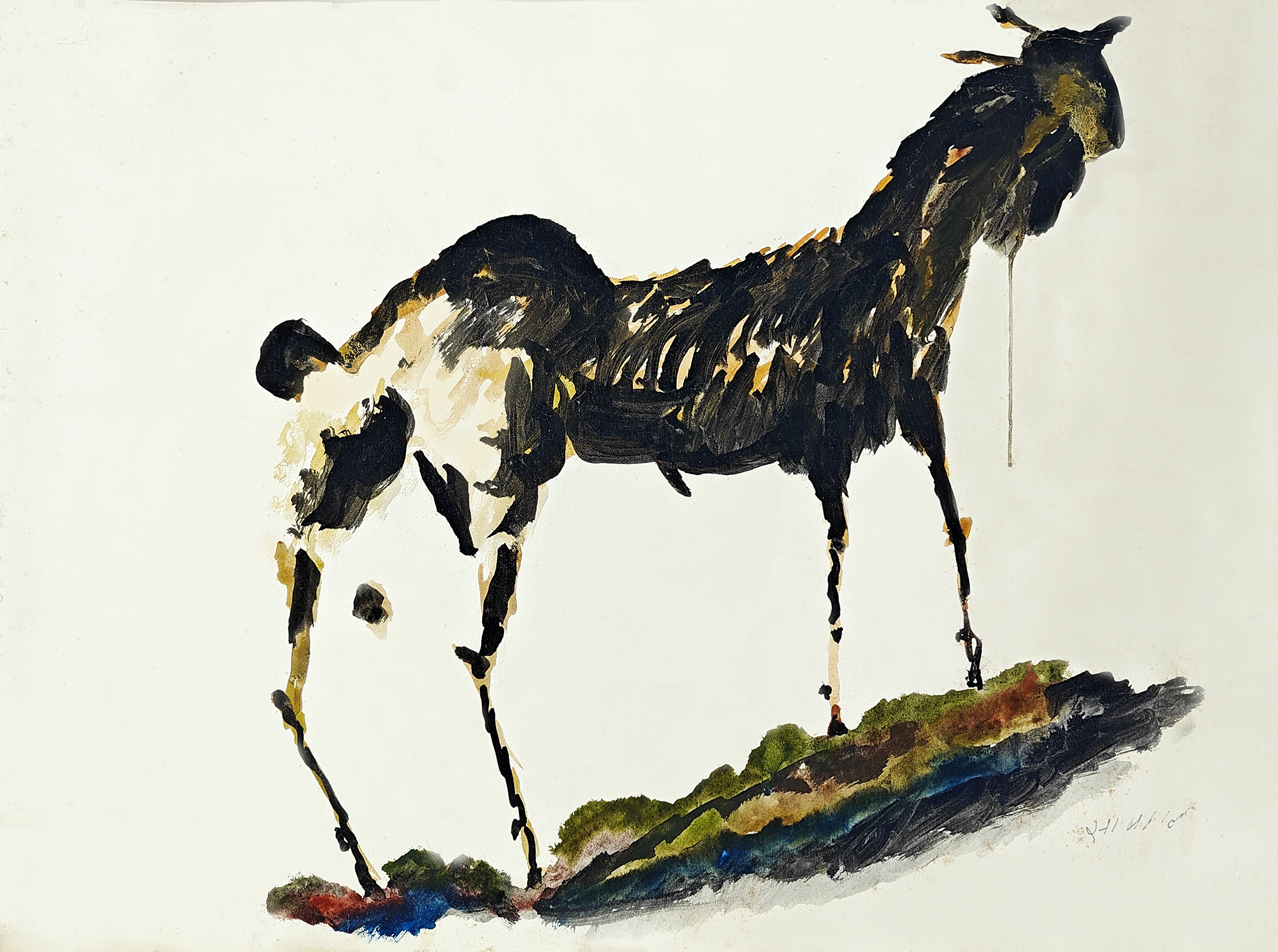
On a burning-hot April afternoon (like today), sometime in 1994 or 95 Suneet Chopra entered the Ishtihaar office, his face red and profusely sweating. A safa, the kind worn by a peasant-mazdoor leader was dripping on his head. Without saying a word he pulled up a chair and sat down. Cleaning his glasses with the gamachha, he ran his fingers through his beard and drank two glasses of water. A cup of tea later he asked me to get up and come with him. “Where to?” I asked. At the Delhi College of Art, there is a show of final year students’ works on display and for sale.”  When Suneet spoke with that kind of authority you couldn’t say no. We drove to the college where the artworks of final-year BFA students were on display for assessment and for sale. Walking up and down the corridor and the hall, we looked at the artworks but weren’t ready to pay the prices students had labelled them for. We were about to leave when we met Saam Lal (that’s how he pronounced his name). Saam (Shyam), a peon-like assistant at the college, held a few rolled sheets in his hand. He had displayed two others on a cord along the outer wall. Those were HIS paintings. Shyam Lal, who had never attended school, learnt to draw and paint at DCA only. A few works that he managed to sell in a year supplemented his meagre salary. Looking at his works Suneet retraced his steps, and so did I. Suneet kept looking at the “Goats” – a gorgeous single one, and a clean-coated family of four. Suneet asked Shyam Lal to open the roll in his hand, which had two more artworks; Goats again. He looked at me and nodded, signaling that we should take these. Between the two of us we bought all four works. Shyam Lal asked for 2,500 each. Mind you, these are 3×2 feet fabulous works, watercolour on acid-free chart paper. The two in picture are with me, I wonder what Suneet did with his. Over thirty years now… every time I look at these works I remember both Suneet and Saam. Suneet is gone, I wonder what ever happened to tall, emaciated, smoker Saam who could hold both a brush and a bidi in his left hand while painting. Syam signed these works for us with a pencil tucked in his left ear. I cherish these.

For those who don’t know: late Suneet Chopra was an art critic, writer, and poet. He was a trade unionist; Secretary of the All India Agricultural Workers Union and a Central Committee member of CPI(M). Born in Lahore, Suneet was an alumnus of Modern School and St. Xavier’s College, Calcutta. He taught regional development at Jawaharlal Nehru University Delhi. More than everything else, the ever-smiling Suneet was a fine human being. 

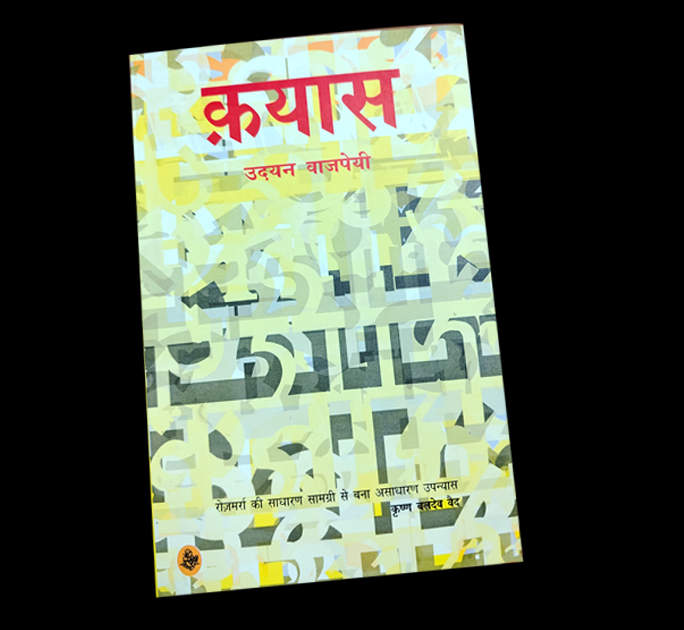
क़यास – उदयन वाजपेयी का उपन्यास

अपने अंदर रह रहे किसी किरदार की तरह उदयन जी का ये उपन्यास करीब चार बरस तक मुझ से परे, अनजान सा बैठा रहा। फिर एक रोज़ रू-ब-रू होते ही कहानी ने सब उंडेल दिया – प्यार, उलाहने, उम्मीदें, शिकायतें और सपने भी। हम भी किसी सिनेमा सा सुनते और देखते चले गए, बिना इंटरवल के। अब दुख ये है कि क़यास को चार साल पढ़ा क्यों नहीं । भरपाई यूं होगी कि उदयन जी का लिखा सब पढ़ना होगा। ब-वक़्त ऐसे बेहतरीन लेखक और उनका शांत-उजला लेखन मेरी पकड़ से इस लिए भी दूर रहता है कि मैं उसके लिए अपनी समझ तैयार कर लूँ। अगर आप ऐसी कहानियाँ पसंद करते हैं जो बहुत शोर-शराबे वाली न होकर शांत और सोचने पर मजबूर करने वाली हों, तो ‘क़यास’ आपको जरूर पढ़नी चाहिए। 

‘क़यास’ हिंदी लेखन की बेहतरीन कलात्मक रचना है जो चुप्पी में घुट रहे इंसानी रिश्तों को सादगी से पेश करती है। कहानी ‘सुदीप्त’ के इर्द-गिर्द घूमती है, जो किसी छोटे से शहर में आ कर किसी पुरानी, बंद पड़ी लाइब्रेरी को फिर से जीवित करता है। कहानी की शुरुआत में ही सुदीप्त की हत्या हो जाने के बवजूद कहानी अपने शांत रौ में बहती रहती है जिसके बाद कहानी का हर किरदार  सुदीप्त की हत्या के कारण या हत्यारे के बारे में ‘क़यास’ (अनुमान) ही लगाता रहता है। पूरी कहानी सुदीप्त से जुड़े अलग-अलग लोगों—उसकी पत्नी मृदुला, नौकर लखना, बेटी नुहा और मित्र वंदना—के मन में उठने वाले ऊहापोह, शक, और उनके अपने ‘अंदाजों’ के ज़रिए आगे बढ़ती है। कोई जासूसी कहानी न हो कर ये इंसान की महीन ज़ेहनी परतों में छुपे अपने-अपने क़ातिल को बेनाक़ाब करने में कामयाब होती है। सुदीप्त की हत्या के इर्द-गिर्द बुनी गई ये कहानी कातिल को खोजने के बजाय, उसके करीबियों के मन में उठने वाले ‘अनुमानों’ पर केंद्रित है। उदयन जी कहानी में भी कविता की ले और रस ले आते हैं । छोटे-छोटे अध्याय कहानी में आने वाले अगले मोड के इंतज़ार में पाठक की दिलचस्पी बनाए रखते हैं। अपने-अपने अंदरूनी डरों का आईना साथ ले कर चलता हर किरदार दूसरों के बारे में बनाई राय की विफलता से जूझता नज़र आता है।

Lettered Cone – genetics of life on earth!

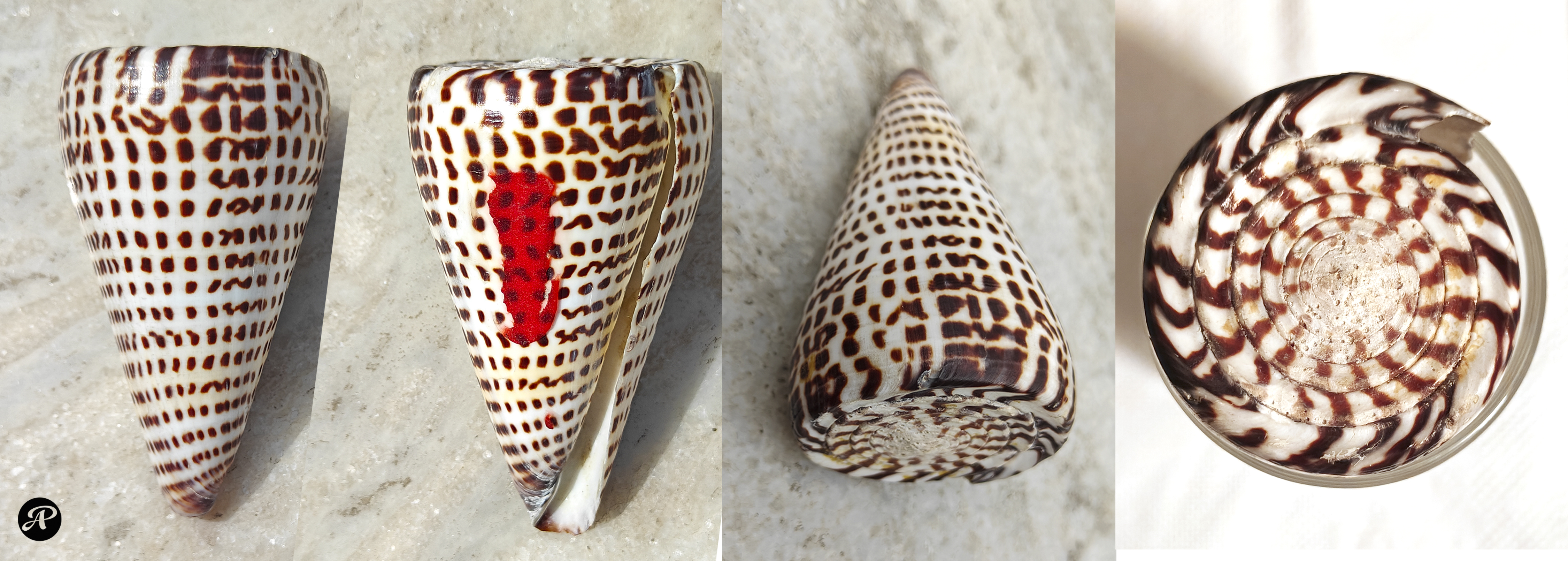
A kind aunt recently gifted this curio to Rajni together with its two cousins – the three being sea shell cones. The pattern and markings on this one fascinated me as I had not seen anything like this before so I searched a bit about it. Lo and behold, it is called “Lettered Cone” – it has found home finally – I told myself. 

Not surprising that even among the marine species of snails, gastropods, and mollusks there are ‘lettered’ and the ‘unlettered ones’. Just guessing, that among the lettered ones there must be poets and literary masters too – this one looks as if its pattern is rhyming with nature. In its top view it looks like the top of an ice cream cone filled with chocolate chunks in vanilla. Its sides look like a fancy snake skin. Holding it in hand is sheer delight, its inner curves still carrying the smell of saline waters of Indian Ocean where it is found in plenty. Don’t worry much about the red spot, it is some plastic stuck to it which I plan to remove carefully. 

A species of predatory sea cone snail or mollusk, Lettered Cone is also known as leopard cone. Like all species of conus these are venomous and capable of stinging humans. Fishermen don’t even touch it. It is the chocolate brown pattern on it which looks like a long forgotten ancient script that gives it its name and makes it look special. I learnt that “…the patterns on the Lettered Cone shells are also reminiscent of chromosomes. Possibly this is the undecipherable story the Lettered cone shell is trying to tell; a glimpse into the genetics of life on earth. For now, this deadly beauty will keep its secrets – possibly hidden in the letters of its shell.

I am told people have been obsessed with seashells since the Stone Age. These have been used as money, worn as jewelry, and used in trade. But if you’re beachcombing in the tropics, there’s one beautiful shell you can leave alone: the Cone Snail.

The Lettered Cone is the “femme fatale” of the ocean. It gets its name from the dark patterns on its shell that look like handwriting or secret codes. Every shell is unique, like a fingerprint, and some collectors even hunt for ones that look like they spell out actual words. Collectors say ‘no two messages’ are ever the same on these cones.

People have seen everything from early Arabic letters to lost codes in these patterns. Some collectors specifically hunt for “word shells”—specimens where the dots and dashes happen to line up to look like actual words.

In some cultures, these markings weren’t just seen as random; they were viewed as a way for the divine to speak to us.

From a scientific lens, these patterns are actually a real-world example of “Rule 30″—a complex mathematical rule used to study chaos and complexity in nature. It’s as if the snail is printing out a chaotic computer code as it grows.

I am not the only one obsessed with these. Over 2,000 years ago, people in Japan went on dangerous sea voyages just to find these shells turning these into bracelets for high-society women. Wearing one was not just the ultimate fashion statement it also marked the wealth of the owner enough to own something for which literally some lives could be risked.

The predator inside this pretty shell carries a harpoon of poison. Its needle-sharp tooth shoots out  toxic cocktail that can paralyze a prey in an instant. For humans, it’s incredibly dangerous—some species are nicknamed “cigarette snails” because the joke is you’d only have time for one last smoke after being stung.

But here’s the crazy part: that deadly venom of Lettered Cone is actually saving lives. A subject of neuroscientific research, scientists are turning its venom into medicine for neurological diseases like Alzheimer’s, Parkinson’s, depression and even epilepsy. They’ve even created a painkiller from it that’s 1,000 times stronger than morphine but isn’t addictive.

So, if you see one of these gorgeous patterned cones in the sand, just remember: it’s a tiny, beautiful masterpiece that packs a punch strong enough to change the world—or end your day very quickly.

Lettered Cone from the Indian Ocean

-Rajinder Arora, 15 March 2026

The World’s Happiest Graveyard: Inside Romania’s Merry Cemetery

Welcome to the Cimitirul Vesel—the Merry Cemetery.

The Village Where Death is a Punchline: A Journey to Romania’s Merry Cemetery
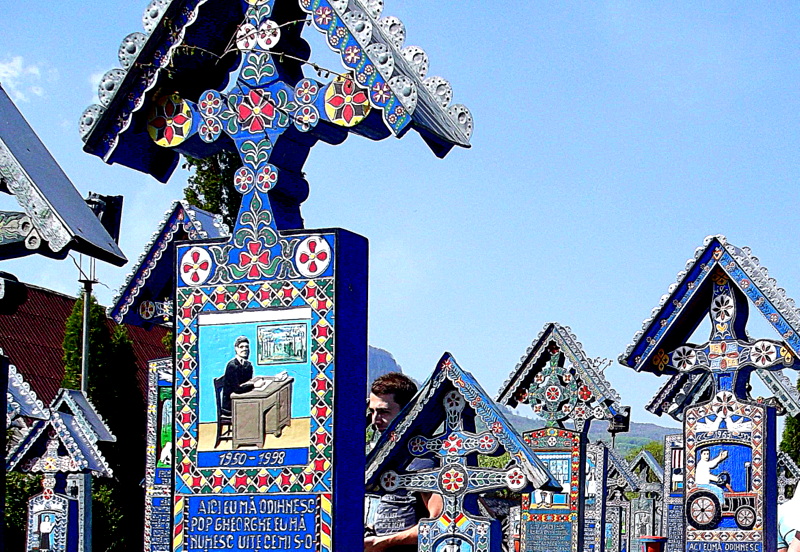
In most parts of the world, cemeteries are hushed, grey places defined by whispers and heavy hearts. But if you drive far into the northern reaches of Romania, almost to the Ukrainian border, you’ll find a village called Săpânța that sees things differently. Here, the graves don’t just sit in silence; they tell jokes, confess secrets, and burst with color.

A Forest of Blue
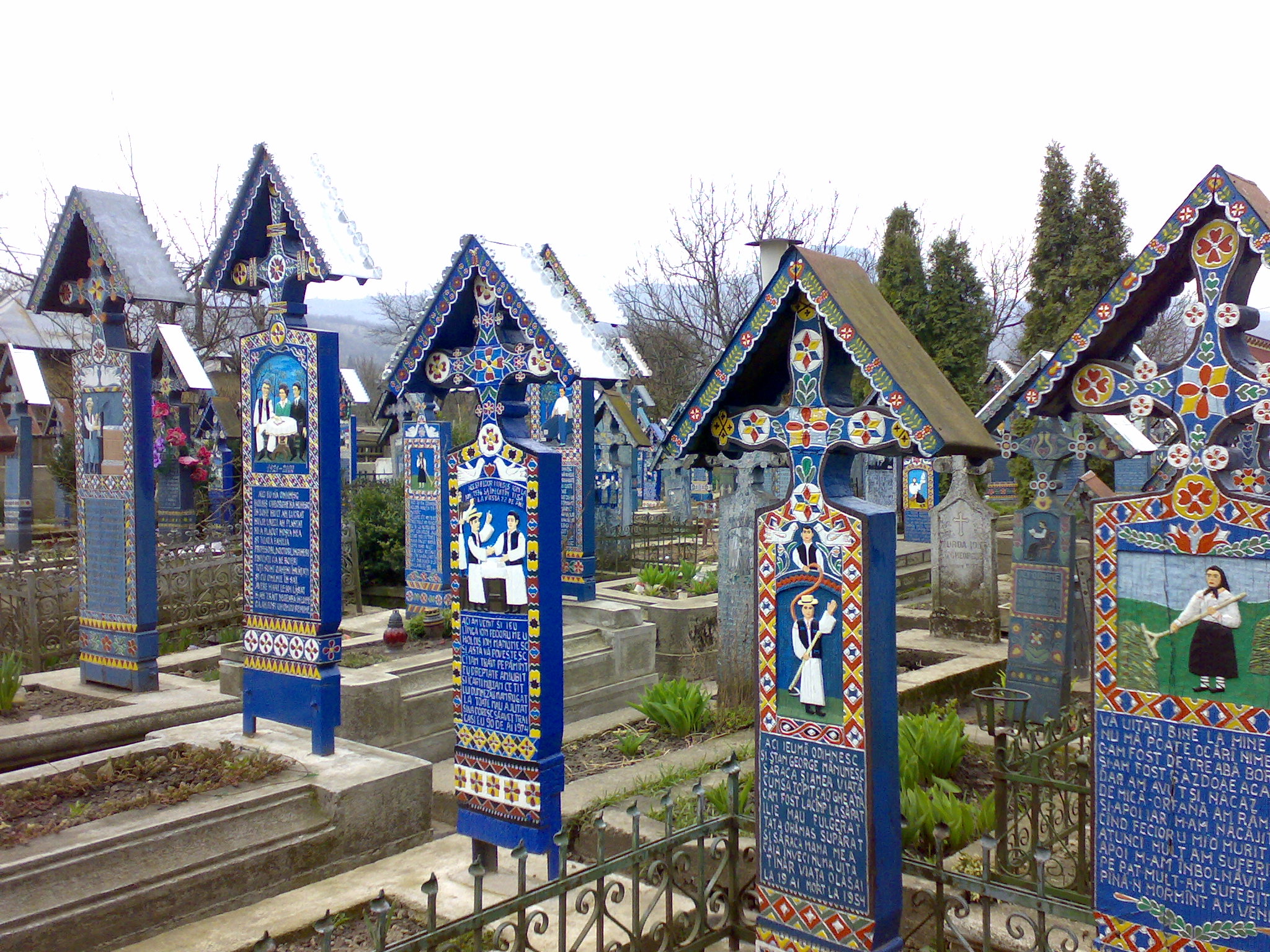
Walking into the churchyard of the Assumption, you aren’t met with cold marble or somber angels. Instead, you are greeted by a sea of vibrant, radiant blue. This specific shade, now known across the country as “Săpânța Blue,” represents the sky, hope, and the freedom of the soul.

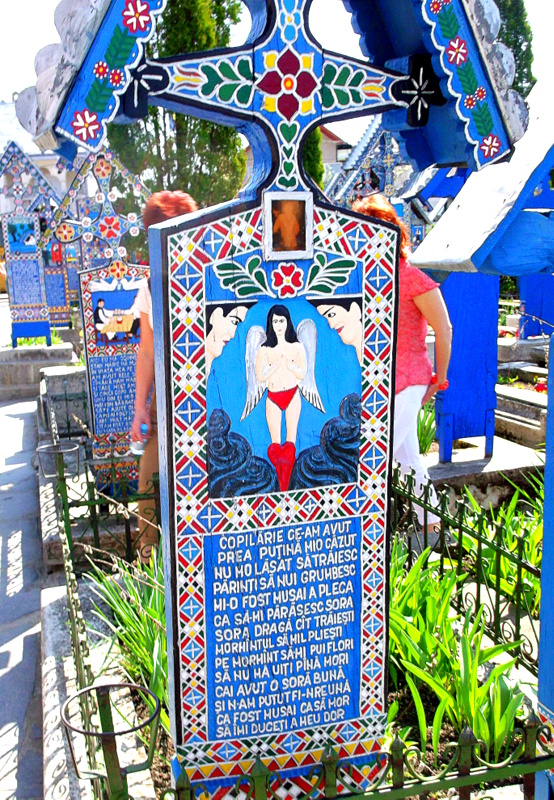
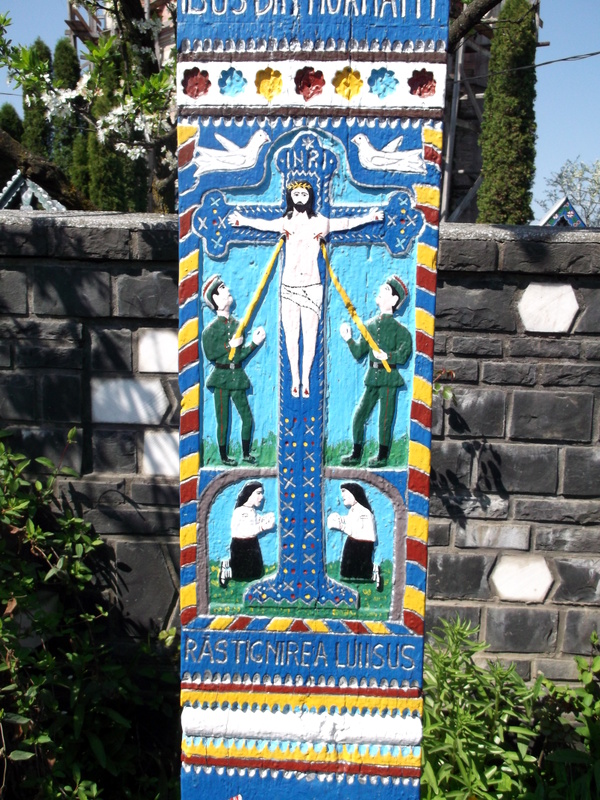
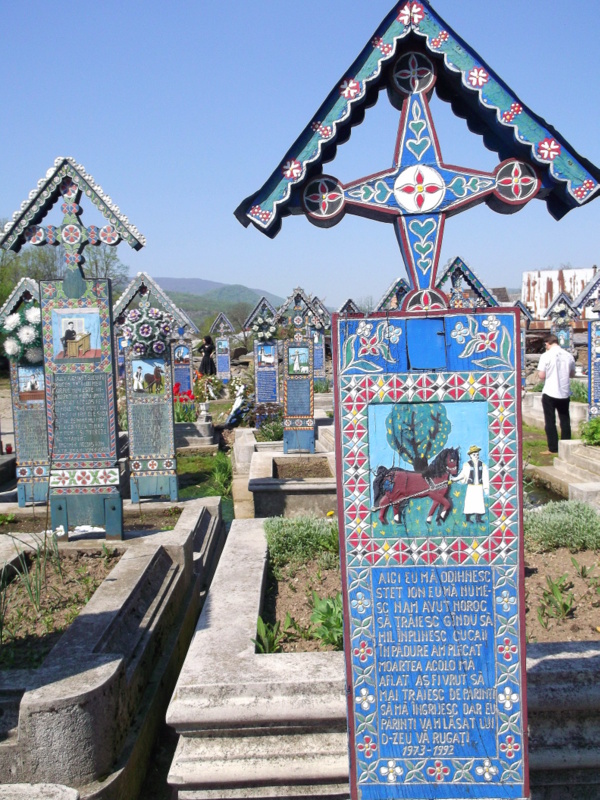
Each grave is marked by an intricately carved oak cross, topped with a little “roof” to protect it from the Maramureș snow. But it’s what is painted on the wood that stops you in your tracks. In a charming, “naive” art style, the scenes depict exactly how the person lived—or how they died. You’ll see farmers tilling fields, weavers at their looms, and more than a few scenes involving a car accident or a bottle of plum brandy.

The Man Who Started the Conversation
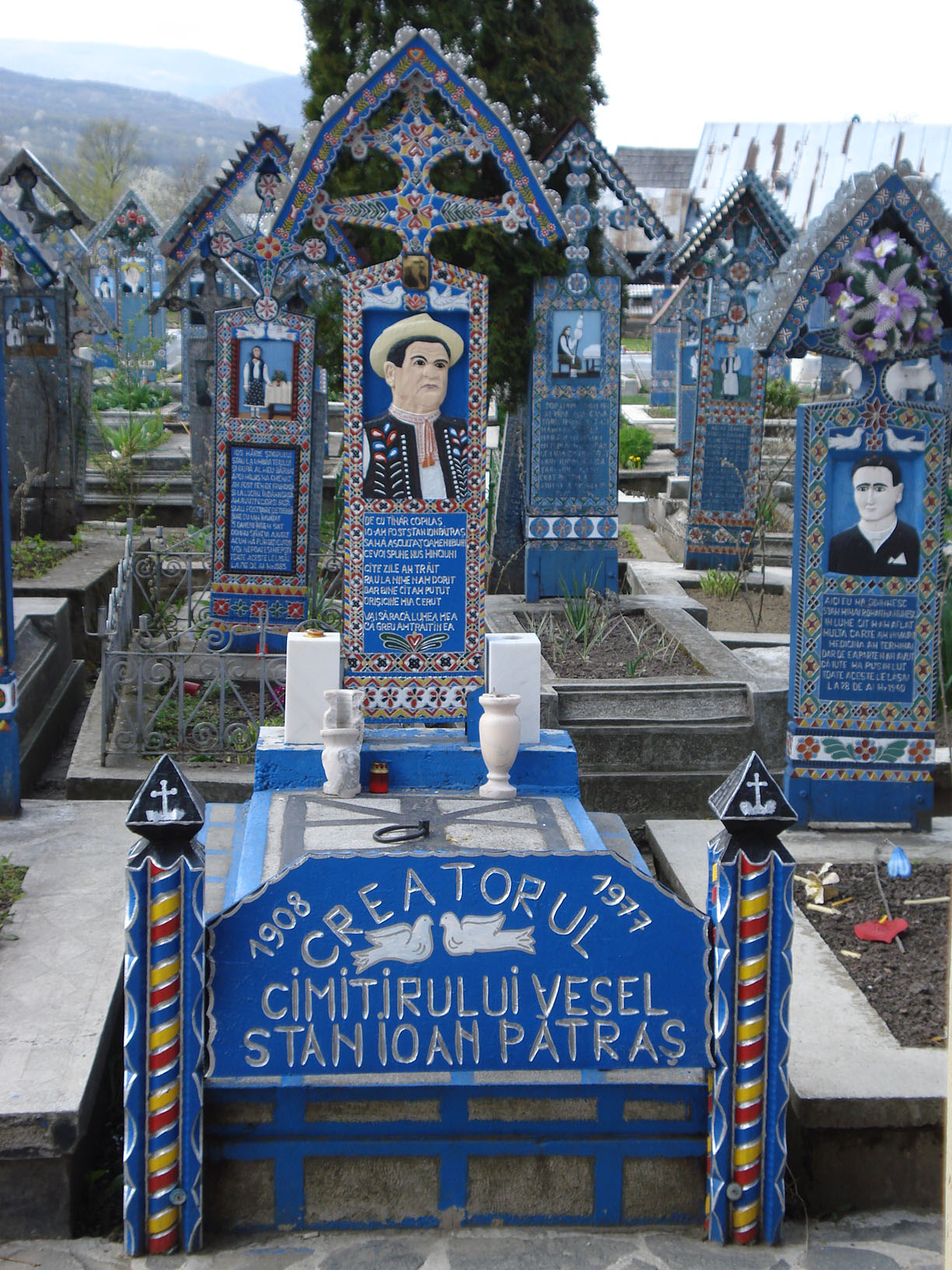
This tradition wasn’t the work of a committee; it was the vision of one man named Stan Ion Pătraș. Starting in 1935, Pătraș decided that a person’s life shouldn’t be reduced to two dates and a “rest in peace.” He believed in the truth, even the uncomfortable parts.

Between 1935 and his death in 1977, Pătraș carved over 800 crosses, including his own. Today, his apprentice Dumitru Pop carries on the legacy. Pop doesn’t just carve wood; he acts as the village historian and judge. When someone dies, the family asks him for a cross, but Pop alone decides what the painting will show and what the poem will say. Because it’s a small town, there is no hiding. If someone was a bit of a grouch or loved the local tavern too much, it goes on the cross.

Poetry from the Beyond
The real soul of the cemetery lies in the epitaphs. Written in the first person, they feel like the deceased is leaning out from the grave to share one last story with you.

Some are delightfully cheeky. One man’s grave famously features a poem about his mother-in-law, warning passersby not to wake her up:
“Try not to wake her up, because if she comes back home, she’ll scold me even more. But I will surely behave so she stays in her grave!”

Others are brutally honest about their vices, like Stefan, who admits:
“As long as I lived, I liked to drink… I drank because I was sad, then I drank to be happy. I’m still thirsty, so if you visit, leave a little wine here.”

Why the Humor?
It might seem irreverent to Western eyes, but this “merriness” is rooted in deep history. The ancient Dacians, who once inhabited these lands, believed that the soul was immortal and that death was simply a passage to a better, more joyful life. For them, dying was a moment of exaltation.

While there is still room for sadness—such as the heartbreaking cross of a three-year-old girl lost to a tragic accident—the prevailing feeling is one of celebration. It is a reminder that while death is inevitable, a life well-lived (with all its flaws and foibles) is something worth talking about.

Planning Your Visit
The Merry Cemetery has rightfully earned its spot as one of the “Seven Wonders of Romania.” It’s an open-air museum that captures the heartbeat of a village that refuses to be silenced by the grave.

All images courtesy Wikipedia

Resources:
Virtual Tour: FindAGrave – Săpânța Archive
Photo Archive: Visual Gallery

आपका दिल किस पारो पे लुटा था ?

शरत चंद्र चटोपाध्याय के लिखे बांग्ला उपन्यास “देबदास” (1917) में पारो के क़िरदार का असली नाम पार्वती है। ये वो पार्वती है जिसका प्यार परवान न चढ़ सका, उन चंद लम्हों के लिए भी नही जब देवदास उसके घर के बाहर आख़िरी साँसे गिन रहा था। प्रेम और विरह के दर्द की अद्भुत कहानी तीन किरदारों की है – देवदास, उसके बचपन की दोस्त पारो यानि पार्वती और पेशे से तवायफ चंद्रमुखी की। देवदास के अज़ीम किरदार और इस कहानी पर तीन बार हिंदी फिल्म चुकी हैं। हालांकि पार्वती या पारो और चंद्रमुखी के क़िरदार भी कुछ कम नहीं हैं फिर भी फ़िल्म बनाने वालों ने हर बार पुरुष प्रधान फिल्म ही बनाई। इसके बावज़ूद फिल्म देख कर जब आप थिएटर से बाहर आतें हैं तो चंद्रमुखी या पारो के बारे में ही बात करते हैं, देवदास हर पल अपने को मौत की तरफ़ धकेलता है और मर चुका होता है । “कौन कम्बख़्त है जो बर्दाश्त करने के लिए पीता है , मैं तो पीता हूँ के बस साँस ले सकूँ “। फिल्म पहली बार 1936 में कुंदन लाल सहगल के साथ, दूसरी बार 1955 में दिलीप कुमार वाली और 2002 में शाह रुख़ ख़ान के साथ बनी । उपन्यास को आये 107 साल और आख़िरी देवदास फिल्म को आये 22 साल हो चुके हैं फिर भी कुछ ऐसा है इस कहानी में कि हम इसे भूलना नहीं चाहते। इश्क़ की टीस और इस बुझते अलाव में चिंगारियों को ज़िंदा रखना चाहते हैं। तीनों फिल्मों के मुख्य पुरुष अभिनेता या फ़नकार ट्रेजेडी किंग माने जाते हैं फिर भी पार्वती या पारो की ट्रेजेडी फिल्म की ट्रेजेडी है। 

आपका दिल किस पारो पे लुटा था ? 

एक पारो और है। इस पारो की ट्रेजेडी भी शरत चंद्र की पारो  से कम नही। अदब या साहित्य की दूसरी पारो। नमिता गोखले के अंग्रेज़ी नॉवेल ‘पारो’ वाली पारो। नमिता जी ने अपनी पारो के क़िरदार को पार्वती की लाग लपेट से दूर रखा। ये पारो 80 के दशक की दिल्ली से है, शरत चंद्र के भद्र लोक से दूर। इस पारो को अवतरित हुए भी 40 बरस हो चुके हैं। पहली बार ये क़िताब 1984 में छपी थी और तब से लगातार बिक रही है । इस पारो को मैं कल दोबारा मिला। 

21वीं  सदी के माहौल में पारो ने एक और उत्तेजक अंगड़ाई ले कर ढ़ीली चड्डी वाले दिल्ली के मर्दों की फिर से आज़माइश करने की ठानी है। कहीं रूमानी, कहीं आशिक़ाना और कहीं कामुकता के हर परदे को उठाती पारो ऊपरी सतह पर तैरती समाज की हर असलियत और कमज़ोरी को बीच बीच में सामने लाती है। हर औरत के अंदर एक पारो छुपी है, ज़रूरी नहीं के उसके सपने लालसा और वासना से भरे होते हैं पर वो भी अमीरों और पहुंचे हुए तबके की दुनिया को देखना चाहती है, छूना चाहती है उसका ज़ायका लेना चाहती है। वो जानना चाहती है कि देखते ही देखते दूसरी औरत कैसे मध्यम वर्ग से उच्च वर्ग में अपनी पहचान बना लेती है और ये समाज कितनी आसानी से सब देख कर भी अनदेखा कर देता है, मक्खी निगल लेता है। पारो की कहानी प्रिया बताती है, दिल्ली और बम्बई  समाज की जिसमे कोई देवदास नहीं होते हुए भी प्रेम दुखद ट्रेजेडी ही रहता है।     

‘पारो’ के नए संस्करण और किताब के 40 साल के सफ़र पर नमिता गोखले जी से अम्ब्रीश सात्विक की रोचक बातचीत कल शाम (24 अगस्त) दिल्ली के हैबिटैट सेंटर में हुई, जिस से लेख़क और क़िताब के बारे में कुछ नई बातों का पता चला। इसी साल, 2024 में, पेंगुइन ने इसे अपनी क्लासिक श्रंखला में छाप कर “पारो” को गौरव ग्रन्थ या आला दर्जे का क़रार दिया है। यक़ीनन पारो एक क्लासिक है। आप ज़रूर पढ़ें।