
Sisters share more than just the mother – they share memories, morsels and mirth. As sisters age together they share bodily pains and aches, develop identical creases on their faces and near-similar throbbing blue veins under wrinkled skins in which the biological code of generations is embedded. Well past their nineties, sisters start looking like identical twins with similar, puzzling faces. Their toothless smiles and groggy grunts sound so much alike that their own children can confuse one for the other. When they huddle together with faces covered, their own sons falter in picking the Mother from the Massi.
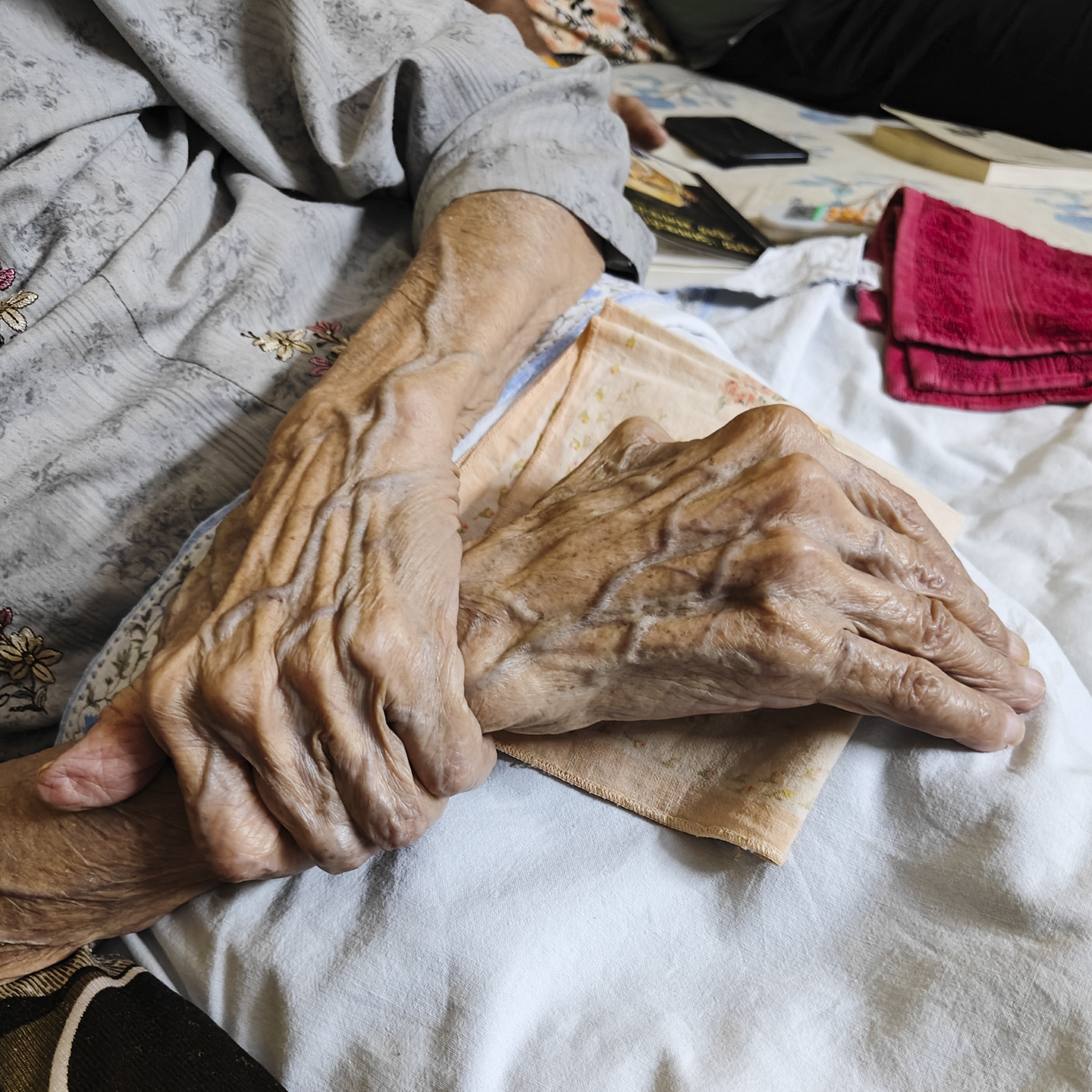
Only when I looked closely did I find that my massi had slightly broader nails on her long dainty fingers. Ma’s fingernails were naturally manicured into perfect rounded shapes, she rarely filed them, rounded the tips or even applied nail enamel. Earlier in life Ma would chew nails when anxious.
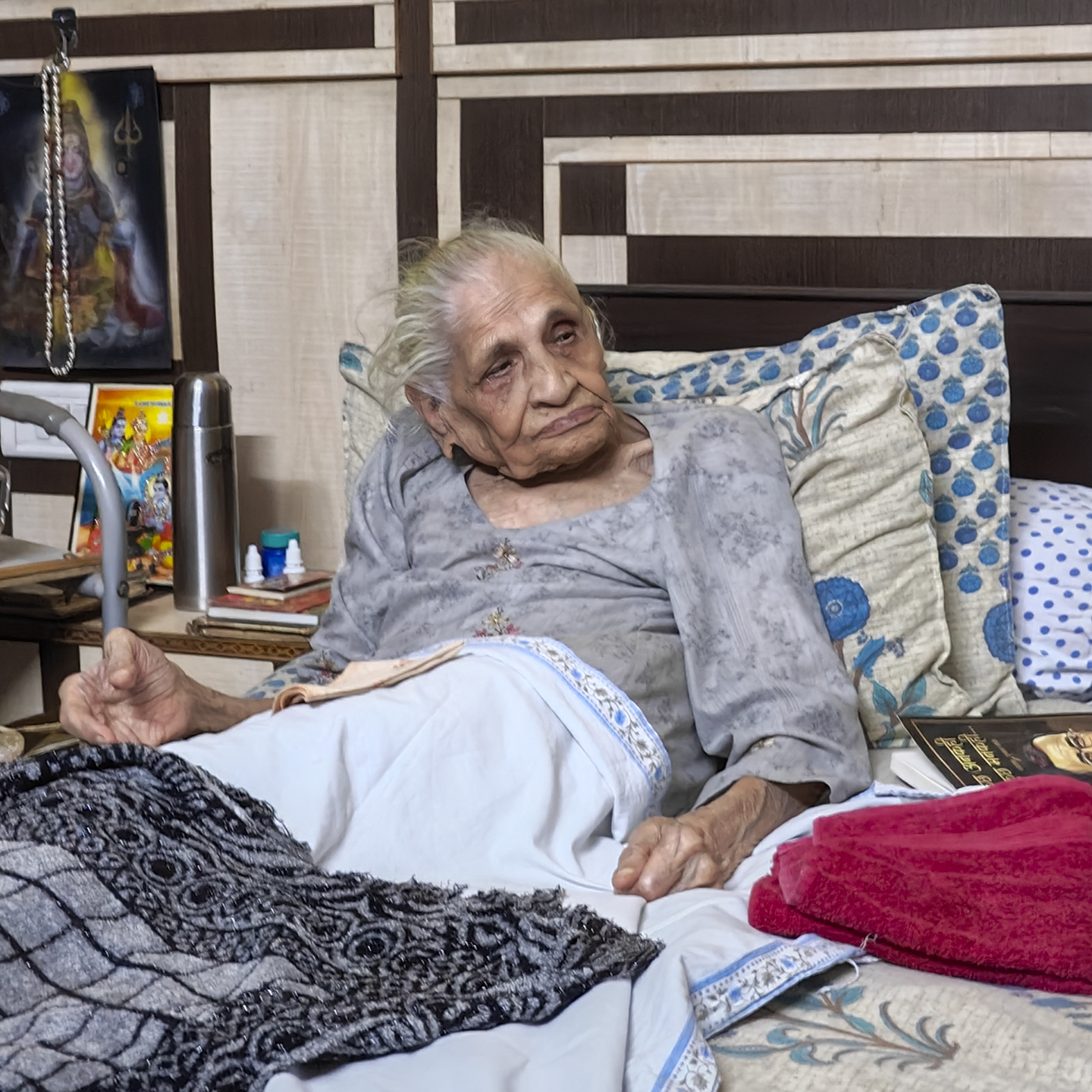
Having lost my mother six weeks ago, I am here in Suratgarh to see my Massi who is Ma’s immediate older sibling. Having been privy to their phone calls, thrice a day for over two decades, I can vouch that the attachment between two sisters who lived past ninety is a rare, beautiful masterpiece shaped by nearly a century of shared existence. Their connection transcends words, relying on a silent, comforting telepathy built over nine decades. They are living mirrors for one another, anchoring each other to reality and providing a unique comfort that nobody else can duplicate. Massi threw up her hands and cried for an hour upon seeing me. It was very difficult to control her and I wanted her to pour out the grief.
Ma and Massi shared a private universe of memories (from Jhang, Lahore, Rohtak and Patna), remembering the same childhood home, their parents, and the trials of the Partition era that we have only read about in history books. For years their bond provided an unmatched sense of emotional security, offering each other a safe harbour where they could be themselves: ‘Sisters Without Pretense’.
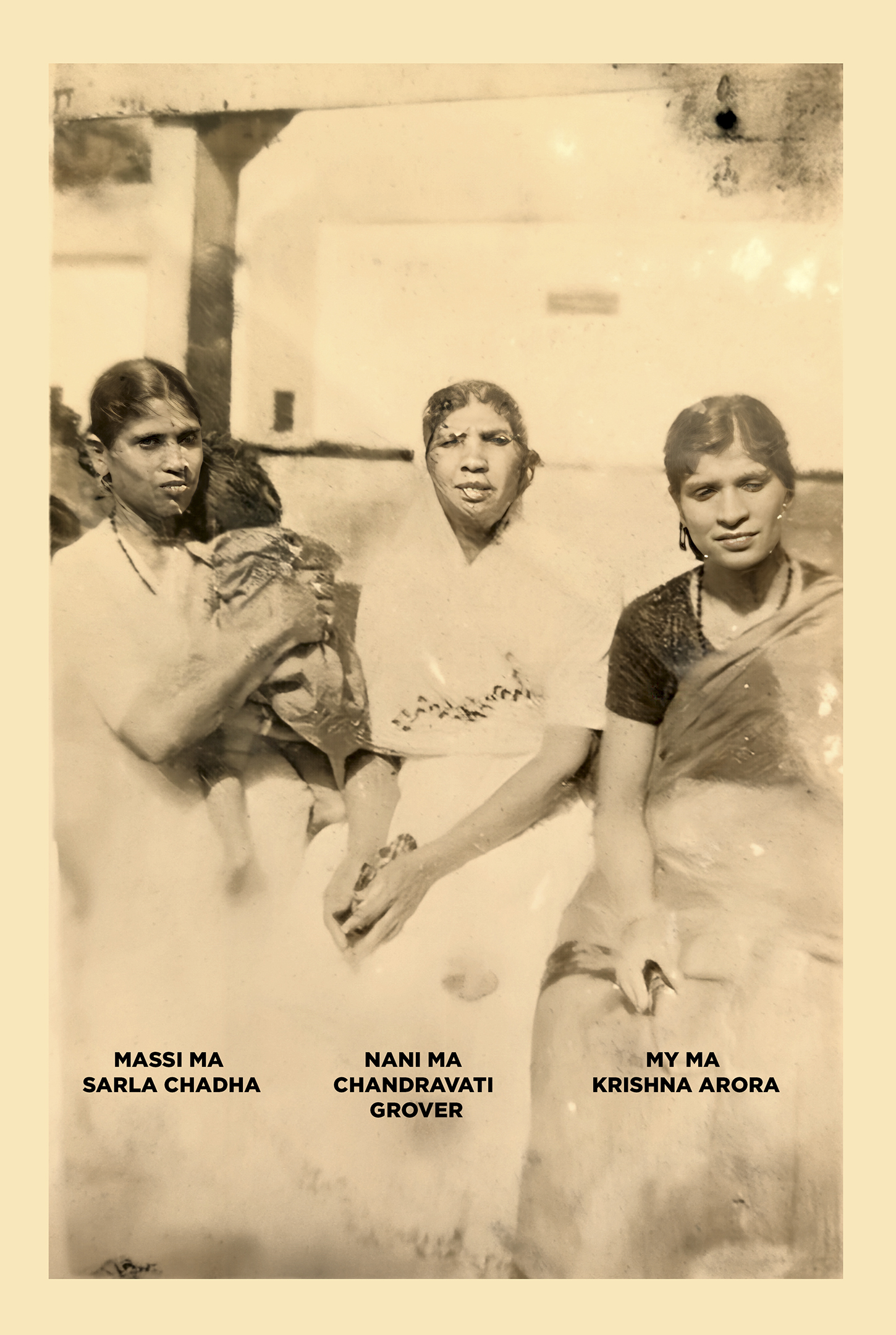
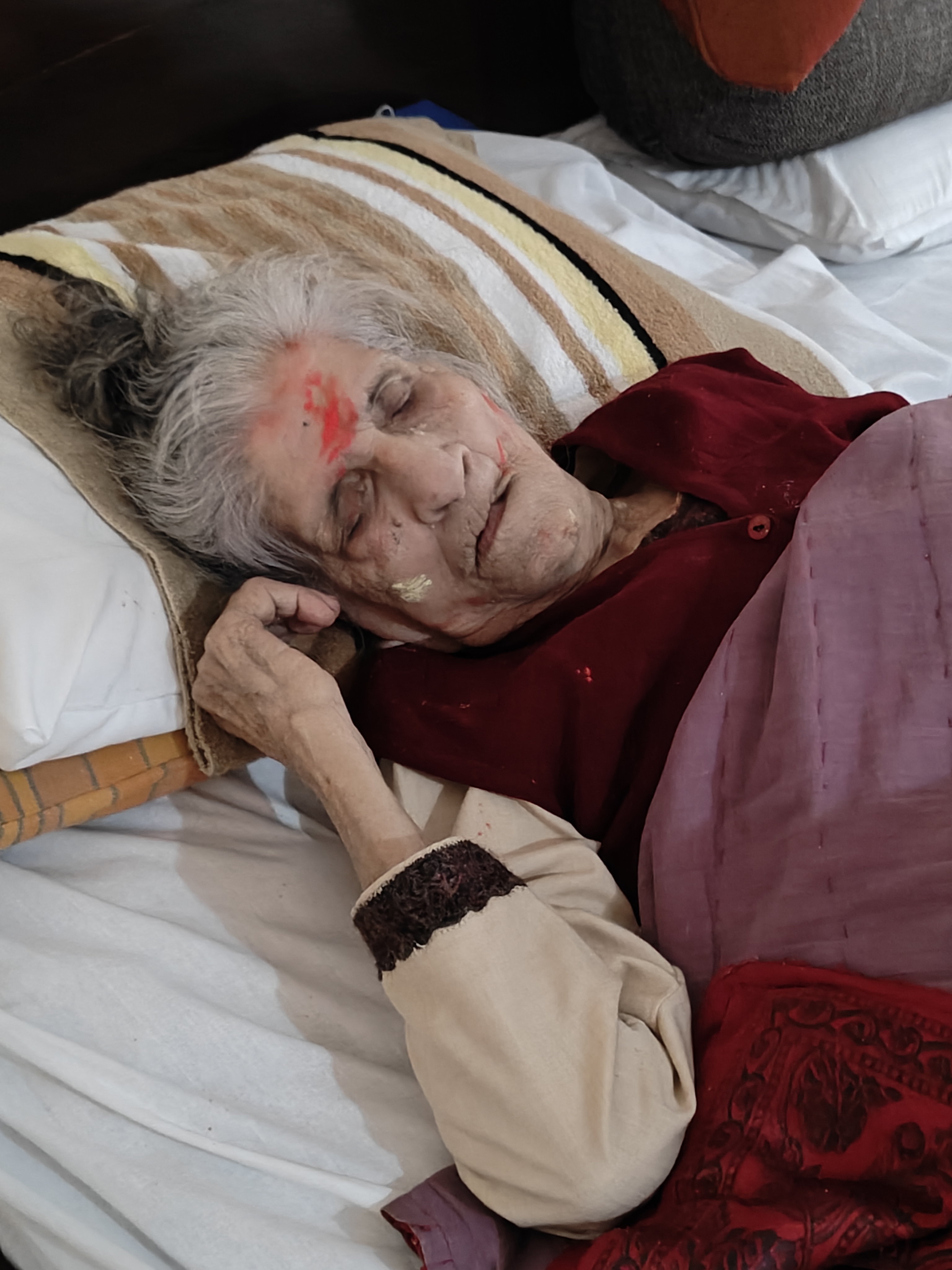
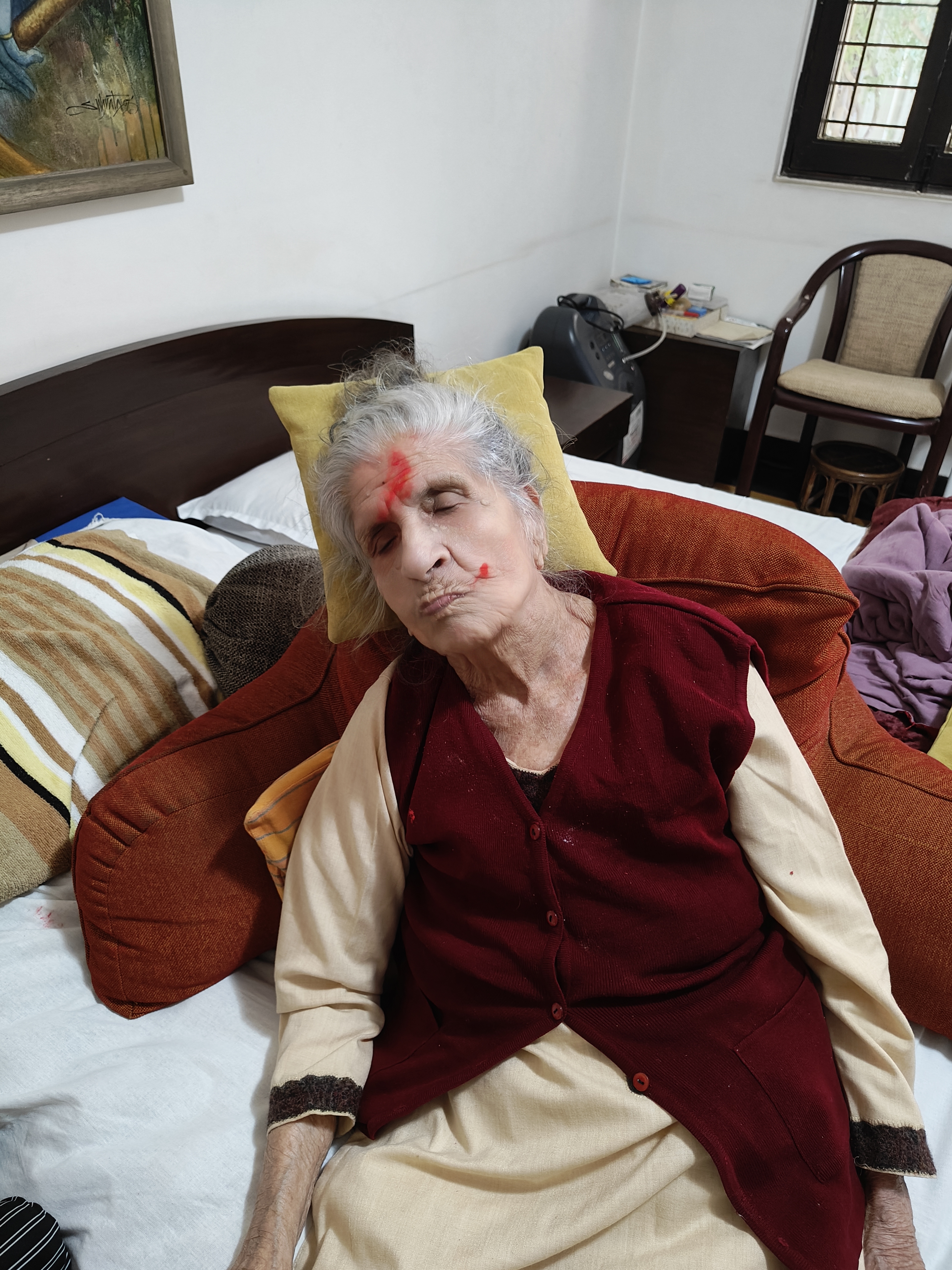
Meeting Sarla Massi was something I owed my mother and myself—a plan that couldn’t materialize because of Ma’s detriorating health. Meeting her favourite nephew (me), massi is at peace and I too feel at peace when I stand in front of Ma’s photo. ‘Ma, we met her, Sarla auntie is fine.’ In this poignant picture from the 50s, the sisters share a special moment with their Mom, my Nani, Chandravati. And the other picture is of Sarla auntie and her hands from a few days ago. This is the last piece of our Suratgarh sojourn.




You must be logged in to post a comment.