Suratgarh sojourn

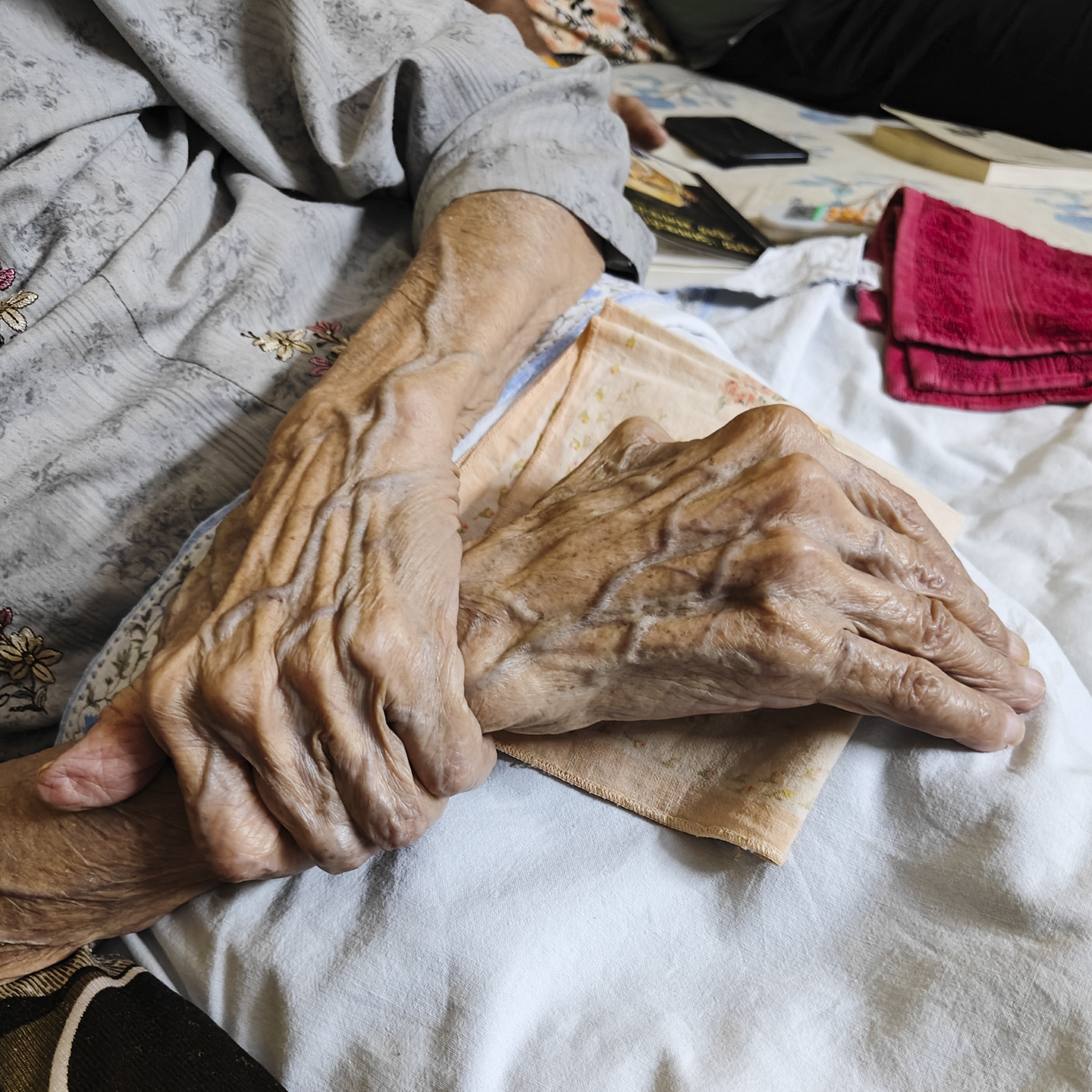
Sisters share more than just the mother – they share memories, morsels and mirth. As sisters age together they share bodily pains and aches, develop identical creases on their faces and near-similar throbbing blue veins under wrinkled skins in which the biological code of generations is embedded. Well past their nineties, sisters start looking like identical twins with similar, puzzling faces. Their toothless smiles and groggy grunts sound so much alike that their own children can confuse one for the other. When they huddle together with faces covered, their own sons falter in picking the Mother from the Massi. 

Only when I looked closely did I find that my massi had slightly broader nails on her long dainty fingers. Ma’s fingernails were naturally manicured into perfect rounded shapes, she rarely filed them, rounded the tips or even applied nail enamel. Earlier in life Ma would chew nails when anxious.

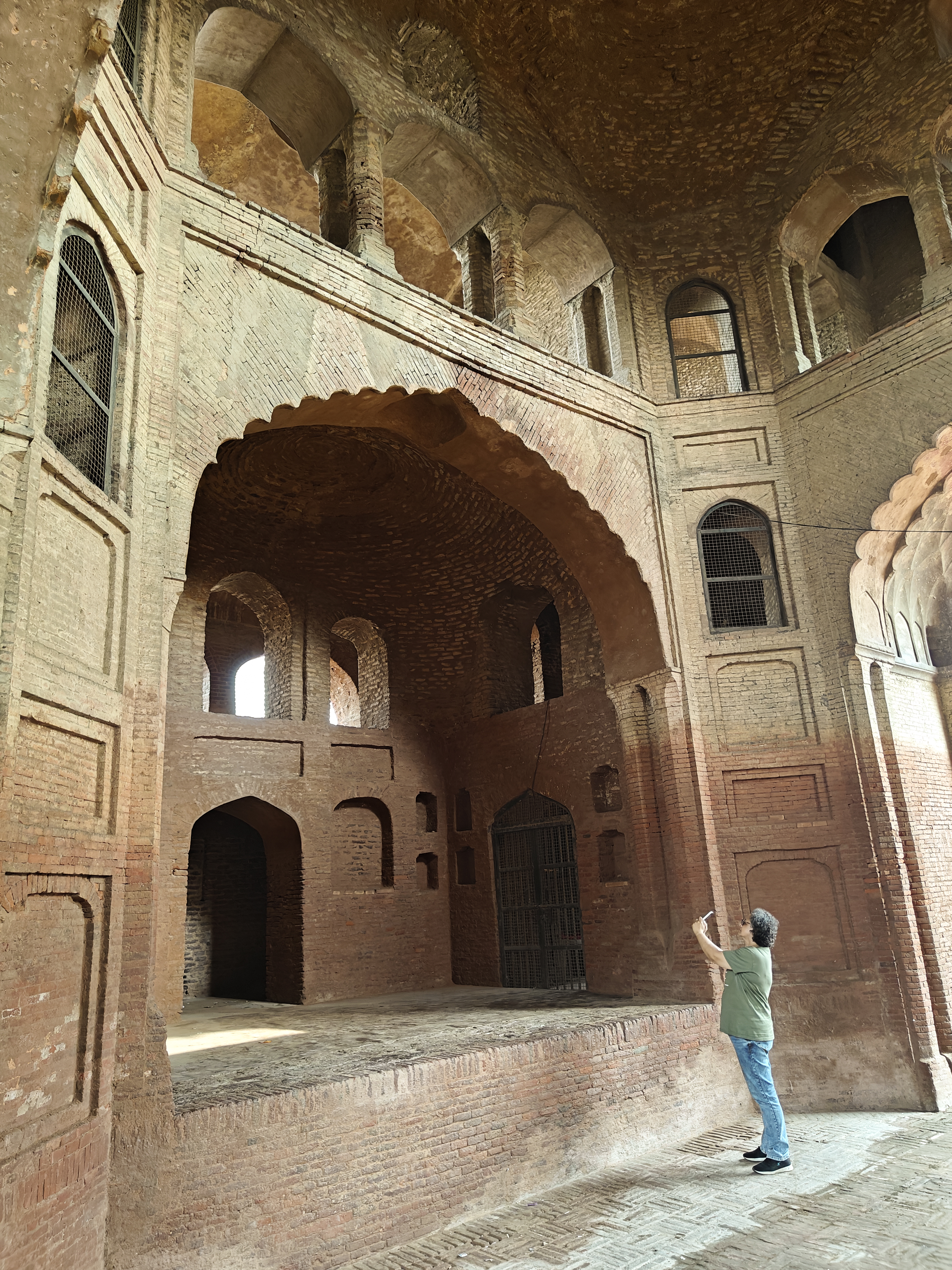
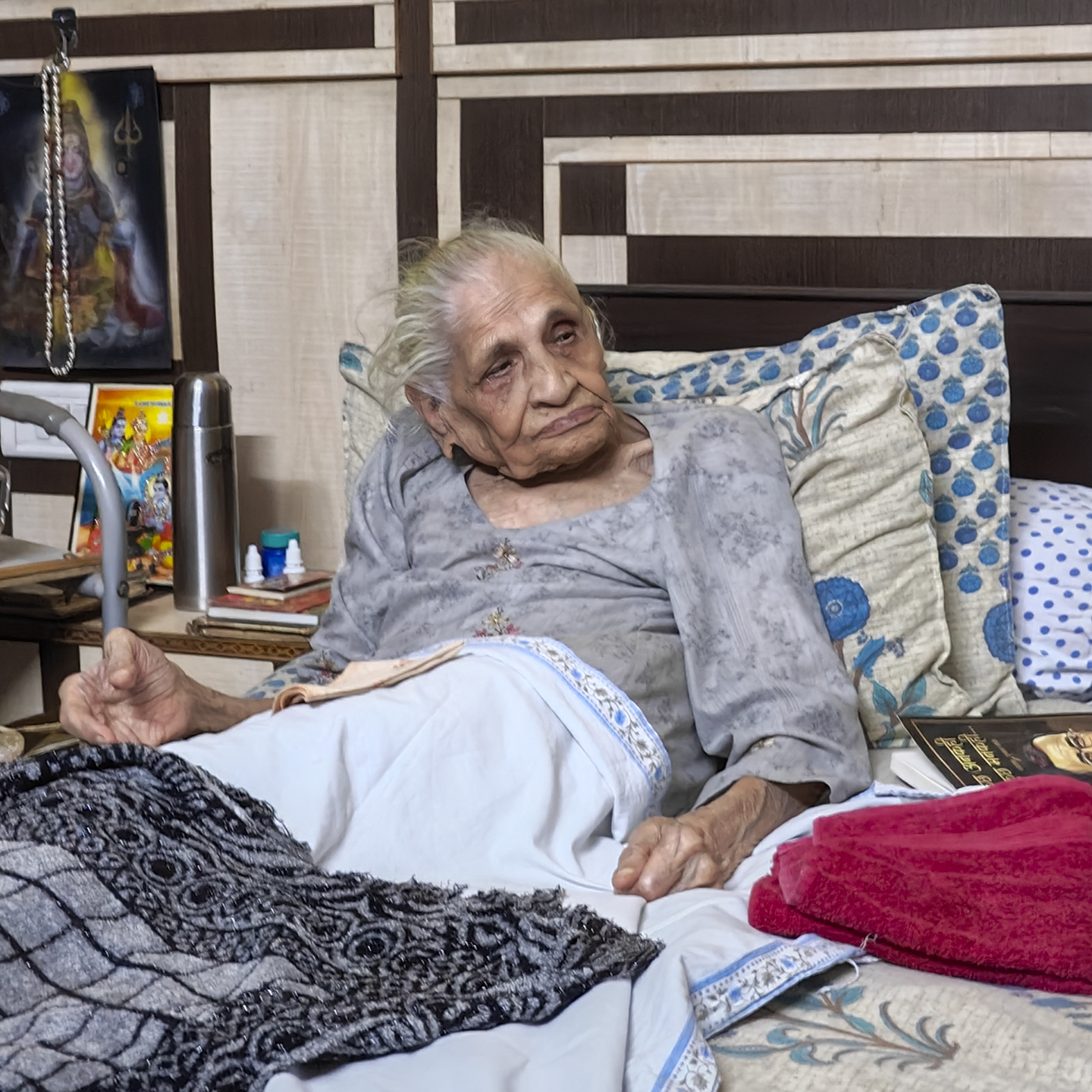
Having lost my mother six weeks ago, I am here in Suratgarh to see my Massi who is Ma’s immediate older sibling. Having been privy to their phone calls, thrice a day for ​o​ver two ​d​ecades, I can vouch that the attachment between two sisters who lived past ninety is a rare, beautiful masterpiece shaped by nearly a century of shared existence. Their connection transcends words, relying on a silent, comforting telepathy built over nine decades. They are living mirrors for one another, anchoring each other to reality and providing a unique comfort that nobody else can duplicate. Massi threw up her hands and cried for an hour upon seeing me. It was very difficult to control her and I wanted her to pour out the grief.

Ma and Massi shared a private universe of memories (from Jhang, Lahore​,​ Rohtak​ and Patna), remembering the same childhood home, their parents, and the trials of the Partition era that we have only read about in history books. For years their bond provided an unmatched sense of emotional security, offering each other a safe harbour where they could be themselves: ‘Sisters Without Pretense’.

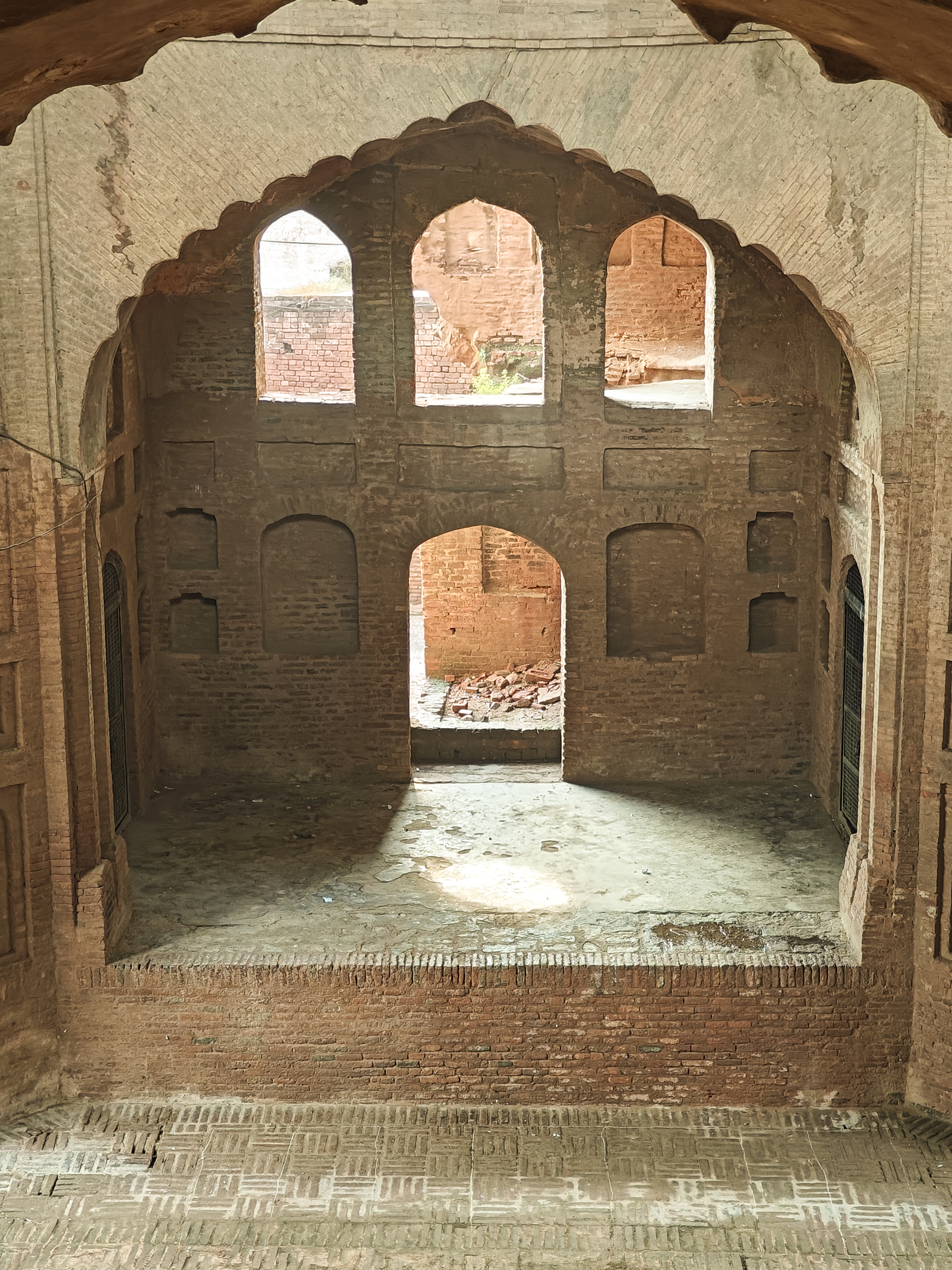
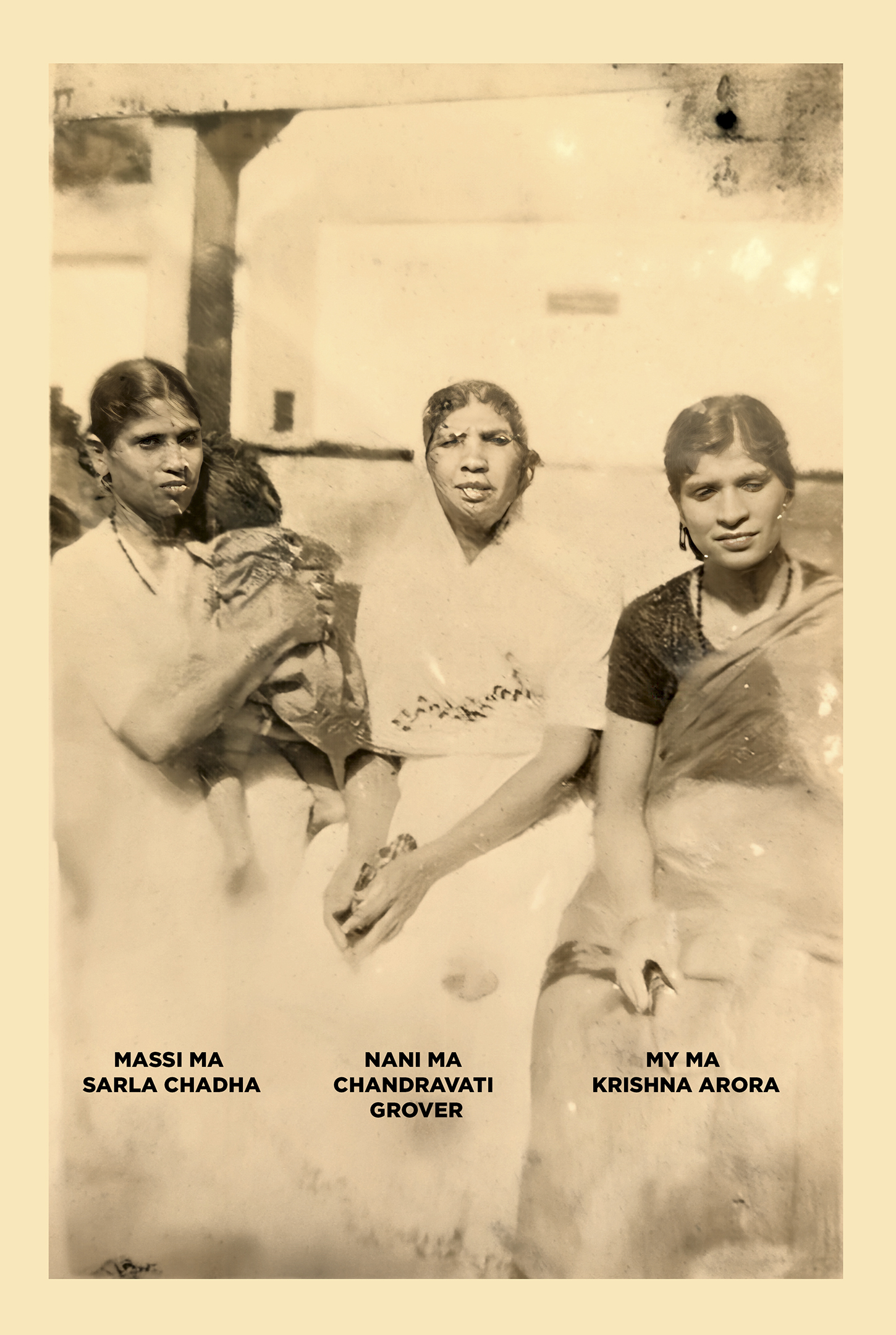
Meeting Sarla Massi was something I owed my mother and myself—a plan that couldn’t materialize because of Ma’s detriorating health. Meeting her favourite nephew​ (me), massi is at peace and I too feel at peace when I stand in front of Ma’s photo. ‘Ma, we met her, Sarla auntie is fine.’ In this poignant picture from the 50s, the sisters share a special moment with their Mom, my Nani, Chandravati. And the other picture is of Sarla auntie​ and her hands from a few days ago. This is the last piece of our Suratgarh sojourn.​

Suratgarh desert sojourn

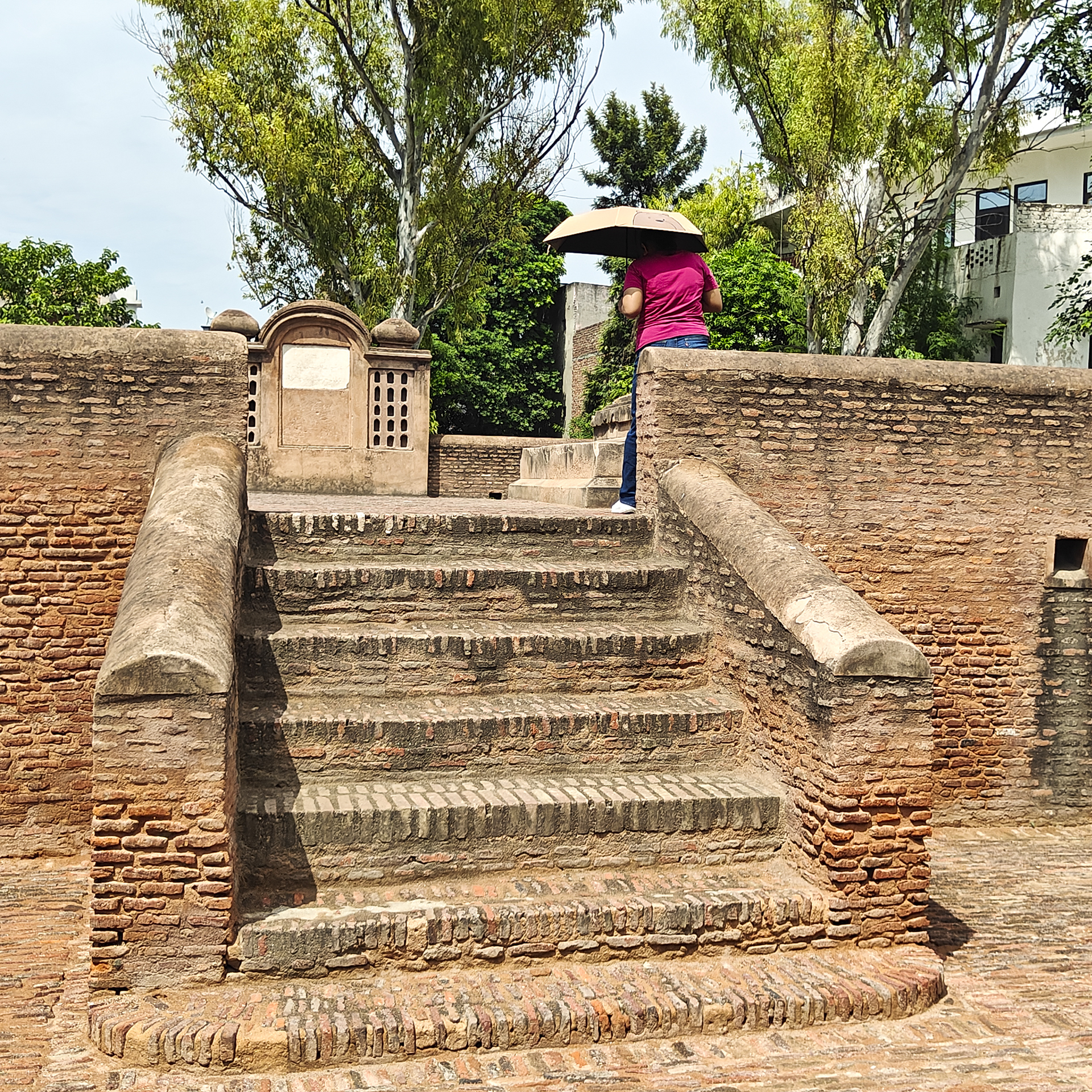
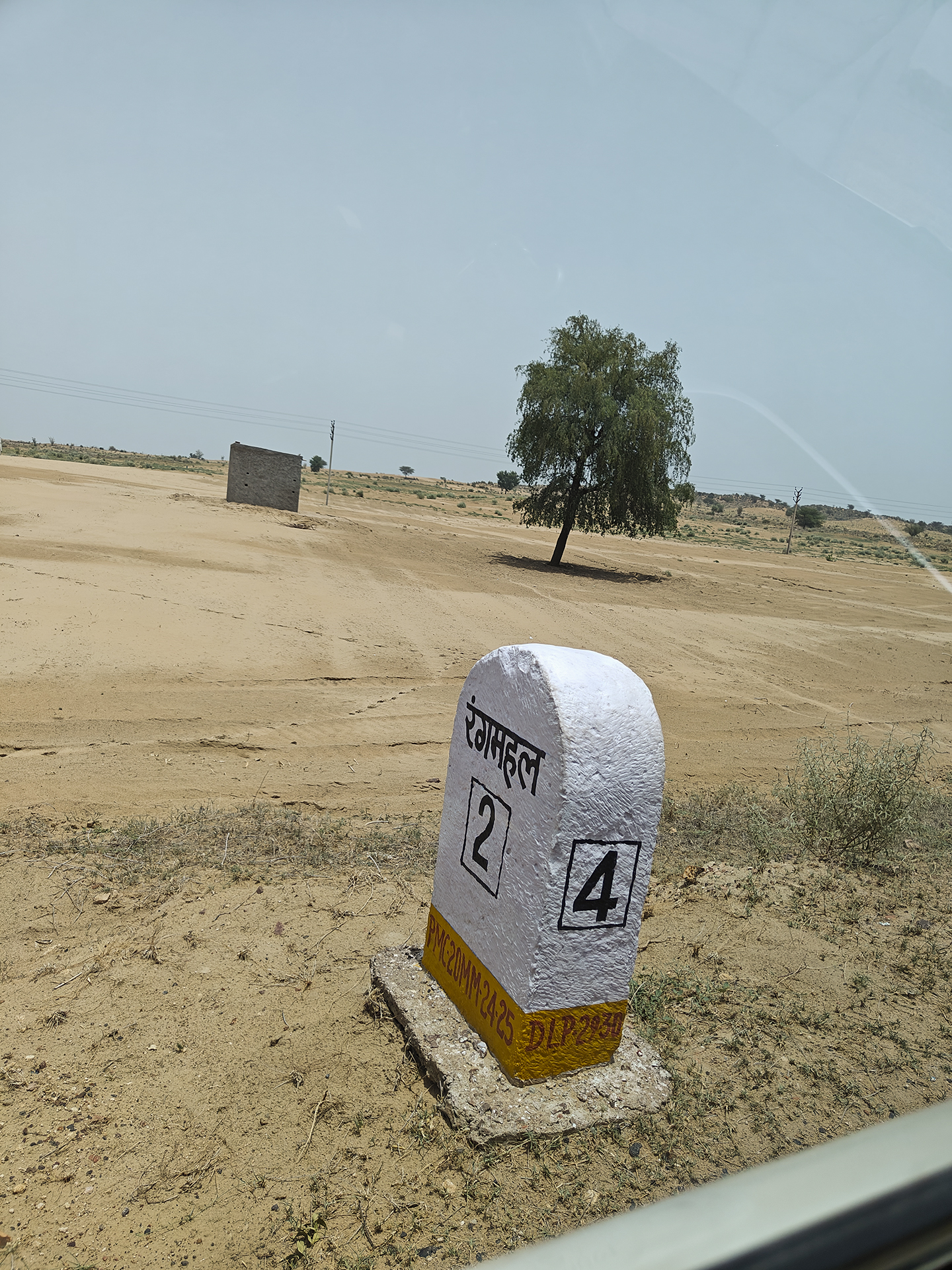
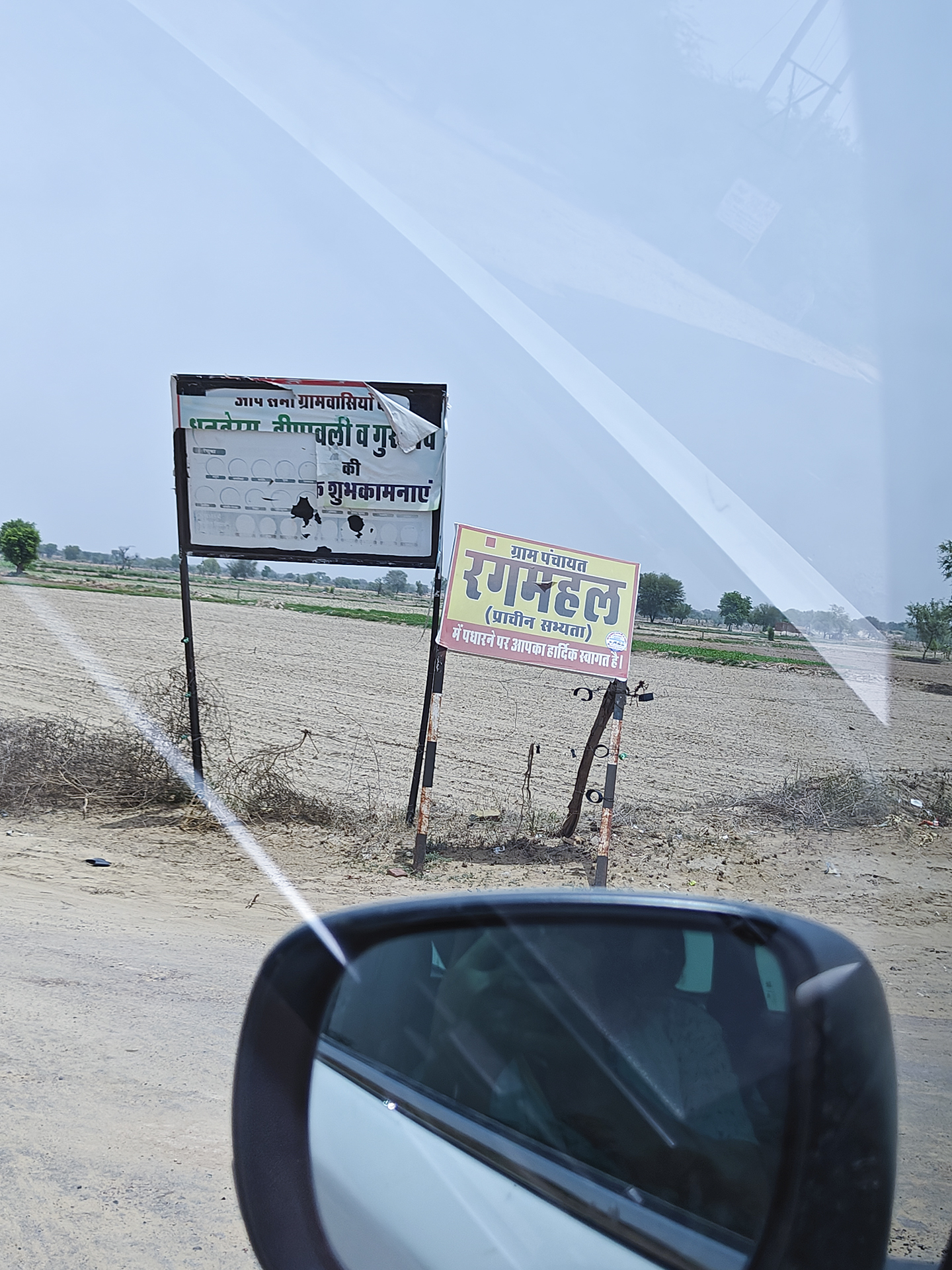
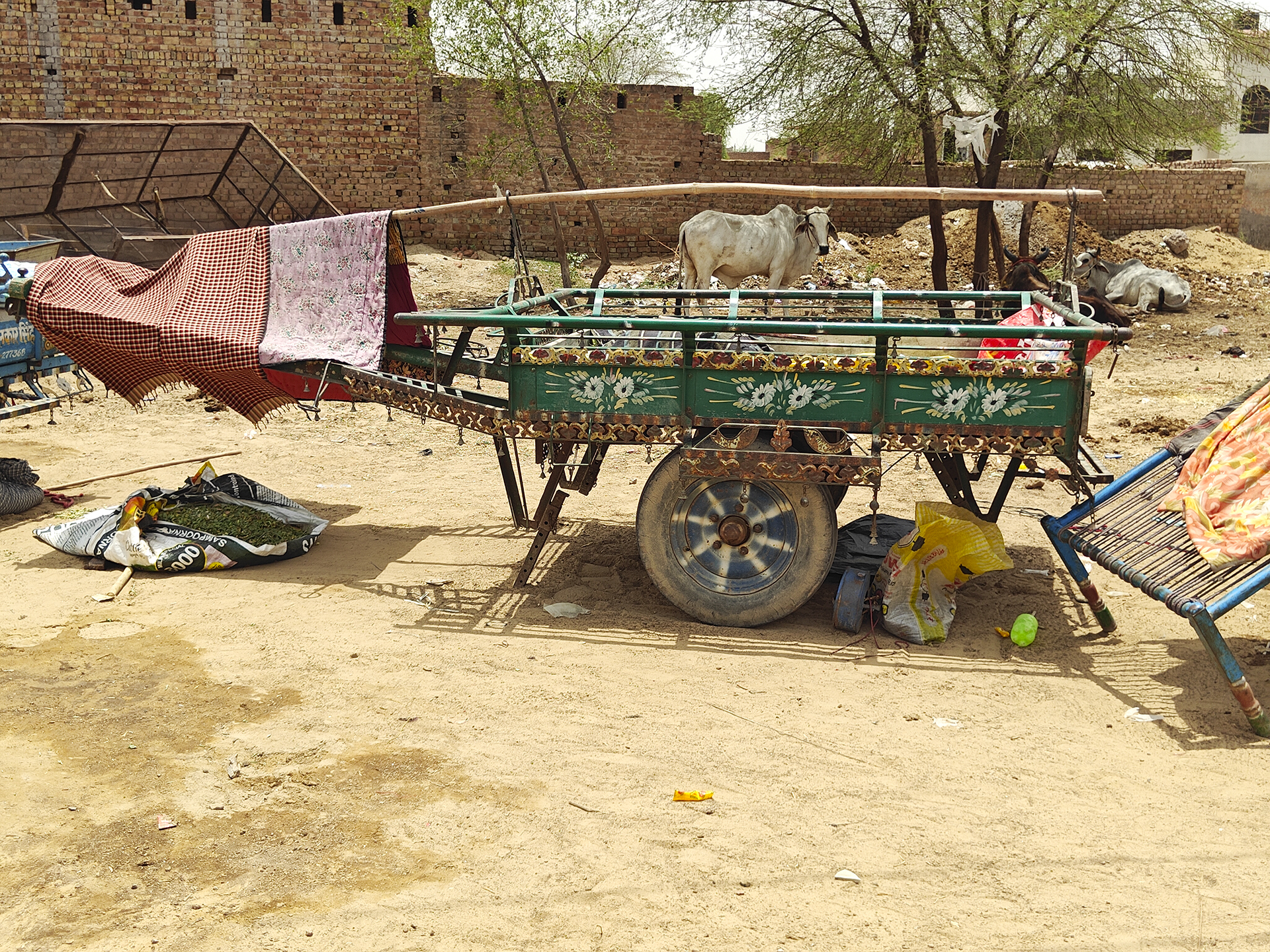
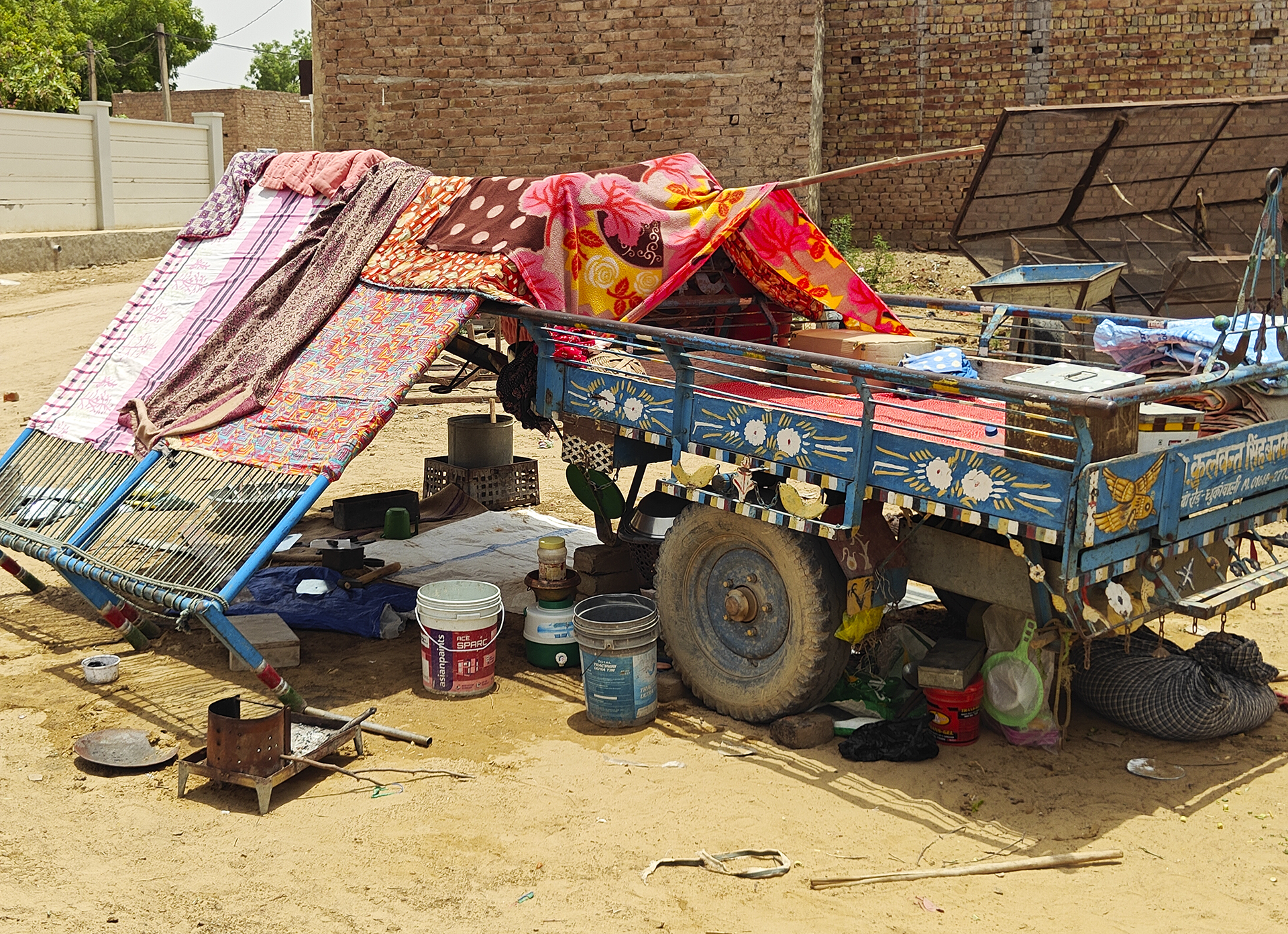
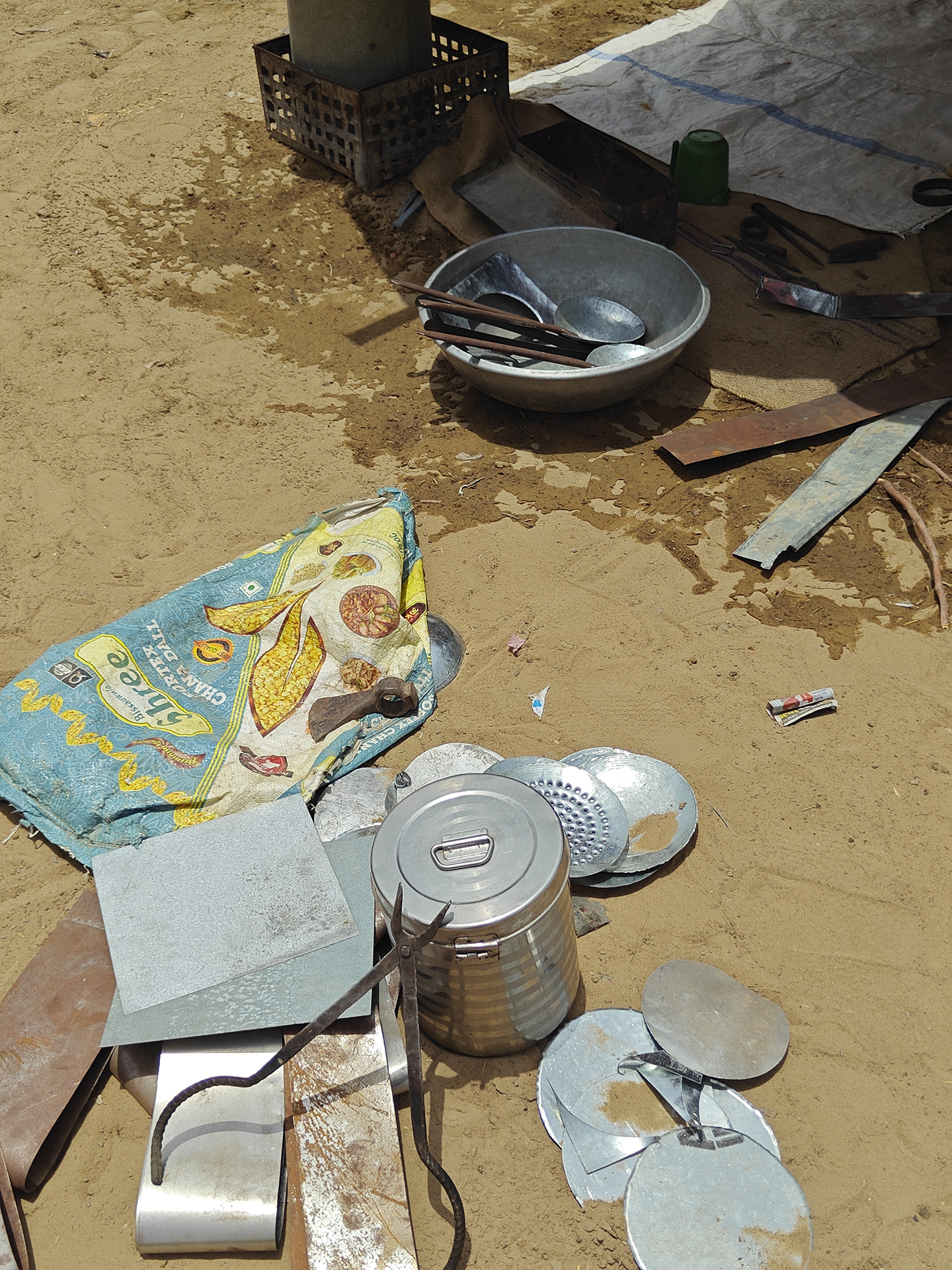
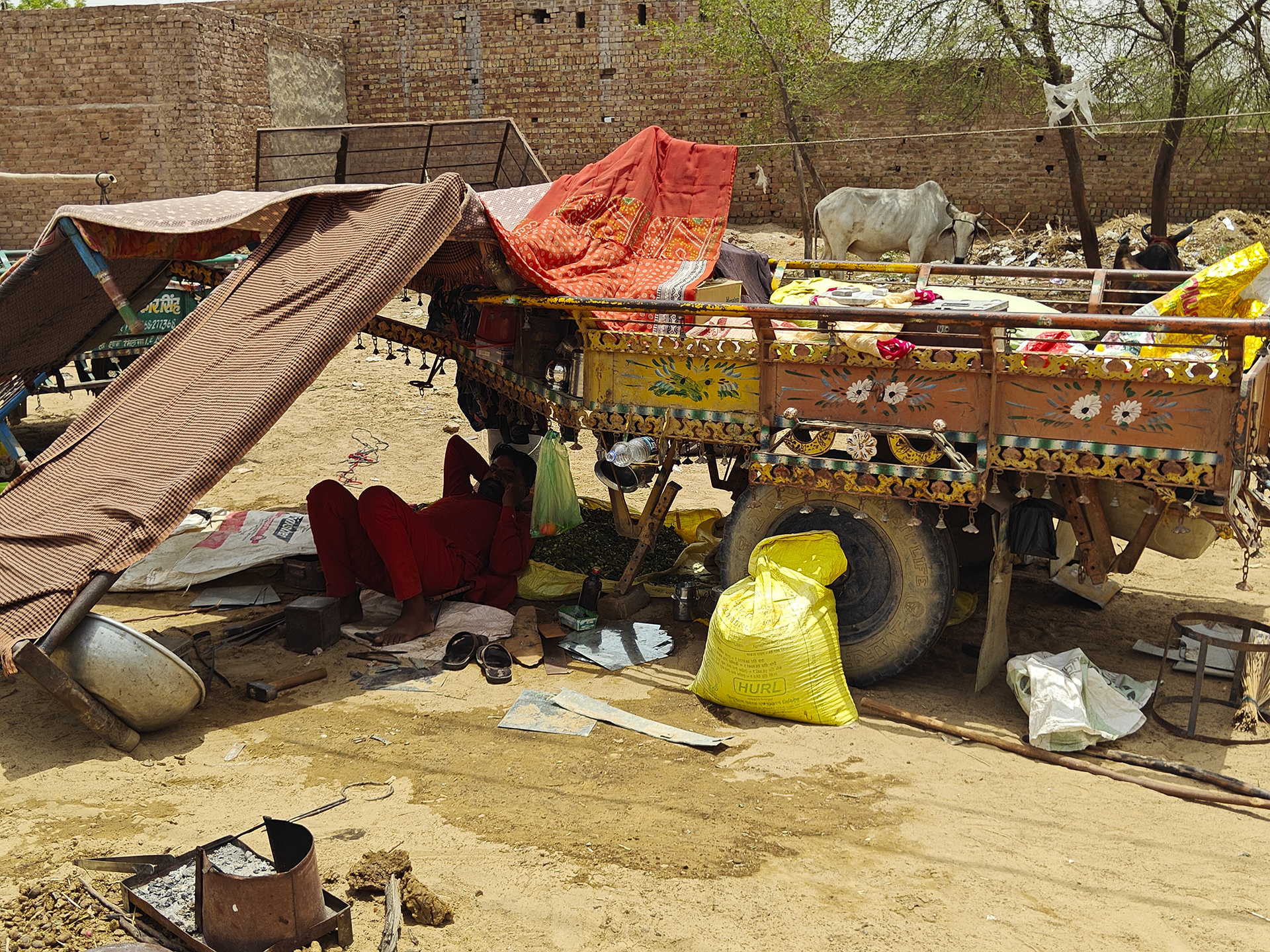
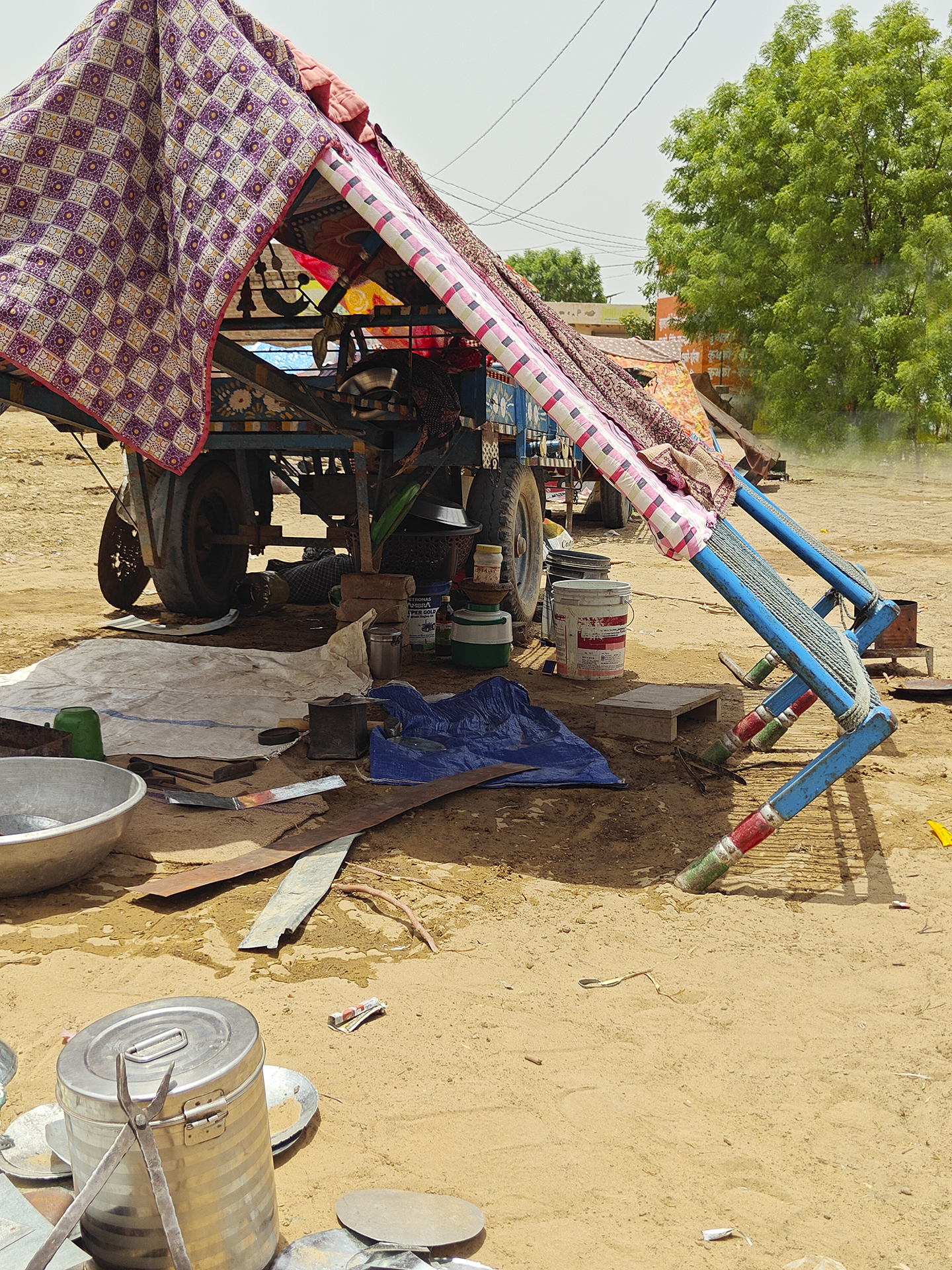
Far away from their barren sandy homeland, a group of wandering Gadiya Lohars (Blacksmiths) are surviving in this fierce desert carrying on with their traditional craft of making iron tools, utensils, and household items. Having given up their traditional wooden carts and the cattle, this hardy nomadic tribe has also abandoned their traditional costume and intricately carved silver jewellery, worn by both women and men. Near the archaeological site of Rangmahal, close to the Kalibangan Indus valley excavations, we spotted three families beating the hot metal in an unforgiving space that was scorching at 45 degrees at 12 noon. The only cover they had from the sun and heat was the shade created by their cots. Their carts are now adapted and fashioned from discarded tempo or truck metal bodies, pulled by cows that also provide milk. Parked in an empty space in this small village along the highway, these carts serve as homes, workplaces and life for the itinerants. Barely able to manage their lives Gadiya children are not admitted to schools because they lack a domicile certificate. <Suratgarh sojourn-Rangmahal-Kalibangan>

​The Guardians of Dabwali on the Road to Suratgarh

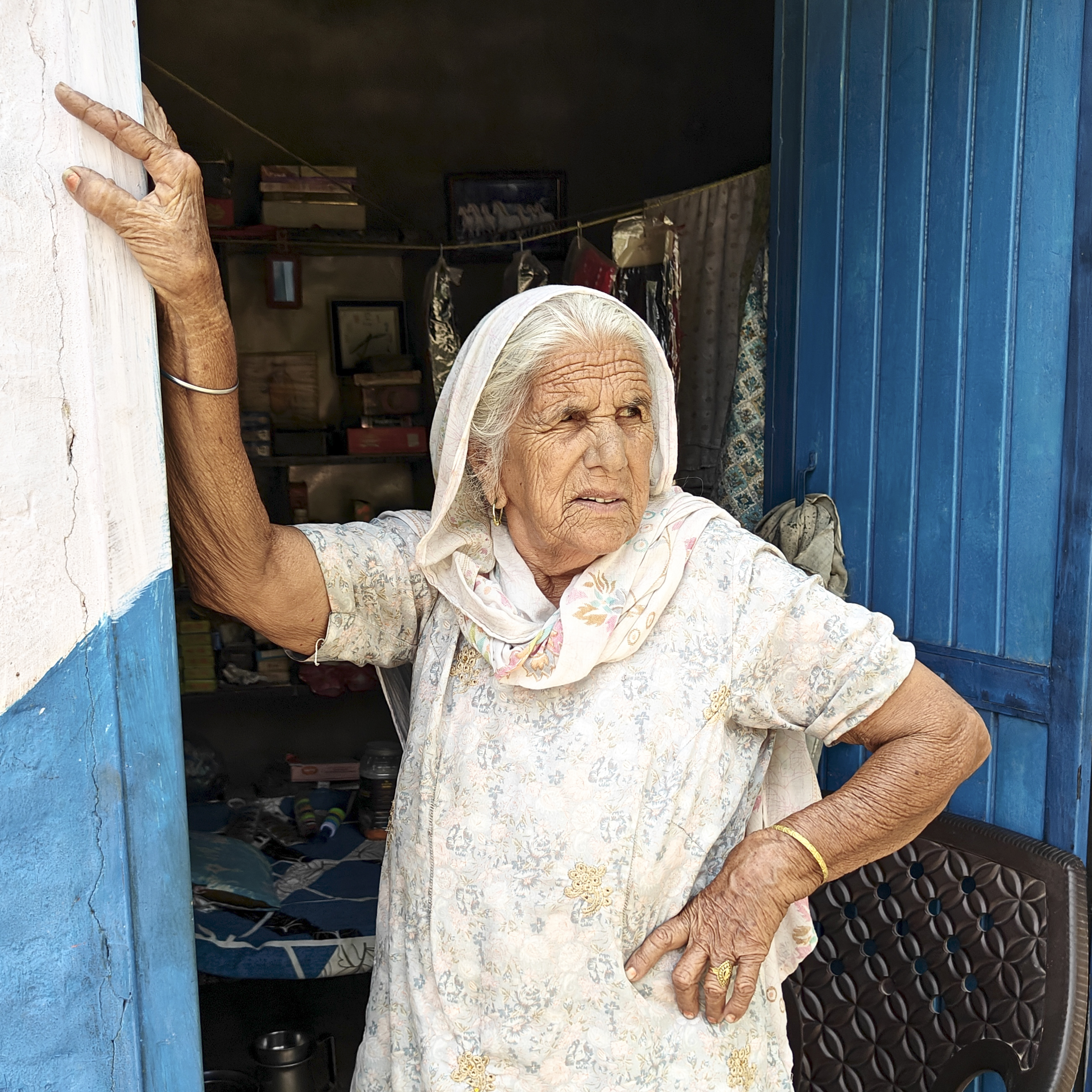
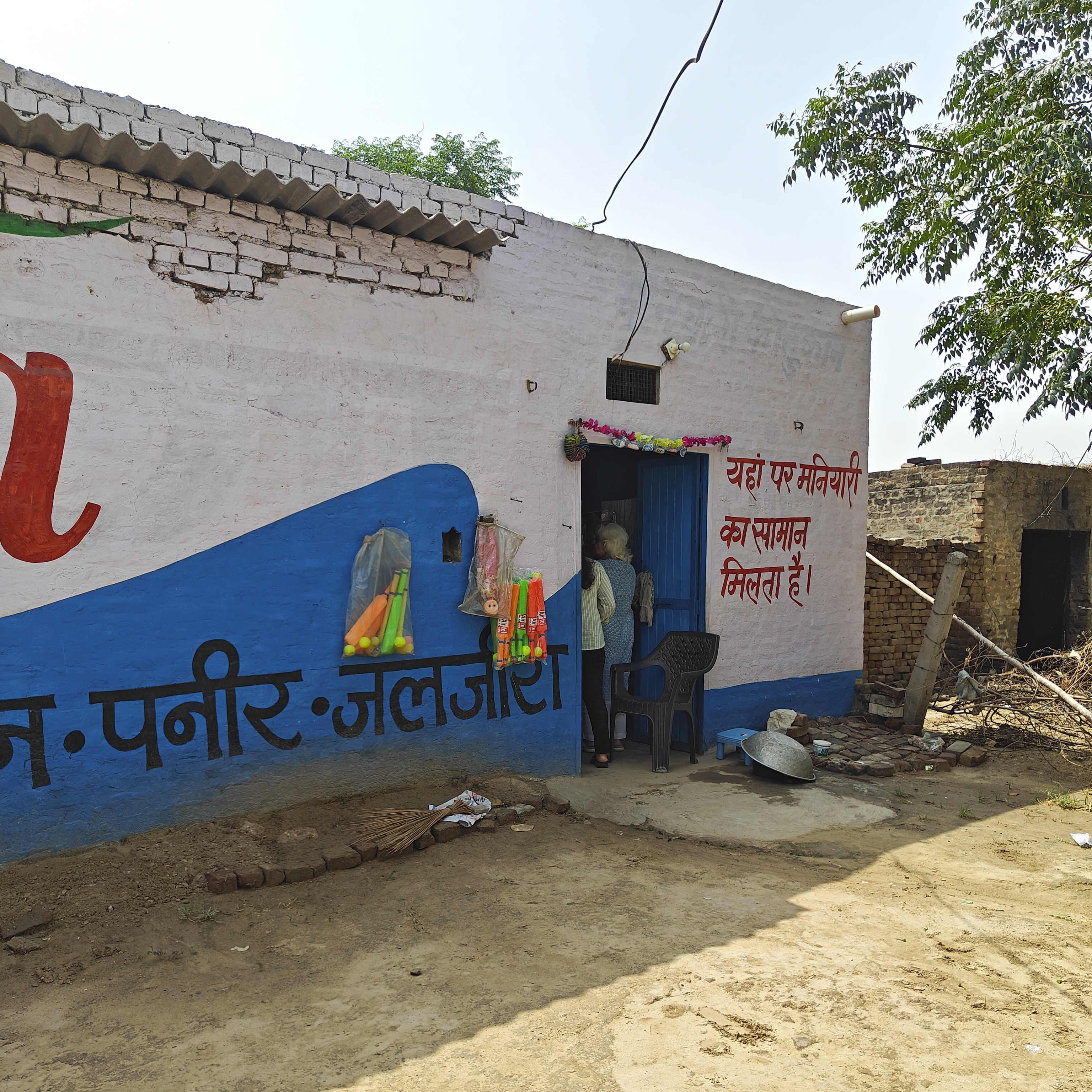
Her name is Raksha Kaur. She stands firm, guarding her precious corner at the tri-junction of Haryana, Punjab, and Rajasthan along NH 54 in Dabwali. In a corner of her house, Raksha runs a tiny store selling ‘Maniyari’ items; maniyari roughly translates to cosmetics and jewellery for women. Face cream, powder, lipstick, plastic pearl strings, rings with colourful stones, ear tops and cheap plastic toys sit on a sagging cot. Across her house two large banyan trees, older than Raksha, stand guard over her brick house and provide much-needed shade in this near-desert land. As a light drizzle and a cool breeze make for a pleasant drive, we witness a quieter battle unfolding at this bustling cross-roads.

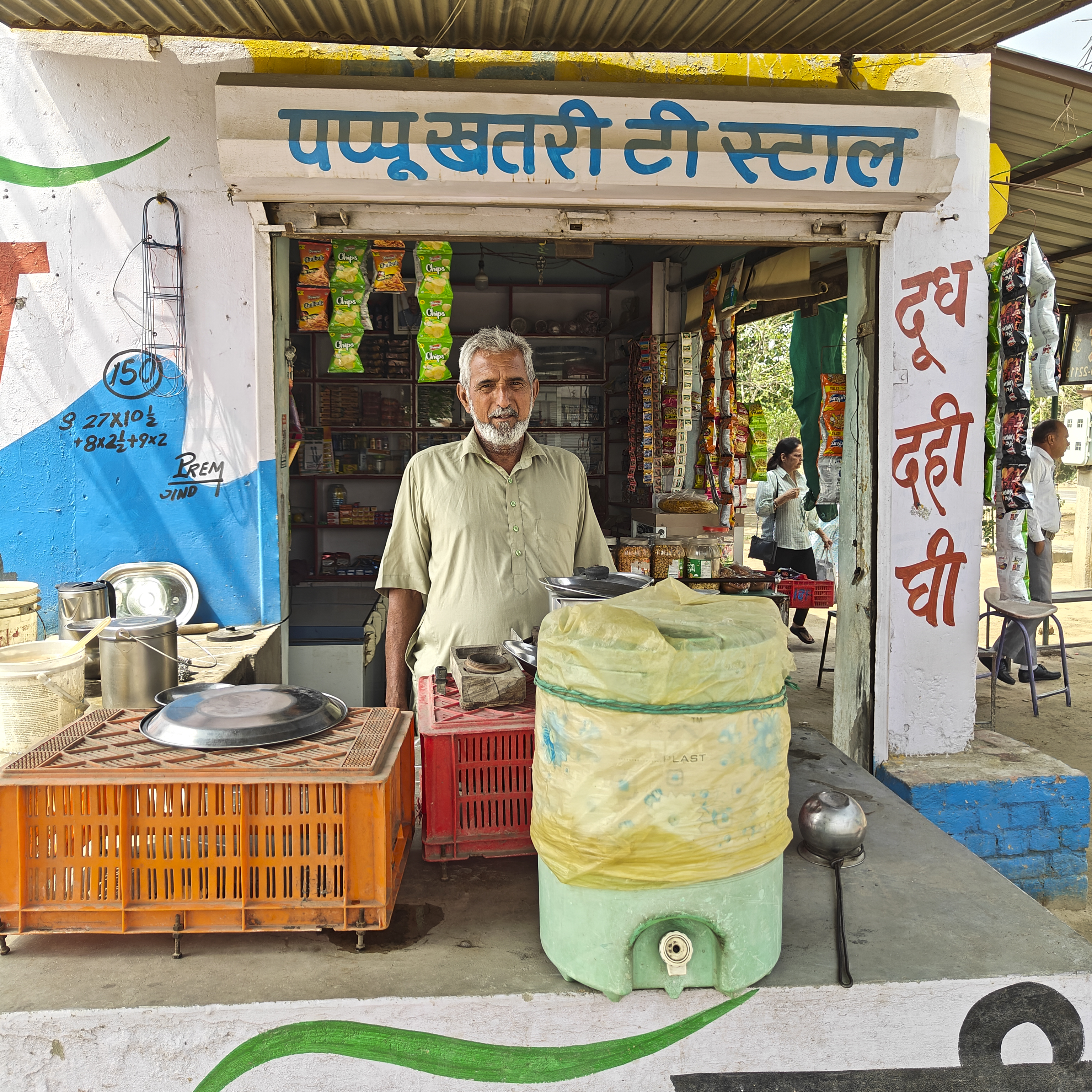
Here, Raksha’s son, Pappu Khatri, runs a rudimentary tea stall on a prime plot of land. It is a piece of history; Raksha’s husband bought these 500 yards back in 1955 for the then-princely sum of ninety rupees. Decades later, when the highway cut through their property, more than half of their house was acquired, leaving them with a meagre compensation of just 5,000 rupees. Now, the real-estate mafia eyes the remaining land – prime corner property on the highway. The mother and son are currently battling a court case built on fictitious claims designed to dislodge them. Armed only with meagre resources but boundless resilience, this feisty duo refuses to back down.

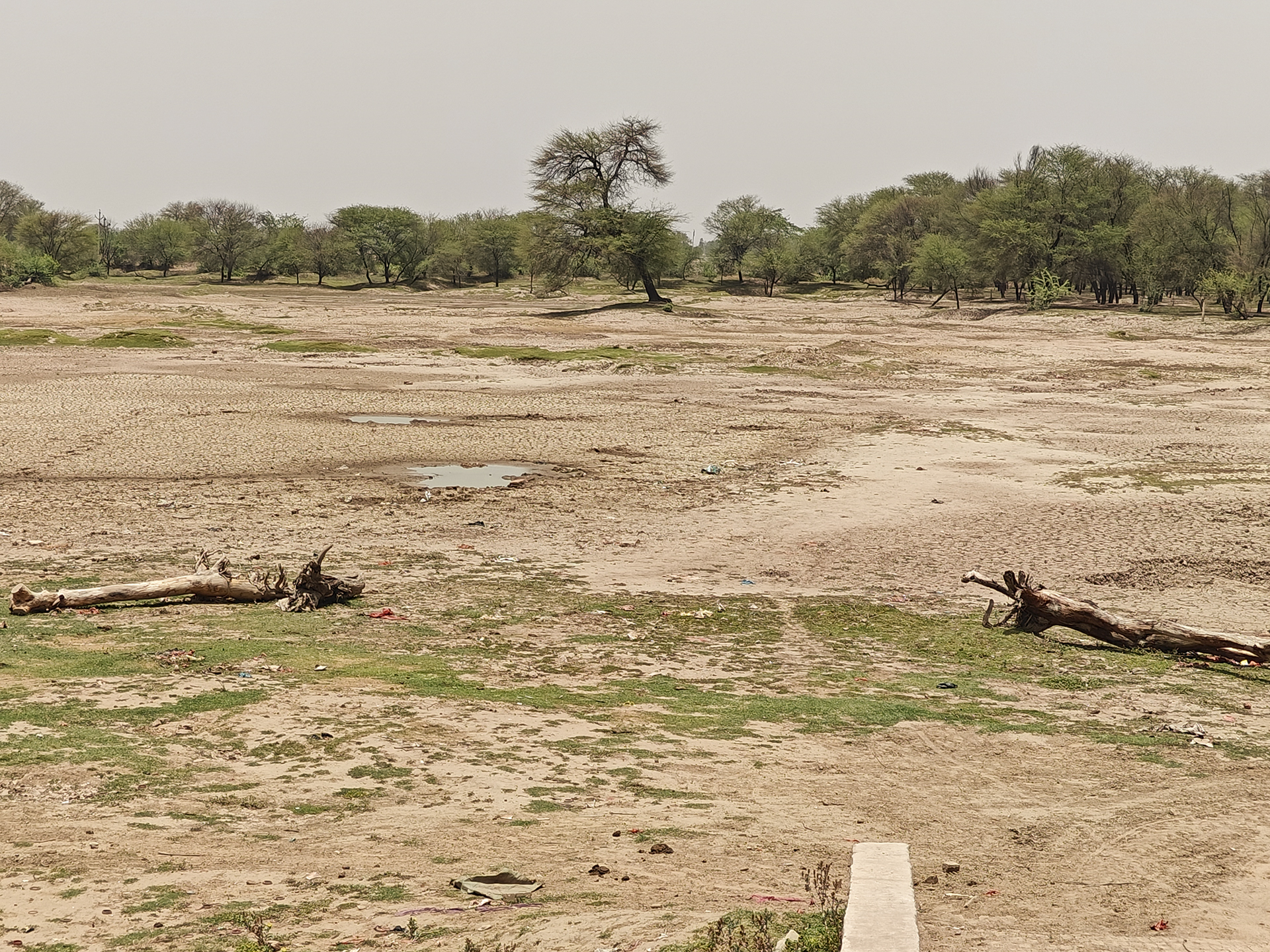
Leaving Dabwali behind, the countryside opens up into amazing vistas as the excellent highway stretches toward Hanumangarh and Suratgarh. We are heading to meet my ailing aunt, but our journey will also take us deep into the past at Kalibangan. This 4,000-year-old site was once a provincial capital of the Indus Valley Civilization, perched on the left bank of the now-dried-up Ghaggar River. Today, this seasonal, monsoon-fed river has changed its course, flowing 50 km further west along a firm bund that stretches from Himachal Pradesh before finally terminating in the sands of the Thar Desert.

Once summer gives way to the monsoon and a cooler breeze flows over this rugged land I will come back and spend a day or two with these people to learn more about their lives and write a story about them. Till then, take care, Raksha ji and Pappu Khatri. The tea was precisely to my taste, deliciou​s – for which Pappu Khatri refused to take money.

​पुरानी दिल्ली – मेरी नई किताब

​पुरानी दिल्ली — हमारे तारीखी शहर का वह हिस्सा, जिसे मैंने बचपन से “दिल्ली की रूह” के नाम से जाना है।

वो दिल्ली मेरे दिल के एक कोने में सिर्फ़ ​धड़कती ही नहीं, बल्कि हर बीतते दिन के साथ अपना एक नया चेहरा भी उजागर करती है। इसकी गलियों में हमारा आज भी बसता है और हमारा कल भी। इसकी हवाओं में बेशुमार किस्से तैरते हैं, और इसके हर मोड़ पर एक नई कहानी आपका इंतज़ार करती मिलती है।

बरसों की पढ़ाई, तलाश, यादों और मोहब्बत का नतीजा यह नई किताब है, जिसके ज़रिए मैं पुरानी दिल्ली — या यूँ कहिए शाहजहानाबाद — की खुशबू, उसके लोगों, उसके बाज़ारों, उसकी तहज़ीब और उसकी अनगिनत कहानियाँ आप सबके साथ साझा करना चाहता हूँ।​ उम्मीद है कि यह सफ़र आपको भी उतना ही अपना लगेगा, जितना मुझे रहा है।

जल्द ही… वाम प्रकाशन से आ रहा है, पढ़ कर हौसला बढ़ाइए ​-  आने तक तस्वीर देखिए और कापी बुक करने के लिए लिंक नीचे दिया है 

A new book on the historical Old City, Shahjahanabad, known as Delhi. New stories of the same old city of Emperor Shahjahan and specifically designed by his eldest daughter and favorite princess, Jahanara Begum.

Dasa Mahavidya: the Divine Feminine

​Longlisted for the 4th Oxford Art Book Prize

Delighted to share that ​Dasa Mahavidya: Gesture, Form, and the Divine Feminine, ​designed by Rajinder Arora/Ishtihaar and published by ​Ojas Art, ha​s been ​Longlisted for the 4th Oxford Bookstore Art Book Prize​ among the other fifteen.

Dasa Mahavidya reflects on the visual, philosophical and symbolic dimensions of the Ten Wisdom Goddesses through the lens of contemporary artistic practice.​ The Dasa Mahavidyas, or Ten Wisdom Goddesses, are prominent figures in Hinduism, especially within Tantric traditions, representing diverse aspects of the Divine Feminine and encompassing ultimate wisdom. They are: Kali, Tara, Tripura Sundari (or Shodashi), Bhuvaneshvari, Bhairavi, Chhinnamasta, Dhumavati, Bagalamukhi, Matangi, and Kamala. These goddesses are believed to be manifestations of Goddess Parvati and are invoked for spiritual growth, empowerment, and the realization of the Supreme through practices like meditation, mantra chanting, and devotional acts.

​The Oxford Bookstore Art Book Prize is India’s only award dedicated to recognising excellence across art publications and their contribution to the larger discourse on art and culture.​ At Ishtihaar ​we are honoured to see ​o​ur work recognised among this year’s selected titles.

​Best wishes to Anubhav Nath ​a​nd Ojas Art, who have another art book “Ram Singh Urveti: Another Master​”​in the Longlist. The final winners will be announced later this year.