
किताब मेला इस बरस
जब किसी चीज या जगह को ज़ोर जबरदस्ती, रगड़-रगड़ कर चमका दिया जाता है तो उस पर कुछ वक़्त के लिए चमक तो आ जाती है पर उसकी असल खूबसूरती बिगड़ जाती है। प्रगति मैदान में हर बरस होने वाले किताब मेले का इस बार कुछ ऐसा ही हाल है भारत मड्डपम के पाँच हाल में लगा ये मेला बिल्कुल अस्पताल के सैनिटाइज़ेड वार्ड जैसा लगता है जहां हर मज़मून, हर स्टॉल, हर चीज़, हर दूसरा नज़रिया या नापसंदीदा किताब व सब्जेक्ट को मशीनी तरीके और तीसरी आँख से ना सिर्फ एक्स-रे किया गया है पर कोशिश कर बरखासत कर दिया गया है।
मेले में कदम रखते ही अगर आपको किताबों की वो खास गंध ना आए तो सब कुछ अधूरा लगता है। हवा में घुली वो पुराने कागज़ की महक, किरोसीन में मिली स्याही की वो भभक, अरारूट और मैदे वाली लेई की अचार जैसी बास, मोटी जिल्द के गीले गत्ते पर चिपके गीले कपड़े की बू और जाने क्या क्या ऐसा होता है जो आपकी नाक, आँख, कान, गले, और बाकी सभी इंद्रियों को बेचैन कर देता है। साथ साथ होती है हर किताब खरीदने की उंगलियों की लपलपाहट, चाहे कंधे बोझा ढो कर मर ही क्यों ना गए हों। किताबों के स्टालों के गलियारे पार करते करते जब पैर थक जाते थे तो जूट के कालीन पर कहीं भी बैठ कर चाय वाले भैया की इंतज़ार करना प्रेमिका के इंतज़ार से भी ज्यादा दुख दाई होता था पर वो आ जाते थे अपनी मीठी, काली चाय लिए बिल्कुल नारद जी से, कहीं से प्रकट हो जाते थे। पर ये सब कभी हुआ करता था, वो जमाने और थे, वक़्त ठहर हुआ था, किताबों में दूसरों से नफरत करना नहीं सिखाया जाता था, इतिहास मनमानी से नहीं लिखा जाता था और किताब के मेले में किताब ही मिलती थी माला या मूर्तियाँ नहीं ।
आज मेले में एक तरफ से हाल में दाखिल होते ही आपका आमना-सामना होता है काला चश्मा लगाये, वर्दी पहने, बंदूक धारी फौजी से जिसके दायें हाथ पर तिरंगा लिए एक फौजी टुकड़ी किसी इलाके में विजय नाद कर आगे बढ़ रही है। आपकी सुरक्षा या देख रेख के लिए ये दिल्ली पुलिस नहीं फ़ौज है। एक बारगी तो शुबा होता है आप किताब मेले में हैं या सुरक्षा मेले में। थोड़ी दूर चलो तो एक पूरी दीवार पर कुछ महीनों पहले हुए ऑपरेशन सिंदूर का पुरा ब्योरा मिल जाता है थोड़ी दूर और चलो तो सेना के तीनों कमान के साधन, सवारी और शस्त्र भी दिख जाते हैं । बख्तरबंद गाड़ी, अर्जुन मेन बैटल टैंक, युद्ध पोत और लड़ाकू जहाज – सब एक बड़े से चौबारे में रखे गयें हैं जिसकी दीवारों में शहीदों की तस्वीरें इज्ज़त और मान से एक कतार में लगाई गई हैं । यहाँ पहाड़ी फतेह करते और झण्डा गाड़ते जवानों की टुकड़ी की प्रतिमा भी है जिसमें एक सिख जवान भी है। इस प्रतिमा के सामने खड़े हैं बी एस एफ और गुरखा सेना के असली जवान।
अब इन सब से नजर हटे तो आदमी किताब भी देखे। लकड़ी की दीवारों के पीछे से किसी कॅफे कॉफी डे टाइप की अमेरिकानों या केपूचीनो कॉफी की महक आपको बुला रही है और आप बेमने से उस तरफ चल देते हैं क्यूंकी मेले में चाय तो मिल नही रही, अब निकालिए दो सौ रुपये जो बाशोम के हाइकु की किताब खरीदने के लिए बचा रखे थे। मन ही मन गिनती हो रही है कितने पैसे जेब में बचे हैं। एक प्रिय दोस्त ने कल ही बताया की कैसे वो साल-दर-साल दस बीस हजार रुपये इकठे कर किताबें खरीद ले जाते थे। मैं आसमाँ को देखने के लिए सर उठता हूँ तो हाल के ऊपर लगी गंदी काली छत देख मुझे यकीन हो जाता है कि अगर भगवान है भी तो वो इस छत के परे तो मेरी नहीं सुनेगा और मेरे पास कभी किताबें खरीदने के लिए एक मुश्त बीस हजार रुपए नहीं होंगे। हालंकी अब में अपनी पसंद की बहुत सारी किताबें खरीद पाता हूँ पर मुझे वो दिन कभी नहीं भूलते जब जब किताब मेला पंद्रह दिन का होता था और हम पूरे पंद्रह रोज़ अलग अलग स्टॉल के सामने बैठ कर किताबों को भारी दिल से निहारते और कुछ रेट लिस्ट बटोर शाम घर लौट जाते थे।
मेला और आस पास अब पहले से साफ है, दिखता भी वैसा ही है। टॉयलेट साफ। घास का मैदान साफ। बहुत कुछ साफ हो चुका है। पाठक साफ, बच्चे साफ, युवाओं की जेब से पैसे साफ, प्रकाशकों का दिया जाने वाला 50 पर्सेन्ट डिस्काउंट साफ, स्कूली बच्चों की कतारें साफ, सस्ते खाने और चाय की दुकानें साफ, नामचीन अन्तराष्ट्रीय प्रकाशक साफ। छोड़िए भी, अब इस से ज़्यादा सफ़ाई क्या हो सकती है।
क्या हुआ जो वो किताब खरीद नहीं पा रहे, देखिए ना कितने बच्चे किताबों के सामने रील बना रहें है, कितने सारे सेल्फ़ी पॉइंट बनाएं हैं मेल अधिकारियों ने। देखिए ना कितने तिरंगे लहरा रहे हैं, जोश है, वंदे मातरम है और हैं महामहिम की बड़ी बड़ी तस्वीरें और बैनर जो हमे शिक्षा और देश प्रेम का संदेश दे रहें हैं। देखिए ना कितने लेखक अपना इंटरव्यू लिए जाने का इंतज़ार कर रहे हैं और इसका कि कोई पाठक आ कर उनसे किताब पर साइन करवा ले, सेल्फ़ी खींच ले।
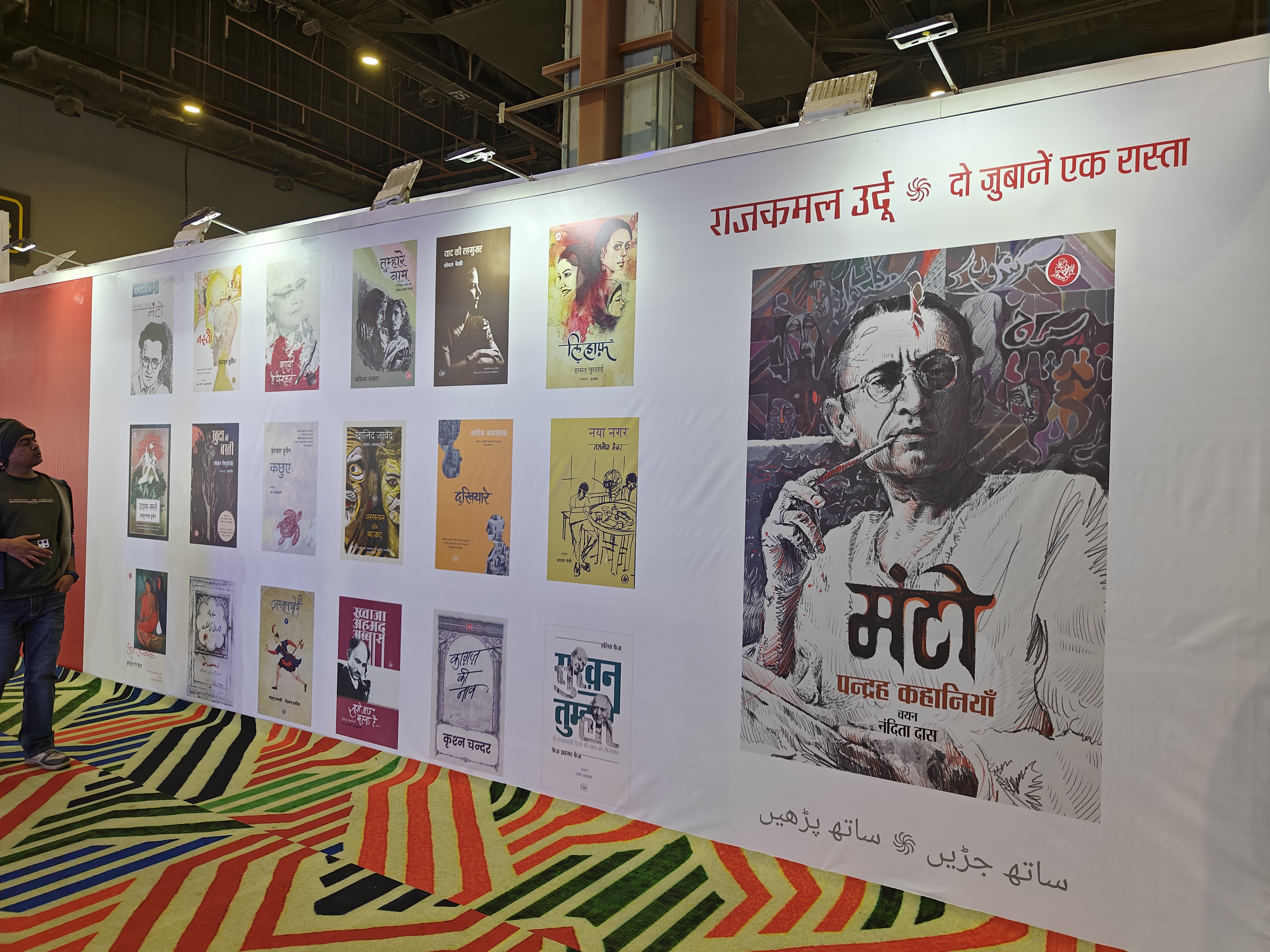
देख कर बहुत अच्छा लगता है कि पिछले कुछ सालों से हिन्दी भाषा का बढ़ता दबदबा है । काश उतनी विशिष्ट और बड़ी जगह में कभी उर्दू और पंजाबी भी देखने को मिले। इन ज़बानों के प्रकाशकों को भी ज्यादा तादाद में मेले में भाग लेना चाहिए। मेरा मानना है की पढ़ना उतना ही ज़रूरी है जितनी अच्छी खुराक और अच्छी सेहत। हर बार की तरह इस बार भी मेले में खूब घूम घूम कर थक गया पर पूरी तरह थकने से पहले अपने खास स्टॉल को ढूंढ ही लिया ।
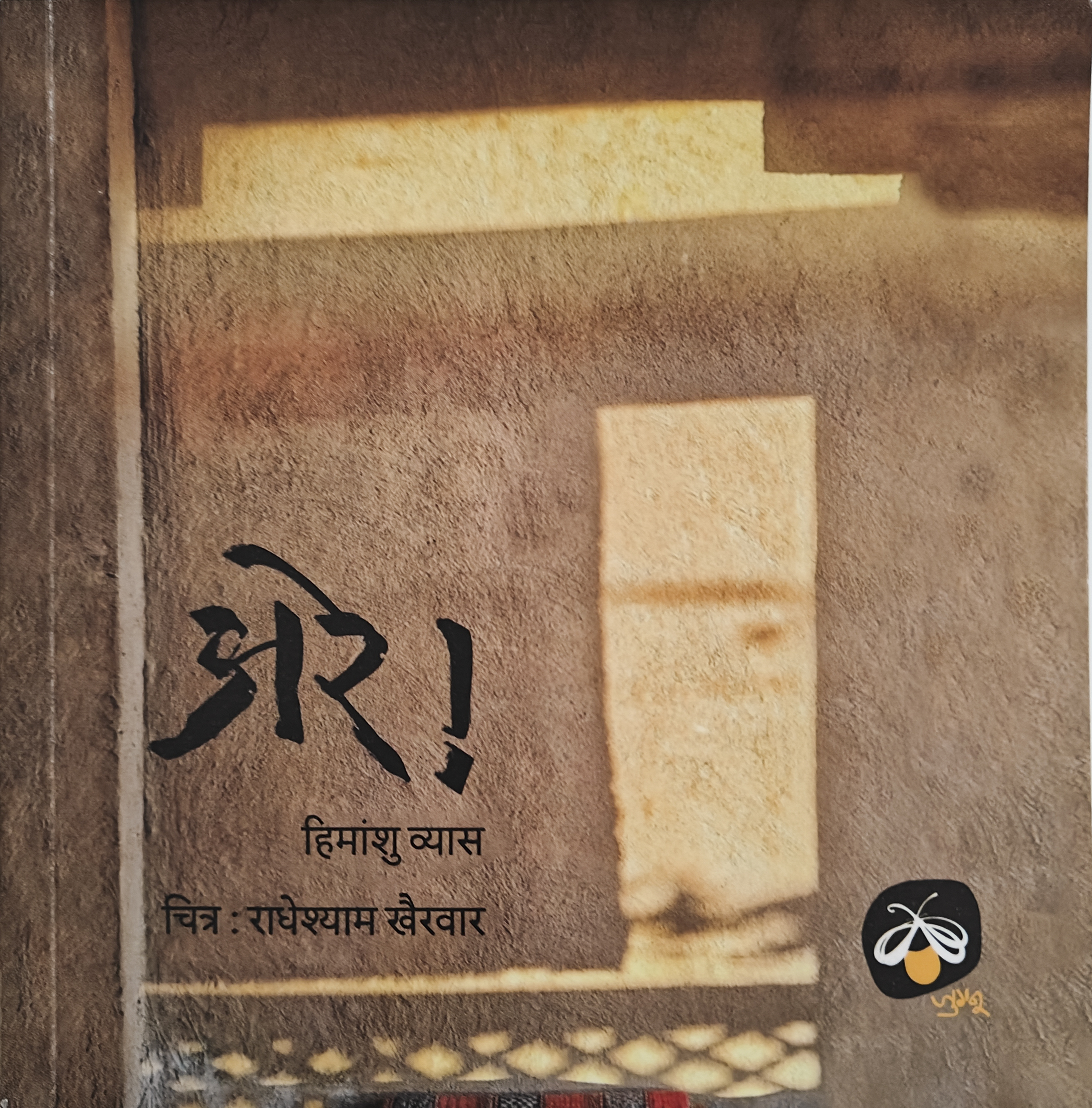
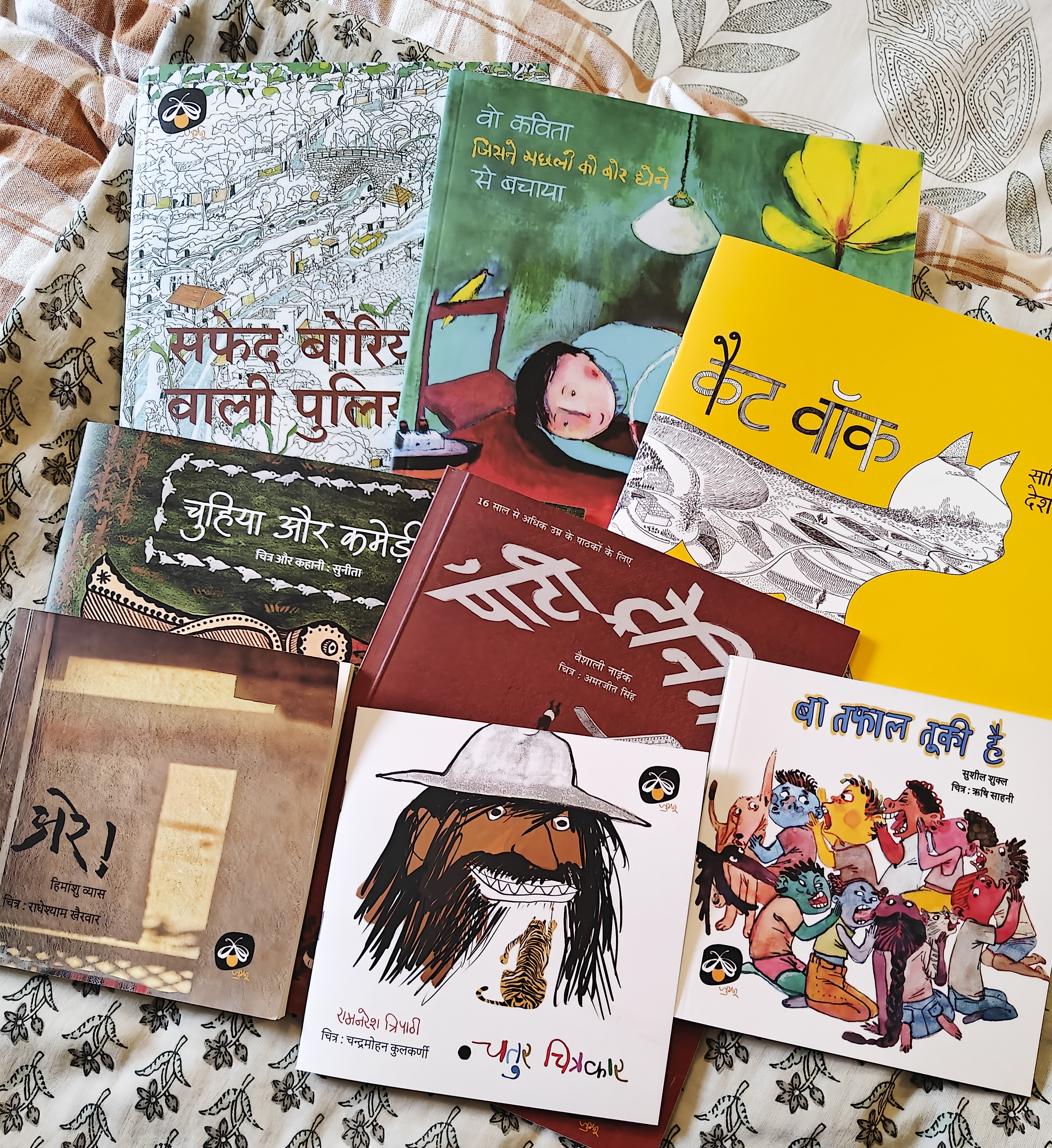
मेले में एक पड़ाव ऐसा होता है जहां बस ठहर जाने को मन करता है। और, जहां बेहतरीन किताबों के साथ साथ ऐसी सुंदर किताबों को बनाने वालों से भी मिलना हो जाता है। किताबों के मामले में मेरा ‘मन तो बच्चा है जी’। बचपन में बेहतरीन, रोचक और सुंदर छपाई वाली रूसी किताबों से प्यार था बड़े होते होते रूसी किताबें खो गईं और उनकी जगह ले ली ‘इकतारा’ की किताबों ने ले ली। इकतारा की किताबें और वो स्टॉल सब थकान हर लेता है। मेरे लिए वहाँ किताबें इतनी मज़ेदार हैं की मैं उन्हें खा सकता हूँ। आलथी-पालथी मार कर बैठ जाता हूँ, मेरी खस्ता हालत देख कर कोई ना कोई दोस्त चाय ला ही देता है। एक एक कर सब नई किताबें उठा वहीं पढ़ लेता हूँ और खरीदने के लिए थैला भर लेता हूँ। इस बार भी वही किया। इस बार एक किताब हाथ लगी तो 200 रुपए वाली कॉफी पीने का मलाल नहीं हुआ। बाशोम के हाइकु वाली किताब नहीं मिली पर हिन्दी के हाइकु की किताब “अरे!” मिल गई। मेरे पास ही अपने चहेते पाठकों के बीच बैठे थे हिमांशु व्यास, “अरे!” के हसीन लेखक। क्या मुस्कान थी उनके चेहरे पर, क्या प्यार था उनकी आँखों में और कितनी मिठास थी हिमांशु जी के लहज़े में । मैंने भी मौके का फायदा उठा कर उन से उनकी किताब पर कुछ लिखने को कह दिया। हाय हाय, एक तीर सा हाइकु मिल गया मुझे, सिर्फ मेरा हाइकु, जो दुनिया के किसी पाठक के पास नहीं है, हो ही नहीं सकता और फिर उसमे हम दोनों का नाम जुड़ा है । सलाम हिमांशु जी और शुक्रिया। एक गलती हो गई – हिमांशु जी के साथ तस्वीर नहीं ली, ऐसा ही होता है हर अच्छे लेखक की औरा ही ऐसी होती है कि सब कुछ भूल जाता है (औरा यानि प्रभामण्डल- वो रोशनी जो सर के पीछे गोल गोल घूमती दिखाई पड़ती है)।
‘इकतारा’ की किताबों और मैगज़ीन ‘साईकल’ और ‘प्लूटो’ को लोग बच्चों की किताबें बताते हैं, मेरी बात मानिए ये सरासर गलत है, ये बड़ों के साथ नाइंसाफी है हमारे ऊपर किया जा रहा ज़ुल्म है। अगर आपको अपने भीतर का, अपने मन और दिल का बचपन बचा के रखना हैं, अपने अंदर बसे उस बच्चे को फिर से जगाना है तो इकतारा की हर किताब को खरीदिए और पढिए, ना सिर्फ खुद पढिए बल्कि अपनी बिरादरी, दोस्ती-यारी और आस पड़ोस में भी सब को ले कर दीजिए, छोटे बच्चों को पढ़ कर सुनाईए। बात ज्ञान की नहीं है दोस्त बात अपने भीतर सोये इंसान को जगाने की है, अच्छाई को देखने की है, प्रेम और भाईचारे की है जो इकतारा की किताबों में भरा है।
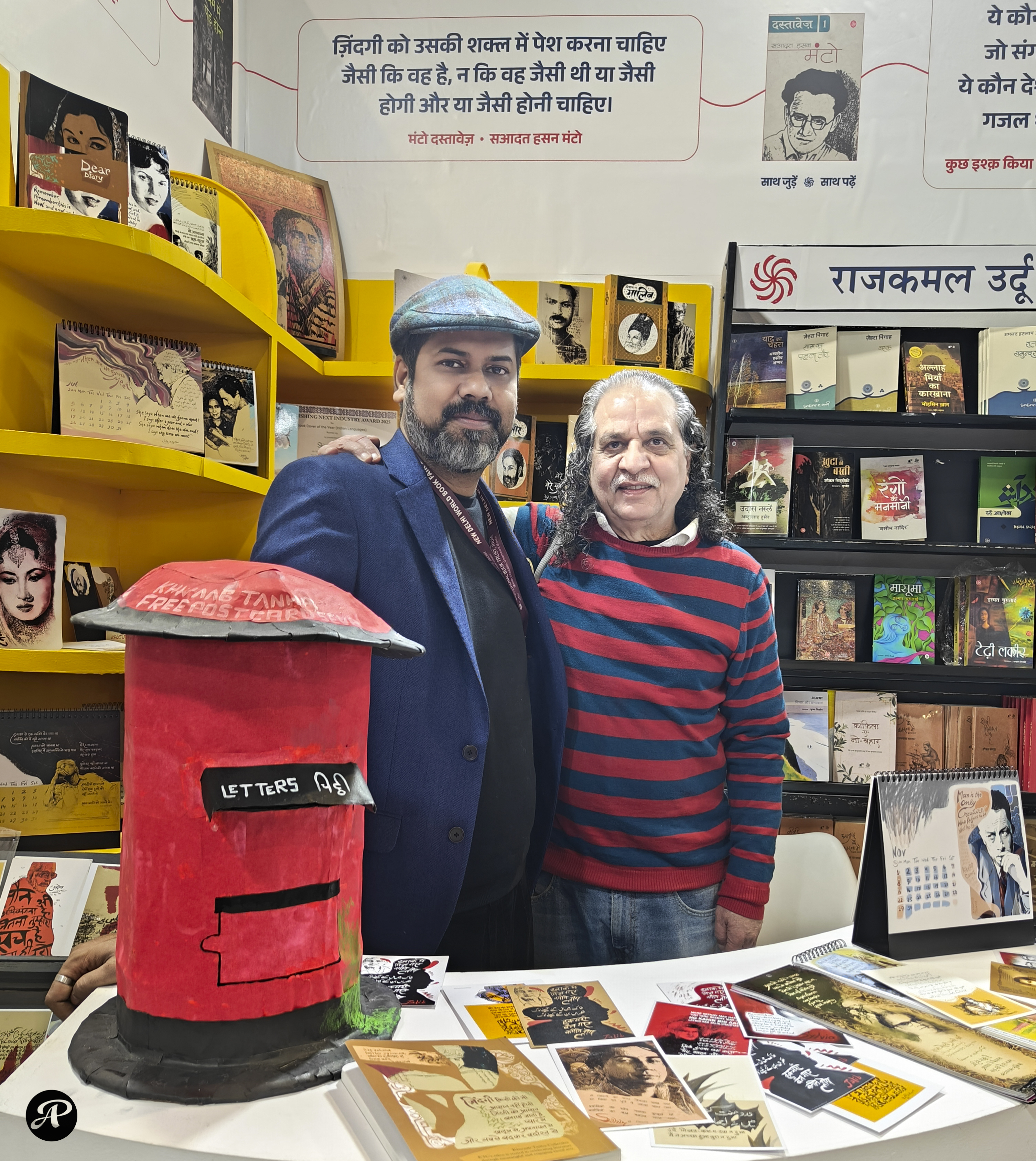
इस बार के किताब मेले (2026) में एक प्यारा कोना ऐसा भी है जहां से आप अपने चहेतों को चिट्ठी भेज सकते हैं। अभी इसकी ज़िम्मेवारी खवाब तन्हा कलेक्टिव के शिराज हुसैन ने संभाली हुई है हालांकि ये काम डाक विभाग का होना चाहिए था। शिराज ने ना सिर्फ अपने हाथ से बनाया लेटर बॉक्स लगा रखा है वो आपको एक खूबसूरत रंगीन पोस्टकार्ड और उस पर लगी टिकट भी मुफ़्त देंगे, जी हाँ ठीक पढ़ा आपने “मुफ़्त” यानि FREE. मेले के हाल नंबर 2 में राजकमल प्रकाशन के स्टॉल पर आपको मुसकुराते हुए शिराज मिल जाएंगे जो ना सिर्फ ऐसे कई पुण्य के काम करते हैं बल्कि पहुंचे हुए आर्टिस्ट और कलिग्रफर भी हैं। इनके बनाए कैलंडर, पोस्टर, पोस्टकार्ड, बुकमार्क, और बहुत कुछ वहाँ देखने और खरीदने को मिल जाएगा दुनिया में अब ऐसे इंसान कम रह गए हैं। जल्दी करिए इन्हें मिल लीजिए और अपने घर वालों, दोस्तों, या आशिक – माशूक को याद कर एक चिट्ठी लिख ही डालिए। स्टॉल P-01 हॉल 2-3, मंडपम, मेले में। आखिरी डाक 18 तारीख तक । तस्वीर में लेटर बाक्स के साथ शिराज और राज ।
किताब मेल जैसा भी है अच्छा है, किसी मॉल में घूमने से तो लाख दर्जे बेहतर । सिर्फ 18 जनवरी तक है, आज ही जाएं । साल के ये वो दस दिन हैं जब मैं सब कुछ त्याग कर किताब मेले में चौबीस घंटे बैठ और घूम सकता हूँ। अभी की दोस्तों ने दूसरे शहरों से आना है मैं तो आत ही रहूँगा ।
राजिंदर अरोड़ा, 14 जनवरी 2026, गुड़गाँव




 Ankahi. Unsaid.
You must be logged in to post a comment.