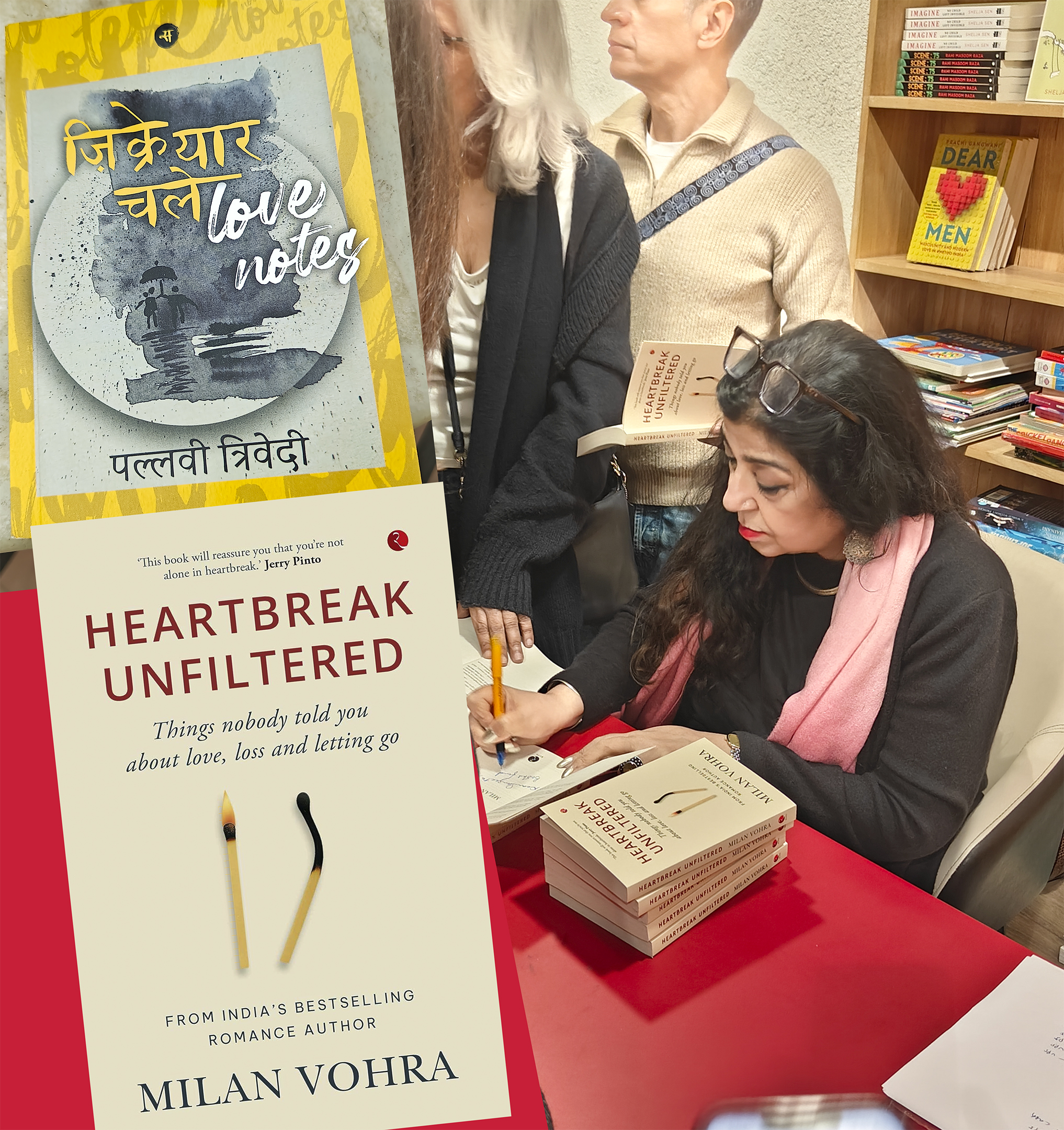
A mere coincidence that I finished reading these two books in the supposed ‘Love Week’, the Valentine’s week. Happily both are written by Women and both are above Love. The best part is that one is in English the other one is Hindi. While one is about pleasant heart-aches the other is about heart breaks, Ah!!!. The one about romantic love, “Zikr-e-Yaar Chale: Love Notes” in Hindi, is by Pallavi Trivedi which picks the low hanging fruits of short fiction that we are living ‘now’, in the second quarter of 21st Century. The English one is “Heartbreak Unfiltered: Things nobody told you about love, loss and letting go” by Milan Vohra. As the title suggests these are the stories of heartbreaks from people interviewed by Milan over a decade. Heartbreak (not necessarily romantic) touches us all, regardless of age, gender or geography. Both books are about emotional bonds characterized by deep intimacy, mutual respect, and commitment as also but the pain and longing of the one lost. I enjoy the parallel play of words going on in my head when I am reading English and Hindi together. Strange, how metaphors, words, situations and even individual reactions differ in these two worlds which at times seem alien to each other. Loved reading both. Pallavi Trivedi, you have a hand on the nerve and have put together a world of contemporary fickle love. And Milan Vohra, thanks for the invite to the book launch, i wonder if you noticed many moist eyes in the audience. It is another thing that she didn’t sign my copy of the book. Amid these two my mind was buzzing with a number from the 80s – Tina Turner belting out ‘What’s Love got to do with it … that second hand emotion… who needs a heart when a heart can be broken…. what’s love….’ Cheer up gals and guys you never know when a Cherub attacks.
(Pix: Milan Vohra signing copies of her book at Kunzum bookstore in Delhi)
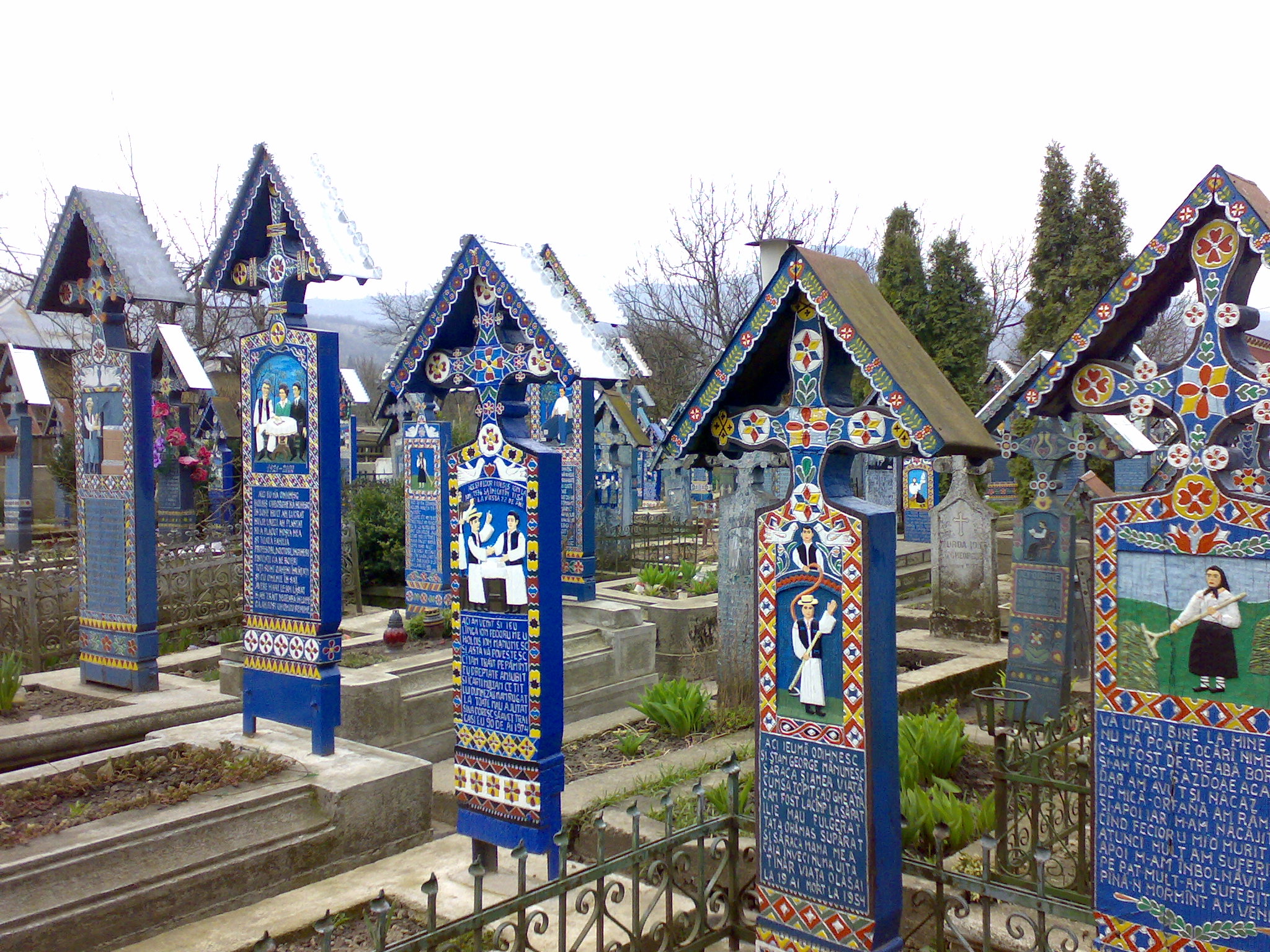
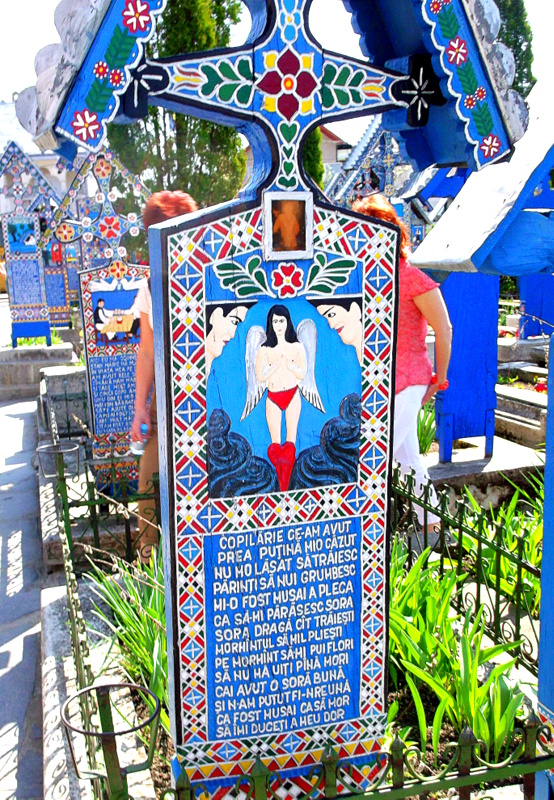
Welcome to the Cimitirul Vesel—the Merry Cemetery.
The Village Where Death is a Punchline: A Journey to Romania’s Merry Cemetery In most parts of the world, cemeteries are hushed, grey places defined by whispers and heavy hearts. But if you drive far into the northern reaches of Romania, almost to the Ukrainian border, you’ll find a village called Săpânța that sees things differently. Here, the graves don’t just sit in silence; they tell jokes, confess secrets, and burst with color.
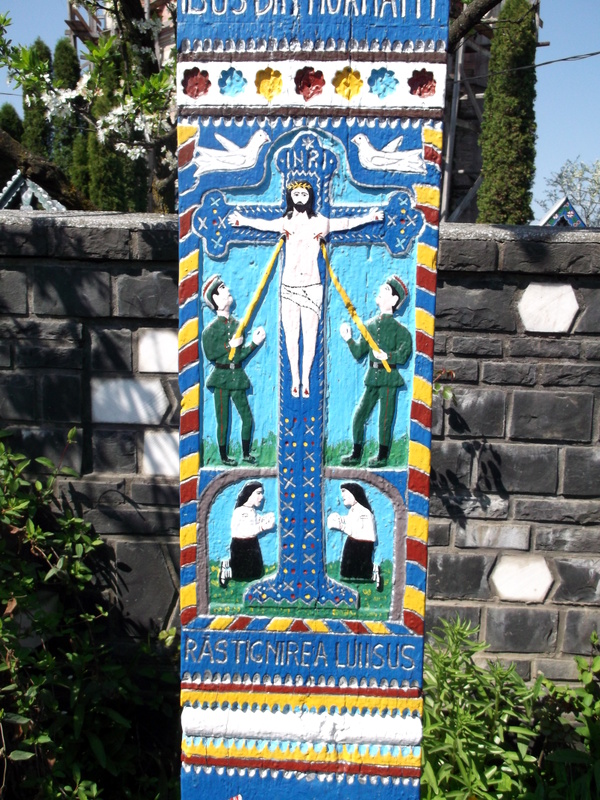
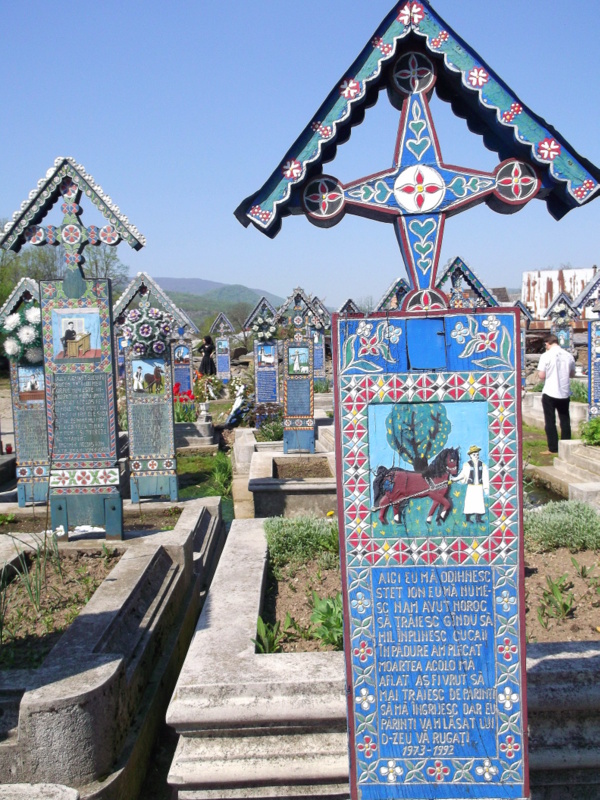
A Forest of Blue Walking into the churchyard of the Assumption, you aren’t met with cold marble or somber angels. Instead, you are greeted by a sea of vibrant, radiant blue. This specific shade, now known across the country as “Săpânța Blue,” represents the sky, hope, and the freedom of the soul.
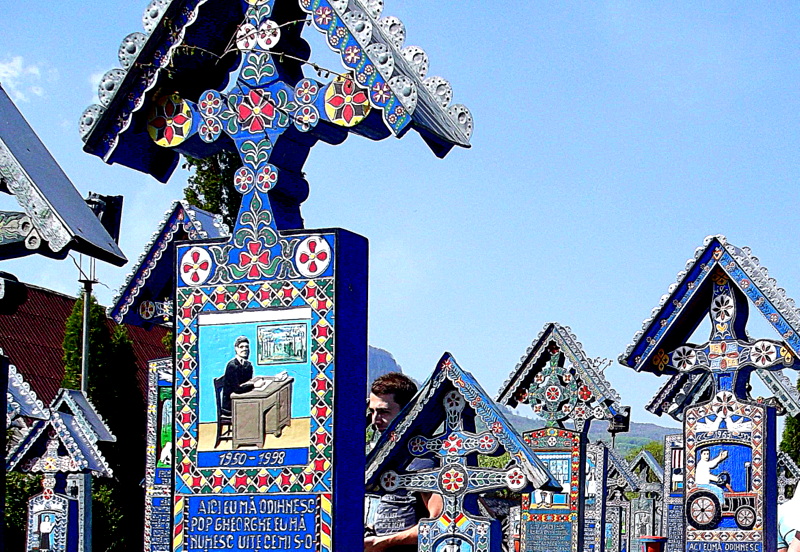
Each grave is marked by an intricately carved oak cross, topped with a little “roof” to protect it from the Maramureș snow. But it’s what is painted on the wood that stops you in your tracks. In a charming, “naive” art style, the scenes depict exactly how the person lived—or how they died. You’ll see farmers tilling fields, weavers at their looms, and more than a few scenes involving a car accident or a bottle of plum brandy.
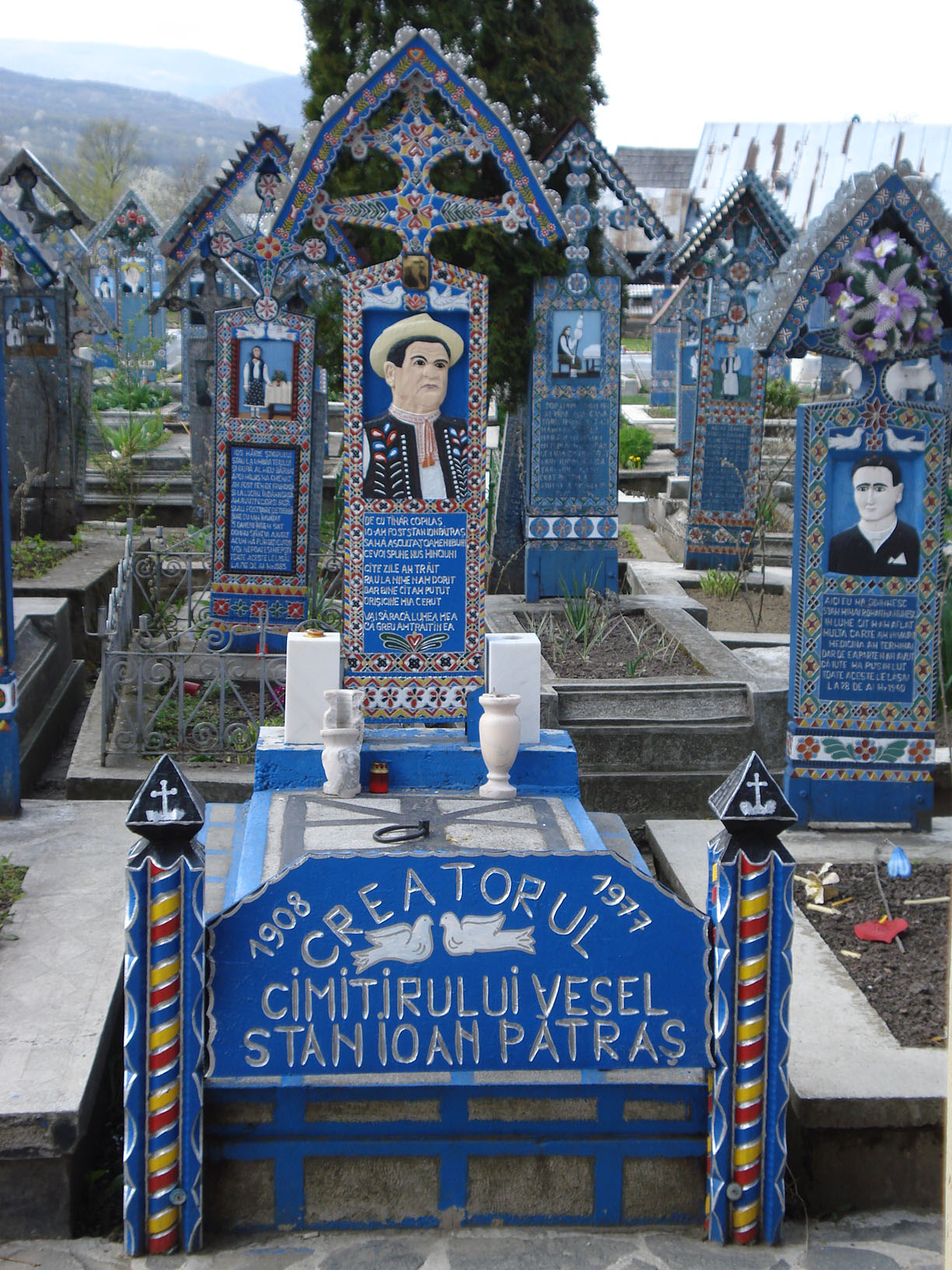
The Man Who Started the Conversation This tradition wasn’t the work of a committee; it was the vision of one man named Stan Ion Pătraș. Starting in 1935, Pătraș decided that a person’s life shouldn’t be reduced to two dates and a “rest in peace.” He believed in the truth, even the uncomfortable parts.
Between 1935 and his death in 1977, Pătraș carved over 800 crosses, including his own. Today, his apprentice Dumitru Pop carries on the legacy. Pop doesn’t just carve wood; he acts as the village historian and judge. When someone dies, the family asks him for a cross, but Pop alone decides what the painting will show and what the poem will say. Because it’s a small town, there is no hiding. If someone was a bit of a grouch or loved the local tavern too much, it goes on the cross.
Poetry from the Beyond The real soul of the cemetery lies in the epitaphs. Written in the first person, they feel like the deceased is leaning out from the grave to share one last story with you.
Some are delightfully cheeky. One man’s grave famously features a poem about his mother-in-law, warning passersby not to wake her up: “Try not to wake her up, because if she comes back home, she’ll scold me even more. But I will surely behave so she stays in her grave!”
Others are brutally honest about their vices, like Stefan, who admits: “As long as I lived, I liked to drink… I drank because I was sad, then I drank to be happy. I’m still thirsty, so if you visit, leave a little wine here.”
Why the Humor? It might seem irreverent to Western eyes, but this “merriness” is rooted in deep history. The ancient Dacians, who once inhabited these lands, believed that the soul was immortal and that death was simply a passage to a better, more joyful life. For them, dying was a moment of exaltation.
While there is still room for sadness—such as the heartbreaking cross of a three-year-old girl lost to a tragic accident—the prevailing feeling is one of celebration. It is a reminder that while death is inevitable, a life well-lived (with all its flaws and foibles) is something worth talking about.
Planning Your Visit The Merry Cemetery has rightfully earned its spot as one of the “Seven Wonders of Romania.” It’s an open-air museum that captures the heartbeat of a village that refuses to be silenced by the grave.
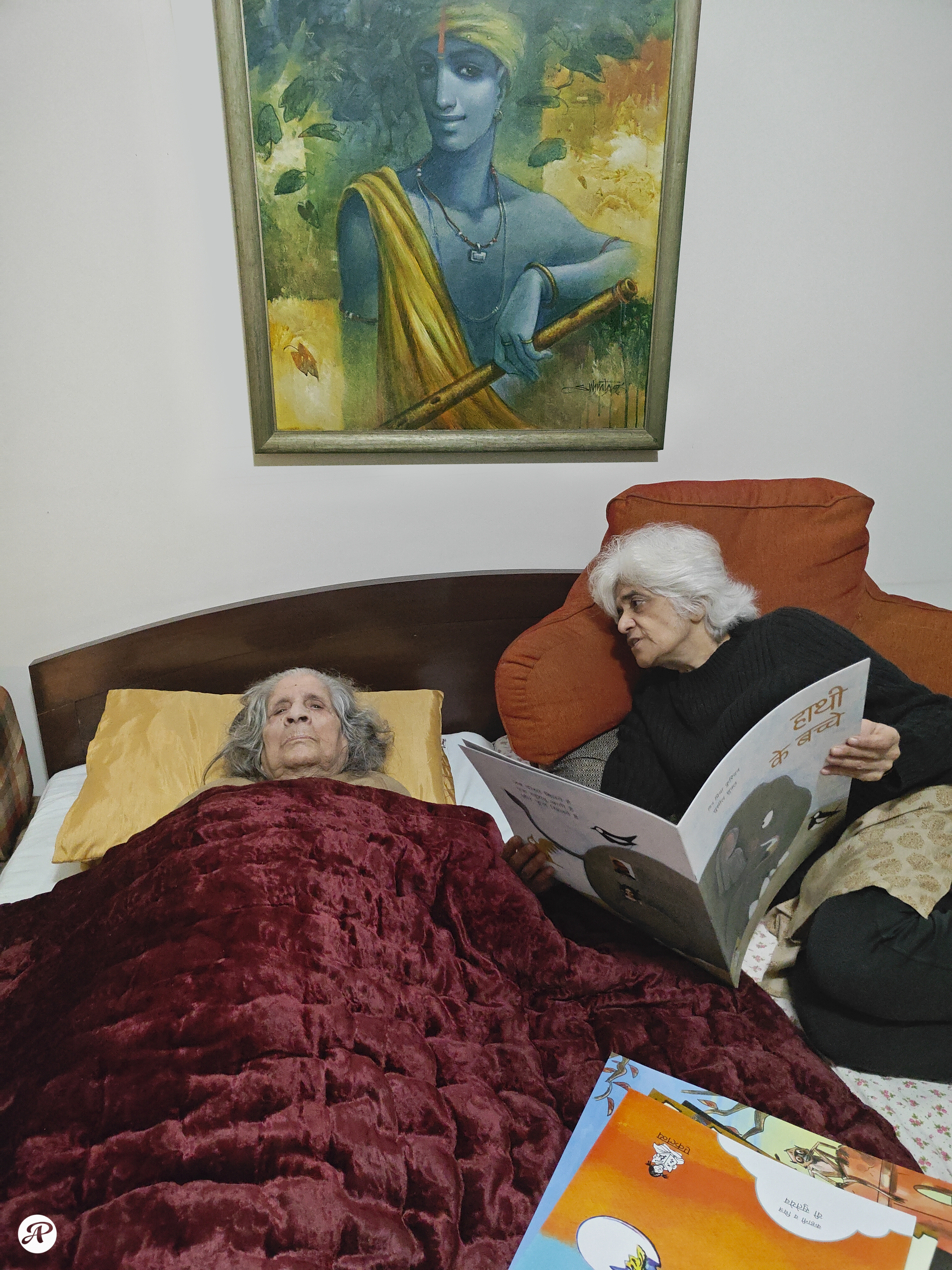
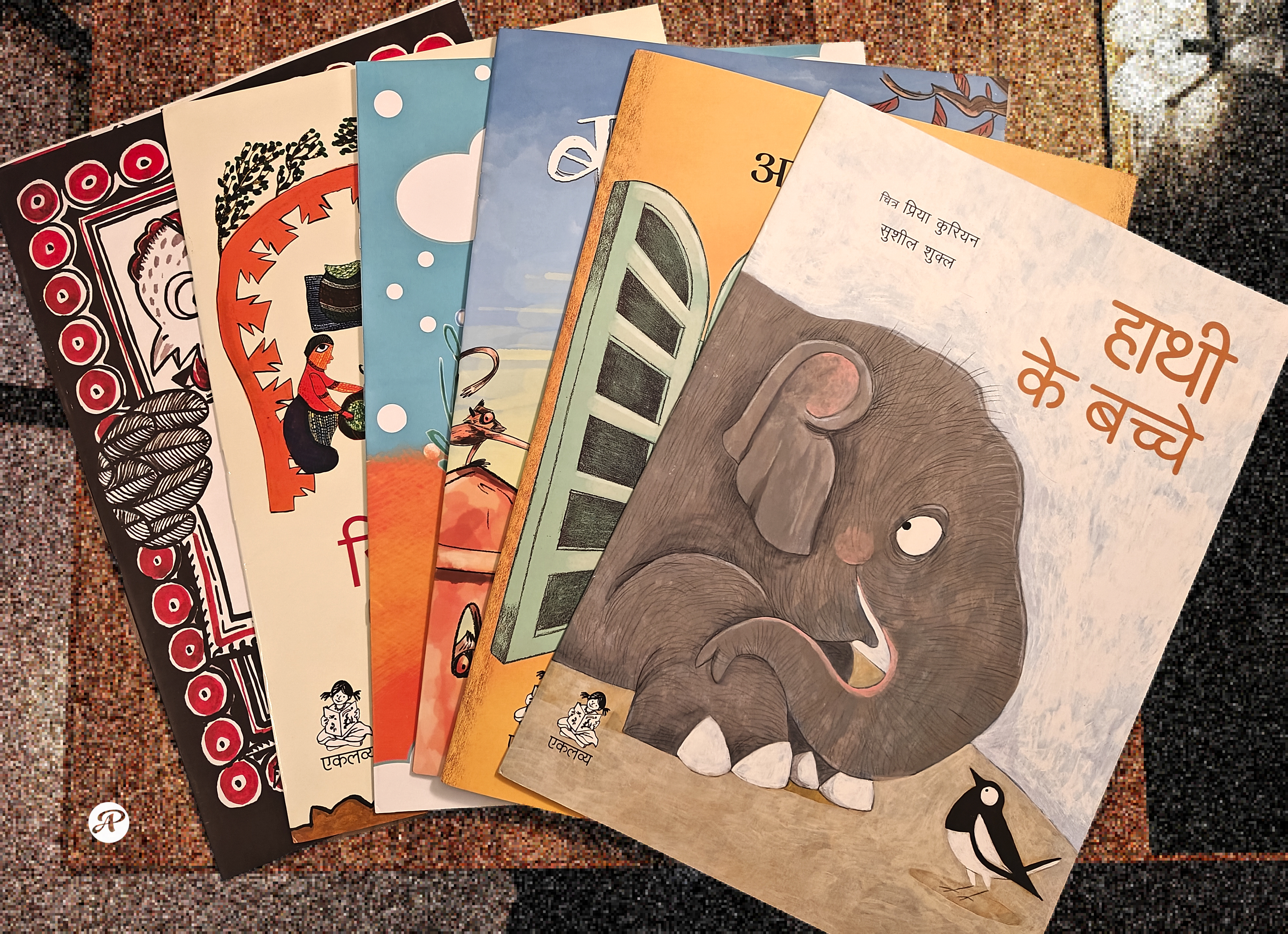
मास्टरानी आजकल रज़ाई में लेटे लेटे ही क्लास लेती हैं। पढ़ने और समझने में ये बड़ी बड़ी किताबें तो ब्लैक्बोर्ड से भी बढ़िया काम करती हैं, क्योंकि इन्हें माँ बिना चश्मे के पढ़ लेती हैं और इनमें बनी तस्वीरों में वो गहराई होती हैं, जो किसी आम कहानी में नहीं मिलती। अंतर्ध्यान हो और आँखें बंद रख कर ही पूरा पाठ का व्याख्यान कर दिया जाता है, जैसे माँ किसी अनकही दुनिया में चली गई हों। और अगर उनकी पसंदीदा एक्लेवय की किताबें हों तो कविताएं और जंगल से जुड़ी लोक कथाएं भी साथ में सुनने को मिल जाती हैं। उनके अपने बचपन से जुड़े कुछ किस्से इतने मजेदार होते हैं कि सब आँखें बंद कर खुद उस कहानी का हिस्सा बन जाते हैं। मुश्किल तो बस क्लास में आए मेरे या रजनी जैसे नए बच्चों की है जिन्हें बिना गलती किए भी एक ही पाठ को बार बार दोहराना पड़ता है और माँ इस सब का मज़ा लेती हैं। इस बार आई किताबों में ‘हाथी के बच्चे’ को माँ ने ‘गोल्डन बुक अवॉर्ड’ से नवाज़ा है। माँ पुरानी मास्टरानी रही हैं, जो अच्छी किताबों और शरारती शागिर्दों को दूर से पहचान लेती हैं । ये तस्वीर कल रात की ‘एक्स्ट्रा क्लास’ की है, लगता है आज, 26 जनवरी को, जब सब की छुट्टी होगी हमारी क्लास तो ज़रूर लगेगी । @Eklavya
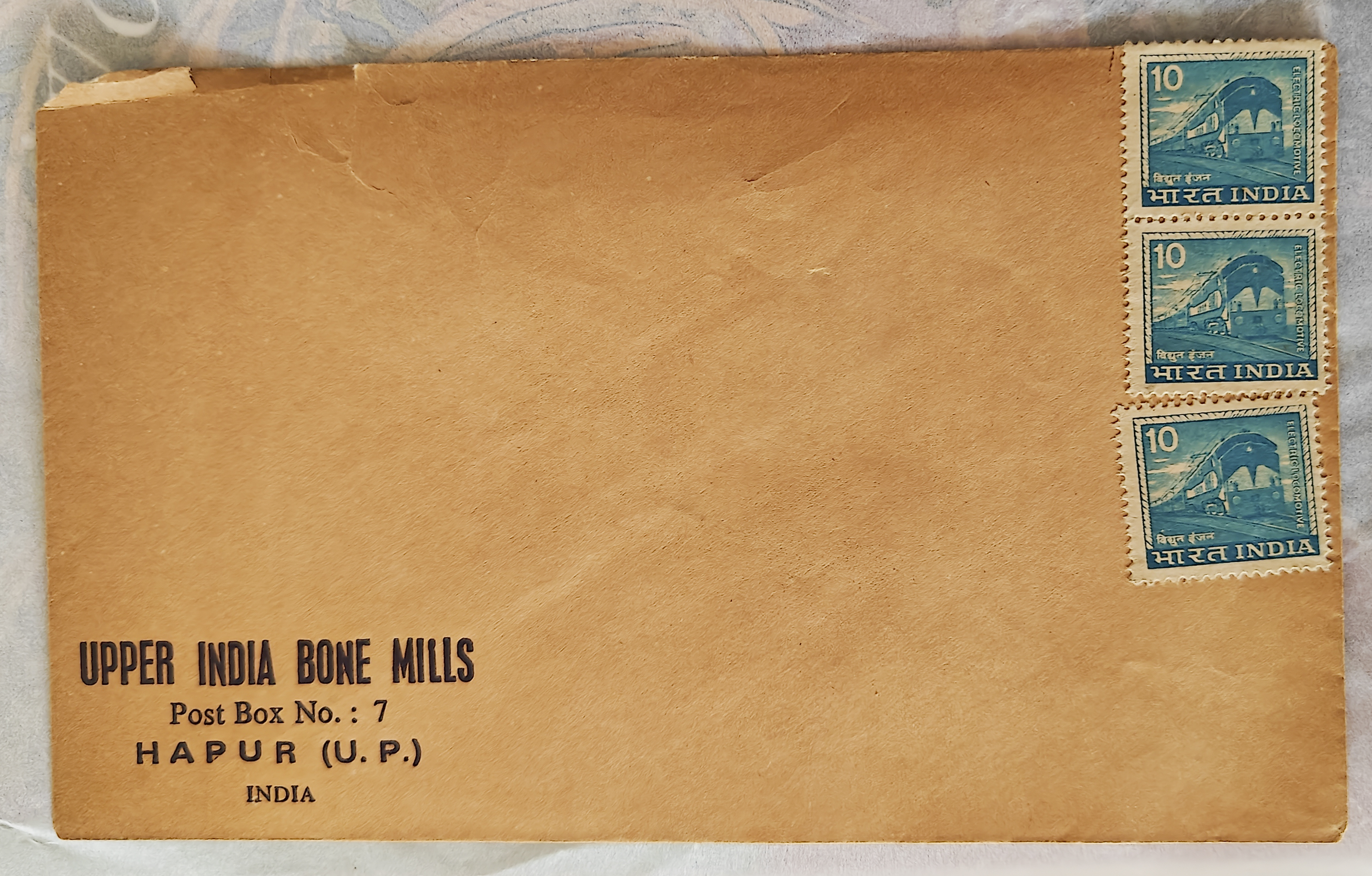
<मेरे हिस्से की विरासत> This yellowing envelope, together with the postage stamps on it, was found in one of the books left behind by my father. Dad was a passionate letter writer; writing and posting dozens of letters each day. I can imagine him having forgotten the envelope in the book mid way to writing a letter within the folds of the same book. Having finished the letter an hour or so later, he would have used another envelope to post the letter, leaving that moment and memory behind. But how he came to acquire this particular envelope of a ‘bone’ mill in Hapur is a bit of a surprise with no clues. I dig, that the year 1966, for Hapur (then part of Meerut district), was marked by significant legal and political developments. It was a period of political transition, with general elections for the Lok Sabha and Vidhan Sabha happening concurrently. Discussions related to a “Family Planning Camp at Hapur” are recorded in the official debates of the Rajya Sabha in May 1966. Same time, a long strike by sugarcane producing farmers and other mill workers of this belt resulted in Sugar Cane (Control) Order, 1966, to be enacted in parliament — a pivotal regulation that is still referenced in modern-day disputes regarding timely payment of dues to sugarcane farmers. Being a trade union leader, dad may have visited Hapur in support of striking workers. There is no sign of this particular mill now but even today there are still a few bone mills in Hapur which supply bone meal for poultry feed. Dad, is my inference right!!
जब किसी चीज या जगह को ज़ोर जबरदस्ती, रगड़-रगड़ कर चमका दिया जाता है तो उस पर कुछ वक़्त के लिए चमक तो आ जाती है पर उसकी असल खूबसूरती बिगड़ जाती है। प्रगति मैदान में हर बरस होने वाले किताब मेले का इस बार कुछ ऐसा ही हाल है भारत मड्डपम के पाँच हाल में लगा ये मेला बिल्कुल अस्पताल के सैनिटाइज़ेड वार्ड जैसा लगता है जहां हर मज़मून, हर स्टॉल, हर चीज़, हर दूसरा नज़रिया या नापसंदीदा किताब व सब्जेक्ट को मशीनी तरीके और तीसरी आँख से ना सिर्फ एक्स-रे किया गया है पर कोशिश कर बरखासत कर दिया गया है।
मेले में कदम रखते ही अगर आपको किताबों की वो खास गंध ना आए तो सब कुछ अधूरा लगता है। हवा में घुली वो पुराने कागज़ की महक, किरोसीन में मिली स्याही की वो भभक, अरारूट और मैदे वाली लेई की अचार जैसी बास, मोटी जिल्द के गीले गत्ते पर चिपके गीले कपड़े की बू और जाने क्या क्या ऐसा होता है जो आपकी नाक, आँख, कान, गले, और बाकी सभी इंद्रियों को बेचैन कर देता है। साथ साथ होती है हर किताब खरीदने की उंगलियों की लपलपाहट, चाहे कंधे बोझा ढो कर मर ही क्यों ना गए हों। किताबों के स्टालों के गलियारे पार करते करते जब पैर थक जाते थे तो जूट के कालीन पर कहीं भी बैठ कर चाय वाले भैया की इंतज़ार करना प्रेमिका के इंतज़ार से भी ज्यादा दुख दाई होता था पर वो आ जाते थे अपनी मीठी, काली चाय लिए बिल्कुल नारद जी से, कहीं से प्रकट हो जाते थे। पर ये सब कभी हुआ करता था, वो जमाने और थे, वक़्त ठहर हुआ था, किताबों में दूसरों से नफरत करना नहीं सिखाया जाता था, इतिहास मनमानी से नहीं लिखा जाता था और किताब के मेले में किताब ही मिलती थी माला या मूर्तियाँ नहीं ।
आज मेले में एक तरफ से हाल में दाखिल होते ही आपका आमना-सामना होता है काला चश्मा लगाये, वर्दी पहने, बंदूक धारी फौजी से जिसके दायें हाथ पर तिरंगा लिए एक फौजी टुकड़ी किसी इलाके में विजय नाद कर आगे बढ़ रही है। आपकी सुरक्षा या देख रेख के लिए ये दिल्ली पुलिस नहीं फ़ौज है। एक बारगी तो शुबा होता है आप किताब मेले में हैं या सुरक्षा मेले में। थोड़ी दूर चलो तो एक पूरी दीवार पर कुछ महीनों पहले हुए ऑपरेशन सिंदूर का पुरा ब्योरा मिल जाता है थोड़ी दूर और चलो तो सेना के तीनों कमान के साधन, सवारी और शस्त्र भी दिख जाते हैं । बख्तरबंद गाड़ी, अर्जुन मेन बैटल टैंक, युद्ध पोत और लड़ाकू जहाज – सब एक बड़े से चौबारे में रखे गयें हैं जिसकी दीवारों में शहीदों की तस्वीरें इज्ज़त और मान से एक कतार में लगाई गई हैं । यहाँ पहाड़ी फतेह करते और झण्डा गाड़ते जवानों की टुकड़ी की प्रतिमा भी है जिसमें एक सिख जवान भी है। इस प्रतिमा के सामने खड़े हैं बी एस एफ और गुरखा सेना के असली जवान।
अब इन सब से नजर हटे तो आदमी किताब भी देखे। लकड़ी की दीवारों के पीछे से किसी कॅफे कॉफी डे टाइप की अमेरिकानों या केपूचीनो कॉफी की महक आपको बुला रही है और आप बेमने से उस तरफ चल देते हैं क्यूंकी मेले में चाय तो मिल नही रही, अब निकालिए दो सौ रुपये जो बाशोम के हाइकु की किताब खरीदने के लिए बचा रखे थे। मन ही मन गिनती हो रही है कितने पैसे जेब में बचे हैं। एक प्रिय दोस्त ने कल ही बताया की कैसे वो साल-दर-साल दस बीस हजार रुपये इकठे कर किताबें खरीद ले जाते थे। मैं आसमाँ को देखने के लिए सर उठता हूँ तो हाल के ऊपर लगी गंदी काली छत देख मुझे यकीन हो जाता है कि अगर भगवान है भी तो वो इस छत के परे तो मेरी नहीं सुनेगा और मेरे पास कभी किताबें खरीदने के लिए एक मुश्त बीस हजार रुपए नहीं होंगे। हालंकी अब में अपनी पसंद की बहुत सारी किताबें खरीद पाता हूँ पर मुझे वो दिन कभी नहीं भूलते जब जब किताब मेला पंद्रह दिन का होता था और हम पूरे पंद्रह रोज़ अलग अलग स्टॉल के सामने बैठ कर किताबों को भारी दिल से निहारते और कुछ रेट लिस्ट बटोर शाम घर लौट जाते थे।
मेला और आस पास अब पहले से साफ है, दिखता भी वैसा ही है। टॉयलेट साफ। घास का मैदान साफ। बहुत कुछ साफ हो चुका है। पाठक साफ, बच्चे साफ, युवाओं की जेब से पैसे साफ, प्रकाशकों का दिया जाने वाला 50 पर्सेन्ट डिस्काउंट साफ, स्कूली बच्चों की कतारें साफ, सस्ते खाने और चाय की दुकानें साफ, नामचीन अन्तराष्ट्रीय प्रकाशक साफ। छोड़िए भी, अब इस से ज़्यादा सफ़ाई क्या हो सकती है।
क्या हुआ जो वो किताब खरीद नहीं पा रहे, देखिए ना कितने बच्चे किताबों के सामने रील बना रहें है, कितने सारे सेल्फ़ी पॉइंट बनाएं हैं मेल अधिकारियों ने। देखिए ना कितने तिरंगे लहरा रहे हैं, जोश है, वंदे मातरम है और हैं महामहिम की बड़ी बड़ी तस्वीरें और बैनर जो हमे शिक्षा और देश प्रेम का संदेश दे रहें हैं। देखिए ना कितने लेखक अपना इंटरव्यू लिए जाने का इंतज़ार कर रहे हैं और इसका कि कोई पाठक आ कर उनसे किताब पर साइन करवा ले, सेल्फ़ी खींच ले।
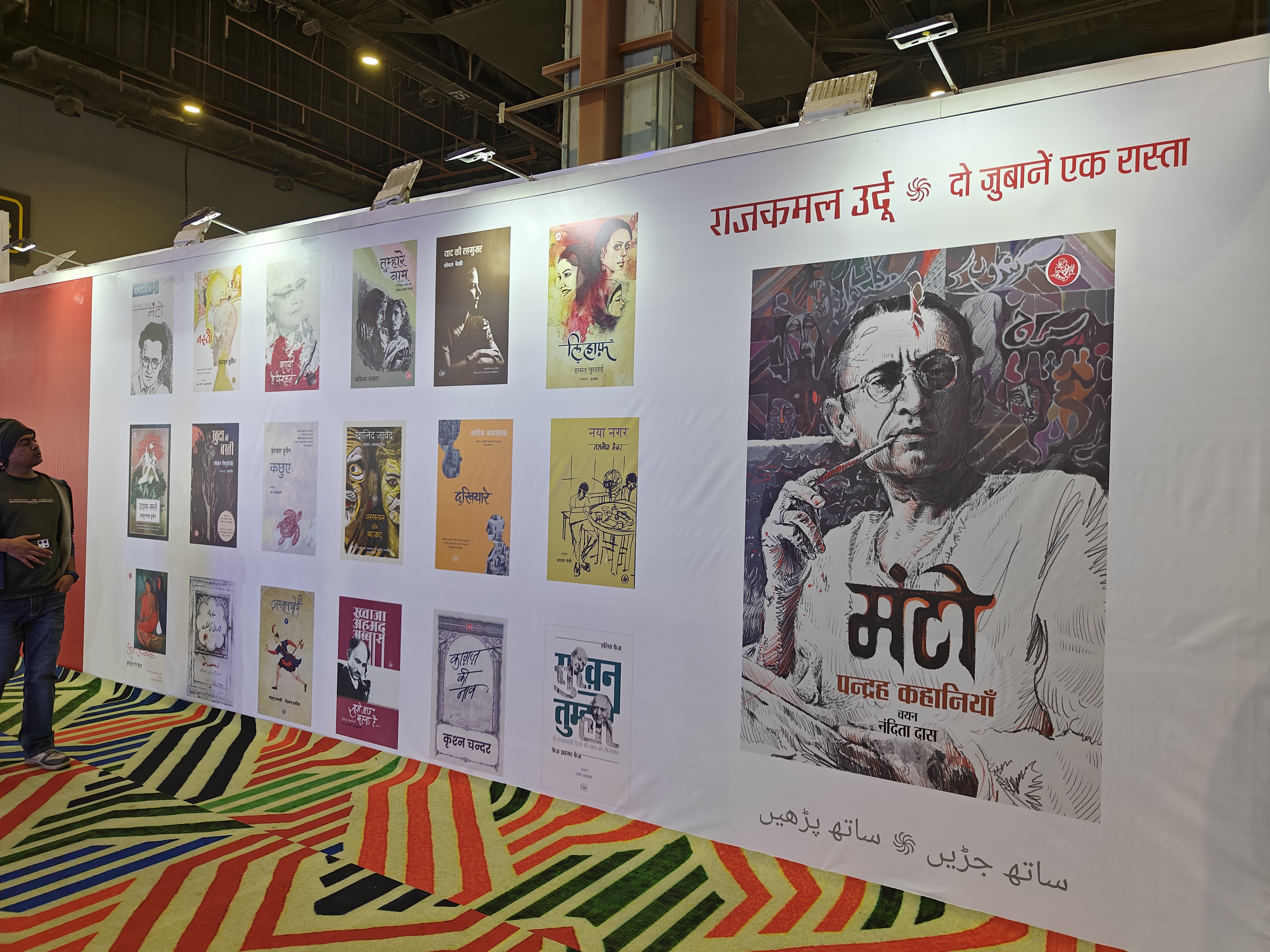
देख कर बहुत अच्छा लगता है कि पिछले कुछ सालों से हिन्दी भाषा का बढ़ता दबदबा है । काश उतनी विशिष्ट और बड़ी जगह में कभी उर्दू और पंजाबी भी देखने को मिले। इन ज़बानों के प्रकाशकों को भी ज्यादा तादाद में मेले में भाग लेना चाहिए। मेरा मानना है की पढ़ना उतना ही ज़रूरी है जितनी अच्छी खुराक और अच्छी सेहत। हर बार की तरह इस बार भी मेले में खूब घूम घूम कर थक गया पर पूरी तरह थकने से पहले अपने खास स्टॉल को ढूंढ ही लिया ।
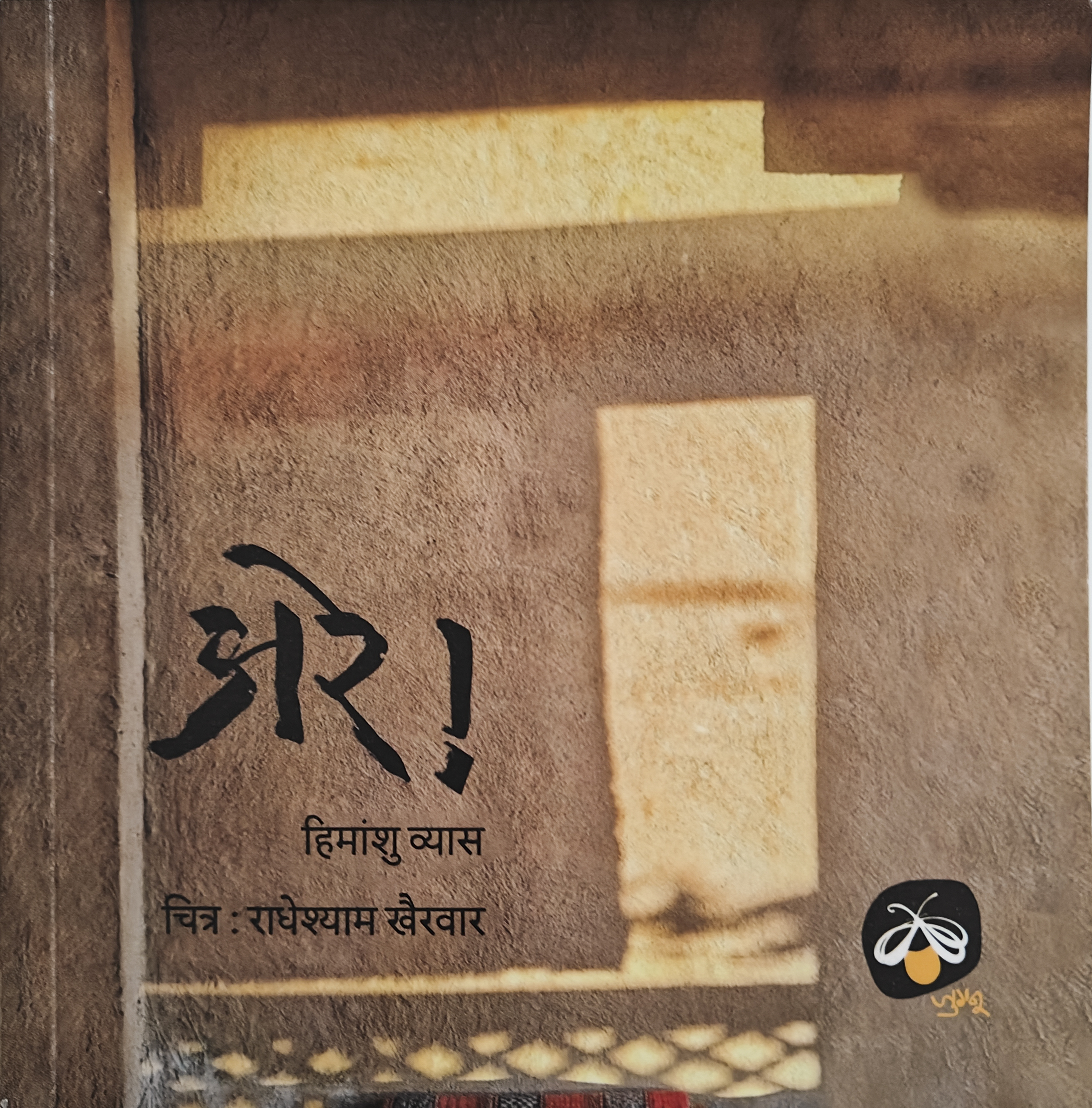
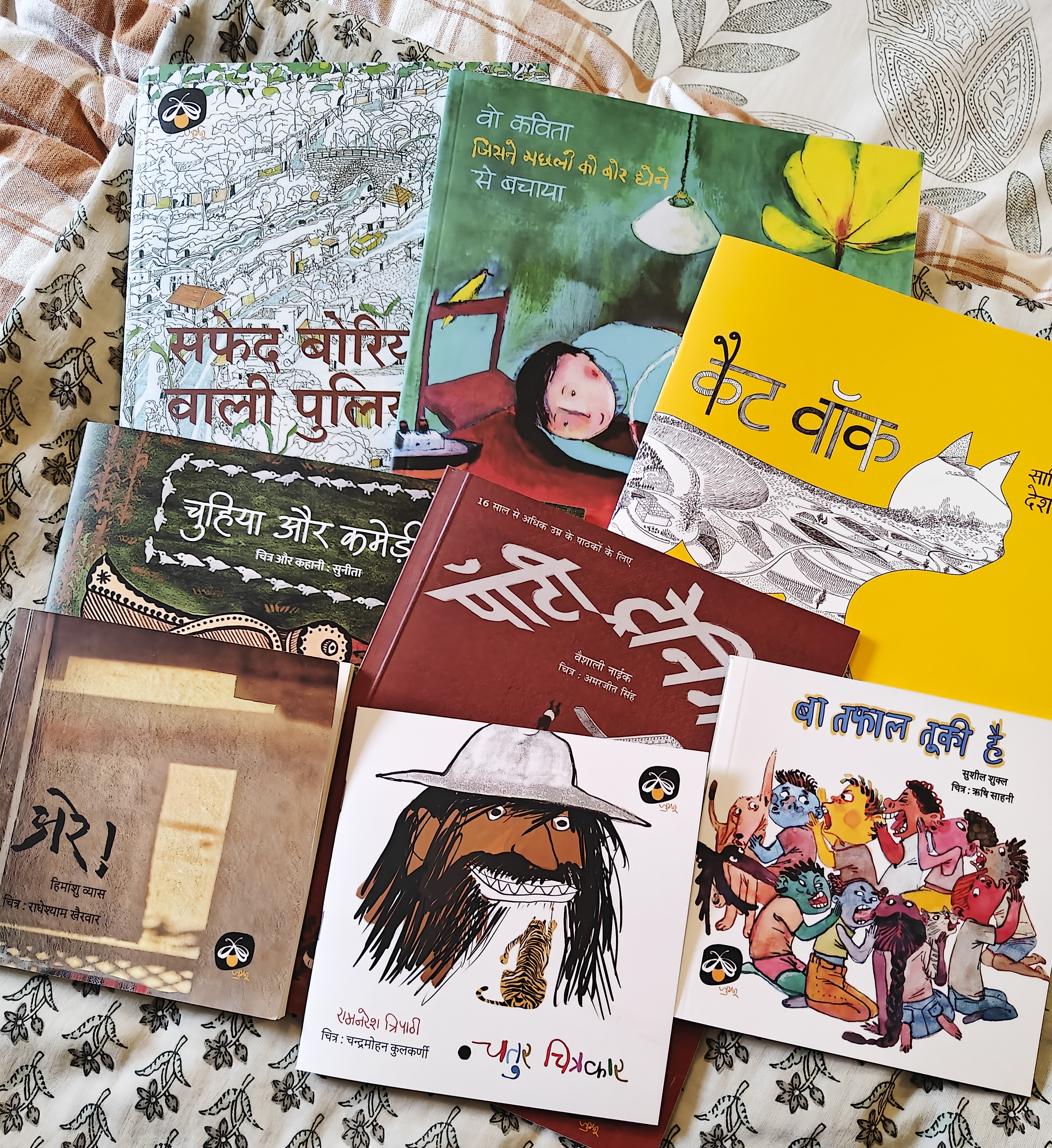
मेले में एक पड़ाव ऐसा होता है जहां बस ठहर जाने को मन करता है। और, जहां बेहतरीन किताबों के साथ साथ ऐसी सुंदर किताबों को बनाने वालों से भी मिलना हो जाता है। किताबों के मामले में मेरा ‘मन तो बच्चा है जी’। बचपन में बेहतरीन, रोचक और सुंदर छपाई वाली रूसी किताबों से प्यार था बड़े होते होते रूसी किताबें खो गईं और उनकी जगह ले ली ‘इकतारा’ की किताबों ने ले ली। इकतारा की किताबें और वो स्टॉल सब थकान हर लेता है। मेरे लिए वहाँ किताबें इतनी मज़ेदार हैं की मैं उन्हें खा सकता हूँ। आलथी-पालथी मार कर बैठ जाता हूँ, मेरी खस्ता हालत देख कर कोई ना कोई दोस्त चाय ला ही देता है। एक एक कर सब नई किताबें उठा वहीं पढ़ लेता हूँ और खरीदने के लिए थैला भर लेता हूँ। इस बार भी वही किया। इस बार एक किताब हाथ लगी तो 200 रुपए वाली कॉफी पीने का मलाल नहीं हुआ। बाशोम के हाइकु वाली किताब नहीं मिली पर हिन्दी के हाइकु की किताब “अरे!” मिल गई। मेरे पास ही अपने चहेते पाठकों के बीच बैठे थे हिमांशु व्यास, “अरे!” के हसीन लेखक। क्या मुस्कान थी उनके चेहरे पर, क्या प्यार था उनकी आँखों में और कितनी मिठास थी हिमांशु जी के लहज़े में । मैंने भी मौके का फायदा उठा कर उन से उनकी किताब पर कुछ लिखने को कह दिया। हाय हाय, एक तीर सा हाइकु मिल गया मुझे, सिर्फ मेरा हाइकु, जो दुनिया के किसी पाठक के पास नहीं है, हो ही नहीं सकता और फिर उसमे हम दोनों का नाम जुड़ा है । सलाम हिमांशु जी और शुक्रिया। एक गलती हो गई – हिमांशु जी के साथ तस्वीर नहीं ली, ऐसा ही होता है हर अच्छे लेखक की औरा ही ऐसी होती है कि सब कुछ भूल जाता है (औरा यानि प्रभामण्डल- वो रोशनी जो सर के पीछे गोल गोल घूमती दिखाई पड़ती है)।
‘इकतारा’ की किताबों और मैगज़ीन ‘साईकल’ और ‘प्लूटो’ को लोग बच्चों की किताबें बताते हैं, मेरी बात मानिए ये सरासर गलत है, ये बड़ों के साथ नाइंसाफी है हमारे ऊपर किया जा रहा ज़ुल्म है। अगर आपको अपने भीतर का, अपने मन और दिल का बचपन बचा के रखना हैं, अपने अंदर बसे उस बच्चे को फिर से जगाना है तो इकतारा की हर किताब को खरीदिए और पढिए, ना सिर्फ खुद पढिए बल्कि अपनी बिरादरी, दोस्ती-यारी और आस पड़ोस में भी सब को ले कर दीजिए, छोटे बच्चों को पढ़ कर सुनाईए। बात ज्ञान की नहीं है दोस्त बात अपने भीतर सोये इंसान को जगाने की है, अच्छाई को देखने की है, प्रेम और भाईचारे की है जो इकतारा की किताबों में भरा है।
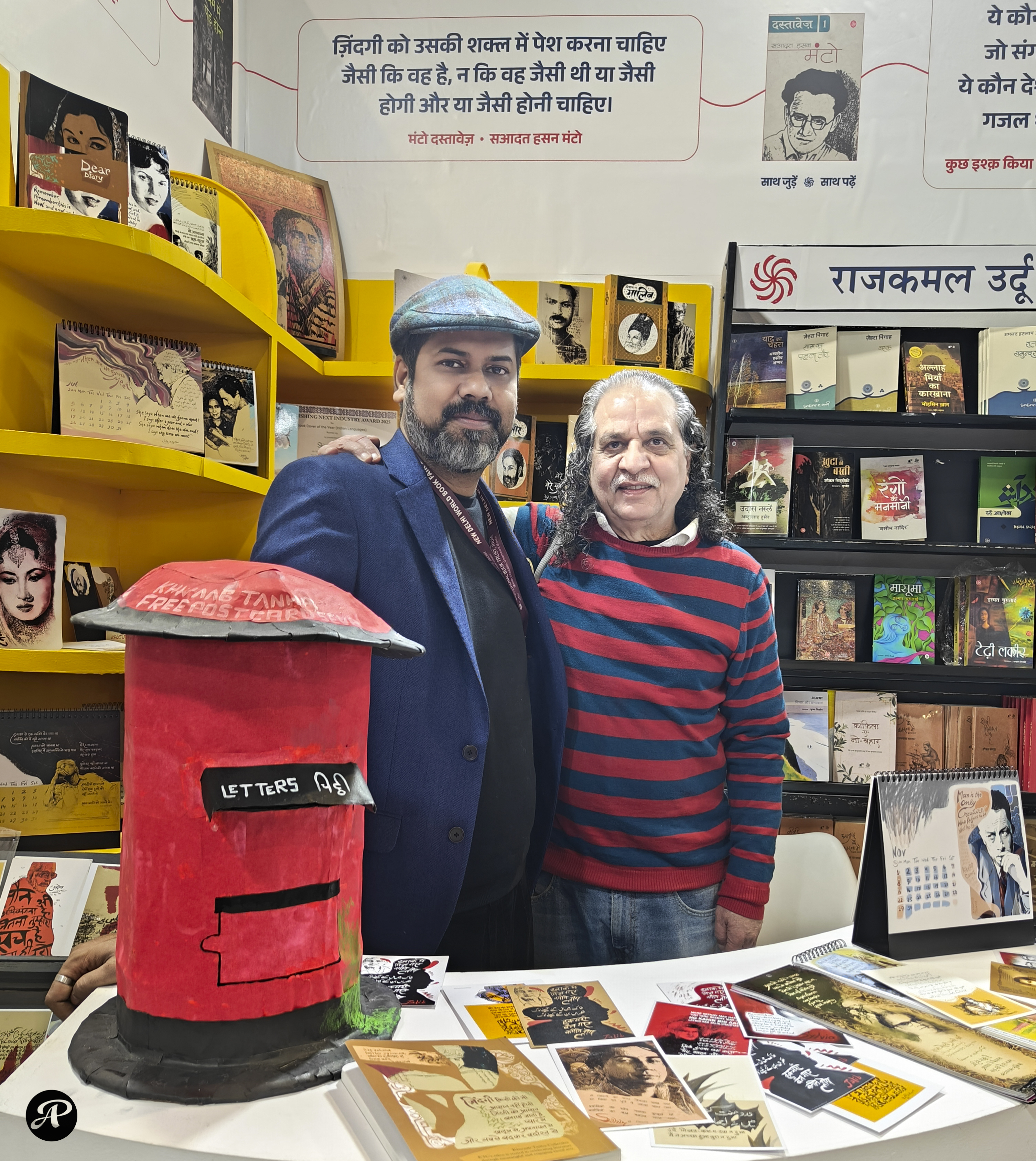
इस बार के किताब मेले (2026) में एक प्यारा कोना ऐसा भी है जहां से आप अपने चहेतों को चिट्ठी भेज सकते हैं। अभी इसकी ज़िम्मेवारी खवाब तन्हा कलेक्टिव के शिराज हुसैन ने संभाली हुई है हालांकि ये काम डाक विभाग का होना चाहिए था। शिराज ने ना सिर्फ अपने हाथ से बनाया लेटर बॉक्स लगा रखा है वो आपको एक खूबसूरत रंगीन पोस्टकार्ड और उस पर लगी टिकट भी मुफ़्त देंगे, जी हाँ ठीक पढ़ा आपने “मुफ़्त” यानि FREE. मेले के हाल नंबर 2 में राजकमल प्रकाशन के स्टॉल पर आपको मुसकुराते हुए शिराज मिल जाएंगे जो ना सिर्फ ऐसे कई पुण्य के काम करते हैं बल्कि पहुंचे हुए आर्टिस्ट और कलिग्रफर भी हैं। इनके बनाए कैलंडर, पोस्टर, पोस्टकार्ड, बुकमार्क, और बहुत कुछ वहाँ देखने और खरीदने को मिल जाएगा दुनिया में अब ऐसे इंसान कम रह गए हैं। जल्दी करिए इन्हें मिल लीजिए और अपने घर वालों, दोस्तों, या आशिक – माशूक को याद कर एक चिट्ठी लिख ही डालिए। स्टॉल P-01 हॉल 2-3, मंडपम, मेले में। आखिरी डाक 18 तारीख तक । तस्वीर में लेटर बाक्स के साथ शिराज और राज ।
किताब मेल जैसा भी है अच्छा है, किसी मॉल में घूमने से तो लाख दर्जे बेहतर । सिर्फ 18 जनवरी तक है, आज ही जाएं । साल के ये वो दस दिन हैं जब मैं सब कुछ त्याग कर किताब मेले में चौबीस घंटे बैठ और घूम सकता हूँ। अभी की दोस्तों ने दूसरे शहरों से आना है मैं तो आत ही रहूँगा ।





 Ankahi. Unsaid.
You must be logged in to post a comment.