Remembering Raghu Rai

In the last 24 hours I have seen more portraits and pictures of Raghu Rai (on digital platforms) than I had ever imagined they even existed. It is sad that Raghu Rai is no more. He had been suffering for a few months. It is nice to see friends and acquaintances pouring out their love for him, and in turn, projecting their proximity to Raghu Rai. It is a veritable RR show online, an exhibition of his pictures some of which he wouldn’t even have known people cherished so much – friends, peers, fan, and acquaintances. 

While a photographer is in the process of making a picture or when he is busy composing them, he doesn’t realise that he too becomes a subject of curiosity, an image himself. People knew him, people loved him as an icon, a star photographer and people adored him wherever he went. He would talk, he would explain politely and share the nuances of an art of which he was undoubtedly a master. Amateurs and youngsters in photography community addressed him as Guru and Ustaad and wanted to record their meeting with him. Undoubtedly his was a photogenic face too, handsome and his smile too could launch a few ships. 

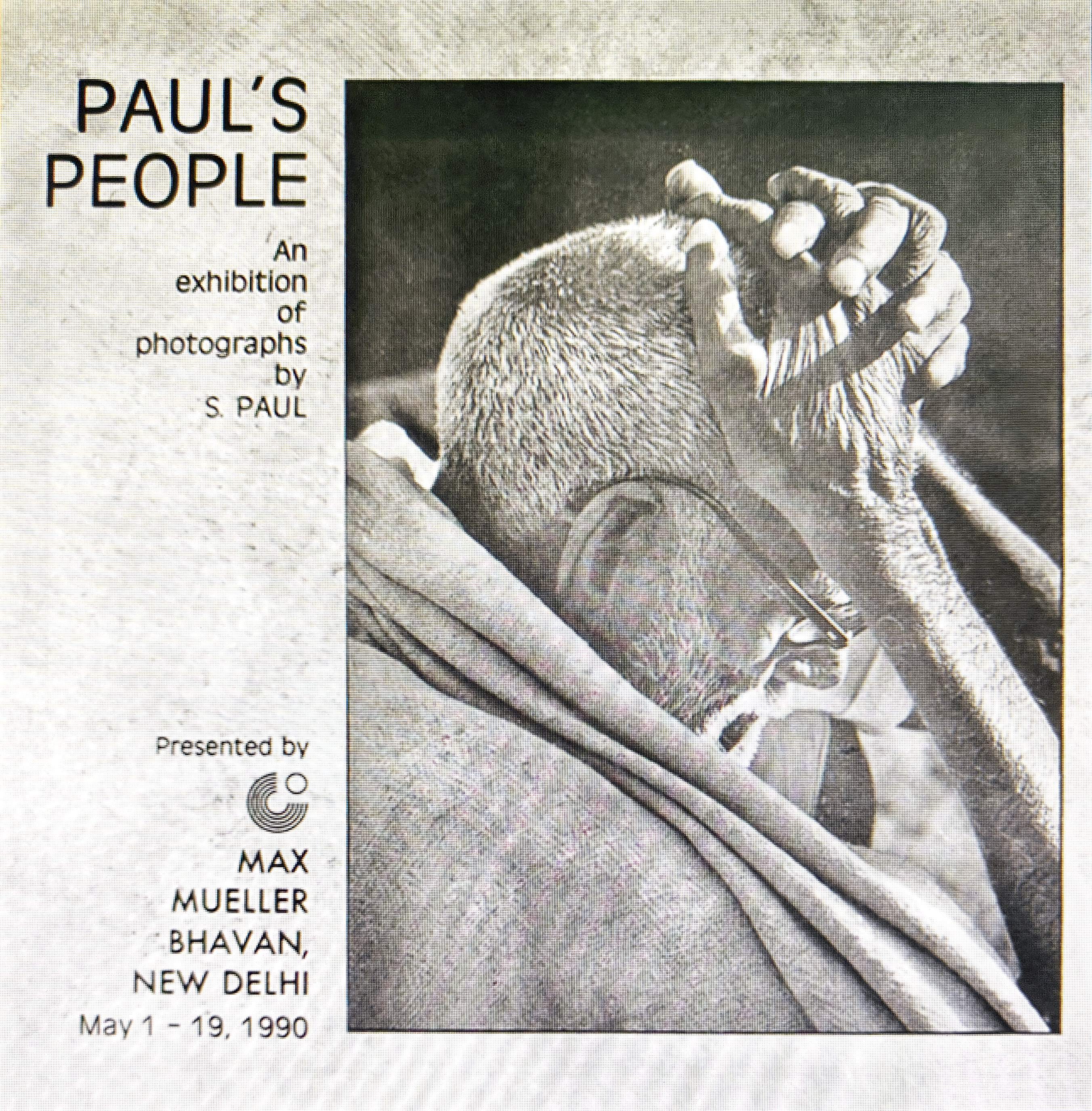
I can’t claim that he was my friend, yet our association and connection was such that we did treat each other as a friend. The first time I met him was in 1989 at his house in Rabindra Nagar next to Khan Market, Delhi. A UK based client of ours insisted on using one of Raghu’s Taj Mahal picture on the cover of his travel catalogue. Those were the days when film was used in cameras, pre-digital days. I had to pickup a 35mm colour slide from him and hand over a big amount for ‘one’ picture. He was a celebrity then and he is a celebrity now, thirty-seven years later. Even before I met Raghu Rai or had any association with him I had known his older brother S. Paul for whom we had designed and published a catalogue of his pictures. A show of S Paul’s pictures was organised by Max Mueller Bhavan, Delhi. I must say his pictures were very impressive.

As an advertising agency we are dealing with big names in photography all the time, whether for arranged shoots (industrial, architectural, food, fashion, product) or to buy stock pictures. That one meeting brought us closer and we kept meeting at art shows, galleries, social dos or at events organised by Kodak or Fuji. Ever since our meeting at SAHMAT events we got even closer.

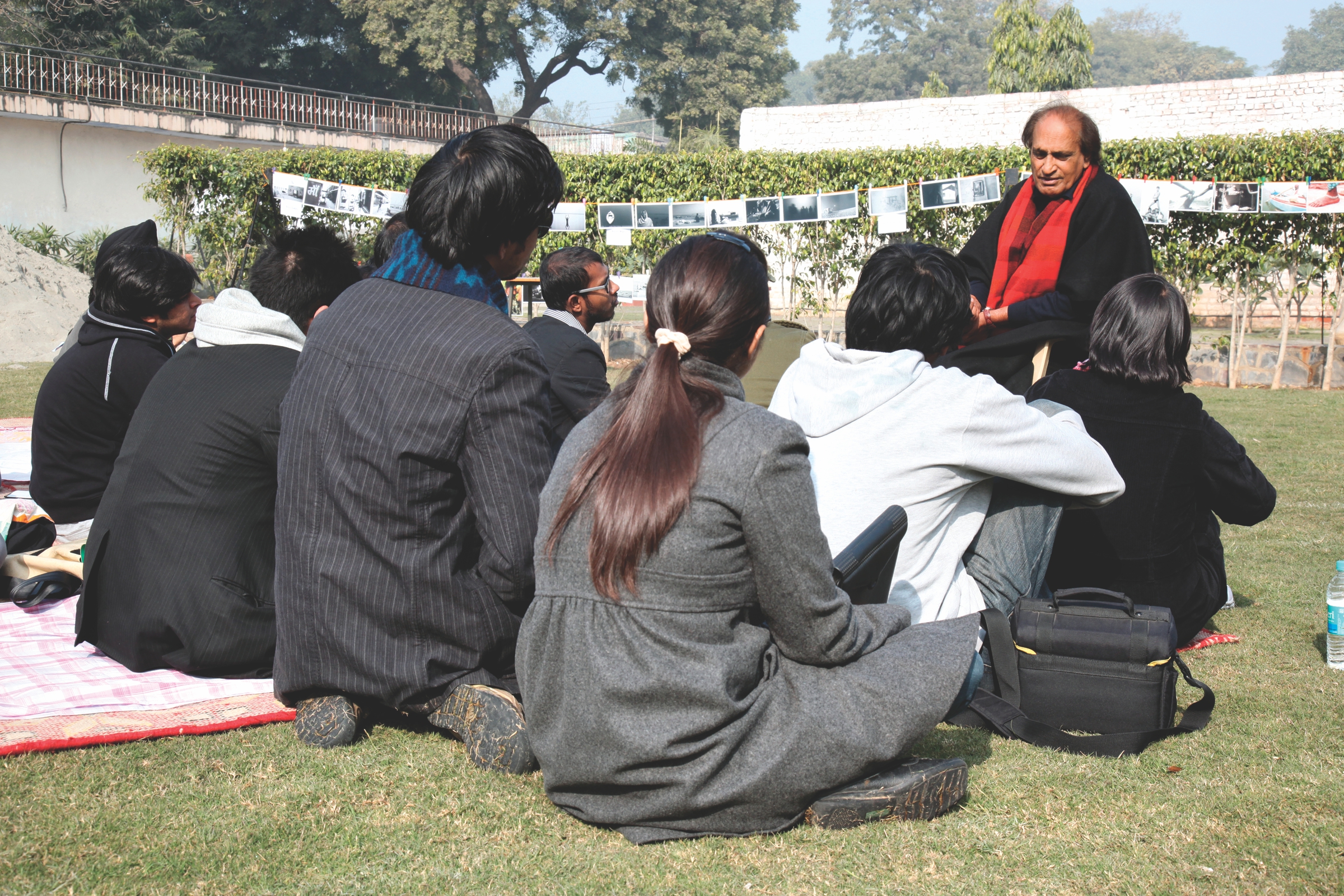
For some strange, and unknown reason I addressed him Prabhu (lord of photography??) and he would shoot back ‘Lal Pari’. About this moniker he once explained, “I have seen you many times wearing different red kurtas. Long back I saw you with your long hair bouncing off the shoulders, thus the name.” I nodded; you couldn’t argue with Raghu. I attended one of his photography workshops which he conducted open-air at the gorgeous location of Ojas Art gallery in Mehraulli. A large manicured green lawn, anchored around a banyan tree with its entangled roots hanging from its strong branches and its large leaves reaching for the earth. A tree that itself is associated with many renowned folklores was an aptly location for the master storyteller whose ‘pictured tales’. 

I had never imagined that there was even a remote chance to see so many of Raghu Rai’s pictures in one go, one day without having to move from house or visiting a gallery. A very large number of Raghu’s pictures are being shared online today; pictures that are artistically superb, iconic and are a story by themselves. These pictures are being shared because they are liked by masses and are a part of public memory. Thats a way condolences are shared.

One can’t disagree with people posting his marvellous pictures but then RR was known for his keen eye, the game he played with his subjects, the locale, the foreground and background, the light and shade and the very story that moment had. RR was known for capturing a story in his pictures – sometimes those were poetry or a song; an ongoing movement that brought forth a particular moment that he captured – the one that had both, the before and after in it. And then he hung that picture for all of us to see and feel the fierceness of a sand storm, a village rising from the dust and embracing air travel, 

Just like my mother, his family also came to India from Jhang where he was born. He shared it with with me after I had visited Lahore with my parents on a trip looking for their parental houses before the Partition. Raghu was eight years younger to my mother and they had shared the same mohalla. His keen eyes must have observed the ever changing subcontinent and the trauma of the uprooted families. He mentioned that he had been to Lahore long-long back in 1978 to locate their house and that for him too it was hugely emotional moment. Yet, he made full use of the opportunity and mingled with the crowd as he went about taking hundreds of pictures of the people and localities. There is very touching picture of him riding a donkey on a street, crowded with people surrounding him while he enjoyed all the attention – which all Indians get across the border.

His pictures were defining visual voices of modern India. Impressed by an exhibit of his work in Paris in 1971, Henri Cartier-Bresson, possibly the world’s greatest photographer in his day, nominated Raghu Rai to join Magnum Photos in 1977.

Today, photographers across the country are grieving a loss, but are also celebrating the life of a giant that rose above others to make his images immortal or outlive time.

Raghu Rai was not only a photographer with a keen observant eye but an artist who brought forth the aesthetics of a moment in his pictures. One can find RR pictures of almost all important events of the country from the 1970s onward. In mid-seventies, he was at the Maharishi Mahesh Yogi Ashram in Rishikesh photographing the phenomena in pop-music called the “Beatles”. His eyes found art where his contemporaries only found news. Like someone said, “Raghu’s evolution was meteoric. He raised news pics into world art. This was independent of his exceptional eye on the Taj Mahal, Mother Teresa, Dalai Lama, all the contemporary musicians. No war photographer had mixed valour, victory with a deep sense of tragedy as in his coverage of the Bangladesh war.” For those of us who shared a space in social and cultural activism, Raghu would be found standing with all for any cause. His haunting picture of a half-buried child after the Bhopal Gas Tragedy or the labour movement or even the plight of the migrants during Covid are silent sentinels of our times.

He was there, almost everywhere. Raghu Rai was in Ayodhya at the pivotal moment in Indian history when the Babri masjid was demolished. Not just that he documented the tragedy for posterity, he was at the receiving end from the Kar Sevaks who assaulted him and other photographers and  his camera equipment was also damaged.  

Not that I ever went with him on a photo-sortie, but I know by his sheer demeanour in all else that he did—that Raghu was never in a rush. He almost mathematically calculated every aspect of composing a shot and taking a picture I saw him taking pictures of the display of his own show in such thoughtful ways that one wonders what formule or theorems went on in his mind while making a frame.

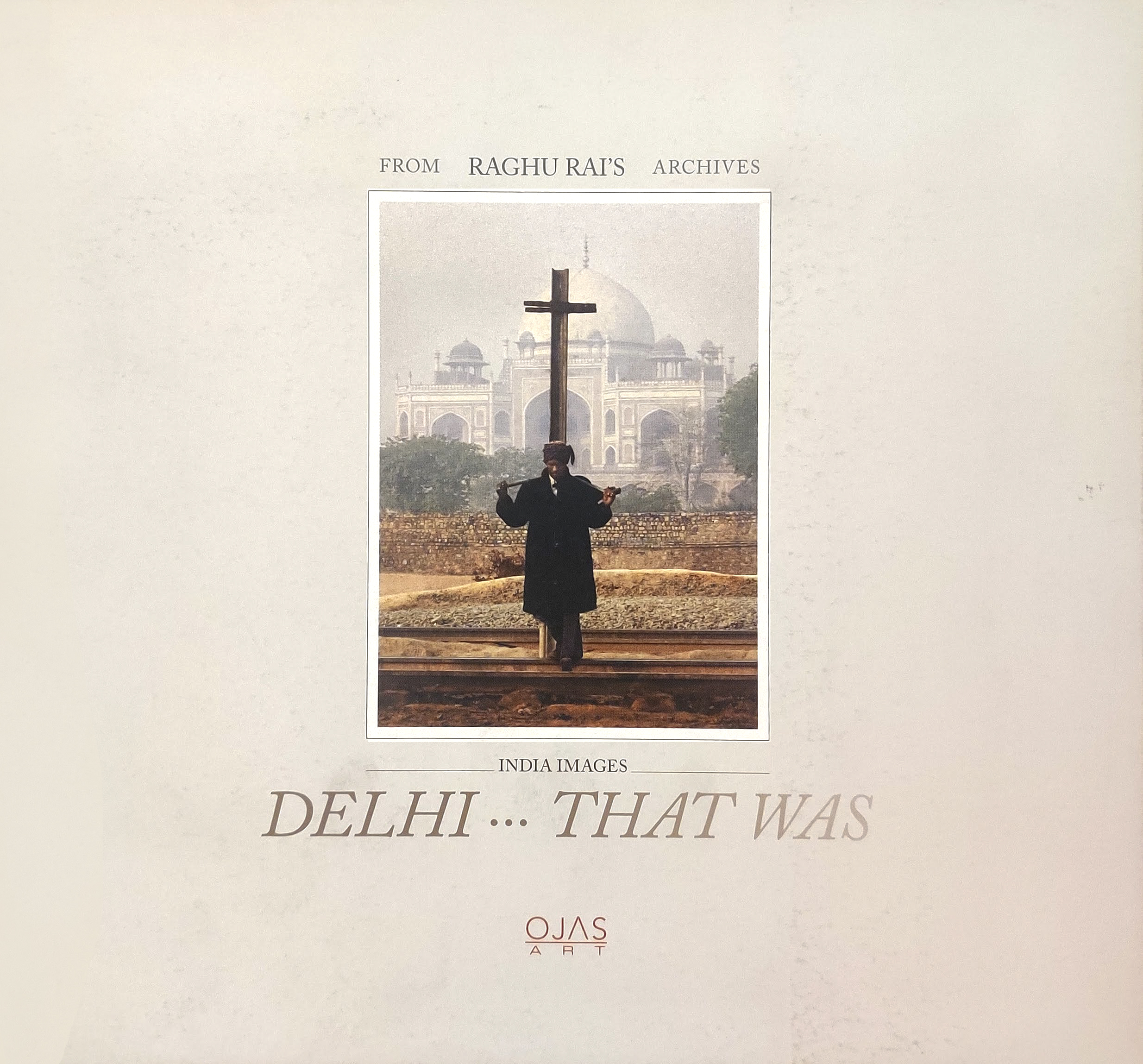
As a design agency we had the privilege of designing and printing catalogues of Raghu Rai’s shows that were assigned to us by art galleries. These catalogues gave me a chance to interact with RR on personal level for many reasons – be it technical or simply emotional. The last catalogue I did for him was for a show that exhibited photographs of three senior photographers of Delhi; namely Habib Rahman, Madan Mahata and Raghu Rai. The show was titled “Delhi… That Was”. Some of the finest pictures of these three greats were on display. On the day of the opening, Raghu went around the entire gallery interpreting each image for us who were keen to listen to him. Late Habib Rahman and Madan Mahatta would have been very happy that day listening to their pictures being deconstructed.

In Raghu Rai we have lost a visual historian, an artist, a photographer and a extraordinary human being.

P.S.: Social media platforms are a treat today to see some of Raghu Rai’s pictures that one had not seen before. It is also a rare day when we got a break from the seeing the sullen pictures of a rotten politico and his brigade. 
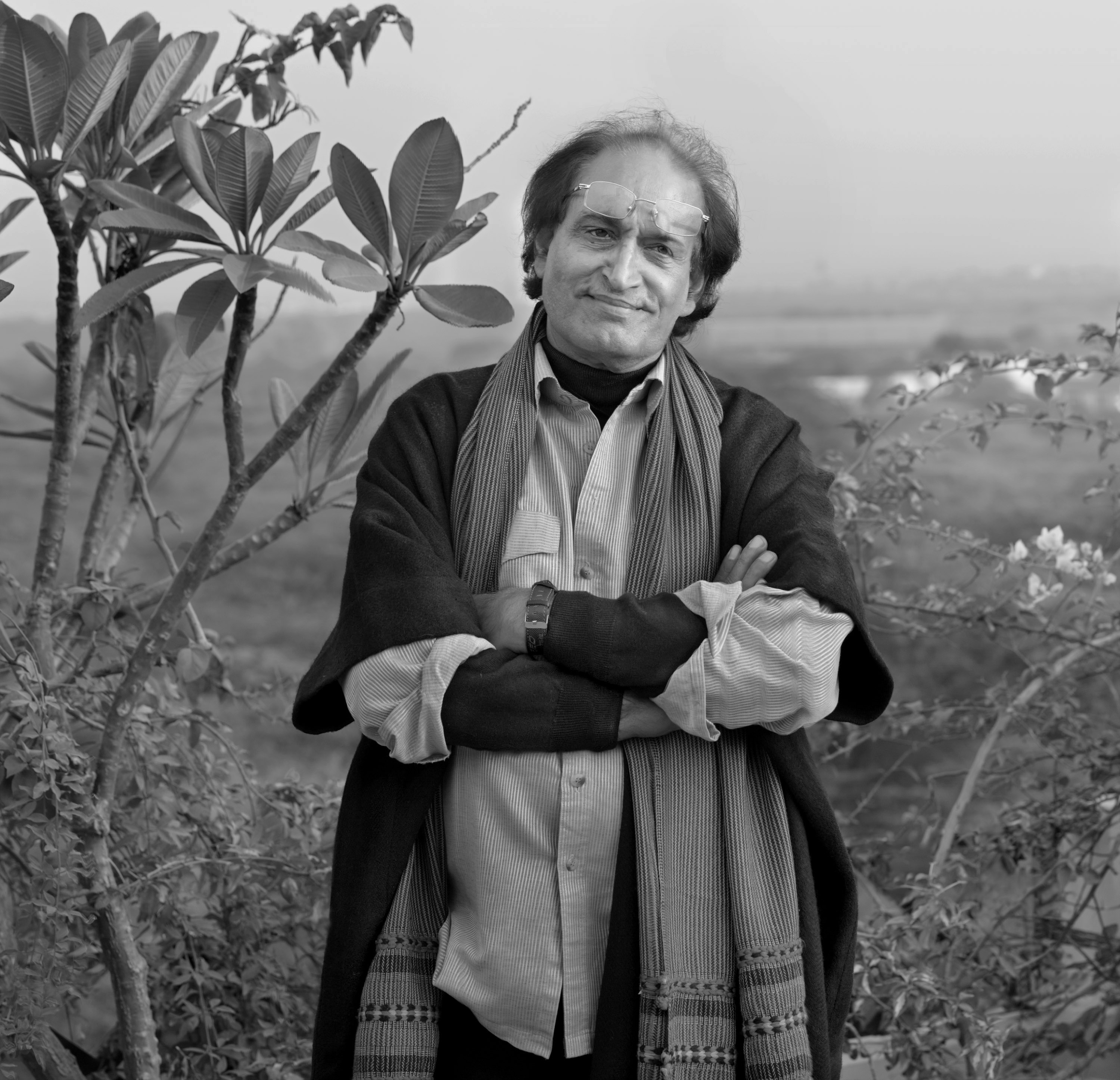
Raghu_111, Wed Nov 25, 2009, 4:37:05 PM, 8C, 3998×5330, (0+0), 50%, chrome 7 stops, 1/50 s, R93.3, G73.4, B74.4

Rajinder Arora, 27 April 2026

Sunil Janah: Photographing Wretchedness and the People’s Manifest

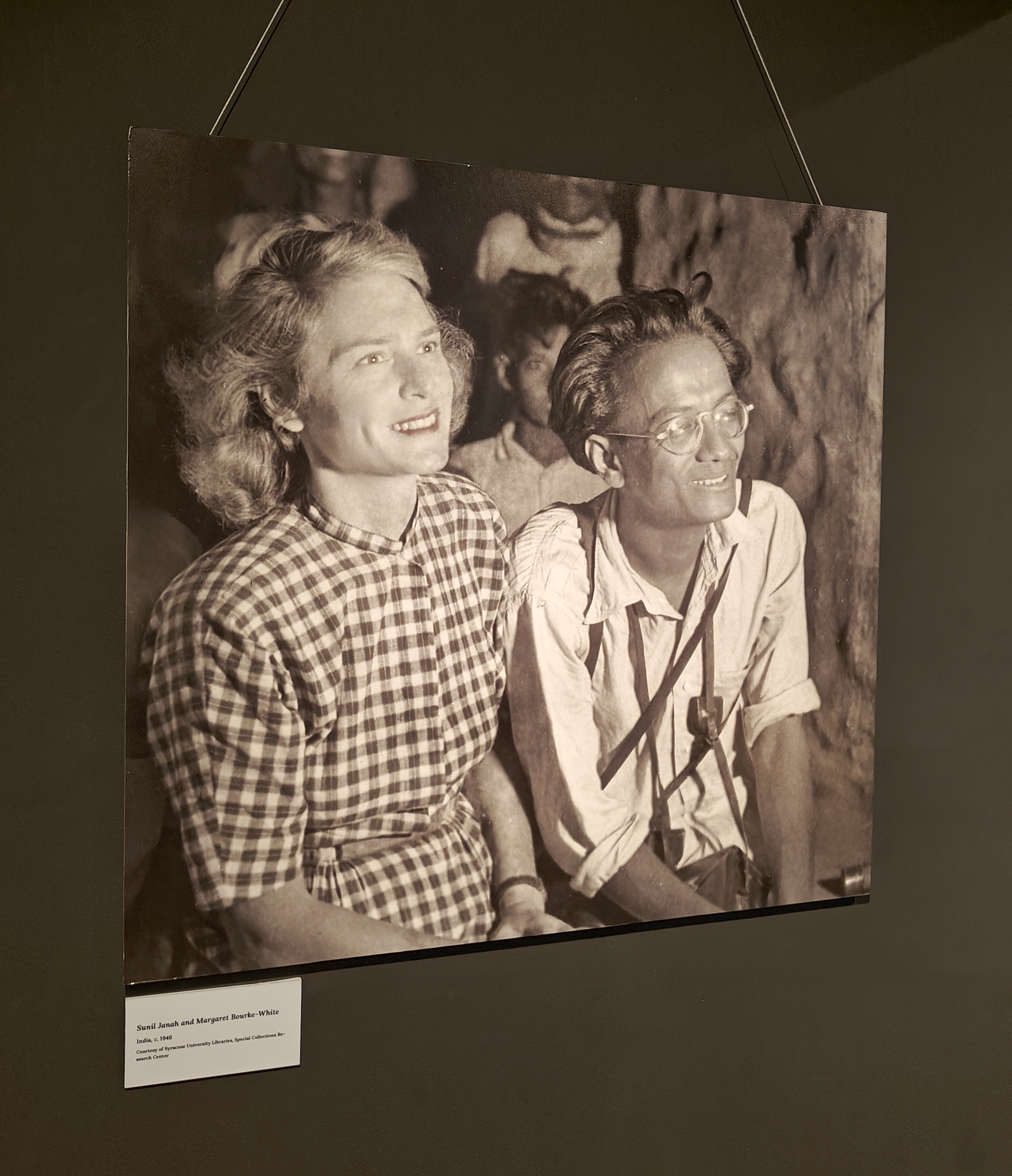
Sunil Janah would have been 108 today (17 April). His powerful photographs documented India’s independence movement, its peasant and labour movements, famines and riots, rural and tribal life, as well as the years of rapid urbanization and industrialization. The pictures he took were “a powerful mobilising tool, bearing witness to a brutal famine that the British were actively trying to deny.” About this picture of two tribal women, he said, “I took a number of photographs unknown to them; they were watching Margaret Bourke-White at work. The young girl was particularly striking.” Janah is quoted about his picture in the book, ‘The Second Creature‘, published by Signet Press in 1943. In the next picture (from a show at Museuo Camera, Gurgaon) are Sunil Janah and Margaret Bourke-White, c.1946, who collaborated on many projects.  Sunil Janah was an Indian-American photojournalist and documentary photographer who worked in India in the 1940s.

Lettered Cone – genetics of life on earth!

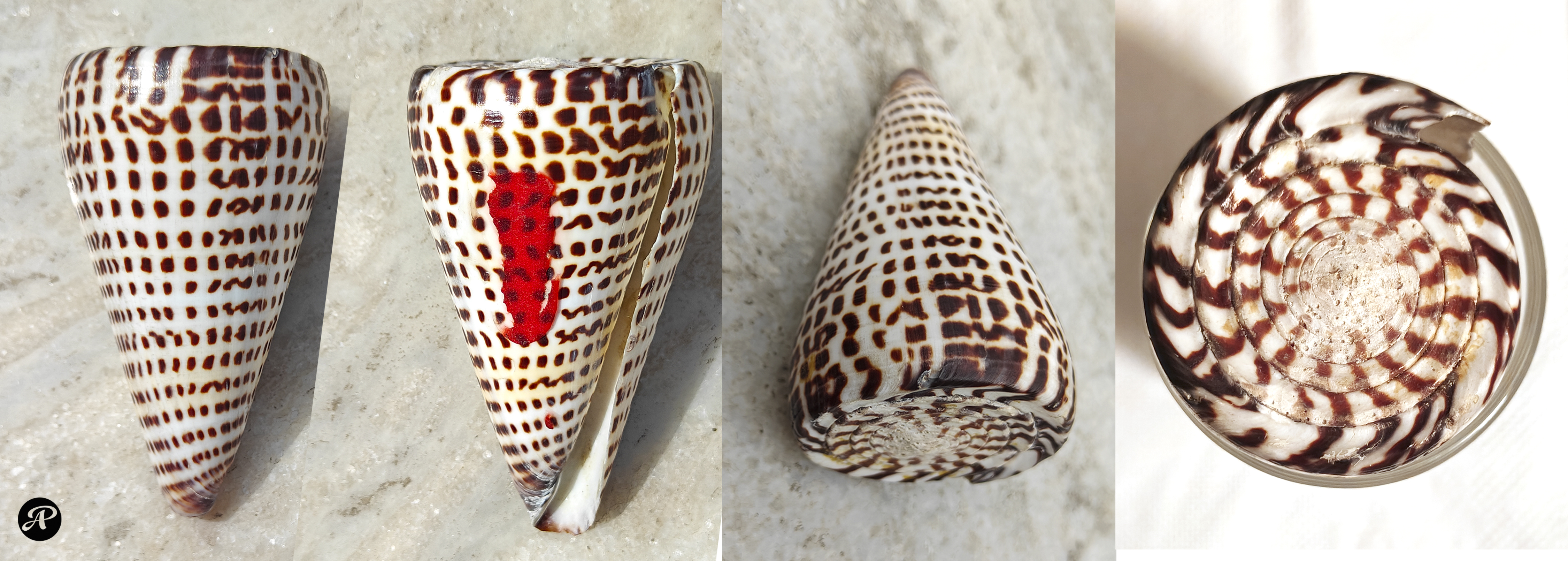
A kind aunt recently gifted this curio to Rajni together with its two cousins – the three being sea shell cones. The pattern and markings on this one fascinated me as I had not seen anything like this before so I searched a bit about it. Lo and behold, it is called “Lettered Cone” – it has found home finally – I told myself. 

Not surprising that even among the marine species of snails, gastropods, and mollusks there are ‘lettered’ and the ‘unlettered ones’. Just guessing, that among the lettered ones there must be poets and literary masters too – this one looks as if its pattern is rhyming with nature. In its top view it looks like the top of an ice cream cone filled with chocolate chunks in vanilla. Its sides look like a fancy snake skin. Holding it in hand is sheer delight, its inner curves still carrying the smell of saline waters of Indian Ocean where it is found in plenty. Don’t worry much about the red spot, it is some plastic stuck to it which I plan to remove carefully. 

A species of predatory sea cone snail or mollusk, Lettered Cone is also known as leopard cone. Like all species of conus these are venomous and capable of stinging humans. Fishermen don’t even touch it. It is the chocolate brown pattern on it which looks like a long forgotten ancient script that gives it its name and makes it look special. I learnt that “…the patterns on the Lettered Cone shells are also reminiscent of chromosomes. Possibly this is the undecipherable story the Lettered cone shell is trying to tell; a glimpse into the genetics of life on earth. For now, this deadly beauty will keep its secrets – possibly hidden in the letters of its shell.

I am told people have been obsessed with seashells since the Stone Age. These have been used as money, worn as jewelry, and used in trade. But if you’re beachcombing in the tropics, there’s one beautiful shell you can leave alone: the Cone Snail.

The Lettered Cone is the “femme fatale” of the ocean. It gets its name from the dark patterns on its shell that look like handwriting or secret codes. Every shell is unique, like a fingerprint, and some collectors even hunt for ones that look like they spell out actual words. Collectors say ‘no two messages’ are ever the same on these cones.

People have seen everything from early Arabic letters to lost codes in these patterns. Some collectors specifically hunt for “word shells”—specimens where the dots and dashes happen to line up to look like actual words.

In some cultures, these markings weren’t just seen as random; they were viewed as a way for the divine to speak to us.

From a scientific lens, these patterns are actually a real-world example of “Rule 30″—a complex mathematical rule used to study chaos and complexity in nature. It’s as if the snail is printing out a chaotic computer code as it grows.

I am not the only one obsessed with these. Over 2,000 years ago, people in Japan went on dangerous sea voyages just to find these shells turning these into bracelets for high-society women. Wearing one was not just the ultimate fashion statement it also marked the wealth of the owner enough to own something for which literally some lives could be risked.

The predator inside this pretty shell carries a harpoon of poison. Its needle-sharp tooth shoots out  toxic cocktail that can paralyze a prey in an instant. For humans, it’s incredibly dangerous—some species are nicknamed “cigarette snails” because the joke is you’d only have time for one last smoke after being stung.

But here’s the crazy part: that deadly venom of Lettered Cone is actually saving lives. A subject of neuroscientific research, scientists are turning its venom into medicine for neurological diseases like Alzheimer’s, Parkinson’s, depression and even epilepsy. They’ve even created a painkiller from it that’s 1,000 times stronger than morphine but isn’t addictive.

So, if you see one of these gorgeous patterned cones in the sand, just remember: it’s a tiny, beautiful masterpiece that packs a punch strong enough to change the world—or end your day very quickly.

Lettered Cone from the Indian Ocean

-Rajinder Arora, 15 March 2026

Blues. Paeans to an Art

In these difficult times of constant anxiety – stress & worry are deceitful mistresses. While our environment seeks to fill us with dread, the ‘Colour Blue’ serves to create a sense of calm, peace, tranquillity and has a soothing effect on our mind, body and ‘soul’. Blue is a ‘peacemaker’. Blue, as a hue, has no time for baseless fears. Blue inspires us to live in the present and bid farewell to our stress. By creating an air of serenity, the colour does just that. On a particularly challenging day, consider looking up at the sky and feel the stress melt away.

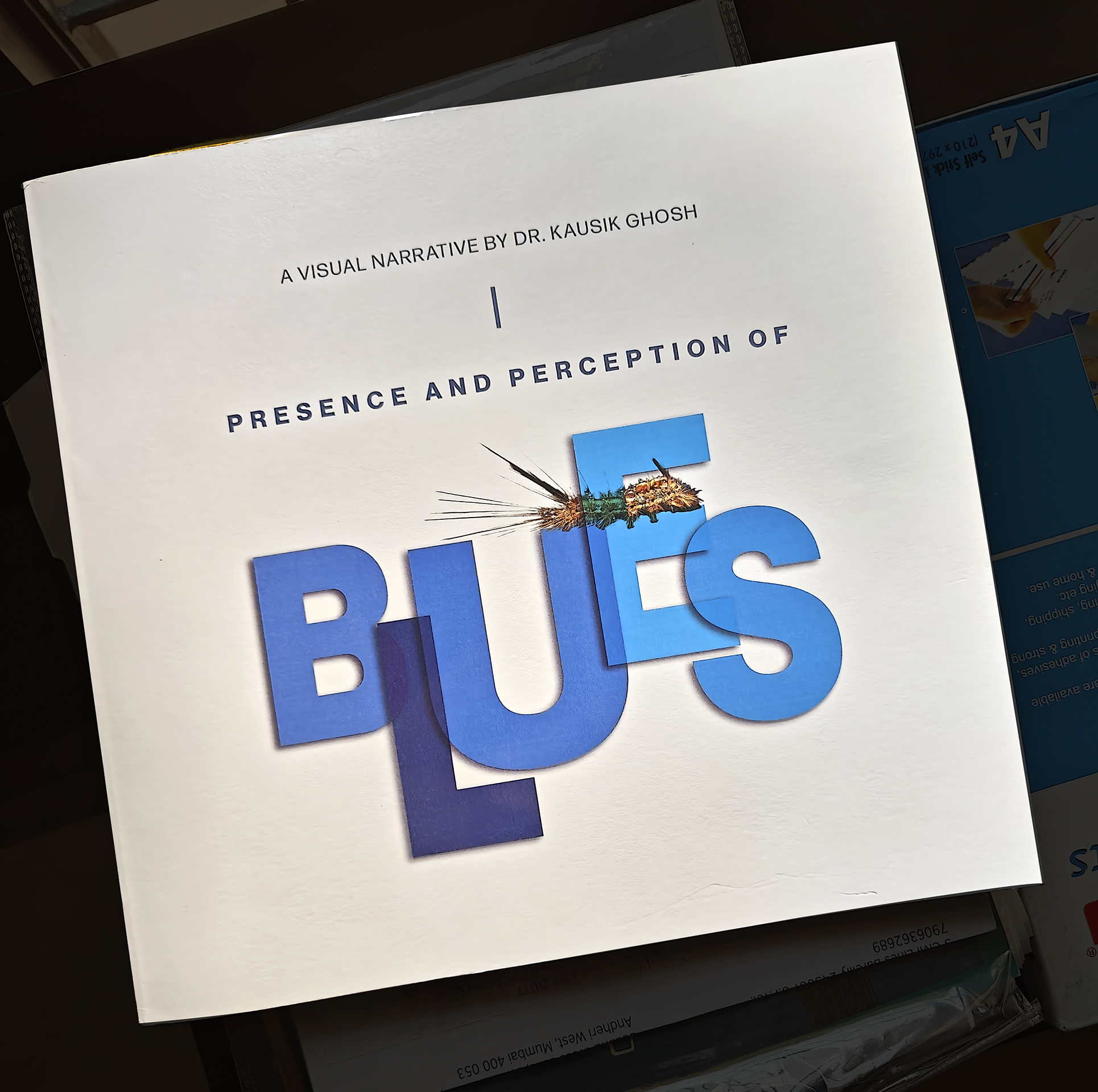
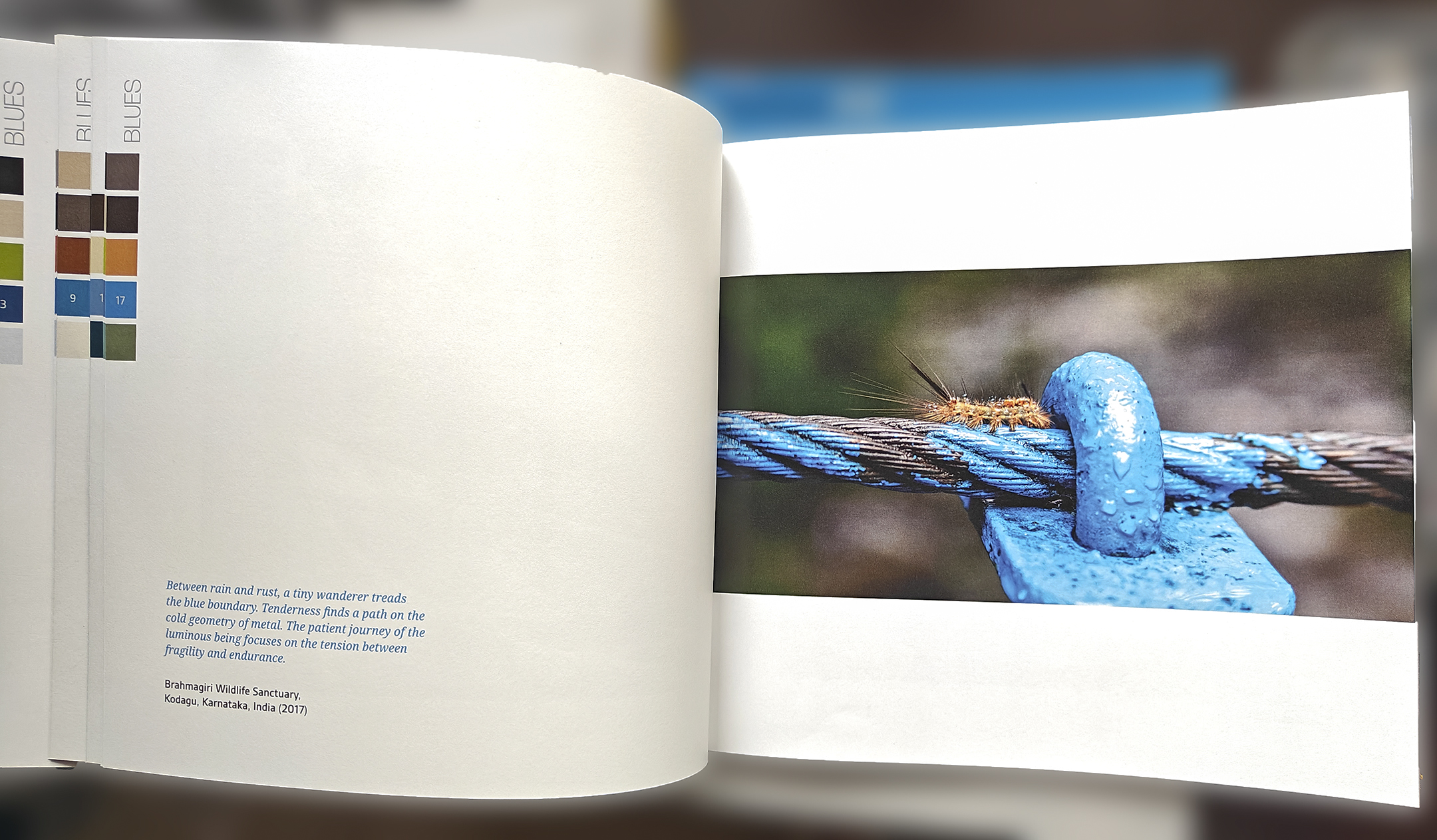
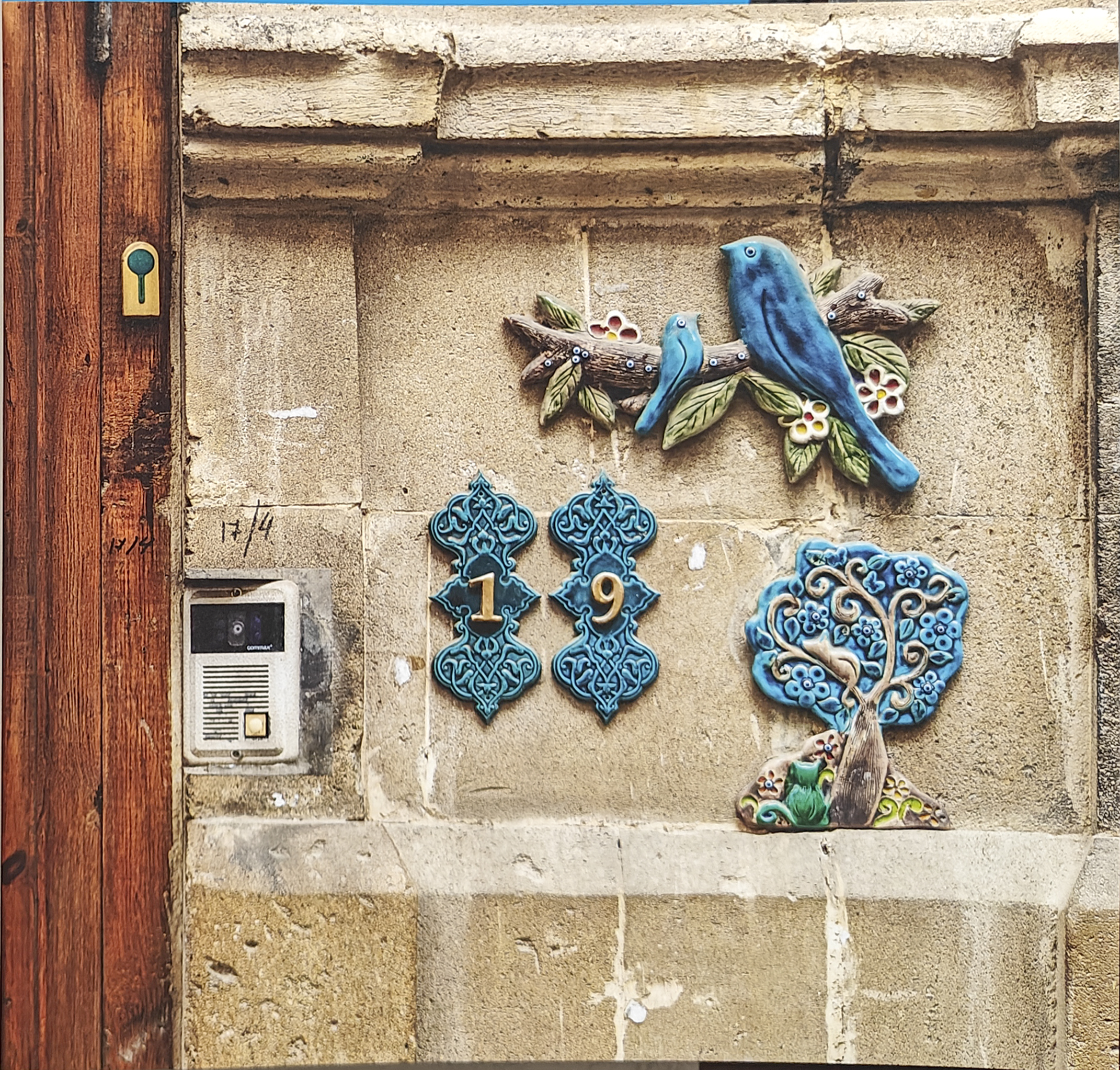
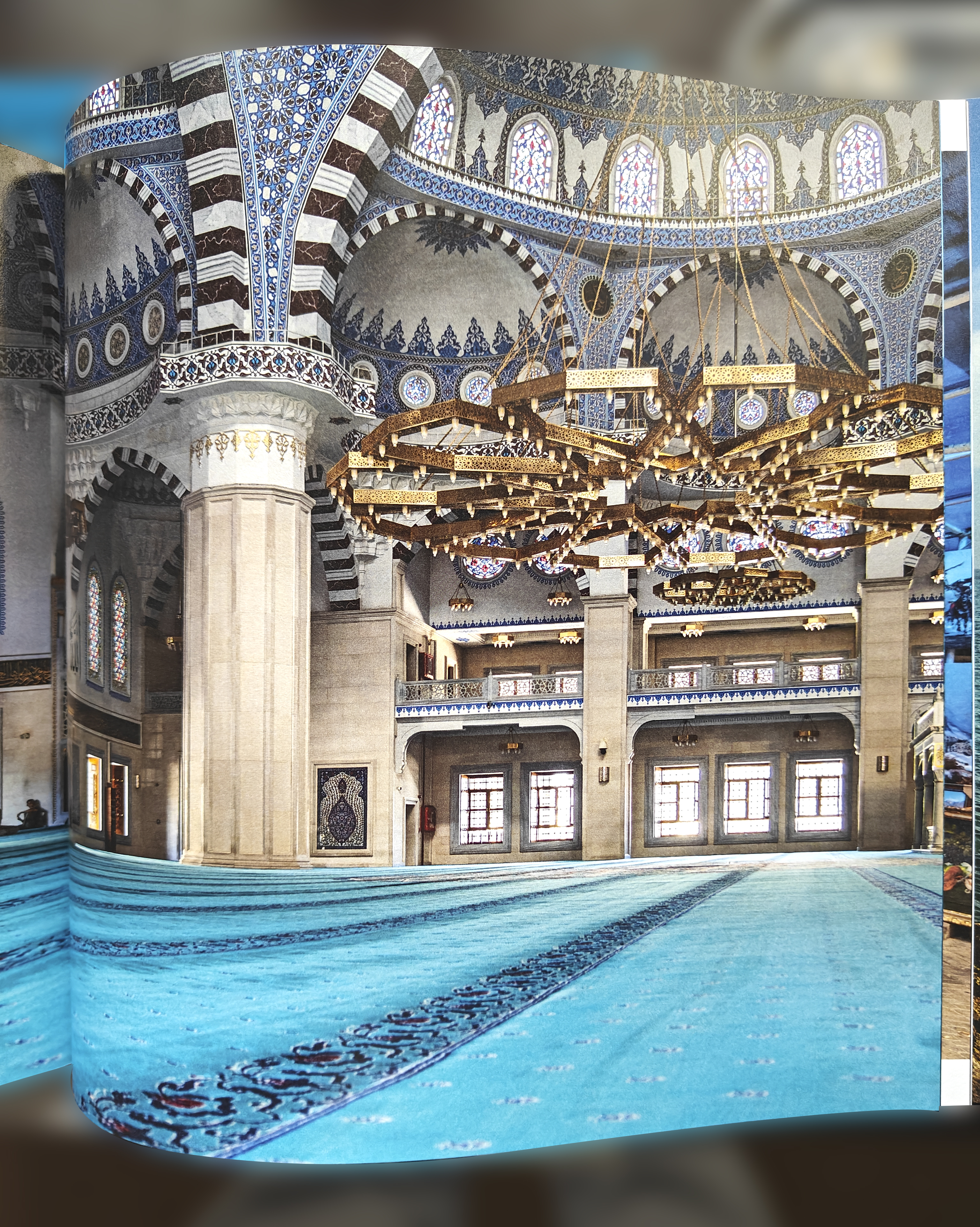
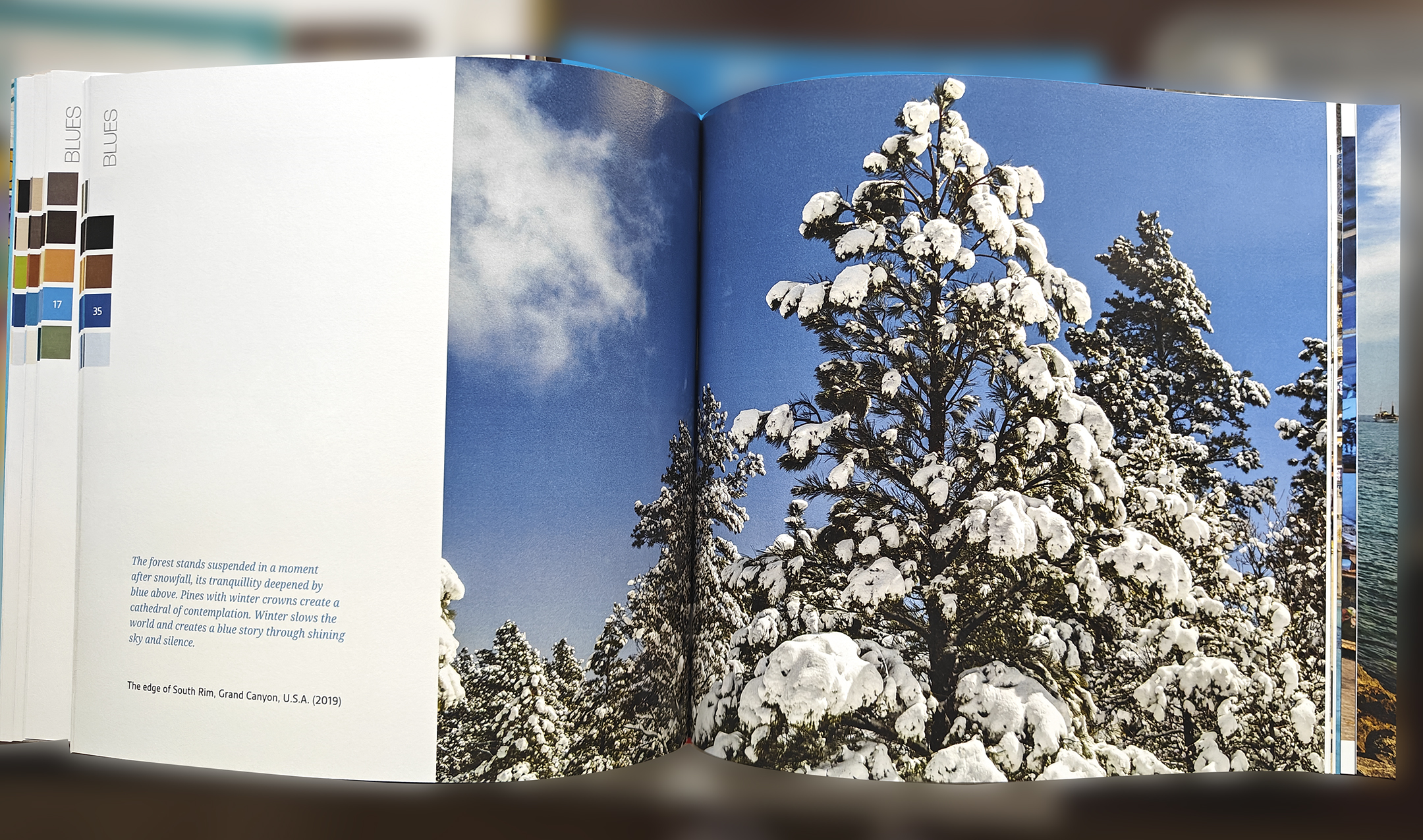
 Stretching across the wide spectrum of blue, Dr Kausik Ghosh’s photos drape us with tones that soak away the blues. Precisely, their blue tempts us, soothes us and balms our eyes with that such heavenly tints that dispel the distress. His pictures goad us not only to look up to the sky but also nudge us to pick finer details of blue in nature and objects all around us. The peace and stillness of the blue in his pictures brush aside the sadness and adds stability to our thoughts – precisely what music does. Indeed, there is music in each of his frames. The angelic note of a harp going there, a violin’s note ringing there and a flute blown so close to our earlobes that even the heart tingles. I could see the golden caterpillar ‘glide’ on the painted blue cable, the ice flakes rappelled down the branches of the tree set against the cerulean blue. Whether it was the colour blue in ceramic motifs outside a house or the unending blue tiles running from columns to the domes of Central Mosque in Bishkek, Kyrgyzstan. Each shade of blue brings us closer to the divine touch moving us towards serenity, as if holding our hands and offering the much-needed trust.  

In his pictures you’ll find an oasis of calm gazing up at the clouds. ​Known for its composed demeanour, blue has a tranquil presence. It doesn’t intrude or pester. Instead, it merely makes itself known. In terms of the psyche, the colour blue is known to impact the mind positively. Blue represents patience and understanding, which is why we feel so comfortable around it. When overwhelming emotions consume us, we’re encouraged to decompress with the colour blue. It’s also commonly associated with the ocean, which further highlights its soothing essence.

Creating pictures for larger comfort is a yearly ritual with him; this being Dr Ghosh’s 15th exhibition. He heals not just with his expertise in orthopaedics but also with his sensitive eye. Fifteen years of commitment to humanity with his blessed hands. The hands that for some set a bone and the same hands when holding a camera – for some set the mood.

 As a peacemaker, the colour blue doesn’t intend to stir the pot. In fact, it loathes the idea of creating conflict. Blue doesn’t like being in the spotlight, so it keeps to itself. Regarded as one of the more reserved hues, blue is tight-lipped. Though it doesn’t have a strong personality, blue does have a unique spirit.

 Cool, calm, and collected that’s how I have always found Dr Kausik Ghosh – and that’s what – his latest creation is – ‘Presence and Perception of Blues’. Now, the blues here are not the pangs of Heart but paeans to an Art. 

Rajinder Arora, 29 December 2025, Delhi

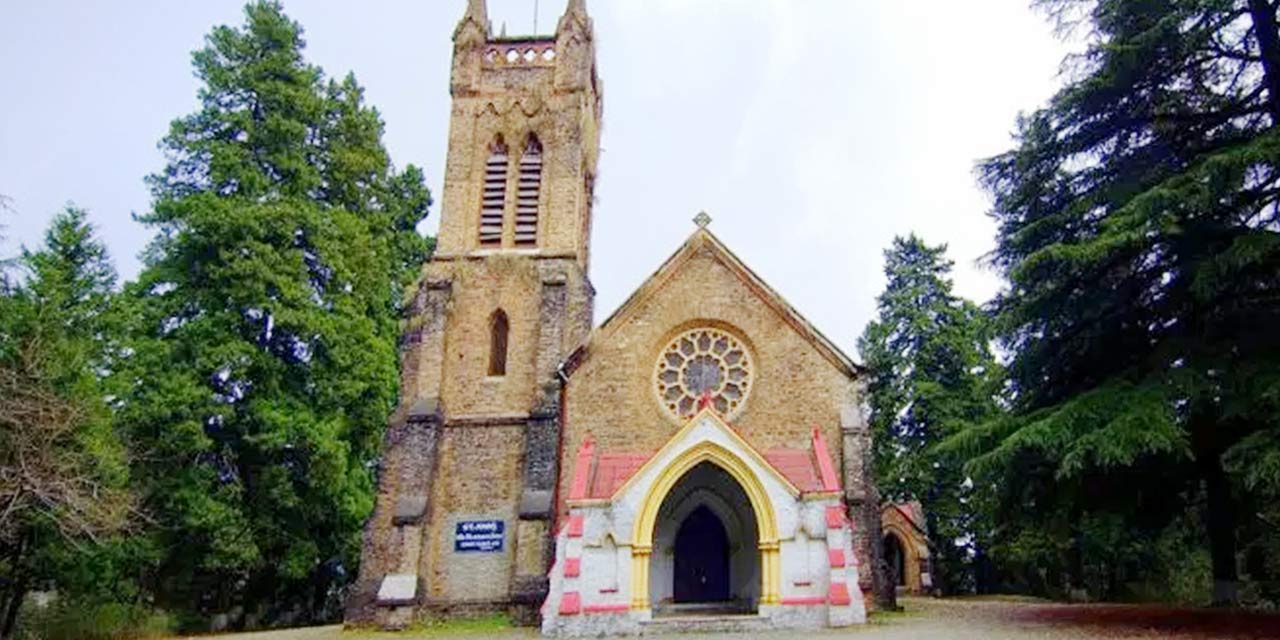
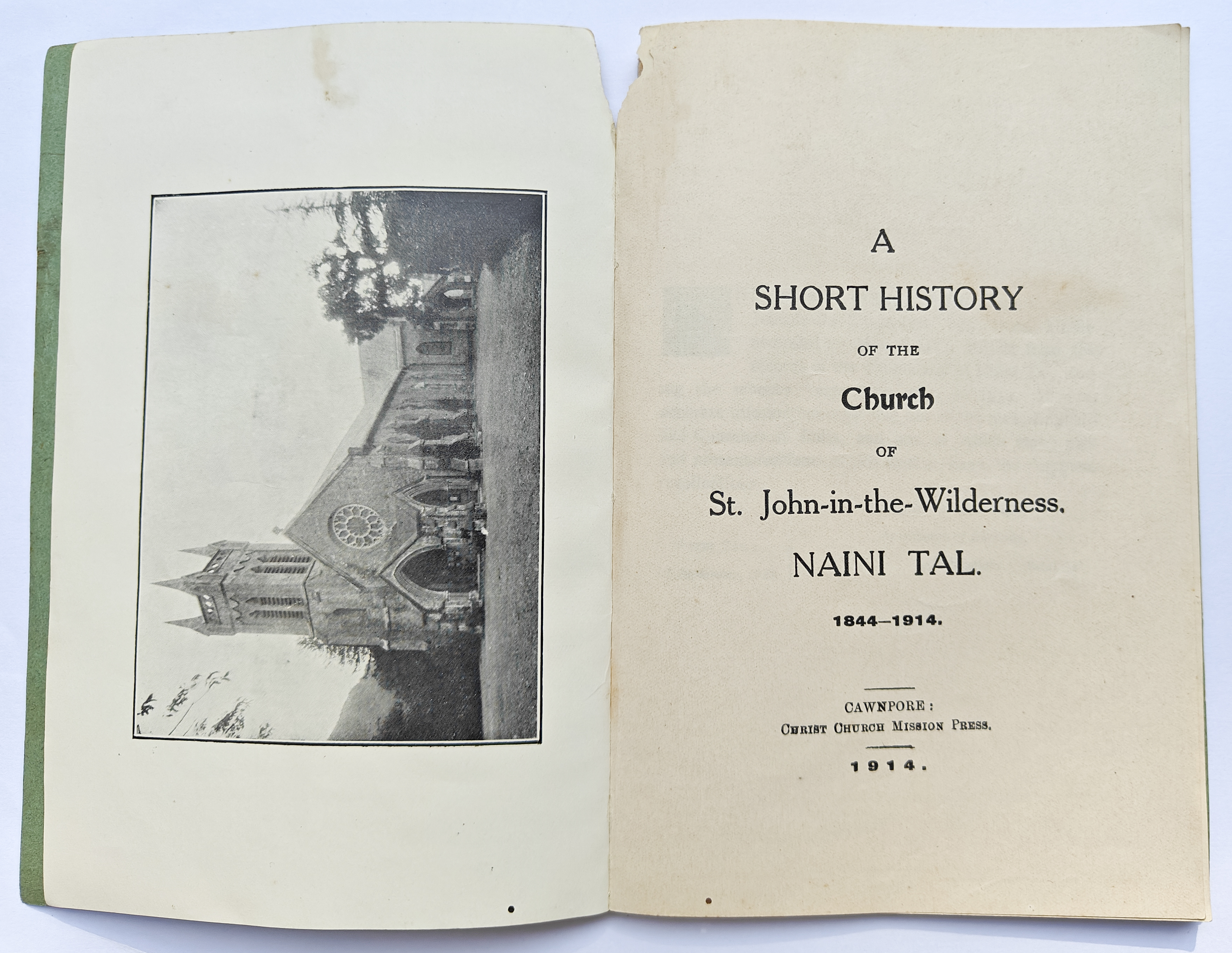
St. John-in-the-Wilderness Church, Naini Tal

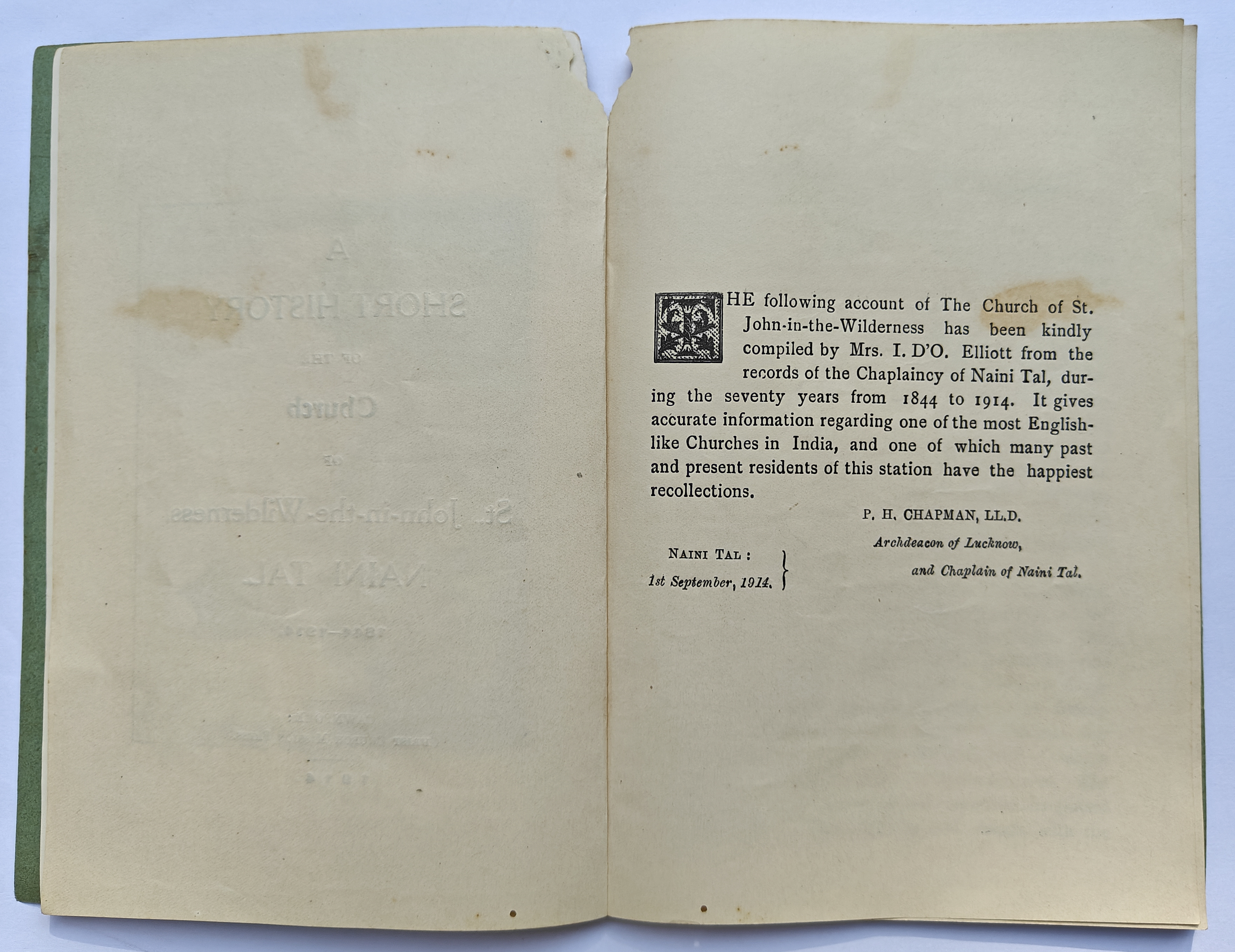
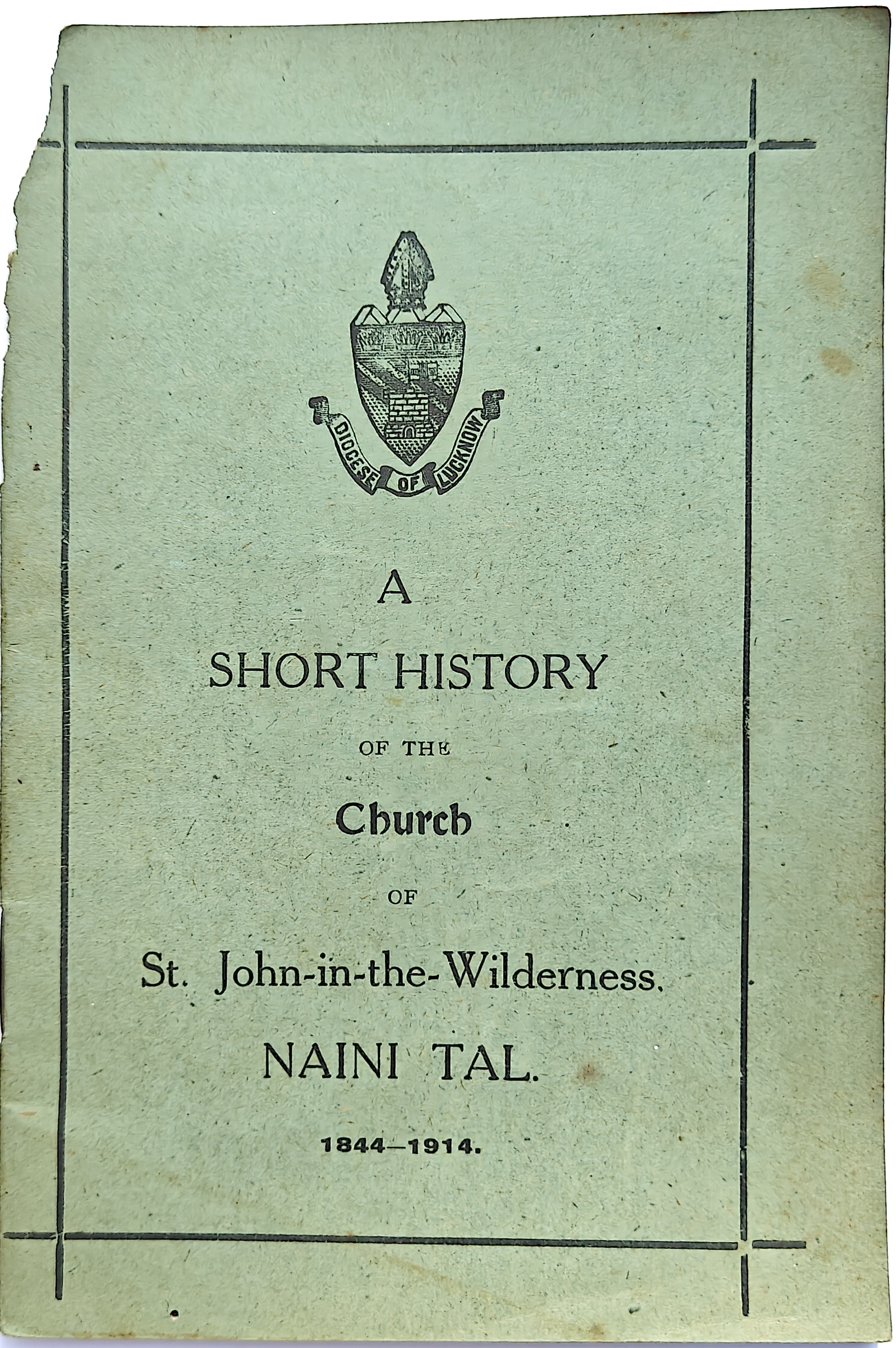
I bought this booklet from a street vendor walking The Mall outside the Naini Tal Club sometime in the winter of 1978 or 79  (I prefer the usage Naini Tal instead of Nainital). This booklet, together with a set of four colour slides, cost eight rupees.  Printed in 1914 (111 years back), in Cawnpore (Kanpur), this 28 page booklet about St. John-in-the-Wilderness Church in Naini Tal continues to be a treat, probably one of the first collectibles I acquired unknowingly. Accidently pulling it out of the shelf today, triggered a chain of thoughts about my one-time-favourite pahad or what people call as hill-station (which sounds so impersonal and bechara). 

I don’t have any pictures from that trip. This picture of the church is not my picture. Our family’s Kodak Box 120 format camera was an expensive hobby those days, thus picture postcards were all one could afford over and above one roll of film, its processing and prints. I acquired a 35mm film format camera much later.

Those days the way up to the elegant stone structure church was from behind the Talli Tal (तल्ली ताल) over a kuccha or a mule trail through thick Banj (Oak), Deodar and Cheed (Pine) trees. Even at peak noon very little sunlight filtered down to the path. It would feel colder under the foliage. The hills behind the church were an untended jungle, completely covered with trees and very few locals had their houses up there. The trail up to Kilbari and snow view ridge was infamous for bear attacks. One would go up only on clear sunny days, more to look  at the shimmering, blue, kidney-bean-shaped Naini Lake from the top and not so much for the Himalayas which lay perpetually hidden by the clouds. Only a few people came to Naini Tal in winters. There was no direct bus from Delhi, one had to board the Naini Tal bound bus either at Haldwani or Kathgodam. Some of these buses reached Nainital via Bhimtal. Sighting mule-trains, bringing essentials from the plains, was common sight enroute. 

The soothing bells of Naina Devi temple enticed even atheists and lazy city boys like us to line up for prasad on a freezing winter morning when even the Sun took leave off work. The Mall was a peaceful place. I miss that bansuri wala who played painful yet magical notes leaning on the stone wall. Sitting on a bench by the placid lake had a calming effect unlike any ‘substance’. Locals used to smile more often and were helpful to visitors. Tourists respected the hills and hill folks (pahad and pahadis). Mules had the right of way over Marutis or Marshalls. No one ogled at hand-holding lovers strolling on serene Thandi Sadak which was pedestrian only. The soothing scent of flaming red Buransh (rhododendron) and the pine needles is what we missed when back home.

The skating rink and the football ground reverberated with the laughter and excitement of children and the young ones. The elderly sun-bathed or sulked depending which team they were backing. Thankfully Nanak restaurant had still not debuted with its golgappas and chicken tikka. Those days we drank endless glasses of hot and sweet tea without ever thinking of Old Monk.  A late evening show at Capitol cinema was all that one needed to get a high and entertain oneself. During sunny afternoons we watched shining Cadillacs parked outside the most expensive hotel in Naini Tal, The Metropole. Some of the Chauffeurs of those guzzlers looked as handsome as Bollywood actors. A decade later I had the opportunity to stay in that hotel when I almost spoiled their three-tiered German Pipe Organ with a pedalboard. Despite that they offered us excellent tea in the well-provided tea lounge. 

Naini Tal was all that I had dreamed of when in Delhi and Naini Tal was where I wanted to own a small cottage with my own small library ‘all for myself’ – just like the White House Cottage my friend Bipin Pande owned on higher slopes. His father owned a shop next to the Ghoda stand. Bipin was the one who took me to (NTMC) Nainital Mountaineering Club and stoked my passion for mountaineering. I wonder where Bipin is now !!! The last time I met him was in Jipti camp during the Kailash-Manasarovar Yatra. Pahad nostalgia will kill me sooner than later. And now Mary Hopkins is killing me with her husky voice singing ‘those were the days my friend we thought they’ll never end…’, the song, btw, was produced by another great – Paul McCartney. Mary Hopkins too belonged to mountains.

Coming back to the booklet and the St. John-in-the-Wilderness church. In the booklet put together by Mrs I. D’O Elliott – she tells us that it is an Anglican church and one of the oldest buildings in Naini Tal. The site for the church was earmarked in 1844 by Bishop Daniel Wilson. Its cornerstone was laid in October 1846. Captain Young, an executive engineer with the Company, made its design plans and had it constructed at the cost of Rs 15,000 raised from private subscriptions. Built in a Gothic style, it was inaugurated on 2 April 1848. A memorial in the church commemorates those killed in the 1880 landslip. There have been many landslips (landslides) since then when parts of the church building have been damaged. The once famous Sookha Tal (Dry Lake), which was behind the church, has since been lost. Similarly, no records are available to dig out more information about Mrs I. D’O Elliott. Rest in Peace Ma’am, your booklet is precious and useful.

The last time I visited the church was sometime in 1993 or 1994 with Rajni, my wife. Till then its exterior, the prayer benches inside, and its large sized beautiful stained-glass windows were all intact. I have those colour negatives tucked safely somewhere (meaning untraceable now). The church keeper and an attendant had opened the main church door for us with a metal key that was nearly 12 inch in length.  I wonder if they still hold Sunday Service in the church. I must visit it soon.  I miss you Naini Tal. 

There is another church by the same name ‘St. John-in-the-Wilderness’, which is a Protestant church dedicated to John the Baptist. It was built in 1852 and is located near Dharamshala, on the way to McLeod Ganj, at Forsyth Gunj. True to its name that church is still in the wilderness with few visiting it.