आपका दिल किस पारो पे लुटा था ?

शरत चंद्र चटोपाध्याय के लिखे बांग्ला उपन्यास “देबदास” (1917) में पारो के क़िरदार का असली नाम पार्वती है। ये वो पार्वती है जिसका प्यार परवान न चढ़ सका, उन चंद लम्हों के लिए भी नही जब देवदास उसके घर के बाहर आख़िरी साँसे गिन रहा था। प्रेम और विरह के दर्द की अद्भुत कहानी तीन किरदारों की है – देवदास, उसके बचपन की दोस्त पारो यानि पार्वती और पेशे से तवायफ चंद्रमुखी की। देवदास के अज़ीम किरदार और इस कहानी पर तीन बार हिंदी फिल्म चुकी हैं। हालांकि पार्वती या पारो और चंद्रमुखी के क़िरदार भी कुछ कम नहीं हैं फिर भी फ़िल्म बनाने वालों ने हर बार पुरुष प्रधान फिल्म ही बनाई। इसके बावज़ूद फिल्म देख कर जब आप थिएटर से बाहर आतें हैं तो चंद्रमुखी या पारो के बारे में ही बात करते हैं, देवदास हर पल अपने को मौत की तरफ़ धकेलता है और मर चुका होता है । “कौन कम्बख़्त है जो बर्दाश्त करने के लिए पीता है , मैं तो पीता हूँ के बस साँस ले सकूँ “। फिल्म पहली बार 1936 में कुंदन लाल सहगल के साथ, दूसरी बार 1955 में दिलीप कुमार वाली और 2002 में शाह रुख़ ख़ान के साथ बनी । उपन्यास को आये 107 साल और आख़िरी देवदास फिल्म को आये 22 साल हो चुके हैं फिर भी कुछ ऐसा है इस कहानी में कि हम इसे भूलना नहीं चाहते। इश्क़ की टीस और इस बुझते अलाव में चिंगारियों को ज़िंदा रखना चाहते हैं। तीनों फिल्मों के मुख्य पुरुष अभिनेता या फ़नकार ट्रेजेडी किंग माने जाते हैं फिर भी पार्वती या पारो की ट्रेजेडी फिल्म की ट्रेजेडी है। 

आपका दिल किस पारो पे लुटा था ? 

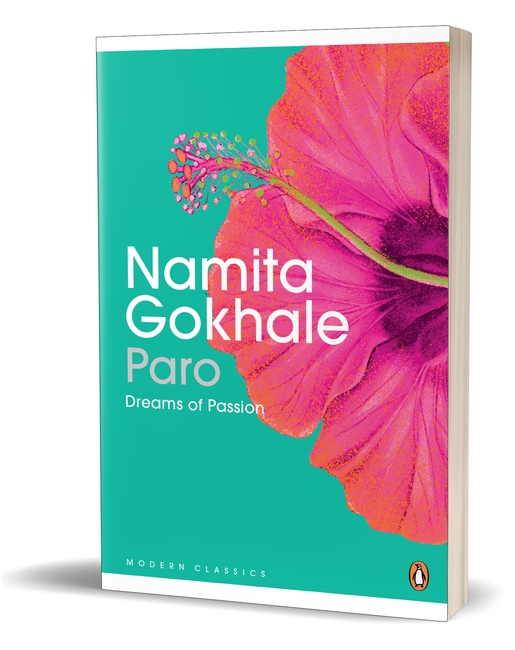
एक पारो और है। इस पारो की ट्रेजेडी भी शरत चंद्र की पारो  से कम नही। अदब या साहित्य की दूसरी पारो। नमिता गोखले के अंग्रेज़ी नॉवेल ‘पारो’ वाली पारो। नमिता जी ने अपनी पारो के क़िरदार को पार्वती की लाग लपेट से दूर रखा। ये पारो 80 के दशक की दिल्ली से है, शरत चंद्र के भद्र लोक से दूर। इस पारो को अवतरित हुए भी 40 बरस हो चुके हैं। पहली बार ये क़िताब 1984 में छपी थी और तब से लगातार बिक रही है । इस पारो को मैं कल दोबारा मिला। 

21वीं  सदी के माहौल में पारो ने एक और उत्तेजक अंगड़ाई ले कर ढ़ीली चड्डी वाले दिल्ली के मर्दों की फिर से आज़माइश करने की ठानी है। कहीं रूमानी, कहीं आशिक़ाना और कहीं कामुकता के हर परदे को उठाती पारो ऊपरी सतह पर तैरती समाज की हर असलियत और कमज़ोरी को बीच बीच में सामने लाती है। हर औरत के अंदर एक पारो छुपी है, ज़रूरी नहीं के उसके सपने लालसा और वासना से भरे होते हैं पर वो भी अमीरों और पहुंचे हुए तबके की दुनिया को देखना चाहती है, छूना चाहती है उसका ज़ायका लेना चाहती है। वो जानना चाहती है कि देखते ही देखते दूसरी औरत कैसे मध्यम वर्ग से उच्च वर्ग में अपनी पहचान बना लेती है और ये समाज कितनी आसानी से सब देख कर भी अनदेखा कर देता है, मक्खी निगल लेता है। पारो की कहानी प्रिया बताती है, दिल्ली और बम्बई  समाज की जिसमे कोई देवदास नहीं होते हुए भी प्रेम दुखद ट्रेजेडी ही रहता है।     

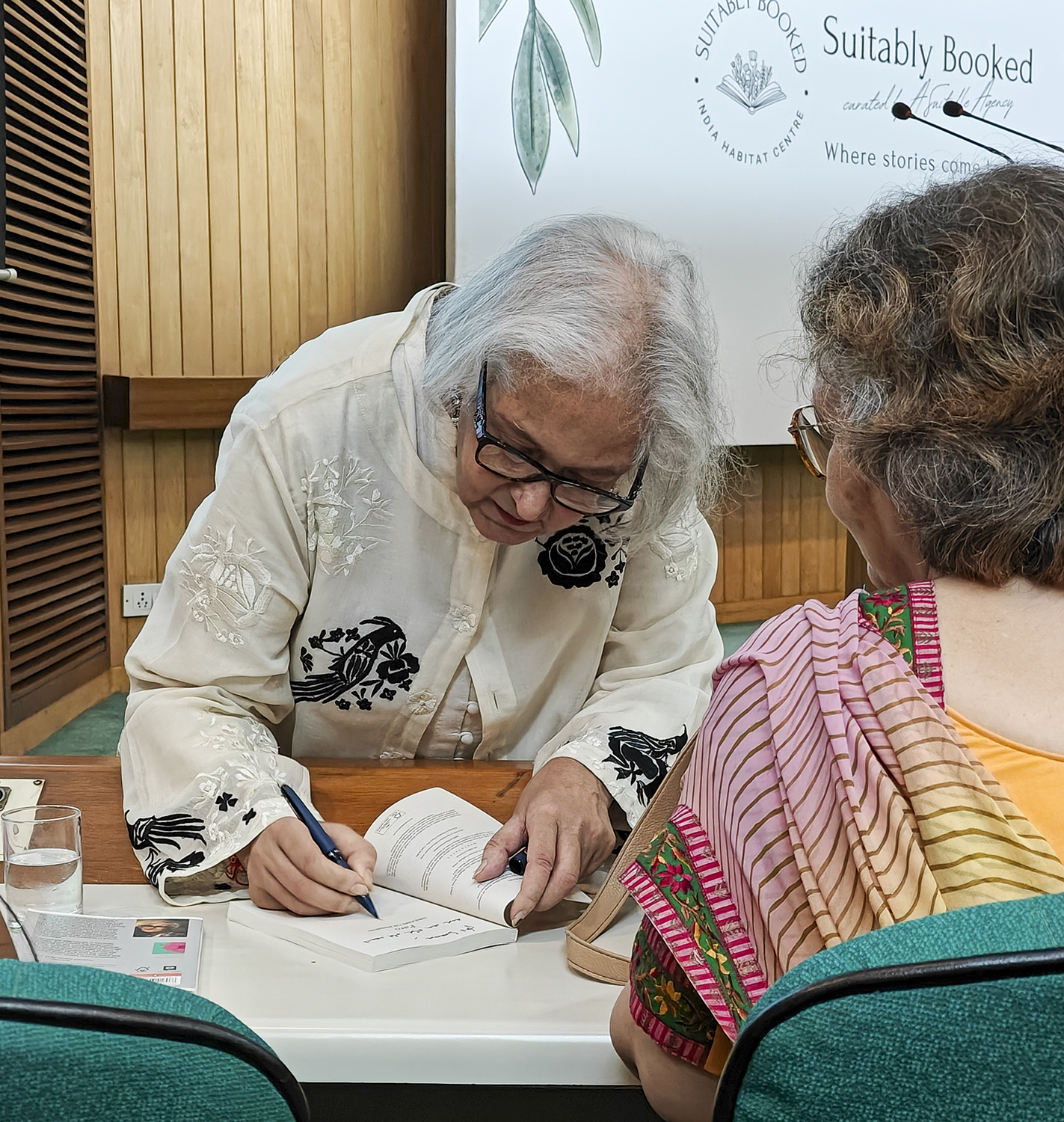
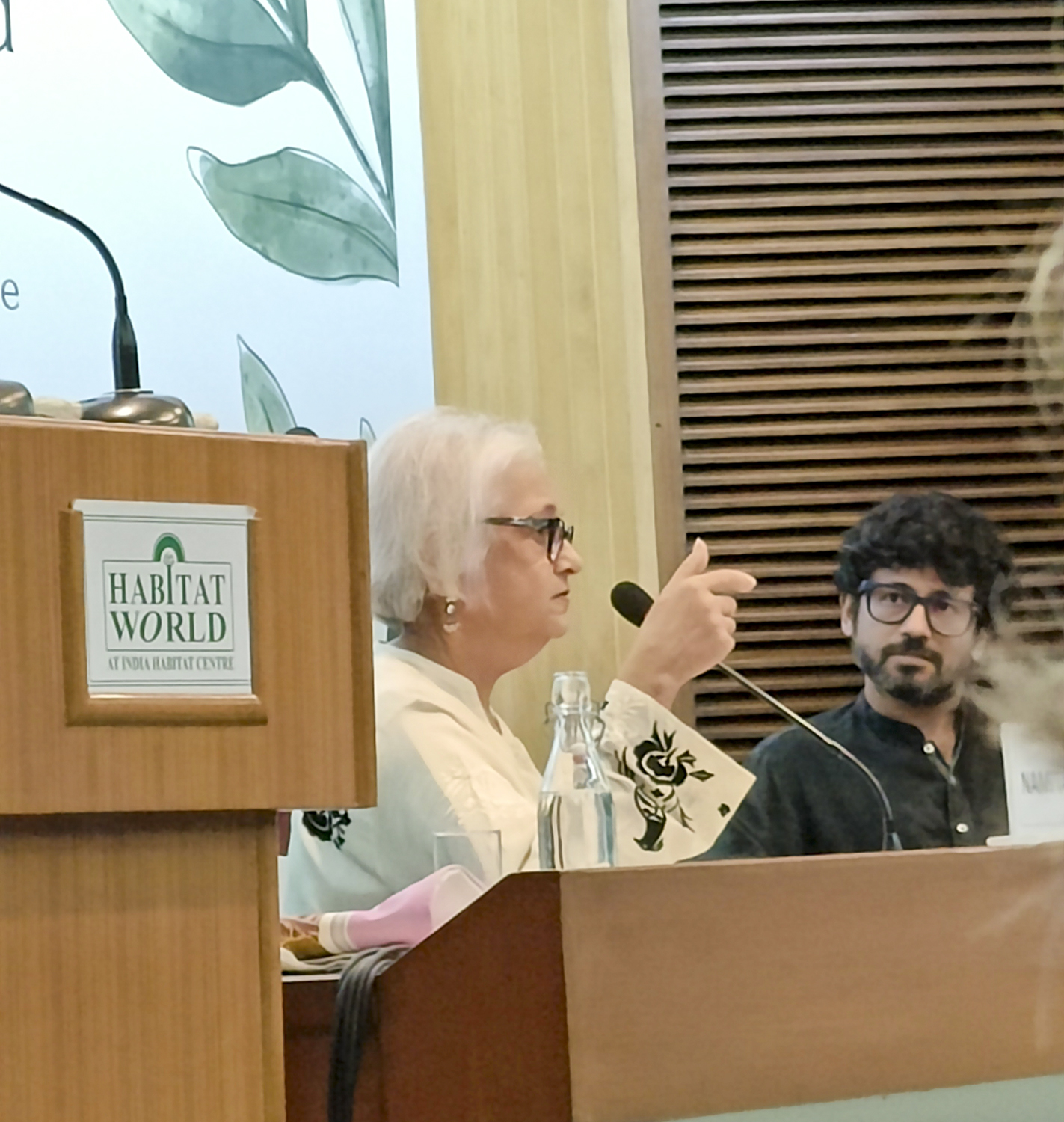
‘पारो’ के नए संस्करण और किताब के 40 साल के सफ़र पर नमिता गोखले जी से अम्ब्रीश सात्विक की रोचक बातचीत कल शाम (24 अगस्त) दिल्ली के हैबिटैट सेंटर में हुई, जिस से लेख़क और क़िताब के बारे में कुछ नई बातों का पता चला। इसी साल, 2024 में, पेंगुइन ने इसे अपनी क्लासिक श्रंखला में छाप कर “पारो” को गौरव ग्रन्थ या आला दर्जे का क़रार दिया है। यक़ीनन पारो एक क्लासिक है। आप ज़रूर पढ़ें। 

गुमशुदा की तलाश 

सोचिये, 17वीं  सदी के मुग़ल बादशाह शाहजहां और महारानी मुमताज महल की बड़ी बेटी, होने वाले मुगल सम्राट औरंगज़ेब की बड़ी बहन, छोटे भाई दारा शिकोह की प्यारी जहाँआरा बेगम अगर उन दिनों खो गई होतीं तो क्या क्या होता। मेरा मानना है कि अव्वल तो ये हो नहीं सकता या सोचा भी नहीं जा सकता पर अगर होता तो तारीख़ में हमे एक और बड़ी जंग या धर पकड़ के बारे में पढ़ने को मिलता। ( जहाँआरा बेगम 23 मार्च 1614 अजमेर – 16  सितंबर 1681 दिल्ली)

मान लीजिये किसी दुश्मन ने चाल चल भी ली होती कि उन्हें अगुवा कर लिया जाये तो ये दिल्ली या आगरा के लाल किले के अंदर से तो मुमक़िन नहीं था, न ही बाज़ार चांदनी चौक से तो फिर शहज़ादी जहाँआरा को कहाँ से उठाया जा सकता था। वैसे जहाँआरा को अच्छी घुड़सवारी आती थी, वो बन्दूक चलने और निशाना साधने में भी माहिर थीं, तीरंदाज़ी और तलवार चलना तो हर मुग़ल शहज़ादे और शहज़ादी को बचपन में ही सीखा दिया जाता था। इतने सब हुनर होने के बाद जहाँआरा को अगवा करना कोई मज़ाक नहीं था। 

जहाँआरा की तीन बहने भी थीं। पुरहुनर बानो उनसे बड़ी थीं, रोशन आरा उनसे छोटी और गौहर आरा सबसे छोटी । गौहर आरा महारानी मुमताज महल की चौदहवीं और आखिरी संतान थीं। उनको जन्म देते हुए उनकी माँ मुमताज महल की मौत हो गई। गौहरा आरा  बच गईं और 75 साल की लम्बी उम्र तक ज़िंदा रहीं। बीच वाली बहन जहाँआरा से छोटी रोशन आरा नटखट और शैतान थीं।  ये वही है रोशन आरा जिन्होंने उत्तरी दिल्ली में बहुत बड़ा बाग़ बनवया। जिसके नाम पर वो बाग़ आज भी क़ायम है, रोशन आरा बाग़। इस बाग़ से थोड़ी दूर दिल्ली यूनिवर्सिटी के पास एक और बसा-रसा इलाका है मलका गंज, उसे भी रोशन आरा ने ही बसाया। इस इलाके का असली नाम मल्लिका गंज था, यानि मल्लिका रोशन आरा द्वारा बसाया हुआ इलाका जहाँ उनके  हाथी, घोड़े, सिपाह-सालार उनके ज़ाती काम करने वाले लोग रहते थे। 

सम्राट शाहजहां के सिपाहियों और जासूसों की मानी जाये तो जहाँआरा को  दिल्ली में जमुना पार अपने भाई दारा शिकोह के खेमे से यक़ीनन उठाया जा सकता था जहाँ हिफाज़त का इतना बंदोबस्त नहीं था। पर अब 500 साल बाद ये सब अटकलें बेमानी हैं। इस ज़माने में जब रोज़ अकेले दिल्ली से ही 100 से ज़्यादा बच्चे और बड़े या तो अगुवा कर लिए जाते हैं या पुलिस रपट के मुताबिक़ खो जाते हैं तो कुछ भी हो सकता है। आजकल खो जाने वाले इन बच्चों, नौजवानों और बुज़र्गों को कहाँ खोजा जाये , कैसे ढूँढा जाये ये एक बहुत बड़ा सवाल है। इनमे से कुछ तो ख़ुद घर छोड़ के चले जाते हैं कुछ हादसे वग़ैरह में मारे जाते हैं और कुछ चोर डकैतों के गिरोहों द्वारा अग़वा कर लिए जाते हैं। इन खो जाने वाले में लड़कियों की ख़ासी बड़ी तादाद होती है। इन बेचारी लड़कियों को जाने क्या क्या सहना पड़ता होगा किन किन मुश्किलों से गुजरना पडत होगा। ज़्यादातर लड़कियां जिस्म बेचने और बाज़ारू काम के लिए अगवा कर के दुसरे शहरों और कई बार तो दुसरे मुल्कों में भी बेच दी जाती हैं। हमारी सरकारों को इस तरफ़ ख़ास ध्यान देना चाहिए। 

ख़ैर, यहाँ ज़िक्र किसी और जहाँआरा का हो रहा है, आज की जहाँआरा का। 

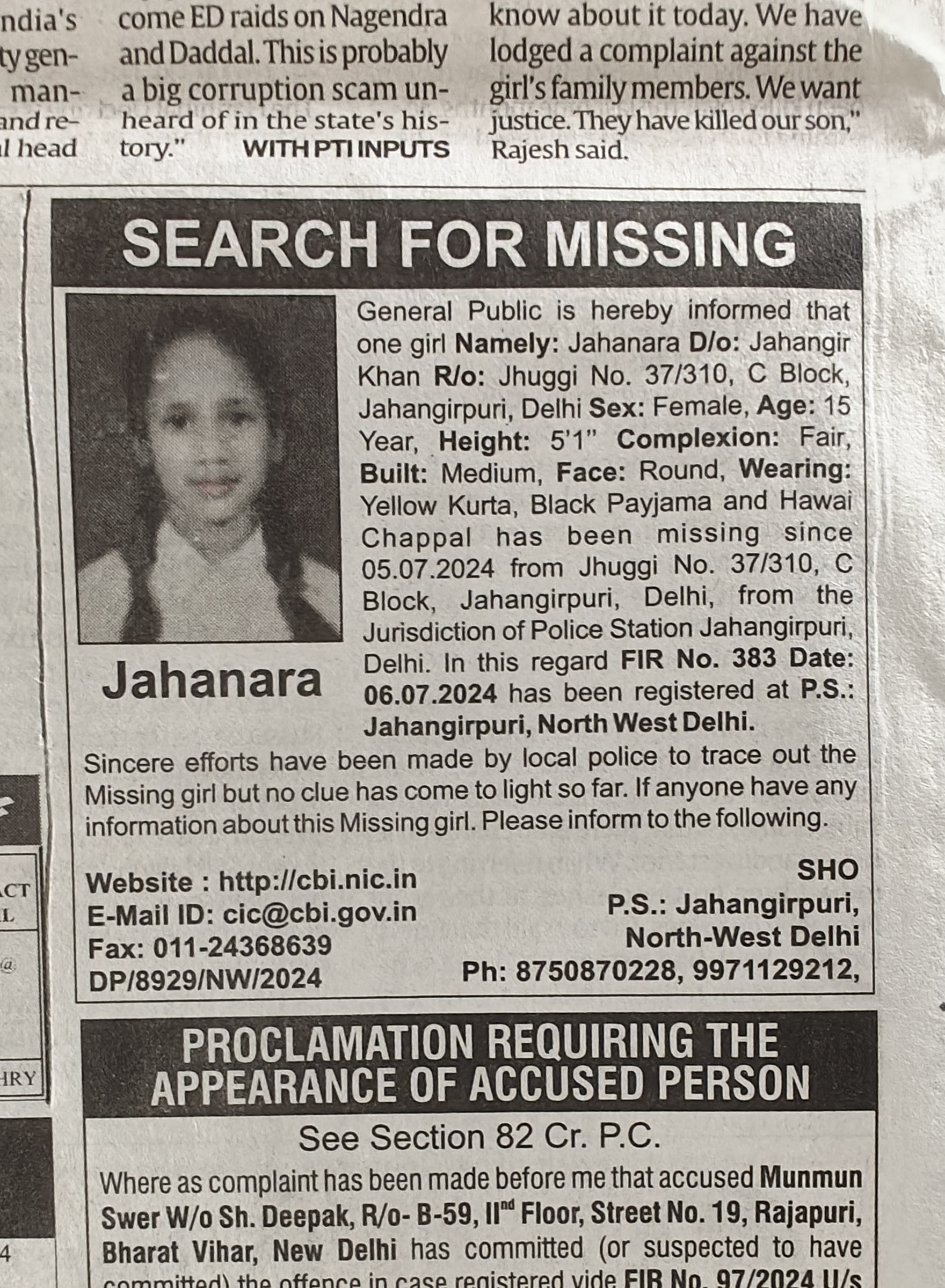
जहाँआरा खो गई है, ग़ुम हो गई है। जी हाँ जहाँआरा। क्या मालूम उसे कोई अगवा कर के ले गया है या बेचारी किसी हादसे का शिकार हो गई हो या फिर वो किसी वजह से तंग आकर घर से भाग गई  है। अखबार में इश्तिहार आया है। उसकी फ़ोटो भी छप्पी है, बेचारी मासूम बच्ची सी दिखती है। 

जहाँआरा वल्द ज़हाँगीर। जी हाँ  21वीं सदी के ज़हाँगीर की प्यारी बेटी है।  कितने दुखी होंगे जहाँआरा के अब्बा और अम्मी। सोचिये तो। (वैसे ज़हाँगीर, शहज़ादी जहाँआरा के दादा थे – ये वाली जहाँआरा शाहजहाँ और मुमताज महल की बेटी नहीं है।) 

जहाँआरा वल्द ज़हाँगीर दिल्ली के जहांगीर पुरी इलाके में रहती थी। उम्र 15 साल, रंग साफ़, गोरेपन की तरफ, गोल चेहरा, गठा जिस्म, सुन्दर सी दो चोटियां बनी हैं, पीला कुरता, काला पजामा और हवाई चपल पहने अपने घर के पास से 5 जुलाई से लापता है। पुलिस ने पूरी तहक़ीक़ात करने के बाद इश्तिहार दिया है। पर सोचिये अब अगर पुलिस को ही नहीं मिल रही तो जनता को कैसे मिलेगी ? 

फिर भी आपस सब कोशिश तो कीजिये।  तस्वीर को ध्यान से देख लजिए , शायद कहीं दिख जाये तो इतिल्ला कीजियेगा। 

48610

———————

Above: My inspiration: the original ‘Search for the Missing’ notice published in the Delhi edition of Indian Express.

the spring is here, send me a kiss –

Lifting myself from under the sheets; or pulling out of a Jaipuri, a duvet, a razai, or a clutch of soft-warm arms is a curse for the first 120 seconds of the day. I only want to be interacting with that something special which had enveloped me for the night. For the next ten minutes I don’t want to be seen by anyone nor do I want to see anyone while I offer thanks and prayers to Ra-Horakhty, the combo of Egyptian gods of light and heat. 

A glass of water later and a walk out to the terrace having said my greetings to the seven horses that pull the royal chariot of Surya, the only thing I want to smell and see is a cup of hot coffee. 

Minutes later, I am still blurred and spaced out – the hair as if an eleven thousand volt current cut through my body from north to south – the eyes still puffed up; the cheeks still red in part and off-colour in other areas slowly sucking the colours back from last night’s half a bottle of rum. The next thing I want to see in my hands is the book that was delicately placed on the headboard last night. 

The feet, by then, have found the rhythm, the eyes can now focus, the saliva lined with poison now craves for another cuppa. Sensations having returned to all faculties in turn tingle the ear which feels an instrument, a pencil, entangled in the hair scratching the neck. A scab hurts. Ghosts of undecipherable notes swim in the crinkled scraps that I fish from under the sheets. Riding the morning breeze, lyrics of romantic score float in — tootle-too of a flute reminds me of ‘Noisy Poems‘ by James Reeves.

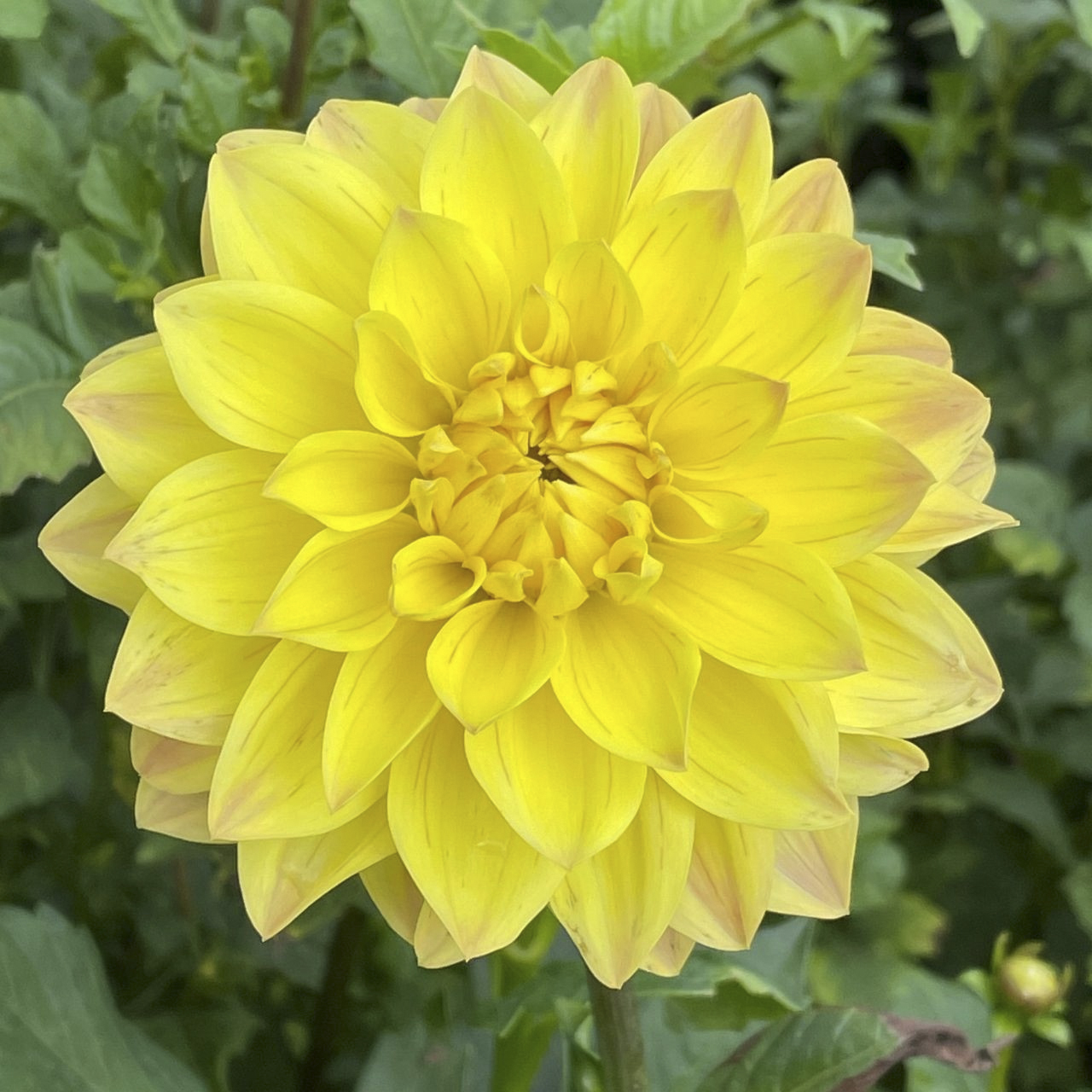
The notebook comes alive.  Looking at the yellow dahlia blooming in the pot I remind myself, ‘there is a lot to live for and celebrate’. I don’t pluck the pretty flower, instead I offer the pot and say, ‘So what if Valentine’s Day is gone – the spring is here, send me a kiss’.

16 February 2024

“To carry one’s own cross”

Having picked up eight titles for Ma from a Hindi publishers’ stall I realised it would not be possible for me to carry them in my two hands or lug them on the shoulders as all three were overbooked. I had already bought 23 books. (This is one event and place where I splurge and don’t feel guilty.) As the latest lot of books had been paid for, I didn’t want to disappoint the publisher by returning them. The lady, the publisher that is, was standing right next to me and had figured out my dilemma. She had not only helped me select some titles but was gracious to introduce me to an author and ask her to sign a copy for Ma. Looking at me she said, ‘you could leave the books here for now and pick them up as you are leaving’. 

Was Jesus talking about a visit to the book fair when he said, “To carry one’s own cross”!

The lady’s offer was some relief but not the solution to my problem. This was an unplanned and unscheduled visit to the Book Fair as I happened to be in Mandi House for some work. Our driver was absent yesterday who normally doubles up as an enthusiastic visitor to the Mela with me. This time around I had to find a way to offer a sacrifice for the obsession. 

At subsequent stalls I enquired if they would dispatch the books to my address if I paid them upfront. The answer was an emphatic No with the head bent down unable to face the reader. At many other stalls too my request was turned down. Brozo and Ola services wanted the books to be brought outside to the gate. Desperate, I was cursing the Mela and the uncouth publishers; a few of them claiming to be anti e-commerce platforms. 

I sighed, the good old times were great, publishers were eager to book orders and dispatch later; 30% discount and no postage was the done thing. During the 80s Jhalli Waalas and Collies roamed around the Fair with their cane baskets ready to transfer the booty to any available transport outside the Maidan. Tea and snacks stalls lined up next to Hansdhwani Theatre and the Lake were always helpful in storing the bulging bags of books. Alas, so much is lost with time including the humble cup of regular kadak chai. There is not a stall around the halls which sells strong desi chai. 

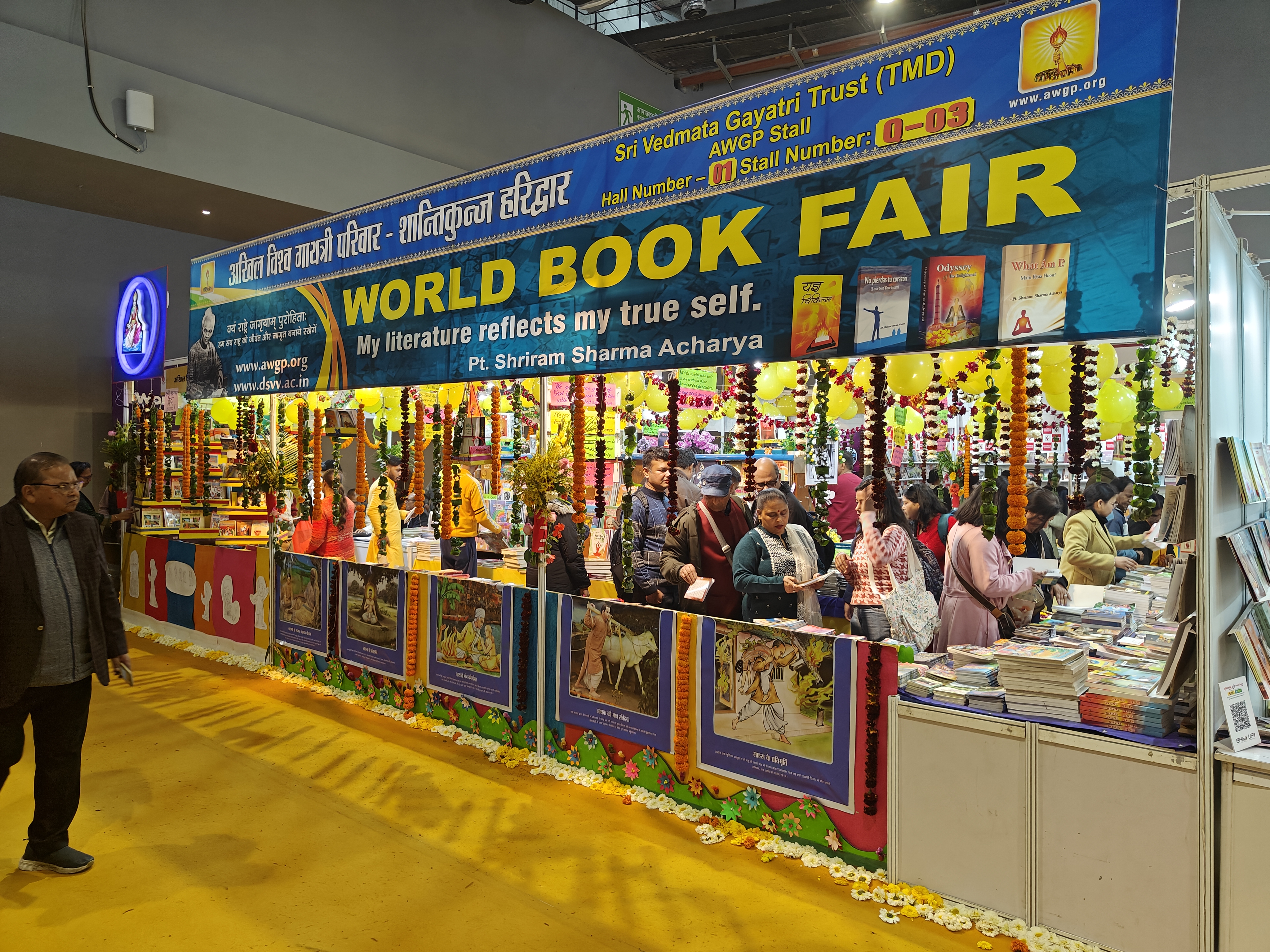
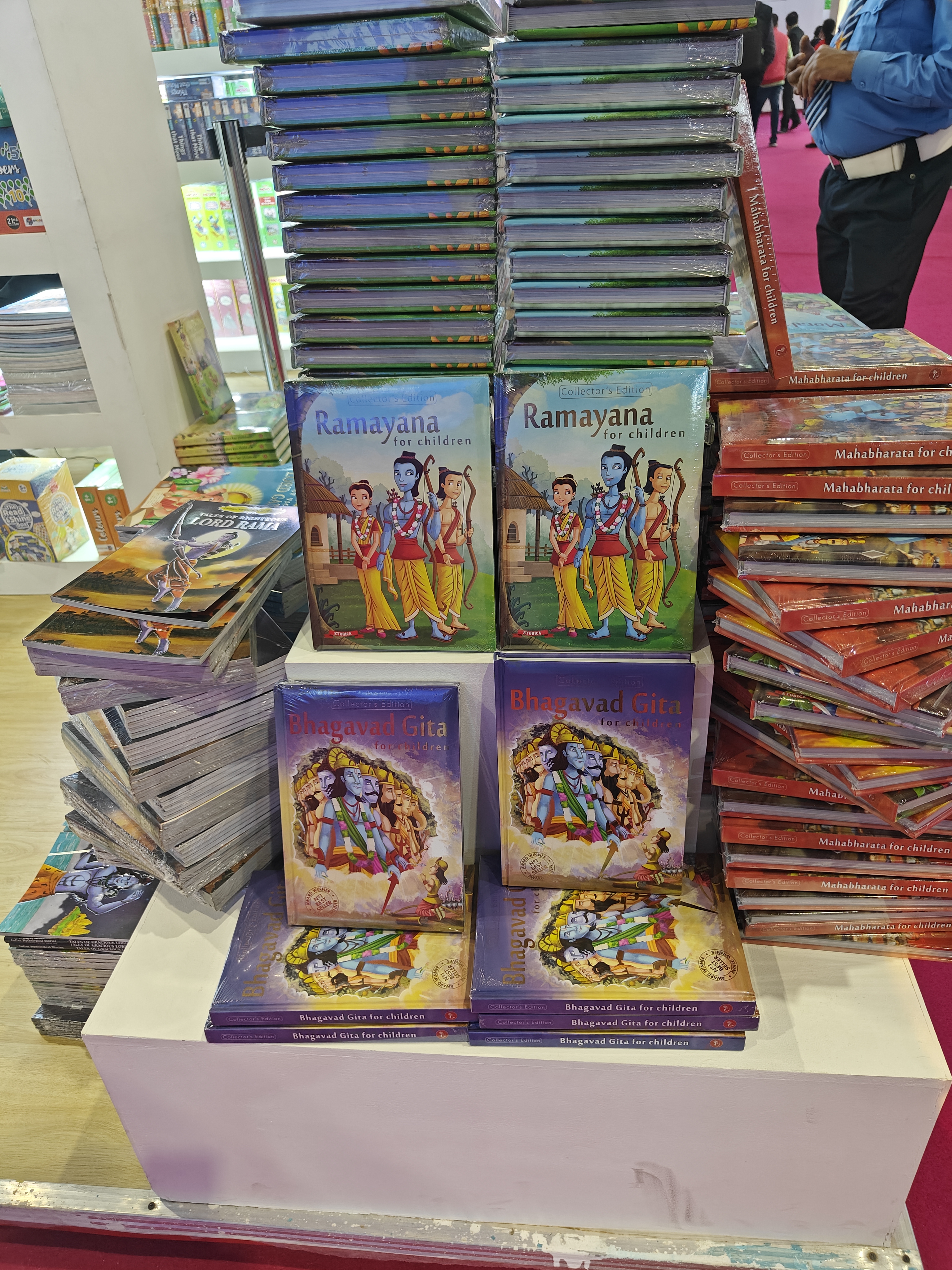
Wednesday was an easy day for the mela. Bereft of crowd publishers were sitting and yawning. The English paperback churners were, as usual, busy with wannabes to be seen with a certain author. Other than Hindi, other Indian languages were missing, however, what was selling was the magic of Lord Ram. Illustrated colourful volumes on every conceivable fraction of his life and times were stacked up at every tenth stall. There was one that was selling “Bolti Ramayan“, playing dohas from Charitmanas. Marigold garlands and jamun leaves adorned some stalls – incense was burning in front of a title in one of the stalls and a battalion of salesmen were out to lead you to the “spiritual path” with their books. Strangely, missionaries were conspicuous in their absence though what one found in abundance were authors, particularly of the genre called poetry. 

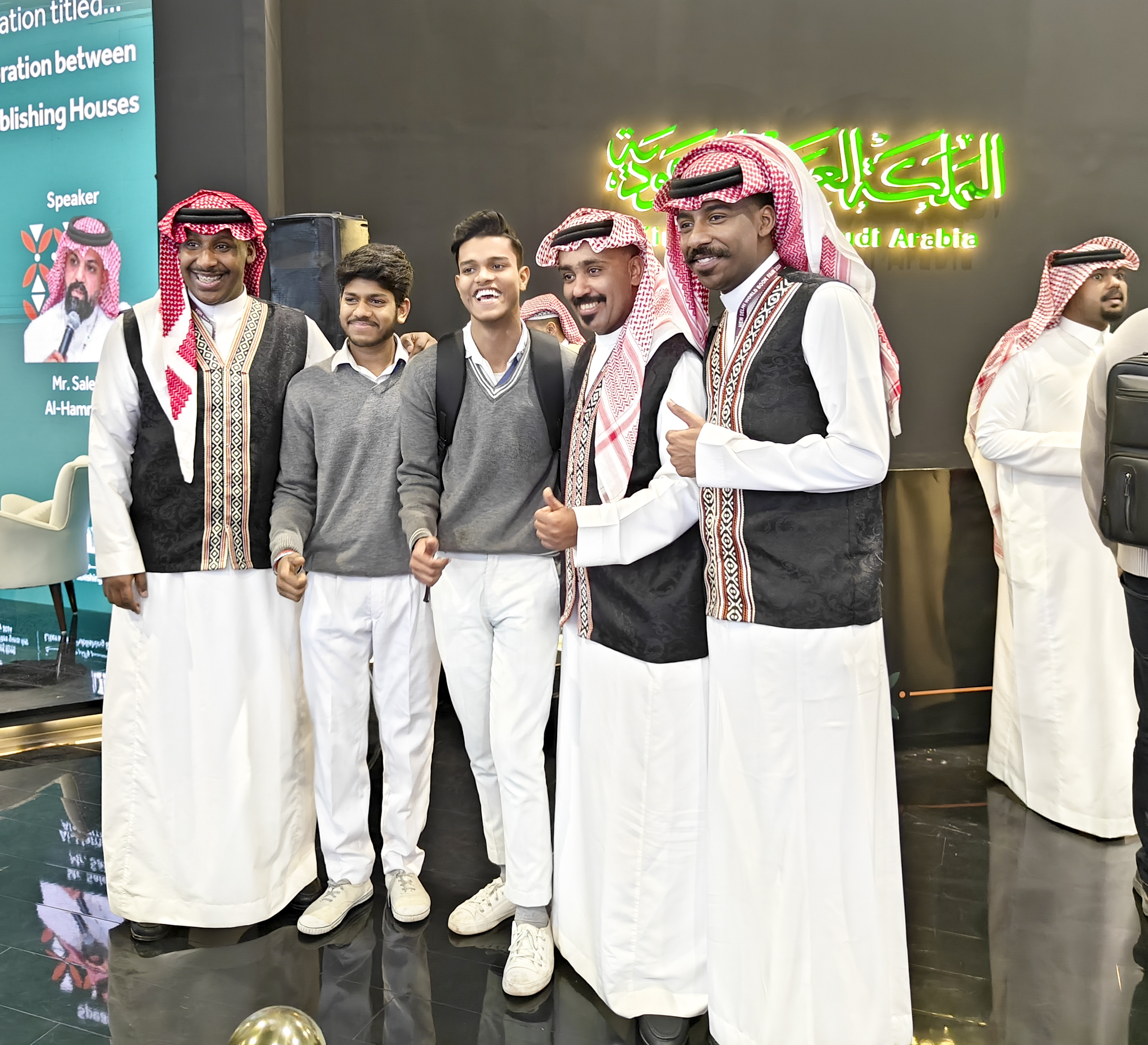
Many a reading sessions and ‘meet the author’ events were happening with little audience paying attention to them. Forget the book, a selfie with the author is more important. The best attraction for the selfie-loving-lot were the Arabs and the Sheikhs at Saudi Arabia pavilion. There was a long queue of young and old Indians lined up at the large SA pavilion waiting to take a selfie with the white abaya-wearing Arabs smiling in their chequered red keffiyeh. Give me one reason why someone should be taking a selfie with a group of unknown Arabs, especially knowing well that they don’t even support the Palestinian cause any more. On the other side of their stall I realised ‘Dates were the Baits’. BTW the Arab nation is the partner country in this year’s fair. 

Indian Council of Historical Research (ICHR), the nodal body to document history in the country has put up a large pavilion with the theme ‘Jammu, Kashmir & Ladakh Through the Ages: A Visual Narratives of Communities and Linkages’, which, not surprisingly, has very little space for Islamic or Buddhist heritage of the region. Models of shikaras over a dry lake welcome the visitors. Agar firdaus bar ru-ye zamin ast – where is it I ask?

I wish the NBT had distributed free copies of the Constitution of India to the visitors instead of spending money planting hordes of selfie points with the mahamahim showing a copy of the Constitution. I hope and pray that the people of this great nation preserve and defend the sacrosanct text behind the black cover. There was no avoiding the Orwellian face which was everywhere together with the signs that said, आप निगरानी में हैं .

However tiring and frustrating, so what if book prices are going through the roof, and who cares if quality international publishers are missing; the mela is a mast place to spend a couple of days at the beginning of spring. One ends up bumping into old friends and getting nostalgic about that book fair where we had dreamt of Pushkin, Chekhov, and Nabokov, where we had recited Sylvia Plath, Ezra Pound, Harper Lee and Dostoevsky; where we sang of peace and “Imagine all the people” was our anthem. Ah!

For me, the find of this mela was Promenade Books, an independent publisher of classic literature who have chosen to bring back books that are scarce or out of print. A young Abhay Panwar at its helm is an all-in-one machine doing everything for his nascent publishing house, all by himself. Impressed not only by his choice of titles but also by the cover designs and the production quality I spoke to the charming lad at length. A dropout from St. Stephen’s Delhi, Abhay is almost serving a notice to publishers big and small with his quality and pricing. The enthusiastic and well-read young man explains in detail about each title/author he has produced. Wishing you all the luck Abhay. Best wishes till we meet in the next Fair.

Reading in the Metro

I am relatively new to using Metro rail. All these years I have been driving a car to Connaught Place from Gurgaon, but by last December I was tired and sick of daily traffic snarls. My commute that used to be less than 40 minutes a decade back had extended to one and half hour one way everyday, on some crazy ones it could be a painful two hours to cover a distance of mere 27 km on the so-called Expressway.

Finally one Monday morning I took the plunge with a book in my hand and never looked back at the car.

The initial issues of crowd, claustrophobia and not getting a seat dissipated as I quickly learnt to balance myself on my feet without holding the bars or the uncomfortable hangers above. All I needed was a corner, a little roomy one, a light above and some distance from anyone listening to loud music on a mobile phone. The book would open the moment I boarded. Nothing else mattered. Fifty-five minutes of pure bliss, READING, while chauffeured in metro coach with no worries of traffic or weather, no stress, no traffic lights, no honking, no fumes, no struggling with gears, clutch or brake, no guilt of adding to the pollution. And the best part was No Smoking for an hour. What more, all of it in some 40 rupees.

Friend number one happened on a cold January morning. It was one of those slightly crowded days barely a month and a half into my new found pleasure when I was reading a rather bulky volume of Baburnama, standing in a corner. About ten steps away from me was a lady standing and flipping through dozens of sheets of paper, occasionally writing or marking something on them. I caught a glance of her when she lost her balance and unintentionally pushed the lady in front of her who said something rather nasty. I indicated to her to come and stand opposite me where she could rest herself against a side panel. She did and in the process possibly saw the title of the book. Having finished what she was doing, ten minutes later she moved closer and with a smile asked if I was a ‘historian’. Bemused, I said No.

Why would somebody be ‘publicly’ reading  Baburnama these days, she asked. This question is more of a reflection on our times rather than my choice of the title. A few minutes later I got to know that she was a  lecturer of Medieval History at Janaki Devi College. And it so turned out that her guide, while she was doing her PhD was a senior historian from Aligarh with whom I had worked on a certain project. Her station announced… contacts quickly exchanged… she got off and I found what I call my first ‘Metro-Bookend’.

The second one was a few days later when I was reading Arundhati Roy’s The Ministry of Utmost Happiness. A young girl standing along with her friend wanted to know how was the book. We got chatting, the girl obviously had not read anything of ARs, not even an odd essay or her writings in the press. She was enamoured by the name Arundhati Roy. As long as your destination hasn’t come these chats sometimes can extend to subjects other than books… like politics or the current dispensation. She later emailed to say that she had finally managed to read the book, which to her, was rather boring and didn’t have a ‘story’.

On many occasions, all sorts of people made small conversation just because you had a book in hand and you were reading. I suspect there appears an aura around your head when you are reading. Reading in public spaces conveys a ‘studious or possibly intelligent’ demeanour. Even if someone is pretending at least it is different from those fiddling with a mobile phone.

I read both English and Hindi. Hindi mostly for its vast literary wealth that one has missed over the years of colluding with angrezi. English, for many reasons besides the fact I don’t know any other language. Wish one had learnt Urdu, Iranian, French, Italian, Russian or Turkish. English helps you bridge this gap through works available in translation, though I have always felt that I am missing something when I am reading an author like Orhan Pamuk or Chinua Achebe.

There was something interesting that I noticed in the first three months of Metro reading. Not many people would strike a conversation if I was reading a Hindi book, whatever it may be – from the greats of Premchand to Rajendra Yadav, from Nirala to Manglesh Dabhral. Hindi reading was second or sub-class in an otherwise secular space of a Metro train

I wonder what would be the response if one was reading Urdu or say Gurmukhi book.

I couldn’t dare to do it with these two languages (for fear of further disappointment), but I did try to fake it with a French novel once. Having read its English translation and even with my pathetic diction and little understanding of French, I knew I could get away in a tight situation. For three days I held the book in my hand, intermittently opening and closing it to show off the cover, moving from one corner to the other, walking through the compartment as if looking for a seat, dropping the book, desperately trying to attract attention… not one person even came forward to talk. It indeed is sad that neither the vernacular nor another language finds any space in a Metro – the Metro that connects millions of people of all possible tongues.

But, then one never knows what all can happen.

Friend number 3 from an MNC: One late evening, past 9.30 there was this 27/28 year old guy sitting next to me – leaning or rather bending over my left shoulder peeping into the book I was reading (My Mum’s Daughter – Natasha Badhwar). After a while, I held the book up to him – offering it so he could read. He was utterly taken aback by my gesture. At first, he turned his face trying to look the other way saving him the embarrassment. But I spoke to him politely and told him he could read it if he wanted. He hesitated, cautiously smiled and said, he got interested in the book as he had read the chapter head about ‘daughters’.

He too had a seven month old daughter. I asked him what did he do, ‘a salesman at a big brand watch showroom in Select City Mall, Saket’. ‘But Sir, I have not read a book since my school’, he said in lyrical Hindustani very unlike the hash of Hindi zubaan that the city takes pride in. Having asked him if he read magazines or newspaper, he said ‘Yes’. I asked which one… he was a little perplexed for he went into some kind of deep digging inside his head, a process I couldn’t fathom.. all he had to mention was one filmy magazine or a local daily… But he couldn’t name one. Then he fumbled  and added ‘it is a Urdu newspaper that I read’… which one I persisted.. Milap, Pratap, Sahara? No answer. Finally, his head hanging down, eyes still on the book in my hand he said he couldn’t remember the name of newspaper… ‘my father is a shopkeeper, he gets it, he reads it… I only get to glance at it once in a while’. Terrible…, I said. You must be getting the newspaper for many a years, ‘Yes, but I don’t know the name. I get to read the news, that’s all. Why?’ I explained to him that the author of the book is a newspaper columnist and these are the compilation of her weekly pieces in Mint. He had never read an English newspaper, though he claimed ‘I can read English, not fluently’. Had my copy not been author-signed, I would have probably given it to him. Another friend made.

Friend number 4. I meet an AUTHOR.

I am reading this yet unreleased book. There comes a young boy probably 23 /24 and stood right above where I am sitting and reading. From my sitting posture I can’t see his face unless I lift my head to look at him, but before that I notice the steel bangle (kara) in his right hand firmly holding a book, with the left he was holding the hanger bar above. Finally I glanced up… as our eyes meet he says ‘Hi’ with a broad smile. Without wasting any further time he asks ‘What are you reading Sir?’ I turn around the book and show him the cover and ask ‘Have you read it?’ ‘No.’ ‘Do you know the author, the person whose picture is there on the cover?’ ‘No, Sir.’ ‘Never mind that, you weren’t even born when he was making great cinema like ‘Albert Pinto Ko Gussa Kyon Aata Hai?’ ‘Mohan Joshi Hazir Ho’, ‘Salim Langde Pe Mat Ro’ or for that matter his magnum opus ‘Naseem’.’

‘What do you do Sir?’ He has still not returned my book, nor is he even attempting to at least turn it around, read the back cover or even the flap matter. I give him a very brief background and ask ‘What is that book in your hand?’ Hastily he turns it around and hands me the copy, ‘The Dreaming Reality‘. The cover image has a boat with a young couple in it against the backdrop of setting sun, their hands meeting at the point of oars as if rowing the boat together, the faces and bodies just a shadow – very amateurish cover design I think… right on top are the names of two authors in very small type. Noor Anand – Karan Kapoor. I turn the book and read the back cover which has a few snippets of the story. Home, Nostalgia, Love, Lust, Betrayal. Utopia, are the highlights. It is the story of 16 year old boy in relationship with his part-time tutor.

I hand the book back to him. ‘What do you think of it?’, he asks. ‘Of what?’ ‘The book…’ he stops mid-sentence looks at the blinking red dot on station indicator plate of the coach. His destination is nearing I think. ‘How can I say anything till I read the book.’ Oh yes… pointing to the name on the cover he adds, this is me… I have written this ‘novel’ together with my friend Karan. He opens the inner back cover of book and points to the picture of his co-author. I shake his hand, congratulate him. Meanwhile, the person sitting next to me has left… Noor quickly grabs the seat and the first question he asks me is ‘Where do you get off?’ At Dronacharya station, ‘and you?’ At Green Park, he says and quickly starts telling me the story… I stop him in between and look for the name of publisher… none on the covers, not even inside. ‘Have you self-published it?’ ‘Yes’, came the reply with a big grin. I am very happy for you. Thanks, Sir… I printed one thousand copies as first edition’ he adds. That’s great I said. I have sold all in various DU colleges.

I am very impressed… you sold one thousand copies… in how many months…. One month sir, both of us visited most of the colleges, he names a few ‘and sold it to students at fifty percent discount,. I turn the book around once more and look at the price, Rs. 349. ‘Do you have an extra copy’, I ask. Noor lunges to the floor where his knapsack was and pulls out a copy in a flash. Handing me that he says this is for you. I pull out 250 from my pocket and give it to him. He resists but accepts with thanks. I ask him to write something for me. Noor borrows my pen and quickly scribbles “Wars changed the world in 20th Century, in this Century, Words will”. Adding his mail ID to it he wrote, With Love.. His signatures seemed like a large speech bubble spread across the page. ‘Next station is Green Park’, the metro speakers blared.. Noor got up, shook my hand and said… ‘please do write to me and tell me how did you like the book’. ‘I will, I said. He got off waving… our co-passengers foxed at the young lad signing the book, having just realized he was a celebrity of some kind.

While the authors are celebrities – in Metro rail – book readers are no less.

Continue reading “Reading in the Metro”