डाक्टरों के “कुछ रोज़” भी कितने कम होते हैं ना!

“Anoop is gone.”  टेबल के दूसरी तरफ से अपने लैपटॉप की स्क्रीन से उचक कर देखते हुआ रजनी ने मझे बताया। वो दुखी थी, मैं कुछ लिख रहा था। डायरी और पेन को एक तरफ सरका मैं अनूप नायर का चेहरा याद करने लगा। आठ रोज़ पहले ही हम उसे देखने उसके घर गए थे। कल सुबह उनकी पत्नी राजी का मैसेज आया था ‘अनूप ठीक नहीं लग रहे उन्होंने काली उलटी की है और उनकी सांस भी उखड रही है”। कल से आज तक अनूप ने अपनी ज़िन्दगी एक दिन और बढ़ा ली जो और कई  साल लम्बी होनी चाहिए थी। अनूप शायद 70-71 के रहे होंगे वो पिछले एक साल से कैंसर से जूझ रहे थे। 

अनूप मेरे दोस्त नहीं थे। मैं उन्हें बस जानता भर था।  कुल दस बारह बार मिला था। हमारे बच्चे एक ही स्कूल में पढ़े थे। बच्चों ने स्कूल के करीब 10 साल इकट्ठे गुज़ारे जिस नाते बच्चों का काफी मिला जुलना था। स्कूल के बाद अगले 15 साल में उनकी दोस्ती में कई नए जुड़ाव आये – नाटक, संगीत, गाना, लिखना और अभिनय जिस से दोस्त और नज़दीक आ गए। रजनी और राजी की दोस्ती भी बच्चों पर नज़र रखने वाली माओं सी थी। अनूप और राजी एक दो बार हमारे घर भी आये थे। 

अनूप हसमुख थे। आम भाषा में कहा जाए तो अनूप आम आदमी थे, “हैप्पी गो लकी”। मेरे जैसे, हमारे जैसे, दुनिया के आम बाशिंदो जैसे जिनमे कोई लाग-लपेट नहीं होती। मैं जितना भी उन्हें जानता था मेरी समझ से वो अच्छे और सुलझे हुए इंसान थे। कोई नेता, अभिनेता, उद्योगपति, ज़मींदार या भाव खाने वाले रईस नहीं थे। प्यार से और धीमा बोलने वाले प्यारे से इंसान थे। कोई उन्हें मिल कर ये नहीं कह सकता था कि वो केरल से थे मुझे वो आधे पंजाबी लगते थे, उनकी बोली में मलयालम के सुर न थे। पेशे से वो टूर एंड ट्रेवल एजेंट थे। पर वो वैसे टिकट बनाने वाले ट्रेवल एजेंट नहीं थे। 

अनूप घुमक्कड़ किस्म के इंसान थे सो उन्होंने नए देश, पुरानी संस्कृतियां और नए नज़ारे देखने को ही अपना पेशा बना लिया। अनूप की कंपनी के साथ कई विदेशी विश्वविद्यालय जुड़े थे जहाँ के छात्र खास तौर पर शोध या रिसर्च करने वाले छात्र हिंदुस्तान को जानने और समझने के लिए आते थे। उन स्कॉलर्स या छात्रों के लिए ताजमहल और लालकिले से परे वाला हिंदुस्तान भी अहम था इसलिए अनूप उन्हें दूर दराज़ के गांव और छोटे शहरों में रहने वाला हिंदुस्तानी और उनका इतिहास समझने और दिखाने ले जाते थे। हिंदुस्तान आने वाले उन छात्रों को अनूप वहां की संस्कृति, तहज़ीब, पहनावा, खान-पान, सभ्यता, सक़ाफ़त और सच्ची विरासत नज़दीक से दिखाना चाहते थे। अनूप जब बात करते थे तो अपनी दुनिया में चले जाते थे – गुडगाँव, दिल्ली, बम्बई और कोच्ची से परे। उनकी दुनिया बर्फ से ढके सफ़ेद पहाड़ो और हिमालय की वादियों सी शांत और सुन्दर थी। उस दुनिया के पास कहीं अथाह समुन्दर की गहराइयाँ थी और कहीं रेगिस्तान के रेतीले टीलों से दिखने वाले सूरज की लालिमा। उन्हें जंगल भी पसंद थे और ऊँची इमारतों वाले शहर भी। ले दे के अनूप मस्त मौला इंसान थे।   

अनूप और राजी दो बार हमारे दफ्तर भी आये। उन्होंने अपनी एजेंसी का रंगीन कैटेलॉग बनाने का ज़िम्मा मुझ पर सौंपा था। बस उन्हीं दिनों में मैंने अनूप को नज़दीक से देखा और जाना। आखिरी बार 28 अक्टूबर को जब मैं उनसे उनके घर पर मिला तो बहुत ही धीमी आवाज़ में उन्होंने ने मुझ से पूछा “अभी भी पहाड़ पे जाते हो ?” इस सवाल पर हम दोनों की आँखें मिली और जवाब में मैंने हाँ कहते हुए उनका हाथ अपने हाथ से सहलाया । उनके हाथ में अब वो गर्म जोशी नहीं थी। उनका स्याह पड़ता चेहरा मुरझाया हुआ था। शरीर का वजन शायद आधा रह गया था, अपने-आप बिस्तर से खड़े भी नहीं हो पा रहे थे। दर्द उनके चेहरे पे लिखा था पर फिर भी अपनी भीनी-भीनी मुस्कान से वो मुझे बिस्तर पर पकड़ के बैठे थे। बड़ी व्यथा थी। मैं उनसे बात भी करना चाहता था पर ये नहीं चाहता था की ज़्यादा बोल कर वो थक जाएँ। डॉक्टर लोग हमे पहले ही बता चुके थे कि बात अब कुछ रोज़ की ही है। डाक्टरों के “कुछ रोज़” भी कितने कम होते हैं ना ?

और फिर अनूप चल बसे। जी हाँ गुज़र गए।  इस ‘जाने” को कैसे कैसे शब्दों में कहा जाता है, लिखा जाता है, व्यक्त किया जाता हैं। जाना या गुज़रना दोनों शब्द यात्रा से भी जुड़े हैं – देशाटन से, सफ़र से, दौरे से, भ्रमण से, रास्तों से प्रकृति से, घुमकड़ी से, सैर-सपाटे से   – बाहरी और अंदरूनी ख़ोज से। ‘गुज़र गए’ से ऐसे लगता जैसे कोई अभी सामने वाले रास्ते से गुज़ारा है और घूम कर पीछे वाले रास्ते से आ जायेगा या ऐसे की वो अब नए घर को चला गया है या फिर यूँ कि वो आये थे अपना काम पूरा कर वो दूसरे काम को निकल गए, एक नई यात्रा को एक नए दौरे पर। 

अनूप यात्राओं के बिज़नेस से जुड़े थे। ता उम्र वो खुद भी घूमे और हज़ारो साथियों और यात्रियों को भी घुमाया, मेरा मानना है वो इस बार किसी लम्बी यात्रा में निकल गए हैं। फिर मिलेंगे दोस्त, किसी नए रास्ते पे नए मुकाम पे। तब तक के लिए प्यार भरा सलाम। 

5 November 2024
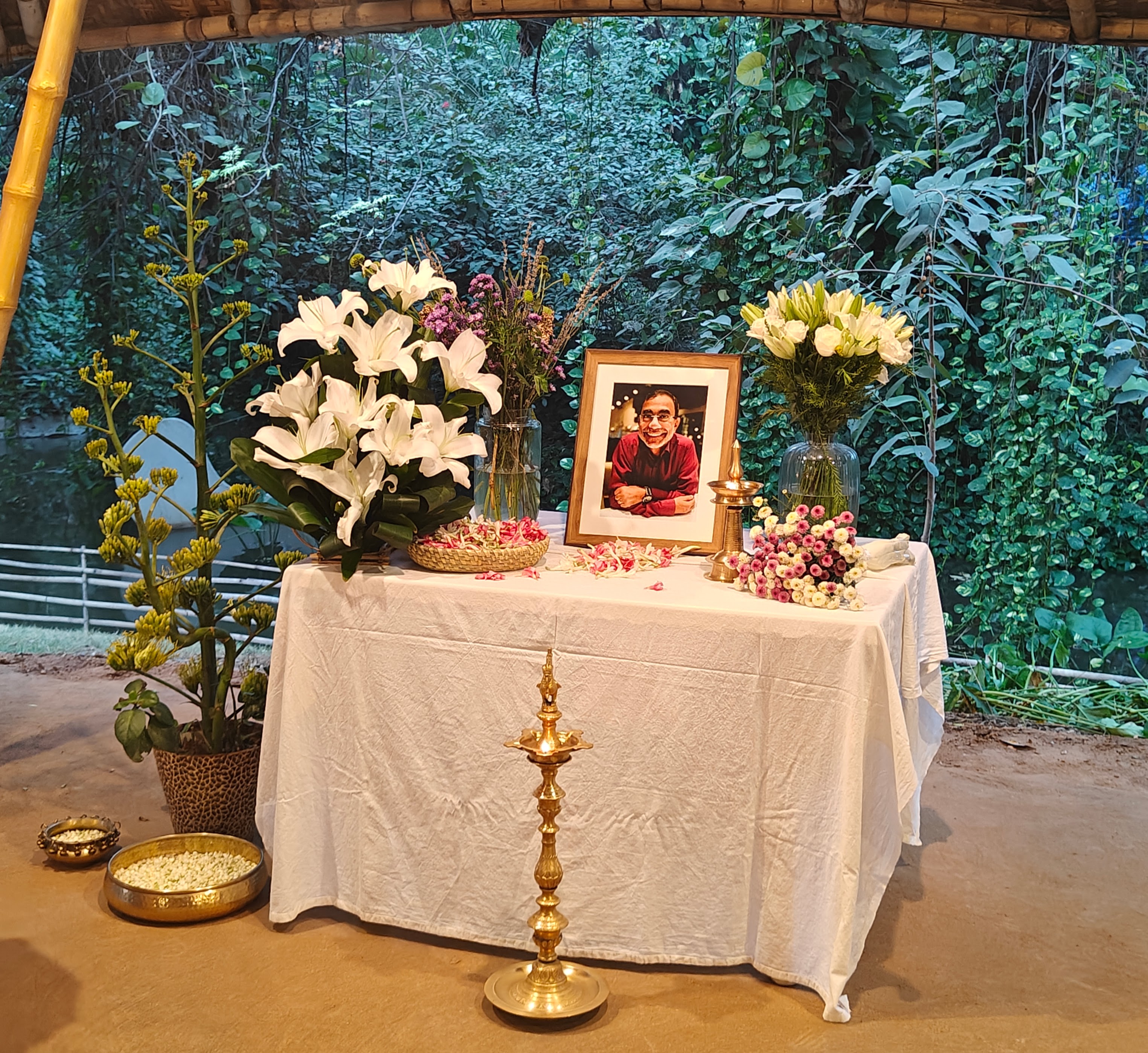
At the memorial for Anoop Nair On 8th November 2024, Zorba the Buddha, Delhi

Sitaram Yechury

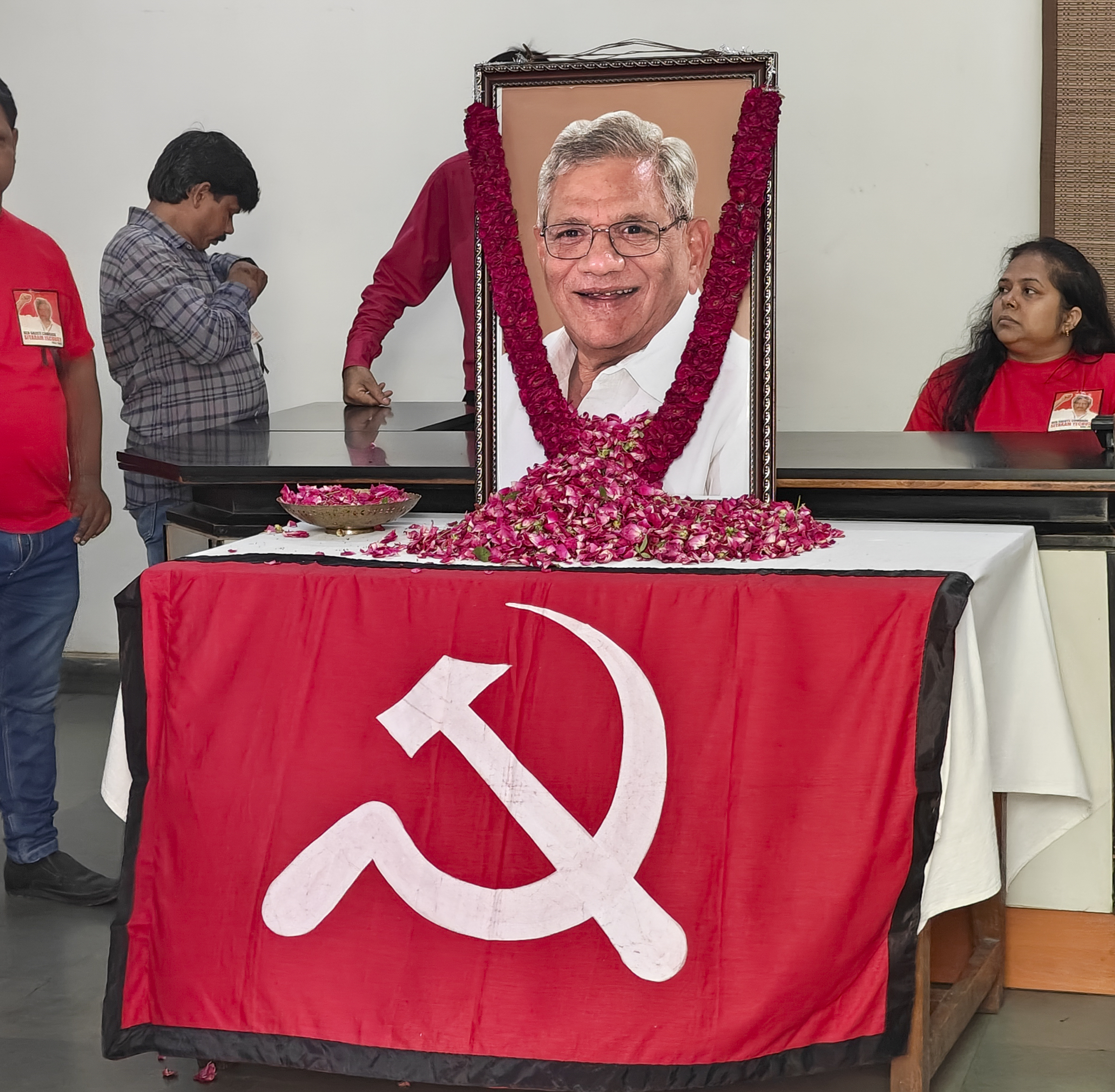
Sitaram Yechury passed away this morning (12 September 2024) around 11.30 at AIIMS. He had been unwell with a lung infection for the past three weeks admitted in the hospital. Our last meeting was at Sahmat, probably on 18 August. All of us had lunch together and then he stepped out for a smoke with Sohail and NK Sharma. His right hand was not steady and it trembled as he took a drag on his stick. He coughed non-stop. Something in me said, he must stop smoking. We had a good time together on Seema’s birthday sometime in Jan this year, again at Sahmat. I have some pictures of them cutting cake and offering it to each other. I recall how unsure or hesitant he was to sign a copy of his book for me for which I had designed the cover. All he wrote was “Greetings”. It was a compilation of his speeches as a Rajya Sabha MP. On 14th Sept his body was brought on a carriage to AKG Bhavan, the Party office, for friends and Comrades to pay their last respects. Sitaram had donated his body to All India Institute of Medical Sciences for research. So Long Comrade. 

48608

that must be some else…

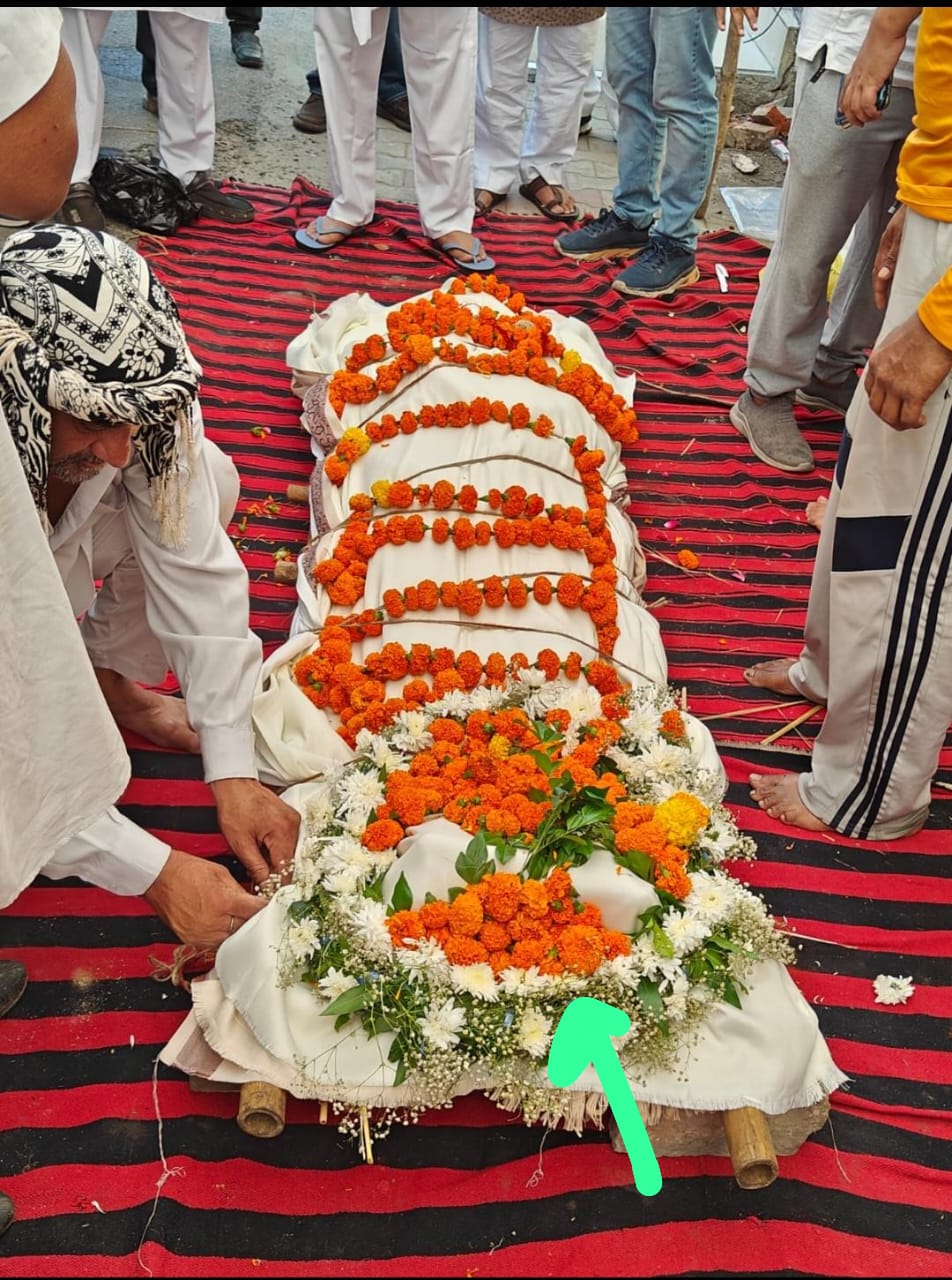
‘It couldn’t be him. It just can’t be. It must be someone else.’, was my first reaction when a common friend sent me a picture of his flower-decked bier lying outside his house in Jalandhar. I recalled Ashok Gupta reciting a Kafi of Baba Bulleh Shah at Zoji La pass where we saw a holy man being carried for burial.  

बुल्ले शाह असां मरणा नाहीं गौर पया कोई होर 

“It must be someone else, we ‘the immortals’ don’t die”, Ashok had said.

Years before he had said something similar when we had ‘together’ seen death at close quarters.

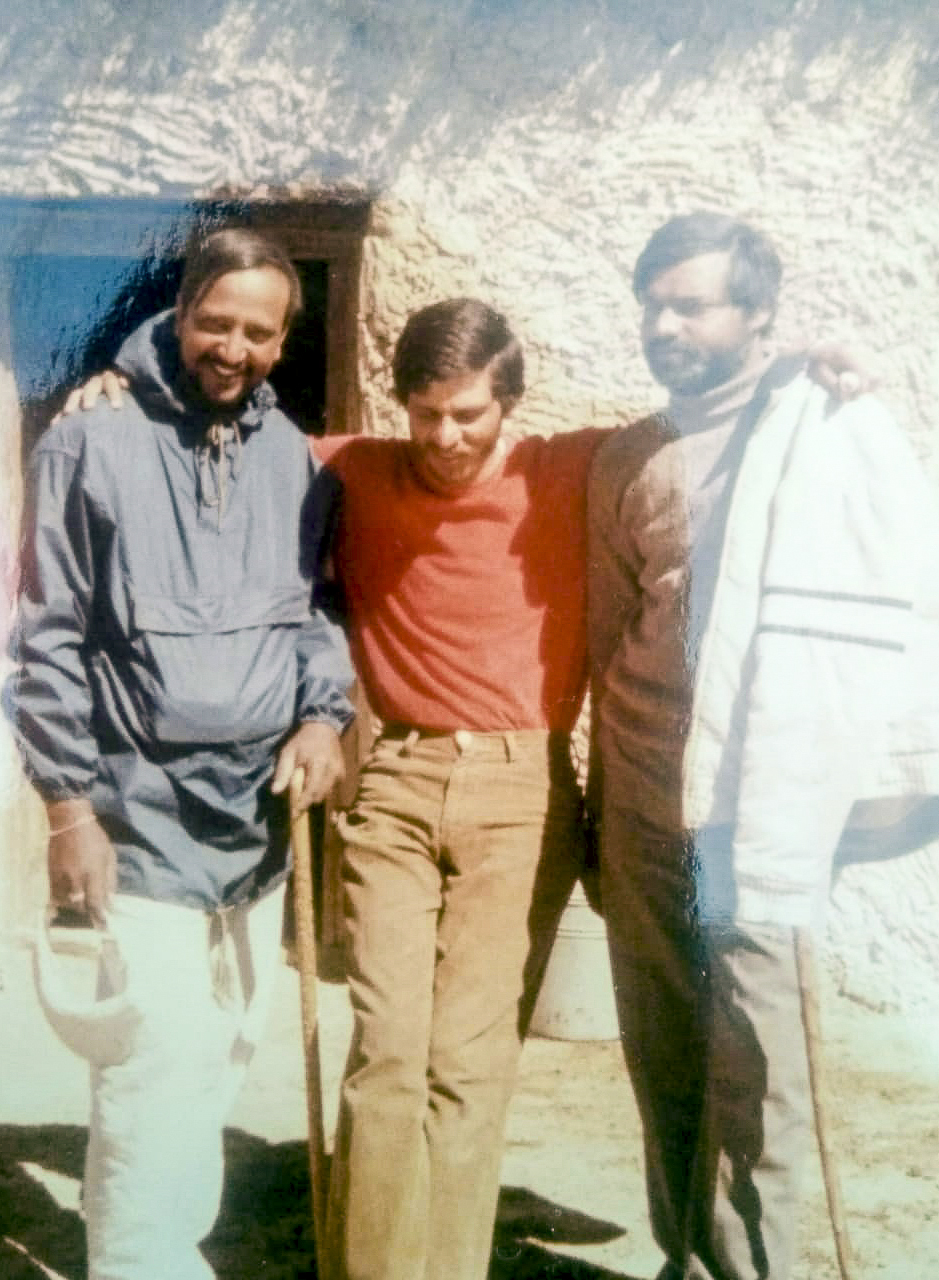
It was the month of June. Twenty-ninth read the date in the year 1985. By mid-night the temperature was 12 below zero. On the Tibetan plateau our altitude was 17,300+ feet. We were at the western edge of lake Manasarovar. We kiss-drank its partially frozen surface the next morning. Without gloves our hands were slowly turning blue. Strong easterly winds howled the earlier part of that night. I wonder how we survived that night amid nothingness. Yes, survived brutal cold, hunger, fatigue and the fear. The fear of having lost our way in the Himalayan desert. The fear that no one may come looking for us or consider us dead in that Himalayan moonscape. One more night out in the open would have meant certain death for the three of us. But, but Ashok had said “We can’t die here uninvited”. 

That night Ashok Gupta was wearing his trademark white kurta-pyjama, no thermals inside. The hood of his blue wind-cheater protecting his ears and head. Arun Singhal, our other friend was decently clad in a high neck sweater but not enough for that altitude or the open skies where a little more cold could have frozen us. Unless you are a Mongol nomad, a Tibetan herder or a Chinese military jawan you dont fools around Mt Kailash or Ghurla Mandhata ranges carelessly at night. We were not fooling around, we had lost our way. 

Five other members of our group were accompanied by a Tibetan yak herder who was transporting our camping equipment. That night we clung to each other in a tight embrace to conserve body-heat, arms locked we jogged in-sync, we created a tight triangle of bodies using our breath to warm our chests and ward off the cold with our back, we pissed on our feet when our toes were freezing. We cursed ourselves but never once thought that we would die that night. The thought of death came only next afternoon when despite all our efforts we were not able to find the trail that would lead us to our campsite. Our batchmates were supposed to leave for the next campsite by noon. None of us had any communication equipment or anyone to guide. 

The morning before was the most inviting one which lured us to make multiple mistakes. We decided to shed extra layers and trek leisurely around the undulating Barkha Plains. The day temperature tempted us to slow down our pace, rest more often, fish in streams, stop to photograph each Marmot peeping at us from its hole, admire and lure herd of Tibetan Wild Ass and the colony of white woolly hare. We were in the awe of the beauty, the sheer scale of the Himalayan plains where a hundred aeroplanes could land together. With no clouds and a bright sun that hurt during noon we enjoyed the stark contrast of the blue skies against white Himalayan peaks and stunning granite rocks. That morning, together, we had spotted a Brahminy Duck diving in Mansarovar for its catch. Ashok had said it was a good sign.

My brown corduroys, a wind breaker and a muffler around the neck worked well during the day but at night I was the worst clad. We hadn’t had a morsel since we left last camp and I was reminded of the Brahminy Duck all the time. How many fish it would have devoured that morning? We trudged up and down a dozen hills that evening before the Lords switched off the light in that stunningly beautiful playground for their ilk to sleep.

To reach our Himalayan Eden we traversed four major valley systems connecting India, Nepal, Tibet and China. We trekked over 129 km in 28 days, without a day’s break, crossing two high-altitude mountain passes one of which, Dolma La, was over 18,470 feet, braved treacherous crevices over unstable glaciers, were beaten down by winds and thunder, negotiated and forded near-freezing streams, glacial melts and rivers. We slipped around gorges; skidded off steep gradients; spent sleepless nights with minimal food; braved freezing winds, rain and snow but we survived. We survived our bursting lungs in rarified atmosphere, yes we survived this and dangers of many other climbs and high-altitude treks. Did we survive to die like this? 

Sorry, I can’t say my Alvida, not yet.
गौर पया कोई होर
Yes, that must be some else.