​The Guardians of Dabwali on the Road to Suratgarh

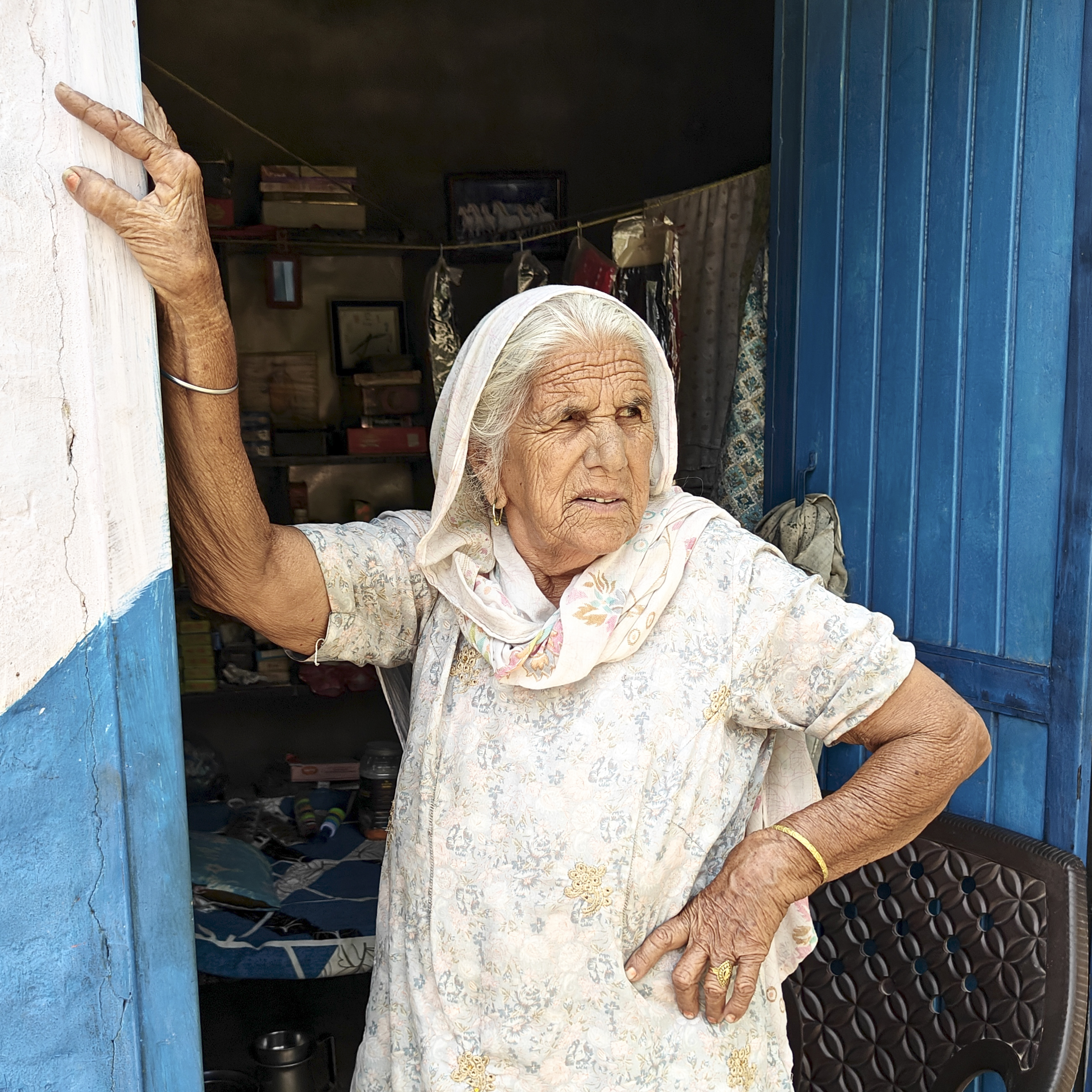
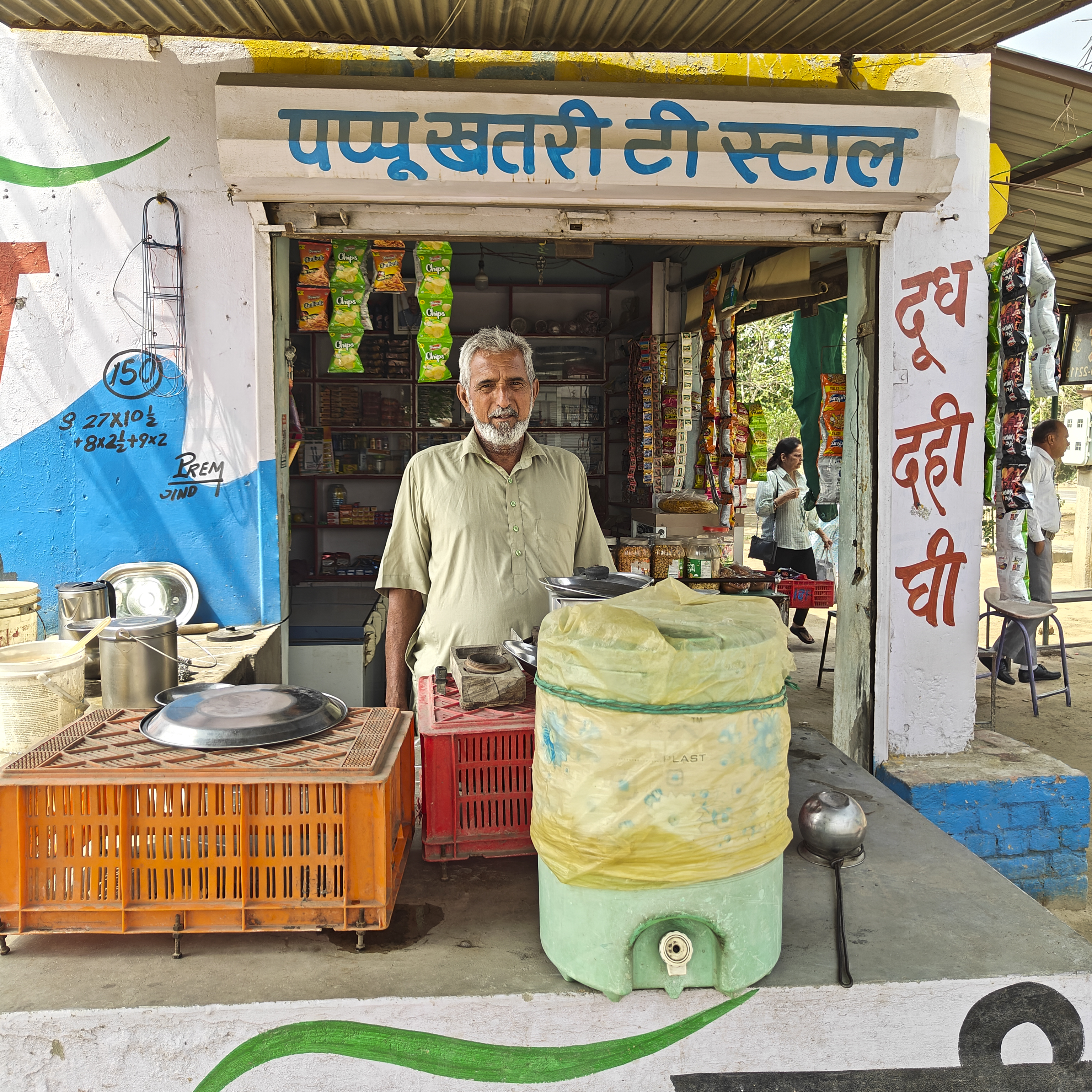
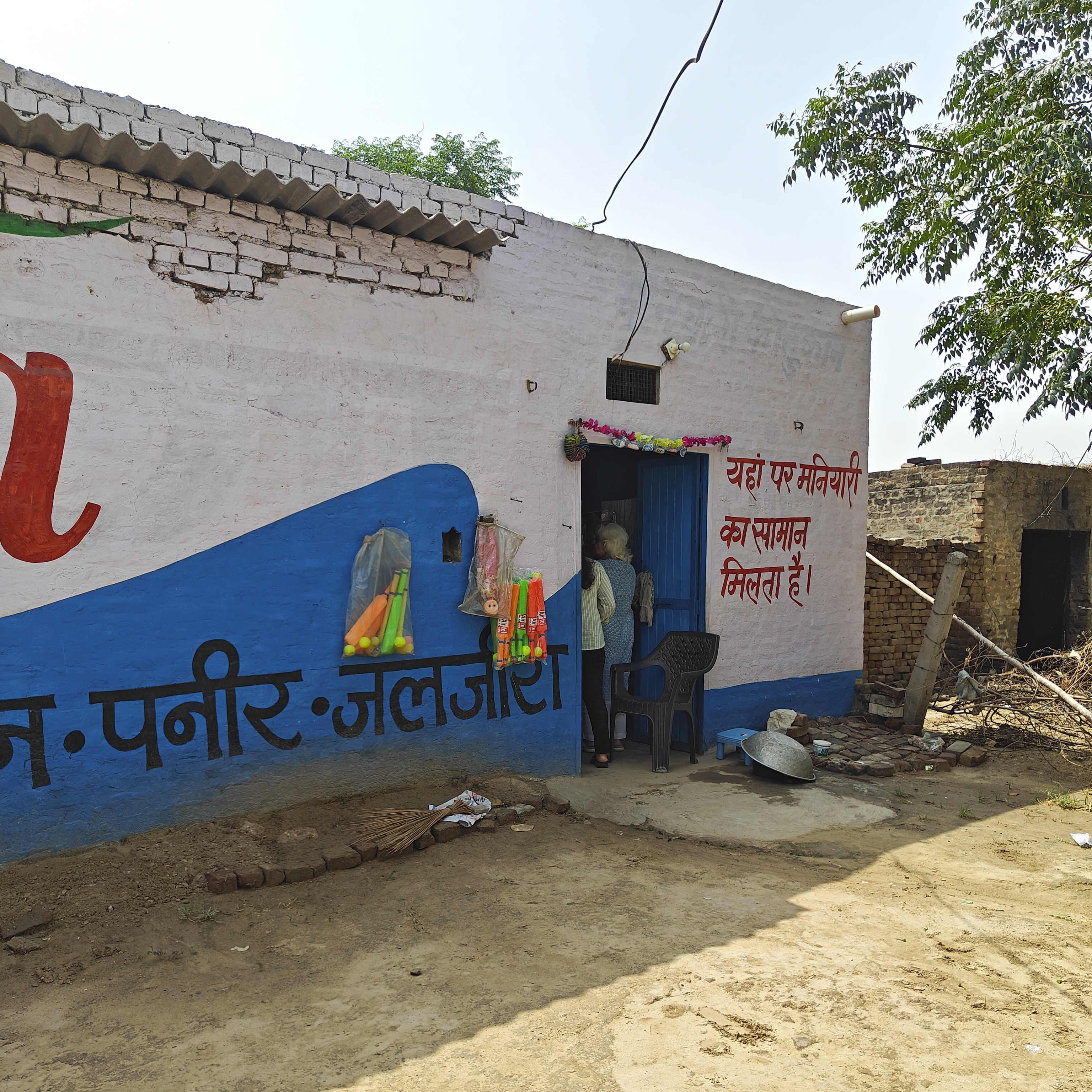
Her name is Raksha Kaur. She stands firm, guarding her precious corner at the tri-junction of Haryana, Punjab, and Rajasthan along NH 54 in Dabwali. In a corner of her house, Raksha runs a tiny store selling ‘Maniyari’ items; maniyari roughly translates to cosmetics and jewellery for women. Face cream, powder, lipstick, plastic pearl strings, rings with colourful stones, ear tops and cheap plastic toys sit on a sagging cot. Across her house two large banyan trees, older than Raksha, stand guard over her brick house and provide much-needed shade in this near-desert land. As a light drizzle and a cool breeze make for a pleasant drive, we witness a quieter battle unfolding at this bustling cross-roads.

Here, Raksha’s son, Pappu Khatri, runs a rudimentary tea stall on a prime plot of land. It is a piece of history; Raksha’s husband bought these 500 yards back in 1955 for the then-princely sum of ninety rupees. Decades later, when the highway cut through their property, more than half of their house was acquired, leaving them with a meagre compensation of just 5,000 rupees. Now, the real-estate mafia eyes the remaining land – prime corner property on the highway. The mother and son are currently battling a court case built on fictitious claims designed to dislodge them. Armed only with meagre resources but boundless resilience, this feisty duo refuses to back down.

Leaving Dabwali behind, the countryside opens up into amazing vistas as the excellent highway stretches toward Hanumangarh and Suratgarh. We are heading to meet my ailing aunt, but our journey will also take us deep into the past at Kalibangan. This 4,000-year-old site was once a provincial capital of the Indus Valley Civilization, perched on the left bank of the now-dried-up Ghaggar River. Today, this seasonal, monsoon-fed river has changed its course, flowing 50 km further west along a firm bund that stretches from Himachal Pradesh before finally terminating in the sands of the Thar Desert.

Once summer gives way to the monsoon and a cooler breeze flows over this rugged land I will come back and spend a day or two with these people to learn more about their lives and write a story about them. Till then, take care, Raksha ji and Pappu Khatri. The tea was precisely to my taste, deliciou​s – for which Pappu Khatri refused to take money.

Piprahwa Gems and Relics of the Buddha

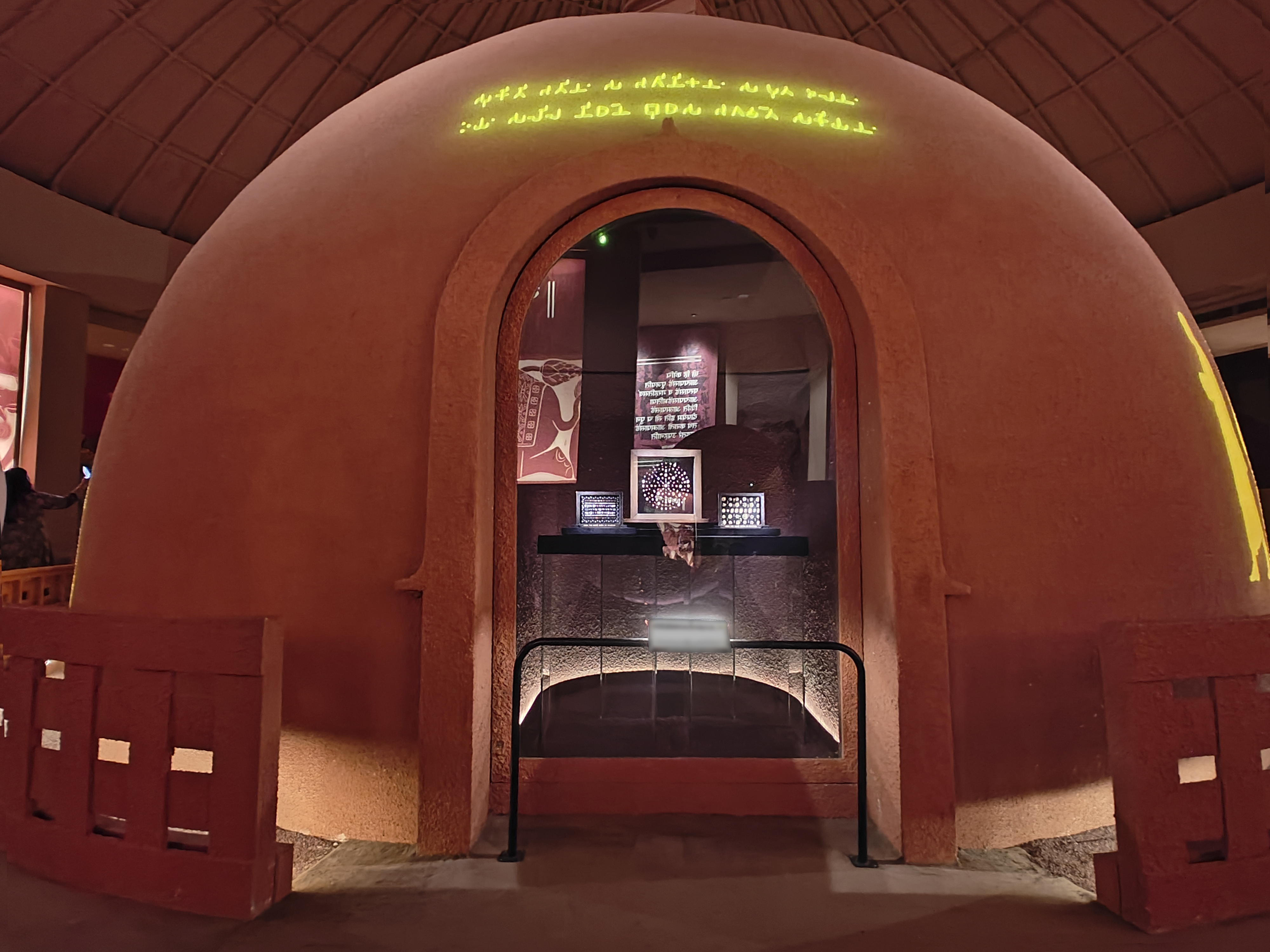
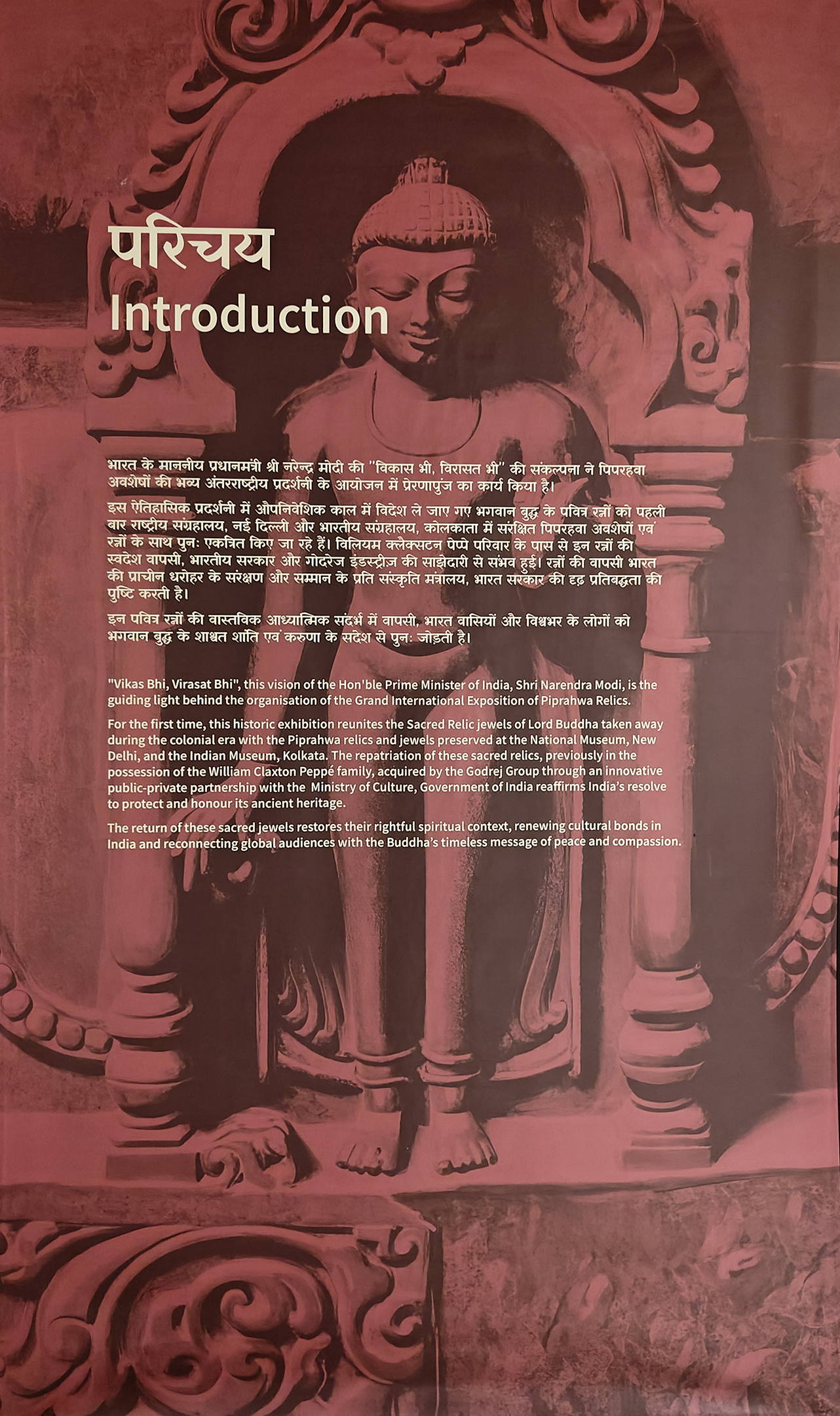
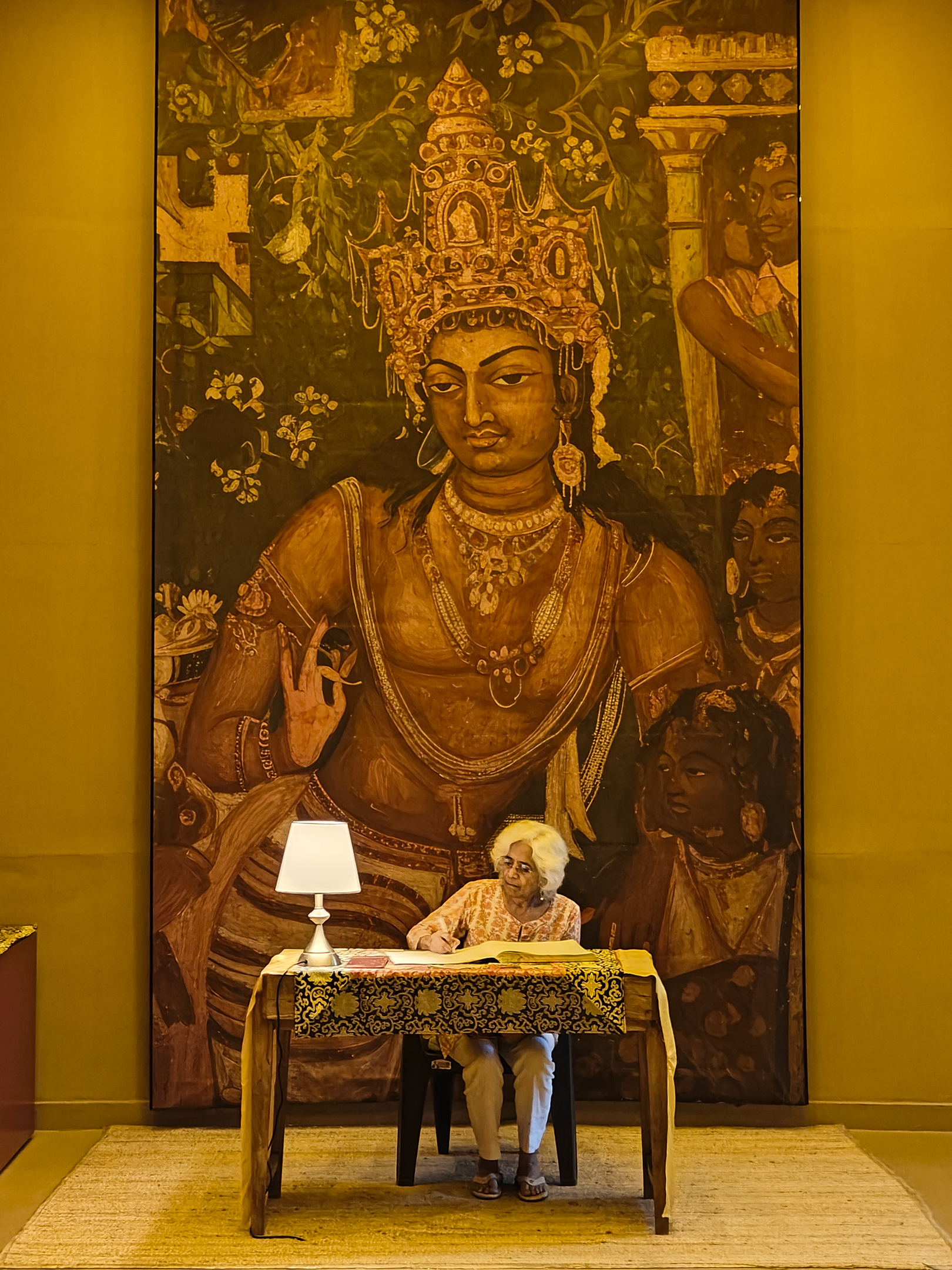
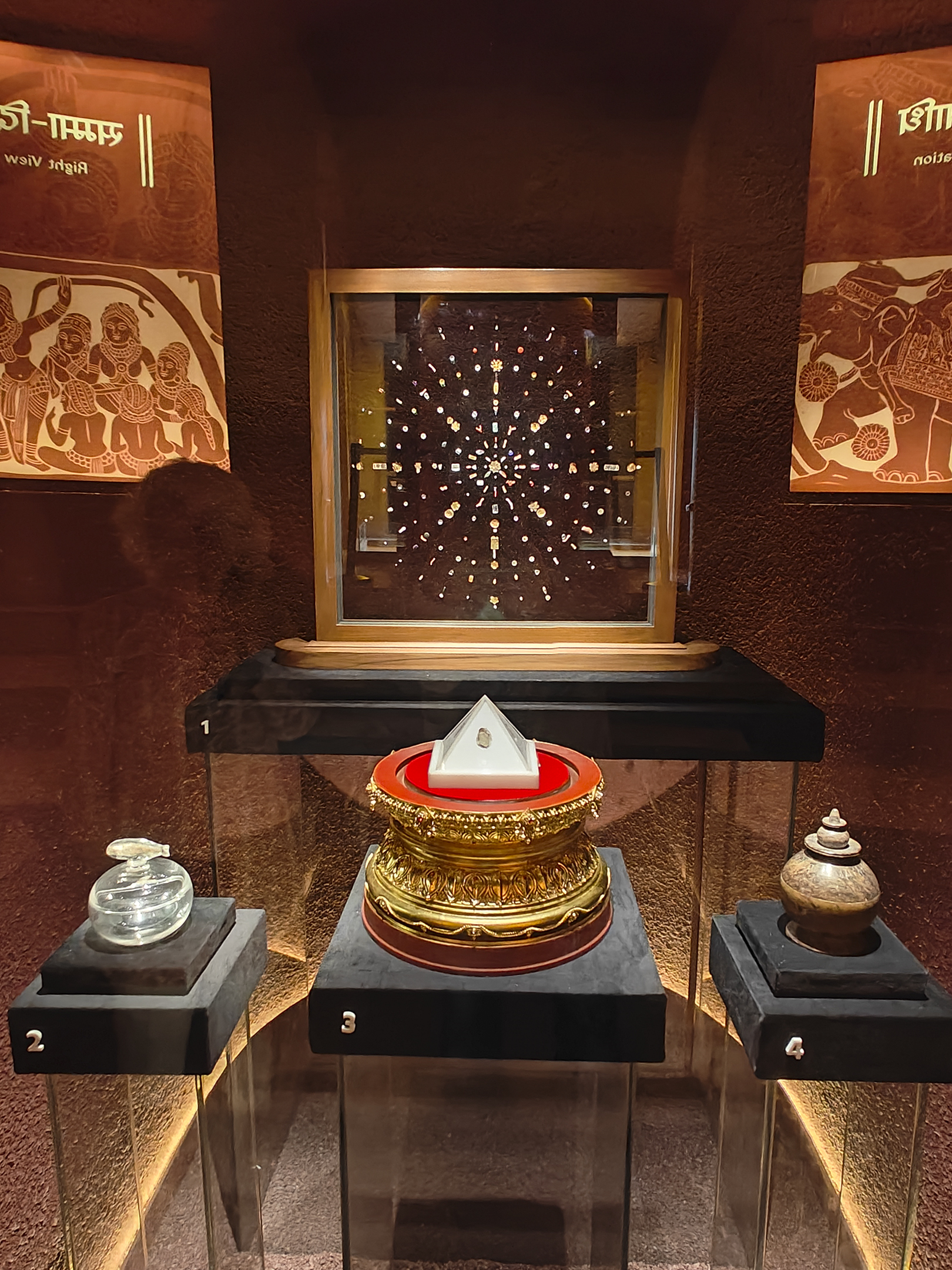
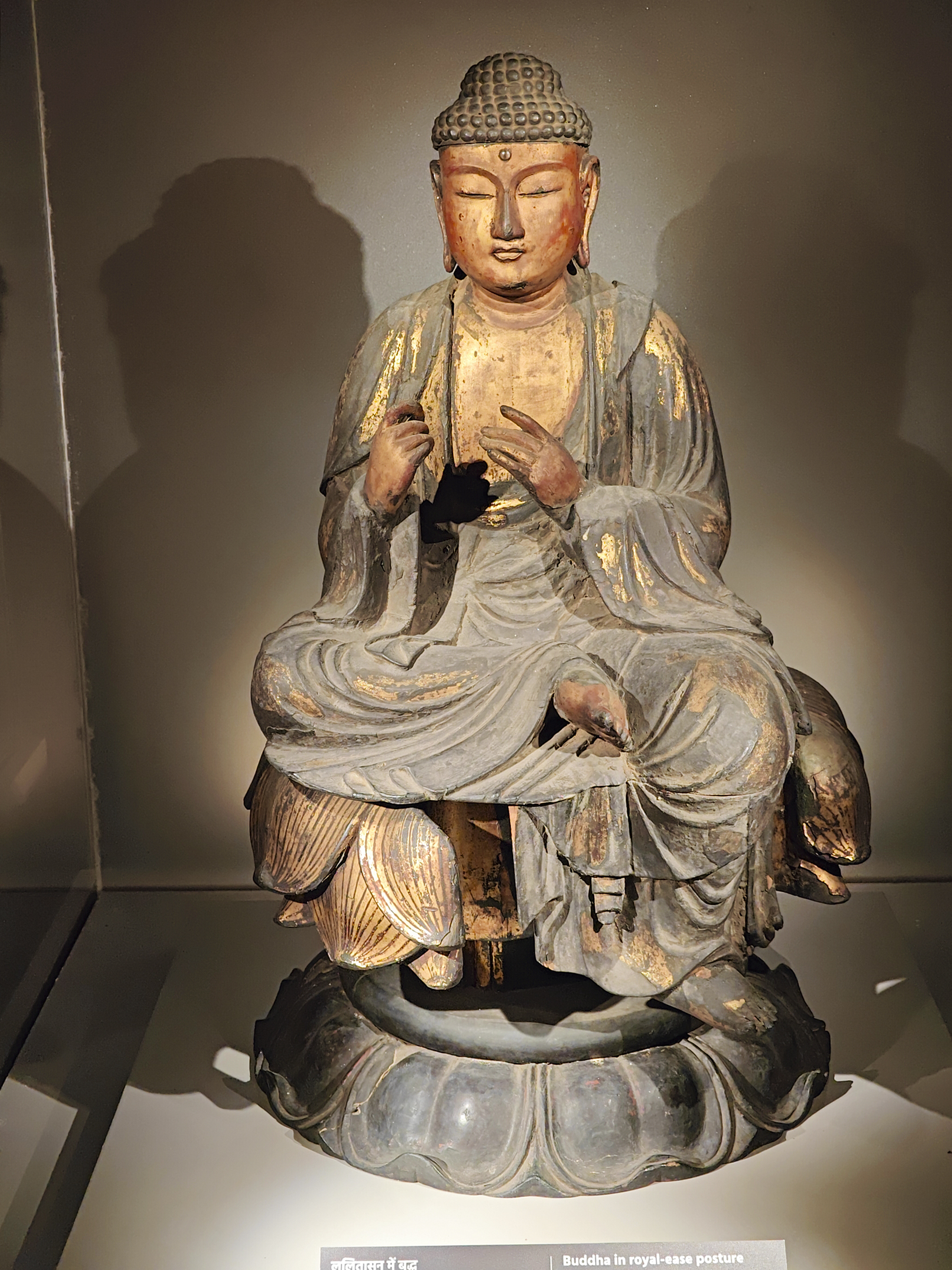
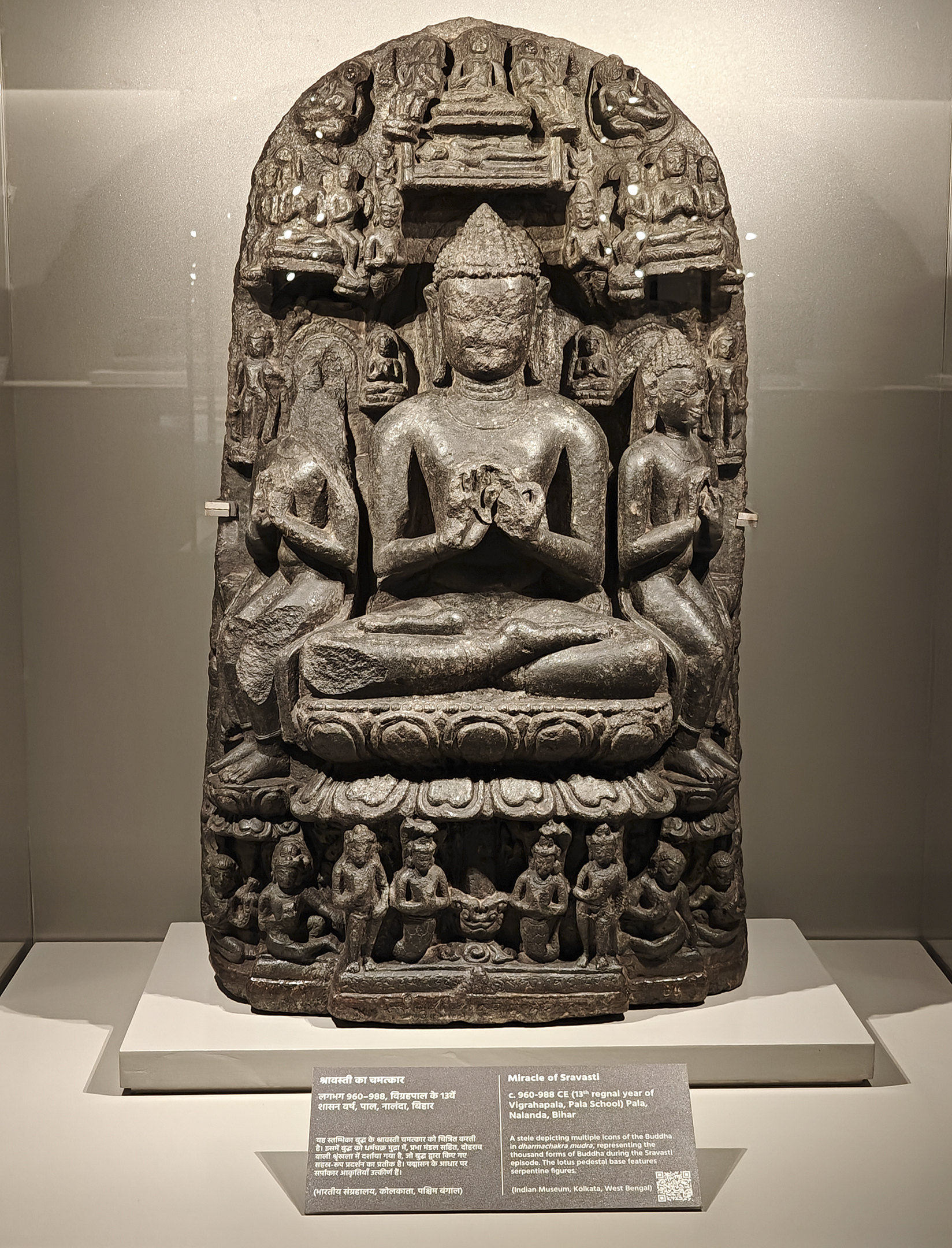
​An excellent opportunity to promote the importance of the Science of Archaeology was wasted amid the din of overemphasizing faith. Bringing home the gems and relics of Buddha may indeed be a cause for celebration, yet the audio-videos were focussed only on the present master and the government of the day. In a text panel buried under heavy jargon is a line that says these relics have been ‘acquired by the Godrej Group through an innovative public-private partnership.’ Also, can the museum manager please buy a better megaphone for the guide and ask the gentleman to speak more softly? Seriously, it’s not a wedding venue!! Besides the gems and the relics – my find of the day was Elizabeth Brunner’s Walking Buddha (oil on woven mat) which transforms the Buddha-pada into dynamic steps with its soft forward march, and the Buddha painting by none other than Nandalal Bose. Do visit the show, only three weeks left of what is called as Piprahwa gems exhibition but is officially named ‘The Light of the Lotus: Relics of the Awakened One’, at the Qila Rai Pithora Fort and Cultural Complex, Lado Sarai on Press Enclave Marg, in Delhi.  *Piprahwa, in Siddharthnagar, U.P. is what was known as Kapilavastu.

The official statement posted by PIB on: 02 JAN 2026 says 
The Ministry of Culture is hosting a landmark exposition showcasing the Piprahwa Relics, Reliquaries and Gem Relics, recently repatriated to India, at the Rai Pithora Cultural Complex. The exposition is set to be inaugurated by the Prime Minister, Shri Narendra Modi on 3rd January 2026 at 11.00 AM.
This historic event marks the reunification of the Piprahwa gem relics of Lord Buddha, repatriated after 127 years, with relics, gem relics, and reliquaries from 1898 and then 1971-1975 excavations at the Piprahwa site.
The exposition, titled “The Light and the Lotus: Relics of the Awakened One,” thematically showcases relevant antiquities and works of art from several cultural institutions under the Ministry of Culture. These relics represent the most extensive assemblage attributed to the Buddha, symbolizing profound philosophical meaning, masterful craftsmanship, and global spiritual significance. The exhibition features over 80 objects spanning the 6th century BCE to the present, including sculptures, manuscripts, thangkas, and ritual objects.
This unprecedented gathering commemorates the Ministry of Culture’s successful repatriation of the relics in July 2025, achieved through a public-private partnership, halting an auction at Sotheby’s Hong Kong. For the first time since the 1898 excavation, the exposition brings together:

  1. Relics from the 1898 Kapilavastu excavation
  2. Treasures from the 1972 excavations
  3. Reliquaries and jewelled treasures from the Indian Museum, Kolkata
  4. Recently repatriated relics from the Peppé family collection
  5. Monolithic Stone Coffer within which the gem relics and reliquaries were originally found.

The sacred Buddha relics were discovered in 1898 by William Claxton Peppé at the ancient stupa of Kapilavastu. Following their discovery, portions were distributed globally, with one part gifted to the King of Siam, another taken to England, and a third preserved at the Indian Museum, Kolkata. In 2025, the Peppé family portion was repatriated through decisive intervention by the Ministry of Culture, supported by Buddhist communities worldwide.
The exposition underscores India’s role as the birthplace of Buddhism and reinforces its position as a global spiritual and cultural leader. Under the leadership of Prime Minister Narendra Modi, India’s global engagement increasingly draws upon its civilizational and spiritual inheritance, 642 antiquities have been repatriated to India, with the return of the Piprahwa relics standing as a landmark achievement.

The inauguration will witness participation from Union Ministers, Ambassadors and members of the diplomatic corps, venerable Buddhist monks, senior government officials, scholars, heritage experts, esteemed members of the art fraternity, art aficionados, followers of Buddhism, and students.

The exposition reaffirms the Ministry’s commitment to heritage preservation and cultural leadership while celebrating India’s spiritual legacy and its significance as the birthplace of the Buddha Dhamma, reflecting India’s enduring commitment to preserving and sharing its civilizational heritage with the world.

The Light of the Lotus: Relics of the Awakened One - Piprawah Gems - Buddha
oplus_1048576

When the Grand Trunk Road became NH-44

Somewhere between Gurgaon and Chandigarh, while cruising along the smooth expanse of National Highway 44, I realised that the road beneath my wheels had quietly lost its name. What was once the legendary Grand Trunk Road—a highway that had carried emperors, armies, traders, caravans, and pilgrims for more than two millennia—now survives officially as little more than a number on a signboard.

The transformation while being logical was an administrative activity leading to some efficiency, but it also erased something far older than asphalt.

A Road Older Than Empires

The origins of the Grand Trunk Road reach deep into antiquity. During the era of the Mauryan Empire, more than two thousand years ago, an important trade route connected the fertile Gangetic plains with the north-western frontiers of the subcontinent.

Over centuries successive rulers maintained and expanded this route, recognising its strategic importance. But it was the Afghan ruler Sher Shah Suri who transformed it in the sixteenth century into a truly organised imperial highway.

He planted trees along the route, built caravan serais, dug wells, and ordered the construction of distinctive distance markers called Kos Minar. These cylindrical towers, erected at intervals of roughly one kos—about three kilometres—allowed travellers to measure distances across the long road stretching from Bengal toward Lahore and the Afghan frontier.

Under the Mughal Empire, the road flourished further, linking great imperial centres such as Delhi, Agra, and Lahore. For centuries the Grand Trunk Road functioned not merely as a highway but as a moving artery of civilisation—carrying commerce, ideas, languages, religions and armies across the northern plains of the subcontinent.

The Silent Sentinels: Kos Minars

Even today the past occasionally reveals itself beside the highway. Every now and then a traveller may notice a cylindrical brick tower rising unexpectedly beside the modern road. These are the old Kos Minars—once lime-plastered pillars nearly thirty feet tall that marked distances and guided travellers along the imperial highway.

Between Delhi and Ambala alone nearly thirty such structures still survive, though many remain half hidden behind encroachments or modern construction. Some have been restored, albeit somewhat crudely, by the Archaeological Survey of India.

During my recent drive one such tower caught my attention near the village of Khandra in Panipat district. Standing quietly beside the roaring traffic of NH-44, the restored pillar seemed like an old sentinel from another century, watching the modern highway rush past. These modest structures once helped guide caravans, royal messengers, traders, and pilgrims along one of the great roads of Asia.

Where Myth and History Meet

This corridor has witnessed not only historical events but also the echoes of far older stories. Near the town of Karnal lies the ancient landscape of Kurukshetra, revered in the epic Mahabharata as the battlefield where the great war between the Pandavas and the Kauravas was fought.

Whether viewed as mythology, sacred narrative, or distant historical memory, the geography of that epic is unmistakably rooted in these plains of Haryana. Long before imperial highways were formally built, ancient pathways must have crossed this landscape, linking settlements and kingdoms.

Thus along this single corridor, memory stretches from the mythic age of the Mahabharata to the medieval battles of Tarain and onward through the empires of Sher Shah, the Mughals and the British. Few roads in the world carry such layered echoes of time.

A Road That Shaped History

Near Taraori, close to Karnal, the decisive Battles of Tarain were fought. Control of this corridor meant control of the road leading to Delhi and the Gangetic heartland. When Muhammad Ghori emerged victorious in the second battle, the route to Delhi opened before him, paving the way for the establishment of the Delhi Sultanate.

From Panipat to Kurukshetra, this highway runs through landscapes where history has repeatedly changed the course of the subcontinent.

The Disappearance of a Name

Yet this ancient road met a curious fate in modern India. In 2010, India reorganised its highway network into a systematic numbering grid, creating hundreds of national highways across the country. Under this system the historic Calcutta–Delhi–Amritsar stretch of the Grand Trunk Road was absorbed into NH-44.

In one quiet administrative act, a road whose name had echoed across centuries was reduced to a number on a map. Travellers speeding along NH-44 remain largely unaware that they are moving along one of the most historic corridors of the subcontinent.

Perhaps the road itself might echo the melancholy sentiment expressed by Faiz Ahmed Faiz:

     “Nisār main terī galiyoñ pe ae watan ke jahāñ,
Chalī hai rasm ke koī na sar uṭhā ke chale.”

“निसार मैं तेरी गलियों पे ऐ वतन कि जहाँ
चली है रस्म कि कोई न सर उठा के चले।”

I bow before the streets of my homeland,
Where it has become the custom to walk with lowered heads.

The lines seem almost prophetic for a road where millions travel each day, unaware of the history beneath their wheels.

Remembering the Road

Many ancient roads survive today only as archaeological memory—Rome’s Via Appia, China’s Silk Road, Persia’s Royal Road, and the Inca Qhapaq Ñan; all these are relics of the past and not used as roads any longer, however, the Grand Trunk Road is different. It remains alive.

Millions of vehicles travel along it every day across India and Pakistan, unknowingly retracing a route that has carried caravans, armies, traders, pilgrims and ideas for more than two thousand years.

Numbers may organise roads on a map but names carry memory. Restoring the Grand Trunk Road’s historic name alongside its administrative designation is not merely an exercise in nostalgia. It is about preserving civilisational memory.

At a time when cities, towns, and streets across India are frequently renamed for political or ideological reasons, the name “Grand Trunk Road” stands apart. It carries neither sectarian identity nor political affiliation—only the accumulated weight of history. Perhaps NH-44 could remain its official administrative designation while the historic name of the Grand Trunk Road is proudly displayed along its length.

And sometimes a civilisation is remembered not through its monuments, but through the roads that once connected its people, its stories, and its history across time.

Rajinder Arora
Delhi-Gurgaon

विरासत में मिले दुःख

दुःख हमे विरासत में मिलते हैं और सुख कभी विरली लाटरी लगने पर ज़िन्दगी के तिराहे पे। या फिर सुख के पल फिल्मों में देखे और किताबों में पढ़े जाते हैं। सुख एक फ़लसफ़ा है जिसके बारे में बात की जा सकती है जबकि दुख और दर्द सचाई है जो महसूस की जाती है, झेली जाती है।

आजकल मेरी मेज़ पे दर्द और दुखों का एक पुलंदा पसरा है जिसे हाथ में उठा सुबह शाम मैं सुबक लेता हूँ, रो लेता हूँ और हज़ारों लाखों परिवारों के साथ हुए शर्मनाक और दर्दनाक हादसों, क़त्लेआम, लूट-पाट, आगज़नी, फ़साद और तशद्दुद के बारे में सोच के भी काँप उठता हूँ। दो मुल्कों के जिन करोड़ों लोगों पे ये सब बीती उनमे से लाखों तो कुछ महीनों चली इस दरिंदगी और वहशत में मारे गए, कुछ जो मरे नहीं और जिन्होंने ये सब देखा वो सालों ज़िंदा रह कर भी रोज़ मरते रहे। जाने कितने सौ गुमनाम पागलख़ानों और अस्पतालों में सड़ते रहे और हज़ारों लोग उस ग़म के बोझ को ढ़ोते हुए बाकि बची ज़िन्दगी को ज़िंदा लाश सा काटते भर रहे।

दुखों के ये  पुलंदा एक क़िताब है जिसका नाम है – “10,000 दुःखद यादें: बटवांरे की ज़िंदा तारीख़”

मैं नहीं कहूंगा कि आप ये किताब पढ़ें। रहने दें, मत पढ़ें। इसे पढ़ने पर आपको अपने उस वक़्त के समाज और सोहबत पे, अपने मुल्क पे, अपने बुज़ुर्गों पे, अपने आप के इंसान होने पर भी शर्म आएगी। पर अगर आप समाज के लिए तिनका भर भी अच्छा करना चाहते हैं तो अपने बच्चों को ये पढ़ कर सुनाएँ, सिर्फ इसलिए की वो हैवान ना बने।

इन दस हजार दर्दनक यादों के जहन्नुम में एक दुखद किस्सा मेरी माँ और उनके परिवार की यादों का भी है। इनमे कुछ तो ऐसे वाक़िये हैं जो वहशत की हद के भी पार जाते हैं जिन्हे पढ़ या सुन कर आपका दिल दहल जायेगा।

​मैंने मंटो और इस्मत के सारे अफसाने पढ़े हैं, उनको पढ़ कर भी मैं रोया हूं, वो भी उसी वहशत और उसी वक्त को बयान करते हैं पर उनके किरदारों को मैंने सिर्फ समझा और महसूस किया था – पर इस किताब में मैंने उनके जैसा कई किरदारों की तसवीरें भी देखी हैं जो सचाई को और भी भयानक बना देती है​ ।

तारीख़ के इसी हिस्से को बयां करते कई पंजाबी, हिंदी, उर्दू और अंग्रेजी अदीबों को मैंने पढ़ा है उनके किरदारों के दर्द से मैं वाकिफ हूं पर यहां इस क़िताब में उन लोगो को चेहरे मिल गया है, तसवीरों वाले ये लोग उस वक्त की गवाही देते हैं, मुझ से बात करते हैं, सामने आ खड़े होते हैं, जवाब मांगते हैं, जिरह करते हैं और मैं उनसे आंखें नहीं मिला पाता, बिलकुल वैसे ही जैसे मेरे वालिद बतलाते थे और मैं सुन्न पड़ जाता था।

क्यों संजोते हैं हम दुखों को, किसके लिए? क्यों इक्कठा करते हैं, क्यों लिखते हैं, क्यों कुरेदते हैं उन्हें सालों साल?

मैं नहीं समझता कि दुख बांटने से कम होते हैं या मन हल्का होता है। लिखे हुए दुख तो फैलते ही जाते हैं एक पीढ़ी से दूसरी से तीसरी, ख़त्म ही नहीं होते, भूलने ही नहीं देते आगे आने वाली नस्लों को भी। और फिर इन किताबों को इन यादों को पढ़ कर, समझ कर कौन सीखा है आज तक? इन से मिली सीख या शिक्षा से कहाँ कम होती हैं त्रासदियां। आज का समय ही देख लीजिये – कौन रोक पाया है ग़ाज़ा में हो रहा नरसंहार। और क्या सबूत चाहिए हमे – अकेली  20वीं शताब्दी में ही जंग से करीब 11 करोड़ लोग मारे जा चुके हैं। 

दुखों और दर्दों का ये पुलंदा  बहुत भारी है।

10,000 Memories: A Lived History of Partition
(Independence and World War II in South Asia – Book 1 – West Side)
Published 2023 by: The 1947 Partition Archive, Berkeley, California. Rs. 4100, pp 724

ये क़िताब अगस्त 1947 में हुए एक मुल्क के बटवारें के बारे में है, अपने घरों, अपनों और अपनी ज़मीन से बेदखल हुए लोगों की है जिन पर ख़ुद एक दूसरे ने ही ज़ुल्म किये। हिन्दुस्तान और पकिस्तान से मेरी पीढ़ी के कई लोगों ने अपने माँ-बाप, दादा-दादी, दोस्तों और करीबी रिश्तेदारों को उम्र भर भयानक यादों से जूझते देखा है। मैंने तो देखा है। ये क़िताब उन दर्दनाक यादों की है और उस बोझ की है जो विरासत में ये लोग हमारे लिए छोड़ गए हैं।

ऐसा माना जाता है कि अपने पूरे जीवन में आदमी दुःख अधिक झेलता है और उसकी खुशियों के दिन कम ही होते हैं।  गूगल बाबा को खंगालने से भी ये नतीजा ही निकलता है। वो तो यहाँ तक बताते हैं कि पिछले दो हज़ार साल में लिखे गए साहित्य में दुखद कहानियां की तादाद कहीं ज़्यादा है। ट्रेजेडी या दुखद अंत तलाशना अधिक सम्मोहक होता है। फिल्मों में भी ख़ुशी की तुलना में अभी तक ट्रेजेडी ही ज़्यादा बिकती है। याद कीजिये दिलीप कुमार और मीणा कुमारी को।

हमारे धर्म ग्रंथों में भी तो ​कितने सारे दुख दर्शाए गए हैं। रामचरितमानस को ही ले लीजिये – श्रवण कुमार के माता पिता का दुःख, राजा दशरथ का दुःख, बनवास को जाते हुए राम की माता का दुःख, भाई भरत का दुःख, अयोध्या वासियों के दुःख, वनवास में राम, लक्ष्मण और सीता के कितने ही दुःख, स्वरूप नख का दुःख, सुग्रीव का दुःख, सीता हरण का दुख, लंका नरेश रावण और उसके भाईयों और बेटे के वध का दुख और फिर अंत में सीता को घर से निकाले जाने का दुख। ईसा मसीह के सूली पर चढ़ाये जाने का दुख, कर्बला की जंग में अली हसन की शहादत का दुख। कितने गिनोगे ?

इस क़िताब में सच्ची दास्तानें हैं, आप बीते और झेले ज़ुल्म और ग़म हैं। इतने दर्द हैं कि एक को पढ़ने के बाद लगता है दूसरा किसी और जनम, किसी और साल में पढ़ेंगे। आपने कभी कहीं सुना है कि एक माँ अपने नए जन्मे बेटे को अस्पताल में इस लिए छोड़ आयी क्यूंकि उसे पैदा करने वाली दाई दूसरे मज़हब की थी। अपने जीते जी कितने किस्से आपने सुने हैं जहाँ घर के एक बड़े ने अपने हाथों से अपने दो मंज़िला घर को आग लगा दी हो जिसमे उस वक़्त उसकी तीन बेटियों और माँ अंदर रही हों । लोहे की आँखें, पत्थर दिल और बेग़ैरत जिगरा हो तो आगे पढ़िए वार्ना यहाँ से वापिस लौट जाइये ।

नीचे लिखे कुछ हिस्से इस अंग्रेज़ी की किताब से हिंदी में अनुवादित किये गए हैं। इन सब को आप से साँझा करते अच्छा तो नहीं लग रहा पर ये सच्चाई मैं छुपा भी नहीं सकता। बहुत ही भयावह और दर्दनाक घटनायें,  वारदातें, प्रसंग और वृत्तांत नहीं दे रहा हूँ।  बस वो जिन से आपको इन दुःखद यादों और  ट्रेजेडी का अंदाजा हो जायेगा।

किताब शरू होते ही पहले कुछ पन्नो में पाठक को ये सलाह दी गई है

पाठक को समझ और विवेक से सोचने की सलाह दी जाती है। इस पुस्तक की सामग्री कुछ पाठकों के लिए भावनात्मक रूप से चुनौतीपूर्ण हो सकती है। गवाहों की यादों में सांप्रदायिक हिंसा, आत्महत्या, अपहरण, ऑनर किलिंग, युद्ध, लैंगिक हिंसा, क़त्ल, मौत, माली नुकसान, दंगे, चोरी, धार्मिक समूहों के प्रति अपमानजनक भावनाएं और हिंसक घटनाओं के मनोवैज्ञानिक प्रभावों से निपटने पर संभावित रूप से परेशान करने वाली यादें शामिल हो सकती हैं। पाठक को विवेक से काम लेने की सलाह दी जाती है और 18 वर्ष से कम आयु के युवाओं के लिए माता-पिता के मार्गदर्शन का अनुरोध किया जाता है।

नीचे दिए गए लोगों के नाम, उनके घर गावँ या शहर के नाम सब सच्चे और असली हैं 

बेअंत सिंह रावलपिंडी से मेरठ आए
मेरा जन्म पुंछ कश्मीर में हुआ था। जब मेरा जन्म हुआ, तो कश्मीर में बहुत बर्फबारी हुई थी। इस वजह से, मेरे जन्म देने के बाद हम 15 दिनों तक अस्पताल में फंसे रहे। वहां मेरी देखभाल करने वाली महिला और मुझे खाना खिलाने वाली महिला मुस्लिम थीं। जब मेरी मां को उनके धर्म के बारे में पता चला, तो उन्होंने मुझे घर ले जाने से इनकार कर दिया और मुझे मुस्लिम महिला को सौंप दिया कि वह मुझे अपनी औलाद की तरह पालें। पहले पाँच सालों तक मैं अपने परिवार को नहीं जानता था। जब मेरे पिता की मौत हुई तो मेरी माँ ने रावलपिंडी वापस जाने का फैसला किया। इस समय मेरी देखभाल करने वाली और गोद ली हुई माँ ने मेरी असली माँ से मुझे वापस ले जाने के लिए कहा क्योंकि वो मेरी ज़िम्मेदारी नहीं उठा सकती थी। ये पहली बार था जब मैं अपनी मां और भाई-बहनों से मिला था। हालाँकि मेरी माँ मुझे वापस ले जाने के लिए राज़ी हो गई थीं, लेकिन उसने कभी भी मेरे साथ मेरे दो भाइयों जैसा सलूक नहीं किया इसलिए 14 साल की उम्र में मैं हिन्दुस्तान चला आया।

न. क., (पूरा नाम नहीं बताया), ये शहीद भगत सिंह नगर जिले में रहती थीं   
जब हमारी माँ हमारे लिए दूध लाती थी, तो हमें डर होता था कि दूध में जहर है और हम ये सोचते थे कि इससे पहले कि भीड़ हमारा अपहरण और बलात्कार कर सके, हमारे पिता ने हमें मारने का फैसला किया था। जब मेरे पिता ने आस-पास के गाँवों से मुसलमानों को बाहर निकाल भगाया, तो हमारा सामूहिक भय समाप्त हो गया।

रोशन लाल, भरमौर, चम्बा से
बटवारे की अफ़वाहों के चलते हिन्दू बिरादरी के लोगों ने दर फैलाया और इसे  मौका बना कर मुस्लमान लोगों को इस इलाके से निकाल दिया।

खान हुसैन ज़िआ, जालंधर से लाहौर गए
क़त्ले आम, रिफ़्यूजी लोगों की परेशानियों और बटंवारे के बीच लाहौर में तेज़ बाढ़ आ गई। वहां दो लोगों की ड्यूटी ये लगाई गई की लुटे हुए सामान को कैसे बाटना है।

देवराज सिक्का, जमपुर पाकिस्तान से लुधिअना आये
अक्टूबर के महीने में, महात्मा गांधी ने पाकिस्तान से आये हुए शरणार्थियों से शहर के मुस्लिम निवासियों को बेदखल ना करने का आग्रह करने के लिए पतिपन का दौरा किया। फिर भी कुछ दिनों बाद शरणार्थियों ने मुसलमानों को जबरन बाहर ​निकाल दिया। मुझे खेद है कि हमें खाना पकाने के ईंधन के लिए कई घरेलू पुस्तकालयों में कुछ ऐतिहासिक पांडुलिपियों को जलाने के लिए मजबूर होना पड़ा।​

कृष्ण
दोनों तरफ अपने ही लोग थे, दोनों क़ौमों मिल जुल के रहती थीं, दोनों मज़हब के लोगों भी मुहल्लों में इकठा ही रहते थे, हैरत है फिर भी ये सब हुआ। आख़िरकार जब हम पटियाला आ गए, तो बच्चा होते हुए भी मैंने मज़दूरी की था और एक साल तक स्कूल नहीं गया। मैं अलग-अलग गांवों से अंडे इकट्ठा करता और लोगों को घर घर जा के बेचेता था।

अंतरिक्ष यात्री कल्पना चावला के पिता बनारसी लाल चावला शेखपुरा, लाहौर से करनाल आये
लोग अपना सामान ट्रेन में चढ़ाने लगे। पर उनके चढ़ने से पहले ही ट्रेन उनका सामान लेकर रवाना हो गई।  वहाँ एक खाली मस्जिद थी जहाँ हम लगभग नौ साल तक रहे। मैंने टॉफियाँ बेचकर कुछ पैसे कमाए उस से ज़्यादा कमाई नहीं होती थी। आख़िरकार मैंने मस्जिद में रहते हुए शादी कर ली और मेरी पत्नी की तीन बेटियाँ और एक बेटा था। हमारी सबसे छोटी कल्पना थी।

मिल्खा सिंह, (नामवर धावक)  बस्ती बुखारी, कोट अड्डू मुज़फ़्फ़रगढ़ से दिल्ली आये
मैंने अपने पिता को बहादुरी से लड़ते हुए देखा और मुझे उन पर तलवार से हमला होते देखना याद है। जब वह घायल हो कर गिर गए, तो वह चिल्लाये, “भाग मिल्खा, भाग”, ये कहते हुए हुए कि मैं अपनी हिफाज़त के लिए भाग जाऊं।

1947 का विभाजन अधिक जटिल था क्योंकि दोनों पक्ष पीड़ित भी थे और अपराधी भी। वर्ल्ड वॉर 2 वाले यहूदियों के प्रलय में एक तरफ के लोग, जर्मन, अपराधी थे और दुसरे शिकार ग्रस्त या पीड़ित थे। उसे हिंसा को समझना आसान था क्योंकि आघात को एक तरफ और अपराध को दूसरी तरफ जिम्मेदार ठहराया जा सकता था।  – अनिरुद्ध काला ,1947 में पैदा हुए

शेर सिंह कुक्कल (सिख), बफ़ा, खैबर पख्तूनख्वा से गोरखपुर आये
सन 1947 में कई लोगों ने धर्म और पहचान बदलना शुरू कर दिया था । 10 अगस्त से पहले, एक रात धमकी देने वाली मुनादी हुई और हमारे मुस्लिम दोस्तों ने हमें अचानक होने वाले हमले की चेतावनी दी। उन्होंने एक ट्रक मंगवा कर हमें महफूज़ जगह पर ले जाने का इंतज़ाम किया।

इकबाल बीबी, क्वेटा, बलूचिस्तान से होशियारपुर, पंजाब  आयीं
मुझे अपनी इज़्ज़त और अपनी जान का डर था। मैंने खुद को कीचड़ और गंदगी में छिपा लिया ताकि मैं उन के लिए बदसूरत दिखूं और वो मुझ पर ध्यान ही न दें। दंगाई  ख़ासतौर पे रिफ़्यूजी कैम्पों में रहने वाली और अच्छी दिखने वाली औरतों को अगुवा कर उनका बलात्कार कर रहे थे।

अवतार कौर ढिल्लों मुज़फ्फराबाद कश्मीर से जम्मू आयीं
मुझे सब साफ़ साफ़ याद है।  हमारा परिवार भागने के दौरान अपना कोई भी सामान नहीं ले जा सका, इसके बजाय बुजुर्गों ने हमारे घर में आग लगा दी और हमारे पास जो कुछ भी था उसे जला दिया। मुझे याद है कि बड़ी उम्र के लोगों ने अपने बच्चों की प्यास बुझाने के लिए गीली मिट्टी को कपड़े की थैलियों में रख उसमे से निचोड़कर पानी निकाला । हमारे पास खाने के लिए कुछ नहीं था।  मेरी दो बहनों की पुंछ में मौत हो गई।  कई लोग भूख से मर गए और बच्चे दूध की कमी से मर गए।

सुचवंत सिंह, कोटली मुज़फ़्फ़रबस्द कश्मीर से श्रीनगर कश्मीर
अपने घर से निकल जब हम अगले गाँव पहुँचे, तो हमने फिर से अपनी माँ और भाई-बहनों के बारे में पूछा। वहां के लोगों ने मेरी दादी को बताया कि उनके परिवार के एक सदस्य ने अपने सम्मान की रक्षा के लिए मेरी मां और बहन को मार डाला है। मेरी चचेरी बहनें जिनका अपहरण कर उनका धर्म परिवर्तन कराया गया था, वे सीमा के दूसरी ओर आज तक रहती हैं।

मोहम्मद इक़बाल, भारेवाल, सियालकोट से (बचपन का नाम – मदन )
हिंसा के दौरान मेरे दादाजी को उनके गन्ने के खेत में घात लगाकर मार दिया गया । उनकी हत्या के बाद, मेरे परिवार ने इस्लाम धर्म अपना लिया और हमने मेरे दादाजी को गांव में ही दफना दिया। मेरी आखिरी इच्छा है कि समय के खिलाफ दौड़ हारने से पहले मैं अपनी बहन महिंदर जी से आखिरी बार मिलूं। बटवारें के दौरान मुझे बहुत मुश्किलों का सामना करना पड़ा – सबसे बड़ी कठिनाई मेरे माता-पिता और भाइयों से अलग होना थी। जब मैं अकेला होता था तो रोता था।

नूर दीन के पुत्र लालदीन सिंह, जिनका परिवार तंगोरी, चंडीगढ़ से पस्सु पाकिस्तान गया
जब परिवारों को छुपते हुए या दुश्मन से बचते हुए रिफ़्यूजी कैंप में जाना पड़ता था, या सरहद को पार करना होता था, तो कुछ डरपोक लोग अपने बच्चों को पीछे छोड़ देते थे, क्योंकि बच्चे अक्सर शोर मचाते थे, जिससे भागने वाले पकडे जा सकते थे या उस से पूरे परिवार मारा जा सकता था।

विलायत खान, (गायक) गोस्लान पिंड, लुधियाना से पाकिस्तान में सर्गे चले गए
सदमा इतना था कि वहां पहुँचने के बाद मैं गाना भूल गया, इनमे वो गीतों और कविता भी शामिल थे जो मैं बटवांरे से पहले बचपन से गाता था। वहां मेरी कला की सराहना करने वाला भी कोई नहीं था।  रोटी कमाने और ज़िंदा रहने के लिए, मैंने भेस बदल कर लकड़ी काटने जैसे छोटे-मोटे काम किए। हिन्दुस्तान में गोस्लान वापिस लौटने के बाद मेरा संगीत मेरे पास वापस आ गया। तब से, मैंने गाना जारी रखा है और मैंने ढद्दी संगीत के लिए यहाँ पहचान बनाई । संगीत नाटक अकादमी ने मुझे 2009 में पुरस्कार से सम्मानित भी किया।

एम. के. (पूरा नाम नहीं बताया), जिला नारनौल
हमने गांव के लंबरदार की बंदूक चुरा ली और अपने गांव में कीकर के पेड़ पर चढ़ गए। पहले दो लोग जो हमारे पास से गुजरे हमने उन्हें गोली मार दी । यह कोई जंग नहीं थी – यह नारोवाल में कर्बला था

रोमिला थापर जो बटवारे के समय पूना में रहती थीं
आज़ादी की लड़ाई ने प्राचीन भारतीय इतिहास के प्रति जुनून पैदा कर दिया था क्योंकि कई लोग इस सवाल से जूझ रहे थे कि हम कहां से आए हैं और भारतीय होने का क्या मतलब है। जबकि हमें यह पूछना चाहिए था कि एक स्वतंत्र राष्ट्र होने का क्या मतलब है।

10,000 मेमोरीज़: इस पहली किताब में 1,000 से ज़्यादा तस्वीरें हैं और हर पन्ने पर लोगों से हुई मार्मिक बातों के कुछ हिस्से हैं जो पढ़ने वालों के लिए उस समय के इतिहास को सामने लाती हैं। प्रकाशक इस श्रृंखला में 50 और किताबें निकालेंगे।

प्रकाशक ने अपने नोट में लिखा है कि “10,000 मेमोरीज़ कई वर्षों की कड़ी मेहनत का परिणाम है जिसमें अखिल-दक्षिण एशिया स्तर पर भारतीय उपमहाद्वीप में सैकड़ों मौखिक इतिहासकारों द्वारा लिए गए साक्षात्कार शामिल हैं। सरकारी रिकॉर्ड और अन्य समकालीन स्रोतों के आधार पर विभाजन के विशिष्ट इतिहास के विपरीत, यह उपन्यास अध्ययन उन जीवित मानव अभिनेताओं के जीवित इतिहास के लिए एक नया दृष्टिकोण प्रदान करता है, जो व्यापक सामाजिक संदर्भ में भू-राजनीतिक महत्व की उस अविस्मरणीय घटना के कारण पीड़ित हुए थे। द्वितीय विश्व युद्ध के भूले हुए चीन-बर्मा-भारत रंगमंच का आर्थिक परिदृश्य। सिंह भल्ला और उनकी टीम ने एक उत्कृष्ट दृश्य इतिहास प्रदान करके अत्यंत कठिन काम किया है… इसे पढ़ना आनंददायक है, और यह निश्चित है कि यह विभाजन का एक उत्कृष्ट अध्ययन बन जाएगा।”

राजिंदर अरोरा, 20 दिसंबर 2024

The Book
A map showing location of displaced families

that must be some else…

‘It couldn’t be him. It just can’t be. It must be someone else.’, was my first reaction when a common friend sent me a picture of his flower-decked bier lying outside his house in Jalandhar. I recalled Ashok Gupta reciting a Kafi of Baba Bulleh Shah at Zoji La pass where we saw a holy man being carried for burial.  

बुल्ले शाह असां मरणा नाहीं गौर पया कोई होर 

“It must be someone else, we ‘the immortals’ don’t die”, Ashok had said.

Years before he had said something similar when we had ‘together’ seen death at close quarters.

It was the month of June. Twenty-ninth read the date in the year 1985. By mid-night the temperature was 12 below zero. On the Tibetan plateau our altitude was 17,300+ feet. We were at the western edge of lake Manasarovar. We kiss-drank its partially frozen surface the next morning. Without gloves our hands were slowly turning blue. Strong easterly winds howled the earlier part of that night. I wonder how we survived that night amid nothingness. Yes, survived brutal cold, hunger, fatigue and the fear. The fear of having lost our way in the Himalayan desert. The fear that no one may come looking for us or consider us dead in that Himalayan moonscape. One more night out in the open would have meant certain death for the three of us. But, but Ashok had said “We can’t die here uninvited”. 

That night Ashok Gupta was wearing his trademark white kurta-pyjama, no thermals inside. The hood of his blue wind-cheater protecting his ears and head. Arun Singhal, our other friend was decently clad in a high neck sweater but not enough for that altitude or the open skies where a little more cold could have frozen us. Unless you are a Mongol nomad, a Tibetan herder or a Chinese military jawan you dont fools around Mt Kailash or Ghurla Mandhata ranges carelessly at night. We were not fooling around, we had lost our way. 

Five other members of our group were accompanied by a Tibetan yak herder who was transporting our camping equipment. That night we clung to each other in a tight embrace to conserve body-heat, arms locked we jogged in-sync, we created a tight triangle of bodies using our breath to warm our chests and ward off the cold with our back, we pissed on our feet when our toes were freezing. We cursed ourselves but never once thought that we would die that night. The thought of death came only next afternoon when despite all our efforts we were not able to find the trail that would lead us to our campsite. Our batchmates were supposed to leave for the next campsite by noon. None of us had any communication equipment or anyone to guide. 

The morning before was the most inviting one which lured us to make multiple mistakes. We decided to shed extra layers and trek leisurely around the undulating Barkha Plains. The day temperature tempted us to slow down our pace, rest more often, fish in streams, stop to photograph each Marmot peeping at us from its hole, admire and lure herd of Tibetan Wild Ass and the colony of white woolly hare. We were in the awe of the beauty, the sheer scale of the Himalayan plains where a hundred aeroplanes could land together. With no clouds and a bright sun that hurt during noon we enjoyed the stark contrast of the blue skies against white Himalayan peaks and stunning granite rocks. That morning, together, we had spotted a Brahminy Duck diving in Mansarovar for its catch. Ashok had said it was a good sign.

My brown corduroys, a wind breaker and a muffler around the neck worked well during the day but at night I was the worst clad. We hadn’t had a morsel since we left last camp and I was reminded of the Brahminy Duck all the time. How many fish it would have devoured that morning? We trudged up and down a dozen hills that evening before the Lords switched off the light in that stunningly beautiful playground for their ilk to sleep.

To reach our Himalayan Eden we traversed four major valley systems connecting India, Nepal, Tibet and China. We trekked over 129 km in 28 days, without a day’s break, crossing two high-altitude mountain passes one of which, Dolma La, was over 18,470 feet, braved treacherous crevices over unstable glaciers, were beaten down by winds and thunder, negotiated and forded near-freezing streams, glacial melts and rivers. We slipped around gorges; skidded off steep gradients; spent sleepless nights with minimal food; braved freezing winds, rain and snow but we survived. We survived our bursting lungs in rarified atmosphere, yes we survived this and dangers of many other climbs and high-altitude treks. Did we survive to die like this? 

Sorry, I can’t say my Alvida, not yet.
गौर पया कोई होर
Yes, that must be some else.