HAPPY HAPPY WALA BIRTHDAY to dear Kapil Dev. Wishing you good health, joy, and peace. The picture and the book is from the times when Kapil pa ji made records and we recorded them for posterity. Cheers to many more eventful years in your life. “Kapil Dev: Triumph of the Spirit”, is a profusely illustrated biographical journey of an iconic sportsman. The book was designed and printed by ISHTIHAAR. Ishtihaar won many prestigious awards for the book. From right: Kapil Dev, Rajinder Arora, and Sunil Sachdev of Allied Press. @KapilDevIndia @TheKapilDev
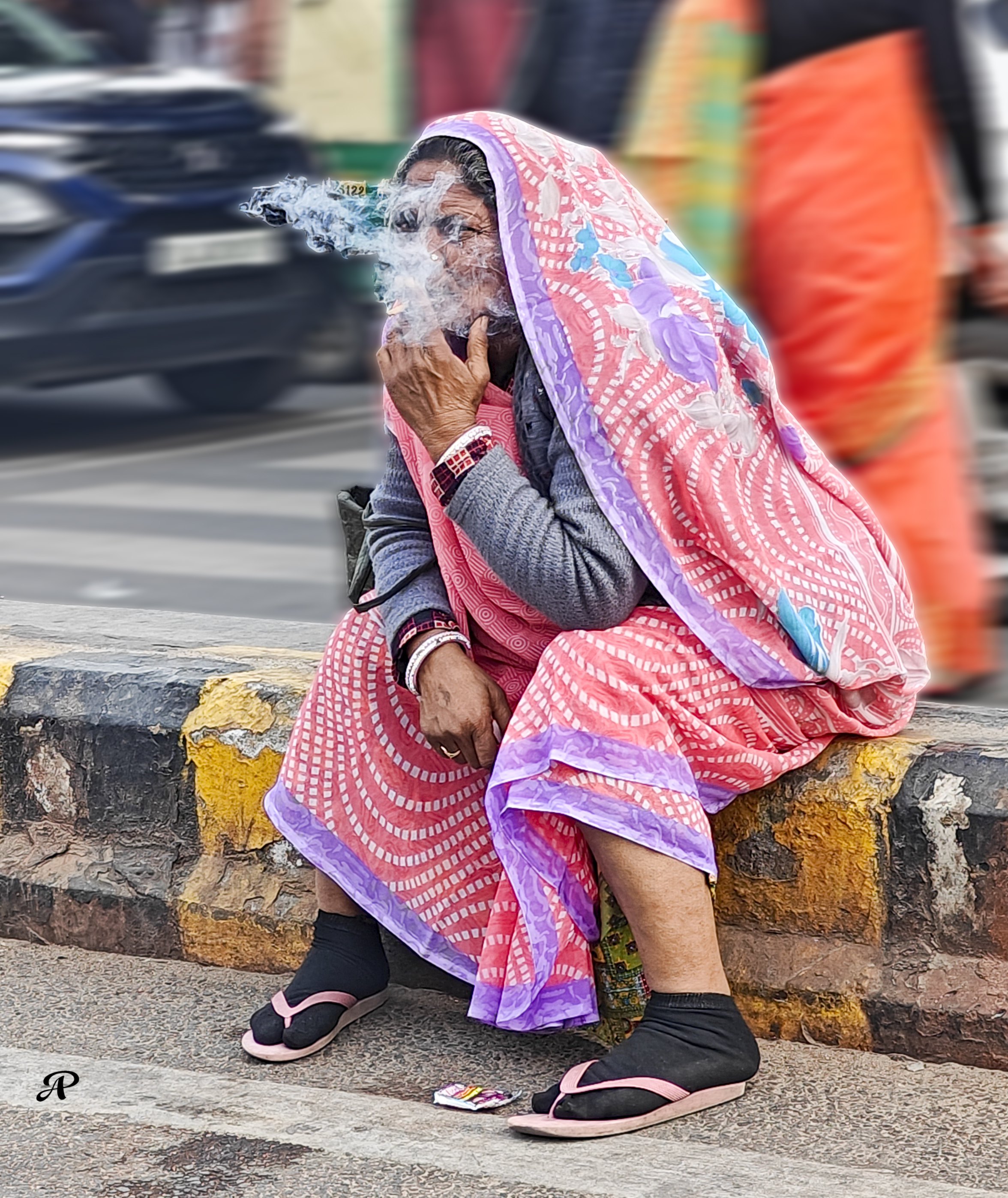
Sitting on the divider median (the central verge) of the very busy Baba Kharak Singh Marg intersection this woman, smoking a bidi and puffing out plumes of smoke is an epitome of bindaas carefree life. January 1st 2025. I take it as a sign that 2025 is going to be equally bindaas. (Connaught Circus, Delhi)
gam aur khushi mein farq na mehsoos ho jahan, mein dil ko us muqaam pe laata chala gaya har fiqr ko dhuen mein udaata chala gaya
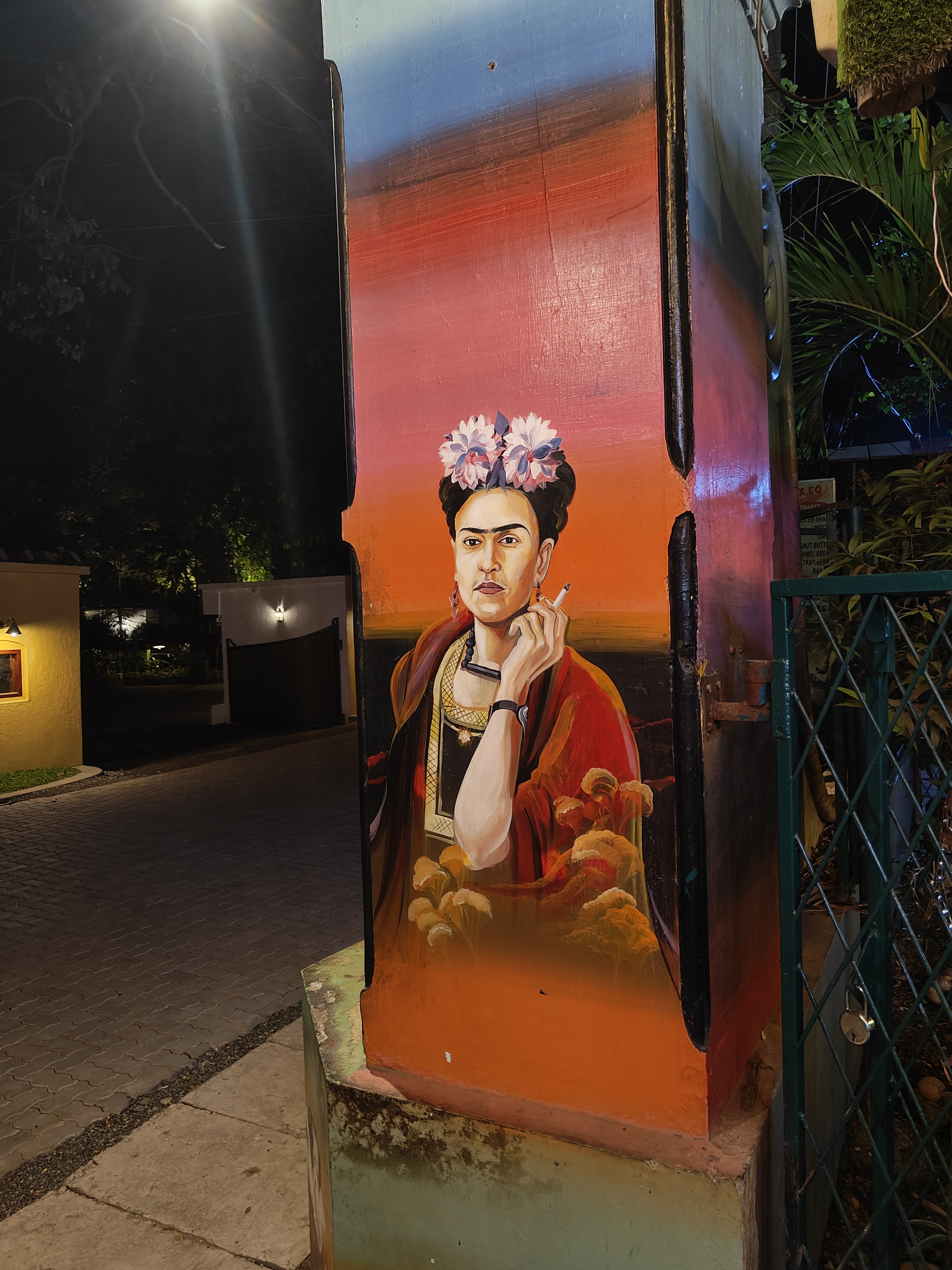
Yes, I met Frida. My dear Frida Kahlo. This time not in a dream but on a street. A vibrant street, as colourful as Frida’s works and her life. It wasn’t strange, I knew I will bump into her, she had mentioned it to me. Yes, you guys must believe me when I tell you something. She comes in my dreams. Yes, comes as in visits me, sits with me (sometime even lies down next to me), talks to me and often, even cuts a joke. Seriously, there is no need for you to doubt it. We do chat. Of her works, her poetry, her random thoughts, her bandaged body, the broken bones under her bodice and her unbreakable spirit.
This time we were face to face. I was a bit taken aback. Normally she informs me. Like the week before, she told me she would be visiting me, physically, in my day-dream, and you bet she did. She came while we were having lunch. Came and pulled a chair next to me, almost touching my left elbow, sipped from my glass, had half of the gobhi paratha with a chunk of white butter. Wishing me Merry Christmas, she turned and left without even saying a Hi to anyone else. Before she left she stopped by the alcove and spent time admiring the Kalighat painting I recently acquired. It is a work by Kalam Patua. In the artwork a man is holding his beloved in his arms, her right leg on his left thigh. Turning around Frida gave a questioning glance. ‘When?’ She asked, raising her left eyebrow. Oh Jesus, how much I love her eyes, her lashes, her eyebrows and the tiny pearly stud she pins on her brow, God knows how!
Never mind the eyes and the stud – she is hypnotic all over. Finding her here, of all the places in the world, that late at night I was a bit scared. At times she scares me, specially when I am with someone, you see she is very possessive, (of me, of course). To see her here in Kochi, where I am on a holiday with my dear wife was a bit surprising. For the Goddess herself, to appear in God’s own country without notice was a little uneasy.
Both of us drunk, and well-fed on beef curry, walking the dark street past the graffiti wall announcing Kochi Art Biennale. Under a lamp-post, a cigarrillo clutched in her fingers, Frida looked straight in my eyes, unblinking. Yes, thats where she stood, under a lamp-post, a sentinel tracking me. The flowers in her hair, I concluded, she must have picked up from the local woman selling toddy at the other end of the street. I am sure she also had a glass or two of toddy, the glaze still there in her eyes. The chandeliers dangling in her ears reminded me of the silver market of Jaipur where we met last. Her gaze and her silence sending shockwaves of love through the inebriated town where the ocean doesn’t let anyone sleep. Glad that I had opened my arms and that elusive smile had come back on my saline-puffed cheeks. Without another second of delay I gave her a big warm hug. ‘I need one too’, I told her. We stood there like pillars of unrequited love, fulfilled.
I don’t think she kissed me for when I looked at her face, her lips were wet but closed, maybe it was her gloss. My partner was nowhere near. Caressing her left cheek as I unlocked the hug I felt she tapped my right shoulder. A fleeting glimpse of something red felt it to be her Mexican silk stole. Looking at my moist eyes Frida was about to repeat vows of our eternal love when a red fez, the Turkish cap, came in view. A liveried young man stood there pointing his left arm to something behind me, “Madam Sir over there. Huggies and kissies, there sir, the bar closed sir.” He pleaded, “Please move, Sir. We to shut the gate, move from pillar, Sir.”
Next to me, Rajni smiled at Frida but didn’t say hello. Looking at me both of them smiled and whispered, ‘the world is watching love’.
A new artwork that we recently acquired is titled “Sun God and Mother Earth”. It is done by eminent Gond tribal artist Mr Veerendra Kumar Dhurvey, based in Bhopal, Madhya Pradesh. The story behind the artwork is mentioned below as given by the artist. The details are: Acrylic paints on canvas, 2024. Size 36 x 48 inch.
There was only water in this world, there was no earth, at that time Mother of the world is sitting on a lotus, on her the form of a deer has been given, Mother Earth is Mother Earth, on which Gond farmers are plowing and tribal villages are celebrating the festival of greenery. Women and men are dancing and celebrating festivals. And there is a man on the tail of a deer, he is plowing, he is sowing seeds there and there is the Sun God who is coming on his chariot with seven horses and the trees are the whole world. Just as the whole world looks beautiful in the light of the Sun God, I have given the form of the world on my body on the basis of that.
पृथ्वी नहीं इस संसार में जल ही जल था वह समय जगत जननी मा कमल पे बैठी है उसके ऊपर हिरण का रूप जो दिया है माता पृथ्वी धरती मां है जिसके ऊपर गोंड किसान हल चल रहा है और हरियाली के त्यौहार मनाते हुए आदिवासी गांव की महिलाएं और पुरुष नाचते और त्यौहार मना रहे हैं। और जो ये हिरण की पूंछ पर एक आदमी है वह हल चल रहा है वहां पर वे बीज डालते जा रहे हैं और सूर्य देवता हैं जो अपने सात घोड़ों वाले रथ पर चले आ रहे हैं और पेड़ जो हैं वो सारा संसार हैं। जैसे सारा संसार सुंदर लगता है सूर्य देवता के प्रकाश में उसके आधार पर ही संसार का रूप ही मैं देह पर दिया हूं।
Prithvi nahin is sansar mein jal hi jal tha use samay Ma Jagat-Janani hai jo Kamal per baithi Hain uske upar Hiran ka roop Jo Diya hun Mata Prithvi Dharti Ma hai jiske upar Gond Kisan hal chala raha hai aur hariyali ke tyohar manate hue aadivasi gond mahilayen aur purush naachte aur tyohar Mana rahe hain aur jo yah Hiran ke Poonch per ek aadami hai Kisan hal chala raha hai vahan per vah bij dalte ja raha hai aur Surya Devta Hain Jo Apne sath ghode Wale Rath per chal rahe hain aur ped jo hai vah sansar hai Jaise Sara sansar Sundar lagta hai Surya ke Prakash mein uske Aadhar per hi sansar ka roop main is ped per Diya hun
दुःख हमे विरासत में मिलते हैं और सुख कभी विरली लाटरी लगने पर ज़िन्दगी के तिराहे पे। या फिर सुख के पल फिल्मों में देखे और किताबों में पढ़े जाते हैं। सुख एक फ़लसफ़ा है जिसके बारे में बात की जा सकती है जबकि दुख और दर्द सचाई है जो महसूस की जाती है, झेली जाती है।
आजकल मेरी मेज़ पे दर्द और दुखों का एक पुलंदा पसरा है जिसे हाथ में उठा सुबह शाम मैं सुबक लेता हूँ, रो लेता हूँ और हज़ारों लाखों परिवारों के साथ हुए शर्मनाक और दर्दनाक हादसों, क़त्लेआम, लूट-पाट, आगज़नी, फ़साद और तशद्दुद के बारे में सोच के भी काँप उठता हूँ। दो मुल्कों के जिन करोड़ों लोगों पे ये सब बीती उनमे से लाखों तो कुछ महीनों चली इस दरिंदगी और वहशत में मारे गए, कुछ जो मरे नहीं और जिन्होंने ये सब देखा वो सालों ज़िंदा रह कर भी रोज़ मरते रहे। जाने कितने सौ गुमनाम पागलख़ानों और अस्पतालों में सड़ते रहे और हज़ारों लोग उस ग़म के बोझ को ढ़ोते हुए बाकि बची ज़िन्दगी को ज़िंदा लाश सा काटते भर रहे।
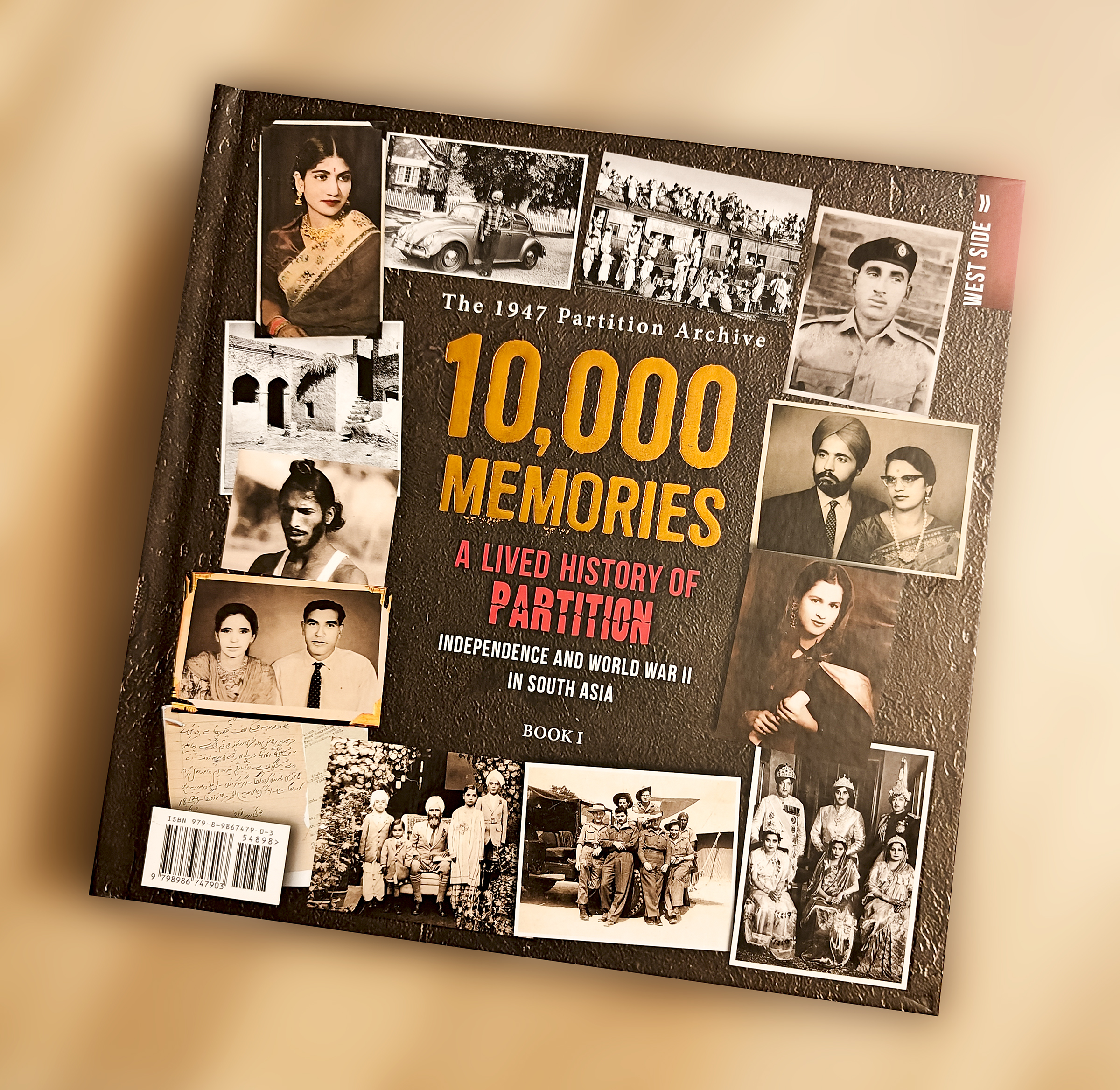
दुखों के ये पुलंदा एक क़िताब है जिसका नाम है – “10,000 दुःखद यादें: बटवांरे की ज़िंदा तारीख़”
मैं नहीं कहूंगा कि आप ये किताब पढ़ें। रहने दें, मत पढ़ें। इसे पढ़ने पर आपको अपने उस वक़्त के समाज और सोहबत पे, अपने मुल्क पे, अपने बुज़ुर्गों पे, अपने आप के इंसान होने पर भी शर्म आएगी। पर अगर आप समाज के लिए तिनका भर भी अच्छा करना चाहते हैं तो अपने बच्चों को ये पढ़ कर सुनाएँ, सिर्फ इसलिए की वो हैवान ना बने।
इन दस हजार दर्दनक यादों के जहन्नुम में एक दुखद किस्सा मेरी माँ और उनके परिवार की यादों का भी है। इनमे कुछ तो ऐसे वाक़िये हैं जो वहशत की हद के भी पार जाते हैं जिन्हे पढ़ या सुन कर आपका दिल दहल जायेगा।
मैंने मंटो और इस्मत के सारे अफसाने पढ़े हैं, उनको पढ़ कर भी मैं रोया हूं, वो भी उसी वहशत और उसी वक्त को बयान करते हैं पर उनके किरदारों को मैंने सिर्फ समझा और महसूस किया था – पर इस किताब में मैंने उनके जैसा कई किरदारों की तसवीरें भी देखी हैं जो सचाई को और भी भयानक बना देती है ।
तारीख़ के इसी हिस्से को बयां करते कई पंजाबी, हिंदी, उर्दू और अंग्रेजी अदीबों को मैंने पढ़ा है उनके किरदारों के दर्द से मैं वाकिफ हूं पर यहां इस क़िताब में उन लोगो को चेहरे मिल गया है, तसवीरों वाले ये लोग उस वक्त की गवाही देते हैं, मुझ से बात करते हैं, सामने आ खड़े होते हैं, जवाब मांगते हैं, जिरह करते हैं और मैं उनसे आंखें नहीं मिला पाता, बिलकुल वैसे ही जैसे मेरे वालिद बतलाते थे और मैं सुन्न पड़ जाता था।
क्यों संजोते हैं हम दुखों को, किसके लिए? क्यों इक्कठा करते हैं, क्यों लिखते हैं, क्यों कुरेदते हैं उन्हें सालों साल?
मैं नहीं समझता कि दुख बांटने से कम होते हैं या मन हल्का होता है। लिखे हुए दुख तो फैलते ही जाते हैं एक पीढ़ी से दूसरी से तीसरी, ख़त्म ही नहीं होते, भूलने ही नहीं देते आगे आने वाली नस्लों को भी। और फिर इन किताबों को इन यादों को पढ़ कर, समझ कर कौन सीखा है आज तक? इन से मिली सीख या शिक्षा से कहाँ कम होती हैं त्रासदियां। आज का समय ही देख लीजिये – कौन रोक पाया है ग़ाज़ा में हो रहा नरसंहार। और क्या सबूत चाहिए हमे – अकेली 20वीं शताब्दी में ही जंग से करीब 11 करोड़ लोग मारे जा चुके हैं।
दुखों और दर्दों का ये पुलंदा बहुत भारी है।
10,000 Memories: A Lived History of Partition (Independence and World War II in South Asia – Book 1 – West Side) Published 2023 by: The 1947 Partition Archive, Berkeley, California. Rs. 4100, pp 724
ये क़िताब अगस्त 1947 में हुए एक मुल्क के बटवारें के बारे में है, अपने घरों, अपनों और अपनी ज़मीन से बेदखल हुए लोगों की है जिन पर ख़ुद एक दूसरे ने ही ज़ुल्म किये। हिन्दुस्तान और पकिस्तान से मेरी पीढ़ी के कई लोगों ने अपने माँ-बाप, दादा-दादी, दोस्तों और करीबी रिश्तेदारों को उम्र भर भयानक यादों से जूझते देखा है। मैंने तो देखा है। ये क़िताब उन दर्दनाक यादों की है और उस बोझ की है जो विरासत में ये लोग हमारे लिए छोड़ गए हैं।
ऐसा माना जाता है कि अपने पूरे जीवन में आदमी दुःख अधिक झेलता है और उसकी खुशियों के दिन कम ही होते हैं। गूगल बाबा को खंगालने से भी ये नतीजा ही निकलता है। वो तो यहाँ तक बताते हैं कि पिछले दो हज़ार साल में लिखे गए साहित्य में दुखद कहानियां की तादाद कहीं ज़्यादा है। ट्रेजेडी या दुखद अंत तलाशना अधिक सम्मोहक होता है। फिल्मों में भी ख़ुशी की तुलना में अभी तक ट्रेजेडी ही ज़्यादा बिकती है। याद कीजिये दिलीप कुमार और मीणा कुमारी को।
हमारे धर्म ग्रंथों में भी तो कितने सारे दुख दर्शाए गए हैं। रामचरितमानस को ही ले लीजिये – श्रवण कुमार के माता पिता का दुःख, राजा दशरथ का दुःख, बनवास को जाते हुए राम की माता का दुःख, भाई भरत का दुःख, अयोध्या वासियों के दुःख, वनवास में राम, लक्ष्मण और सीता के कितने ही दुःख, स्वरूप नख का दुःख, सुग्रीव का दुःख, सीता हरण का दुख, लंका नरेश रावण और उसके भाईयों और बेटे के वध का दुख और फिर अंत में सीता को घर से निकाले जाने का दुख। ईसा मसीह के सूली पर चढ़ाये जाने का दुख, कर्बला की जंग में अली हसन की शहादत का दुख। कितने गिनोगे ?
इस क़िताब में सच्ची दास्तानें हैं, आप बीते और झेले ज़ुल्म और ग़म हैं। इतने दर्द हैं कि एक को पढ़ने के बाद लगता है दूसरा किसी और जनम, किसी और साल में पढ़ेंगे। आपने कभी कहीं सुना है कि एक माँ अपने नए जन्मे बेटे को अस्पताल में इस लिए छोड़ आयी क्यूंकि उसे पैदा करने वाली दाई दूसरे मज़हब की थी। अपने जीते जी कितने किस्से आपने सुने हैं जहाँ घर के एक बड़े ने अपने हाथों से अपने दो मंज़िला घर को आग लगा दी हो जिसमे उस वक़्त उसकी तीन बेटियों और माँ अंदर रही हों । लोहे की आँखें, पत्थर दिल और बेग़ैरत जिगरा हो तो आगे पढ़िए वार्ना यहाँ से वापिस लौट जाइये ।
नीचे लिखे कुछ हिस्से इस अंग्रेज़ी की किताब से हिंदी में अनुवादित किये गए हैं। इन सब को आप से साँझा करते अच्छा तो नहीं लग रहा पर ये सच्चाई मैं छुपा भी नहीं सकता। बहुत ही भयावह और दर्दनाक घटनायें, वारदातें, प्रसंग और वृत्तांत नहीं दे रहा हूँ। बस वो जिन से आपको इन दुःखद यादों और ट्रेजेडी का अंदाजा हो जायेगा।
किताब शरू होते ही पहले कुछ पन्नो में पाठक को ये सलाह दी गई है
पाठक को समझ और विवेक से सोचने की सलाह दी जाती है। इस पुस्तक की सामग्री कुछ पाठकों के लिए भावनात्मक रूप से चुनौतीपूर्ण हो सकती है। गवाहों की यादों में सांप्रदायिक हिंसा, आत्महत्या, अपहरण, ऑनर किलिंग, युद्ध, लैंगिक हिंसा, क़त्ल, मौत, माली नुकसान, दंगे, चोरी, धार्मिक समूहों के प्रति अपमानजनक भावनाएं और हिंसक घटनाओं के मनोवैज्ञानिक प्रभावों से निपटने पर संभावित रूप से परेशान करने वाली यादें शामिल हो सकती हैं। पाठक को विवेक से काम लेने की सलाह दी जाती है और 18 वर्ष से कम आयु के युवाओं के लिए माता-पिता के मार्गदर्शन का अनुरोध किया जाता है।
नीचे दिए गए लोगों के नाम, उनके घर गावँ या शहर के नाम सब सच्चे और असली हैं
बेअंत सिंह रावलपिंडी से मेरठ आए मेरा जन्म पुंछ कश्मीर में हुआ था। जब मेरा जन्म हुआ, तो कश्मीर में बहुत बर्फबारी हुई थी। इस वजह से, मेरे जन्म देने के बाद हम 15 दिनों तक अस्पताल में फंसे रहे। वहां मेरी देखभाल करने वाली महिला और मुझे खाना खिलाने वाली महिला मुस्लिम थीं। जब मेरी मां को उनके धर्म के बारे में पता चला, तो उन्होंने मुझे घर ले जाने से इनकार कर दिया और मुझे मुस्लिम महिला को सौंप दिया कि वह मुझे अपनी औलाद की तरह पालें। पहले पाँच सालों तक मैं अपने परिवार को नहीं जानता था। जब मेरे पिता की मौत हुई तो मेरी माँ ने रावलपिंडी वापस जाने का फैसला किया। इस समय मेरी देखभाल करने वाली और गोद ली हुई माँ ने मेरी असली माँ से मुझे वापस ले जाने के लिए कहा क्योंकि वो मेरी ज़िम्मेदारी नहीं उठा सकती थी। ये पहली बार था जब मैं अपनी मां और भाई-बहनों से मिला था। हालाँकि मेरी माँ मुझे वापस ले जाने के लिए राज़ी हो गई थीं, लेकिन उसने कभी भी मेरे साथ मेरे दो भाइयों जैसा सलूक नहीं किया इसलिए 14 साल की उम्र में मैं हिन्दुस्तान चला आया।
न. क., (पूरा नाम नहीं बताया), ये शहीद भगत सिंह नगर जिले में रहती थीं जब हमारी माँ हमारे लिए दूध लाती थी, तो हमें डर होता था कि दूध में जहर है और हम ये सोचते थे कि इससे पहले कि भीड़ हमारा अपहरण और बलात्कार कर सके, हमारे पिता ने हमें मारने का फैसला किया था। जब मेरे पिता ने आस-पास के गाँवों से मुसलमानों को बाहर निकाल भगाया, तो हमारा सामूहिक भय समाप्त हो गया।
रोशन लाल, भरमौर, चम्बा से बटवारे की अफ़वाहों के चलते हिन्दू बिरादरी के लोगों ने दर फैलाया और इसे मौका बना कर मुस्लमान लोगों को इस इलाके से निकाल दिया।
खान हुसैन ज़िआ, जालंधर से लाहौर गए क़त्ले आम, रिफ़्यूजी लोगों की परेशानियों और बटंवारे के बीच लाहौर में तेज़ बाढ़ आ गई। वहां दो लोगों की ड्यूटी ये लगाई गई की लुटे हुए सामान को कैसे बाटना है।
देवराज सिक्का, जमपुर पाकिस्तान से लुधिअना आये अक्टूबर के महीने में, महात्मा गांधी ने पाकिस्तान से आये हुए शरणार्थियों से शहर के मुस्लिम निवासियों को बेदखल ना करने का आग्रह करने के लिए पतिपन का दौरा किया। फिर भी कुछ दिनों बाद शरणार्थियों ने मुसलमानों को जबरन बाहर निकाल दिया। मुझे खेद है कि हमें खाना पकाने के ईंधन के लिए कई घरेलू पुस्तकालयों में कुछ ऐतिहासिक पांडुलिपियों को जलाने के लिए मजबूर होना पड़ा।
कृष्ण दोनों तरफ अपने ही लोग थे, दोनों क़ौमों मिल जुल के रहती थीं, दोनों मज़हब के लोगों भी मुहल्लों में इकठा ही रहते थे, हैरत है फिर भी ये सब हुआ। आख़िरकार जब हम पटियाला आ गए, तो बच्चा होते हुए भी मैंने मज़दूरी की था और एक साल तक स्कूल नहीं गया। मैं अलग-अलग गांवों से अंडे इकट्ठा करता और लोगों को घर घर जा के बेचेता था।
अंतरिक्ष यात्री कल्पना चावला के पिता बनारसी लाल चावला शेखपुरा, लाहौर से करनाल आये लोग अपना सामान ट्रेन में चढ़ाने लगे। पर उनके चढ़ने से पहले ही ट्रेन उनका सामान लेकर रवाना हो गई। वहाँ एक खाली मस्जिद थी जहाँ हम लगभग नौ साल तक रहे। मैंने टॉफियाँ बेचकर कुछ पैसे कमाए उस से ज़्यादा कमाई नहीं होती थी। आख़िरकार मैंने मस्जिद में रहते हुए शादी कर ली और मेरी पत्नी की तीन बेटियाँ और एक बेटा था। हमारी सबसे छोटी कल्पना थी।
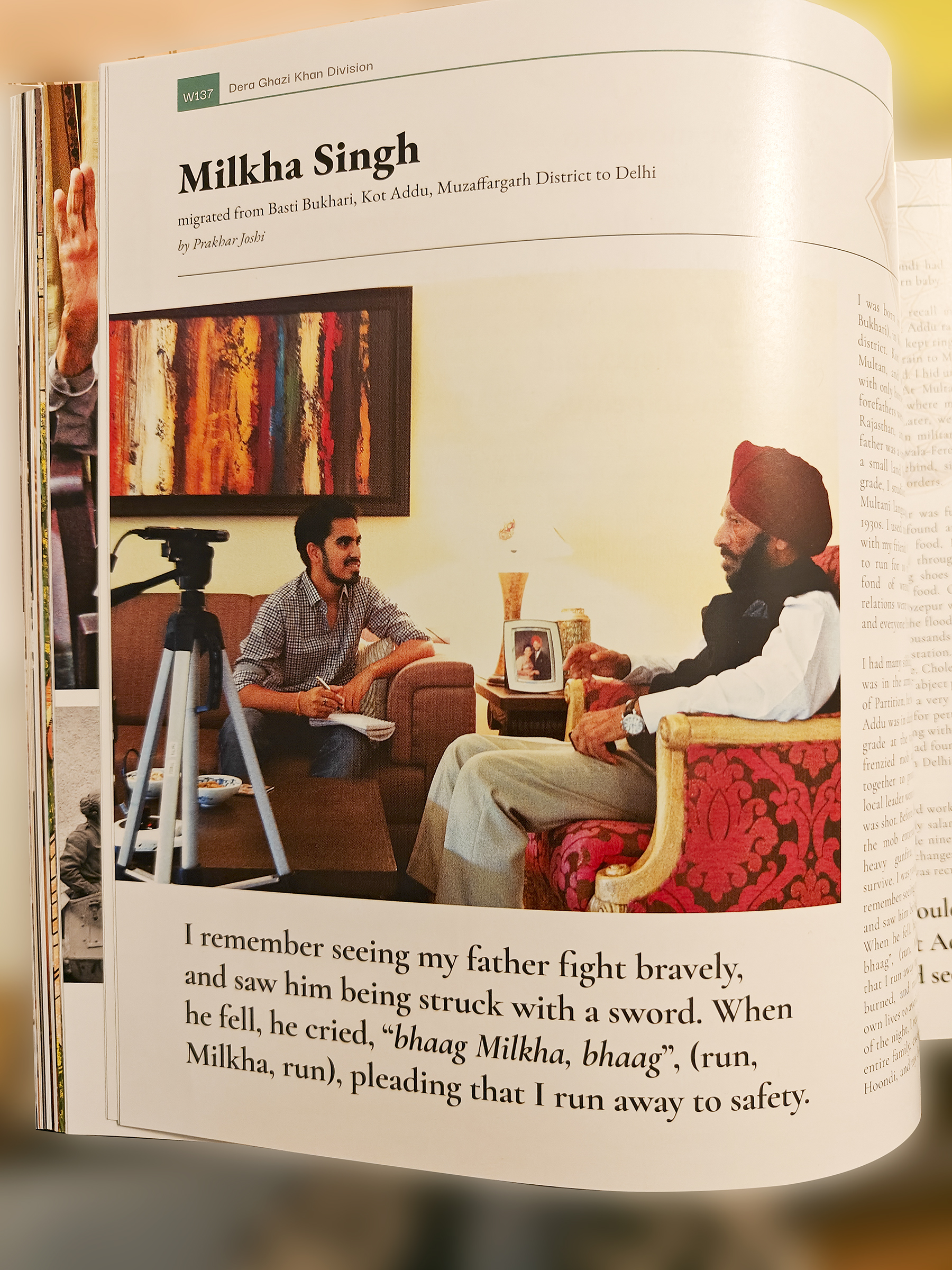
मिल्खा सिंह, (नामवर धावक) बस्ती बुखारी, कोट अड्डू मुज़फ़्फ़रगढ़ से दिल्ली आये मैंने अपने पिता को बहादुरी से लड़ते हुए देखा और मुझे उन पर तलवार से हमला होते देखना याद है। जब वह घायल हो कर गिर गए, तो वह चिल्लाये, “भाग मिल्खा, भाग”, ये कहते हुए हुए कि मैं अपनी हिफाज़त के लिए भाग जाऊं।
1947 का विभाजन अधिक जटिल था क्योंकि दोनों पक्ष पीड़ित भी थे और अपराधी भी। वर्ल्ड वॉर 2 वाले यहूदियों के प्रलय में एक तरफ के लोग, जर्मन, अपराधी थे और दुसरे शिकार ग्रस्त या पीड़ित थे। उसे हिंसा को समझना आसान था क्योंकि आघात को एक तरफ और अपराध को दूसरी तरफ जिम्मेदार ठहराया जा सकता था। – अनिरुद्ध काला ,1947 में पैदा हुए
शेर सिंह कुक्कल (सिख), बफ़ा, खैबर पख्तूनख्वा से गोरखपुर आये सन 1947 में कई लोगों ने धर्म और पहचान बदलना शुरू कर दिया था । 10 अगस्त से पहले, एक रात धमकी देने वाली मुनादी हुई और हमारे मुस्लिम दोस्तों ने हमें अचानक होने वाले हमले की चेतावनी दी। उन्होंने एक ट्रक मंगवा कर हमें महफूज़ जगह पर ले जाने का इंतज़ाम किया।
इकबाल बीबी, क्वेटा, बलूचिस्तान से होशियारपुर, पंजाब आयीं मुझे अपनी इज़्ज़त और अपनी जान का डर था। मैंने खुद को कीचड़ और गंदगी में छिपा लिया ताकि मैं उन के लिए बदसूरत दिखूं और वो मुझ पर ध्यान ही न दें। दंगाई ख़ासतौर पे रिफ़्यूजी कैम्पों में रहने वाली और अच्छी दिखने वाली औरतों को अगुवा कर उनका बलात्कार कर रहे थे।
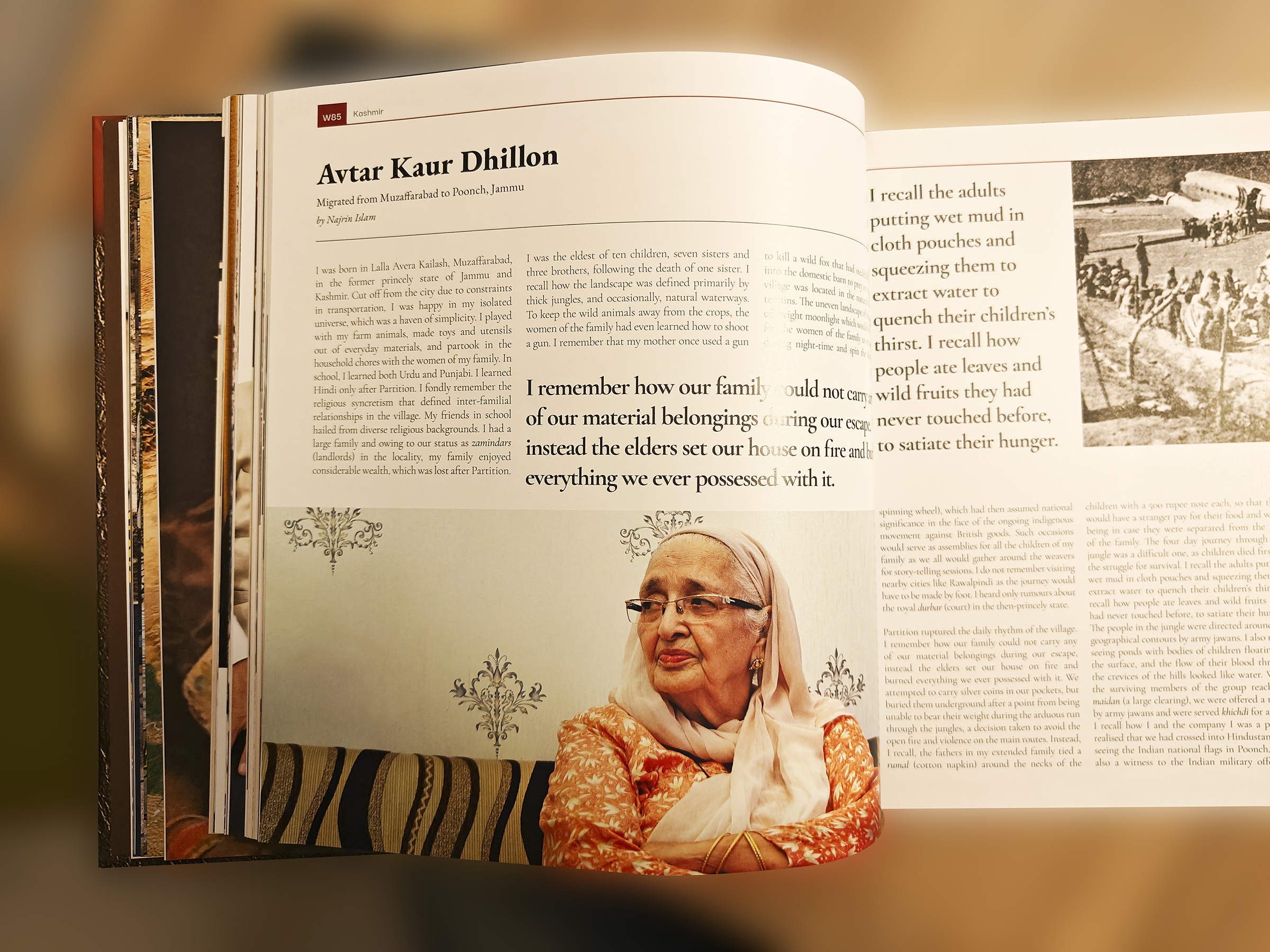
अवतार कौर ढिल्लों मुज़फ्फराबाद कश्मीर से जम्मू आयीं मुझे सब साफ़ साफ़ याद है। हमारा परिवार भागने के दौरान अपना कोई भी सामान नहीं ले जा सका, इसके बजाय बुजुर्गों ने हमारे घर में आग लगा दी और हमारे पास जो कुछ भी था उसे जला दिया। मुझे याद है कि बड़ी उम्र के लोगों ने अपने बच्चों की प्यास बुझाने के लिए गीली मिट्टी को कपड़े की थैलियों में रख उसमे से निचोड़कर पानी निकाला । हमारे पास खाने के लिए कुछ नहीं था। मेरी दो बहनों की पुंछ में मौत हो गई। कई लोग भूख से मर गए और बच्चे दूध की कमी से मर गए।
सुचवंत सिंह, कोटली मुज़फ़्फ़रबस्द कश्मीर से श्रीनगर कश्मीर अपने घर से निकल जब हम अगले गाँव पहुँचे, तो हमने फिर से अपनी माँ और भाई-बहनों के बारे में पूछा। वहां के लोगों ने मेरी दादी को बताया कि उनके परिवार के एक सदस्य ने अपने सम्मान की रक्षा के लिए मेरी मां और बहन को मार डाला है। मेरी चचेरी बहनें जिनका अपहरण कर उनका धर्म परिवर्तन कराया गया था, वे सीमा के दूसरी ओर आज तक रहती हैं।
मोहम्मद इक़बाल, भारेवाल, सियालकोट से (बचपन का नाम – मदन ) हिंसा के दौरान मेरे दादाजी को उनके गन्ने के खेत में घात लगाकर मार दिया गया । उनकी हत्या के बाद, मेरे परिवार ने इस्लाम धर्म अपना लिया और हमने मेरे दादाजी को गांव में ही दफना दिया। मेरी आखिरी इच्छा है कि समय के खिलाफ दौड़ हारने से पहले मैं अपनी बहन महिंदर जी से आखिरी बार मिलूं। बटवारें के दौरान मुझे बहुत मुश्किलों का सामना करना पड़ा – सबसे बड़ी कठिनाई मेरे माता-पिता और भाइयों से अलग होना थी। जब मैं अकेला होता था तो रोता था।
नूर दीन के पुत्र लालदीन सिंह, जिनका परिवार तंगोरी, चंडीगढ़ से पस्सु पाकिस्तान गया जब परिवारों को छुपते हुए या दुश्मन से बचते हुए रिफ़्यूजी कैंप में जाना पड़ता था, या सरहद को पार करना होता था, तो कुछ डरपोक लोग अपने बच्चों को पीछे छोड़ देते थे, क्योंकि बच्चे अक्सर शोर मचाते थे, जिससे भागने वाले पकडे जा सकते थे या उस से पूरे परिवार मारा जा सकता था।
विलायत खान, (गायक) गोस्लान पिंड, लुधियाना से पाकिस्तान में सर्गे चले गए सदमा इतना था कि वहां पहुँचने के बाद मैं गाना भूल गया, इनमे वो गीतों और कविता भी शामिल थे जो मैं बटवांरे से पहले बचपन से गाता था। वहां मेरी कला की सराहना करने वाला भी कोई नहीं था। रोटी कमाने और ज़िंदा रहने के लिए, मैंने भेस बदल कर लकड़ी काटने जैसे छोटे-मोटे काम किए। हिन्दुस्तान में गोस्लान वापिस लौटने के बाद मेरा संगीत मेरे पास वापस आ गया। तब से, मैंने गाना जारी रखा है और मैंने ढद्दी संगीत के लिए यहाँ पहचान बनाई । संगीत नाटक अकादमी ने मुझे 2009 में पुरस्कार से सम्मानित भी किया।
एम. के. (पूरा नाम नहीं बताया), जिला नारनौल हमने गांव के लंबरदार की बंदूक चुरा ली और अपने गांव में कीकर के पेड़ पर चढ़ गए। पहले दो लोग जो हमारे पास से गुजरे हमने उन्हें गोली मार दी । यह कोई जंग नहीं थी – यह नारोवाल में कर्बला था
रोमिला थापर जो बटवारे के समय पूना में रहती थीं आज़ादी की लड़ाई ने प्राचीन भारतीय इतिहास के प्रति जुनून पैदा कर दिया था क्योंकि कई लोग इस सवाल से जूझ रहे थे कि हम कहां से आए हैं और भारतीय होने का क्या मतलब है। जबकि हमें यह पूछना चाहिए था कि एक स्वतंत्र राष्ट्र होने का क्या मतलब है।
10,000 मेमोरीज़: इस पहली किताब में 1,000 से ज़्यादा तस्वीरें हैं और हर पन्ने पर लोगों से हुई मार्मिक बातों के कुछ हिस्से हैं जो पढ़ने वालों के लिए उस समय के इतिहास को सामने लाती हैं। प्रकाशक इस श्रृंखला में 50 और किताबें निकालेंगे।
प्रकाशक ने अपने नोट में लिखा है कि “10,000 मेमोरीज़ कई वर्षों की कड़ी मेहनत का परिणाम है जिसमें अखिल-दक्षिण एशिया स्तर पर भारतीय उपमहाद्वीप में सैकड़ों मौखिक इतिहासकारों द्वारा लिए गए साक्षात्कार शामिल हैं। सरकारी रिकॉर्ड और अन्य समकालीन स्रोतों के आधार पर विभाजन के विशिष्ट इतिहास के विपरीत, यह उपन्यास अध्ययन उन जीवित मानव अभिनेताओं के जीवित इतिहास के लिए एक नया दृष्टिकोण प्रदान करता है, जो व्यापक सामाजिक संदर्भ में भू-राजनीतिक महत्व की उस अविस्मरणीय घटना के कारण पीड़ित हुए थे। द्वितीय विश्व युद्ध के भूले हुए चीन-बर्मा-भारत रंगमंच का आर्थिक परिदृश्य। सिंह भल्ला और उनकी टीम ने एक उत्कृष्ट दृश्य इतिहास प्रदान करके अत्यंत कठिन काम किया है… इसे पढ़ना आनंददायक है, और यह निश्चित है कि यह विभाजन का एक उत्कृष्ट अध्ययन बन जाएगा।”
राजिंदर अरोरा, 20 दिसंबर 2024
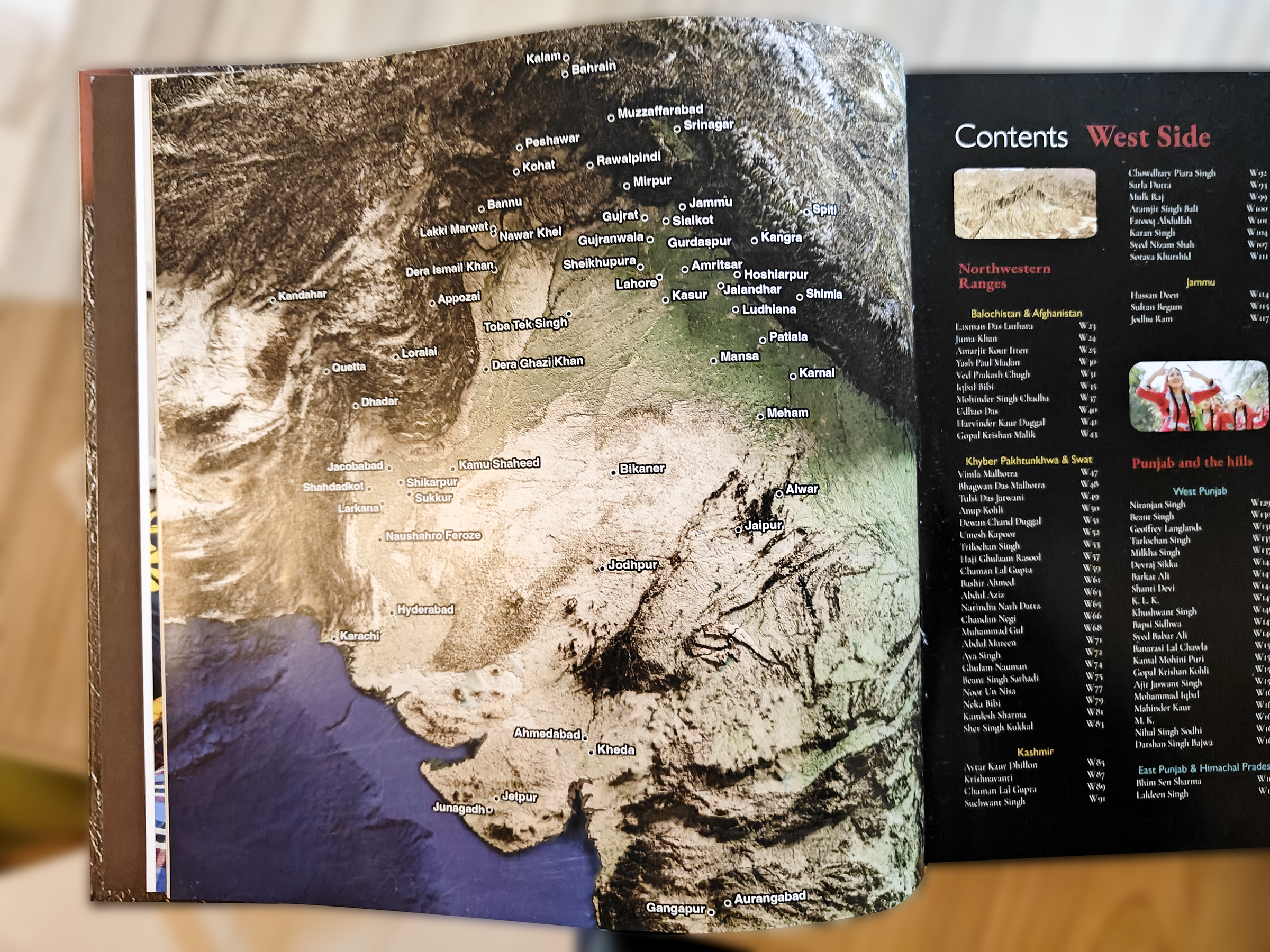
The BookAn interview with one of the displaced personThe renowned Olympian athlete Mr Milkha Singh having his interview recorded A map showing location of displaced families





 Ankahi. Unsaid.
You must be logged in to post a comment.