Piprahwa Gems and Relics of the Buddha

тАЛAn excellent opportunity to promote the importance of the Science of Archaeology was wasted amid the din of overemphasizing faith. Bringing home the gems and relics of Buddha may indeed be a cause for celebration, yet the audio-videos were focussed only on the present master and the government of the day. In a text panel buried under heavy jargon is a line that says these relics have been ‘acquired by the Godrej Group through an┬аinnovative public-private partnership.’ Also, can the museum manager please buy a better megaphone for the guide and ask the gentleman to speak more softly? Seriously, it’s not a wedding venue!! Besides the gems and the relics – my find of the day┬аwas Elizabeth Brunner’s Walking Buddha (oil on woven mat) which transforms the Buddha-pada into dynamic steps with its soft forward march, and the Buddha painting by none other than Nandalal Bose. Do visit the show, only three weeks left of what is called as Piprahwa gems exhibition┬аbut is officially named ‘The Light of the Lotus: Relics of the Awakened One’, at the Qila Rai Pithora Fort and Cultural Complex, Lado Sarai on Press Enclave Marg, in Delhi.┬а *Piprahwa, in Siddharthnagar, U.P. is what was known as Kapilavastu.

The official statement posted by PIB on: 02 JAN 2026 says┬а
The Ministry of Culture is hosting a landmark exposition showcasing the Piprahwa Relics, Reliquaries and Gem Relics, recently repatriated to India, at the Rai Pithora Cultural Complex. The exposition is set to be inaugurated by the Prime Minister, Shri Narendra Modi on 3rd January 2026 at 11.00 AM.
This historic event marks the reunification of the Piprahwa gem relics of Lord Buddha, repatriated after 127 years, with relics, gem relics, and reliquaries from 1898 and then 1971-1975 excavations at the Piprahwa site.
The exposition, titled “The Light and the Lotus: Relics of the Awakened One,” thematically showcases relevant antiquities and works of art from several cultural institutions under the Ministry of Culture. These relics represent the most extensive assemblage attributed to the Buddha, symbolizing profound philosophical meaning, masterful craftsmanship, and global spiritual significance. The exhibition features over 80 objects spanning the 6th century BCE to the present, including sculptures, manuscripts, thangkas, and ritual objects.
This unprecedented gathering commemorates the Ministry of Culture’s successful repatriation of the relics in July 2025, achieved through a public-private partnership, halting an auction at SothebyтАЩs Hong Kong. For the first time since the 1898 excavation, the exposition brings together:

  1. Relics from the 1898 Kapilavastu excavation
  2. Treasures from the 1972 excavations
  3. Reliquaries and jewelled treasures from the Indian Museum, Kolkata
  4. Recently repatriated relics from the Pepp├й family collection
  5. Monolithic Stone Coffer within which the gem relics and reliquaries were originally found.

The sacred Buddha relics were discovered in 1898 by William Claxton Pepp├й at the ancient stupa of Kapilavastu. Following their discovery, portions were distributed globally, with one part gifted to the King of Siam, another taken to England, and a third preserved at the Indian Museum, Kolkata. In 2025, the Pepp├й family portion was repatriated through decisive intervention by the Ministry of Culture, supported by Buddhist communities worldwide.
The exposition underscores India’s role as the birthplace of Buddhism and reinforces its position as a global spiritual and cultural leader. Under the leadership of Prime Minister Narendra Modi, India’s global engagement increasingly draws upon its civilizational and spiritual inheritance, 642 antiquities have been repatriated to India, with the return of the Piprahwa relics standing as a landmark achievement.

The inauguration will witness participation from Union Ministers, Ambassadors and members of the diplomatic corps, venerable Buddhist monks, senior government officials, scholars, heritage experts, esteemed members of the art fraternity, art aficionados, followers of Buddhism, and students.

The exposition reaffirms the Ministry’s commitment to heritage preservation and cultural leadership while celebrating India’s spiritual legacy and its significance as the birthplace of the Buddha Dhamma, reflecting IndiaтАЩs enduring commitment to preserving and sharing its civilizational heritage with the world.

The Light of the Lotus: Relics of the Awakened One - Piprawah Gems - Buddha
oplus_1048576

Burfu – a beautiful village near Milam

рдЕрд╢реЛрдХ рдкрд╛рдВрдбреЗ рдЬреА рдХреА рдлреЗрд╕реНрдмреБрдХ рдкрд░ рдПрдХ рд╣рд╛рд▓рд┐рдпрд╛ рдкреЛрд╕реНрдЯ рдореБрдЭреЗ рдмреБрд░рдлрд╝реВ рд▓реЗ рдЧрдИ:  рдмреАрд╕ рдмрд░рд╕ рдкрд╣рд▓реЗ рдХреЗ рдмреБрд░рдлрд╝реВ рдирд░реЗрд╢ – рдкреНрд░рд╣реНрд▓рд╛рдж рд╕рд┐рдВрд╣

рдирдВрджрд╛рдХреЛрдЯ рдЕрднрд┐рдпрд╛рди рд╕реЗ рд╡рд╛рдкрд┐рд╕ рд▓реМрдЯ рд░рд╣реЗ рдереЗред рд╣рд┐рдорд╛рд▓рдп рдХреЗ рдмрд╛рд░реЗ рдореЗрдВ рдПрдХ рдмрд╛рдд рддреЛ рддрдп рд╣реИ рдЬрд┐рддрдирд╛ рд╕рд░ рдиреАрдЪреЗ рдХрд░ рдХреЗ рдЪрд▓реЛ рдЙрддрдиреА рдЖрд╕рд╛рдиреА рд╕реЗ рдХрд┐рд╕реА рд╢рд┐рдЦрд░ рддрдХ рдкрд╣реБрдБрдЪрдиреЗ рдХреА рдЗрдЬрд╛рдЬрд╝рдд рдорд┐рд▓ рд╣реА рдЬрд╛рддреА рд╣реИред 21 рд▓реЛрдЧреЛрдВ рдХреЗ рд╣рдорд╛рд░реЗ рдЧреНрд░реБрдк рдХреЗ рд╕рд╛рде рднреА рд╡рд╣реА рдерд╛ред  рдирдВрджрд╛рдХреЛрдЯ рдХреА рд╕рдлрд▓рддрд╛ рдХреЗ рдмрд╛рдж рд╕рдм рдЦреБрд╢ рдереЗ рдФрд░ рдЗрд╕ рдореВрдб рдореЗрдВ рдХрд┐ рдЬрд▓реНрдж рд╕реЗ рдЬрд▓реНрдж рдореБрдирд╕реНтАНрдпрд╛рд░реА рдХреИрд╕реЗ рдкрд╣реБрдВрдЪрд╛ рдЬрд╛рдП, рдкрд░ рдкрд╣рд╛рдбрд╝ рдХрд╛ рдЕрдкрдирд╛ рдореВрдб рд╣реЛрддрд╛ рд╣реИред рдЖрдк рдЕрдкрдиреА рдорд░реНрдЬреА рд╕реЗ рдЖ рддреЛ рд╕рдХрддреЗ рд╣реИрдВ рдкрд░ рдЬрд╛ рд╕рд┐рд░реНрдл рдкрд╣рд╛рдбрд╝ рдХреА рдорд░реНрдЬреА рд╕реЗред рдЕрднрд┐рдпрд╛рди рдХреА рд▓реАрдбрд░ рдХреБрдорд╛рд░реА рдЪрдВрджреНрд░рдкреНрд░рднрд╛ рдРрддрд╡рд╛рд▓ рдЬреА рдиреЗ рдХрд╣рд╛ рднреА рдХрд┐ рдПрдХ рджрд┐рди рдФрд░ рдкреВрд░реНрд╡реА рдирдВрджрд╛рджреЗрд╡реА рдЪреЛрдЯреА рдХреЗ рдмреЗрд╕ рдХреИрдореНрдк рдХреА рдФрд░ рдЪрд▓рддреЗ рд╣реИрдВ рдкрд░ рдирд╛ – рдХреЛрдИ рддреИрдпрд╛рд░ рдирд╣реАрдВ рдерд╛ред рдЧреНрд▓реЗрд╢рд┐рдпрд░ рдХреА рдзрд╛рд░ рдХреЗ рд╕рд╛рде рд▓рдЧрд╛ рдЕрдкрдирд╛ рдмреЗрд╕ рдХреИрдореНрдк, рдЬрд┐рд╕реЗ рдкреЛрд░реНрдЯрд░ рд▓реЛрдЧ рдЪрдврд╝рд╛ рд░рд╣реЗ рдереЗ, рдЕрдЪрд╛рдирдХ рд╡рд┐рджрд╛рдИ рдХреЗ рдРрд╕реЗ рдЧреАрдд рдЧрд╛рддрд╛ рджрд┐рдЦрд╛ рдЬреИрд╕реЗ рдХрд┐рд╕реА рд╣рд┐рдиреНрджреА рдлрд┐рд▓реНрдо рдореЗрдВ рдореАрдирд╛ рдХреБрдорд╛рд░реА рдХреА рдбреЛрд▓реА рдЙрда рд░рд╣реА рд╣реЛред рд╡реЛ рдПрдХ рджрд┐рди рдирдВрджрд╛ рджреЗрд╡реА рдХреЗ рдЖрдБрдЧрди рдореЗрдВ рдирд╛ рдмрд┐рддрд╛рдиреЗ рдХреЗ рдПрд╡рдЬрд╝ рдореЗрдВ рддреАрди рджрд┐рди рдФрд░ рдмрд┐рддрд╛рдиреЗ рдкрдбрд╝реЗ ред

рдХреБрдЫ рд╕рд╛рдереА рдФрд░ рдореИрдВ, рд╢рд╛рдпрдж рд╕рд╛рдд рдЬрди, рд╕рдорд╛рди рд▓рд╛рдж рдХрд░ рд▓рд╡рд╛рдБ рдЧрд╛рдбрд╝ рд╕реЗ рдКрдкрд░ рднреЗрдбрд╝реЛрдВ рд╡рд╛рд▓реЗ рд╕рдБрдХрд░реЗ рд░рд╛рд╕реНрддреЗ рдкрд░ рдЪрд▓рддреЗ рд╣реБрдП рдХрд░реАрдм рдЪрд╛рд░-рдкрд╛рдБрдЪ рдШрдВрдЯреЗ рдореЗрдВ рдЙрдЬрдбрд╝реЗ рд╣реБрдП рдорд╛рд░рддреЛрд▓реА рдЧрд╛рдБрд╡ рдкрд╣реБрдБрдЪ рдЧрдПред рдпрд╣рд╛рдБ рдпрд╛рдж рд░рд╣реЗ рдХреА рд╕рд╛рд░рд╛ рд╕рд╛рдорд╛рди рд╣рдо рд▓реЛрдЧ рдЦреБрдж рд╣реА рд▓рд╛рдж рдХрд░ рд╡рд╛рдкрд┐рд╕ рд▓рд╛рдП рдереЗ рдЪреВрдВрдХрд┐ рд▓реАрд▓рдо рд╕реЗ рдЖрдП рдкреЛрд░реНрдЯрд░ рд▓реЛрдЧ рд╣рдореЗ рджрдЧрд╛ рджреЗ рдХрд░ рдЫреЛрдбрд╝ рдЧрдП рдереЗред рд░рд╕реЛрдИ рдФрд░ рдЦрд╛рдиреЗ рдХрд╛ рдмрдЪрд╛ рдХрдЪреНрдЪрд╛ рд╕рд╛рдорд╛рди рдЕрднреА рдкреАрдЫреЗ рдкреИрдХ рд╣реЛ рд╣реА рд░рд╣рд╛ рдерд╛ рдЬрдм рд╣рдо рдЗрдХреНрд╡рд┐рдкреНрдордиреНрдЯ рд▓реЗ рдХрд░ рдирд┐рдХрд▓реЗ рдереЗред рд╣рдорд╛рд░реЗ рдмрд╛рдж рд╡рд╛рд▓рд╛ рдЬреБрдЯ рдХрд░реАрдм рджреЛ рдШрдВрдЯреЗ рдмрд╛рдж рдирд┐рдХрд▓рд╛ рд╣реЛрдЧрд╛ рдФрд░ рдЙрдирдХреЗ рдмрд╛рдж рдХрд╛ рдЖрдЦрд┐рд░реА рдЧреНрд░реБрдк рджреЗрд░ рджреЛрдкрд╣рд░ рдореЗрдВред рдкрд░ рдЙрд╕ рд░реЛрдЬрд╝ рдпреЗ рджреЛ рдЬреБрдЯ рдФрд░ рдХреЛрдИ рд╕рд╛рдереА рдорд╛рд░рддреЛрд▓реА рдирд╣реАрдВ рдкрд╣реБрдБрдЪ рдкрд╛рдпрд╛ред

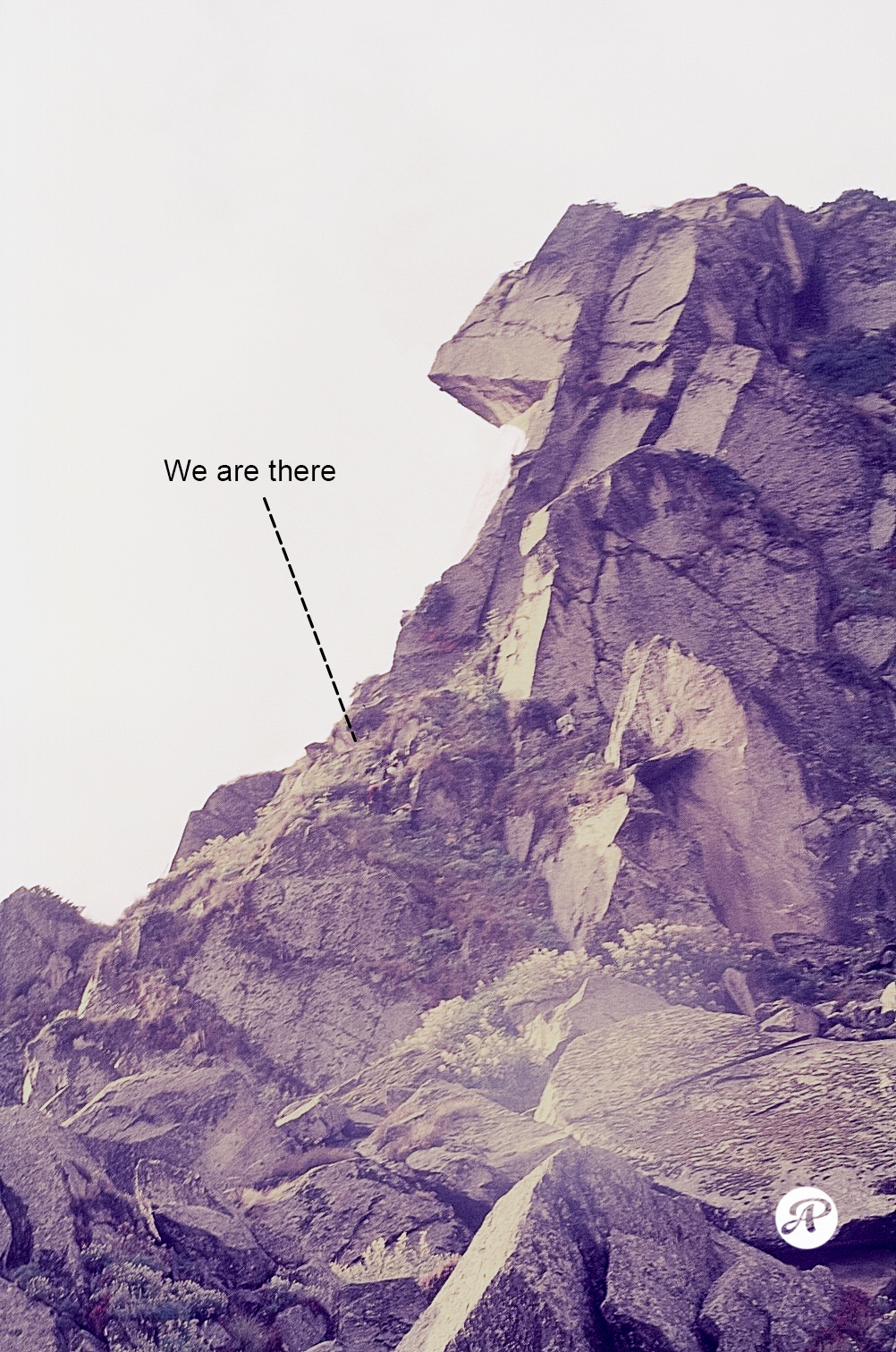
рдЕрдЧрд▓реА рд╕реБрдмрд╣ рдЬрдм рд╣рдо рдЕрдкрдиреЗ рд╕рд╛рдерд┐рдпреЛрдВ рдХреЛ рдвреВрдБрдврдиреЗ рд╡рд╛рдкрд┐рд╕ рдирд┐рдХрд▓реЗ рддреЛ рдорд╛рд░рддреЛрд▓реА рд╕реЗ рдХрд░реАрдм 3 рдХрд┐ рдореА рдЙрддреНрддрд░ рдореЗрдВ рдПрдХ рднрдпрд╛рд╡рд╣ рджреГрд╢реНрдп рджреЗрдЦрдиреЗ рдХреЛ рдорд┐рд▓ред рд╡рд╣рд╛рдБ рдЬрд╣рд╛рдВ рднреЛрдЬ рдХреЗ рдкреЗрдбрд╝реЛрдВ рдХрд╛ рдЫреЛрдЯрд╛ рдЬрдВрдЧрд▓ рдЕрднреА рдмрдЪрд╛ рдерд╛, рдЙрд╕рдХреЗ рдиреАрдЪреЗ рдХреЗ рдкрд╣рд╛рдбрд╝ рдХрд╛ рдПрдХ рдмрдбрд╝рд╛ рд╣рд┐рд╕реНрд╕рд╛ рджрд░рдХ рдЧрдпрд╛ рдЬрд┐рд╕рдиреЗ рдорд░рддреЛрд▓реА рдкрд╣реБрдБрдЪрдиреЗ рдХрд╛ рд░рд╛рд╕реНрддрд╛ рдмрдВрдж рдХрд░ рджрд┐рдпрд╛ред рджрд░рдХрд╛ рдХреНрдпрд╛, рдХрд░реАрдм 200 рдлреБрдЯ рдЧрд╣рд░реА рдФрд░ 60 – 70 рдлреБрдЯ рдЪреЛрдбрд╝реА рдЦрд╛рдИ рдЫреЛрдбрд╝ рдЧрдпрд╛ рдЬрд┐рд╕рдореЗ рд╕реБрдмрд╣ рддрдХ рдЫреЛрдЯреЗ рдмрдбрд╝реЗ рдкрддреНрдерд░ рд▓реБрдврд╝рдХ рд░рд╣реЗ рдереЗред рд╣рдореЗ рддреЛ рдЕрдкрдиреА рдХрд┐рд╕реНрдордд рдкрд░ рдирд╛рдЬрд╝ рдЖ рд░рд╣рд╛ рдерд╛ рдХрд┐ рд╣рдо рдмрдЪ рдЧрдПред рдЙрд╕реА рдзрд╛рд░ рдХреЗ рдКрдкрд░ рдмреИрдареЗ рдПрдХ рднреЛрдЯрд┐рдпрд╛ рдЕрдирд╡рд╛рд▓ рдиреЗ рдмрддрд╛рдпрд╛ рдХреА рдпреЗ рдХрд▓ рд╢рд╛рдо рдЪрд╛рд░ рдмрдЬреЗ рдХреЗ рдХрд░реАрдм рд╣реБрдЖред рдпрд╛рдирд┐ рд╣рдорд╛рд░реЗ рдирд┐рдХрд▓рдиреЗ рдХреЗ рдЖрдзреЗ-рдПрдХ рдШрдВрдЯреЗ рдХреЗ рдЕрдВрджрд░ рдкрд╣рд╛рдбрд╝ рдЯреВрдЯ рдЧрдпрд╛ред

рд╣рдорд╛рд░реА рдмрд╛рдХреА рдЯреАрдо рдХреЗ рд▓рд┐рдП рдЙрд╕ рд╢рд╛рдо рд╕рд┐рд░реНрдл рдПрдХ рдЬрд╝рд░рд┐рдпрд╛ рдерд╛, рдХрд░реАрдм рдПрдХ рд╣рдЬрд╛рд░ рдлреБрдЯ рдиреАрдЪреЗ рд▓рд╡рд╛рдБ рдЧрд╛рдбрд╝ рддрдХ рдЙрддрд░, рдЙрд╕реЗ рдкрд╛рд░ рдХрд░ рд╣реА рдорд╛рд░рддреЛрд▓реА рдХреЗ рдиреАрдЪреЗ рд╡рд╛рд▓реЗ рдореИрджрд╛рди рдореЗрдВ рдкрд╣реБрдВрдЪрд╛ рдЬрд╛ рд╕рдХрддрд╛ рдерд╛ред рд╕рдм рд▓реЛрдЧ рдкрд╣рд╛рдбрд╝ рдХреА рдЫрд╛рдпрд╛ рдореЗрдВ рдереЗ, рдЕрдВрдзреЗрд░рд╛ рд╣реЛ рдЪрд▓рд╛ рдерд╛ред рдиреАрдЪреЗ рдЙрддрд░рдирд╛ рдареАрдХ рдирд╣реАрдВ рд╕рдордЭрд╛ рдЧрдпрд╛ рд╕реЛ рдкреАрдЫреЗ рдЖрдиреЗ рд╡рд╛рд▓реЗ рджреЛрд╕реНрддреЛрдВ рдиреЗ рд╡рд╣реАрдВ рдХрд╣реАрдВ рдХреИрдореНрдк рд▓рдЧрд╛ рд▓рд┐рдП редрдФрд░ рд╣рдо рд╕рд╛рдд, рдЬрд┐рдирдХреЗ рдкрд╛рд╕ рдЦрд╛рдиреЗ рдХреЛ рддреЛ рдХреНрдпрд╛ рдЪрд╛рдп рдмрдирд╛рдиреЗ рдХрд╛ рд╕рд╛рдорд╛рди рднреА рдирд╣реАрдВ рдерд╛, рдордЯреНрдЯреА рддреЗрд▓ рднреА рдирд╣реАрдВ – рд╡реЛ рд╕рдм рдлрд╝рд┐рдХреНрд░ рдХреЗ рдорд╛рд░реЗ рднреВрдЦреЗ рд╣реА рд░рд╛рдд рднрд░ рдкрд▓рдЯрддреЗ рд░рд╣реЗред рдЕрдЧрд▓реА рд╕реБрдмрд╣ рд╡реЛ рд▓реЛрдЧ рдиреАрдЪреЗ рдЙрддрд░ рдХрд░ рджреЛрдмрд╛рд░рд╛ рд░рд╛рд╕реНрддреЗ рдкрд░ рдЪрдврд╝рдиреЗ рдХреА рдХреЛрд╢рд┐рд╢ рдореЗрдВ рд▓рдЧреЗ рдереЗред

рдЕрдЧрд▓реЗ рд░реЛрдЬрд╝ рдмрд╛рдХрд┐ рджреЛрд╕реНрдд рджреЛрдкрд╣рд░ рдХреЗ рдмрд╛рдж рд╣реА рдкрд╣реБрдВрдЪреЗ рдкрд╛рдП, рдмреАрддреА рд░рд╛рдд рдЙрди рд▓реЛрдЧреЛрдВ рдиреЗ рднреА рдЦрд╛рдирд╛ рдирд╣реАрдВ рдЦрд╛рдпрд╛ рдерд╛ред рдЯреАрдо рдХреЗ рдЙрдк рдХрдкреНрддрд╛рди рдХреЗрджрд╛рд░ рд╕рд┐рдВрд╣ рдорд╛рд░рддреЛрд▓рд┐рдпрд╛ рдФрд░ рдкреНрд░рд╣реНрд▓рд╛рдж рд╕рд┐рдВрд╣ рдмреБрд░рдлрд╝реВ рдЬреЛ рдмреБрд░рдлрд╝реВ рдЧрд╛рдБрд╡ рдХреЗ рд░рд╣рдиреЗ рд╡рд╛рд▓реЗ рдереЗ рдиреЗ рдкреНрд░реЛрдЧреНрд░рд╛рдо рдпреЗ рдмрдирд╛рдпрд╛ рдХрд┐ рдЕрдм рдЬрдм рдЗрддрдиреА рджреВрд░ рдЖрдП рд╣реА рд╣реБрдП рд╣реИрдВ рддреЛ рдХреНрдпреВрдБ рдирд╛ рдмреБрд░рдлрд╝реВ рдФрд░ рдорд┐рд▓рдо рднреА рдЪрдХреНрдХрд░ рд▓рдЧрд╛ рд▓реА рд▓рд┐рдпрд╛ рдЬрд╛рдП ред рдХреБрдЫ рджреЛрд╕реНрдд рд░рд╛рдЬрд╝реА рдереЗ рдХреБрдЫ рдирд╣реАрдВ ред рджреЗрд░ рджреЛрдкрд╣рд░ рд╣рдо рд▓реЛрдЧ рдорд╛рд░рддреЛрд▓реА рд╕реЗ рдЪрд▓реЗред рдХрд░реАрдм 5-6 рдХрд┐ рдореА рджреВрд░ рдмреБрд░рдлрд╝реВ рдПрдХ рддрд░рд╣ рдкрд╣рд╛рдбрд╝ рдХрд╛ рдореИрджрд╛рдиреА рдЧрд╛рдБрд╡ рд╣реИ рдЬреЛ рдорд╛рд░рддреЛрд▓реА рдХреА рдКрдВрдЪрд╛рдИ рд╕реЗ рднреА рдзреБрдВрдзрд▓рд╛ рд╕рд╛ рджреЗрдЦрд╛ рдЬрд╛ рд╕рдХрддрд╛ рд╣реИред 

рдорд╛рд░рддреЛрд▓реА рд╕реЗ рд╕реАрдзреА рдврд▓рд╛рди рдФрд░ рдлрд┐рд░ рдлрд┐рд░ рдХреБрдЫ рд╕рдорддрд▓ред рдХрд░реАрдм 11,500 рдлреБрдЯ рдХреА рдКрдВрдЪрд╛рдИ рдкрд░ рдмреБрд░рдлрд╝реВ рдЫреЛрдЯрд╛ рдкрд░ рд╕реБрдВрджрд░ рдЧрд╛рдБрд╡ рдерд╛, рдкрд╛рд╕ рдореЗрдВ рдзрд╛рд░ рдХрд╛ рдореАрдард╛ рдкрд╛рдиреАред рдмреБрд░рдлрд╝реВ рдореЗрдВ рдХреБрд▓ рдЖрда рдкрд░рд┐рд╡рд╛рд░ рдереЗ рдЬрд┐рдиреНрд╣реЛрдиреЗрдВ рд╣рдо рд╕рдм рдХреА рдЖрд╡рднрдЧрдд рдЧрд░рдо рдЦрд╛рдиреЗ, рднреЗрдбрд╝ рдХреЗ рдЧреЛрд╢реНрдд рдФрд░ рд╡рд╣рд╛рдБ рдмрдиреА рдЪрдХрддреА (рдЫрдВрдЧ) рд╕реЗ рдХреАред рдЦрд╛рддреЗ-рдкреАрддреЗ рджреЗрд░ рд╣реЛ рд╣реА рдЬрд╛рдиреА рдереА рдФрд░ рд░рд╛рдд рдХреЛ рдардВрдб рднреА рддреЗрдЬ рд╣реЛ рдЧрдИред рдорд┐рд▓рдо рдХрд╛ рдЗрд░рд╛рджрд╛ рдХреИрдиреНрд╕рд▓ рдХрд░ рд╣рдо рд░рд╛рдд рдореЗрдВ рд╡рд╛рдкрд┐рд╕ рдорд╛рд░рддреЛрд▓реА рдХреЗ рд▓рд┐рдП рдирд┐рдХрд▓ рдкрдбрд╝реЗред рдЕрдкрдиреЗ рдкреИрддреГрдХ рдЧрд╛рдБрд╡ рдореЗрдВ рдЗрддрдирд╛ рдорд╛рди-рд╕рдореНрдорд╛рди рдорд┐рд▓рдиреЗ рдкрд░ рдкреНрд░рд╣реНрд▓рд╛рдж рдХреЛ ‘рдмреБрд░рдлрд╝реВ рдирд░реЗрд╢’ рдХреА рдЙрдкрд╛рдзрд┐ рджреА рдЧрдИред рдЕрдВрдзреЗрд░реА рдХрд╛рд▓реА рд░рд╛рдд рдореЗрдВ рдЧрд┐рд░рддреЗ рдкрдбрд╝рддреЗ, рдбрдЧрдордЧрд╛рддреЗ рдкреИрд░реЛрдВ рдХреЛ рд╕рдВрднрд╛рд▓рддреЗ рд╣рдо рдЬрд╛рдиреЗ рдХреИрд╕реЗ рдЙрд╕ рдЦрдбрд╝реА рдЪрдврд╝рд╛рдИ рдХреЛ рдкреВрд░рд╛ рдХрд░ рд╡рд╛рдкрд┐рд╕ рдорд╛рд░рддреЛрд▓реА рдкрд╣реБрдВрдЪреЗ рдЬрд╣рд╛рдВ – рд╡реАрд░рд╛рди рдФрд░ рдЙрдЬрдбрд╝реЗ рдЧрд╛рдБрд╡ рдХреЗ рднреЛрдЯрд┐рдпрд╛ рдореЗрд╕рдЯрд┐рдл рдХреБрддреНрддреЛрдВ рдиреЗ рд╣рдорд╛рд░рд╛ рдРрд╕рд╛ рд╕реНрд╡рд╛рдЧрдд рдХрд┐рдпрд╛ рдЬреИрд╕реЗ рдХрд┐рд╕реА рд╣реЙрд╕реНрдЯрд▓ рдХреЗ рд╡рд╛рд░реНрдбреЗрди рдХрд░рддреЗ рд╣реИрдВред рд╕рдм рдиреЗ рдПрдХ рджреВрд╕рд░реЗ рдХреЛ рджреЗрдЦрд╛ рдФрд░ рдЕрдЪрд╛рдирдХ рдЧрдВрдЧрд╛ рд╕рд┐рдВрд╣ рдорд╛рд░рддреЛрд▓рд┐рдпрд╛ рдиреЗ рдкреВрдЫрд╛ – рдмреБрд░рдлрд╝реВ рдирд░реЗрд╢ – рдкреНрд░рд╣реНрд▓рд╛рдж рд╕рд┐рдВрд╣ рдХрд╣рд╛рдБ рд╣реИрдВ?┬а рдХреБрдЫ рдорд┐рдирдЯ рдХреЗ рд▓рд┐рдП рддреЛ рд╕рдм рдХреА рд╕рд┐рдЯреНрдЯреА рдкрд┐рдЯреНрдЯреА рдЧреБрдоред рджреЛ рд▓реЛрдЧ рд╡рд╛рдкрд┐рд╕ рдкрдЧрдбрдВрдбреА рдкрд░ рдЙрддрд░реЗ – рдХрд░реАрдм рдПрдХ рдХрд┐рд▓реЛрдЯреЗрд░ рдмрд╛рдж рдмреБрд░рдлрд╝реВ рдирд░реЗрд╢ рдХрд┐рд╕реА рдЪрдЯреНрдЯрд╛рди рдкрд░ рд╕реЛрддреЗ рдорд┐рд▓реЗред рд╣реБрдЖ рдпреВрдВ рдерд╛ рдХрд┐ рдкреАрдиреЗ рдФрд░ рд░рд╛рдд рдХреА рдардВрдб рдХреЗ рдмрд╛рдж рдмреБрд░рдлрд╝реВ рдирд░реЗрд╢ рдХреЛ рд╕реБрд╕реВ рдЖрдпрд╛ – рд░реБрдХ рдХрд░ рдЪрдЯреНрдЯрд╛рди рдХреЗ рд╕рд╣рд╛рд░реЗ рдХрд┐рдпрд╛ рдЧрдпрд╛ рдФрд░ рдмрд╕, рд╡рд╣реАрдВ рдкрд╕реНрдд рд╣реЛ рдЧрдП ред рджреЛ рд▓реЛрдЧ рд╕рд╛рд╣рдм рдХреА рд╕рд╡рд╛рд░реА рдХреЗ рд╕рд╛рде рд░рд╛рдд рддреАрди рдмрдЬреЗ рдорд╛рд░рддреЛрд▓реА рдкрд╣реБрдВрдЪреЗред рдЙрд╕ рд░рд╛рдд рдХреЗ рдмрд╛рдж рдмреБрд░рдлрд╝реВ рд╣рдореЗрд╢рд╛ рдХреЗ рд▓рд┐рдП рдпрд╛рджрдЧрд╛рд░ рдмрди рдЧрдпрд╛ред┬а рдкреНрд░рд╣реНрд▓рд╛рдж рд╕рд┐рдВрд╣ рдмреБрд░рдлрд╝реВ рддрдм рд▓рдЦрдирдК рдореЗрдВ рд░рд┐рдЬрд░реНрд╡ рдмреИрдВрдХ рдореЗрдВ рдХрд╛рдо рдХрд░рддреЗ рдереЗ – рдЕрдм рдЬрд╛рдиреЗ рдХрд╣рд╛рдБ рд╣реИрдВ – рдХрд╣реАрдВ рдЧрд╛рдБрд╡ рдУ рдирд╣реАрдВ рд▓реМрдЯ рдЧрдП !!┬а ┬атАЛ

рдореБрдЭреЗтАЛ тАЛрдирдВрджрд╛рдХреЛрдЯ рдЕрднрд┐рдпрд╛рди рдореЗрдВ рд╢рд╛рдорд┐рд▓ рдХрд░рдиреЗ рдФрд░ рд╣рд░ рдкрд╣рд╛реЬ рдкрд░ рд╣реМрдВрд╕рд▓рд╛ рдмреЭрд╛рдиреЗ рдХрд╛ рдкреВрд░рд╛ рд╢реНрд░реЗрдп рдкреНрдпрд╛рд░реЗ рджреЛрд╕реНрдд рдЧреЛрд╡рд┐рдВрдж рдкрдВрдд рдХрд╛ рд╣реИред рдЗрд╕ рдЕрднрд┐рдпрд╛рди рдореЗрдВ рд╣рдорд╛рд░реЗ рд╕рд╛рде рд╣рд┐рдВрджреБрд╕реНрддрд╛рди рдХреЗ рдорд╣рд╛рди рдкрд░реНрд╡рддрд╛рд░реЛрд╣реА рд▓рд╡рд░рд╛рдЬ рд╕рд┐рдВрд╣ рдзрд░рдорд╢рдХрдЯреБ рднреА рдереЗ рдЬрд┐рдирдХреЗ рд▓рд┐рдП рд╢рд╛рдпрдж рдпреЗ рдкрд╣рд▓рд╛ рдЕрднрд┐рдпрд╛рди рдерд╛ рдФрд░ рдЬрд┐рдиреНрд╣реЛрдВрдиреЗ рдЖрдЦрд┐рд░реА рдЧрд┐рдирддреА рддрдХ рд╕рд╛рдд рдмрд╛рд░, рдЬреА рд╣рд╛рдБ, рд╕рд╛рдд рдмрд╛рд░, рдПрд╡рд░реЗрд╕реНрдЯ рдХреА рдЪреЛрдЯреА рдлрддреЗрд╣ рдХреА рд╣реИ ред рдЗрди рджреЛрдиреЛрдВ рдкреНрдпрд╛рд░реЗ рджреЛрд╕реНрддреЛрдВ рдХреЛ рд╕рд▓рд╛рдоред

рддрд╕реНрд╡реАрд░: (рдЗрдирд╕реЗрдЯ) рдорд╛рдмрджреМрд▓рдд рдЕрдкрдиреА рдкреВрд░реА рдЯрд╢рди рдореЗрдВ рдирдВрджрд╛рдХреЛрдЯ рдмреЗрд╕ рдХреИрдореНрдк рдкрд░ рдирдХреНрд╢рд╛ рджрд┐рдЦрд╛рддреЗ рдФрд░ рдХреИрдВрдк 2 рд╕реЗ рдкрд╣рд▓реЗ рд▓рдЧрд╛ рд░реВрдЯ рдорд╛рд░реНрдХрд░ рдлрд╝реНрд▓реИрдЧ рдФрд░ рддрд╕реНрд╡реАрд░ рдореЗрдВ рдиреАрдЪреЗ рдХреИрдВрдк 1, рдЬрд╣рд╛рдБ рдЯреАрдо рдХреЗ рд╕рд╛рдереА ABC рдХреА рдУрд░ рдиреАрдЪреЗ рдЙрддрд░ рд░рд╣реЗ рд╣реИрдВред рдЗрд╕ рд╕реБрдирд╣рд░реА рд╕реБрдмрд╣ рд╕реЗ рдкрд╣рд▓реЗ, рддреАрди рджрд┐рдиреЛрдВ рддрдХ рд▓рдЧрд╛рддрд╛рд░ рдмрд░реНрдлрд╝рдмрд╛рд░реА рд╣реБрдИ рдереАред

рдорд┐рд▓рдо рдФрд░ рдмреБрд░рдлреВ┬ардЙрддреНрддрд░рд╛рдЦрдВрдб, рднрд╛рд░рдд рдХреЗ рдкрд┐рдереМрд░рд╛рдЧрдврд╝ рдЬрд┐рд▓реЗ рдХреА рдЬреЛрд╣рд░ рдШрд╛рдЯреА рдореЗрдВ рд╕реНрдерд┐рдд рджреВрд░рд╕реНрде рдЧрд╛рдБрд╡ рд╣реИрдВ, рдЬреЛ рддрд┐рдмреНрдмрдд (рдЪреАрди) рдХреА рд╕реАрдорд╛ рдХреЗ рдирд┐рдХрдЯ рд╕реНрдерд┐рдд рд╣реИрдВред рдпреЗ рдЧрд╛рдБрд╡ рдРрддрд┐рд╣рд╛рд╕рд┐рдХ рд░реВрдк рд╕реЗ рдорд╣рддреНрд╡рдкреВрд░реНрдг рдХреНрд╖реЗрддреНрд░ рдХрд╛ рд╣рд┐рд╕реНрд╕рд╛ рд╣реИрдВ, рдЬреЛ рдХрднреА рднрд╛рд░рдд рдФрд░ рддрд┐рдмреНрдмрдд рдХреЗ рдмреАрдЪ рдПрдХ рд╡реНрдпрд╕реНрдд рд╡реНрдпрд╛рдкрд╛рд░ рдорд╛рд░реНрдЧ рд╣реБрдЖ рдХрд░рддрд╛ рдерд╛ред

рдорд┐рд▓рдо рдХреЛ рдКрдкрд░реА рдЬреЛрд╣рд░ рдШрд╛рдЯреА рдХрд╛ рдЕрдВрддрд┐рдо рдЧрд╛рдБрд╡ рдорд╛рдирд╛ рдЬрд╛рддрд╛ рд╣реИ, рдЬреЛ рдЧреЛрд░реА рдЧрдВрдЧрд╛ рдирджреА рдХреЗ рдЙрджреНрдЧрдо рд╕реНрдерд▓ рдФрд░ рдорд┐рд▓рдо рд╣рд┐рдордирдж рдХреЗ рдирд┐рдХрдЯ рд╕реНрдерд┐рдд рд╣реИред рдмреБрд░рдлреВ рднреА рдЗрд╕реА рдШрд╛рдЯреА рдореЗрдВ рдкрд╛рд╕ рд╣реА рд╕реНрдерд┐рдд рд╣реИред рдпреЗ рдЧрд╛рдБрд╡ рдКрдБрдЪреЗ рдкрд╣рд╛рдбрд╝реА рджрд░реНрд░реЛрдВ (рдЬреИрд╕реЗ рдЙрдиреНрддрд╛ рдзреБрд░рд╛, рдЬрд╛рдВрдбреА рдзреБрд░рд╛ рдФрд░ рдХрд┐рдВрдЧрд░рд┐рдмрд┐рдВрдЧрд░реА рдзреБрд░рд╛) рдХреЗ рдирд┐рдХрдЯ рд╕реНрдерд┐рдд рд╣реИрдВ, рдЬреЛ рдРрддрд┐рд╣рд╛рд╕рд┐рдХ рд░реВрдк рд╕реЗ рднрд╛рд░рдд рдХреЛ рддрд┐рдмреНрдмрдд рд╕реЗ рдЬреЛрдбрд╝рддреЗ рдереЗред 1962 рдореЗрдВ рднрд╛рд░рдд-рдЪреАрди рдпреБрджреНрдз рдХреЗ рдмрд╛рдж, рд╡реНрдпрд╛рдкрд╛рд░ рдорд╛рд░реНрдЧ рдмрдВрдж рд╣реЛ рдЧрдпрд╛, рдЬрд┐рд╕рд╕реЗ рдпрд╣ рдХреНрд╖реЗрддреНрд░ рдПрдХ “рднреВрддрд┐рдпрд╛ рдЧрд╛рдБрд╡” рдореЗрдВ рдмрджрд▓ рдЧрдпрд╛, рдЬрд╣рд╛рдБ рдмрд╣реБрдд рдХрдо рд╕реНрдерд╛рдпреА рдирд┐рд╡рд╛рд╕реА рдмрдЪреЗ рдереЗред рдХрдИ рдкрд░рд┐рд╡рд╛рд░ рдореБрдирд╕реНрдпрд╛рд░реА рдФрд░ рдЕрдиреНрдп рдирд┐рдЪрд▓реЗ рдХреНрд╖реЗрддреНрд░реЛрдВ рдореЗрдВ рдкрд▓рд╛рдпрди рдХрд░ рдЧрдПред рд╕реАрдорд╛ рд╕рдбрд╝рдХ рд╕рдВрдЧрдарди (рдмреАрдЖрд░рдУ) рднрд╛рд░рдд-рдЪреАрди рд╕реАрдорд╛ рд╕рдбрд╝рдХ (рдЖрдИрд╕реАрдмреАрдЖрд░) рдкрд░рд┐рдпреЛрдЬрдирд╛ рдХреЗ рддрд╣рдд “рдореБрдВрд╕рд┐рдпрд╛рд░реА-рдмреБрдЧрджрд┐рдпрд╛рд░-рдорд┐рд▓рдо рд╕рдбрд╝рдХ” (рдПрдордмреАрдПрдордЖрд░) рдХрд╛ рдирд┐рд░реНрдорд╛рдг рдХрд░ рд░рд╣рд╛ рд╣реИ, рдЬрд┐рд╕рдХреЗ 2026 рдХреА рд╢реБрд░реБрдЖрдд рдореЗрдВ рдкреВрд░рд╛ рд╣реЛрдиреЗ рдХреА рдЙрдореНрдореАрдж рд╣реИ рддрд╛рдХрд┐ рдХреНрд╖реЗрддреНрд░ рдореЗрдВ рдХрдиреЗрдХреНрдЯрд┐рд╡рд┐рдЯреА рдореЗрдВ рд╕реБрдзрд╛рд░ рд╣реЛ рд╕рдХреЗред рд╣рд╛рд▓рд╛рдВрдХрд┐ рд╕рд░реНрджрд┐рдпреЛрдВ рдореЗрдВ рдпрд╣ рдХреНрд╖реЗрддреНрд░ рдХрд╛рдлреА рд╣рдж рддрдХ рдирд┐рд░реНрдЬрди рд░рд╣рддрд╛ рд╣реИ, рд▓реЗрдХрд┐рди рдХреБрдЫ рдирд┐рд╡рд╛рд╕реА рдЧрд░реНрдорд┐рдпреЛрдВ рдХреЗ рдорд╣реАрдиреЛрдВ рдХреЗ рджреМрд░рд╛рди рдмрдХрд╡реНрд╣реАрдЯ рдФрд░ рдЬрд╛рдВрднреВ рдЬреИрд╕реА рдЙрдЪреНрдЪ рдКрдВрдЪрд╛рдИ рд╡рд╛рд▓реА рдлрд╕рд▓реЛрдВ рдХреА рдЦреЗрддреА рдХрд░рдиреЗ рдХреЗ рд▓рд┐рдП рд▓реМрдЯ рдЖрддреЗ рд╣реИрдВред рд╕реАрдорд╛ рдХреНрд╖реЗрддреНрд░ рд╡рд┐рдХрд╛рд╕ рдХрд╛рд░реНрдпрдХреНрд░рдо (рдмреАрдПрдбреАрдкреА) рдХреЗ рддрд╣рдд рд╕реМрд░ рдКрд░реНрдЬрд╛ рд╕рд╣рд┐рдд рдЗрди 13 рджреВрд░рд╕реНрде рд╕реАрдорд╛рд╡рд░реНрддреА рдЧрд╛рдВрд╡реЛрдВ рдореЗрдВ рдмрд┐рдЬрд▓реА рдФрд░ рд╕рдВрдЪрд╛рд░ рд╕реБрд╡рд┐рдзрд╛рдПрдВ рд▓рд╛рдиреЗ рдХреЗ рдкреНрд░рдпрд╛рд╕ рдХрд┐рдП рдЬрд╛ рд░рд╣реЗ рд╣реИрдВред рдпрд╣ рдХреНрд╖реЗрддреНрд░ рдкрд░рдВрдкрд░рд╛рдЧрдд рд░реВрдк рд╕реЗ рднреЛрдЯрд┐рдпрд╛ (рд╢реМрдХрд╛/рдирд┐рддрд╡рд╛рд▓) рдЬрдирдЬрд╛рддрд┐ рджреНрд╡рд╛рд░рд╛ рдмрд╕рд╛ рд╣реБрдЖ рд╣реИ, рдЬреЛ рдЯреНрд░рд╛рдВрд╕рд╣реНрдпреВрдордиреНрд╕ (рд╕рд░реНрджрд┐рдпреЛрдВ рдореЗрдВ рдирд┐рдЪрд▓реЗ рдХреНрд╖реЗрддреНрд░реЛрдВ рдореЗрдВ рдЬрд╛рдиреЗ) рдХрд╛ рдЕрднреНрдпрд╛рд╕ рдХрд░рддреЗ рдереЗ (Wikipedia)

When the Grand Trunk Road became NH-44

Somewhere between Gurgaon and Chandigarh, while cruising along the smooth expanse of National Highway 44, I realised that the road beneath my wheels had quietly lost its name. What was once the legendary Grand Trunk RoadтАФa highway that had carried emperors, armies, traders, caravans, and pilgrims for more than two millenniaтАФnow survives officially as little more than a number on a signboard.

The transformation while being logical was an administrative activity leading to some efficiency, but it also erased something far older than asphalt.

A Road Older Than Empires

The origins of the Grand Trunk Road reach deep into antiquity. During the era of the Mauryan Empire, more than two thousand years ago, an important trade route connected the fertile Gangetic plains with the north-western frontiers of the subcontinent.

Over centuries successive rulers maintained and expanded this route, recognising its strategic importance. But it was the Afghan ruler Sher Shah Suri who transformed it in the sixteenth century into a truly organised imperial highway.

He planted trees along the route, built caravan serais, dug wells, and ordered the construction of distinctive distance markers called Kos Minar. These cylindrical towers, erected at intervals of roughly one kosтАФabout three kilometresтАФallowed travellers to measure distances across the long road stretching from Bengal toward Lahore and the Afghan frontier.

Under the Mughal Empire, the road flourished further, linking great imperial centres such as Delhi, Agra, and Lahore. For centuries the Grand Trunk Road functioned not merely as a highway but as a moving artery of civilisationтАФcarrying commerce, ideas, languages, religions and armies across the northern plains of the subcontinent.

The Silent Sentinels: Kos Minars

Even today the past occasionally reveals itself beside the highway. Every now and then a traveller may notice a cylindrical brick tower rising unexpectedly beside the modern road. These are the old Kos MinarsтАФonce lime-plastered pillars nearly thirty feet tall that marked distances and guided travellers along the imperial highway.

Between Delhi and Ambala alone nearly thirty such structures still survive, though many remain half hidden behind encroachments or modern construction. Some have been restored, albeit somewhat crudely, by the Archaeological Survey of India.

During my recent drive one such tower caught my attention near the village of Khandra in Panipat district. Standing quietly beside the roaring traffic of NH-44, the restored pillar seemed like an old sentinel from another century, watching the modern highway rush past. These modest structures once helped guide caravans, royal messengers, traders, and pilgrims along one of the great roads of Asia.

Where Myth and History Meet

This corridor has witnessed not only historical events but also the echoes of far older stories. Near the town of Karnal lies the ancient landscape of Kurukshetra, revered in the epic Mahabharata as the battlefield where the great war between the Pandavas and the Kauravas was fought.

Whether viewed as mythology, sacred narrative, or distant historical memory, the geography of that epic is unmistakably rooted in these plains of Haryana. Long before imperial highways were formally built, ancient pathways must have crossed this landscape, linking settlements and kingdoms.

Thus along this single corridor, memory stretches from the mythic age of the Mahabharata to the medieval battles of Tarain and onward through the empires of Sher Shah, the Mughals and the British. Few roads in the world carry such layered echoes of time.

A Road That Shaped History

Near Taraori, close to Karnal, the decisive Battles of Tarain were fought. Control of this corridor meant control of the road leading to Delhi and the Gangetic heartland. When Muhammad Ghori emerged victorious in the second battle, the route to Delhi opened before him, paving the way for the establishment of the Delhi Sultanate.

From Panipat to Kurukshetra, this highway runs through landscapes where history has repeatedly changed the course of the subcontinent.

The Disappearance of a Name

Yet this ancient road met a curious fate in modern India. In 2010, India reorganised its highway network into a systematic numbering grid, creating hundreds of national highways across the country. Under this system the historic CalcuttaтАУDelhiтАУAmritsar stretch of the Grand Trunk Road was absorbed into NH-44.

In one quiet administrative act, a road whose name had echoed across centuries was reduced to a number on a map. Travellers speeding along NH-44 remain largely unaware that they are moving along one of the most historic corridors of the subcontinent.

Perhaps the road itself might echo the melancholy sentiment expressed by Faiz Ahmed Faiz:

┬а┬а┬а┬а┬атАЬNis─Бr main ter─л galiyo├▒ pe ae watan ke jah─Б├▒,
Chal─л hai rasm ke ko─л na sar uс╣нh─Б ke chale.тАЭ

тАЬрдирд┐рд╕рд╛рд░ рдореИрдВ рддреЗрд░реА рдЧрд▓рд┐рдпреЛрдВ рдкреЗ рдР рд╡рддрди рдХрд┐ рдЬрд╣рд╛рдБ
рдЪрд▓реА рд╣реИ рд░рд╕реНрдо рдХрд┐ рдХреЛрдИ рди рд╕рд░ рдЙрдард╛ рдХреЗ рдЪрд▓реЗредтАЭ

I bow before the streets of my homeland,
Where it has become the custom to walk with lowered heads.

The lines seem almost prophetic for a road where millions travel each day, unaware of the history beneath their wheels.

Remembering the Road

Many ancient roads survive today only as archaeological memoryтАФRomeтАЩs Via Appia, ChinaтАЩs Silk Road, PersiaтАЩs Royal Road, and the Inca Qhapaq ├Сan; all these are relics of the past and not used as roads any longer, however, the Grand Trunk Road is different. It remains alive.

Millions of vehicles travel along it every day across India and Pakistan, unknowingly retracing a route that has carried caravans, armies, traders, pilgrims and ideas for more than two thousand years.

Numbers may organise roads on a map but names carry memory. Restoring the Grand Trunk RoadтАЩs historic name alongside its administrative designation is not merely an exercise in nostalgia. It is about preserving civilisational memory.

At a time when cities, towns, and streets across India are frequently renamed for political or ideological reasons, the name тАЬGrand Trunk RoadтАЭ stands apart. It carries neither sectarian identity nor political affiliationтАФonly the accumulated weight of history. Perhaps NH-44 could remain its official administrative designation while the historic name of the Grand Trunk Road is proudly displayed along its length.

And sometimes a civilisation is remembered not through its monuments, but through the roads that once connected its people, its stories, and its history across time.

Rajinder Arora
Delhi-Gurgaon

рдЖрдЬ рд░рдВрдЧ рд╣реИ рдР рдорд╛рдБ, рд░рдВрдЧ рд╣реИ рд░реА / рдЕрдореАрд░ рдЦреБрд╕рд░реЛ

рдпреЗ рддрд╕реНрд╡реАрд░ рд╣реЛрд▓реА рдХреЗ рджрд┐рди рдХреА рд╣реИ ред рдПрдХ рд░рд╛рдд рдкрд╣рд▓реЗ рдЙрдирдХреА рддрдмреАрдпрдд рдареАрдХ рдирд╣реАрдВ рдереАред рдЙрд╕ рд╕реБрдмрд╣ рднреА рд╡реЛ рджреЗрд░ рд╕реЗ рд╣реА рдЙрдареАрдВ ред рджреЛрдкрд╣рд░ рд╣реЛ рдЪрд▓реА рдереА рдФрд░ рд╡реШреНрдд рдирд┐рдХрд▓рд╛ рдЬрд╛ рд░рд╣рд╛ рдерд╛ред┬а рд╣рдо рддрдп рдирд╣реАрдВ рдХрд░ рдкрд╛ рд░рд╣реЗ рдереЗ рдХрд┐ рдЙрдиреНрд╣реЗрдВ рдЬрдЧрд╛рдпреЗрдВ рдпрд╛ рдирд╣реАрдВ, рд░рдВрдЧ рд▓рдЧрд╛рдПрдВ рдпрд╛ рдирд╣реАрдВ рдЗрддрдиреЗ рдореЗрдВ рдЙрдирдХреА рдкреЛрддреА рдЪрд╛рдБрджрдиреА рдиреЗ рдЖ рдХрд░ рдорд╛рдереЗ рдкрд░ рдЯреАрдХрд╛ рд╕рд╛ рд▓рдЧрд╛ рджрд┐рдпрд╛ред рдЙрдиреНрд╣реЗрдВ рдЙрдард╛ рдХрд░ рдмрд┐рдард╛рдпрд╛ рдЧрдпрд╛ рддреЛ рднреА рдЖрдБрдЦреЗрдВ рдмрдВрдж рдХрд░ рдФрд░ рд╕рд░ рдХреЛ рдкреАрдЫреЗ рдЭреБрдХрд╛ рдХрд░ рдорд╛рдБ рдХреБрдЫ рдЗрд╕ рддрд░рд╣ рд╕реЗ рдордЧреНрди рдереАрдВ рдЬреИрд╕реЗ рд╢рд╛рдпрдж рдХрднреА рдЕрдореАрд░ рдЦреБрд╕рд░реЛ рд░рд╣реЗ рд╣реЛрдВрдЧреЗ, рдЕрдкрдиреЗ рдкреАрд░-рдУ-рдореБрд░рд╢рд┐рдж рд╣рдЬрд╝рд░рдд рдирд┐рдЬрд╝рд╛рдореБрджреНрджреАрди рдФрд▓рд┐рдпрд╛ рдХреЛ рдпрд╛рдж рдХрд░рддреЗ рд╣реБрдП рдпрд╛ рдлрд┐рд░ рдЦреБрд╕рд░реЛ рд╕рдорд╛ рдореЗ рд░рд╣реЗ рд╣реЛрдВрдЧреЗ рдЬрдм рдЙрдиреНрд╣реЛрдВрдиреЗ “рдЖрдЬ рд░рдВрдЧ рд╣реИ рдР рдорд╛рдБ рд░рдВрдЧ рд╣реИ рд░реА” рдХрд╡реНрд╡рд╛рд▓реА рдкрд╣рд▓реА рдмрд╛рд░ рдЕрдкрдиреЗ рдореБрд░рд╢рдж рдХреЗ рд╕рд╛рдордиреЗ рдЧреБрдирдЧреБрдирд╛рдИ рд╣реЛрдЧреАред рдЙрд╕ рд░реЛрдЬрд╝ рдЦреБрд╕рд░реЛ рдиреЗ рдЦреБрдж рдХреЛ рдФрд░ рджреБрдирд┐рдпрд╛ рдХреЛ рдЙрд╕ рд░реВрд╣рд╛рдиреА рд░рдВрдЧ рдореЗрдВ рд░рдВрдЧрд╛ рд╣реБрдЖ рджреЗрдЦрд╛ рд╣реЛрдЧрд╛ рдЬреИрд╕реЗ рддрдм рдореИрдВ рджреЗрдЦ рд░рд╣рд╛ рдерд╛ред рдорд╛рдБ рднреА рд╕рдорд╛ рдореЗрдВ рд╣реА рдереАрдВ – рджреБрдирд┐рдпрд╛-рдЬрд╣рд╛рди рд╕реЗ рдмреЗрд╕реБрдз, рдмреЗрдЦрдмрд░ – рдРрд╕реА рдмреЗрдЦрдмрд░ рдХрд┐ рдЙрдиреНрд╣реЗрдВ рдореЗрд░реА рдЖрд╡рд╛рдЬрд╝ “рдЖрдЬ рд░рдВрдЧ рд╣реИ рд░реА” рднреА рдирд╣реАрдВ рд╕реБрдирд╛рдИ рджреА ред┬а

“рдореИрдВ рдкреАрд░ рдкрд╛рдпреЛ рдирд┐рдЬрд╛рдореБрджреНрджреАрди рдФрд▓рд┐рдпрд╛”, рдЕрдореАрд░ рдЦреБрд╕рд░реЛ рдиреЗ рд░реВрд╣рд╛рдиреА рд░рдВрдЧ рд╕реЗ рднрд░реА рдпреЗ рдХрд╡реНрд╡рд╛рд▓реА рднреА рдЕрдкрдиреЗ рдкреАрд░ рдХреЛ рдорд┐рд▓рдиреЗ рдХреА рдЦреБрд╢реА рдореЗрдВ рд▓рд┐рдЦреА рдереА, рдЗрд╕ рд╣реЛрд▓реА рдХреЛ рдореИрдВрдиреЗ рднреА рд╕рдордЭрд╛ рдХрд┐ рд╢рд╛рдпрдж рдорд╛рдБ рднреА рдЙрд╕реЗ рд╕реБрди рдХрд░ рдЦреБрд╢ рд╣реЛ рдЬрд╛рдПрдБ рд╕реЛ рдореИрдВрдиреЗ рднреА рдЧрд╛ рджреАред рд╕реВрдлреА рдкрд░рдВрдкрд░рд╛рдУрдВ рдпреЗ рдХрд╡рд╛рд▓рд┐рдпрд╛рдБ рдирд┐рдЬрд╛рдореБрджреНрджреАрди рдФрд▓рд┐рдпрд╛ рдХреА рджрд░рдЧрд╛рд╣ рдкрд░ рдЖрдЬ рднреА рдЧрд╛рдИ рдЬрд╛рддреА рд╣реИред  рдЧреБреЬрдЧрд╛рдБрд╡, рд╣реЛрд▓реА, 4 рдорд╛рд░реНрдЪ 2026

Ma looks cute

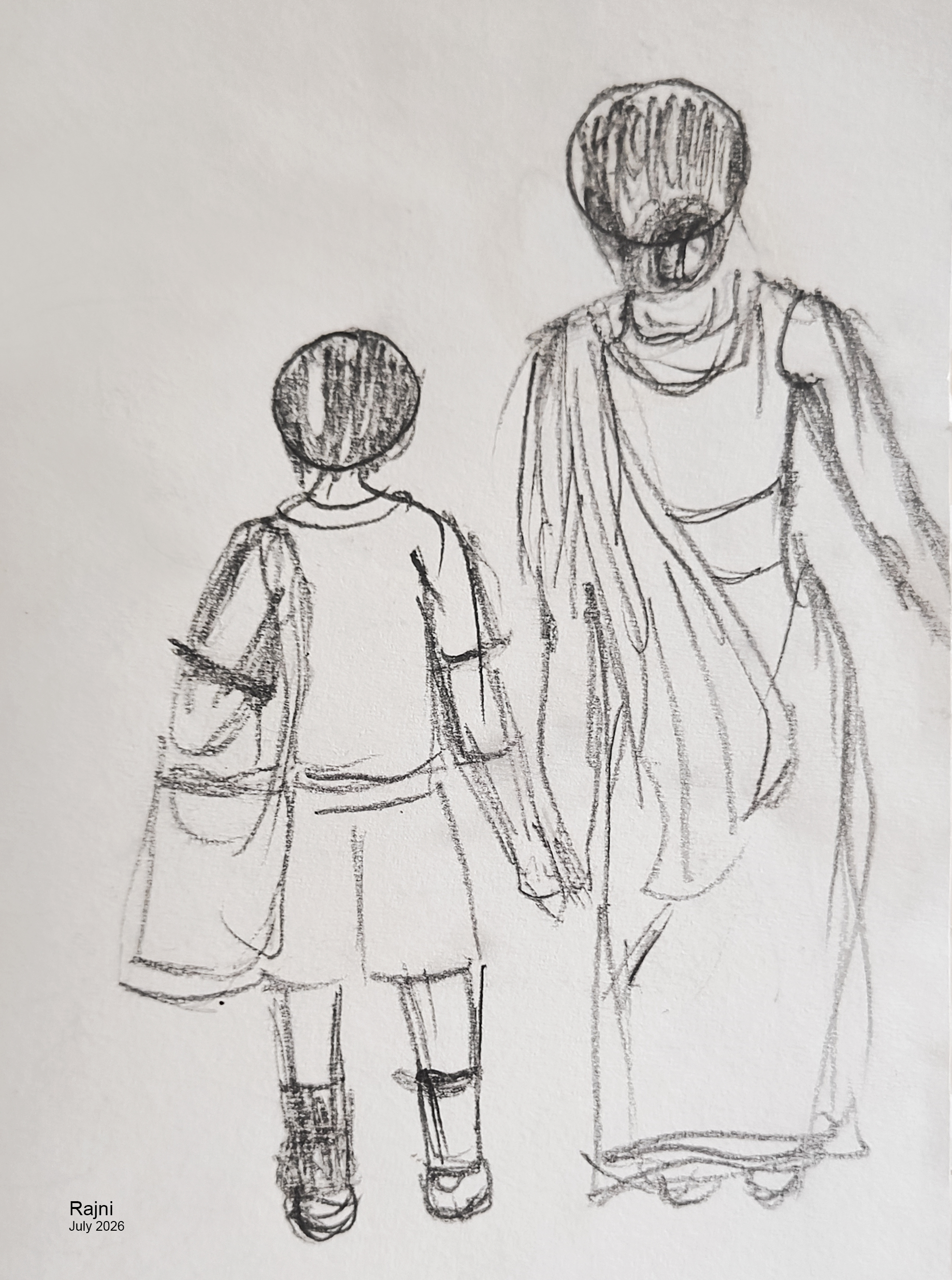
тАЛтАЛтАЛMa is also at┬аwar. Her tormentor is her┬аage. The┬аragingтАЛ┬аbattle is┬аbetween her┬аbody and mind which┬аis slowly┬аdestroying тАЛtтАЛhe beautiful personтАЛ she is. тАЛHтАЛer suffering nudges her to a make-believe world where agitation reigns a serene soul.┬а

рдЬреИрд╕реА рдЕрдЧреНрдирд┐ рдЙрджрд░ рдореЗрдВ, рддреИрд╕реА рдмрд╛реТрд╣рд░ рдорд╛рдпрд╛, рдорд╛рдпрд╛ рдЕрдЧрди рджреБрдИ рдПрдХ рднрдП, рдХрд░рддреЗ рдЦреЗрд▓ рд░рдЪрд╛рдпрд╛

Ma was most unhappy yesterday. She resisted, shouted, pushed and cursed us. She couldn’t fathom why four people were surrounding her, or why someone was holding her neck down while two hands ran a trimmer from her nape to the pate and scalp tickling her no end. She had to be held and comforted by four people for the fear of the scissor or the trimmer hurting her. We felt bad but there was no way out.

It was like a city of lice living in her hair. All because of one careless attendant who passed it on to Ma–the girl herself was unhygienic and hid it from us. We realised it only when Ma started increasingly scratching her head, neck, and the ear. A fine comb run through her hair brought out the lice and the nits. Scared to risk anything else our last resort was to shave her head, but it had to stop a little short of bald head – to a Crew Cut. In her state of dementia she found the exercise an assault. “Maar do” was her constant refrain as she pushed forward and back, barely sitting on the wheelchair. Sorry Ma, it had to be done.

Head shaving, or tonsuring, I am told is a symbolic act of purification and spiritual transformation. Offering hair, on your own, is also considered shedding of ego and worldly attachments. In her new haircut, Ma looks cute, doesn’t she!!!