
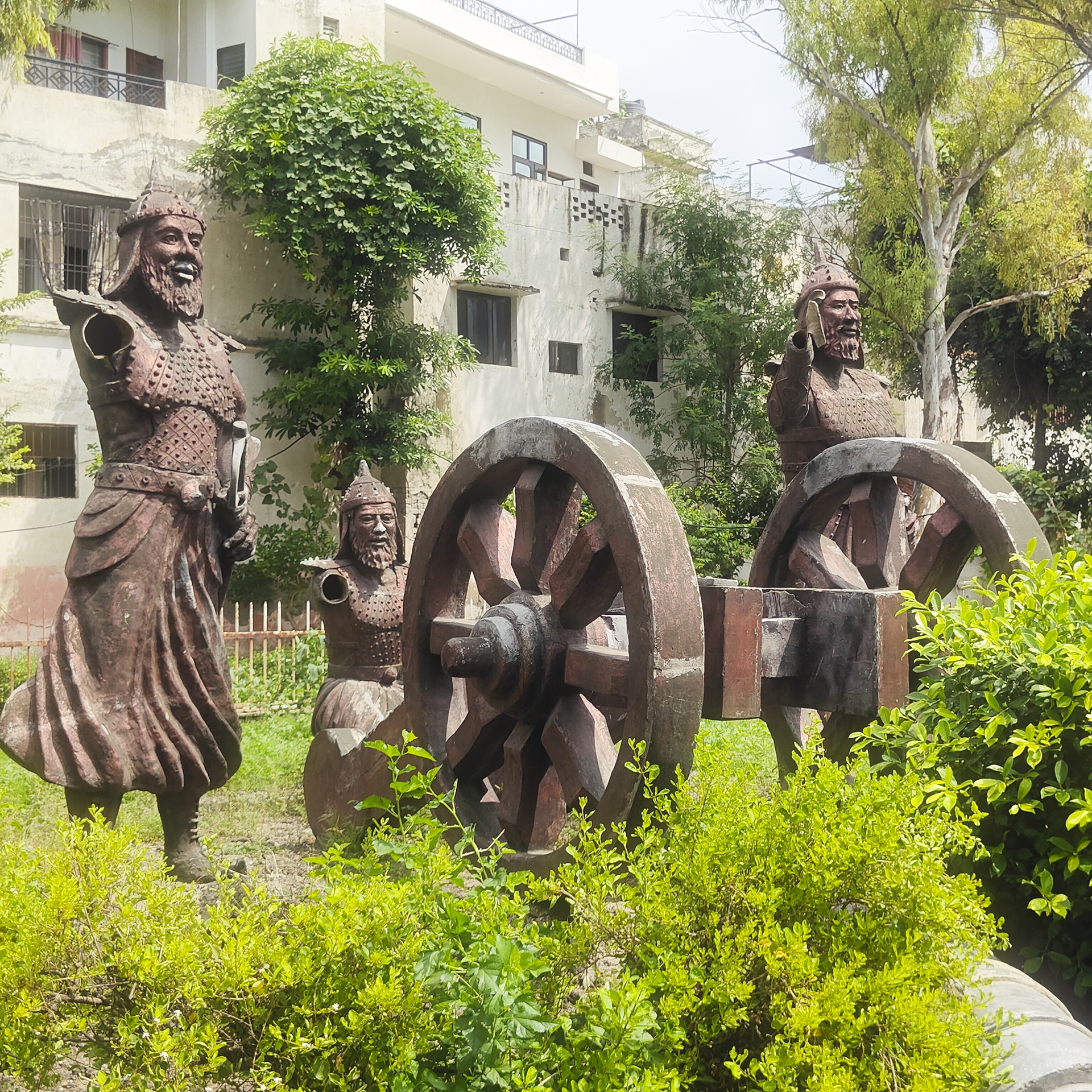
These weathered metal sculptures of medieval warriors and a large artillery carriage, supposedly celebrate Mughal victory over Sultan Lodi in the First Battle of Panipat, 1526.
In tatters, rusted and ill-maintained, today these sculptures are in a pathetic condition. The hands of two warriors are broken, while the turret of the artillery gun lies damaged on the ground; they look morose and tired. Maintained by the Municipal Corporation of Panipat (MCP, is their acronym), the park itself is unclean and in a sad condition. Considering the fact that this is the tomb of Ibrahim Lodi the last Sultan of Delhi, couldn’t it have been maintained better.
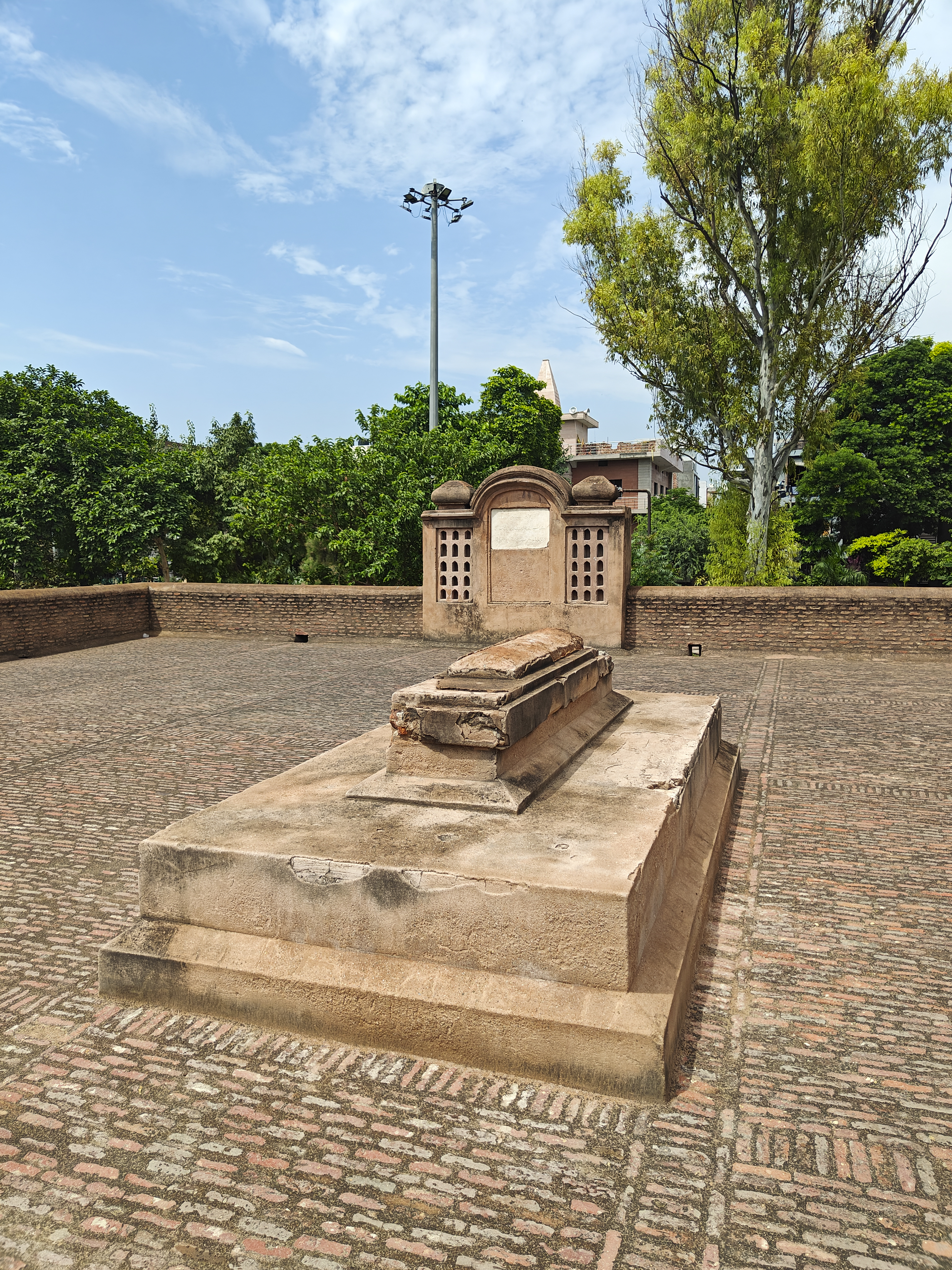
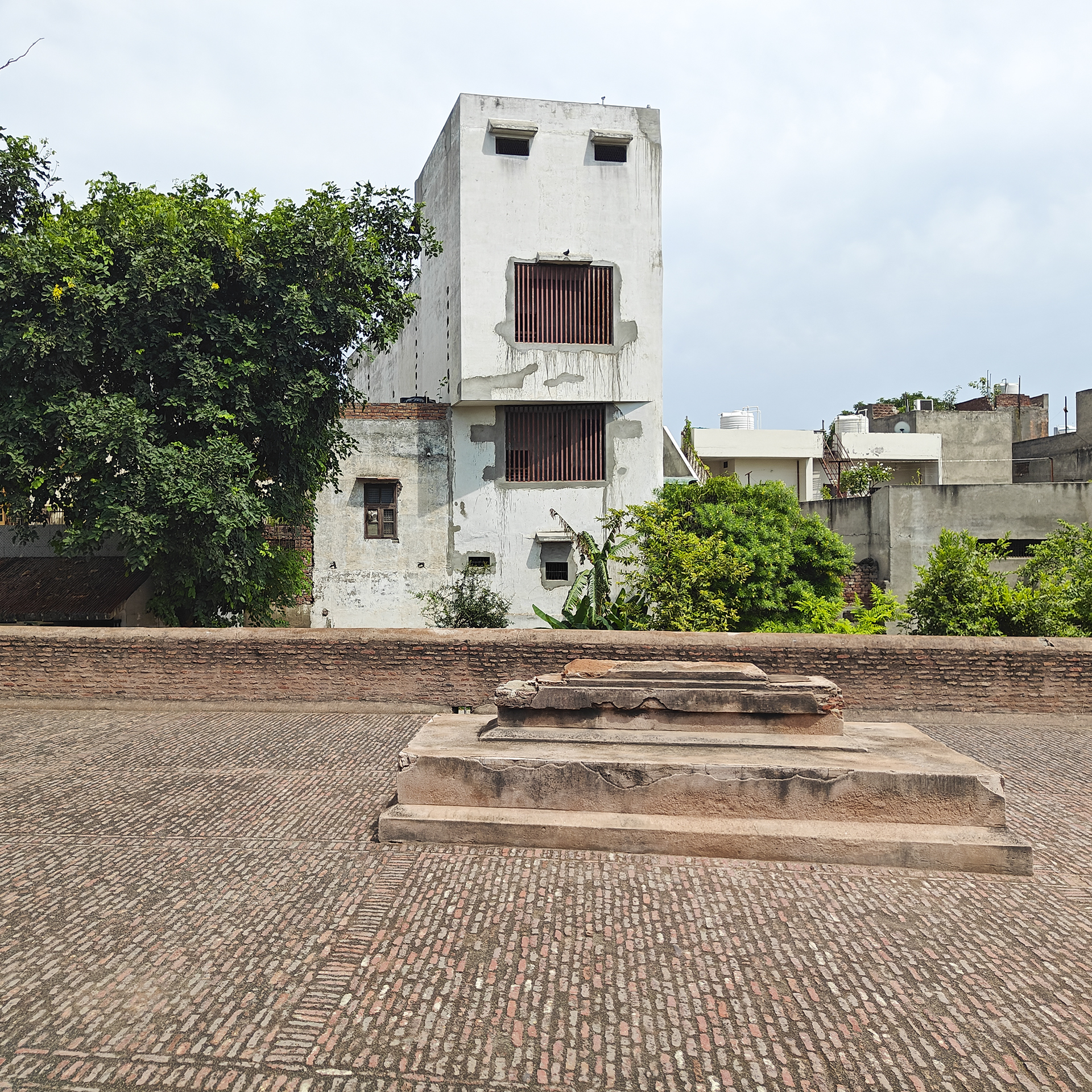
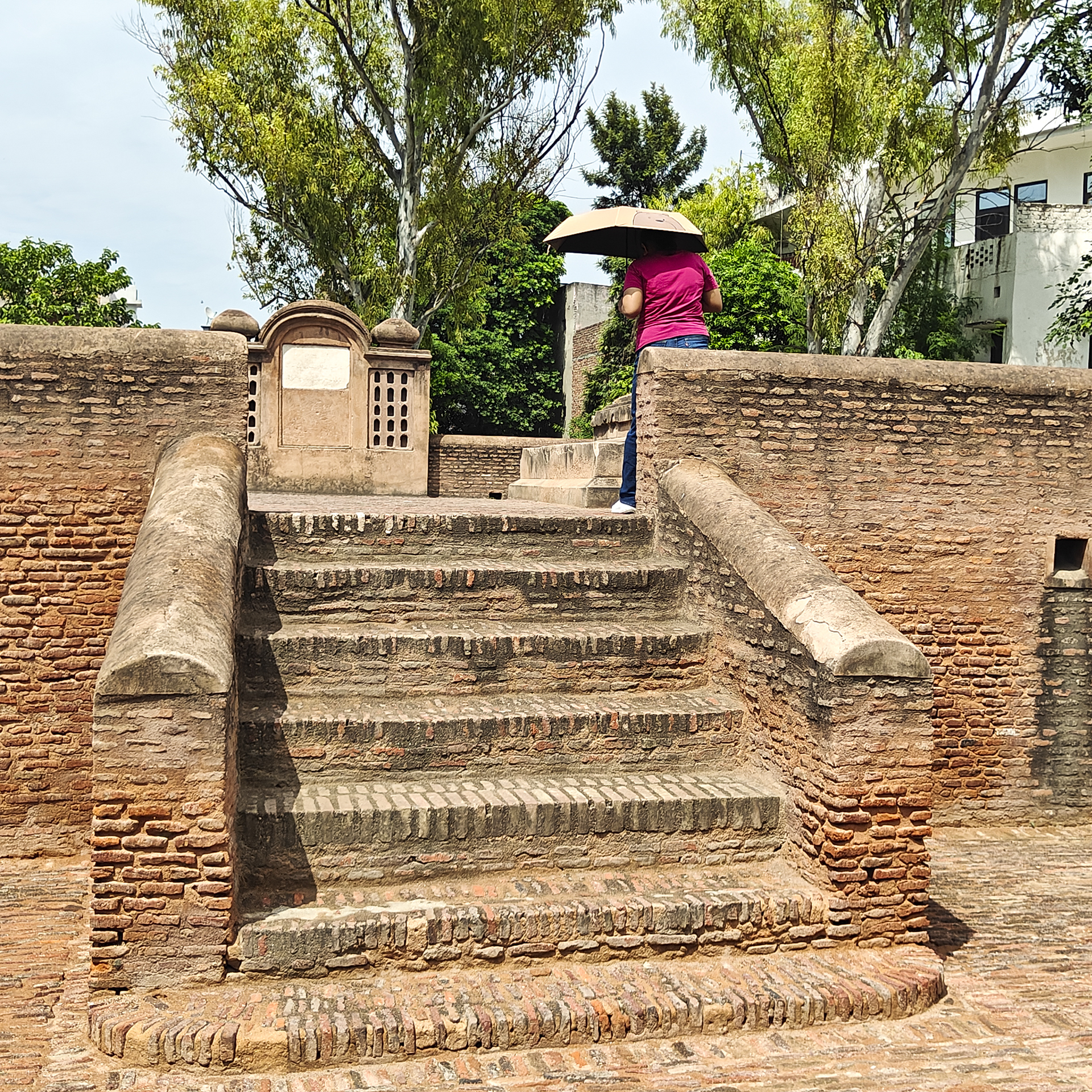
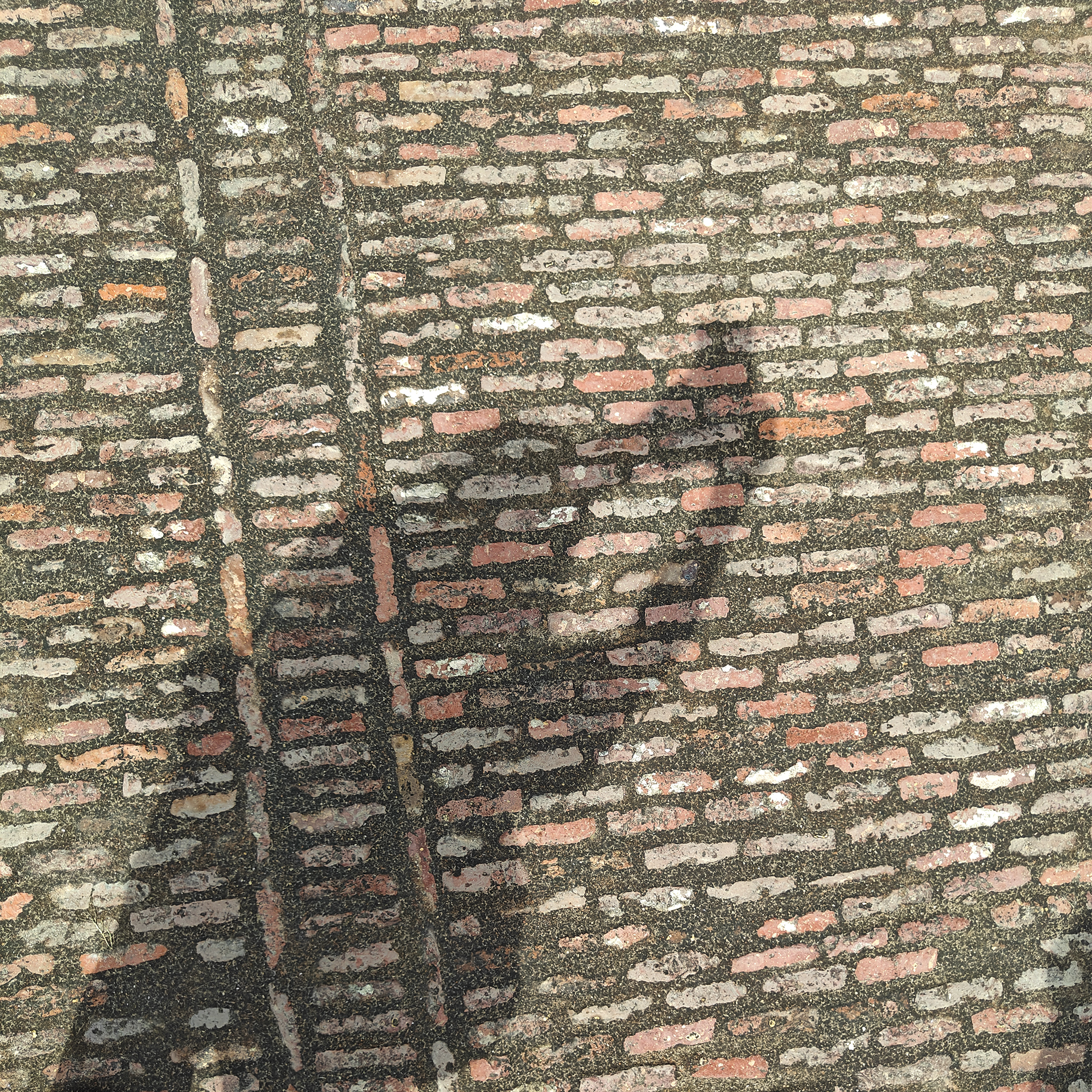
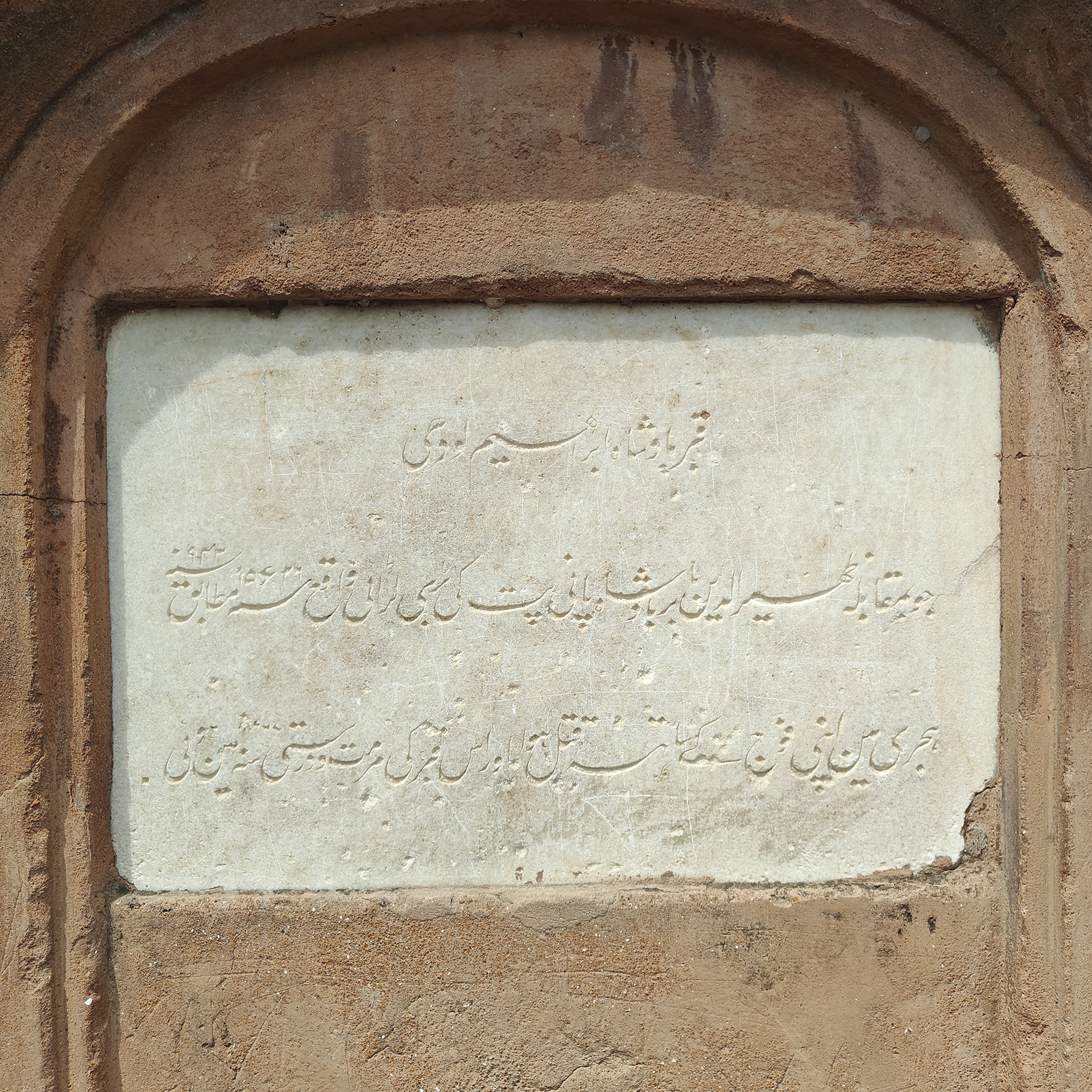
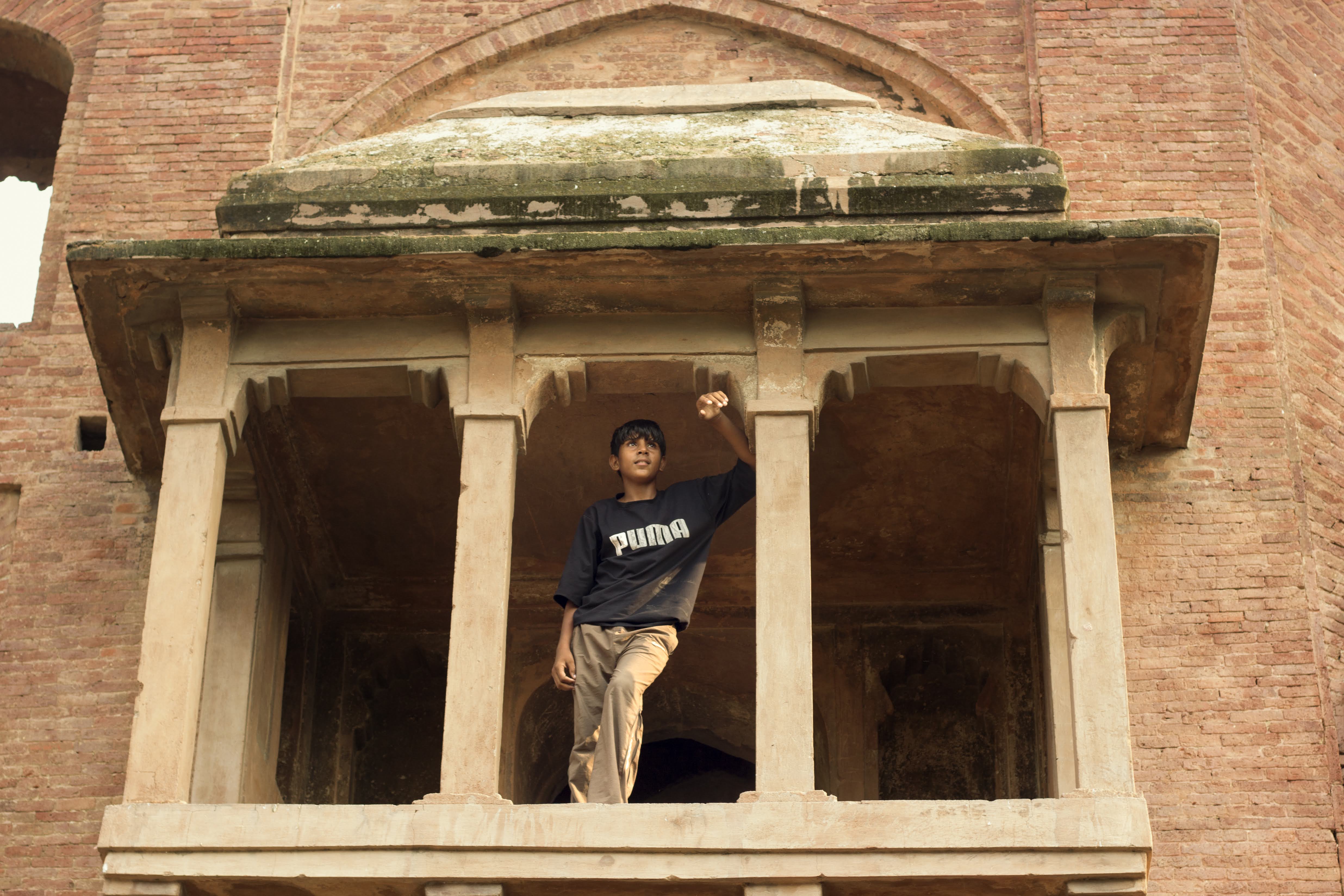
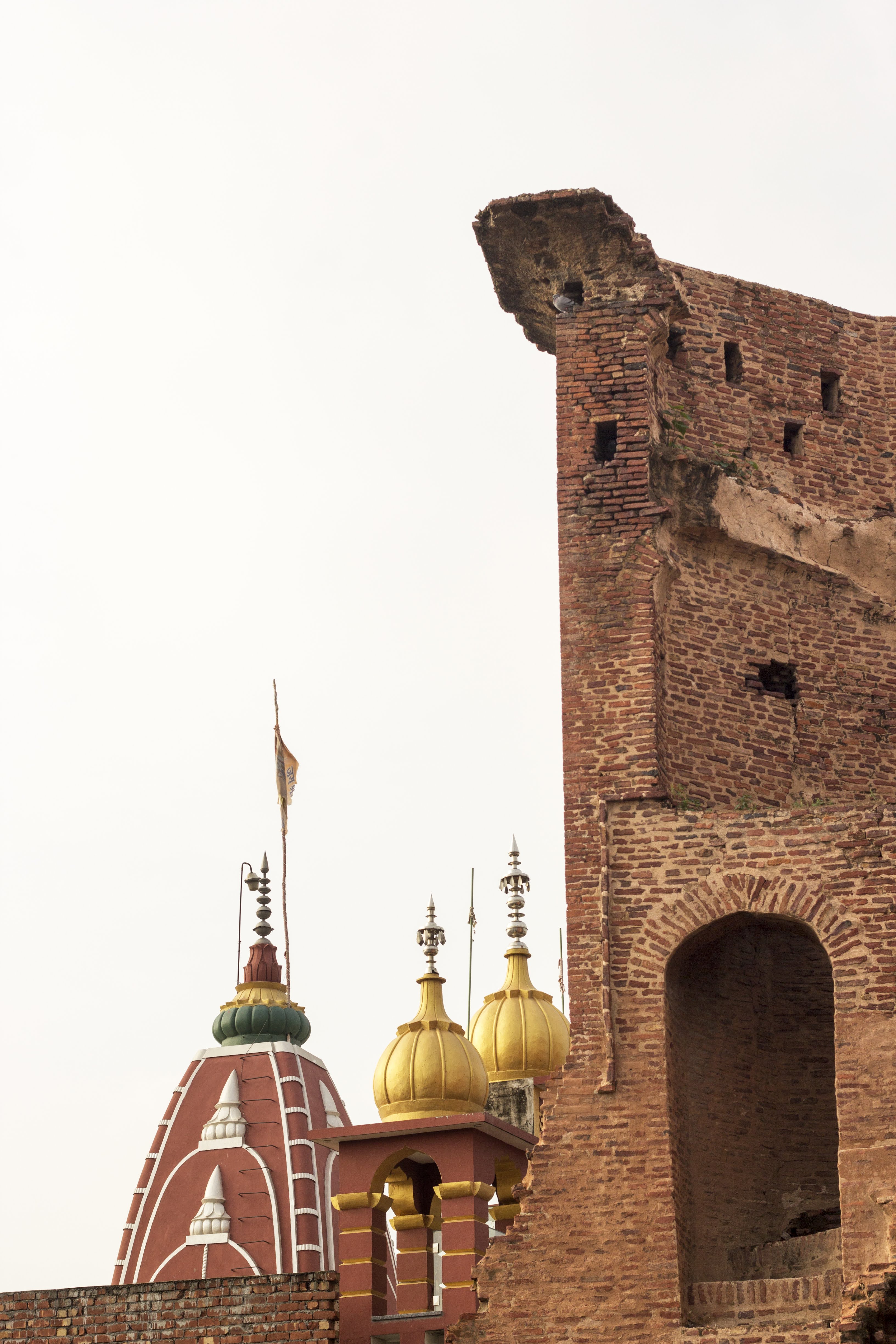
Ibrahim Lodi, the last ruler of his dynasty – a draconian king, rests here in the soil of Panipat. His open to sky tomb is on a double platform at a park in Tehsil Camp. The tomb, marked by a rectangular grave on a raised platform, was built using Lakhauri bricks. An inscription on a niche near the grave declares that it was repaired and restored by the British in 1867 AD.
There must be something special about the plains of Panipat that it saw three major battles – the First Battle of Panipat was fought on April 21, 1526, between last ruler of Delhi Sultanate Ibrahim Khan Lodi and the Mughal Zahir-ud-din Babur. Ibrahim Lodi, the was killed in this battle. Babur used his artillery to emerge as the victor.
The Second Battle of Panipat was fought on November 5, 1556, between Akbar (under Bairam Khan) and Hemu Vikramditya, the last Hindu emperor of Delhi during which an arrow struck Hemchander in the eye causing his army to retreat, following which Akbar won the battle.
The Third Battle of Panipat was fought on January 14, 1761, between the Marathas led by Sadashivrao Bhau and Ahmad Shah Abdali. The Marathas suffered a devastating defeat in this battle.
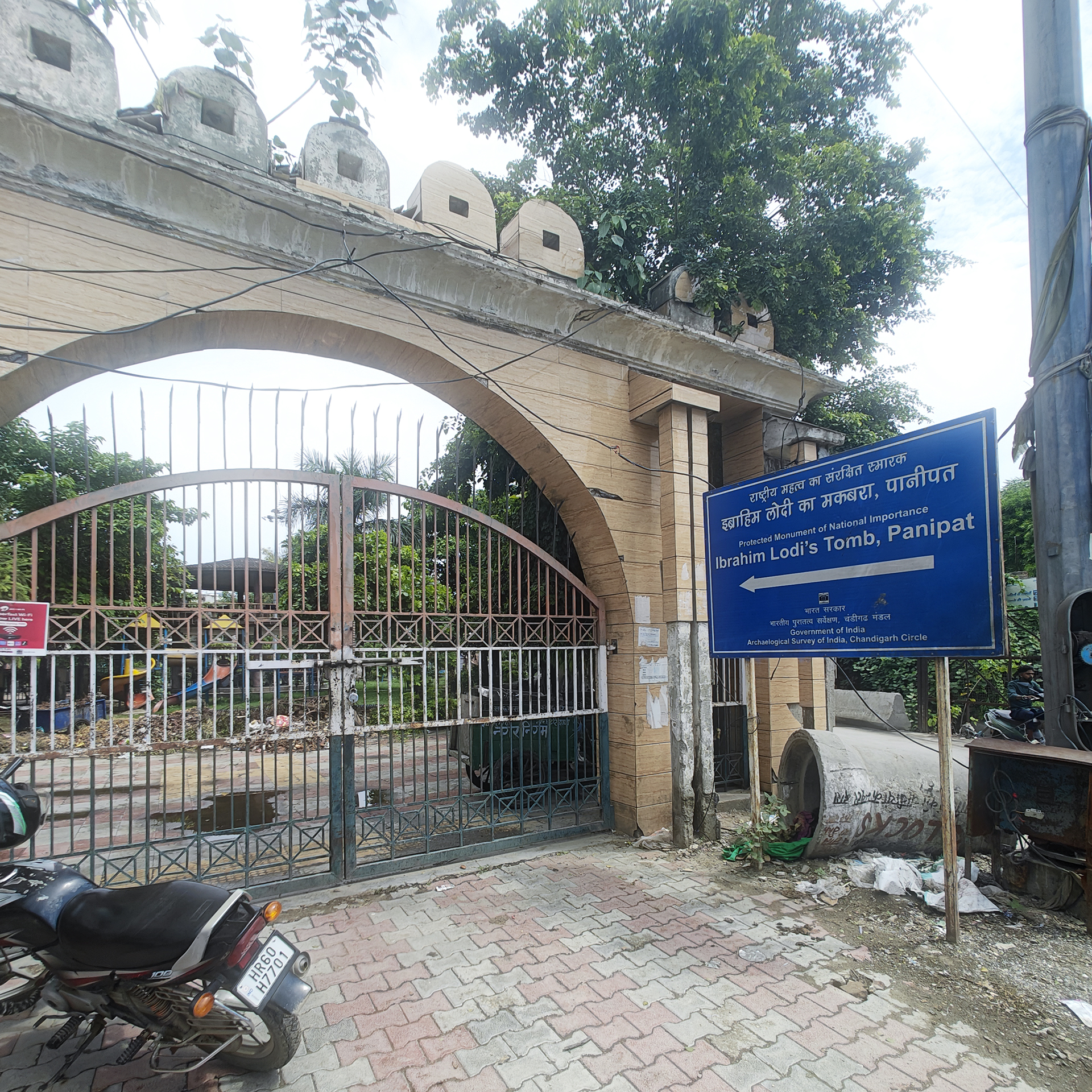
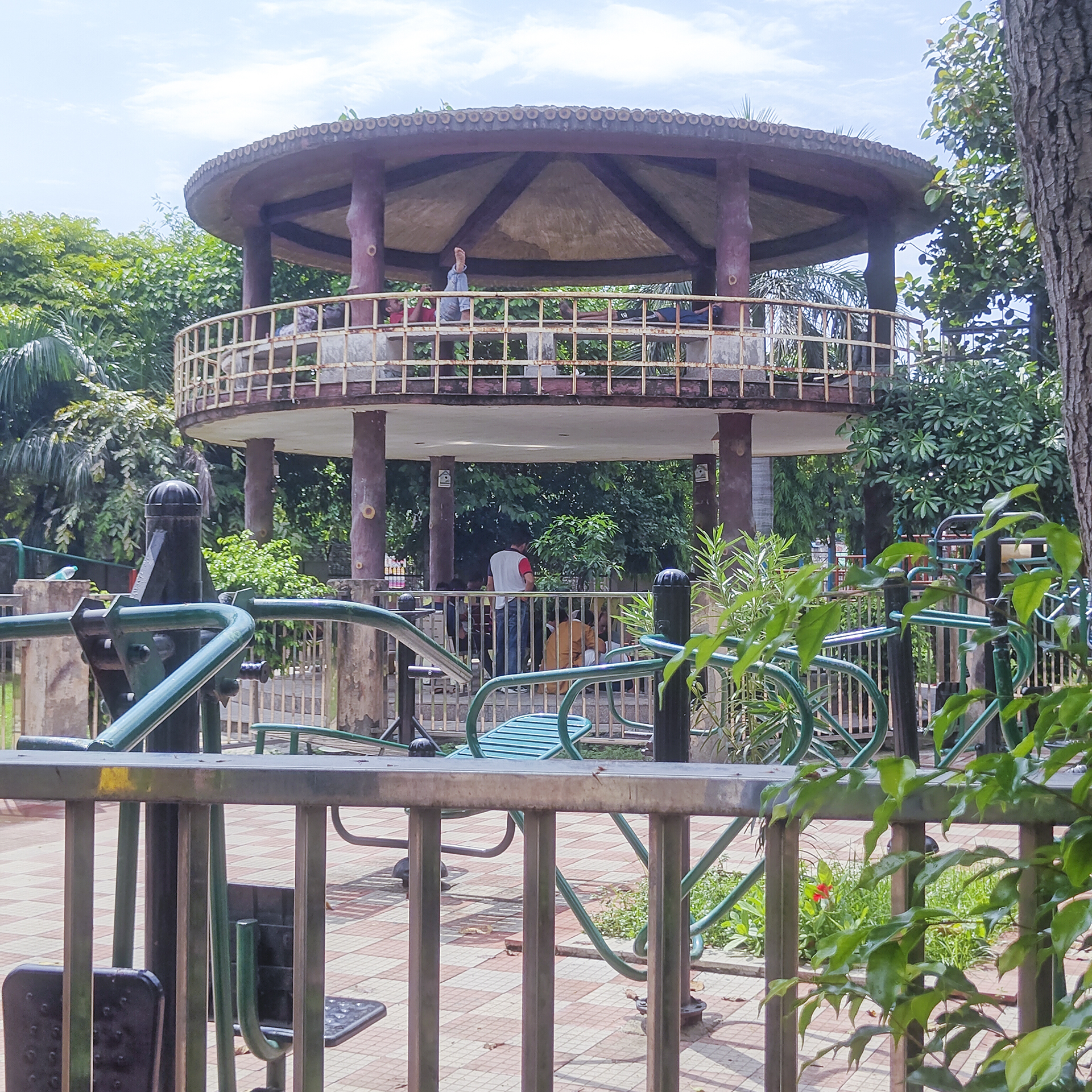
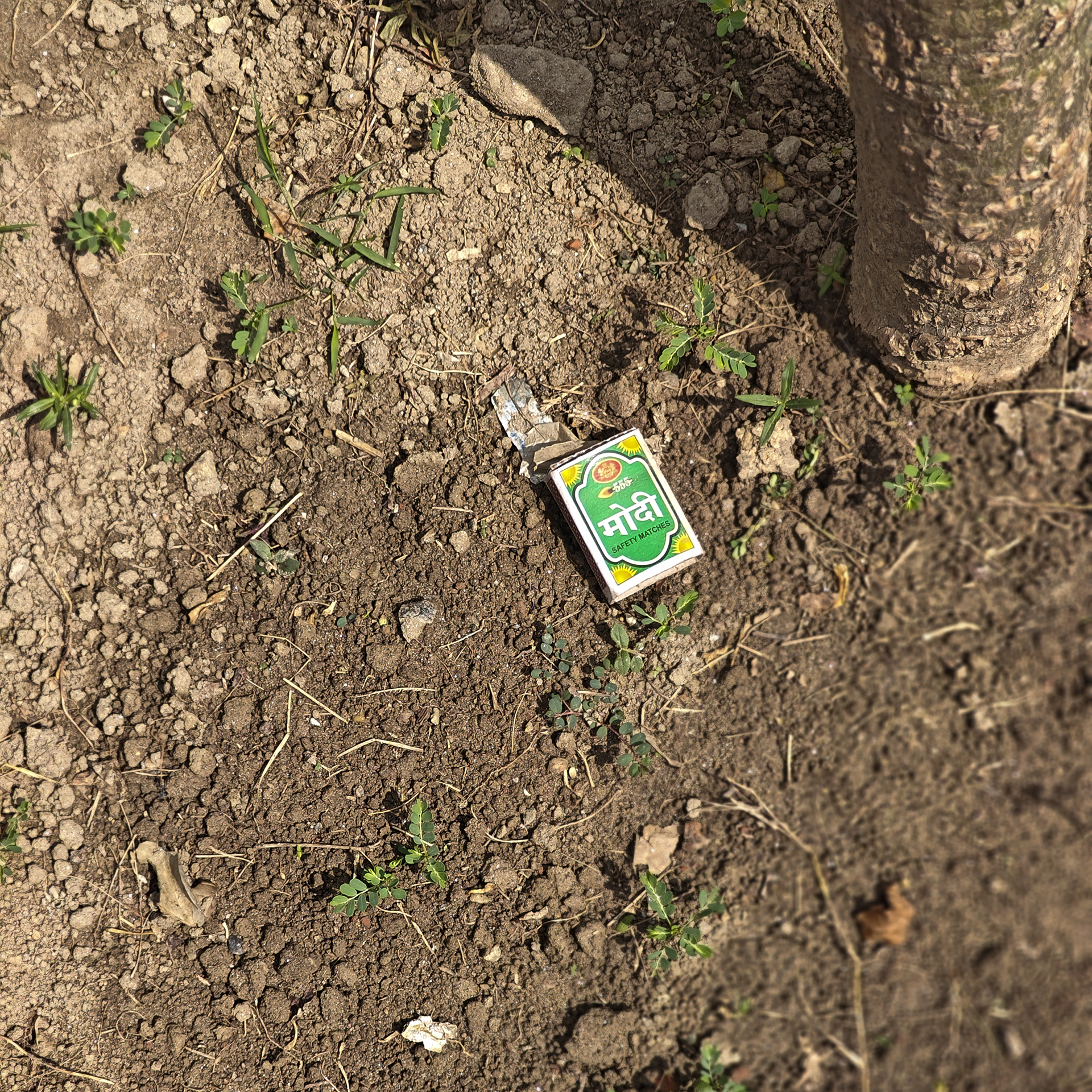
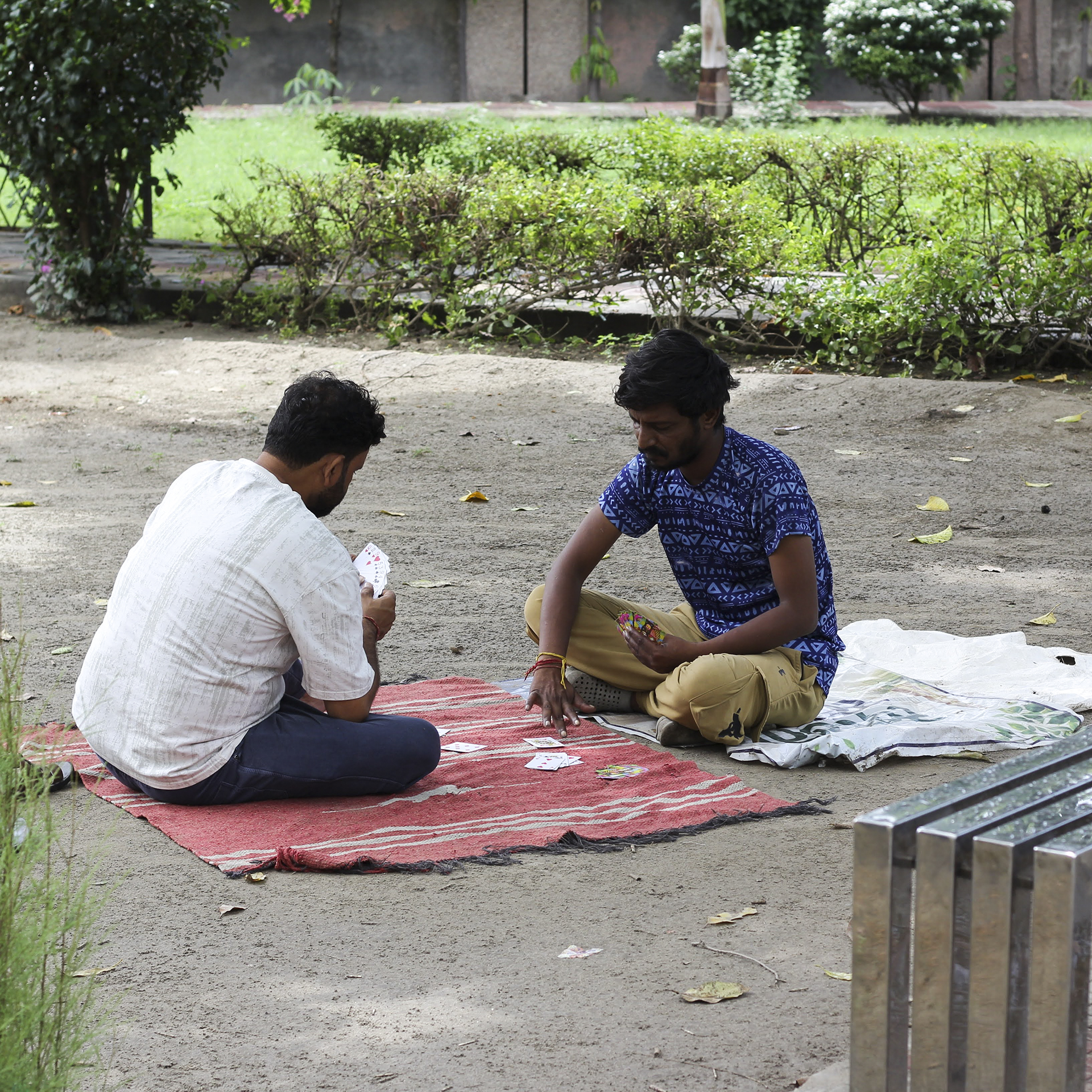
Though the sign outside the park says it is Protected Monument of National Importance, the fact remains that there was not one attendant in or around the Tomb. The main gate was locked and parked inside the gate was a garbage collecting cart beyond which was a big waste dump of leaves and other junk material. I wondered what is the purpose of the double level circular platform from which one couldn’t see more than 200 meters ahead. Groups of people were seen smoking and playing cards inside. Someone had left washed clothes to dry on the grass; food and leftovers were scattered in another corner while the entire grass patch was littered with cigarette butts, bidi stubs and empty matchboxes. A matchbox named after a leader lay there in dirt under an Ashoka plant.
From a distance it looked like any other children’s playground with plastic-ki slides and swings though partially broken and dirty. As usual it was ill-maintained, unkempt, with garbage and waste dumped around. But for the blue ASI sign you would miss the tomb easily. The main gate to the so called ‘monument’ is permanently locked which faces an open sewage drain that spreads the stink for meters ahead. In the narrow side lane cars and scooters are parked of the residential habitat touching it. The side gate to the tomb/park is designed for hurdle race practice that can only be cleared by athletic bodies – possibly keeping in mind the Lodis or the Mughals.



You must be logged in to post a comment.