High Nose Peak

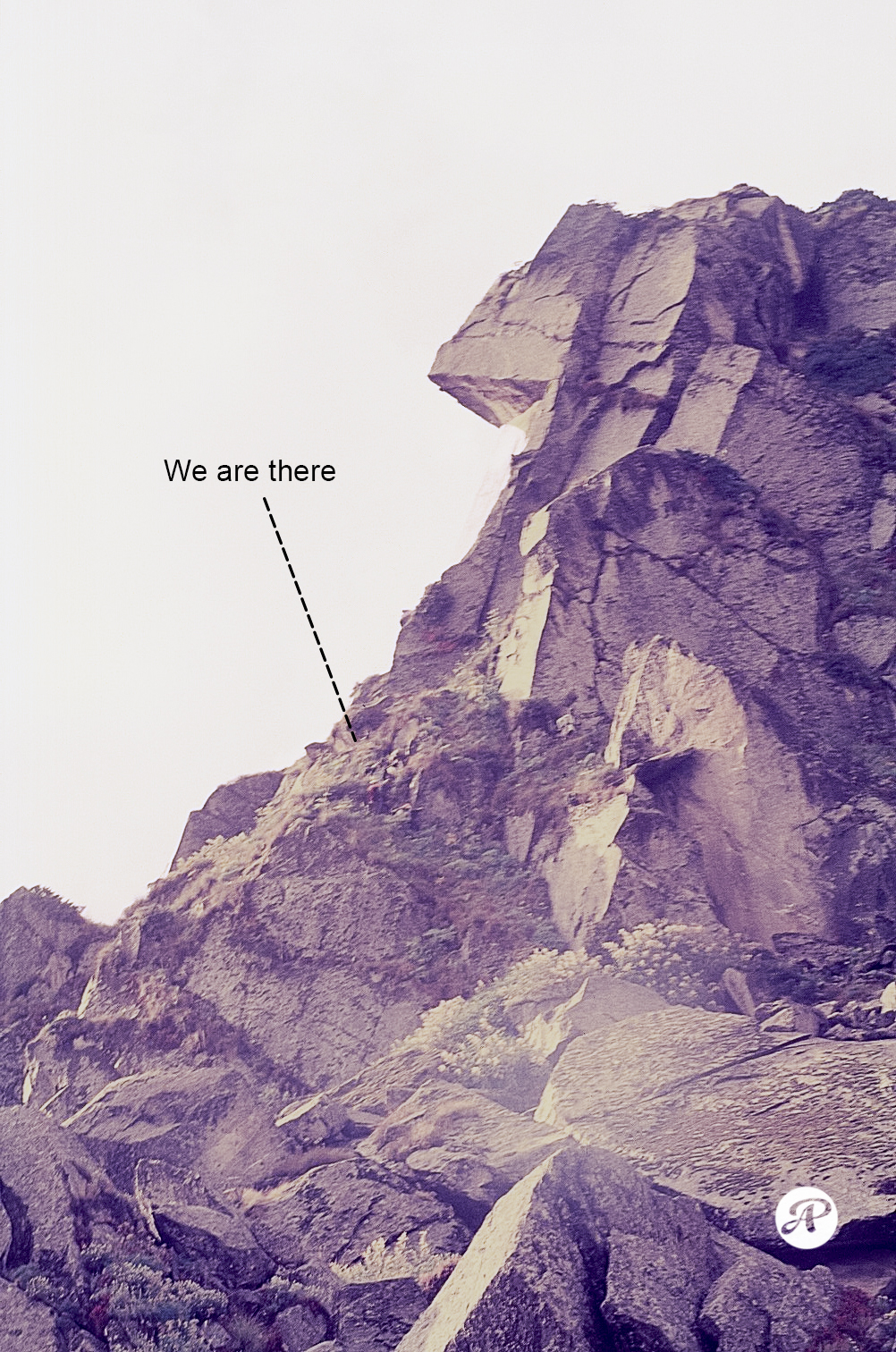
महीना सितंबर का था पर सुबह खासी ठंडी थी। कल्याणी कैम्प धार के ऊपर बनी एक कुटिया में था। कैम्प के बाहर जल रही गीली लकड़ियों का धुआँ पेड़ों की नीचे वाली शाखों पर अटक कर सो गया था। चाय बनने में वक़्त लग रहा था और सूरज देवता उस घाटी से नादारद थे। सामने खड़े भोज के घने जंगल में बहती हवा की आवाज़ आने वाले मौसम की चेतावनी दे रही थी, हल्की धुंध लगी थी हालांकि खतलिंग ग्लेशियर से आने वाली भीलांगना नदी उस सुबह शांत थी। जंगल के बीच से करीब दो मील की खड़ी चढ़ाई पार कर हमे सहस्त्र ताल के नीचे वाली धार तक किसी तरह शाम से पहले पहुंचना था। अगला पड़ाव तड़ी उड़ियार पर होना था जो कल्याणी से करीब 6 मील ऊपर 14000 फुट पर था। कल्याणी और तड़ी उड़ियार के बीच का हिस्सा टूटते पहाड़ और गिरती फिसलती चट्टानों का है ये हमे मालूम था पर ये इल्म नहीं था की ये जनाब (High Nose Peak) उस रोज़ हम सब से खफा थे और अपना इलका पार ना करने देने की ज़िद पर अड़े थे। पहाड़ तो नाराज़ हो सकते हैं पर इंसान नहीं। इन भयानक चट्टानों को पार करना एवरेस्ट वाले हिलरी स्टेप से भी ज्यादा जोखिम वाला काम था। करीब 200 मीटर के इस टुकड़े से पार उतरने में हमे तीन घंटे लगे। दो पोर्टर, मैं और मेरे दो साथी पहले उतर कर पीछे आने वालों को दूर से बता रहे थे कि उतरने का आसान, सीधा और कम खतरे वाला रास्ता कौन सा है। इन साहब की नाक तो देखो ? वाकिया 2003 ट्रेक का है ।  ( सहस्त्र ताल-खतलिंग- मसर ताल-केदार ताल-मयाली पास और ग्लेशियर-वासुकी ताल-केदारनाथ)

Negotiating this granite monster is as difficult, and as risky, as crossing the Hillary’s Step on Mt Everest. One wrong step and that’s it. Plus, this one thumbs its nose at you (look at the shape on top) and makes it mighty difficult to even get a foothold anywhere. Hillary’s Step is just about 40 feet – this obstacle drags on for over 70 feet en route to Sahastra Tal (15,500 ft), a high-altitude glacial lake near Khatling glacier. It took us nearly three hours to clear this. Do you see that ant-like group of humans? Those are my teammates struggling to find a way down while three of us came down another route. This 2003 picture is from a clearing below.
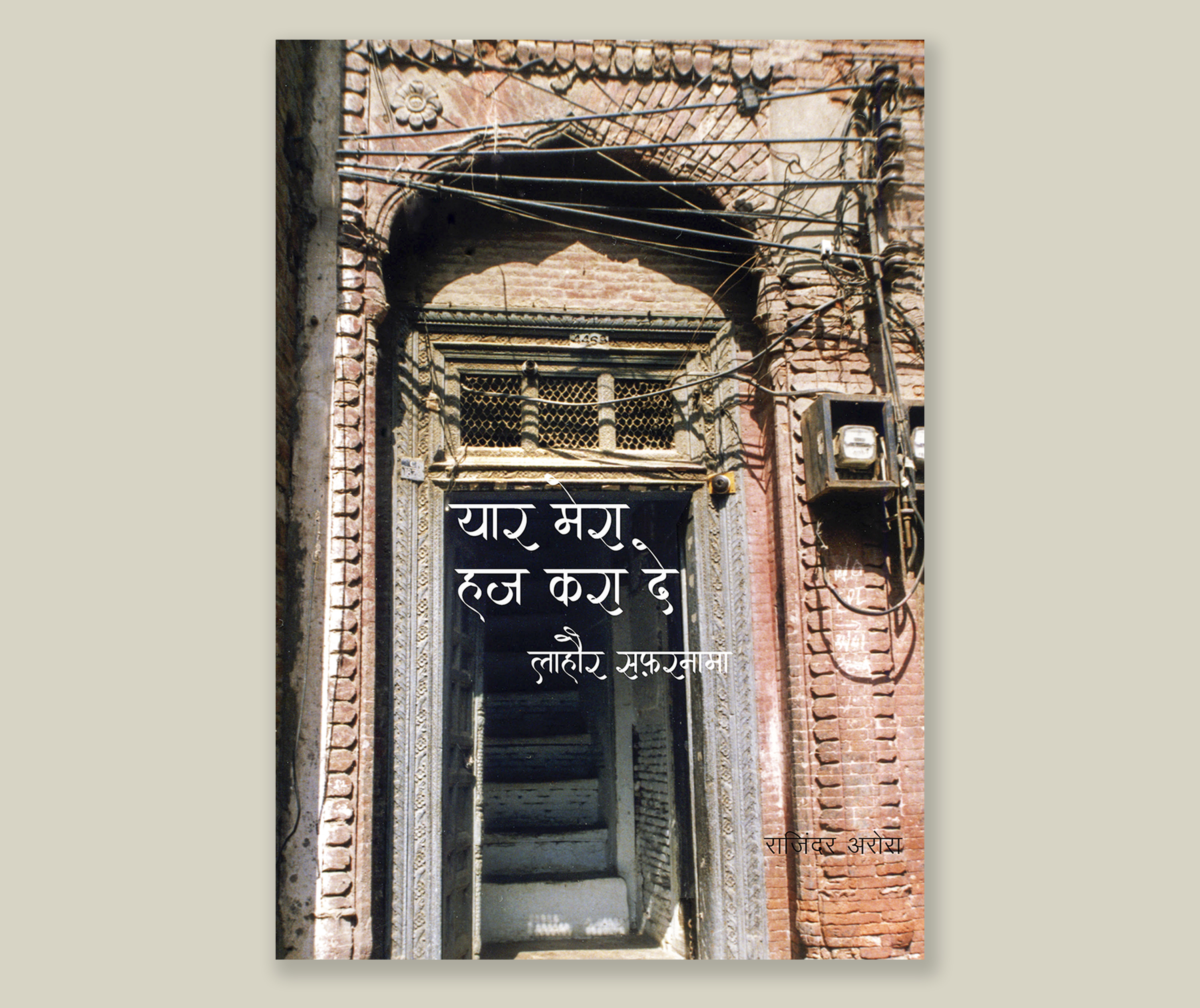
कभी न खत्म होने वाला सफ़र – ‘यार मेरा हज करा दे’

संजय कुंदन द्वारा पुस्तक समीक्षा

भारत-पाकिस्तान के रिश्तों पर राजनीति ने जितनी कहानियाँ लिखी हैं, उनसे कहीं अधिक कहानियाँ आम लोगों की स्मृतियों में सुरक्षित हैं। वे कहानियाँ बताती हैं कि सरहदें नक्शों पर खिंचती हैं, दिलों पर नहीं। राजिन्दर अरोरा की ‘यार मेरा हज करा दे’ ऐसी ही एक सच्ची कहानी है, जिसमें बहुचर्चित फिल्म ‘ मैं वापस आऊंगा’ के बुजुर्ग की तरह एक बूढ़े पिता की लाहौर लौटने की इच्छा, विभाजन की त्रासदी, साझा संस्कृति और मनुष्यता के गहरे रिश्तों का मार्मिक आख्यान बन जाती है। भले हीं यहां लौटने की इच्छा का सबब फिल्म की तरह प्रेम और उसकी स्मृतियां न हो। अपने बचपन के शहर की ओर लौटना ऐसी ही एक यात्रा है, जिसमें रास्ते से ज़्यादा स्मृतियाँ साथ चलती हैं। यह किताब स्मृति, विस्थापन और मनुष्यता की उस साझा विरासत की खोज है, जिसे कोई सरहद बाँट नहीं सकता।

Ma and my school

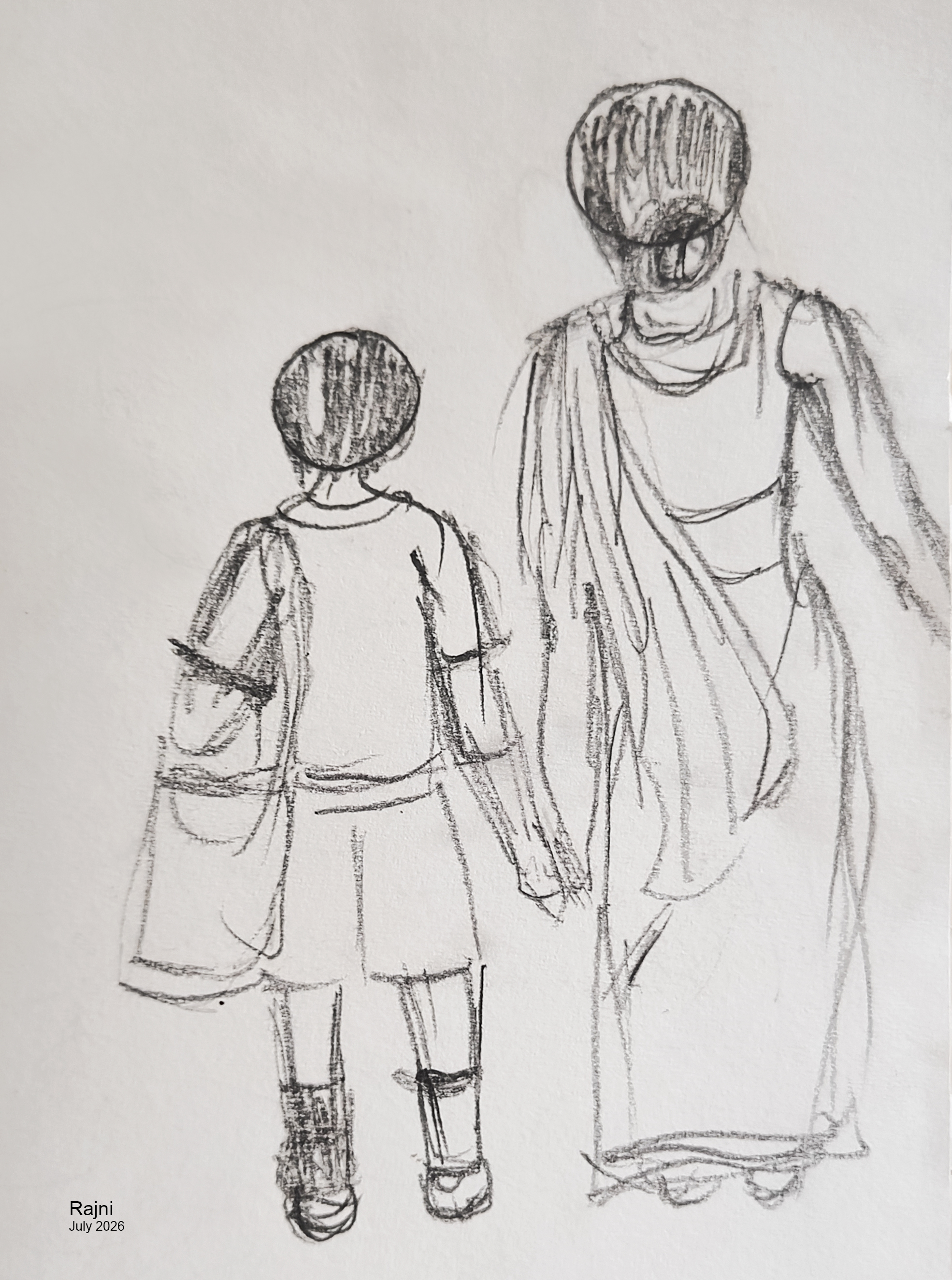
Ma escorted me to school ‘only’ on days when one of my shenanigans crossed the limits of discipline and I had to be reprimanded by everyone, including her. Recalling conversations with Ma, Rajni made this poignant pencil drawing of the most gentle human connection: a bond of trust and protection that she conveyed every time she held my hand irrespective of my mischiefs. Who will accompany me to school now that Ma has been gone?

Ma escorting me to school
Ma escorting me to school, as visualised by Rajni

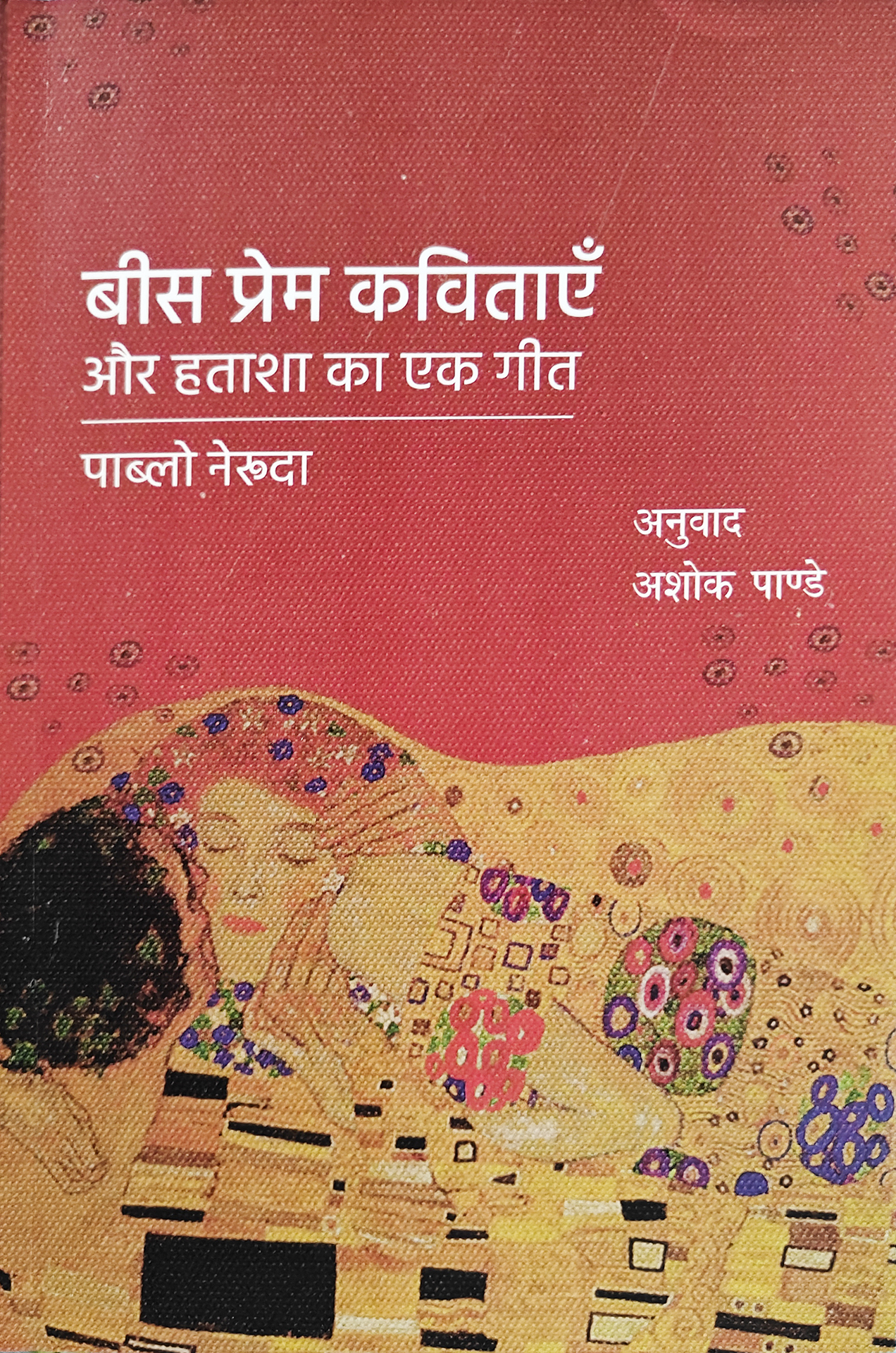
On Ashok Pande’s बीस प्रेम कवितायेँ

Sometime in 1972 (a year after the Nobel Prize for Literature was awarded to Pablo Neruda), an Indian artist named Vivan Sundaram met him in Chile. Although Neruda was expected to visit Mexico (where Vivan was) around that time, for some reason  he couldn’t. A committed Communist, Vivan returned to India the next year and created a series of pen-and-ink drawings of Neruda’s poem The Heights of Machu Picchu. These artworks were exhibited in the Faculty of Arts at Delhi Unviersity. I learnt about the exhibition much later, around ’77 or ’78, when I was studying Neruda at DU. As life or luck would have it, Safdar Hashmi brought Vivan Sundaram face-to-face with me. Sometime in the year 2000 Sahmat digitally reproduced those artworks together with lines from the poem. I was lucky Vivan asked me to design the posters, but that is not the reason I am writing to you, nor am I attempting to show off.

Reading your amazing Hindi translations of Neruda’s love poems my mind kept returning to that major poem, The Heights of Machu Picchu, which, while being political, social, and revolutionary in nature also contains powerful elements of love. I wonder why you didn’t include that poem in your anthology? How else would one define the lines… “the lightning unleashed by a kiss” and “my nuptial homeland” from the poem as anything other than love and to an extent even erotic? Thanks none the less for this wonderful wonderful work “of art”. My favourite of your translation is लिख सकता हूँ आज की रात (Tonight I can write) – मैं उसे और प्यार नहीं करता, ये तय है, पर कितना प्यार उसे मैंने किया – I no longer love her, that’s certain, but how I loved her. Feeling sad why didn’t i order this book before.

oplus_1048608

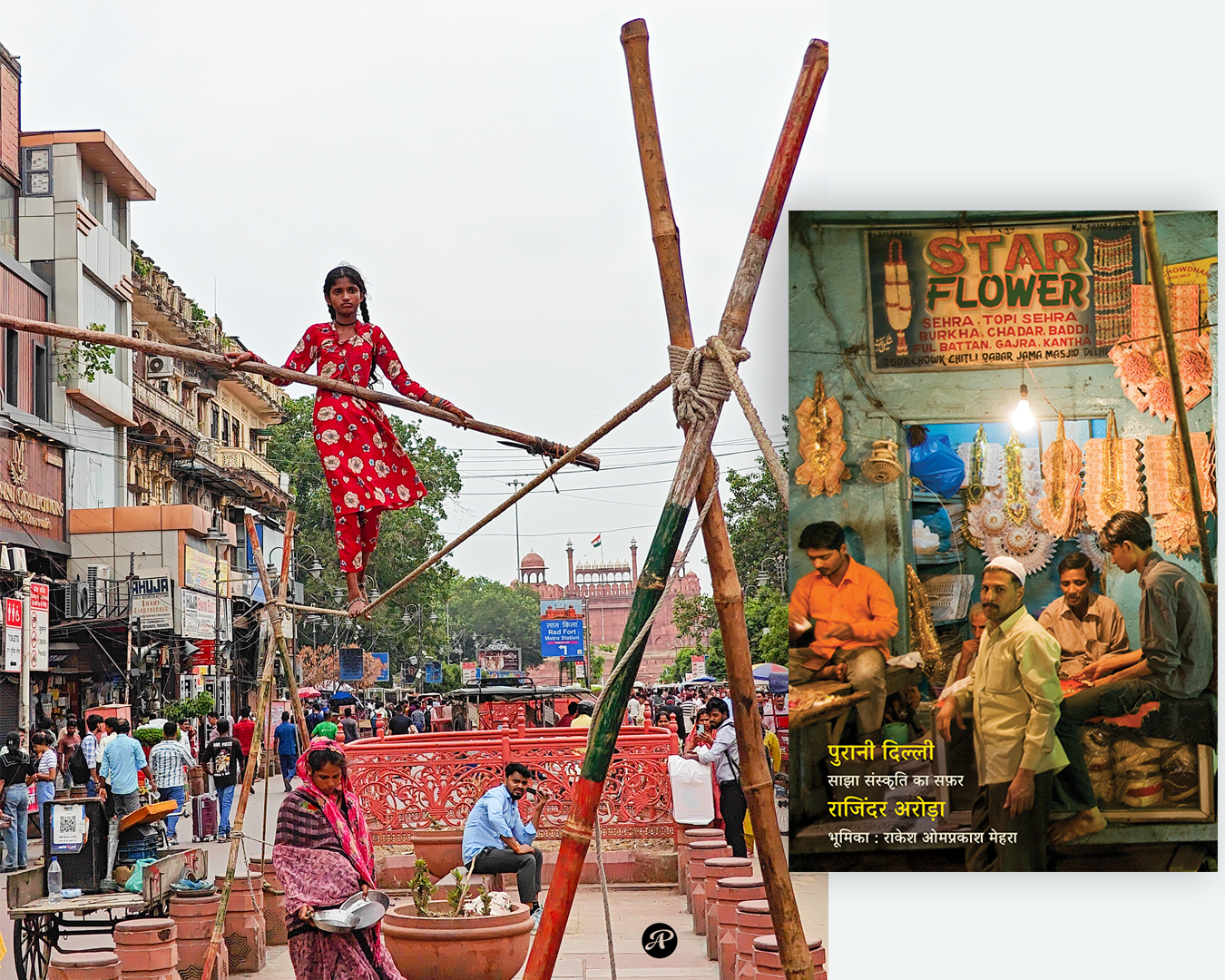
Tightrope walker girl

​Most of us walk a metaphorical tightrope in life, but this brave teenager, from the Nat tribe literally walks one high above Chandni Chowk risking her life to feed her family of six and support an alcoholic father.  Below her, her mother operates a music system from a parked rickshaw with her head hung low, desperately holding out plates and even pushing a digital QR code toward smartphone users, yet hardly anyone stops to fling a few coins for her daughters’ daredevilry. “My daughter has fallen a couple of times and even broken a bone, but what to do,” the mother tells me. She is unhappy exposing her daughter and herself to ogling eyes. “My tribe has been doing this for ages. We eat here, rest and work her for over 10 hours with no access to a ladies’ toilet. At night we go to our shack near the railway station.” From the jhalliwallas to palledars, daily-wage laborers, helpers, runners, guards, acrobats and dozens of other menial workers throng this busy street, which has been bustling with activity for nearly 400 years now.  <In Chandni Chowk, a week before> ‘पुरानी दिल्ली: साझा संस्कृति का सफ़र’ from @Leftword.com