Suratgarh sojourn

Sisters share more than just the mother – they share memories, morsels and mirth. As sisters age together they share bodily pains and aches, develop identical creases on their faces and near-similar throbbing blue veins under wrinkled skins in which the biological code of generations is embedded. Well past their nineties, sisters start looking like identical twins with similar, puzzling faces. Their toothless smiles and groggy grunts sound so much alike that their own children can confuse one for the other. When they huddle together with faces covered, their own sons falter in picking the Mother from the Massi. 

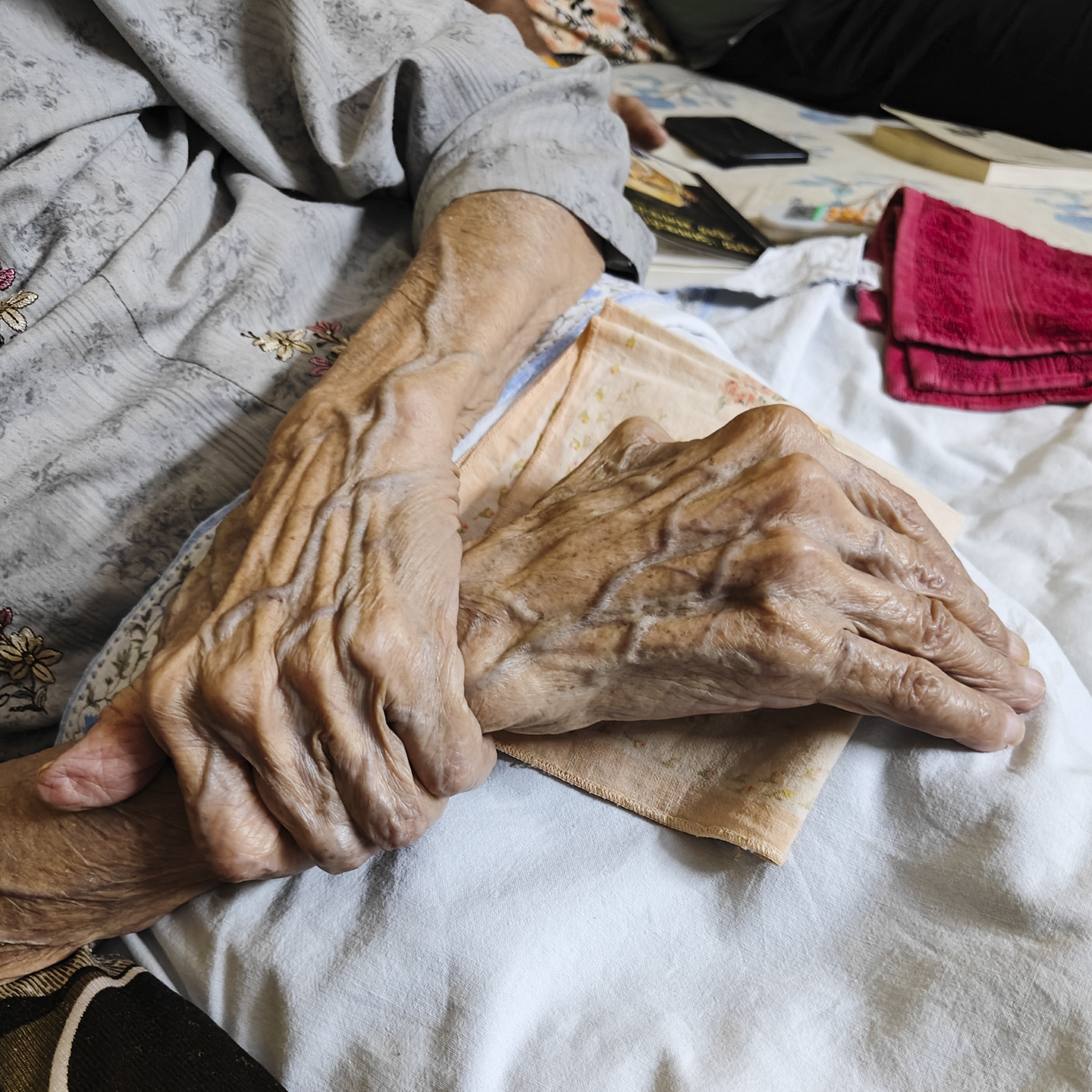
Only when I looked closely did I find that my massi had slightly broader nails on her long dainty fingers. Ma’s fingernails were naturally manicured into perfect rounded shapes, she rarely filed them, rounded the tips or even applied nail enamel. Earlier in life Ma would chew nails when anxious.

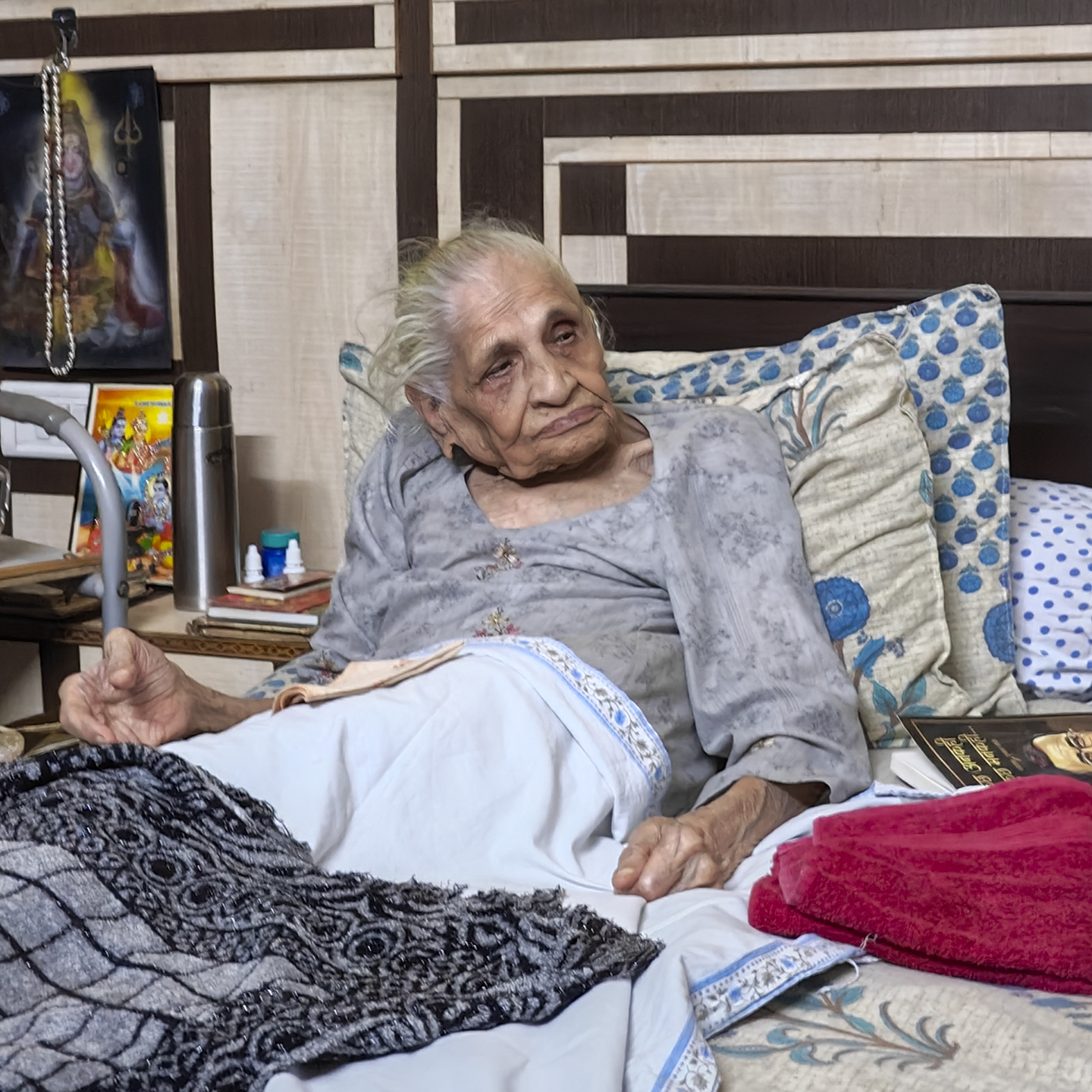
Having lost my mother six weeks ago, I am here in Suratgarh to see my Massi who is Ma’s immediate older sibling. Having been privy to their phone calls, thrice a day for ​o​ver two ​d​ecades, I can vouch that the attachment between two sisters who lived past ninety is a rare, beautiful masterpiece shaped by nearly a century of shared existence. Their connection transcends words, relying on a silent, comforting telepathy built over nine decades. They are living mirrors for one another, anchoring each other to reality and providing a unique comfort that nobody else can duplicate. Massi threw up her hands and cried for an hour upon seeing me. It was very difficult to control her and I wanted her to pour out the grief.

Ma and Massi shared a private universe of memories (from Jhang, Lahore​,​ Rohtak​ and Patna), remembering the same childhood home, their parents, and the trials of the Partition era that we have only read about in history books. For years their bond provided an unmatched sense of emotional security, offering each other a safe harbour where they could be themselves: ‘Sisters Without Pretense’.

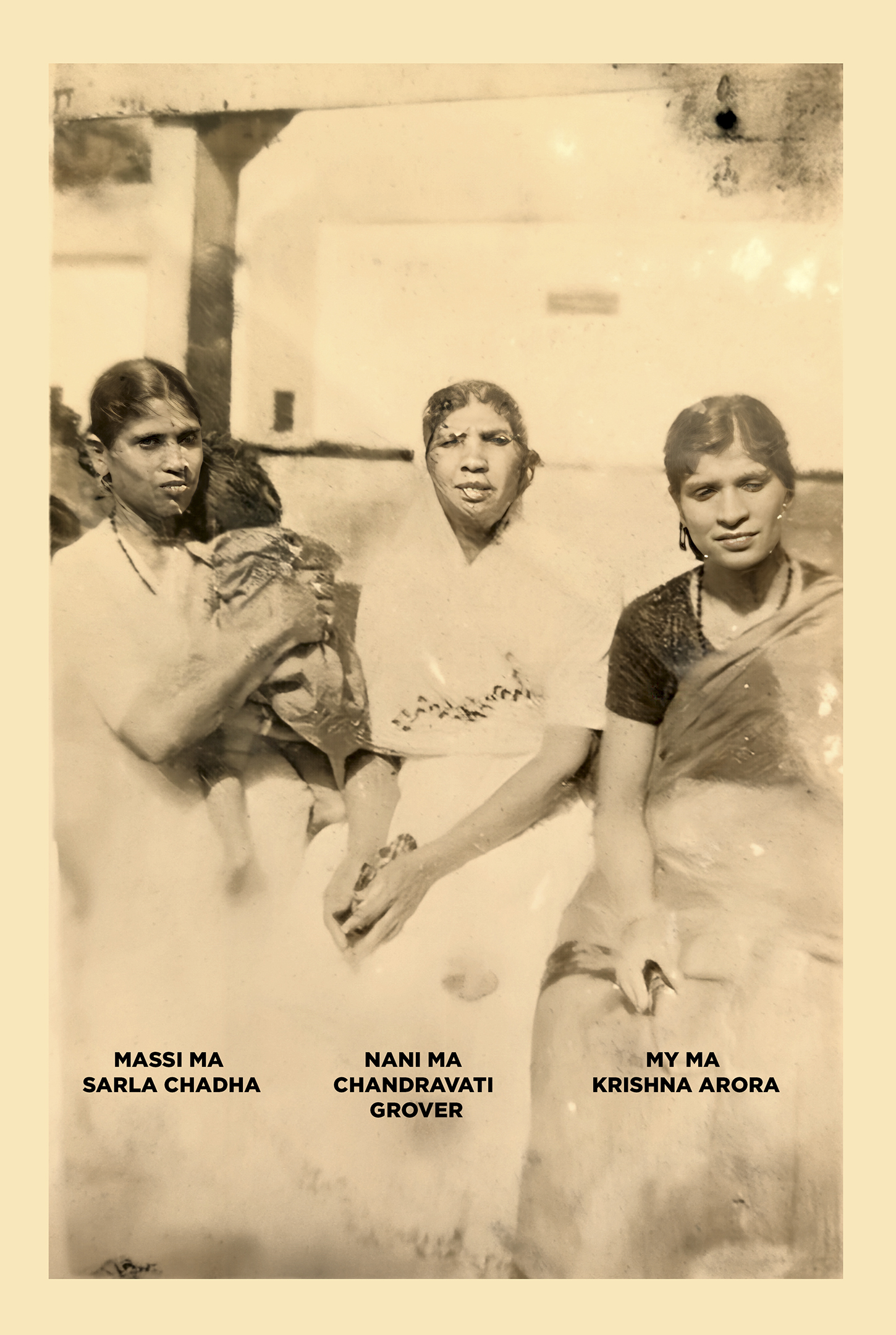
Meeting Sarla Massi was something I owed my mother and myself—a plan that couldn’t materialize because of Ma’s detriorating health. Meeting her favourite nephew​ (me), massi is at peace and I too feel at peace when I stand in front of Ma’s photo. ‘Ma, we met her, Sarla auntie is fine.’ In this poignant picture from the 50s, the sisters share a special moment with their Mom, my Nani, Chandravati. And the other picture is of Sarla auntie​ and her hands from a few days ago. This is the last piece of our Suratgarh sojourn.​

All India Radio Suratgarh

– ये आकाशवाणी है –  

“All India Radio Suratgarh welcomes you to the Cotton City Channel on 918 kilohertz. You can listen to our programmes on Medium Wave and AM frequencies.” 

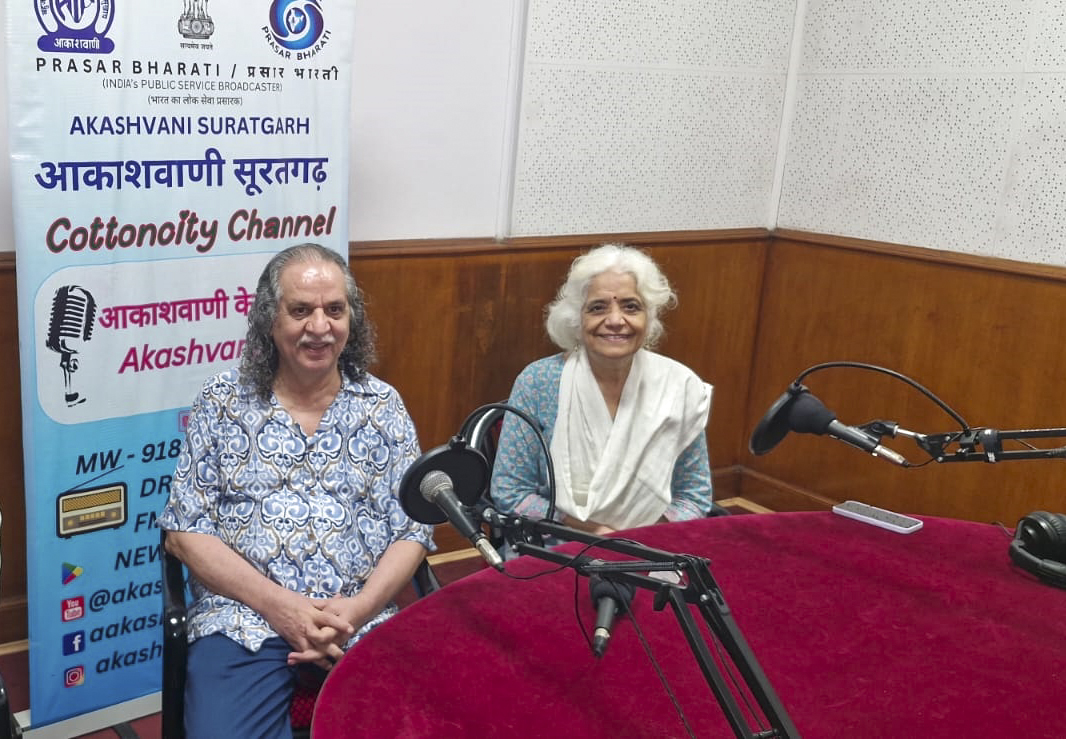
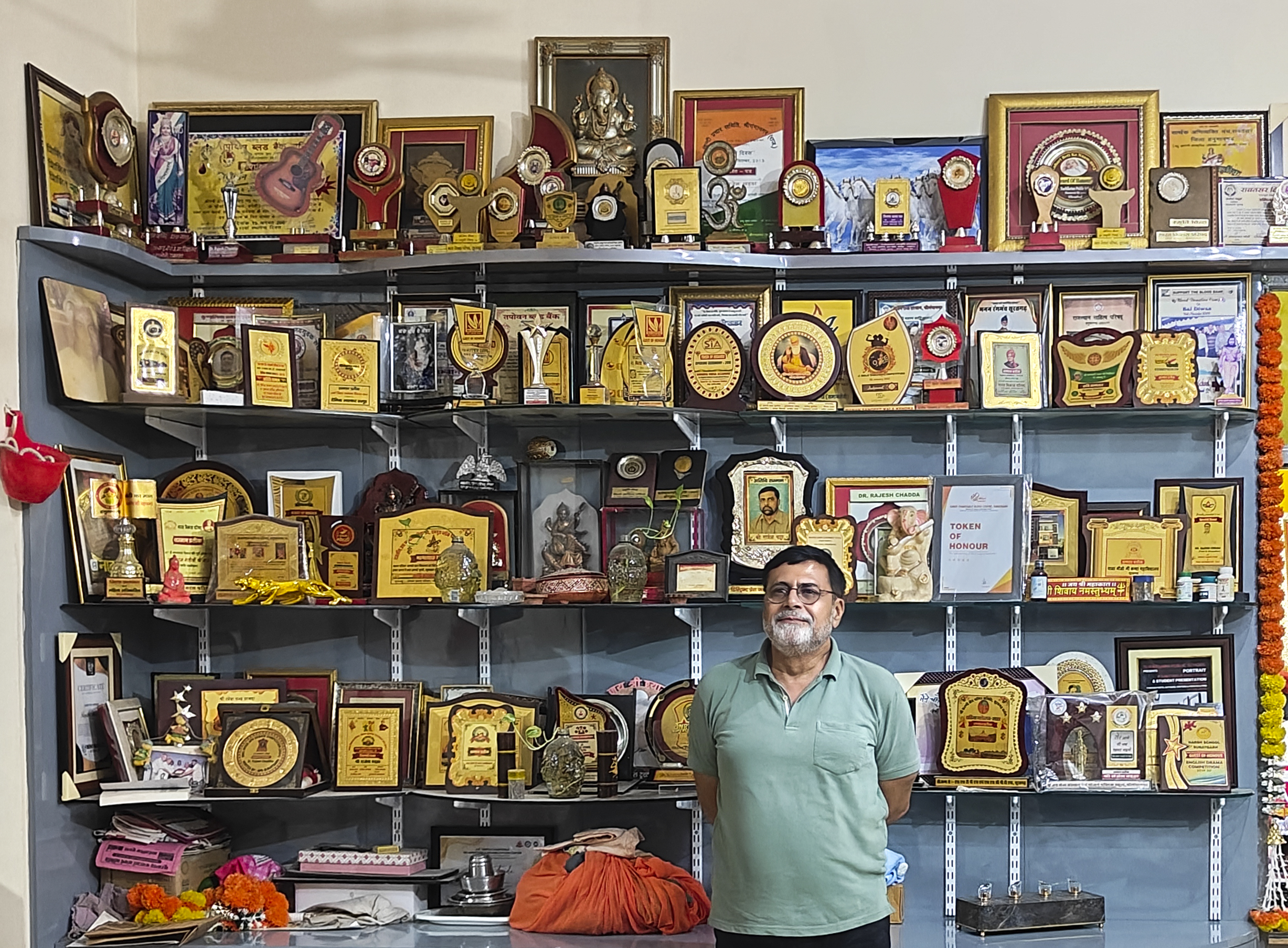
It had been ages since I entered an AIR studio. The last time, I recorded a Radio Play and this time, I recorded Memories, trust me it was fun. The visit was courtesy of brother Raajesh Chadha who served as the Programme Director here for nearly 36 years.  During his illustrious career Raajesh’s baritone was much in demand as evidenced by over 500 trophies displayed at his home (picture). 

What I thought was a small station, with just about three studios, turned out to be broadcasting on a massive 300 kW transmitter which reaches far beyond India’s borders (AIR Delhi uses only 200 kW). It is one of the most clearly heard Indian radio stations in Central Europe during the winter months. The station relays news, film songs, phone-in programs, world round-up, and Rajasthani folk belted out under the tag line “One voice. A billion hearts.” Programmes for local farmers include weather updates, crop prices, and expert advice on modern farming techniques. 

Known as “Cotton City” and “Bowl of grain” of Rajasthan, Suratgarh is 77 km south of its district headquarters Sri Ganganagar city. Maharaja Surat Singh founded the city. Hindi, Bagri, Rajasthani and Punjabi are the widely spoken languages of the city. Well connected with decent highways and a railway station Suratgarh still awaits air connectivity. Other than the desert heat and the sandy dust I am certain the city would be a pleasant place in winters. Thanks bhai for our picture in the studio. <Suratgarh sojourn> 

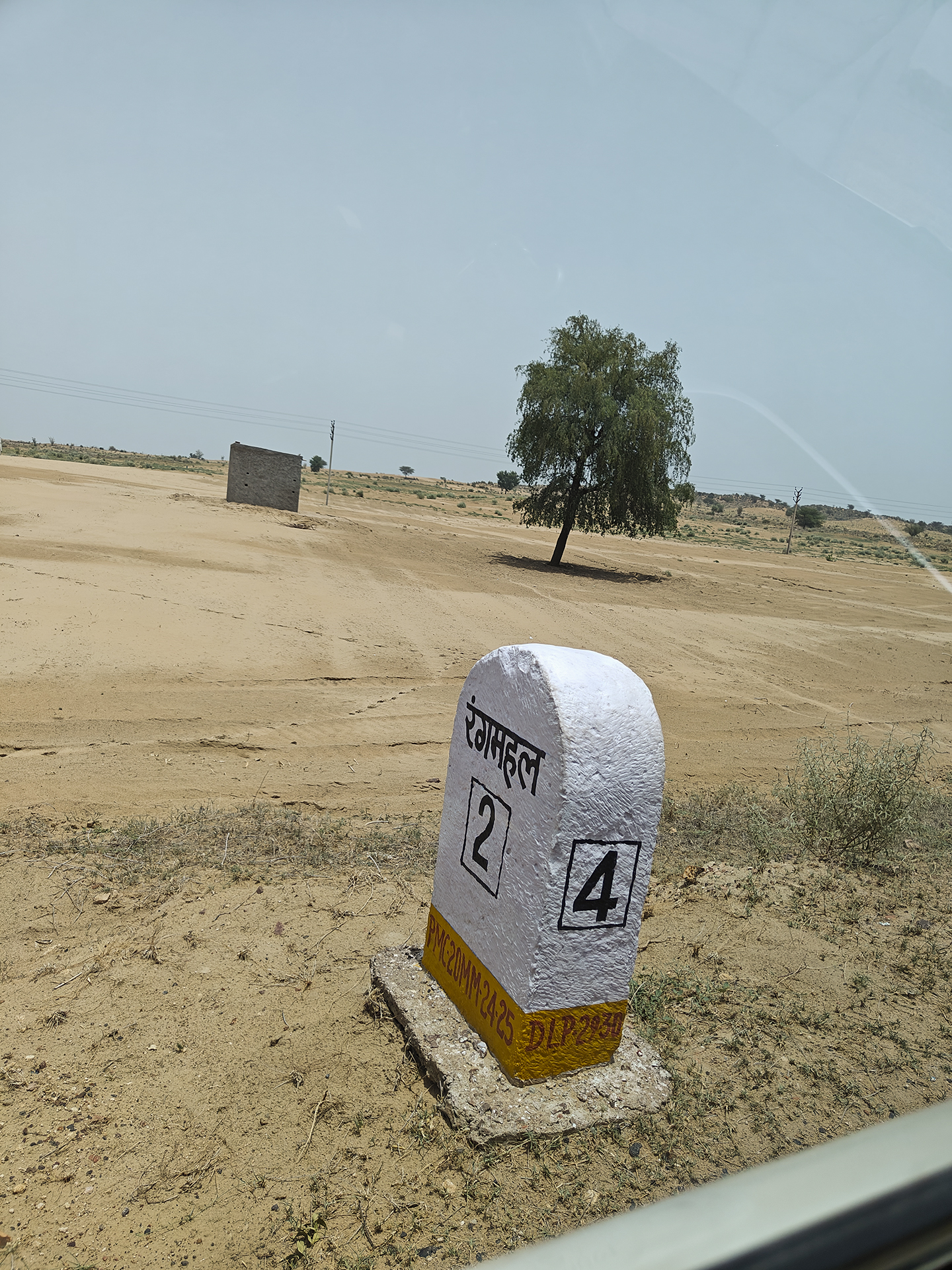
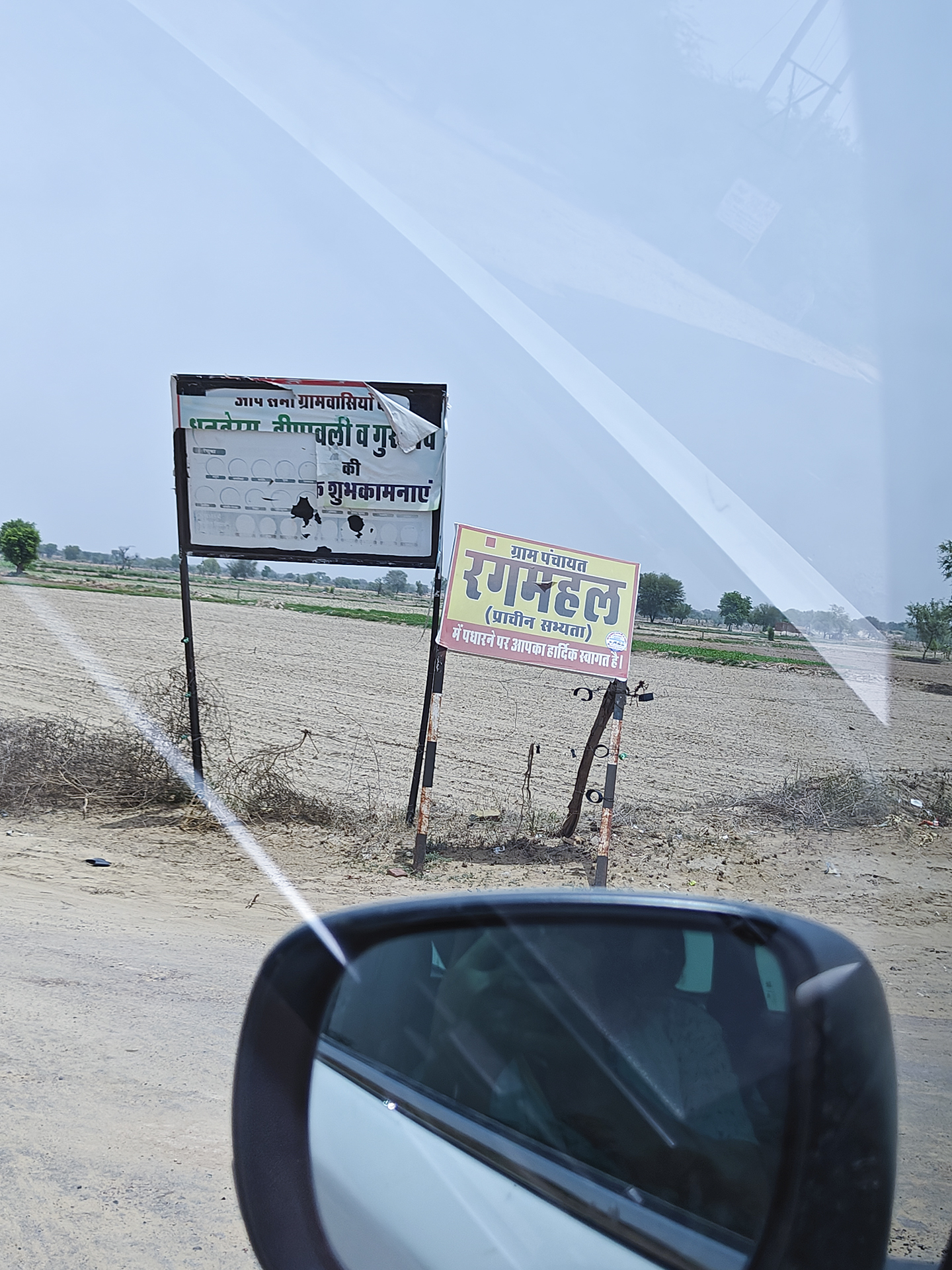
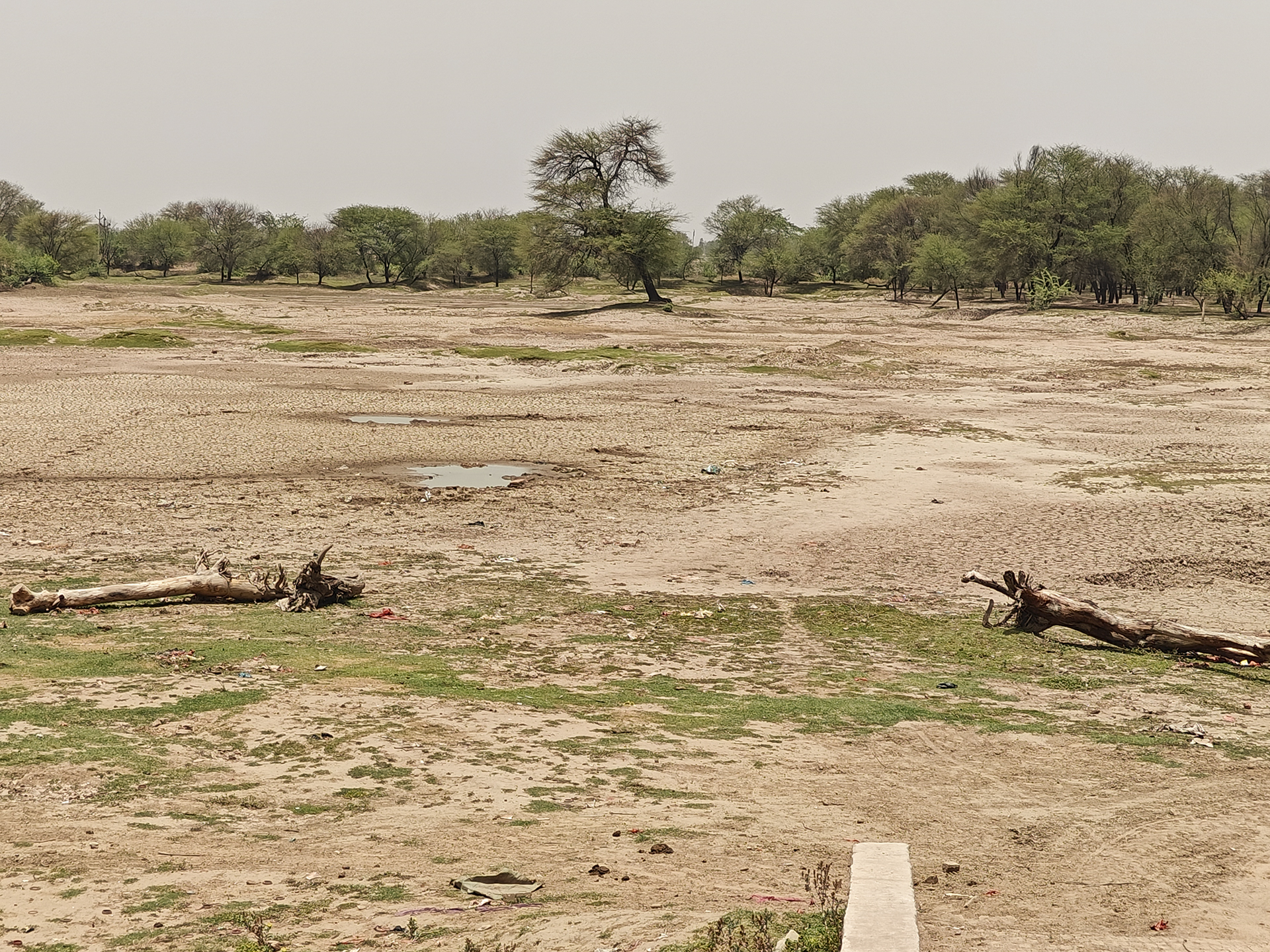
Suratgarh was a significant arena of historical incidents in the ancient past. The city was once called Sodal. Around 3000 BC Suratgarh is believed to have been a lush, green place due to the presence of two big rivers, Sarasvati and Drishadvati. Present sand possessed various botanical and zoological species within the basins of chaste Sarasvati and Drishvati. The emergence of Kalibangan and Barod civilizations was facilitated by the geographical and environmental complements of the Sarasvati, and Suratgarh was a noteworthy testimony to this. The traces of ancient civilization near Rangmahal, Manaksaar and Amarpura show the historical significance of Suratgarh where the Sarasvati civilization receded after 1500 years of stability.

Suratgarh developed greatly under the rule of Maharaja Ganga Singh who built a hunting lodge at Suratgarh and ensured the connectivity of Suratgarh to the train service. Hanumangarh and Bikaner came under the Suratgarh District when the district was established. Establishment of the Ganges Canal in 1927 helped Suratgarh develop; it became a city after partition when refugees from Pakistan came and settled here. An air and military base station, Akashvani and various offices have been established at Suratgarh.

Suratgarh desert sojourn

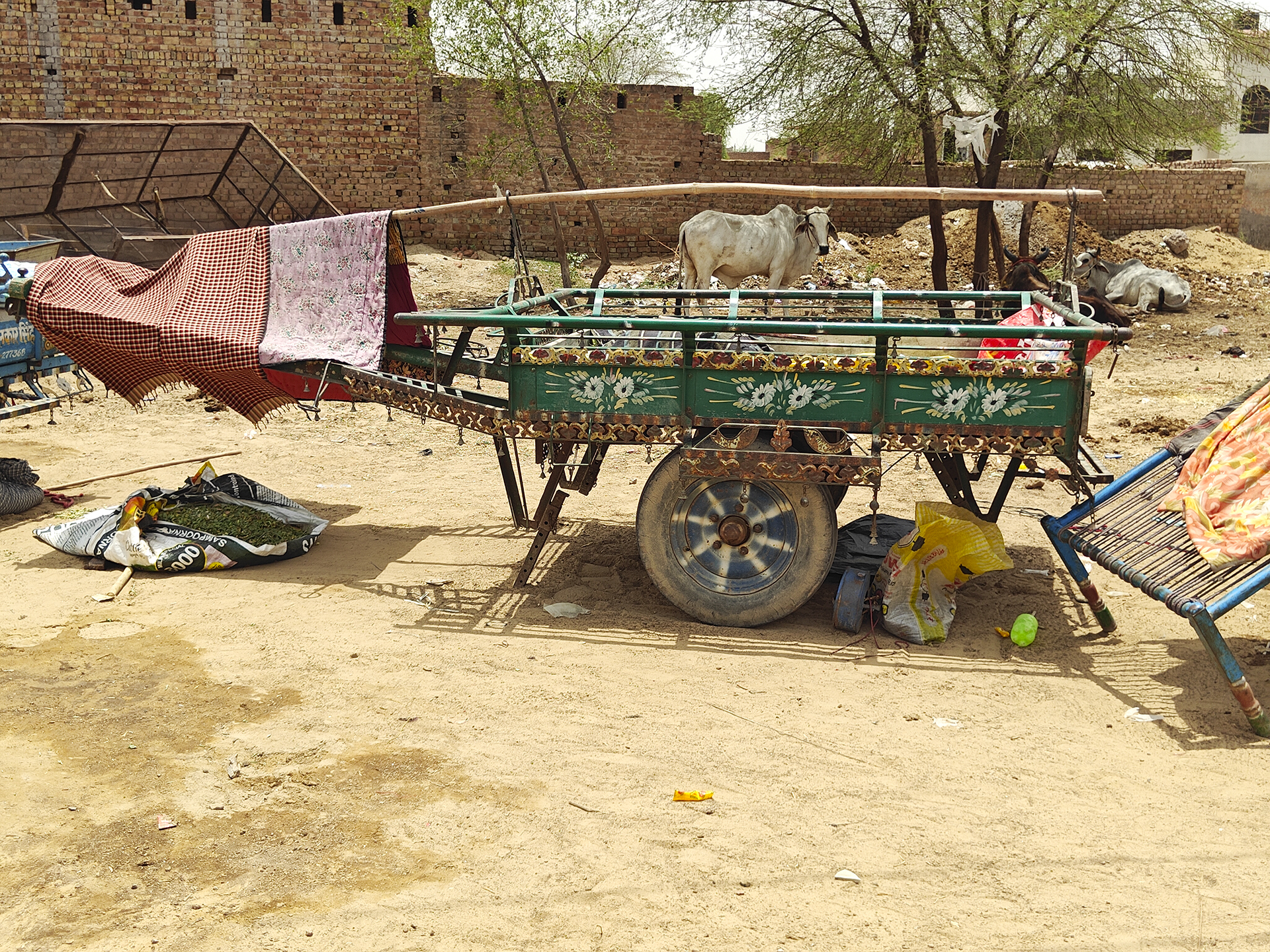
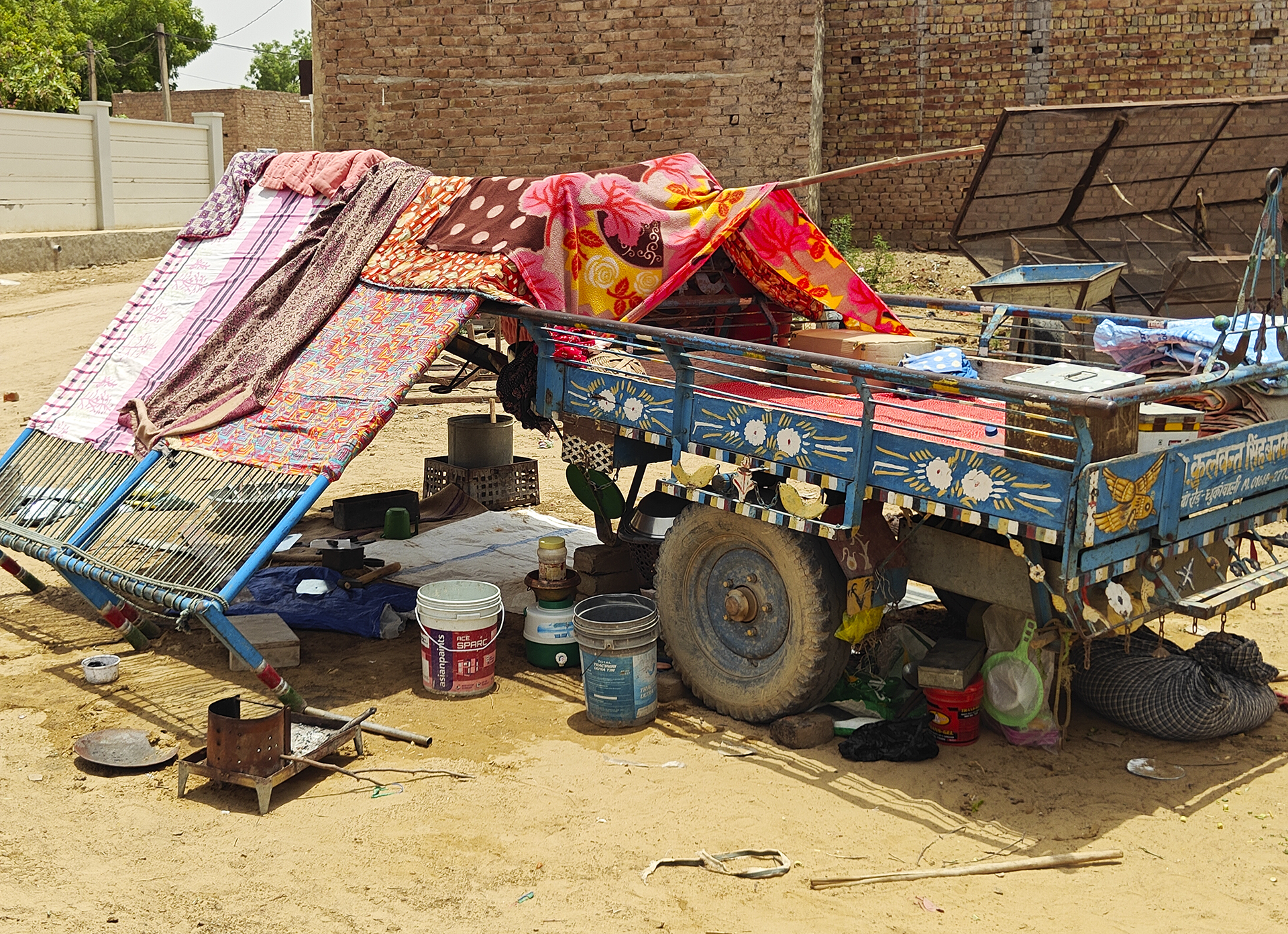
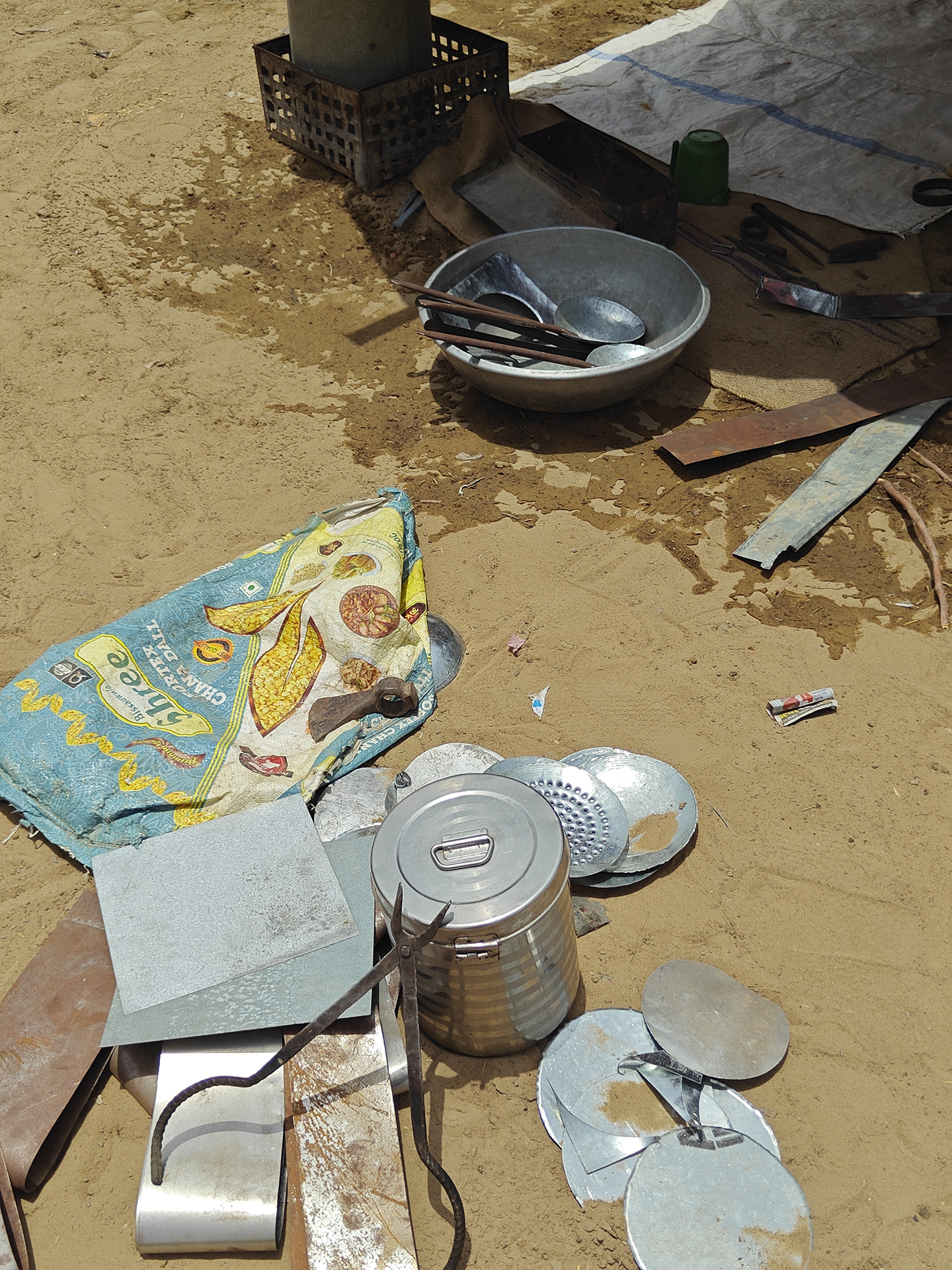
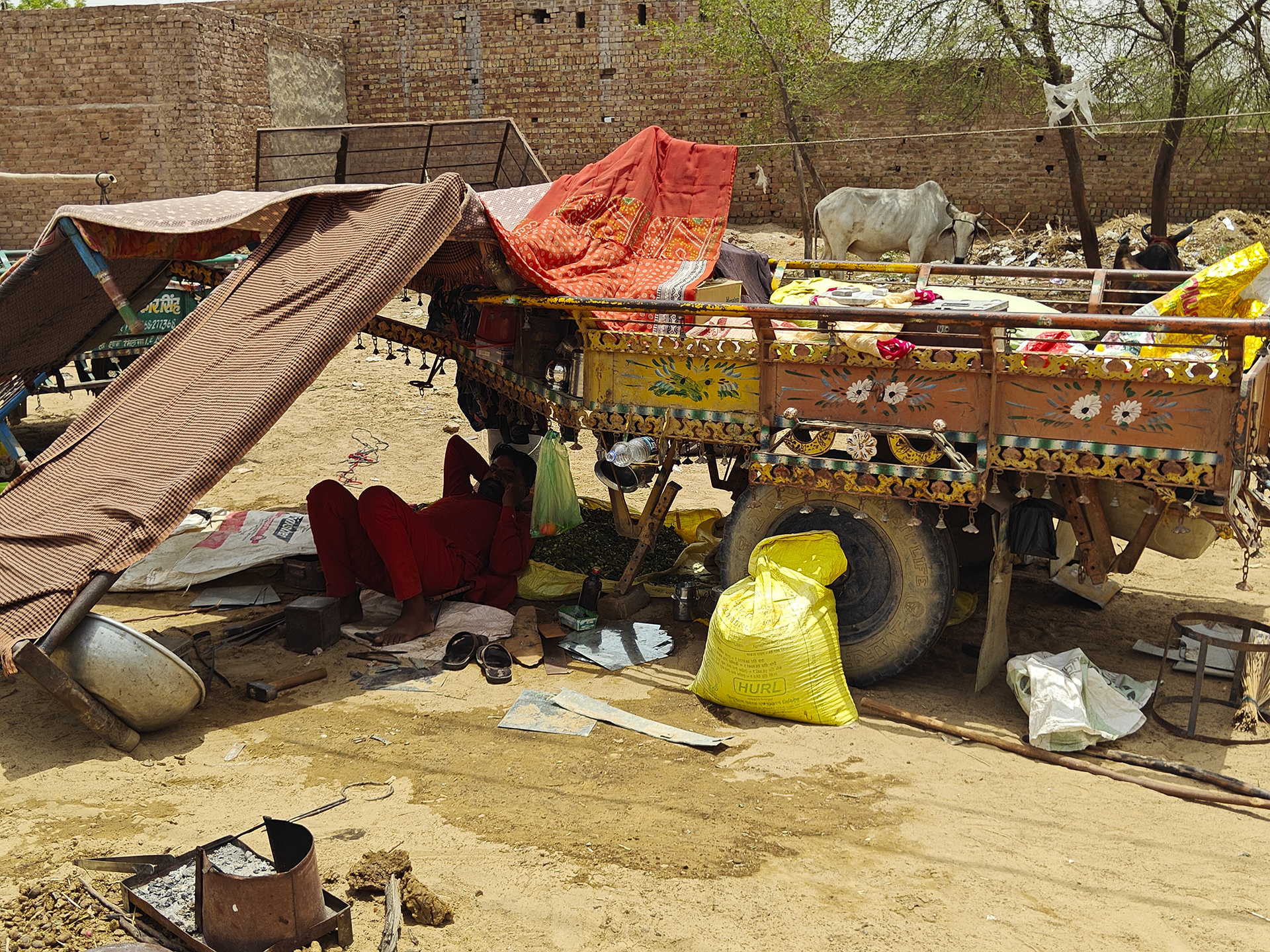
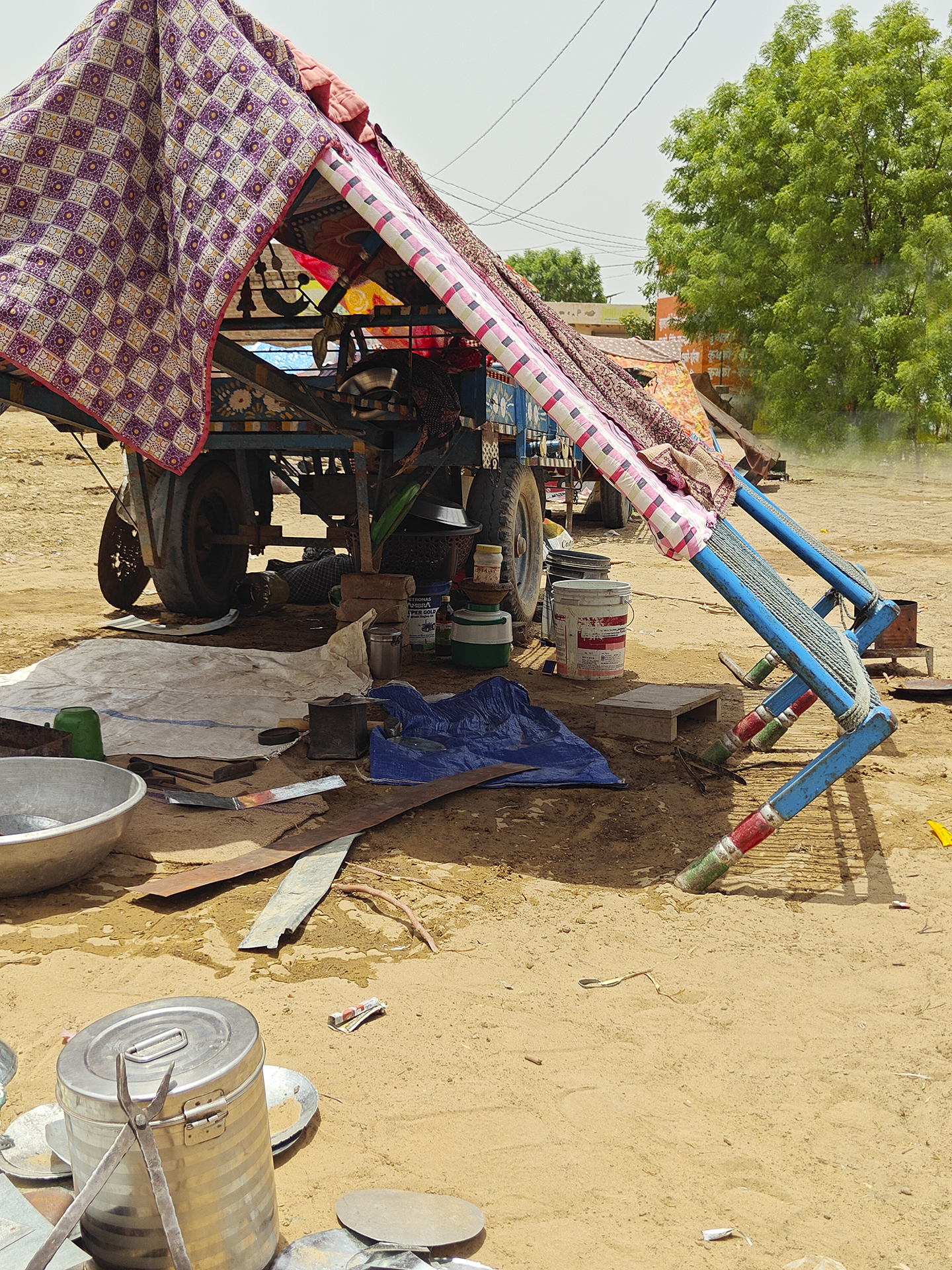
Far away from their barren sandy homeland, a group of wandering Gadiya Lohars (Blacksmiths) are surviving in this fierce desert carrying on with their traditional craft of making iron tools, utensils, and household items. Having given up their traditional wooden carts and the cattle, this hardy nomadic tribe has also abandoned their traditional costume and intricately carved silver jewellery, worn by both women and men. Near the archaeological site of Rangmahal, close to the Kalibangan Indus valley excavations, we spotted three families beating the hot metal in an unforgiving space that was scorching at 45 degrees at 12 noon. The only cover they had from the sun and heat was the shade created by their cots. Their carts are now adapted and fashioned from discarded tempo or truck metal bodies, pulled by cows that also provide milk. Parked in an empty space in this small village along the highway, these carts serve as homes, workplaces and life for the itinerants. Barely able to manage their lives Gadiya children are not admitted to schools because they lack a domicile certificate. <Suratgarh sojourn-Rangmahal-Kalibangan>

Mirchi Pakoras in searing heat

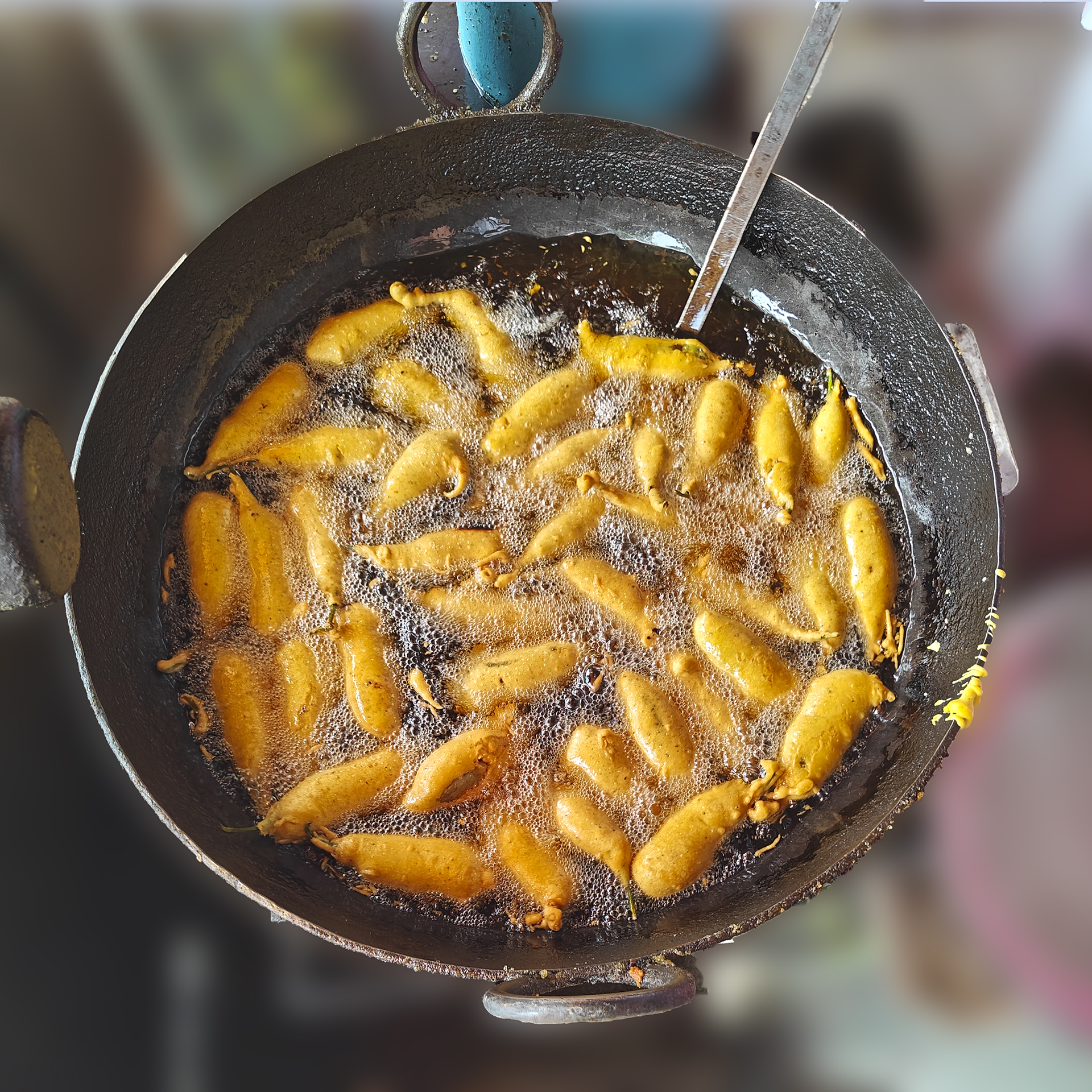
Suratgarh, Rajasthan – It was just about 9:00 in the morning. Outside temperature was already a notch above 41 Celsius. One could feel the scorching loo and the intensely shining sun. I could hardly open my eyes or look up at the bland sky. Scarcely anyone was on the road. Other than the halwais and a few kiryana stores the market was shut and quiet. A few shops had their shutters half-open while the townspeople were still deciding whether to step out or not. Along with the searing breeze came the tempting smell of frying pakoras. A few people waited patiently outside the Pawan Namkeen Bhandar which is famous for its Mirchi Pakoras, Mirchi Kachoris, and spiced-up paneer pakoras. One must surrender to such temptations and dare to step out of the car even at the risk of heat-stroke. Also, the fiery breath of the Thar desert can only be countered with blazing ‘mirchi vada’ as they are called here. ​While the famous Mathania chilli from Western Rajasthan awaits GI recognition, the entire belt of Hanumangarh, Sangaria, Bikaner, Sri Ganganagar, Jodhpur and Surathgarh is famous for its fried Namkeen savories and hot chilli products.

Mirchi pakoras being friend in oil, Suratgarh, Rajasthan