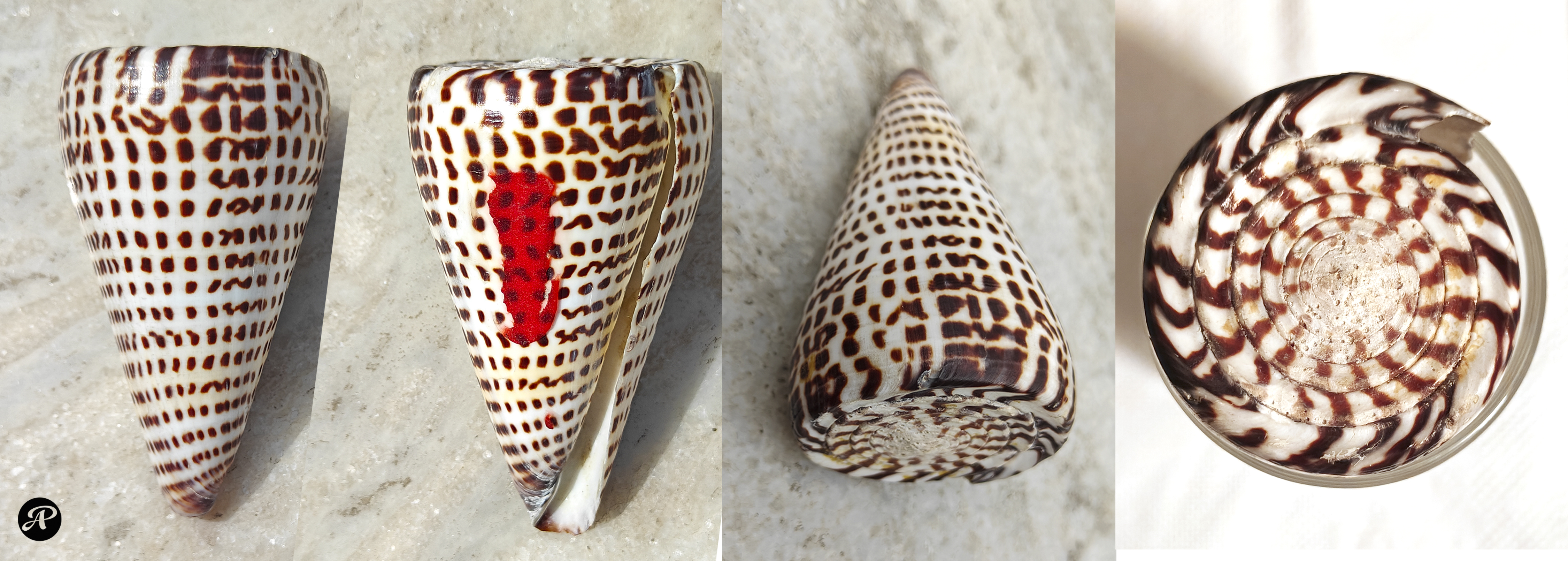
A kind aunt recently gifted this curio to Rajni together with its two cousins – the three being sea shell cones. The pattern and markings on this one fascinated me as I had not seen anything like this before so I searched a bit about it. Lo and behold, it is called “Lettered Cone” – it has found home finally – I told myself.
Not surprising that even among the marine species of snails, gastropods, and mollusks there are ‘lettered’ and the ‘unlettered ones’. Just guessing, that among the lettered ones there must be poets and literary masters too – this one looks as if its pattern is rhyming with nature. In its top view it looks like the top of an ice cream cone filled with chocolate chunks in vanilla. Its sides look like a fancy snake skin. Holding it in hand is sheer delight, its inner curves still carrying the smell of saline waters of Indian Ocean where it is found in plenty. Don’t worry much about the red spot, it is some plastic stuck to it which I plan to remove carefully.
A species of predatory sea cone snail or mollusk, Lettered Cone is also known as leopard cone. Like all species of conus these are venomous and capable of stinging humans. Fishermen don’t even touch it. It is the chocolate brown pattern on it which looks like a long forgotten ancient script that gives it its name and makes it look special. I learnt that “…the patterns on the Lettered Cone shells are also reminiscent of chromosomes. Possibly this is the undecipherable story the Lettered cone shell is trying to tell; a glimpse into the genetics of life on earth. For now, this deadly beauty will keep its secrets – possibly hidden in the letters of its shell.
I am told people have been obsessed with seashells since the Stone Age. These have been used as money, worn as jewelry, and used in trade. But if you’re beachcombing in the tropics, there’s one beautiful shell you can leave alone: the Cone Snail.
The Lettered Cone is the “femme fatale” of the ocean. It gets its name from the dark patterns on its shell that look like handwriting or secret codes. Every shell is unique, like a fingerprint, and some collectors even hunt for ones that look like they spell out actual words. Collectors say ‘no two messages’ are ever the same on these cones.
People have seen everything from early Arabic letters to lost codes in these patterns. Some collectors specifically hunt for “word shells”—specimens where the dots and dashes happen to line up to look like actual words.
In some cultures, these markings weren’t just seen as random; they were viewed as a way for the divine to speak to us.
From a scientific lens, these patterns are actually a real-world example of “Rule 30″—a complex mathematical rule used to study chaos and complexity in nature. It’s as if the snail is printing out a chaotic computer code as it grows.
I am not the only one obsessed with these. Over 2,000 years ago, people in Japan went on dangerous sea voyages just to find these shells turning these into bracelets for high-society women. Wearing one was not just the ultimate fashion statement it also marked the wealth of the owner enough to own something for which literally some lives could be risked.
The predator inside this pretty shell carries a harpoon of poison. Its needle-sharp tooth shoots out toxic cocktail that can paralyze a prey in an instant. For humans, it’s incredibly dangerous—some species are nicknamed “cigarette snails” because the joke is you’d only have time for one last smoke after being stung.
But here’s the crazy part: that deadly venom of Lettered Cone is actually saving lives. A subject of neuroscientific research, scientists are turning its venom into medicine for neurological diseases like Alzheimer’s, Parkinson’s, depression and even epilepsy. They’ve even created a painkiller from it that’s 1,000 times stronger than morphine but isn’t addictive.
So, if you see one of these gorgeous patterned cones in the sand, just remember: it’s a tiny, beautiful masterpiece that packs a punch strong enough to change the world—or end your day very quickly.
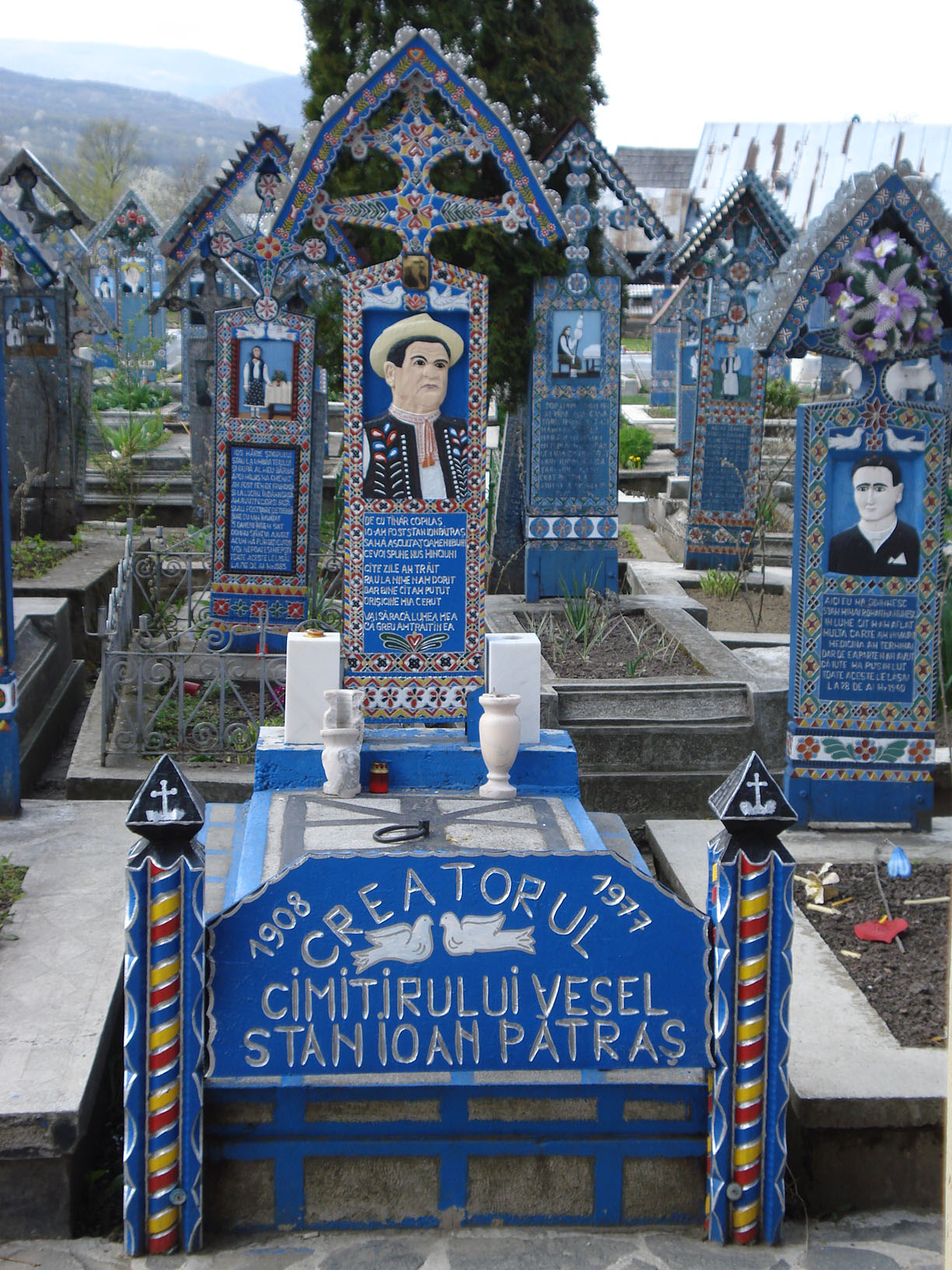
Welcome to the Cimitirul Vesel—the Merry Cemetery.
The Village Where Death is a Punchline: A Journey to Romania’s Merry Cemetery In most parts of the world, cemeteries are hushed, grey places defined by whispers and heavy hearts. But if you drive far into the northern reaches of Romania, almost to the Ukrainian border, you’ll find a village called Săpânța that sees things differently. Here, the graves don’t just sit in silence; they tell jokes, confess secrets, and burst with color.
A Forest of Blue Walking into the churchyard of the Assumption, you aren’t met with cold marble or somber angels. Instead, you are greeted by a sea of vibrant, radiant blue. This specific shade, now known across the country as “Săpânța Blue,” represents the sky, hope, and the freedom of the soul.
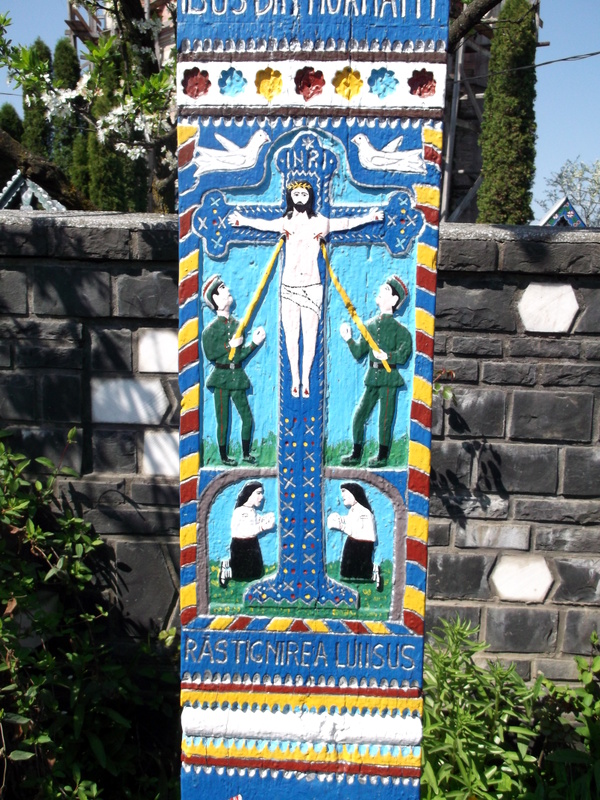
Each grave is marked by an intricately carved oak cross, topped with a little “roof” to protect it from the Maramureș snow. But it’s what is painted on the wood that stops you in your tracks. In a charming, “naive” art style, the scenes depict exactly how the person lived—or how they died. You’ll see farmers tilling fields, weavers at their looms, and more than a few scenes involving a car accident or a bottle of plum brandy.
The Man Who Started the Conversation This tradition wasn’t the work of a committee; it was the vision of one man named Stan Ion Pătraș. Starting in 1935, Pătraș decided that a person’s life shouldn’t be reduced to two dates and a “rest in peace.” He believed in the truth, even the uncomfortable parts.
Between 1935 and his death in 1977, Pătraș carved over 800 crosses, including his own. Today, his apprentice Dumitru Pop carries on the legacy. Pop doesn’t just carve wood; he acts as the village historian and judge. When someone dies, the family asks him for a cross, but Pop alone decides what the painting will show and what the poem will say. Because it’s a small town, there is no hiding. If someone was a bit of a grouch or loved the local tavern too much, it goes on the cross.
Poetry from the Beyond The real soul of the cemetery lies in the epitaphs. Written in the first person, they feel like the deceased is leaning out from the grave to share one last story with you.
Some are delightfully cheeky. One man’s grave famously features a poem about his mother-in-law, warning passersby not to wake her up: “Try not to wake her up, because if she comes back home, she’ll scold me even more. But I will surely behave so she stays in her grave!”
Others are brutally honest about their vices, like Stefan, who admits: “As long as I lived, I liked to drink… I drank because I was sad, then I drank to be happy. I’m still thirsty, so if you visit, leave a little wine here.”
Why the Humor? It might seem irreverent to Western eyes, but this “merriness” is rooted in deep history. The ancient Dacians, who once inhabited these lands, believed that the soul was immortal and that death was simply a passage to a better, more joyful life. For them, dying was a moment of exaltation.
While there is still room for sadness—such as the heartbreaking cross of a three-year-old girl lost to a tragic accident—the prevailing feeling is one of celebration. It is a reminder that while death is inevitable, a life well-lived (with all its flaws and foibles) is something worth talking about.
Planning Your Visit The Merry Cemetery has rightfully earned its spot as one of the “Seven Wonders of Romania.” It’s an open-air museum that captures the heartbeat of a village that refuses to be silenced by the grave.
शरत चंद्र चटोपाध्याय के लिखे बांग्ला उपन्यास “देबदास” (1917) में पारो के क़िरदार का असली नाम पार्वती है। ये वो पार्वती है जिसका प्यार परवान न चढ़ सका, उन चंद लम्हों के लिए भी नही जब देवदास उसके घर के बाहर आख़िरी साँसे गिन रहा था। प्रेम और विरह के दर्द की अद्भुत कहानी तीन किरदारों की है – देवदास, उसके बचपन की दोस्त पारो यानि पार्वती और पेशे से तवायफ चंद्रमुखी की। देवदास के अज़ीम किरदार और इस कहानी पर तीन बार हिंदी फिल्म चुकी हैं। हालांकि पार्वती या पारो और चंद्रमुखी के क़िरदार भी कुछ कम नहीं हैं फिर भी फ़िल्म बनाने वालों ने हर बार पुरुष प्रधान फिल्म ही बनाई। इसके बावज़ूद फिल्म देख कर जब आप थिएटर से बाहर आतें हैं तो चंद्रमुखी या पारो के बारे में ही बात करते हैं, देवदास हर पल अपने को मौत की तरफ़ धकेलता है और मर चुका होता है । “कौन कम्बख़्त है जो बर्दाश्त करने के लिए पीता है , मैं तो पीता हूँ के बस साँस ले सकूँ “। फिल्म पहली बार 1936 में कुंदन लाल सहगल के साथ, दूसरी बार 1955 में दिलीप कुमार वाली और 2002 में शाह रुख़ ख़ान के साथ बनी । उपन्यास को आये 107 साल और आख़िरी देवदास फिल्म को आये 22 साल हो चुके हैं फिर भी कुछ ऐसा है इस कहानी में कि हम इसे भूलना नहीं चाहते। इश्क़ की टीस और इस बुझते अलाव में चिंगारियों को ज़िंदा रखना चाहते हैं। तीनों फिल्मों के मुख्य पुरुष अभिनेता या फ़नकार ट्रेजेडी किंग माने जाते हैं फिर भी पार्वती या पारो की ट्रेजेडी फिल्म की ट्रेजेडी है।
आपका दिल किस पारो पे लुटा था ?
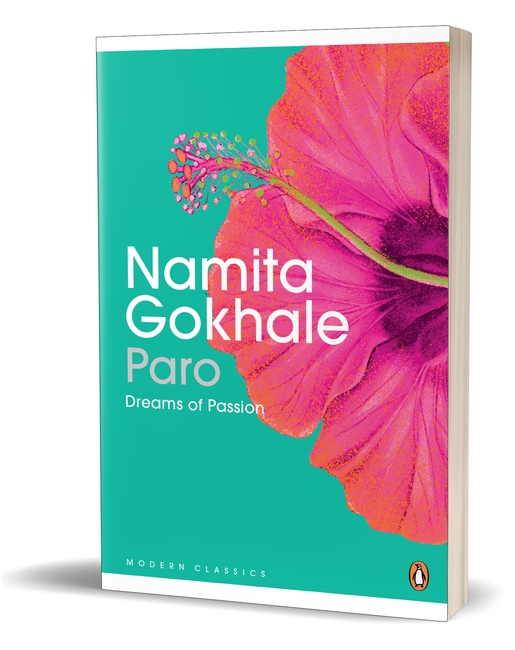
एक पारो और है। इस पारो की ट्रेजेडी भी शरत चंद्र की पारो से कम नही। अदब या साहित्य की दूसरी पारो। नमिता गोखले के अंग्रेज़ी नॉवेल ‘पारो’ वाली पारो। नमिता जी ने अपनी पारो के क़िरदार को पार्वती की लाग लपेट से दूर रखा। ये पारो 80 के दशक की दिल्ली से है, शरत चंद्र के भद्र लोक से दूर। इस पारो को अवतरित हुए भी 40 बरस हो चुके हैं। पहली बार ये क़िताब 1984 में छपी थी और तब से लगातार बिक रही है । इस पारो को मैं कल दोबारा मिला।
21वीं सदी के माहौल में पारो ने एक और उत्तेजक अंगड़ाई ले कर ढ़ीली चड्डी वाले दिल्ली के मर्दों की फिर से आज़माइश करने की ठानी है। कहीं रूमानी, कहीं आशिक़ाना और कहीं कामुकता के हर परदे को उठाती पारो ऊपरी सतह पर तैरती समाज की हर असलियत और कमज़ोरी को बीच बीच में सामने लाती है। हर औरत के अंदर एक पारो छुपी है, ज़रूरी नहीं के उसके सपने लालसा और वासना से भरे होते हैं पर वो भी अमीरों और पहुंचे हुए तबके की दुनिया को देखना चाहती है, छूना चाहती है उसका ज़ायका लेना चाहती है। वो जानना चाहती है कि देखते ही देखते दूसरी औरत कैसे मध्यम वर्ग से उच्च वर्ग में अपनी पहचान बना लेती है और ये समाज कितनी आसानी से सब देख कर भी अनदेखा कर देता है, मक्खी निगल लेता है। पारो की कहानी प्रिया बताती है, दिल्ली और बम्बई समाज की जिसमे कोई देवदास नहीं होते हुए भी प्रेम दुखद ट्रेजेडी ही रहता है।
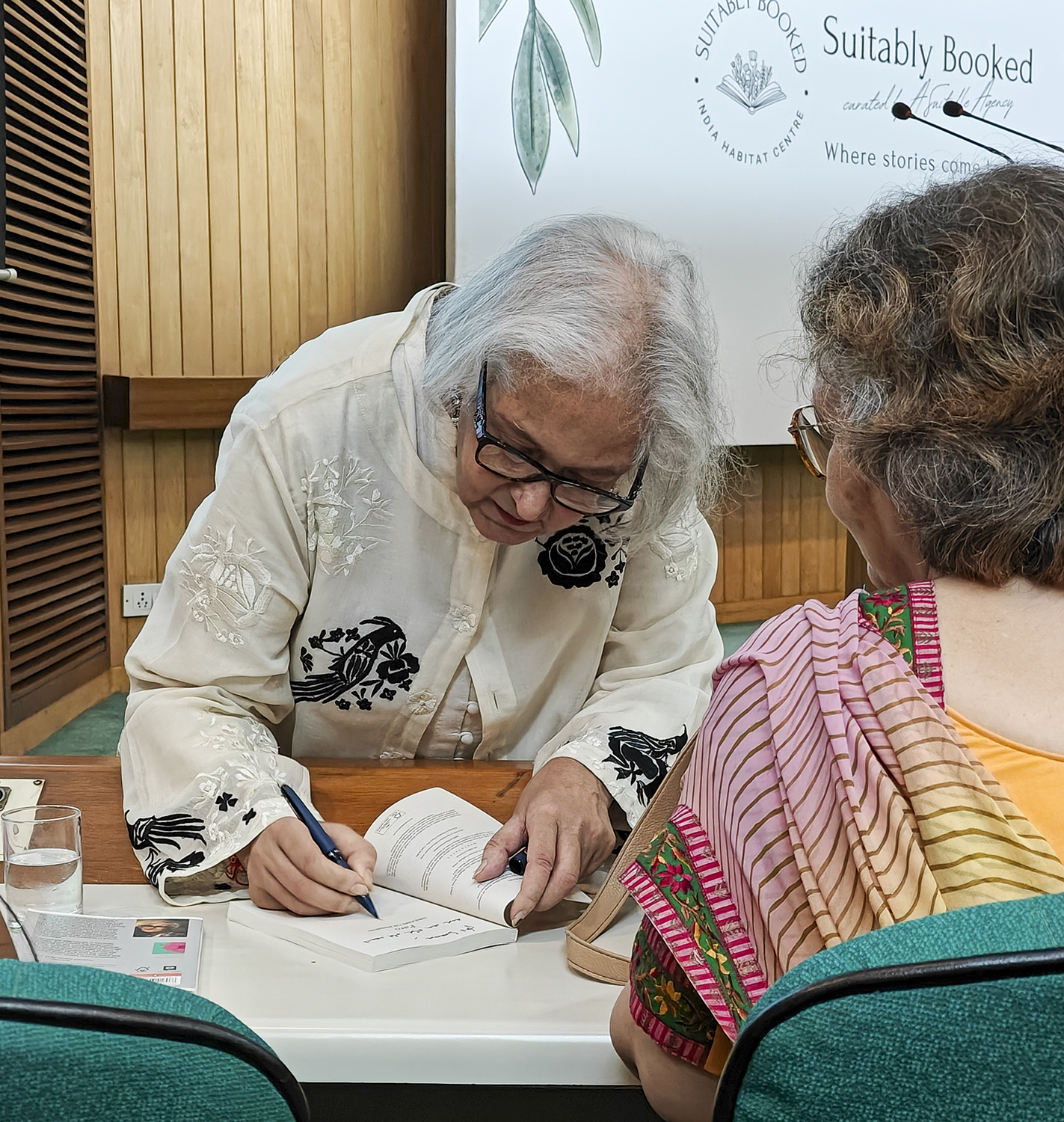
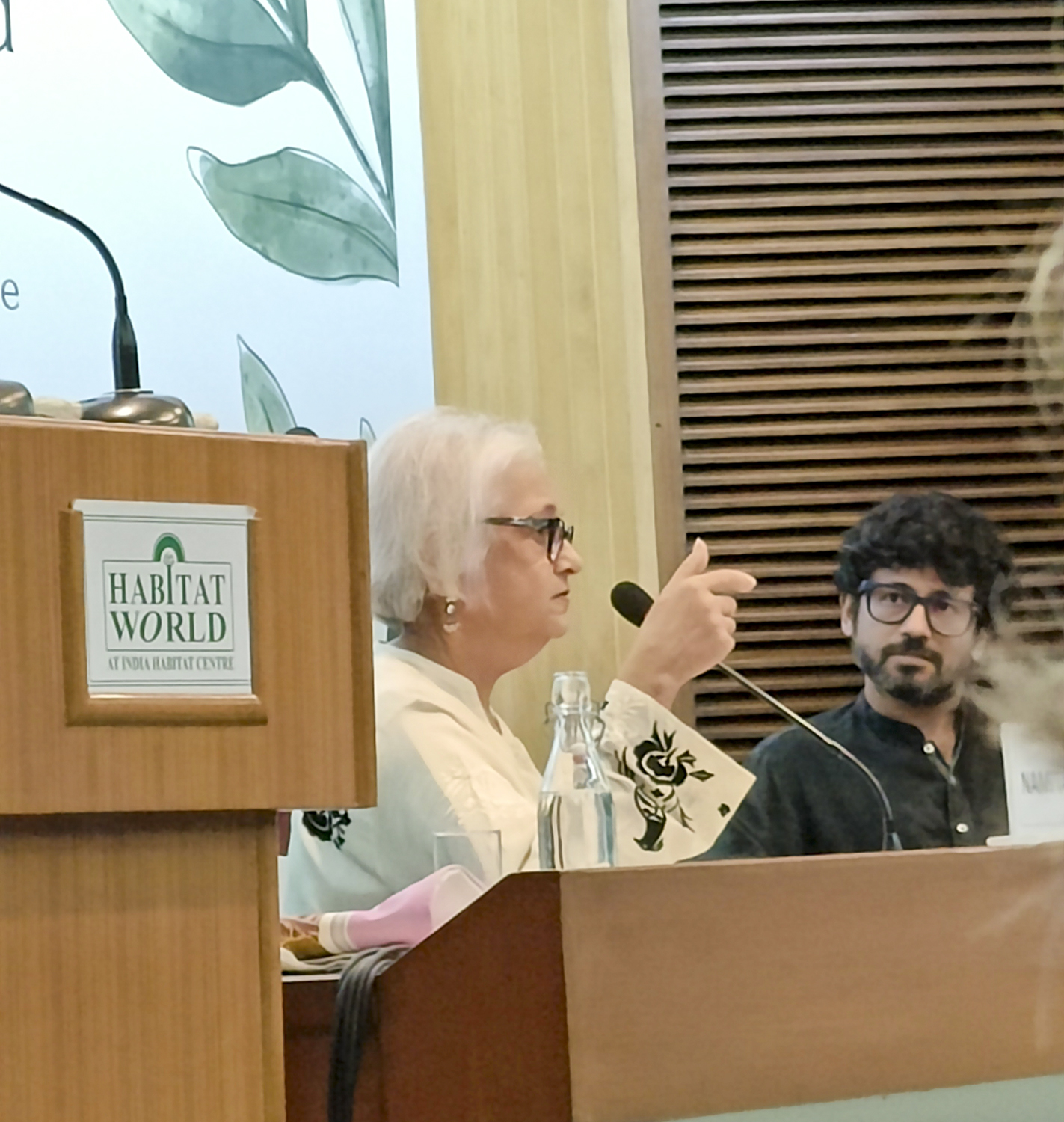
‘पारो’ के नए संस्करण और किताब के 40 साल के सफ़र पर नमिता गोखले जी से अम्ब्रीश सात्विक की रोचक बातचीत कल शाम (24 अगस्त) दिल्ली के हैबिटैट सेंटर में हुई, जिस से लेख़क और क़िताब के बारे में कुछ नई बातों का पता चला। इसी साल, 2024 में, पेंगुइन ने इसे अपनी क्लासिक श्रंखला में छाप कर “पारो” को गौरव ग्रन्थ या आला दर्जे का क़रार दिया है। यक़ीनन पारो एक क्लासिक है। आप ज़रूर पढ़ें।
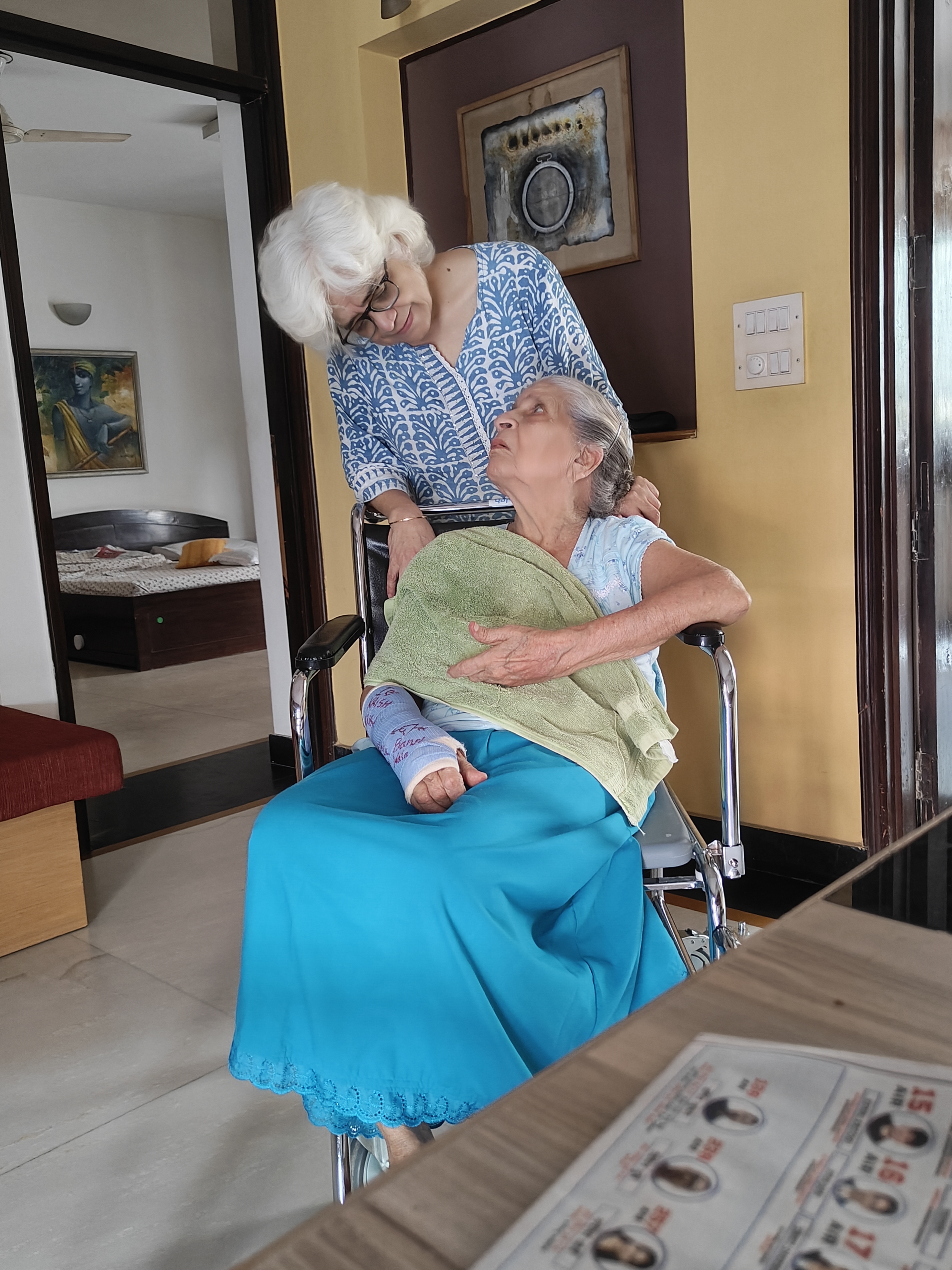
The room smells like a medical ward these days. Faint traces of unpleasant odour wafts through adjoining spaces outside the room too. The washroom has another kind of smell, its own kind. And lastly, Ma has another kind of body odour which wasn’t there earlier. She sweats a lot these days. She rests or sleeps in one posture without moving for long. We frequently find her shirt wet at the back and the bedsheet semi-soaked. The cupboard, which has her clothes, has the third-kind nostril tingler which again is not pleasant. I normally don’t open her cupboard but I do close its open shutters as I move around that space to either pick up her walker or the wheelchair which are normally parked there.
The olfactory in me works overtime these days. It triggers and works on my senses in many unknown ways now, especially since the time Ma has been unwell and has taken to bed. My sensory neurons have become rather sensitive, picking up the faintest cues – at times offensive – when interpreted by others in a social environment.
I shared my predicament with a doctor who was visiting to check on Ma. ‘Hyperosmia’, he said, ‘is a state of heightened sense of smell. It is when certain odours overwhelm you and make you feel uncomfortable or nauseated. Hyperosmia also affects your sense of taste’, he said and turned his face adding, ‘Just ignore it’.
I am ill at ease by the hospital-like smell of the room. This is despite the room being swept and cleaned every morning and the wet mop done thoroughly. An air freshener hangs on the IV stand which has become a permanent feature of the room. Its fluid bottle swings when full and lazily dangles when it is empty or if its contents have been transferred to the vein in Ma’s left hand where a cannula has found semi-permanent position. The IV, or saline stand as I call it, stares at us from the corner with its shining steel rod visible even in the dark of the night. There are two walkers and a walking stick on a standby.
An air mattress together with its pressure pump lies in another corner. The slightly tilted bed tells you that a recliner mattress is fixed over it so Ma can be made to sit up in between. Mostly, she finds comfort in lying down – either on bed or on the couch. For some strange reason she loves the couch. Maybe the upright backrest of the sofa supports her left shoulder that was hurt when she fell two months back. Unlike me, she doesn’t stare at the ceiling, which I do when unwell. She doesn’t even focus on the walls where a Krishna/Ranjha painting looks at her with its black eyes over blue body. The flute in his hand resonates the painful Uh and Ah notes Ma rehearses every hour she turns.
Ma is conscious of all the new additions to the room and the spaces occupied by each, especially the wheelchair. She, probably, doesn’t like it and turns her face every time her eyes come to rest on it. She keeps pulling the thin cotton sheet over her legs and her shoulders every time any of us comes to speak to her to bring her the soup, tea or some light meal. Bare legs or exposed shoulders are a taboo to her even now that she is 91+ and in the company of her son and grandson.
The second or the rear door to her room which faces east is usually kept shut. It is June. This summer temperatures have been abnormally high fluctuating between 40 to 49.7. Outside, it gets very hot as early as 10 am. Loo-like strong breeze enters the room from that side. Even dust enters Ma’s room from that door as a house is being constructed right behind ours. The air conditioner runs for nearly 20 hours. Basically the same air keeps circulating in the room aided much by the fans running at high speed. Her nursing attendant, some of us, our household help, or a stray visitor also contribute their collective breath which adds to the mixed unidentifiable but not very pleasant smell. We do open both the doors in the evening for a couple of hours but that, I suppose, is not enough to counter the inner day-long activity.
The side table in the left corner and the round table facing the main door are stacked with medicine baskets, bottles of cough syrups and a laxative, a bottle of sanitizer, wet wipes and strips of vitamin tablets. There is a thermos-like water bottle and smaller bottles of drinking fluids like Electral, Coconut water and Jeera drink for intermittent swigs.
A black hairband rests atop the plastic lid of Threptin biscuits tin. There are other sundries like her hair pins, a pocket-book Hanuman Chalisa, Vicks VapoRub etc. etc. which jostle for space. Pushed to the corner are her hearing aids which are not used these days, its charger still in the socket. A deck of playing cards awaits her good mood.
She hardly uses her mobile phone these days but surely keeps an eye on it as it blinks or rings. The phone lies next to her on the table. With little strength in her body she speaks very softly and at times, when she is not wearing dentures, we can’t make out what she says. Her gold betrothal ring she handed over to Rajni for safe-keepint when she was admitted to the hospital the last time.
Whenever I walk out and walk back in the room my lungs are filled with two different kinds of air. Perceptibly different and distinct to the lungs, nostrils and even the mouth. Our saliva is also triggered by smell.
I wonder, are there different kinds of airs floating in the same space or is it my nose and the mind that are playing tricks. I had read somewhere that in our body new cells are formed and old cells decay and die constantly. Do the cells have a smell? They may, the dying cells surely will have some kind of smell as they swim through blood in our body. I almost smell dead cells in the room. Dying and decay is equally noticeable in nature – when leaves or roots die they have a peculiar smell – when rodents, insects, reptiles die they have another kind of smell even when water turns stale and sort of dies it has another smell. The stink of putrid air is known to all of us.
However sanitised, smells emanating from a washroom are pretty much known to all of us. When fresh, it has fragrances of modern day disinfectants and cleaning agents with traces of the peculiar blue colour that they have. The smells of Lizol, Harpic, Roff, the white phenyl, Detol and lathering soap are all mixed up here. Despite all these agents there is a kind of unessy smell of pee or puke that hits one as we enter the washroom. The fan, inside the toilets, runs almost through the day. Its netted window opens to the verandah, the place has lots of light and the rays of morning sun also hit it for an hour or so – despite that, yes despite that, the smell hovers in the bathroom. Despite the toilet being flushed about twenty times a day, despite it being washed with running water a few times.
Is it only in my head? I doubt and question myself. There is even that Coconut oil smell in one corner.
I suppose we should replace the bed sheets twice a day instead of every morning. Same with the covers on the couch. I go around the room wrinkling up my nose and sensing odours. I think I can do it as well as a pet. The pet won’t be able to explain, I can. Ma looks at me with questioning eyes and we smile at each other.
We have just given away a pair of mattresses which were being used on Ma’s bed. For sometime now she has no bladder control. Other than using diapers and wheeling her into the washroom every hour one can’t do much about her incontinence. I know Ma feels guilty and awkward but we try and laugh it off. Occasionally she soils her skirt or pyjamas which are quickly changed but then the clothes stay in the washroom overnight till these are washed. Maybe it is the smell of all the medicines that are being pumped in to her which seep in her clothes as she sweats. Or the culprit could also be the diapers – though these are changed three or four times. Ma hates diapers but nothing can be done about it – it is so very difficult for the lone night attendant girl to lift her from the bed and move her to the wheelchair. Ah! What can one do about age? I wish I could do more for her.
I rarely use perfume or deo, not even talcum powder or similar body agents. I have no body odour even when I sweat. In fact my family and friends envy me for smelling fresh through the day. Maybe that is the reason why I am over sensitive to smells around me. I can’t eat foods that have smells not to my liking – desi ghee being one. Some flour dough makes me turn my face, some vegetable oils make me puke. I am very sensitive to the taste of wines or whiskies on my tongue. I can have bitter karela or a dark rum but I can’t have soups with butter or fat floating in it.
I am a man with a nose-without-filter and I hate myself for it, because right now what matters most is Ma and her health. The way from here is long, so I suppose my nose and my life will have to be put on hold for a while.
Looking at her ailments, infirm body and thinking of her age I worry – Is it the Whiff of the Inevitable?
Father died at home, in his house looking himself in the mirror; guiding the razor upside-down on his thin face, pulling wrinkled skin over shrunken cheekbones, making faces while shaving; grinning, upsetting, teasing, and taunting the mirror, Just then a heart-attack took him in minutes; And the Mirror captured his soul.
The Mirror was fixed on the wall facing the kitchen, where mother worked. She kept her distance from the mirror, feeling sad and scared of looking in it – finally, covering it with a towel that father used.
Father owned the house where he died. ‘Krishna Kutir’, the house was named after my mother, who sold it ten years later and passed the money to his heirs.
No Father, No House. No Mirror. All gone. A lot more went with it, my innocence, my youth. We all grew up in it – a sister, two brothers, mother, father – and the house itself, which had come by chance, really. Father had no money to buy it. He would say. ‘I was lucky’. Yes, he was. Indeed, lucky for an orphan and a refugee to own a house in the capital.
For sure, those days he was lucky, and happy too, having got a raise in salary. He also won two lotteries in six months. First, a ‘lucky draw’ where his name was picked and a small flat allotted to him for small money. Second, a ‘cash prize’ for writing a slogan for a cigarette brand of the working class. He used the money to part-pay the flat. Would you believe, there was a time when one was rewarded to smoke! Very Lucky!
Like his income, the house too was low income. LIG Flat they called it. Dad was proud, ‘I made it like a bee,’ he once told me looking into the mirror. He saved for it, every paisa he could like a bee secreting to make a hive – cutting on his smokes, eats, and bus fare; cycling to work eight miles one way.
Mother sold the house as it had her name. The mirror went with the house. Outside the house, there was a name plate faded, nailed to the wall, having survived forty years of elements, envy, and evil-eye.
When Ma moved, father stayed behind in his house. He didn’t move, he couldn’t. His soul had been seized by the Mirror.
Not everything died with father, a lot survived. His dreams, his books, his letters, his diaries and the Mirror on the soiled verandah wall from which his face followed us everywhere.
Ma brought all she could, tears & trauma in tow and the fading nameplate, ‘Krishna Kutir’. I, for one, couldn’t unhook the Mirror Father held it tight.









 Ankahi. Unsaid.
You must be logged in to post a comment.