‘Mughal Sarai’ of Gharaunda

Gharaunda sounds like a dainty toyhouse or a dollhouse-like nest, offering the safety of a mother’s hug. I wonder who named this small town in Karnal district as Gharaunda—a town desperately trying to unhinge itself from its past and join the mainstream madness of our stunted cities. Located on NH44, the town is choking not only with dense habitation and heavy traffic but also with the petroleum fumes that permeate its air. 

Nearly 400 years ago, the Tughlaqs, the Lodis, and then the Mughals cleared part of the dense jungle to create a road connecting Bengal to Afghanistan and from there to Uzbekistan, Iran and beyond. Along the road they built Kos Minars, piaos, and Sarais. While some of the Kos Minars still survive, most of the sarais have scummbed to time or illegal occupation. 

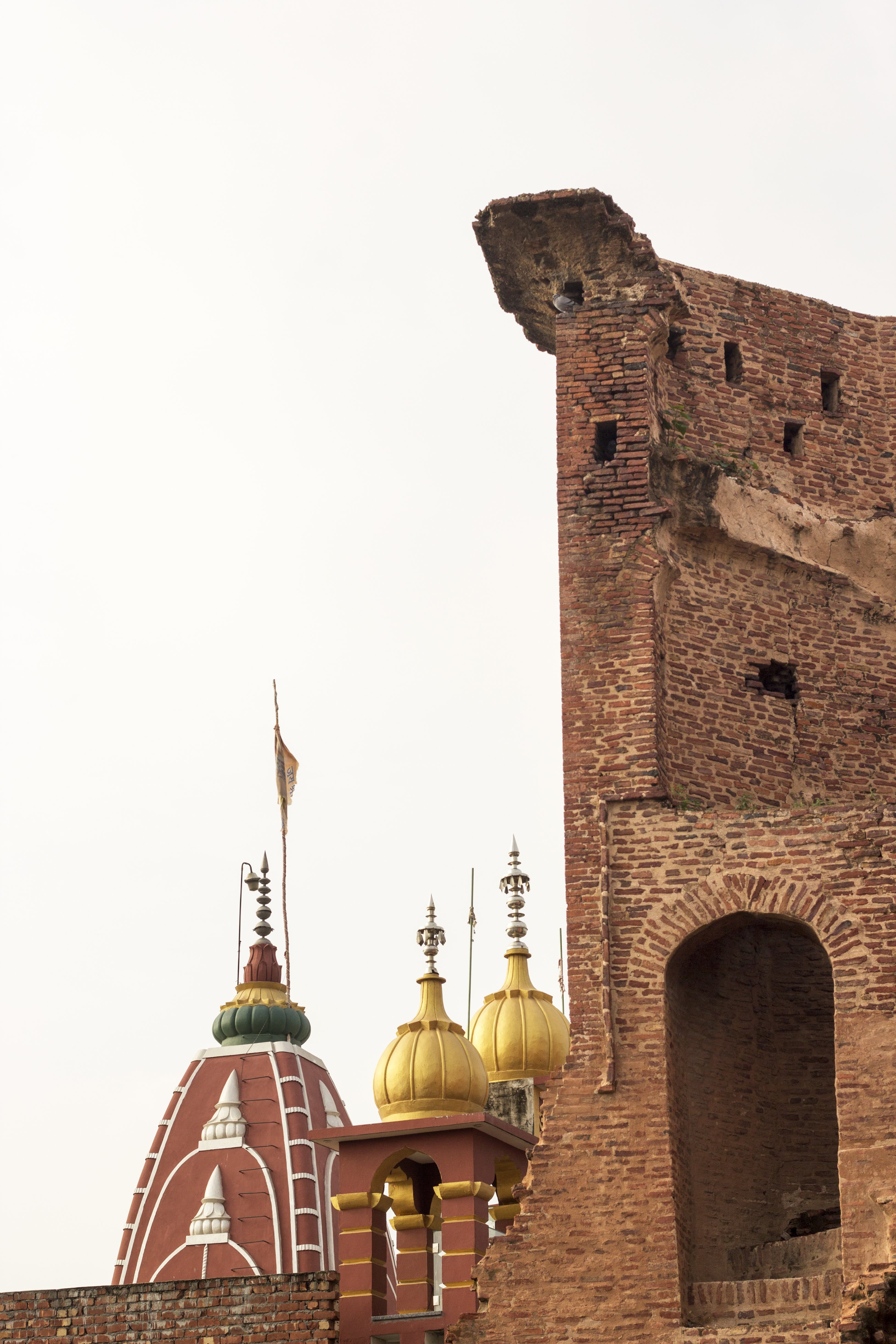
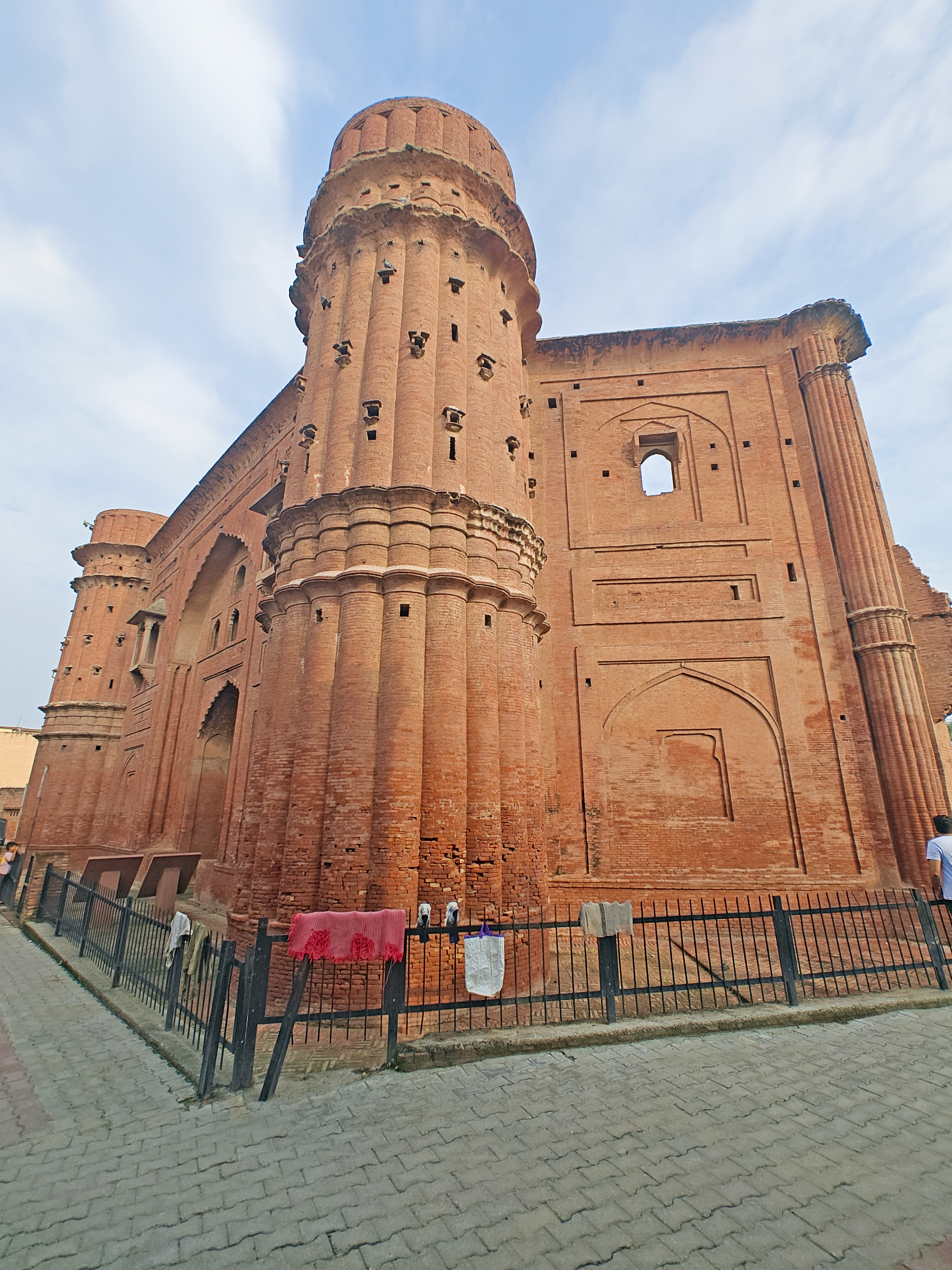
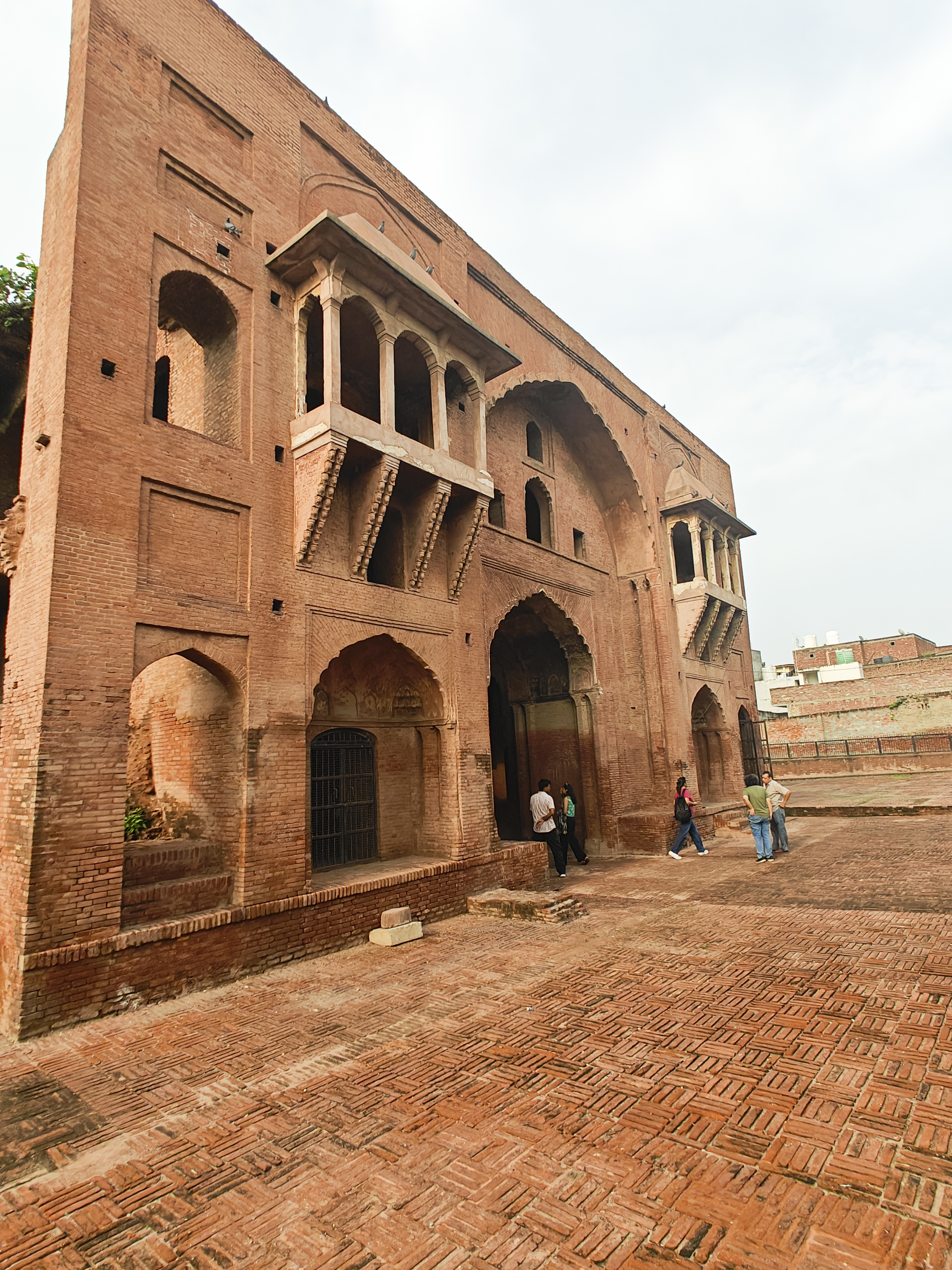
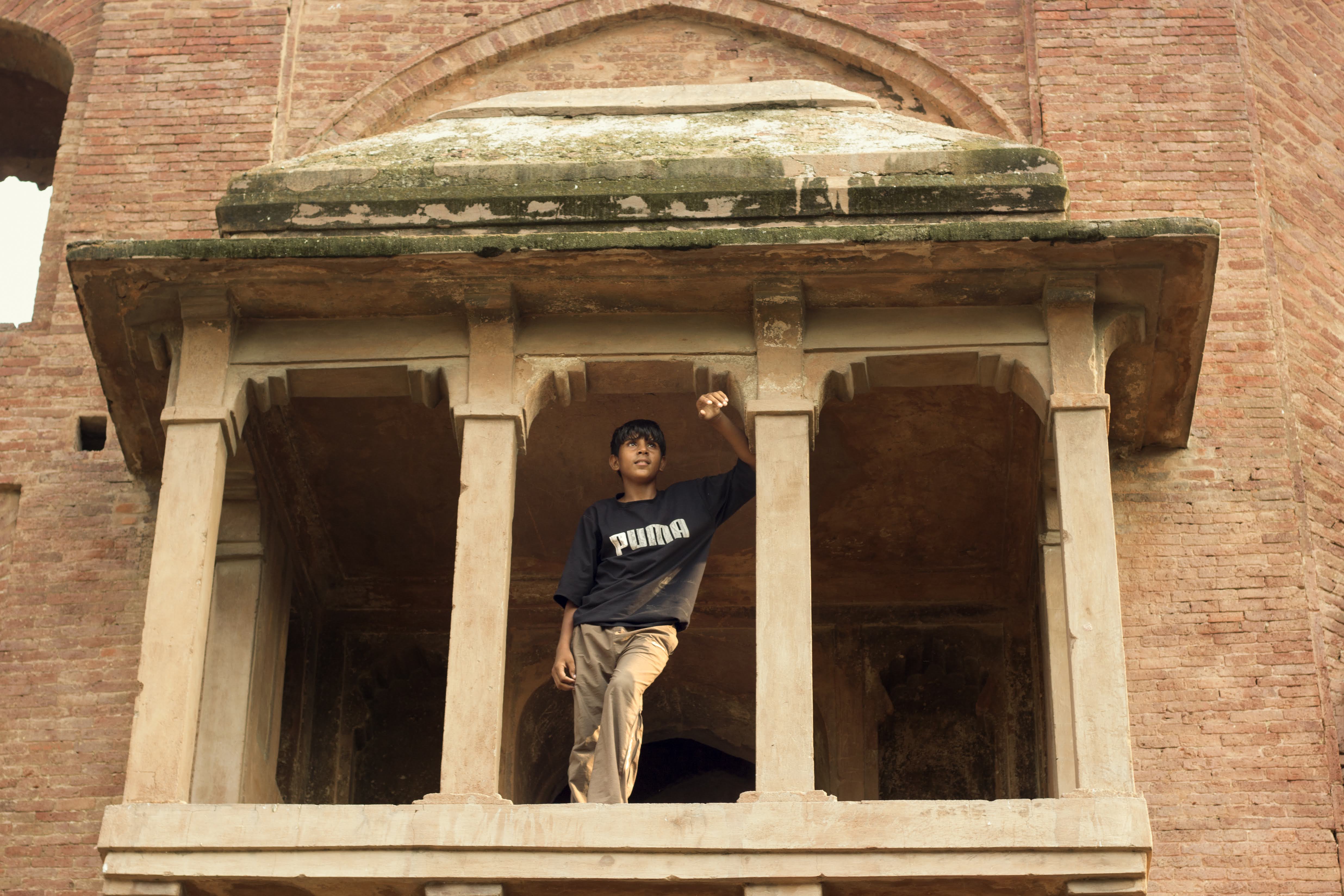
One dazzling Sarai defied all and has stood tall through the centuries – in fact it looks as fresh as the day its three stories were constructed. It is one of the finest examples of decorative brick structures that have survived the test of time and the onsualght of expanding urban areas. 

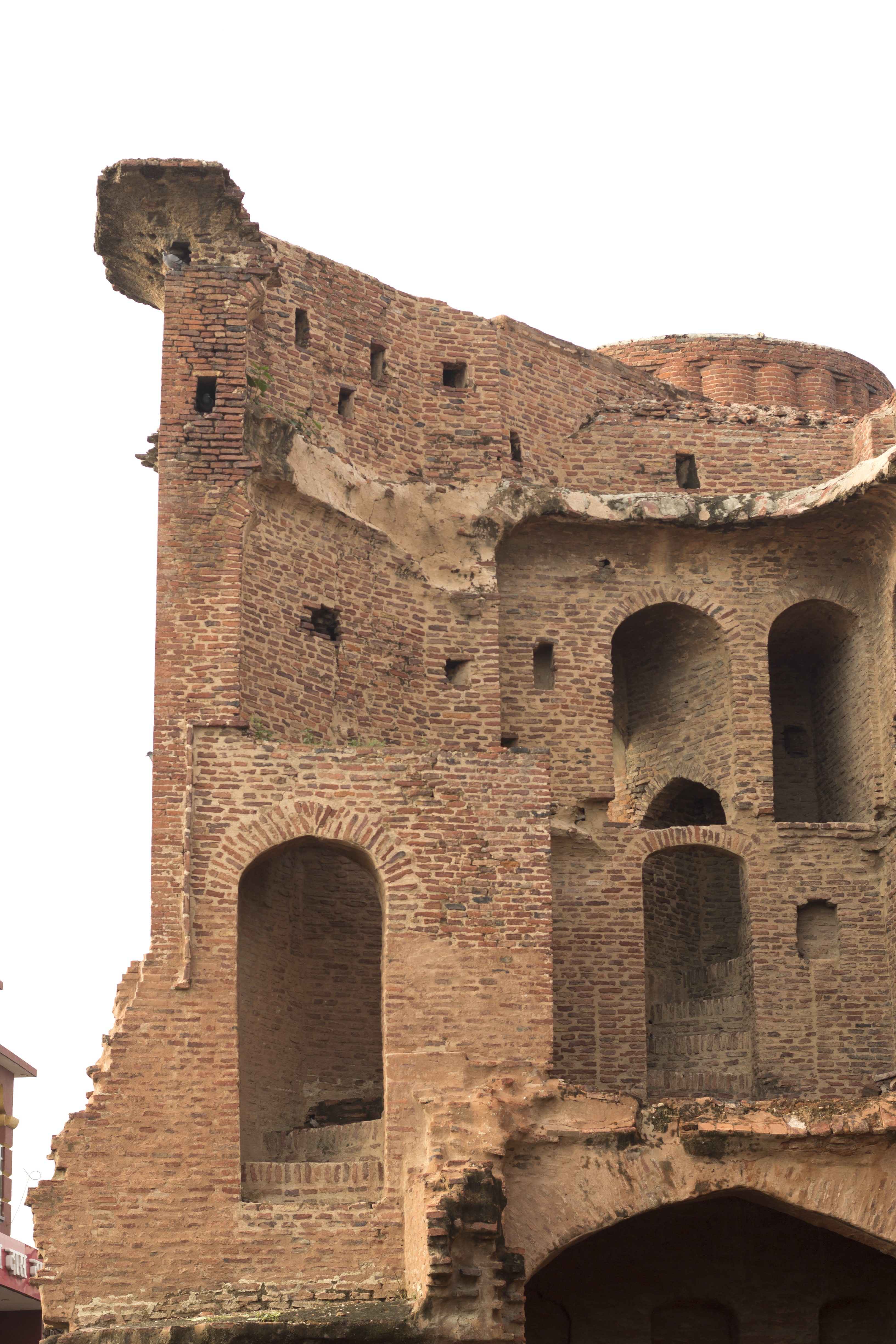
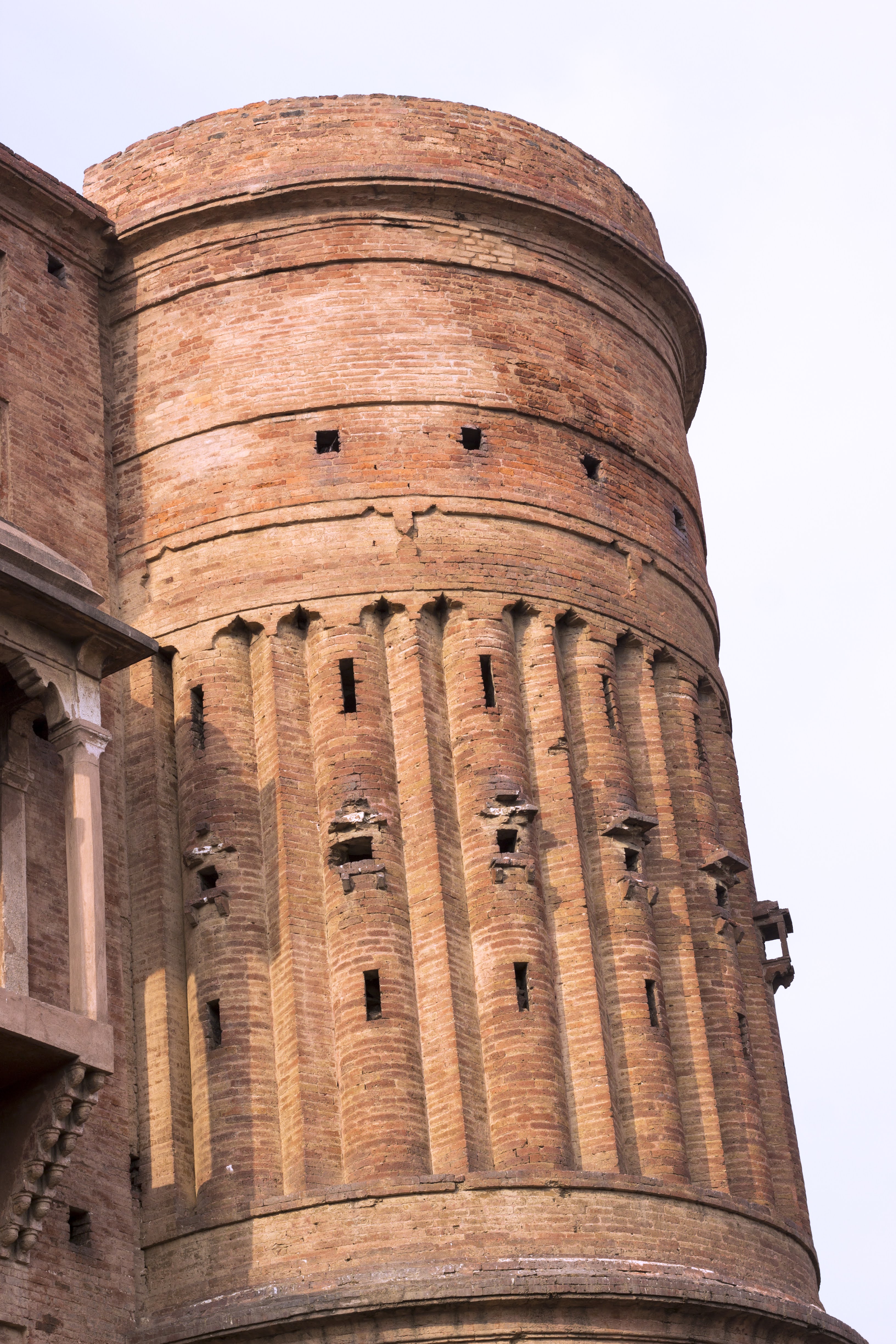
The ‘Mughal Sarai,’ as it is called, is a protected monument under the Archaeological Survey of India, though it is ill-maintained. A narrow lane leads to the vibrantly amazing structure; however, the front facade of which can’t be seen or photographed in totality because there is very little depth available. Crane your neck hard to see the tall circular turrets on each end of the gateway. The western portion of the Southern gateway, part of which has fallen apart, appears to be an Ebrahim Alkazi theatre set where a Mughal dastan is set to be played.

Built in 1637 AD by Feroz Khan during the reign of Mughal Emperor Shah Jahan, this quadrangular Sarai (rest house) naturally came to be named after the Mughals. The historic site of Gharaunda, where the Sarai stands, also served as a campsite for Babur prior to the First Battle of Panipat. 

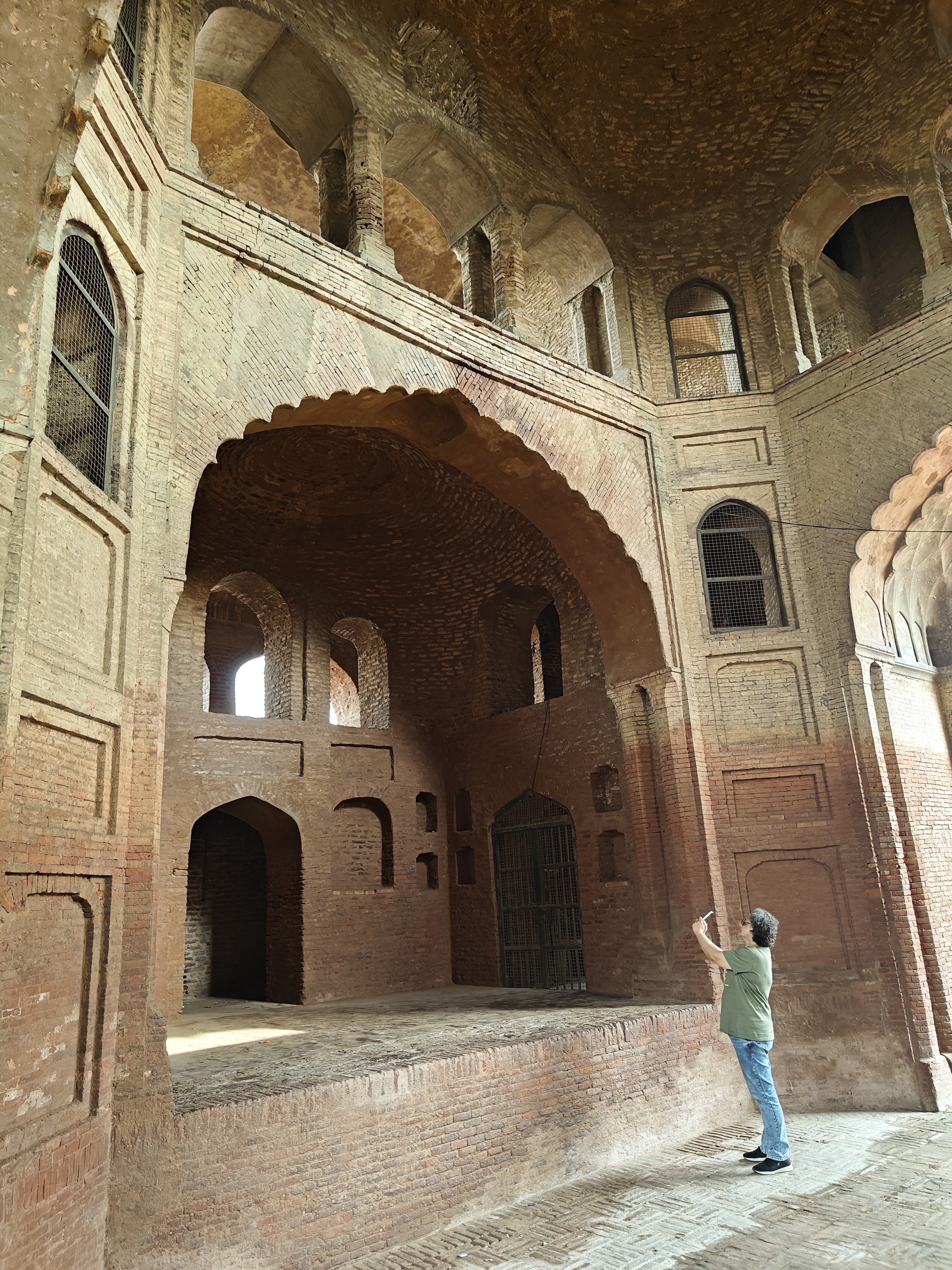
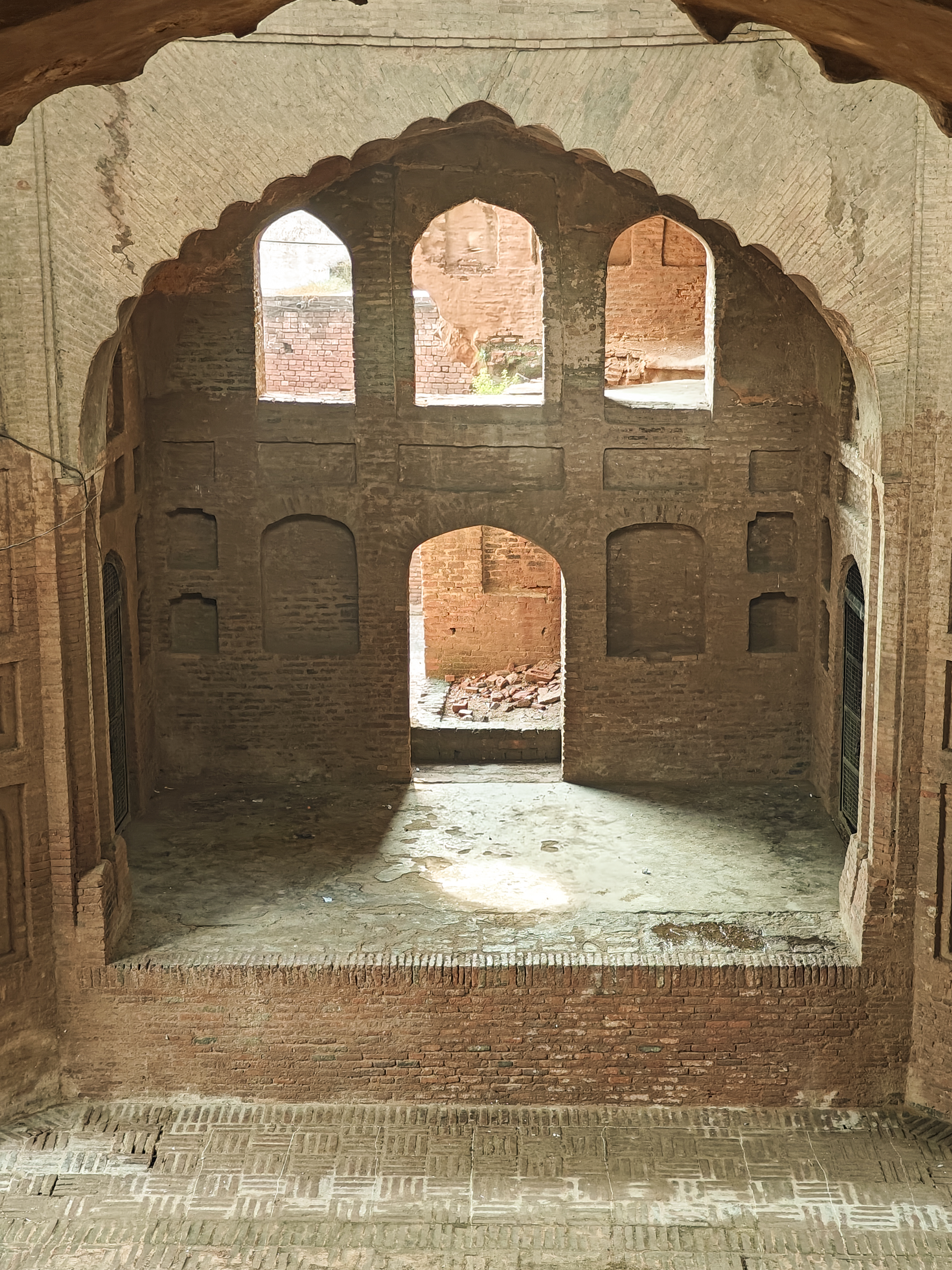
Today, two of these three-story gateways still stand within the area, positioned roughly 100 metres apart along the remains of the Northern and Southern walls. Constructed from traditional Lakhauri bricks, these structures feature an enclosed design with cells lining all four sides of the quadrangle. The surviving gateways are highly ornate, decorated with intricate panels, balconies, rounded towers, and angular flutes.

A must visit site if you are passing by Karnal or surrounding areas.
memento mori माँ की किताबें 

गुज़रा वक़्त और माँ की किताबें

कमरे बुहारने और अलमारी के शेल्फ़ दराज़ साफ करने से खोई हुई चीज़ तो शायद मिल जाए पर गुज़रा वक़्त और पूरी हो चुकी माँ कहां मिलती है – कितना भी खोज लो – वो जो एक बार गई सो गई – ढूंढते रहो, बुलाते रहो फिर – अब ना आने वली वो । 

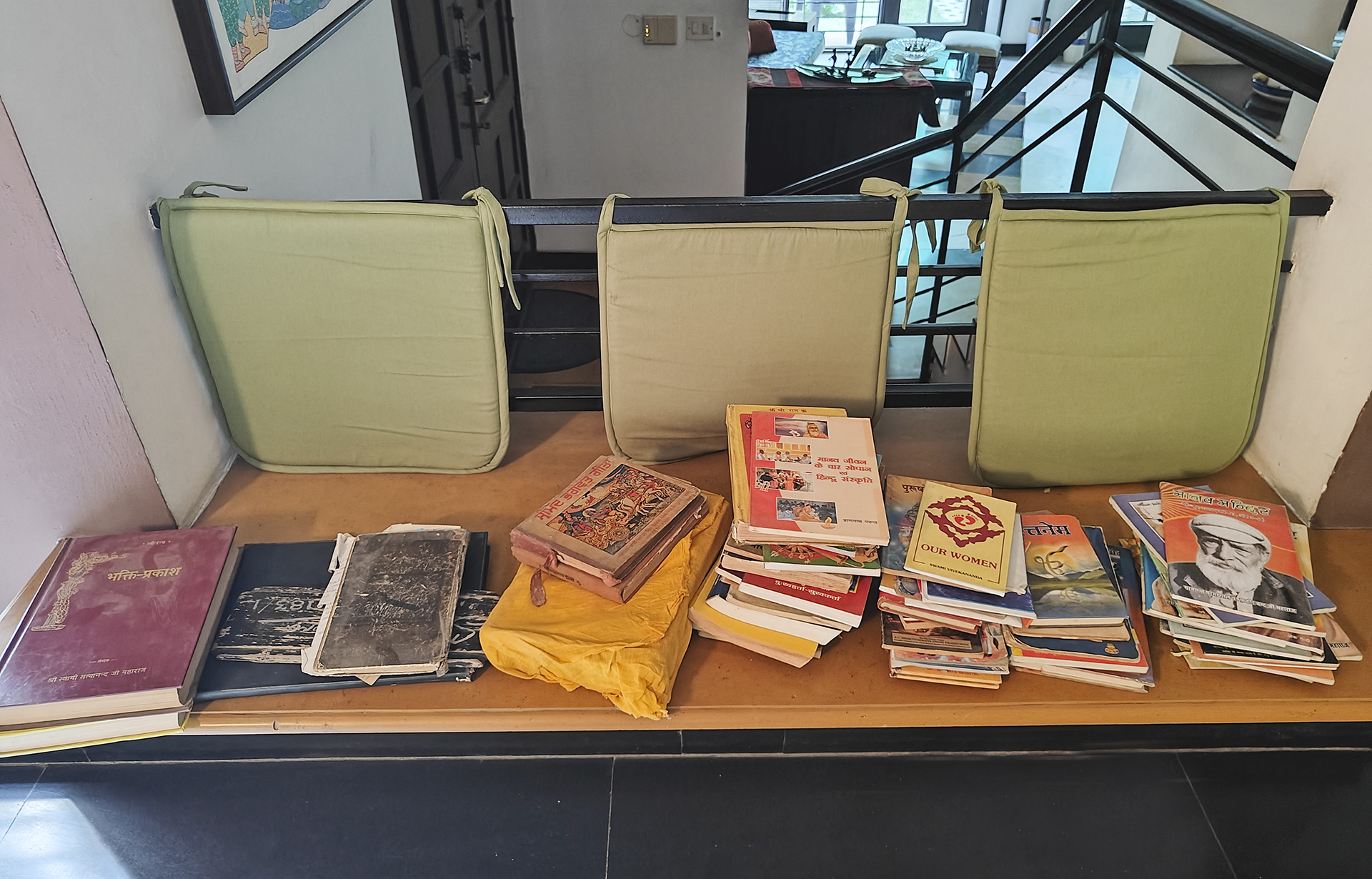
सूने, खाली कमरे में अपनी ही आवाज गूँज कर वापस लौट आती है और फिर नज़र आती है मुस्कुराती हुई तस्वीर जो दीवार से पूरे घर का मुआयना कर रही है। घबराहट में मैं इधर-उधर देखने लगता हूँ आंखें मलते हुए नीची कर लेता हूँ और फिर एक और ठंडी सांस ले रोज़मरा के फ़िज़ूल कामों में लग जाता हूँ। माँ के पलंग के साथ वाली दो साइड टेबल के नीचे माँ की अपनी किताबों का ज़खीरा बाहर निकाला गया। ये वो किताबें हैं जिन्हें माँ हफ्ते-दस-दिन में पढ़ती और दोहराती रहती – बाकी किताबें पढ़ने के बाद उनकी लाइब्रेरी के शेल्फ में बेसमेंट में चली जाती है। ये सब किताबें उनके हाथ की पहुंच में रहने से उन्हें एक तसल्ली रहती थी। 

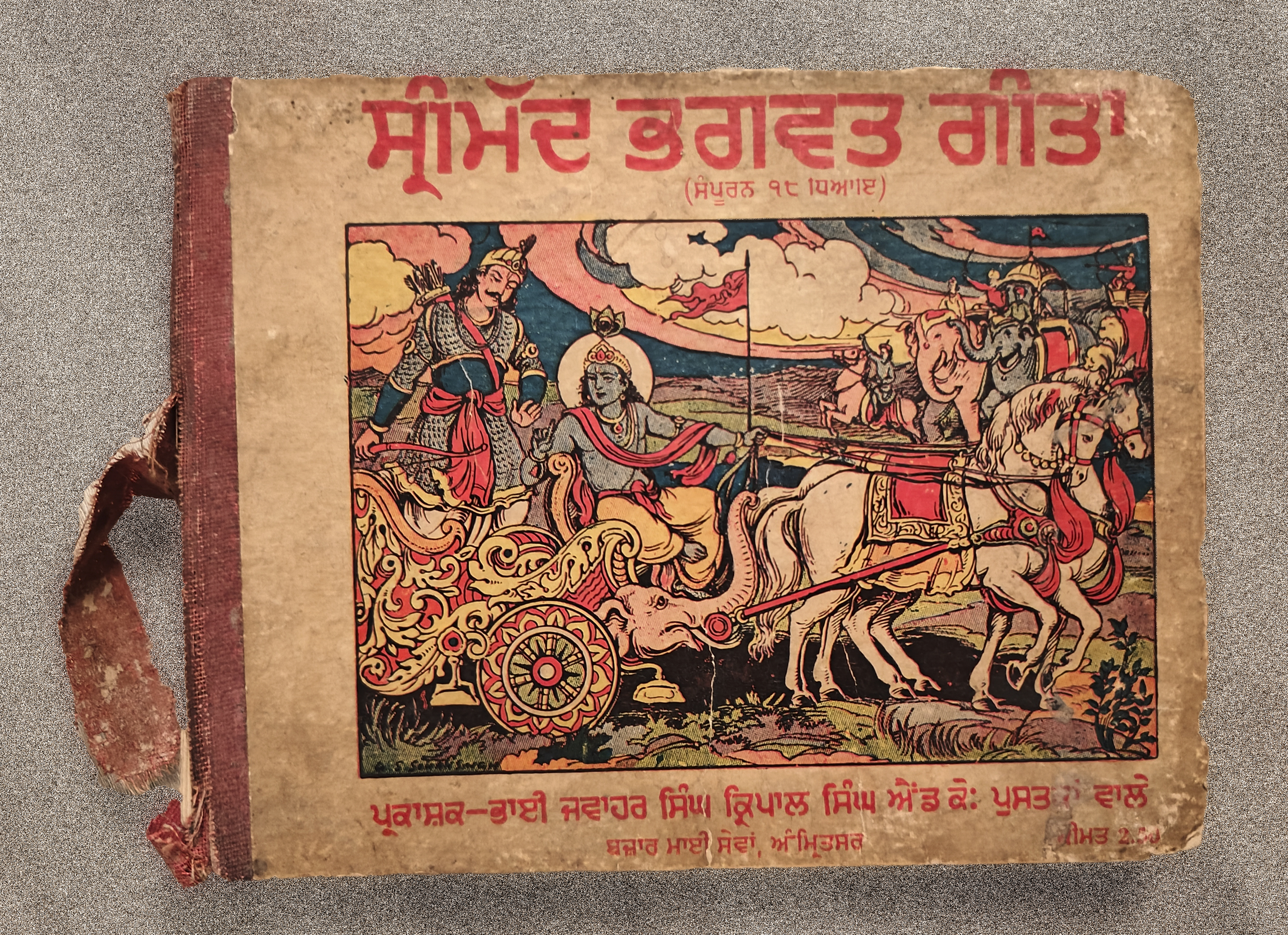
माँ को गुजरे चार महीने हो चले हैं । इन सब किताबों को झाड़ कर कल साफ किया गया। वैसे तो सब बेहतरीन किताबें  हैं पर इनमें दो ज़रूरी किताबें हैं – एक है गुरुमुखी लिपि, यानि पंजाबी, की गीता और दूसरी कबीर रचनावली। आप देख सकते हैं कि गीता की जिल्द पूरी तरह से खुलने लगी है जिसे कल मैंने अपने हाथों से दुरुस्त कर दिया (हाँ, मुझे जिल्दसाज़ी  आती है) दूसरी वाली के भी पन्ने खुल कर बिखर रहे थे तो वो भी धीरज से एक एक पन्ना इकट्ठा कर ठीक की गई। 

इनमें से पंजाबी की गीता ज्यादा जरूरी है, इस के लिए नहीं कि वो “गीता” है, इसलिए कि वो किताब मेरी नानी चंद्रावती ग्रोवर ने मेरी माँ को दी थी। पंजाबी की ये गीता सन 1941 में अमृतसर की छपी है – यकीनन नानी ने लाहौर या झंग में खरीदी होगी (अब लकीर के उस पार) । नानी को गुरुमुखी और उर्दू पढ़नी आती थी, हिंदी और अंग्रेजी नहीं। शायद ये माँ के दहेज़ में आई होगी या फिर शादी के बाद माँ को किसी खास मौके पर मिली होगी। मोटे अक्षरों में छपी 216 पन्ने वाली इस गीता की कीमत कुल ढाई रुपये है। इसकी जिल्द पर चिपकी रंगीन तस्वीर देख कर यकीन नहीं होता कि आज से 85 साल पहले भी ब्लॉक से इतनी खूबसूरत रंगीन छपाई हो सकती थी। खाली हाथ जाने वाला कुदरत का उसूल गलत है। और कुछ साथ जाए या ना जाए किताबें साथ जरूर जानी चाहियें । माँ कितना मिस करती होगी इन किताबों को । 

A death leaves behind a physical and emotional architecture that the living must navigate. Things, even memories, left behind by the one who has gone is the memento mori for the survivors. 


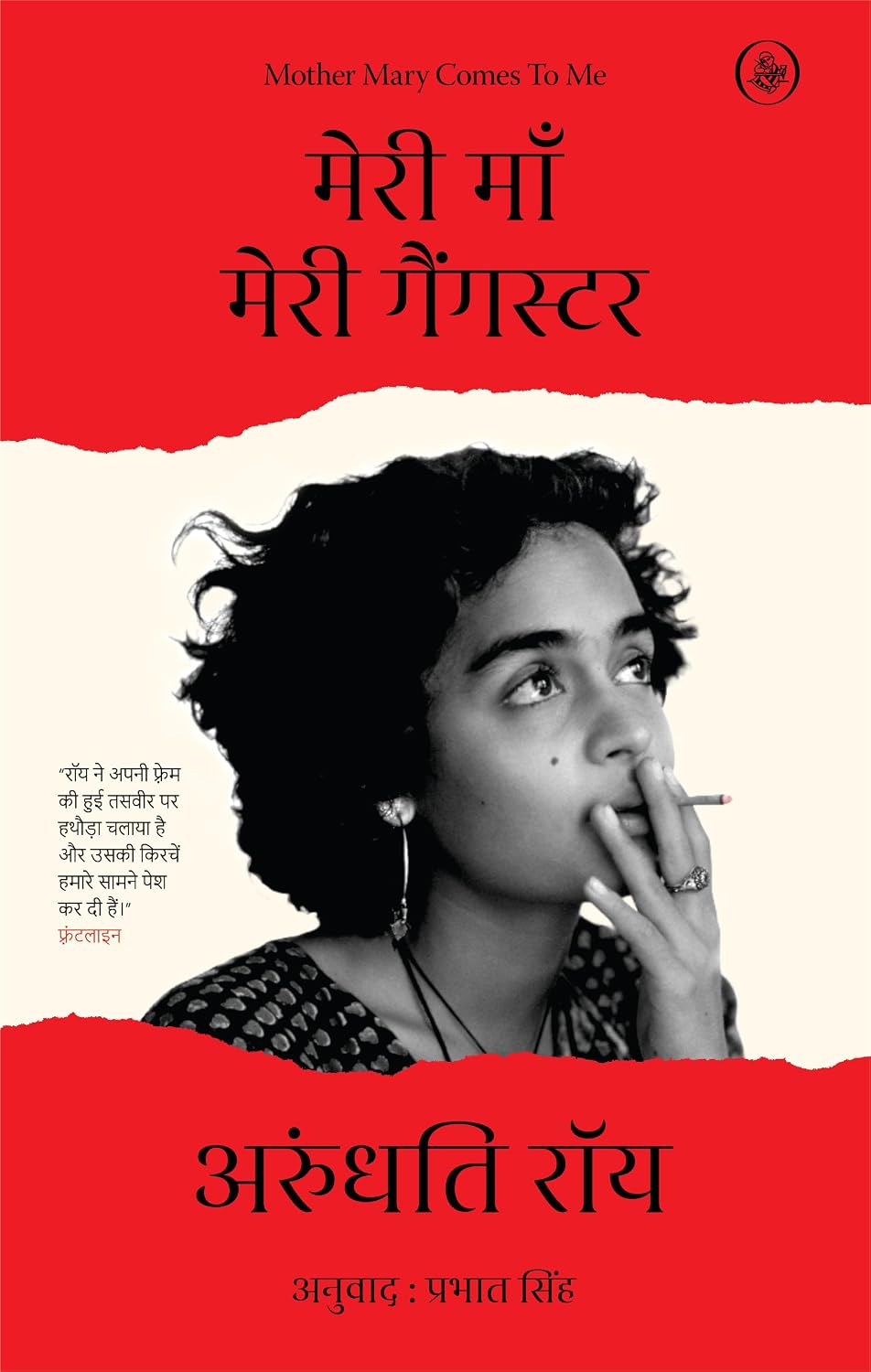
मेरी माँ मेरी गैंगस्टर (Hindi Edition)

कुछ किताबें के साथ ज़िंदगी के वो पल जुड़े होते हैं जिनमे सिमटी यादें  सिर्फ किताब तक महफ़ूज न रह कर हमे बीती घटनाओं के उस घेरे में बांध लेती हैं जो मार्मिक और बेशकीमती होती है – प्रभात भाई की अनुवादित इस किताब के साथ कई ऐसी यादें और पल जुड़े है। इसमे कोई दो राय नहीं की प्रभात भाई का किया किसी भी किताब का अनुवाद अर्थ और विवेचन से परे उनके अपने शब्दों से किताब के प्रसंग को नया आयाम देते हुए हिन्दुस्तानी भाषा के पढ़ने वालों को अपनी सहजता से बांध लेता है। हालांकि ये किताब तो अभी मेरे हाथ नहीं लगी पर बीते दो साल में प्रभात जी के किये कम-अज़-कम चार किताबों के अनुवाद ने ना सिर्फ पढ़ने वाले को बल्कि उनके लेखकों भी मंत्रमुग्ध किया है। बाज़ किताबें के बारे में ये कह कर बात खत्म नहीं की जा सकती कि भाषा या अनुवाद बेहतरीन है पर मैं अपनी तरफ से जोड़ना चाहूँगा कि ये किताब अब सिर्फ एक मासूम गैंगस्टर की ना रह कर कई दिग्गजों या गैंगस्टरों की हो गई है।  

जब इस किताब का अंग्रेज़ी संस्करण आया था, तब मेरी माँ बीमार थीं, बिस्तर पर थीं, और रजनी ने उन्हें किताब के कुछ भावुक व संवेदनशील हिस्से पढ़कर सुनाए थे। रजनी साथ-साथ उनका अनुवाद भी करती जा रही थी, वो अनुवादित शब्द आज भी मेरे ज़हन में ताज़ा हैं। हालाँकि माँ अब हमारे बीच नहीं हैं, फिर भी मैं उन हिस्सों को अपने मन में दोबारा से ताज़ा करना चाहता हूँ और अब नए सिरे से वही हिस्सा माँ को पढ़कर सुनाना चाहता हूँ, यह कहते हुए कि “यह वो असल और सही अनुवाद है जो आपको सुनाना चाहिए था।” 

नहीं मालूम कि प्रभात भाई बार बार ऐसा कैसे कर पाते हैं पर मूल बात का सही मतलब, आसान और बोलचाली भाषा में समझाने वाला अनुवाद ही उनकी खासियत है जो सब को अच्छा लगता है, वो जिसमें केवल शब्दों को नहीं बदला जाता, बल्कि हिंदी की तहज़ीब में असल शब्दों को ढाल कर, उसके शऊर, लहजे, अदब और अंग्रेजी से आने वाली कहावतों की भाषाई सटीकता का भी वो बखूबी से ध्यान रख लेते हैं। अनुवाद ऐसा ही होना चाहिए जिसे पढ़कर बात बिल्कुल साफ़ समझ आए, भाषा का बहाव तरन्नुम में रहे और पढ़ने में ऐसा लगे कि शब्दों के पीछे कोई धुन बज रही है। अंग्रेजी पढे तो देर हो चुकी अब हिन्दुस्तानी की शहद चखनी बाकी है। प्रभात भाई को मुबारक के साथ – 

​I am waiting to read the translated text of these beautiful and haunting lines from the book, “Tonight I will wander on open roads. Tonight I have some time off, even from my dreams”.

<Pictures courtesy Amazon>

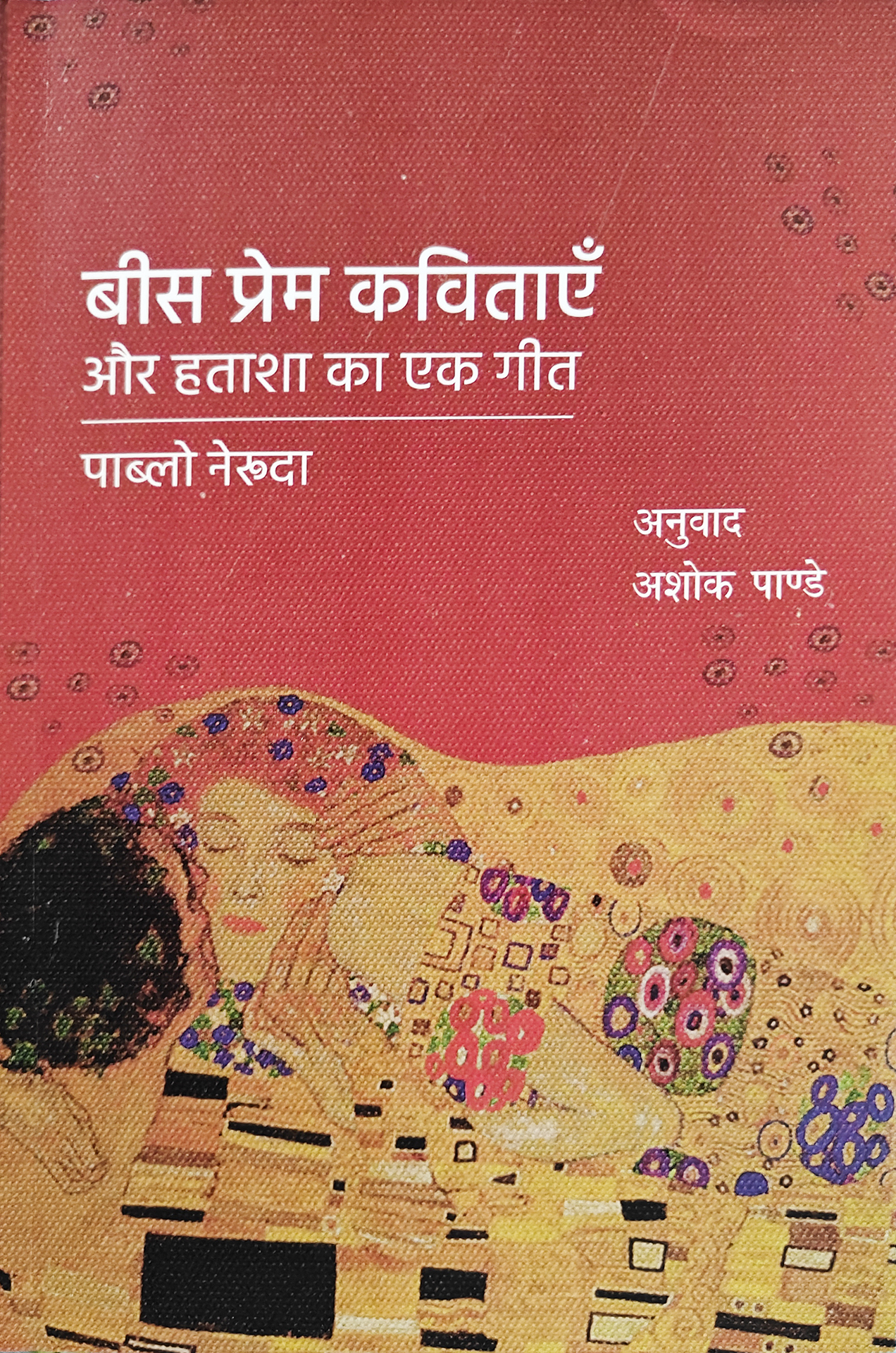
On Ashok Pande’s बीस प्रेम कवितायेँ

Sometime in 1972 (a year after the Nobel Prize for Literature was awarded to Pablo Neruda), an Indian artist named Vivan Sundaram met him in Chile. Although Neruda was expected to visit Mexico (where Vivan was) around that time, for some reason  he couldn’t. A committed Communist, Vivan returned to India the next year and created a series of pen-and-ink drawings of Neruda’s poem The Heights of Machu Picchu. These artworks were exhibited in the Faculty of Arts at Delhi Unviersity. I learnt about the exhibition much later, around ’77 or ’78, when I was studying Neruda at DU. As life or luck would have it, Safdar Hashmi brought Vivan Sundaram face-to-face with me. Sometime in the year 2000 Sahmat digitally reproduced those artworks together with lines from the poem. I was lucky Vivan asked me to design the posters, but that is not the reason I am writing to you, nor am I attempting to show off.

Reading your amazing Hindi translations of Neruda’s love poems my mind kept returning to that major poem, The Heights of Machu Picchu, which, while being political, social, and revolutionary in nature also contains powerful elements of love. I wonder why you didn’t include that poem in your anthology? How else would one define the lines… “the lightning unleashed by a kiss” and “my nuptial homeland” from the poem as anything other than love and to an extent even erotic? Thanks none the less for this wonderful wonderful work “of art”. My favourite of your translation is लिख सकता हूँ आज की रात (Tonight I can write) – मैं उसे और प्यार नहीं करता, ये तय है, पर कितना प्यार उसे मैंने किया – I no longer love her, that’s certain, but how I loved her. Feeling sad why didn’t i order this book before.

oplus_1048608

पुरानी दिल्ली: साझा संस्कृति का सफर

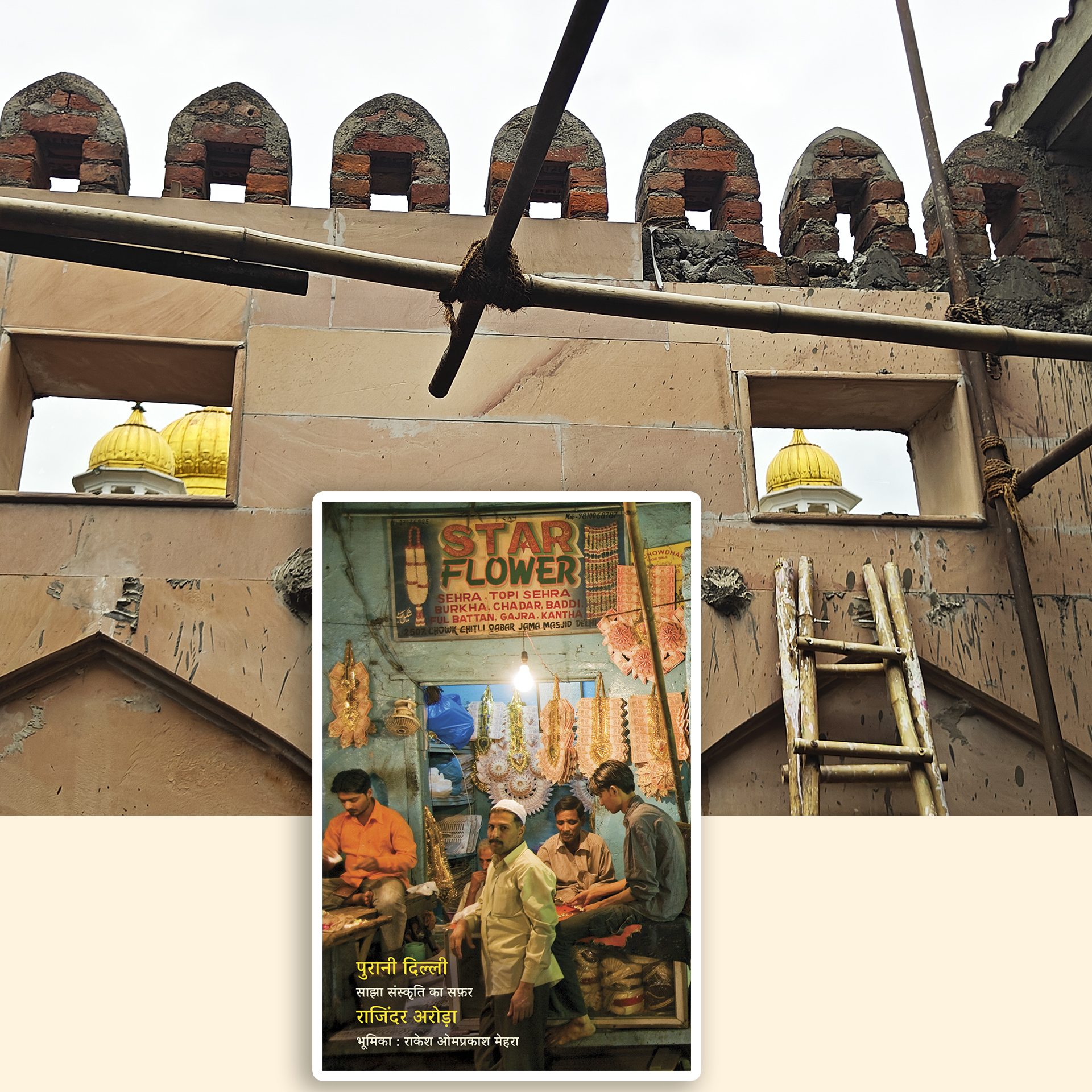
If there is one street, one bazaar in our city that epitomizes shared heritage and secular values, it is Chandni Chowk in Purani Delhi  (पुरानी दिल्ली). Look at this beautiful sight: the golden dome of Shree Sis Ganj Gurdwara Sahib as seen from inside the Sunehri Masjid right next to it. The Masjid is being  repaired – special niches were added to enhance the view – and look at the  कंगूरे  (Crenellations) on top of the wall, the decorative element of a mosque’s outer wall. Ah, something to behold in Purani Delhi: a living example of साझा संस्कृति का सफर for nearly 400 years now. In less than a 700-meter stretch, people of different faiths celebrate their religious beliefs and  ideologies in brotherhood, while respecting each other’s space. Starting at the eastern corner of Chandni Chowk we see the Digambar Jain Lal Mandir, which touches the Gauri Shankar temple. Walk 150 meters diagonally and we find the Central Baptist Church. Diagonally across another 100 meters is the Gurudwara Sis Ganj Sahib which shares a common wall with the Sunehri Masjid. Lastly, walk another five hundred meters to face the beautiful Fatehpuri masjid, built in 1650 by Fatehpuri Begum, the emperor’s wife. In my book पुरानी दिल्ली: साझा संस्कृति का सफर you will find this and many other stories of Purani Delhi. Available from Leftword.com and also on Amazon.

Golden domes of Sis Ganj Gurudwara Sahib peep from the wall-niches of Sunehri Masjid in Chandni Chowk; and my the cover of my book - Puranni Dilli.