Remembering Raghu Rai

In the last 24 hours I have seen more portraits and pictures of Raghu Rai (on digital platforms) than I had ever imagined they even existed. It is sad that Raghu Rai is no more. He had been suffering for a few months. It is nice to see friends and acquaintances pouring out their love for him, and in turn, projecting their proximity to Raghu Rai. It is a veritable RR show online, an exhibition of his pictures some of which he wouldn’t even have known people cherished so much – friends, peers, fan, and acquaintances. 

While a photographer is in the process of making a picture or when he is busy composing them, he doesn’t realise that he too becomes a subject of curiosity, an image himself. People knew him, people loved him as an icon, a star photographer and people adored him wherever he went. He would talk, he would explain politely and share the nuances of an art of which he was undoubtedly a master. Amateurs and youngsters in photography community addressed him as Guru and Ustaad and wanted to record their meeting with him. Undoubtedly his was a photogenic face too, handsome and his smile too could launch a few ships. 

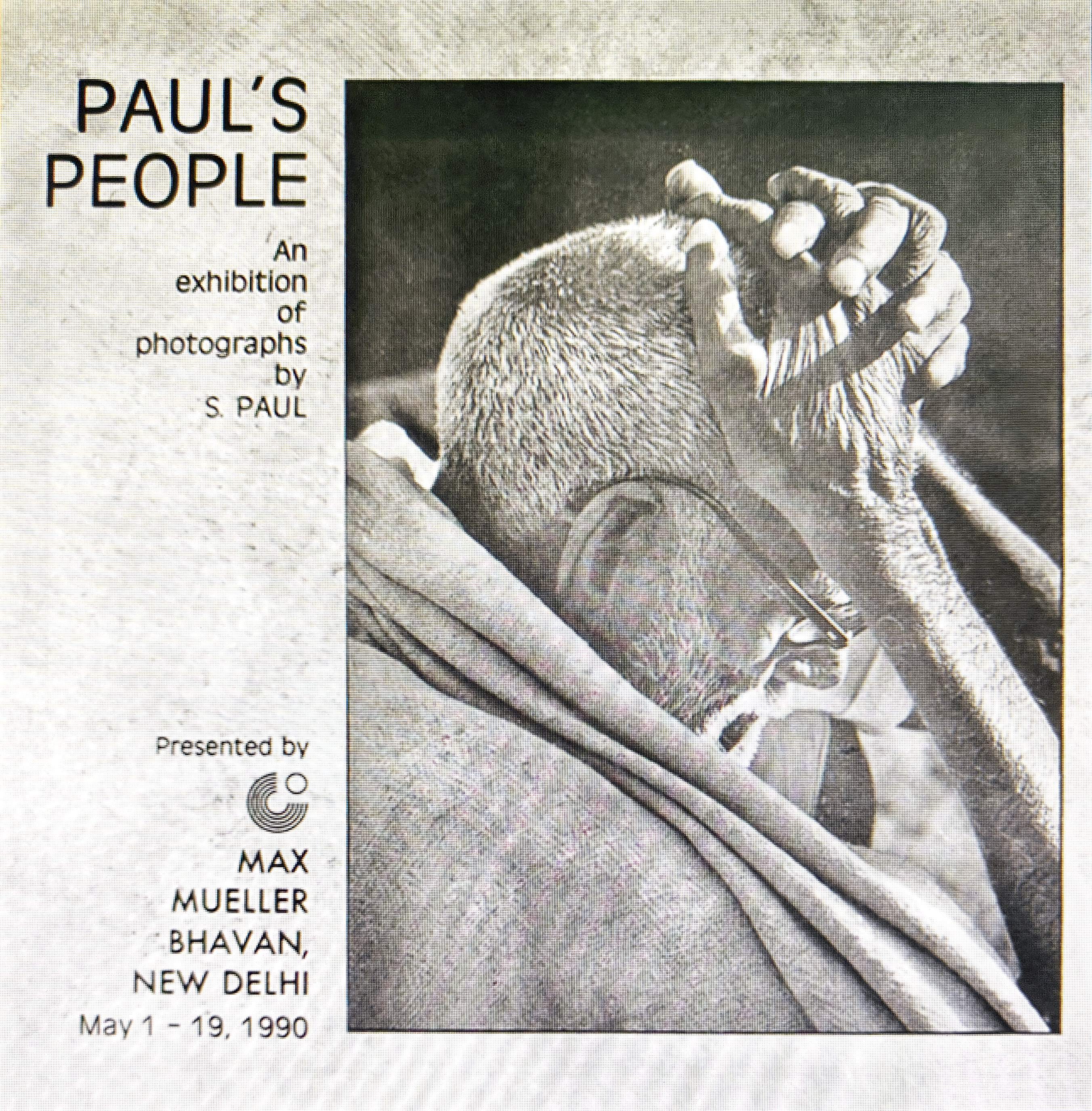
I can’t claim that he was my friend, yet our association and connection was such that we did treat each other as a friend. The first time I met him was in 1989 at his house in Rabindra Nagar next to Khan Market, Delhi. A UK based client of ours insisted on using one of Raghu’s Taj Mahal picture on the cover of his travel catalogue. Those were the days when film was used in cameras, pre-digital days. I had to pickup a 35mm colour slide from him and hand over a big amount for ‘one’ picture. He was a celebrity then and he is a celebrity now, thirty-seven years later. Even before I met Raghu Rai or had any association with him I had known his older brother S. Paul for whom we had designed and published a catalogue of his pictures. A show of S Paul’s pictures was organised by Max Mueller Bhavan, Delhi. I must say his pictures were very impressive.

As an advertising agency we are dealing with big names in photography all the time, whether for arranged shoots (industrial, architectural, food, fashion, product) or to buy stock pictures. That one meeting brought us closer and we kept meeting at art shows, galleries, social dos or at events organised by Kodak or Fuji. Ever since our meeting at SAHMAT events we got even closer.

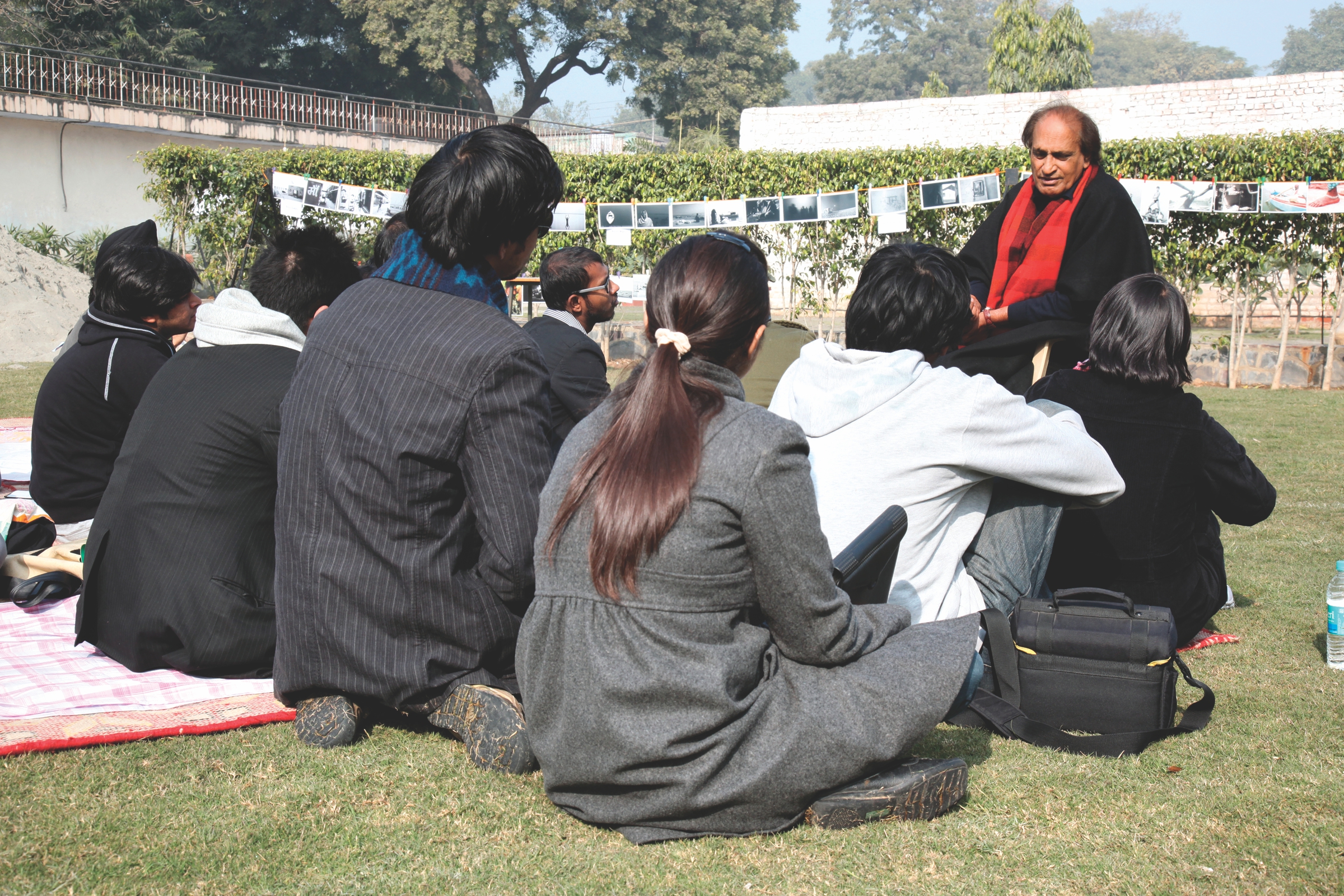
For some strange, and unknown reason I addressed him Prabhu (lord of photography??) and he would shoot back ‘Lal Pari’. About this moniker he once explained, “I have seen you many times wearing different red kurtas. Long back I saw you with your long hair bouncing off the shoulders, thus the name.” I nodded; you couldn’t argue with Raghu. I attended one of his photography workshops which he conducted open-air at the gorgeous location of Ojas Art gallery in Mehraulli. A large manicured green lawn, anchored around a banyan tree with its entangled roots hanging from its strong branches and its large leaves reaching for the earth. A tree that itself is associated with many renowned folklores was an aptly location for the master storyteller whose ‘pictured tales’. 

I had never imagined that there was even a remote chance to see so many of Raghu Rai’s pictures in one go, one day without having to move from house or visiting a gallery. A very large number of Raghu’s pictures are being shared online today; pictures that are artistically superb, iconic and are a story by themselves. These pictures are being shared because they are liked by masses and are a part of public memory. Thats a way condolences are shared.

One can’t disagree with people posting his marvellous pictures but then RR was known for his keen eye, the game he played with his subjects, the locale, the foreground and background, the light and shade and the very story that moment had. RR was known for capturing a story in his pictures – sometimes those were poetry or a song; an ongoing movement that brought forth a particular moment that he captured – the one that had both, the before and after in it. And then he hung that picture for all of us to see and feel the fierceness of a sand storm, a village rising from the dust and embracing air travel, 

Just like my mother, his family also came to India from Jhang where he was born. He shared it with with me after I had visited Lahore with my parents on a trip looking for their parental houses before the Partition. Raghu was eight years younger to my mother and they had shared the same mohalla. His keen eyes must have observed the ever changing subcontinent and the trauma of the uprooted families. He mentioned that he had been to Lahore long-long back in 1978 to locate their house and that for him too it was hugely emotional moment. Yet, he made full use of the opportunity and mingled with the crowd as he went about taking hundreds of pictures of the people and localities. There is very touching picture of him riding a donkey on a street, crowded with people surrounding him while he enjoyed all the attention – which all Indians get across the border.

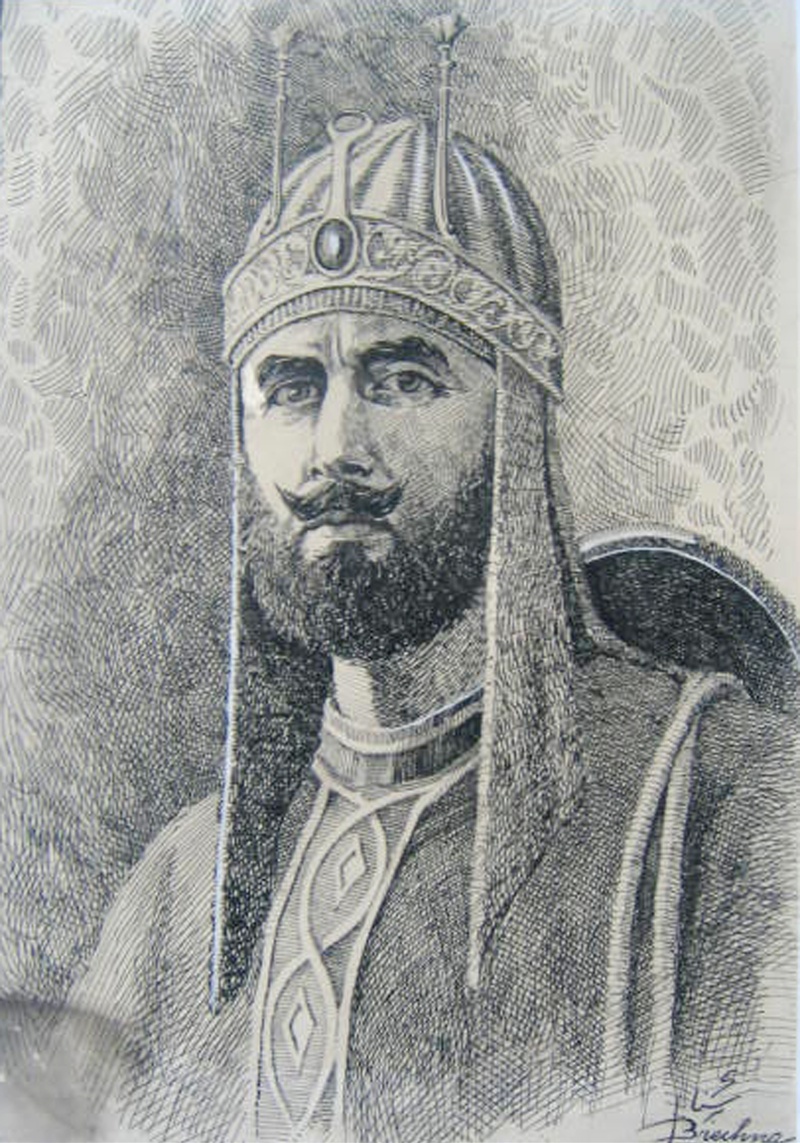
His pictures were defining visual voices of modern India. Impressed by an exhibit of his work in Paris in 1971, Henri Cartier-Bresson, possibly the world’s greatest photographer in his day, nominated Raghu Rai to join Magnum Photos in 1977.

Today, photographers across the country are grieving a loss, but are also celebrating the life of a giant that rose above others to make his images immortal or outlive time.

Raghu Rai was not only a photographer with a keen observant eye but an artist who brought forth the aesthetics of a moment in his pictures. One can find RR pictures of almost all important events of the country from the 1970s onward. In mid-seventies, he was at the Maharishi Mahesh Yogi Ashram in Rishikesh photographing the phenomena in pop-music called the “Beatles”. His eyes found art where his contemporaries only found news. Like someone said, “Raghu’s evolution was meteoric. He raised news pics into world art. This was independent of his exceptional eye on the Taj Mahal, Mother Teresa, Dalai Lama, all the contemporary musicians. No war photographer had mixed valour, victory with a deep sense of tragedy as in his coverage of the Bangladesh war.” For those of us who shared a space in social and cultural activism, Raghu would be found standing with all for any cause. His haunting picture of a half-buried child after the Bhopal Gas Tragedy or the labour movement or even the plight of the migrants during Covid are silent sentinels of our times.

He was there, almost everywhere. Raghu Rai was in Ayodhya at the pivotal moment in Indian history when the Babri masjid was demolished. Not just that he documented the tragedy for posterity, he was at the receiving end from the Kar Sevaks who assaulted him and other photographers and  his camera equipment was also damaged.  

Not that I ever went with him on a photo-sortie, but I know by his sheer demeanour in all else that he did—that Raghu was never in a rush. He almost mathematically calculated every aspect of composing a shot and taking a picture I saw him taking pictures of the display of his own show in such thoughtful ways that one wonders what formule or theorems went on in his mind while making a frame.

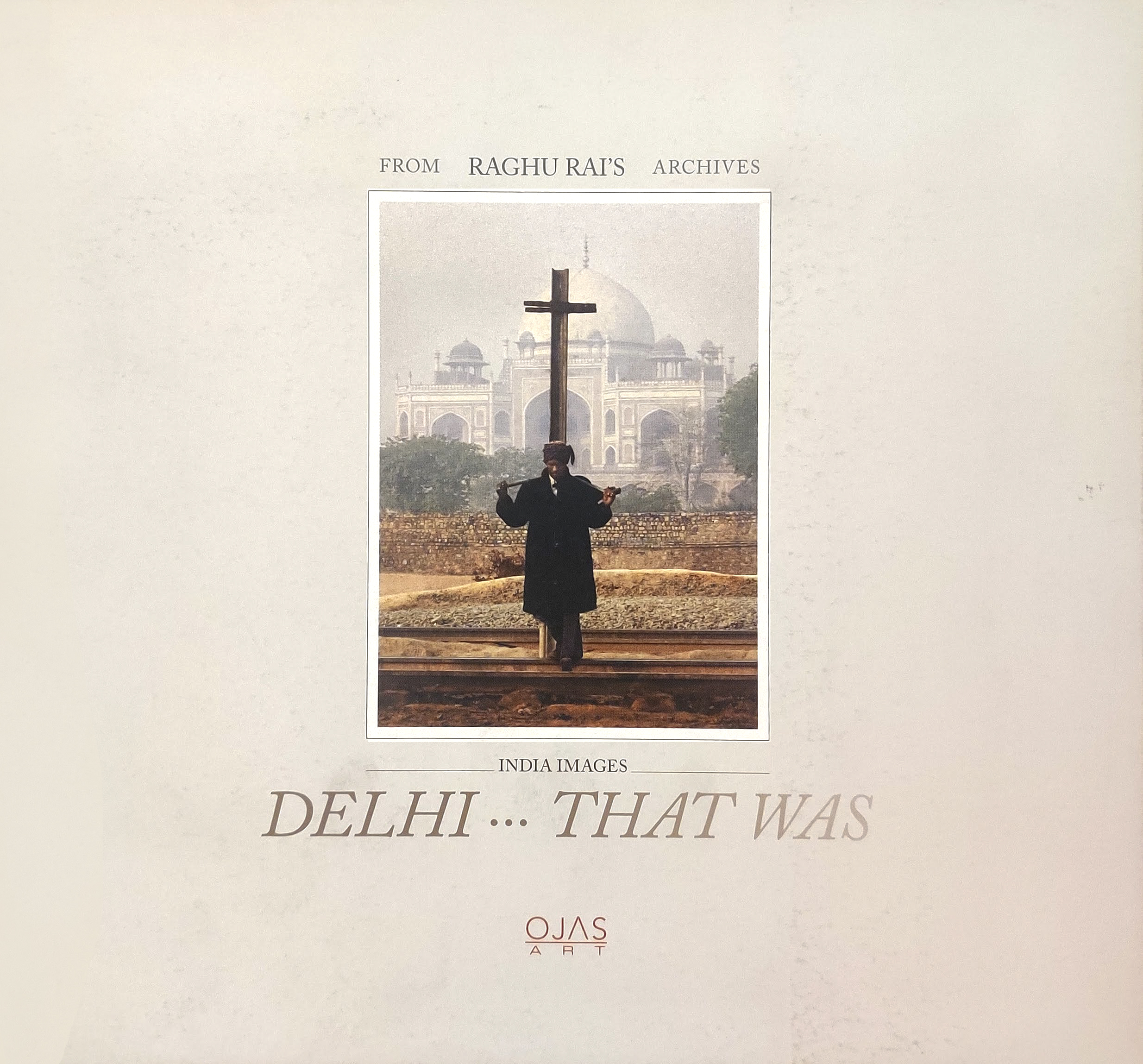
As a design agency we had the privilege of designing and printing catalogues of Raghu Rai’s shows that were assigned to us by art galleries. These catalogues gave me a chance to interact with RR on personal level for many reasons – be it technical or simply emotional. The last catalogue I did for him was for a show that exhibited photographs of three senior photographers of Delhi; namely Habib Rahman, Madan Mahata and Raghu Rai. The show was titled “Delhi… That Was”. Some of the finest pictures of these three greats were on display. On the day of the opening, Raghu went around the entire gallery interpreting each image for us who were keen to listen to him. Late Habib Rahman and Madan Mahatta would have been very happy that day listening to their pictures being deconstructed.

In Raghu Rai we have lost a visual historian, an artist, a photographer and a extraordinary human being.

P.S.: Social media platforms are a treat today to see some of Raghu Rai’s pictures that one had not seen before. It is also a rare day when we got a break from the seeing the sullen pictures of a rotten politico and his brigade. 
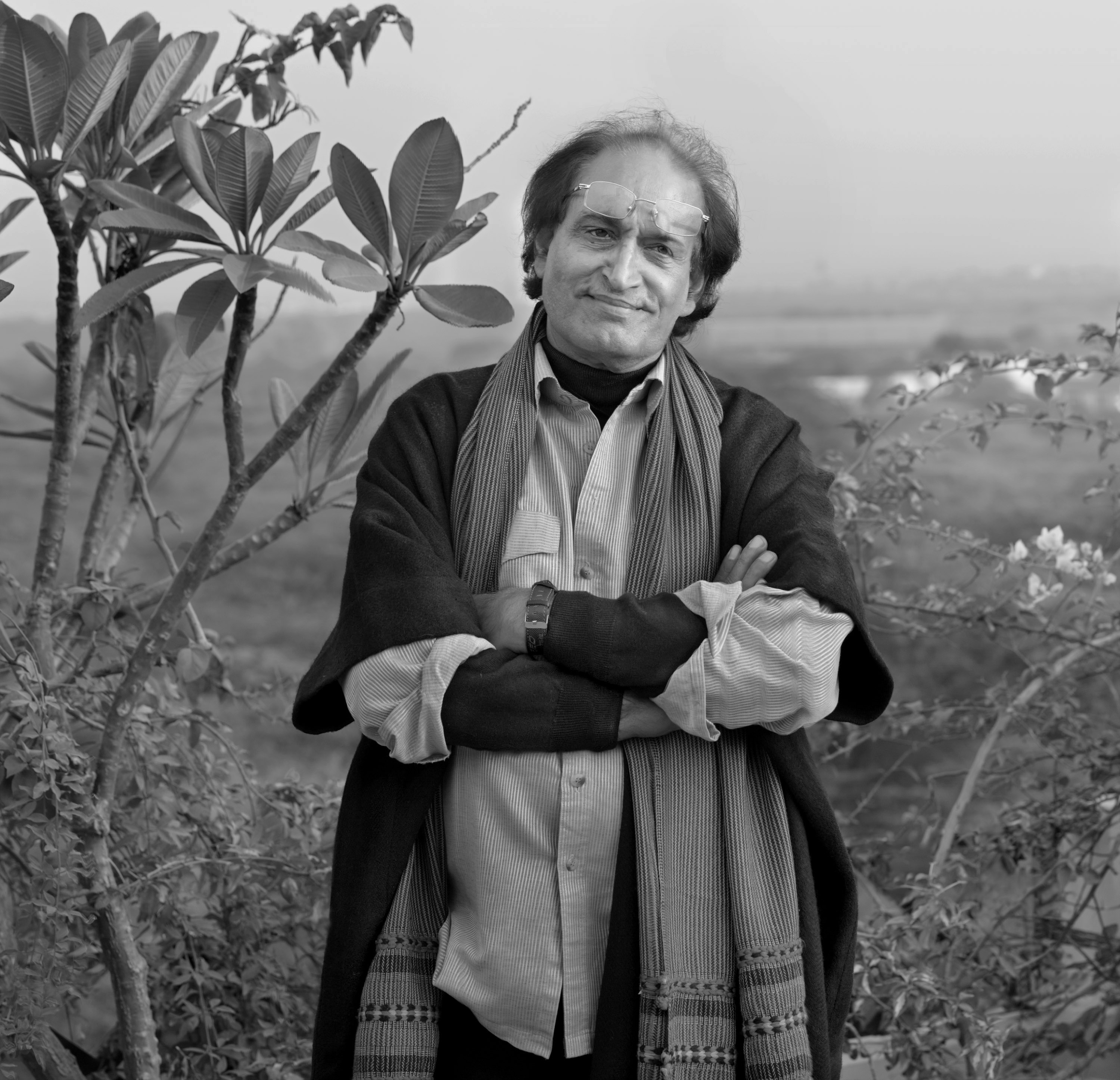
Raghu_111, Wed Nov 25, 2009, 4:37:05 PM, 8C, 3998×5330, (0+0), 50%, chrome 7 stops, 1/50 s, R93.3, G73.4, B74.4

Rajinder Arora, 27 April 2026
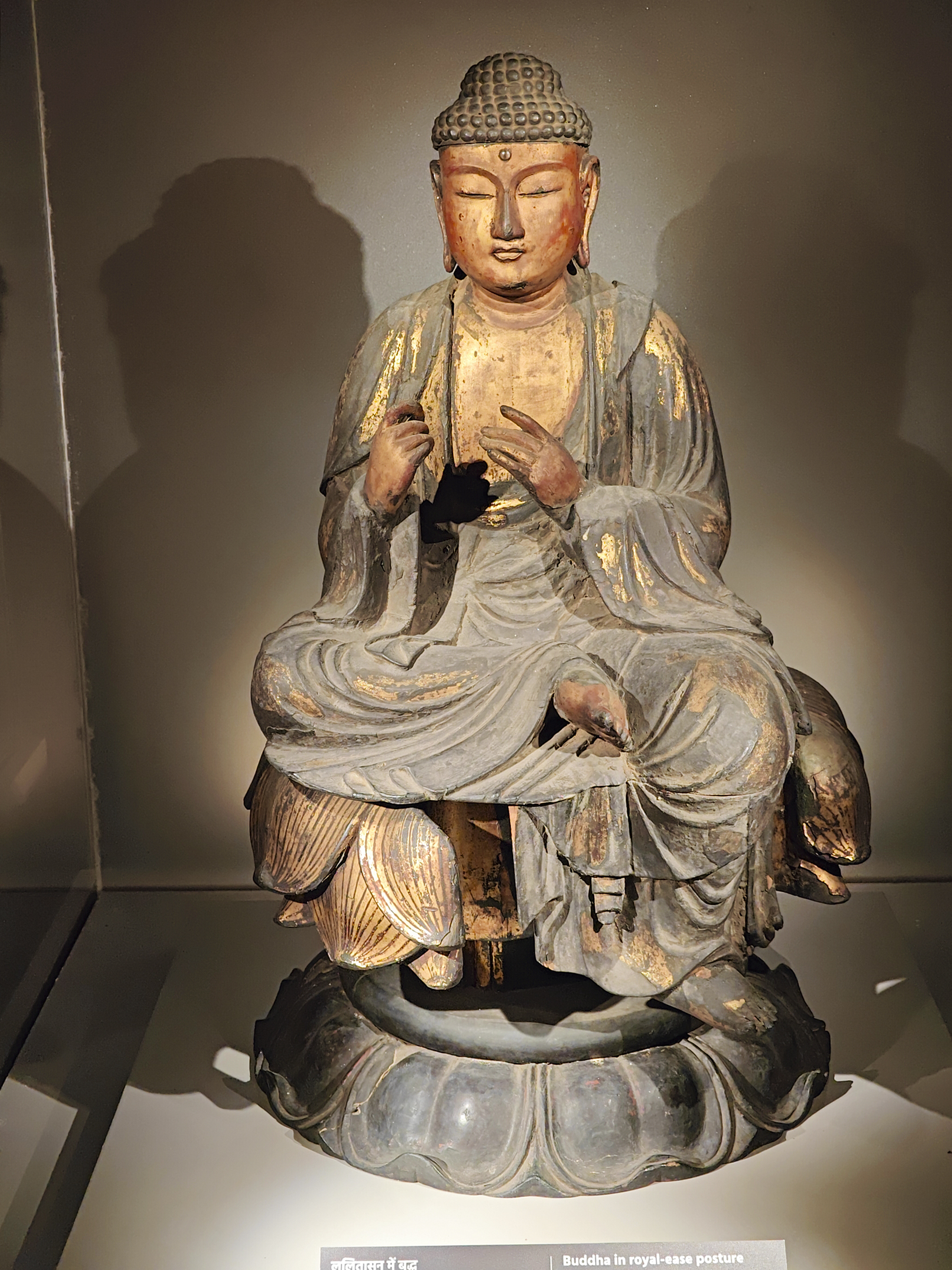
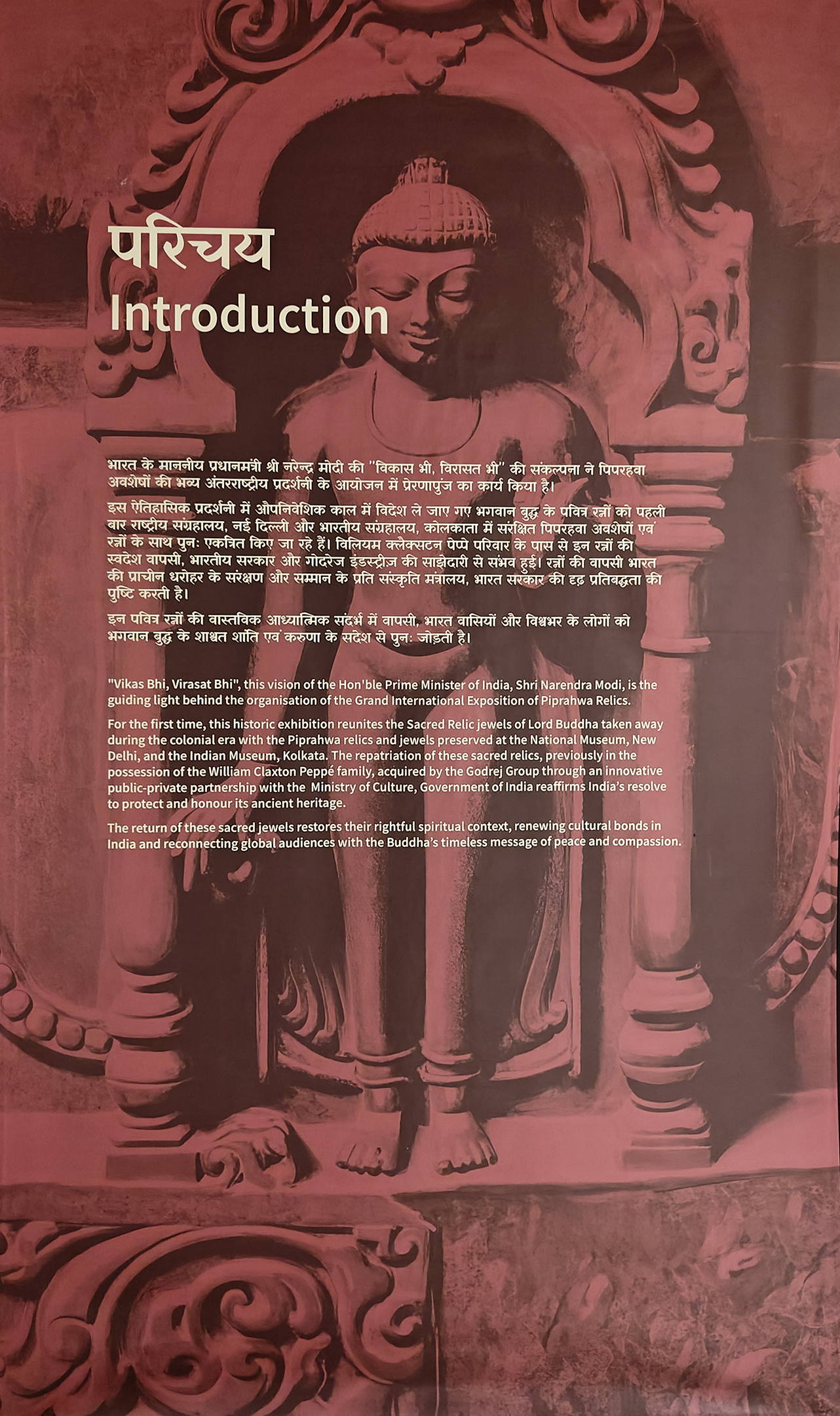
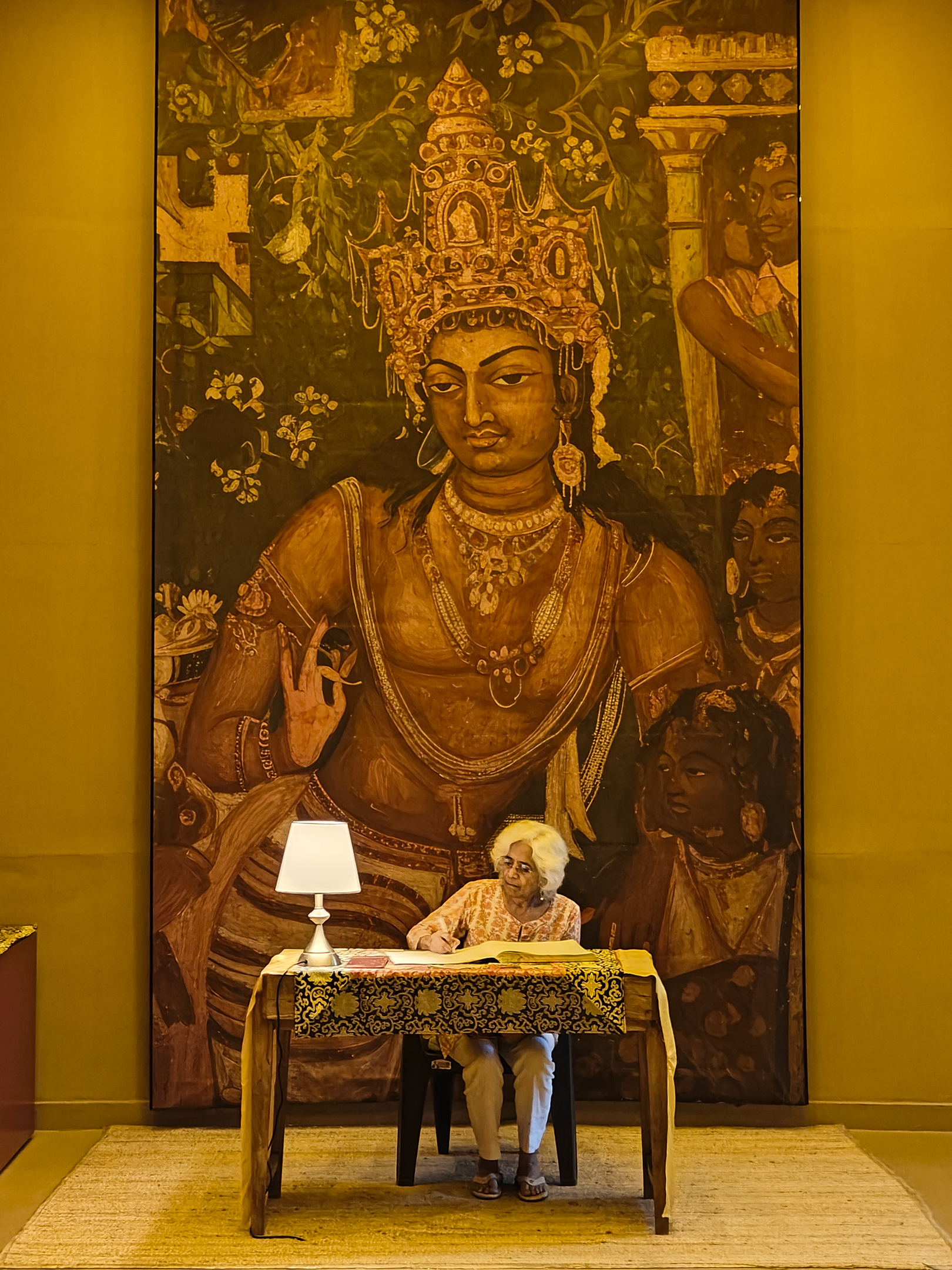
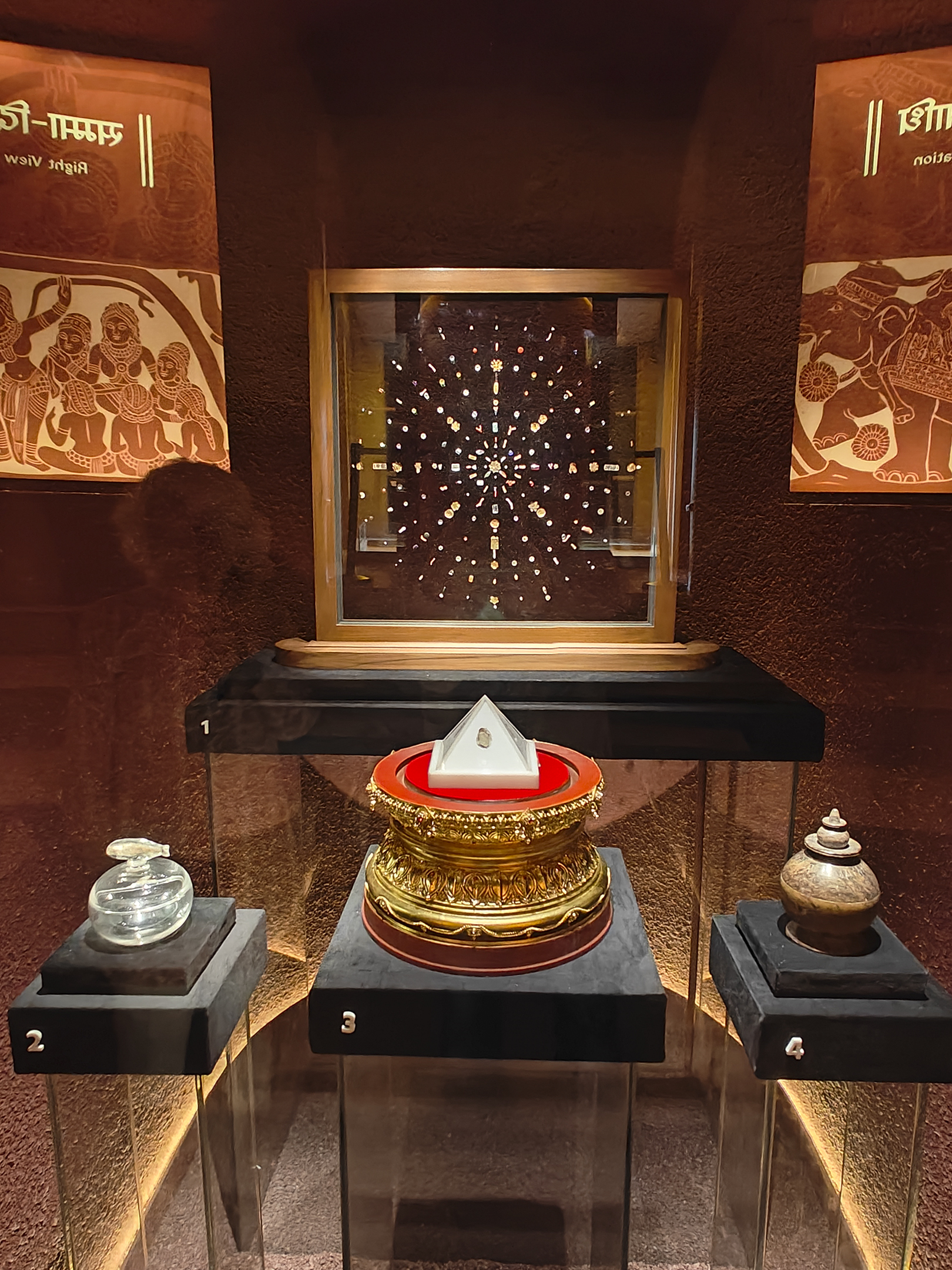
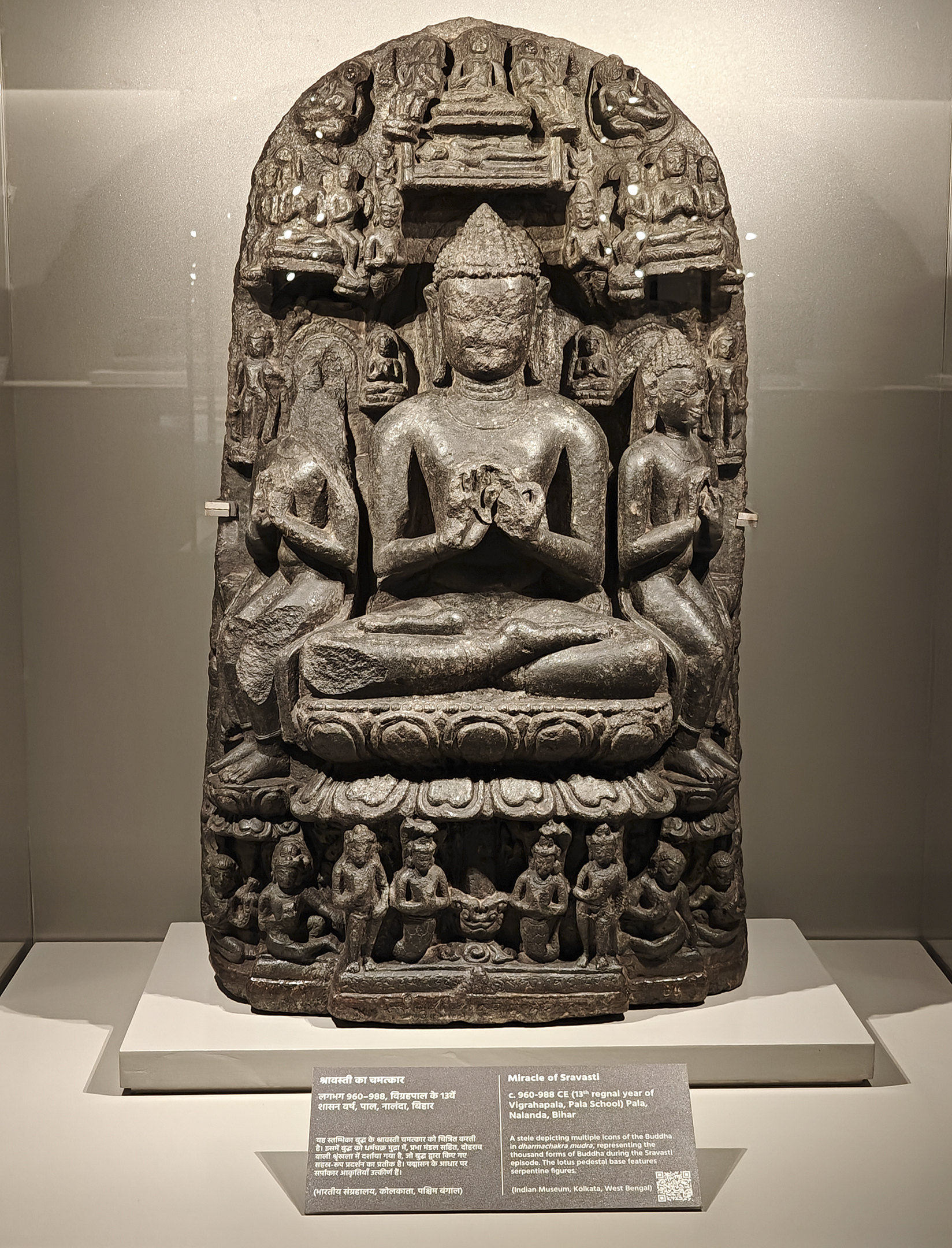
Piprahwa Gems and Relics of the Buddha

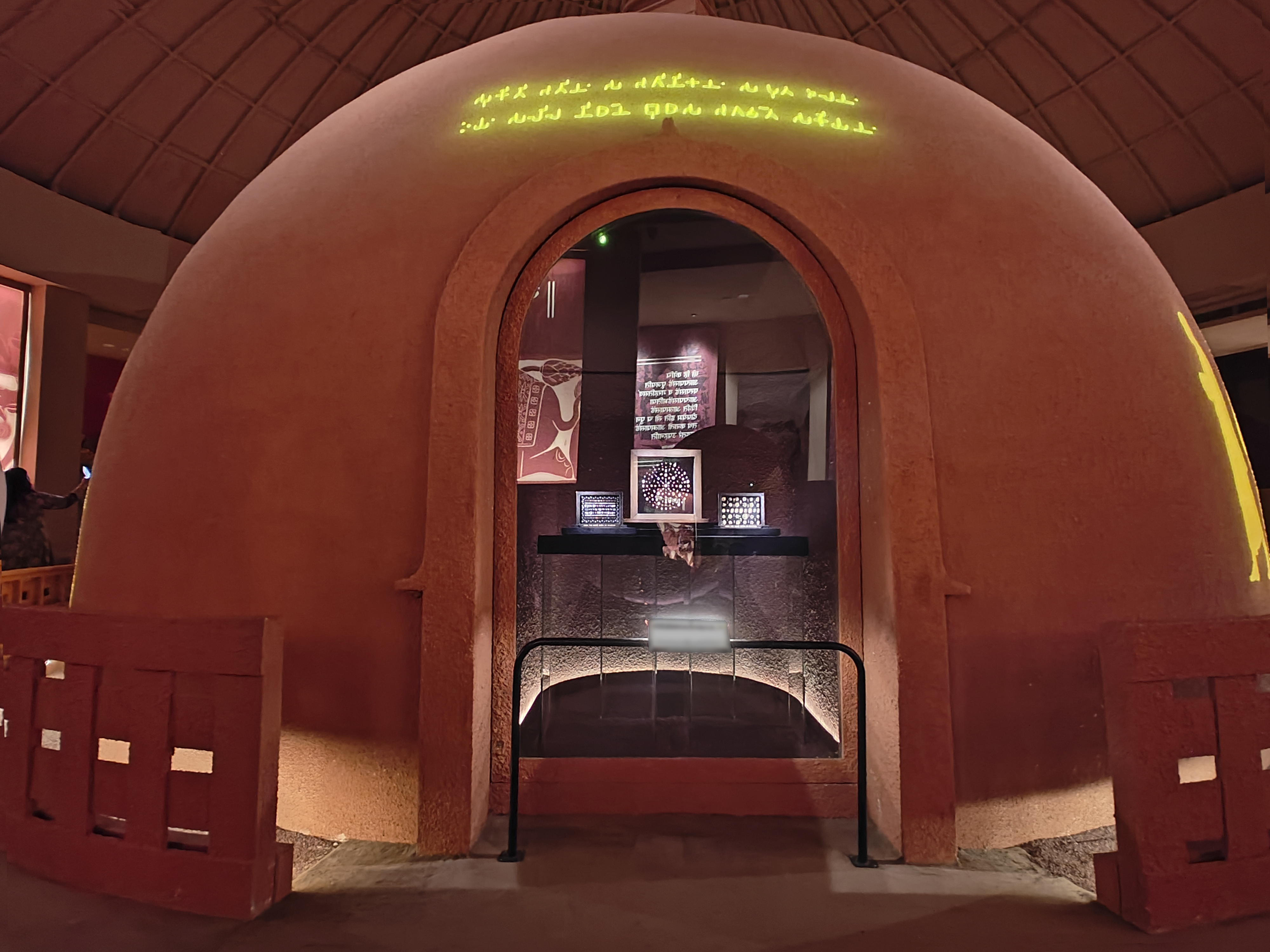
​An excellent opportunity to promote the importance of the Science of Archaeology was wasted amid the din of overemphasizing faith. Bringing home the gems and relics of Buddha may indeed be a cause for celebration, yet the audio-videos were focussed only on the present master and the government of the day. In a text panel buried under heavy jargon is a line that says these relics have been ‘acquired by the Godrej Group through an innovative public-private partnership.’ Also, can the museum manager please buy a better megaphone for the guide and ask the gentleman to speak more softly? Seriously, it’s not a wedding venue!! Besides the gems and the relics – my find of the day was Elizabeth Brunner’s Walking Buddha (oil on woven mat) which transforms the Buddha-pada into dynamic steps with its soft forward march, and the Buddha painting by none other than Nandalal Bose. Do visit the show, only three weeks left of what is called as Piprahwa gems exhibition but is officially named ‘The Light of the Lotus: Relics of the Awakened One’, at the Qila Rai Pithora Fort and Cultural Complex, Lado Sarai on Press Enclave Marg, in Delhi.  *Piprahwa, in Siddharthnagar, U.P. is what was known as Kapilavastu.

The official statement posted by PIB on: 02 JAN 2026 says 
The Ministry of Culture is hosting a landmark exposition showcasing the Piprahwa Relics, Reliquaries and Gem Relics, recently repatriated to India, at the Rai Pithora Cultural Complex. The exposition is set to be inaugurated by the Prime Minister, Shri Narendra Modi on 3rd January 2026 at 11.00 AM.
This historic event marks the reunification of the Piprahwa gem relics of Lord Buddha, repatriated after 127 years, with relics, gem relics, and reliquaries from 1898 and then 1971-1975 excavations at the Piprahwa site.
The exposition, titled “The Light and the Lotus: Relics of the Awakened One,” thematically showcases relevant antiquities and works of art from several cultural institutions under the Ministry of Culture. These relics represent the most extensive assemblage attributed to the Buddha, symbolizing profound philosophical meaning, masterful craftsmanship, and global spiritual significance. The exhibition features over 80 objects spanning the 6th century BCE to the present, including sculptures, manuscripts, thangkas, and ritual objects.
This unprecedented gathering commemorates the Ministry of Culture’s successful repatriation of the relics in July 2025, achieved through a public-private partnership, halting an auction at Sotheby’s Hong Kong. For the first time since the 1898 excavation, the exposition brings together:

  1. Relics from the 1898 Kapilavastu excavation
  2. Treasures from the 1972 excavations
  3. Reliquaries and jewelled treasures from the Indian Museum, Kolkata
  4. Recently repatriated relics from the Peppé family collection
  5. Monolithic Stone Coffer within which the gem relics and reliquaries were originally found.

The sacred Buddha relics were discovered in 1898 by William Claxton Peppé at the ancient stupa of Kapilavastu. Following their discovery, portions were distributed globally, with one part gifted to the King of Siam, another taken to England, and a third preserved at the Indian Museum, Kolkata. In 2025, the Peppé family portion was repatriated through decisive intervention by the Ministry of Culture, supported by Buddhist communities worldwide.
The exposition underscores India’s role as the birthplace of Buddhism and reinforces its position as a global spiritual and cultural leader. Under the leadership of Prime Minister Narendra Modi, India’s global engagement increasingly draws upon its civilizational and spiritual inheritance, 642 antiquities have been repatriated to India, with the return of the Piprahwa relics standing as a landmark achievement.

The inauguration will witness participation from Union Ministers, Ambassadors and members of the diplomatic corps, venerable Buddhist monks, senior government officials, scholars, heritage experts, esteemed members of the art fraternity, art aficionados, followers of Buddhism, and students.

The exposition reaffirms the Ministry’s commitment to heritage preservation and cultural leadership while celebrating India’s spiritual legacy and its significance as the birthplace of the Buddha Dhamma, reflecting India’s enduring commitment to preserving and sharing its civilizational heritage with the world.

The Light of the Lotus: Relics of the Awakened One - Piprawah Gems - Buddha
oplus_1048576

Burfu – a beautiful village near Milam

अशोक पांडे जी की फेस्बुक पर एक हालिया पोस्ट मुझे बुरफ़ू ले गई:  बीस बरस पहले के बुरफ़ू नरेश – प्रह्लाद सिंह

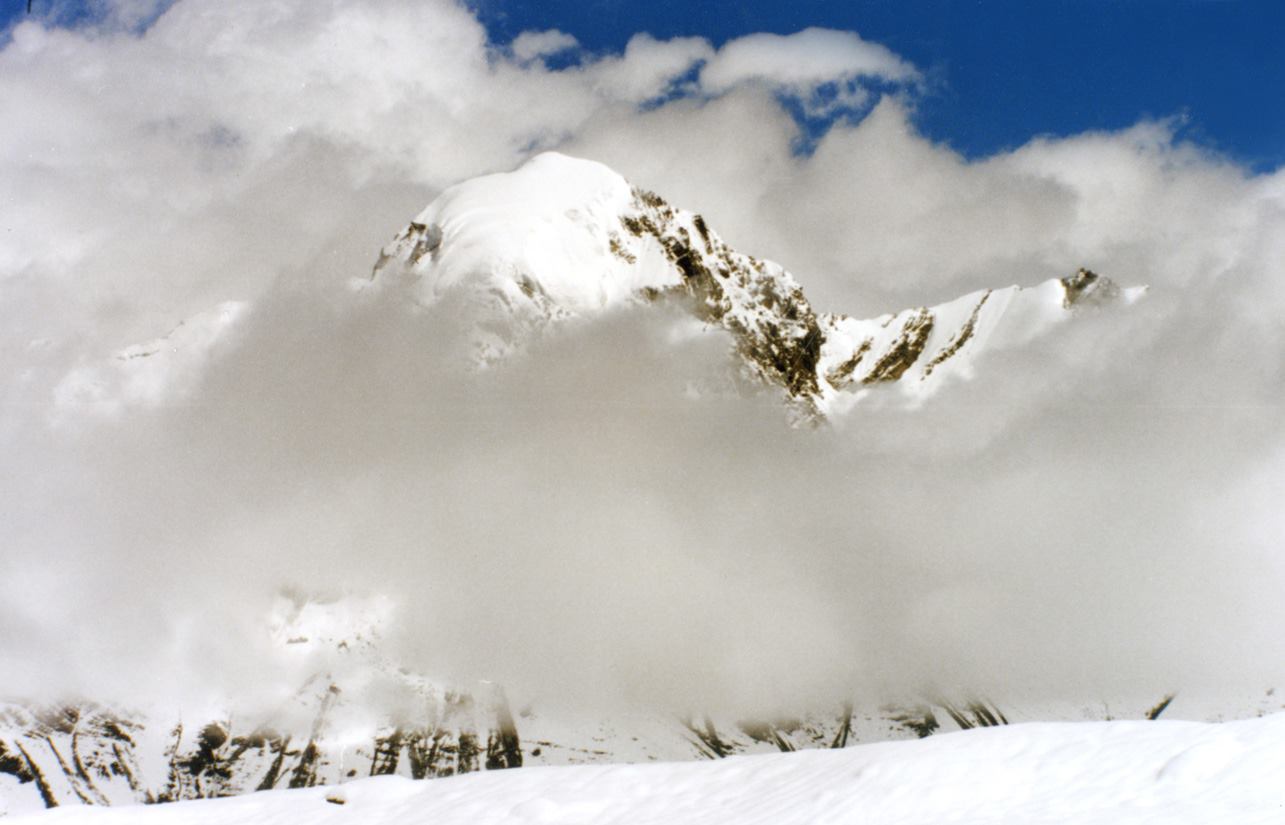
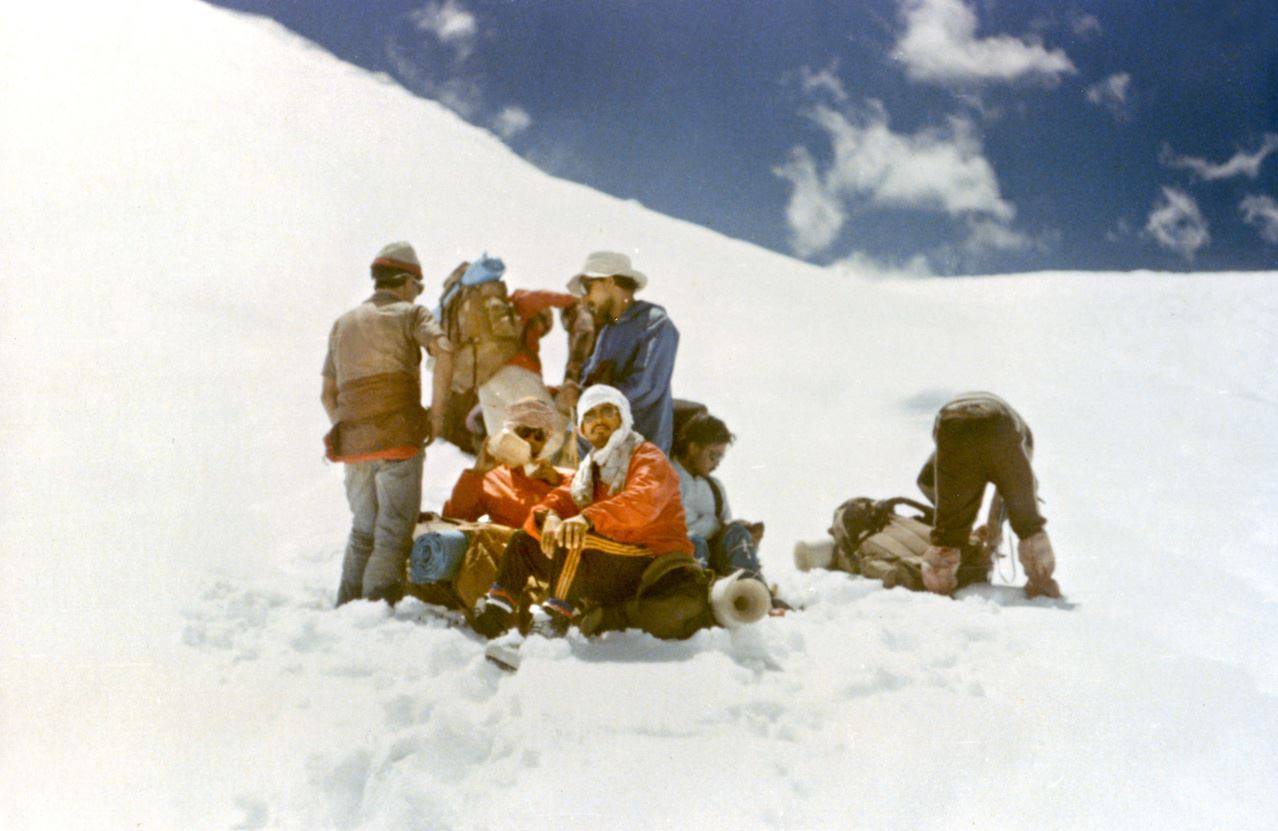
नंदाकोट अभियान से वापिस लौट रहे थे। हिमालय के बारे में एक बात तो तय है जितना सर नीचे कर के चलो उतनी आसानी से किसी शिखर तक पहुँचने की इजाज़त मिल ही जाती है। 21 लोगों के हमारे ग्रुप के साथ भी वही था।  नंदाकोट की सफलता के बाद सब खुश थे और इस मूड में कि जल्द से जल्द मुनस्‍यारी कैसे पहुंचा जाए, पर पहाड़ का अपना मूड होता है। आप अपनी मर्जी से आ तो सकते हैं पर जा सिर्फ पहाड़ की मर्जी से। अभियान की लीडर कुमारी चंद्रप्रभा ऐतवाल जी ने कहा भी कि एक दिन और पूर्वी नंदादेवी चोटी के बेस कैम्प की और चलते हैं पर ना – कोई तैयार नहीं था। ग्लेशियर की धार के साथ लगा अपना बेस कैम्प, जिसे पोर्टर लोग चढ़ा रहे थे, अचानक विदाई के ऐसे गीत गाता दिखा जैसे किसी हिन्दी फिल्म में मीना कुमारी की डोली उठ रही हो। वो एक दिन नंदा देवी के आँगन में ना बिताने के एवज़ में तीन दिन और बिताने पड़े ।

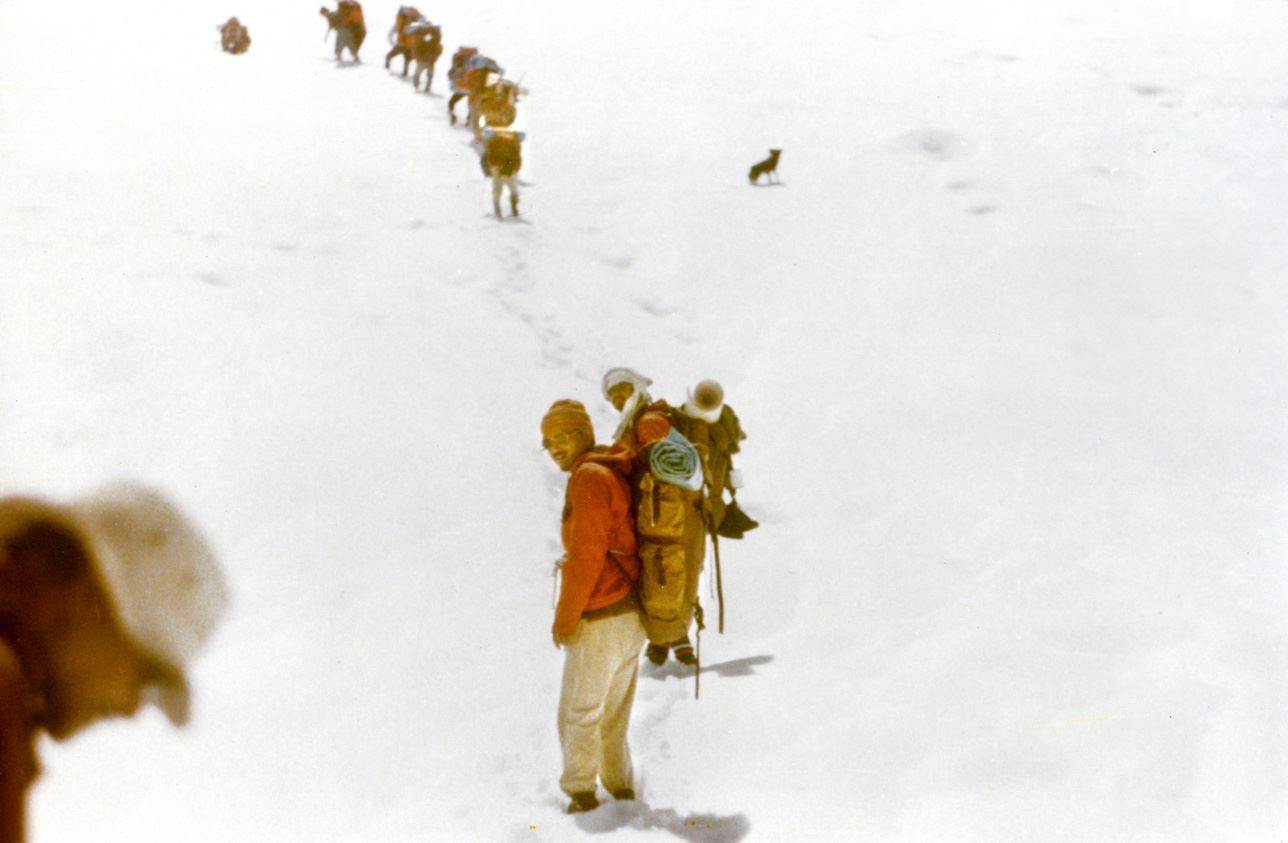
कुछ साथी और मैं, शायद सात जन, समान लाद कर लवाँ गाड़ से ऊपर भेड़ों वाले सँकरे रास्ते पर चलते हुए करीब चार-पाँच घंटे में उजड़े हुए मारतोली गाँव पहुँच गए। यहाँ याद रहे की सारा सामान हम लोग खुद ही लाद कर वापिस लाए थे चूंकि लीलम से आए पोर्टर लोग हमे दगा दे कर छोड़ गए थे। रसोई और खाने का बचा कच्चा सामान अभी पीछे पैक हो ही रहा था जब हम इक्विप्मन्ट ले कर निकले थे। हमारे बाद वाला जुट करीब दो घंटे बाद निकला होगा और उनके बाद का आखिरी ग्रुप देर दोपहर में। पर उस रोज़ ये दो जुट और कोई साथी मारतोली नहीं पहुँच पाया।

अगली सुबह जब हम अपने साथियों को ढूँढने वापिस निकले तो मारतोली से करीब 3 कि मी उत्तर में एक भयावह दृश्य देखने को मिल। वहाँ जहां भोज के पेड़ों का छोटा जंगल अभी बचा था, उसके नीचे के पहाड़ का एक बड़ा हिस्सा दरक गया जिसने मरतोली पहुँचने का रास्ता बंद कर दिया। दरका क्या, करीब 200 फुट गहरी और 60 – 70 फुट चोड़ी खाई छोड़ गया जिसमे सुबह तक छोटे बड़े पत्थर लुढ़क रहे थे। हमे तो अपनी किस्मत पर नाज़ आ रहा था कि हम बच गए। उसी धार के ऊपर बैठे एक भोटिया अनवाल ने बताया की ये कल शाम चार बजे के करीब हुआ। यानि हमारे निकलने के आधे-एक घंटे के अंदर पहाड़ टूट गया।

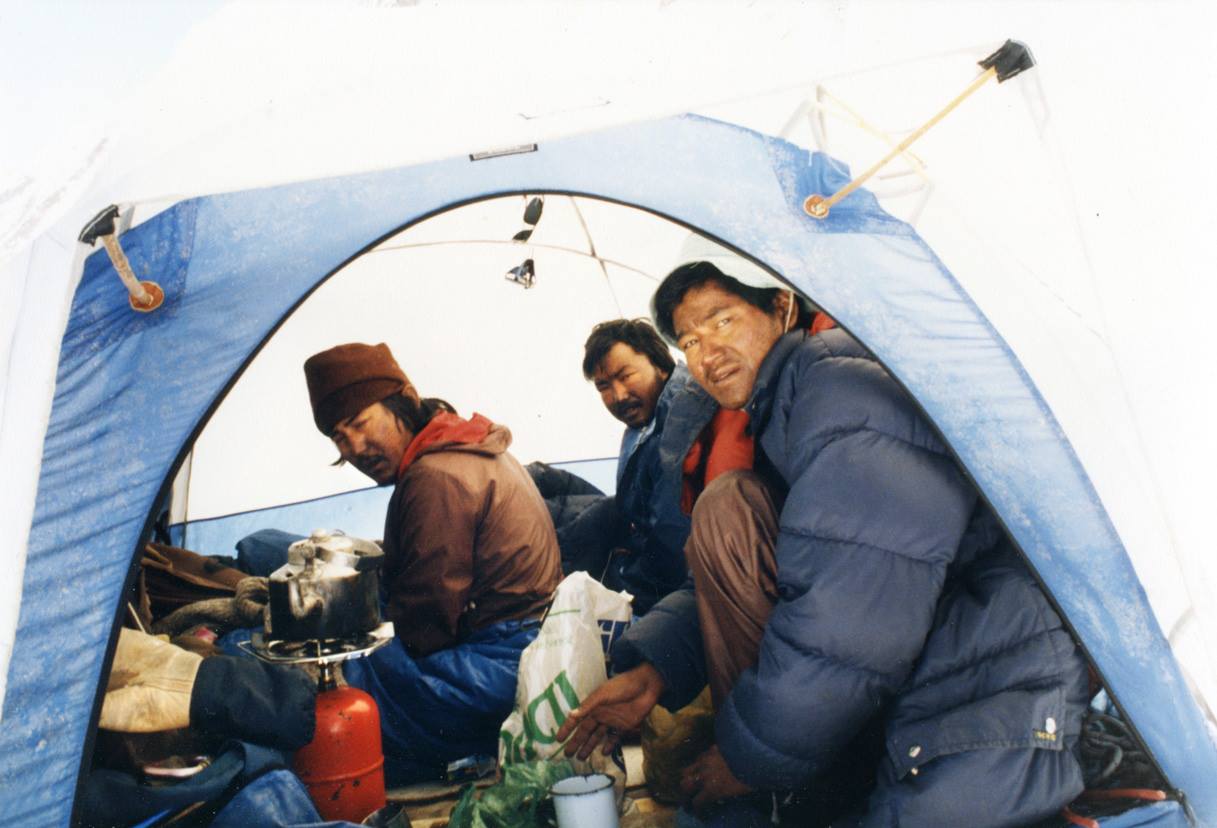
हमारी बाकी टीम के लिए उस शाम सिर्फ एक ज़रिया था, करीब एक हजार फुट नीचे लवाँ गाड़ तक उतर, उसे पार कर ही मारतोली के नीचे वाले मैदान में पहुंचा जा सकता था। सब लोग पहाड़ की छाया में थे, अंधेरा हो चला था। नीचे उतरना ठीक नहीं समझा गया सो पीछे आने वाले दोस्तों ने वहीं कहीं कैम्प लगा लिए ।और हम सात, जिनके पास खाने को तो क्या चाय बनाने का सामान भी नहीं था, मट्टी तेल भी नहीं – वो सब फ़िक्र के मारे भूखे ही रात भर पलटते रहे। अगली सुबह वो लोग नीचे उतर कर दोबारा रास्ते पर चढ़ने की कोशिश में लगे थे।

अगले रोज़ बाकि दोस्त दोपहर के बाद ही पहुंचे पाए, बीती रात उन लोगों ने भी खाना नहीं खाया था। टीम के उप कप्तान केदार सिंह मारतोलिया और प्रह्लाद सिंह बुरफ़ू जो बुरफ़ू गाँव के रहने वाले थे ने प्रोग्राम ये बनाया कि अब जब इतनी दूर आए ही हुए हैं तो क्यूँ ना बुरफ़ू और मिलम भी चक्कर लगा ली लिया जाए । कुछ दोस्त राज़ी थे कुछ नहीं । देर दोपहर हम लोग मारतोली से चले। करीब 5-6 कि मी दूर बुरफ़ू एक तरह पहाड़ का मैदानी गाँव है जो मारतोली की ऊंचाई से भी धुंधला सा देखा जा सकता है। 

मारतोली से सीधी ढलान और फिर फिर कुछ समतल। करीब 11,500 फुट की ऊंचाई पर बुरफ़ू छोटा पर सुंदर गाँव था, पास में धार का मीठा पानी। बुरफ़ू में कुल आठ परिवार थे जिन्होनें हम सब की आवभगत गरम खाने, भेड़ के गोश्त और वहाँ बनी चकती (छंग) से की। खाते-पीते देर हो ही जानी थी और रात को ठंड भी तेज हो गई। मिलम का इरादा कैन्सल कर हम रात में वापिस मारतोली के लिए निकल पड़े। अपने पैतृक गाँव में इतना मान-सम्मान मिलने पर प्रह्लाद को ‘बुरफ़ू नरेश’ की उपाधि दी गई। अंधेरी काली रात में गिरते पड़ते, डगमगाते पैरों को संभालते हम जाने कैसे उस खड़ी चढ़ाई को पूरा कर वापिस मारतोली पहुंचे जहां – वीरान और उजड़े गाँव के भोटिया मेसटिफ कुत्तों ने हमारा ऐसा स्वागत किया जैसे किसी हॉस्टल के वार्डेन करते हैं। सब ने एक दूसरे को देखा और अचानक गंगा सिंह मारतोलिया ने पूछा – बुरफ़ू नरेश – प्रह्लाद सिंह कहाँ हैं?  कुछ मिनट के लिए तो सब की सिट्टी पिट्टी गुम। दो लोग वापिस पगडंडी पर उतरे – करीब एक किलोटेर बाद बुरफ़ू नरेश किसी चट्टान पर सोते मिले। हुआ यूं था कि पीने और रात की ठंड के बाद बुरफ़ू नरेश को सुसू आया – रुक कर चट्टान के सहारे किया गया और बस, वहीं पस्त हो गए । दो लोग साहब की सवारी के साथ रात तीन बजे मारतोली पहुंचे। उस रात के बाद बुरफ़ू हमेशा के लिए यादगार बन गया।  प्रह्लाद सिंह बुरफ़ू तब लखनऊ में रिजर्व बैंक में काम करते थे – अब जाने कहाँ हैं – कहीं गाँव ओ नहीं लौट गए !!   ​

मुझे​ ​नंदाकोट अभियान में शामिल करने और हर पहाड़ पर हौंसला बढ़ाने का पूरा श्रेय प्यारे दोस्त गोविंद पंत का है। इस अभियान में हमारे साथ हिंदुस्तान के महान पर्वतारोही लवराज सिंह धरमशकटु भी थे जिनके लिए शायद ये पहला अभियान था और जिन्होंने आखिरी गिनती तक सात बार, जी हाँ, सात बार, एवरेस्ट की चोटी फतेह की है । इन दोनों प्यारे दोस्तों को सलाम।

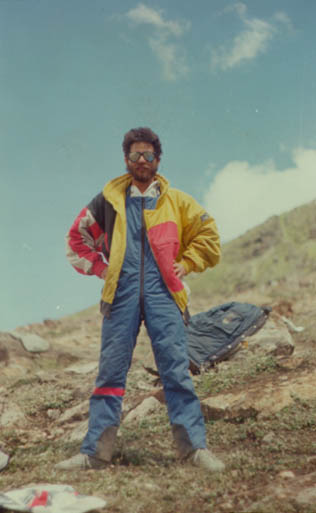
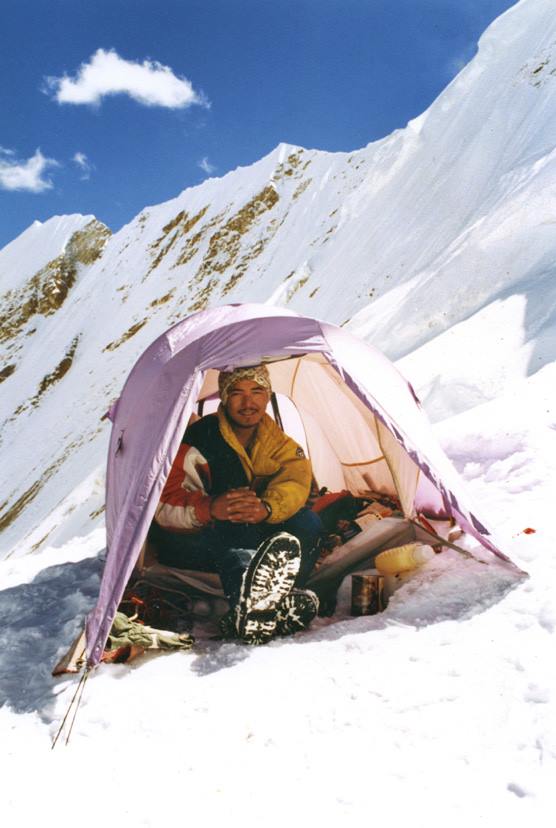
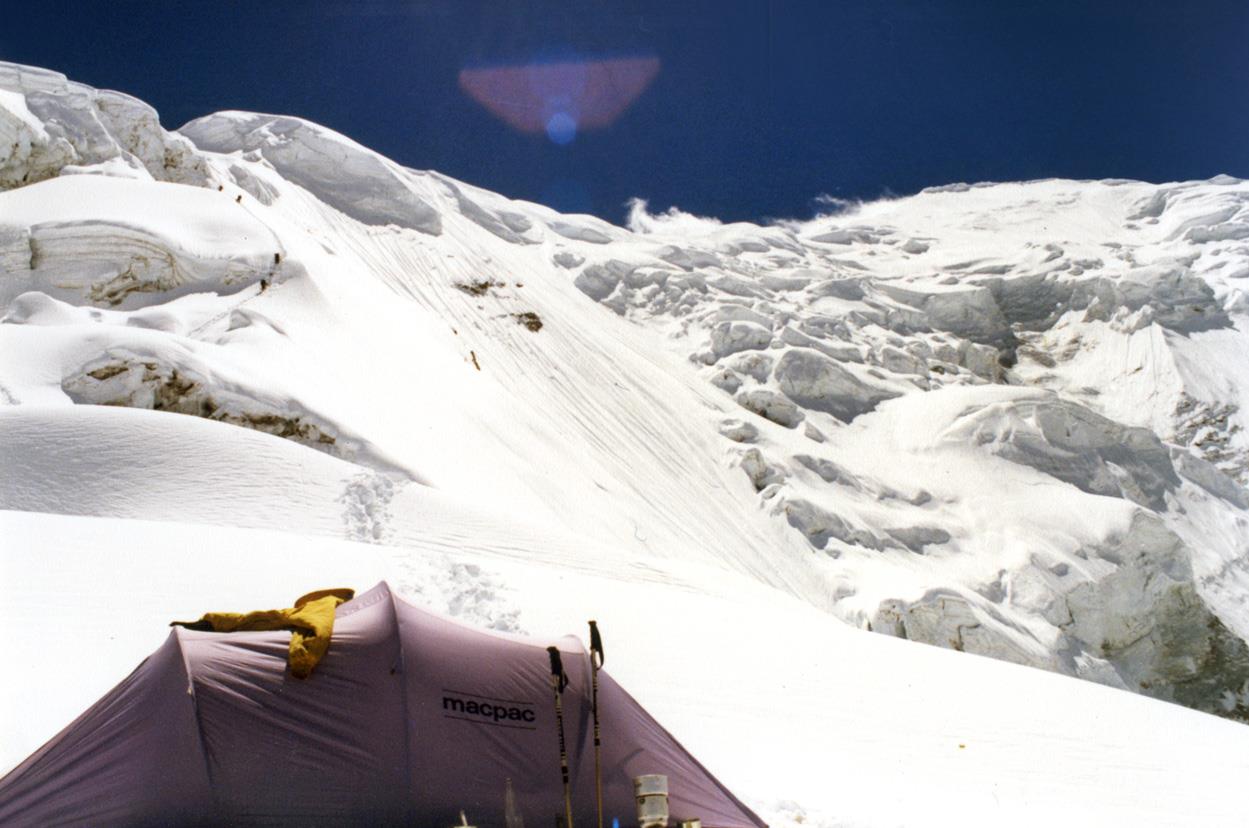
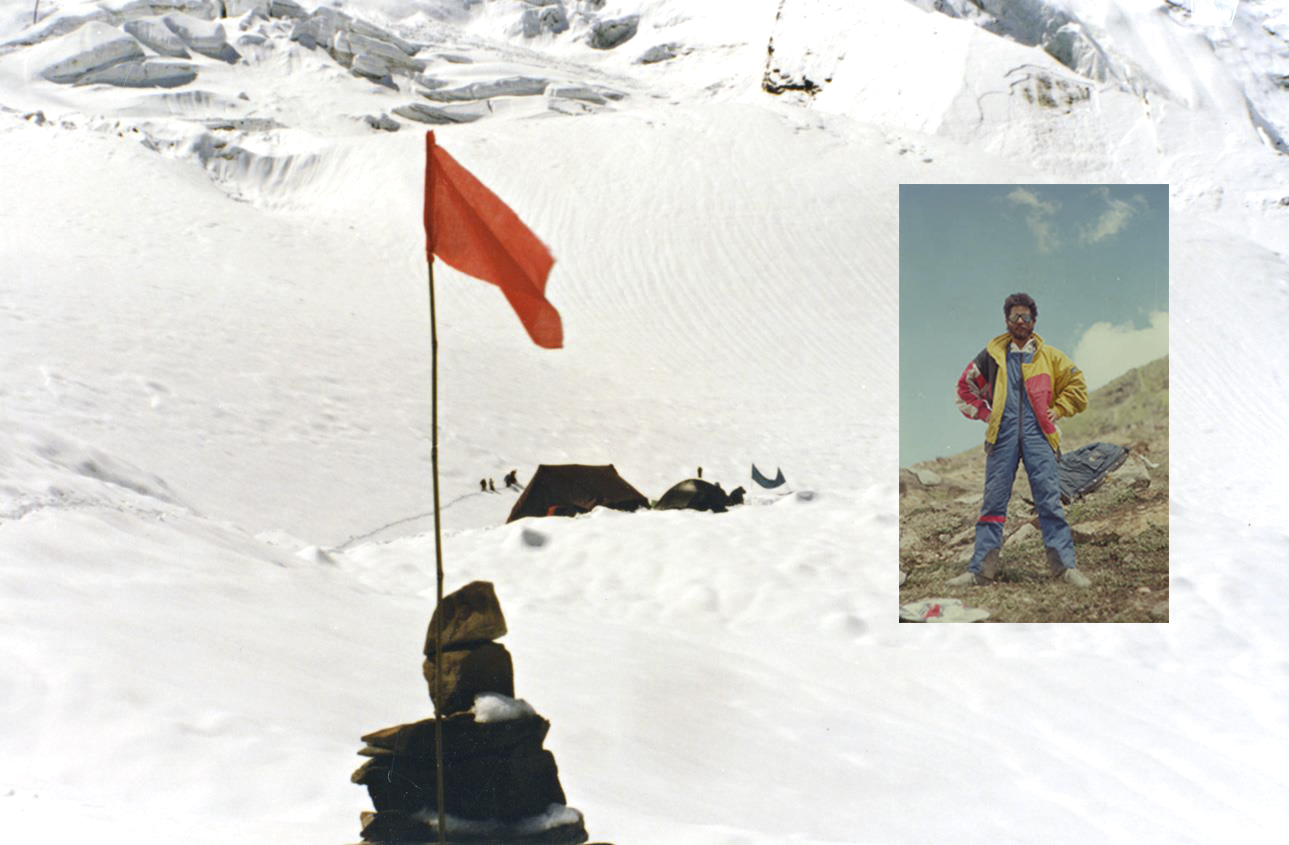
तस्वीर: (इनसेट) माबदौलत अपनी पूरी टशन में नंदाकोट बेस कैम्प पर नक्शा दिखाते और कैंप 2 से पहले लगा रूट मार्कर फ़्लैग और तस्वीर में नीचे कैंप 1, जहाँ टीम के साथी ABC की ओर नीचे उतर रहे हैं। इस सुनहरी सुबह से पहले, तीन दिनों तक लगातार बर्फ़बारी हुई थी।

मिलम और बुरफू उत्तराखंड, भारत के पिथौरागढ़ जिले की जोहर घाटी में स्थित दूरस्थ गाँव हैं, जो तिब्बत (चीन) की सीमा के निकट स्थित हैं। ये गाँव ऐतिहासिक रूप से महत्वपूर्ण क्षेत्र का हिस्सा हैं, जो कभी भारत और तिब्बत के बीच एक व्यस्त व्यापार मार्ग हुआ करता था।

मिलम को ऊपरी जोहर घाटी का अंतिम गाँव माना जाता है, जो गोरी गंगा नदी के उद्गम स्थल और मिलम हिमनद के निकट स्थित है। बुरफू भी इसी घाटी में पास ही स्थित है। ये गाँव ऊँचे पहाड़ी दर्रों (जैसे उन्ता धुरा, जांडी धुरा और किंगरिबिंगरी धुरा) के निकट स्थित हैं, जो ऐतिहासिक रूप से भारत को तिब्बत से जोड़ते थे। 1962 में भारत-चीन युद्ध के बाद, व्यापार मार्ग बंद हो गया, जिससे यह क्षेत्र एक “भूतिया गाँव” में बदल गया, जहाँ बहुत कम स्थायी निवासी बचे थे। कई परिवार मुनस्यारी और अन्य निचले क्षेत्रों में पलायन कर गए। सीमा सड़क संगठन (बीआरओ) भारत-चीन सीमा सड़क (आईसीबीआर) परियोजना के तहत “मुंसियारी-बुगदियार-मिलम सड़क” (एमबीएमआर) का निर्माण कर रहा है, जिसके 2026 की शुरुआत में पूरा होने की उम्मीद है ताकि क्षेत्र में कनेक्टिविटी में सुधार हो सके। हालांकि सर्दियों में यह क्षेत्र काफी हद तक निर्जन रहता है, लेकिन कुछ निवासी गर्मियों के महीनों के दौरान बकव्हीट और जांभू जैसी उच्च ऊंचाई वाली फसलों की खेती करने के लिए लौट आते हैं। सीमा क्षेत्र विकास कार्यक्रम (बीएडीपी) के तहत सौर ऊर्जा सहित इन 13 दूरस्थ सीमावर्ती गांवों में बिजली और संचार सुविधाएं लाने के प्रयास किए जा रहे हैं। यह क्षेत्र परंपरागत रूप से भोटिया (शौका/नितवाल) जनजाति द्वारा बसा हुआ है, जो ट्रांसह्यूमन्स (सर्दियों में निचले क्षेत्रों में जाने) का अभ्यास करते थे (Wikipedia)

When the Grand Trunk Road became NH-44

Somewhere between Gurgaon and Chandigarh, while cruising along the smooth expanse of National Highway 44, I realised that the road beneath my wheels had quietly lost its name. What was once the legendary Grand Trunk Road—a highway that had carried emperors, armies, traders, caravans, and pilgrims for more than two millennia—now survives officially as little more than a number on a signboard.

The transformation while being logical was an administrative activity leading to some efficiency, but it also erased something far older than asphalt.

A Road Older Than Empires

The origins of the Grand Trunk Road reach deep into antiquity. During the era of the Mauryan Empire, more than two thousand years ago, an important trade route connected the fertile Gangetic plains with the north-western frontiers of the subcontinent.

Over centuries successive rulers maintained and expanded this route, recognising its strategic importance. But it was the Afghan ruler Sher Shah Suri who transformed it in the sixteenth century into a truly organised imperial highway.

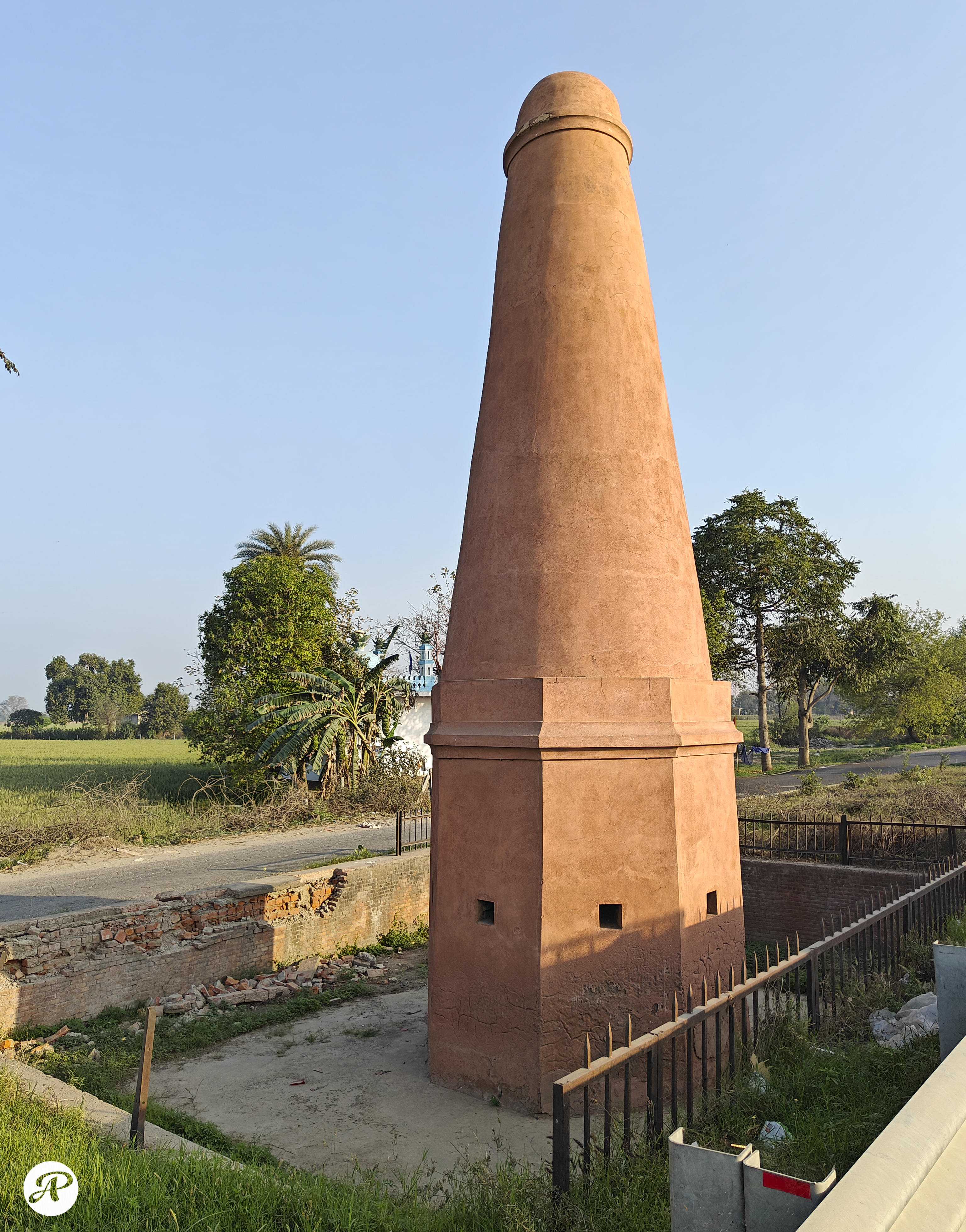
He planted trees along the route, built caravan serais, dug wells, and ordered the construction of distinctive distance markers called Kos Minar. These cylindrical towers, erected at intervals of roughly one kos—about three kilometres—allowed travellers to measure distances across the long road stretching from Bengal toward Lahore and the Afghan frontier.

Under the Mughal Empire, the road flourished further, linking great imperial centres such as Delhi, Agra, and Lahore. For centuries the Grand Trunk Road functioned not merely as a highway but as a moving artery of civilisation—carrying commerce, ideas, languages, religions and armies across the northern plains of the subcontinent.

The Silent Sentinels: Kos Minars

Even today the past occasionally reveals itself beside the highway. Every now and then a traveller may notice a cylindrical brick tower rising unexpectedly beside the modern road. These are the old Kos Minars—once lime-plastered pillars nearly thirty feet tall that marked distances and guided travellers along the imperial highway.

Between Delhi and Ambala alone nearly thirty such structures still survive, though many remain half hidden behind encroachments or modern construction. Some have been restored, albeit somewhat crudely, by the Archaeological Survey of India.

During my recent drive one such tower caught my attention near the village of Khandra in Panipat district. Standing quietly beside the roaring traffic of NH-44, the restored pillar seemed like an old sentinel from another century, watching the modern highway rush past. These modest structures once helped guide caravans, royal messengers, traders, and pilgrims along one of the great roads of Asia.

Where Myth and History Meet

This corridor has witnessed not only historical events but also the echoes of far older stories. Near the town of Karnal lies the ancient landscape of Kurukshetra, revered in the epic Mahabharata as the battlefield where the great war between the Pandavas and the Kauravas was fought.

Whether viewed as mythology, sacred narrative, or distant historical memory, the geography of that epic is unmistakably rooted in these plains of Haryana. Long before imperial highways were formally built, ancient pathways must have crossed this landscape, linking settlements and kingdoms.

Thus along this single corridor, memory stretches from the mythic age of the Mahabharata to the medieval battles of Tarain and onward through the empires of Sher Shah, the Mughals and the British. Few roads in the world carry such layered echoes of time.

A Road That Shaped History

Near Taraori, close to Karnal, the decisive Battles of Tarain were fought. Control of this corridor meant control of the road leading to Delhi and the Gangetic heartland. When Muhammad Ghori emerged victorious in the second battle, the route to Delhi opened before him, paving the way for the establishment of the Delhi Sultanate.

From Panipat to Kurukshetra, this highway runs through landscapes where history has repeatedly changed the course of the subcontinent.

The Disappearance of a Name

Yet this ancient road met a curious fate in modern India. In 2010, India reorganised its highway network into a systematic numbering grid, creating hundreds of national highways across the country. Under this system the historic Calcutta–Delhi–Amritsar stretch of the Grand Trunk Road was absorbed into NH-44.

In one quiet administrative act, a road whose name had echoed across centuries was reduced to a number on a map. Travellers speeding along NH-44 remain largely unaware that they are moving along one of the most historic corridors of the subcontinent.

Perhaps the road itself might echo the melancholy sentiment expressed by Faiz Ahmed Faiz:

     “Nisār main terī galiyoñ pe ae watan ke jahāñ,
Chalī hai rasm ke koī na sar uṭhā ke chale.”

“निसार मैं तेरी गलियों पे ऐ वतन कि जहाँ
चली है रस्म कि कोई न सर उठा के चले।”

I bow before the streets of my homeland,
Where it has become the custom to walk with lowered heads.

The lines seem almost prophetic for a road where millions travel each day, unaware of the history beneath their wheels.

Remembering the Road

Many ancient roads survive today only as archaeological memory—Rome’s Via Appia, China’s Silk Road, Persia’s Royal Road, and the Inca Qhapaq Ñan; all these are relics of the past and not used as roads any longer, however, the Grand Trunk Road is different. It remains alive.

Millions of vehicles travel along it every day across India and Pakistan, unknowingly retracing a route that has carried caravans, armies, traders, pilgrims and ideas for more than two thousand years.

Numbers may organise roads on a map but names carry memory. Restoring the Grand Trunk Road’s historic name alongside its administrative designation is not merely an exercise in nostalgia. It is about preserving civilisational memory.

At a time when cities, towns, and streets across India are frequently renamed for political or ideological reasons, the name “Grand Trunk Road” stands apart. It carries neither sectarian identity nor political affiliation—only the accumulated weight of history. Perhaps NH-44 could remain its official administrative designation while the historic name of the Grand Trunk Road is proudly displayed along its length.

And sometimes a civilisation is remembered not through its monuments, but through the roads that once connected its people, its stories, and its history across time.

Rajinder Arora
Delhi-Gurgaon

Lettered Cone – genetics of life on earth!

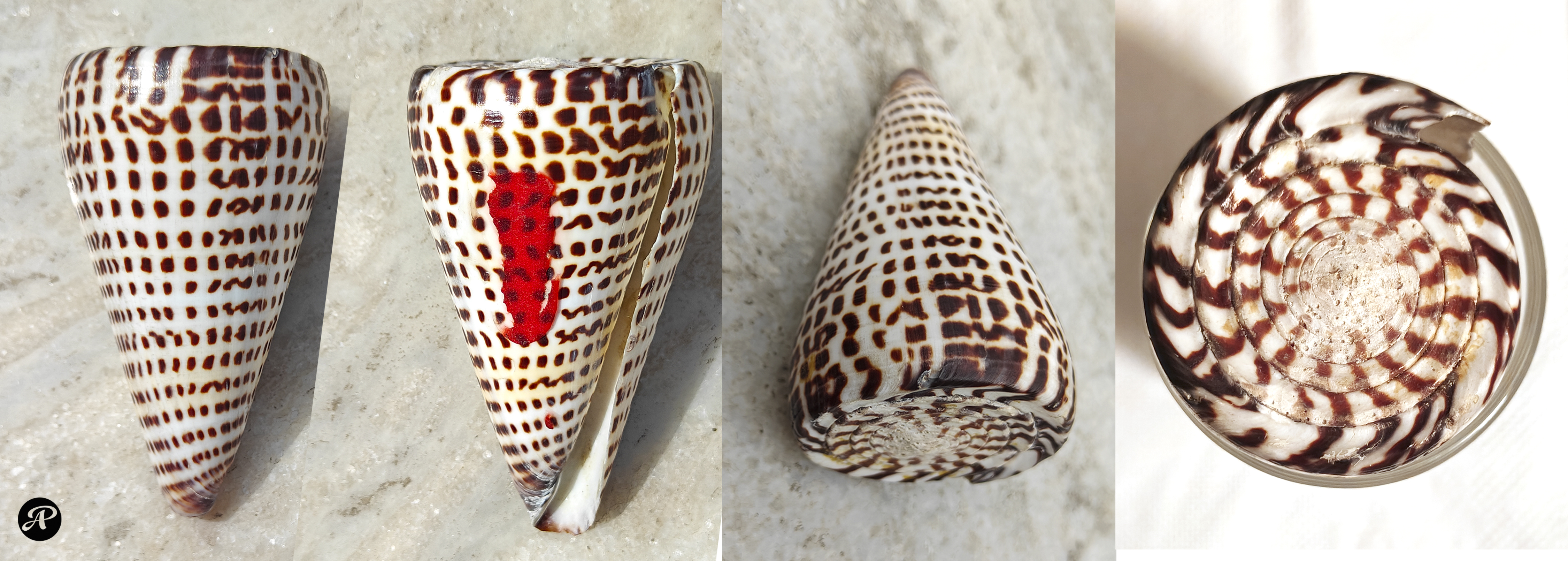
A kind aunt recently gifted this curio to Rajni together with its two cousins – the three being sea shell cones. The pattern and markings on this one fascinated me as I had not seen anything like this before so I searched a bit about it. Lo and behold, it is called “Lettered Cone” – it has found home finally – I told myself. 

Not surprising that even among the marine species of snails, gastropods, and mollusks there are ‘lettered’ and the ‘unlettered ones’. Just guessing, that among the lettered ones there must be poets and literary masters too – this one looks as if its pattern is rhyming with nature. In its top view it looks like the top of an ice cream cone filled with chocolate chunks in vanilla. Its sides look like a fancy snake skin. Holding it in hand is sheer delight, its inner curves still carrying the smell of saline waters of Indian Ocean where it is found in plenty. Don’t worry much about the red spot, it is some plastic stuck to it which I plan to remove carefully. 

A species of predatory sea cone snail or mollusk, Lettered Cone is also known as leopard cone. Like all species of conus these are venomous and capable of stinging humans. Fishermen don’t even touch it. It is the chocolate brown pattern on it which looks like a long forgotten ancient script that gives it its name and makes it look special. I learnt that “…the patterns on the Lettered Cone shells are also reminiscent of chromosomes. Possibly this is the undecipherable story the Lettered cone shell is trying to tell; a glimpse into the genetics of life on earth. For now, this deadly beauty will keep its secrets – possibly hidden in the letters of its shell.

I am told people have been obsessed with seashells since the Stone Age. These have been used as money, worn as jewelry, and used in trade. But if you’re beachcombing in the tropics, there’s one beautiful shell you can leave alone: the Cone Snail.

The Lettered Cone is the “femme fatale” of the ocean. It gets its name from the dark patterns on its shell that look like handwriting or secret codes. Every shell is unique, like a fingerprint, and some collectors even hunt for ones that look like they spell out actual words. Collectors say ‘no two messages’ are ever the same on these cones.

People have seen everything from early Arabic letters to lost codes in these patterns. Some collectors specifically hunt for “word shells”—specimens where the dots and dashes happen to line up to look like actual words.

In some cultures, these markings weren’t just seen as random; they were viewed as a way for the divine to speak to us.

From a scientific lens, these patterns are actually a real-world example of “Rule 30″—a complex mathematical rule used to study chaos and complexity in nature. It’s as if the snail is printing out a chaotic computer code as it grows.

I am not the only one obsessed with these. Over 2,000 years ago, people in Japan went on dangerous sea voyages just to find these shells turning these into bracelets for high-society women. Wearing one was not just the ultimate fashion statement it also marked the wealth of the owner enough to own something for which literally some lives could be risked.

The predator inside this pretty shell carries a harpoon of poison. Its needle-sharp tooth shoots out  toxic cocktail that can paralyze a prey in an instant. For humans, it’s incredibly dangerous—some species are nicknamed “cigarette snails” because the joke is you’d only have time for one last smoke after being stung.

But here’s the crazy part: that deadly venom of Lettered Cone is actually saving lives. A subject of neuroscientific research, scientists are turning its venom into medicine for neurological diseases like Alzheimer’s, Parkinson’s, depression and even epilepsy. They’ve even created a painkiller from it that’s 1,000 times stronger than morphine but isn’t addictive.

So, if you see one of these gorgeous patterned cones in the sand, just remember: it’s a tiny, beautiful masterpiece that packs a punch strong enough to change the world—or end your day very quickly.

Lettered Cone from the Indian Ocean

-Rajinder Arora, 15 March 2026